

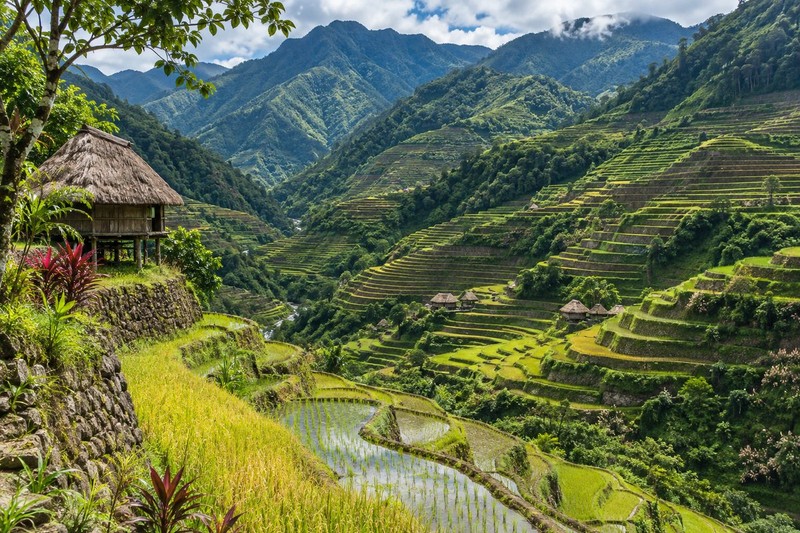
The Philippines is an island country in the western Pacific Ocean, known for its tropical beaches, coral reefs, volcanic landscapes and distinctive culture. The archipelago consists of more than seven thousand islands, so a trip can offer very different experiences: from the historic districts of Manila and the rice terraces of the Cordilleras to the lagoons of Palawan, the mountain regions of Mindanao and small islands with white-sand beaches. The Philippines is shaped by a blend of Malay, Spanish, Chinese and American cultural influences, visible in its architecture, language, festivals and cuisine. Popular destinations include Palawan, Cebu, Bohol, Boracay and Siargao. Puerto Princesa Puerto Princesa is the capital of Palawan province and a convenient starting point for exploring the island's landscapes; beyond the well-known resorts, there are less-visited places such as the Balabac Islands in southern Palawan. To explore the country properly, take into account the long distances between islands, seasonal weather patterns and the specifics of domestic transport.
 Philippines
About the country
Popular attractions
All attractions →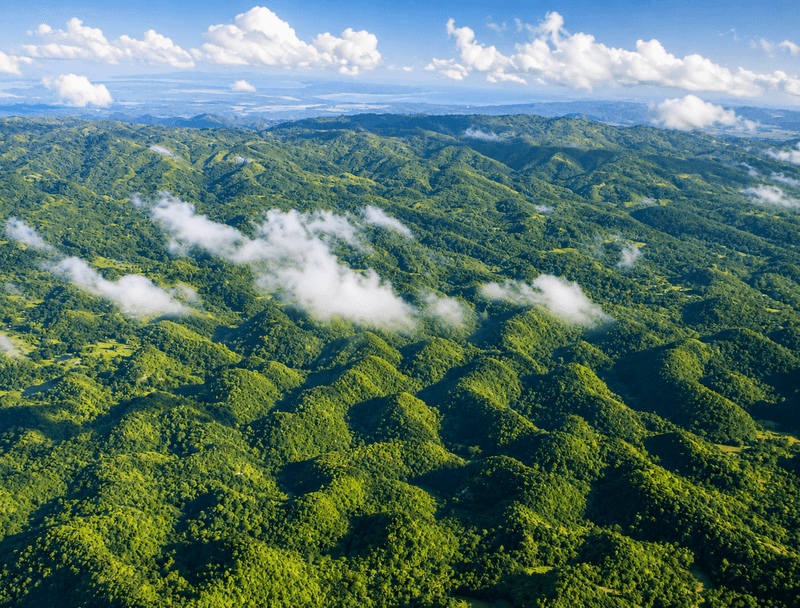
Travelers' stories
History
The history of the Philippines has been shaped by maritime trade and contact among the peoples of Southeast Asia. Before the arrival of Europeans, the archipelago consisted of many independent communities and small political units known as barangays, each led by local chiefs. Trade routes connecting the region with China, Borneo, India and other territories passed through the islands. In 1521, the expedition led by Ferdinand Magellan reached the archipelago, and long-lasting Spanish colonial rule began in 1565. Spanish influence transformed the country's religious and cultural life: Catholicism became the dominant religion across much of the islands, while towns, churches and fortifications were established. The independence movement gained strength in the late nineteenth century, and in 1898 Spain ceded the Philippines to the United States following the Spanish-American War. During World War II, the archipelago was occupied by Japan. Independence was declared in 1946. Important events in the country's modern history include the period of martial law under Ferdinand Marcos, the democratic changes of 1986 and the subsequent development of the republic. These historical periods are especially visible in Manila, Vigan and the old churches found in different provinces.
Climate
The Philippines has a tropical maritime climate: it is warm and humid for most of the year, while temperatures depend on elevation and proximity to the sea. In many lowland areas, average daytime temperatures range from about 26 to 32 °C, and high humidity can make the heat feel more intense. The climate is commonly divided into a dry season and a rainy season, although their timing varies by region. In much of the country, drier weather usually lasts from November to May, while rain is more frequent from June to October. March to May is often particularly hot. The Philippines lies in a region affected by tropical cyclones: typhoons pose a greater risk to northern and central areas roughly from June to November, although stormy weather can occur at other times too. Rainfall patterns on the eastern coast and some islands may differ from those in the west. When planning a trip, therefore, check the forecast for the specific island or province rather than relying only on a countrywide outlook.
Best Time to Visit
For many popular destinations in the Philippines, the most convenient period is from December to April. During these months, much of the archipelago usually receives less rain, making it easier to plan beach holidays, boat excursions and transfers. January and February are often more comfortable in terms of temperature, while March and April can be very hot. However, there is no single ideal season for every island: conditions differ between the eastern and western parts of the archipelago, and rainy periods shift in some areas. From June to November, the likelihood of heavy showers, rough seas and typhoons increases, and these conditions can lead to ferry and domestic flight cancellations. The rainy season does not necessarily mean continuous rainfall: the weather may change throughout the day, and some destinations become less crowded. If you are travelling to remote islands, such as the Siete Pecados Marine Park or Sohoton Cove, check sea conditions and boat services in advance.
Nature and Wildlife
The island nature of the Philippines has a high level of endemism: many animal and plant species are found only in this archipelago or on particular islands within it. Forests are home to the Philippine tarsier, macaques, palm civets, flying foxes and numerous bird species, including the rare Philippine eagle. Coastal waters contain coral reefs, mangroves and seagrass beds that provide habitats for turtles, reef fish, rays and other marine animals. Palawan, Cebu and Negros are popular areas for observing underwater life. Around Apo Island, snorkelling and diving sites are known for encounters with sea turtles when visitors follow local rules. Near Coron, the Siete Pecados Marine Park is notable for its coral reefs and rich coastal ecosystem. Some habitats face pressure from deforestation, pollution, overfishing and coastal development. Travellers should choose operators that follow conservation rules, avoid touching corals and marine animals, never feed wild animals and avoid buying products made from endangered species. Wildlife sightings are never guaranteed, so responsible observation is more important than getting close to animals.
Geography
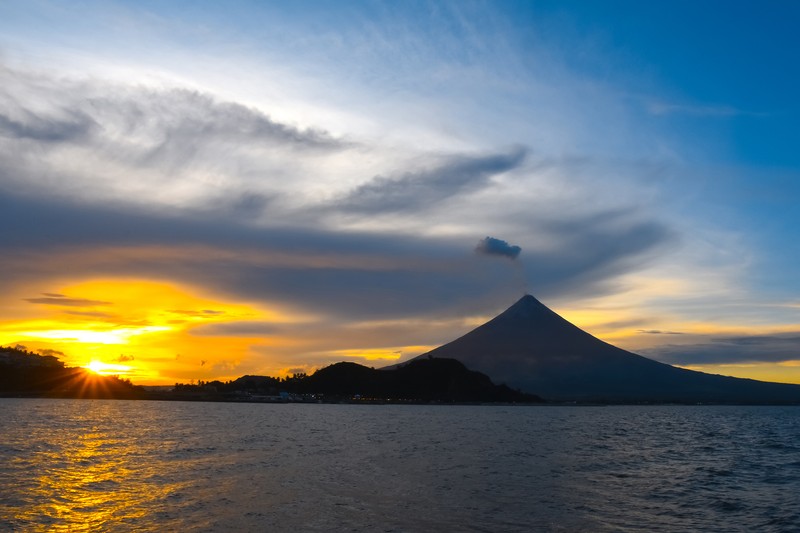
The Philippines lies in the western Pacific Ocean, east of Vietnam and north of Indonesia. The archipelago consists of thousands of islands and is generally divided into three major geographical groups: Luzon in the north, the Visayas in the central part and Mindanao in the south. The coastline is highly indented, with straits, bays and inland seas separating the islands. Much of the terrain is mountainous, with active and extinct volcanoes, mountain ranges, river valleys and coastal plains. The Philippines is part of the Pacific Ring of Fire, which makes earthquakes and volcanic activity characteristic features of the country. Major natural landscapes include the volcanic ranges of Luzon, the karst formations of Palawan, the tropical forests of Mindanao and the coral reefs surrounding the central islands. Geography also shapes travel: many journeys require a flight or ferry, and even trips between neighbouring islands may depend on vessel schedules and weather conditions.
Regions
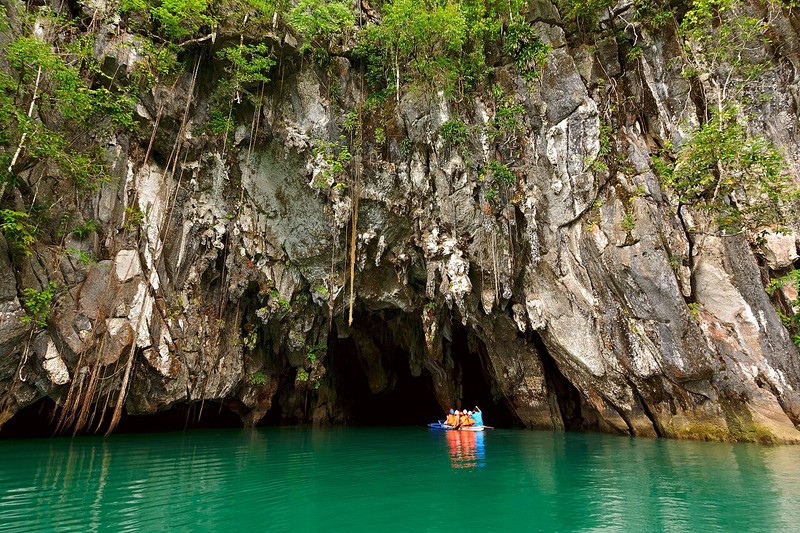
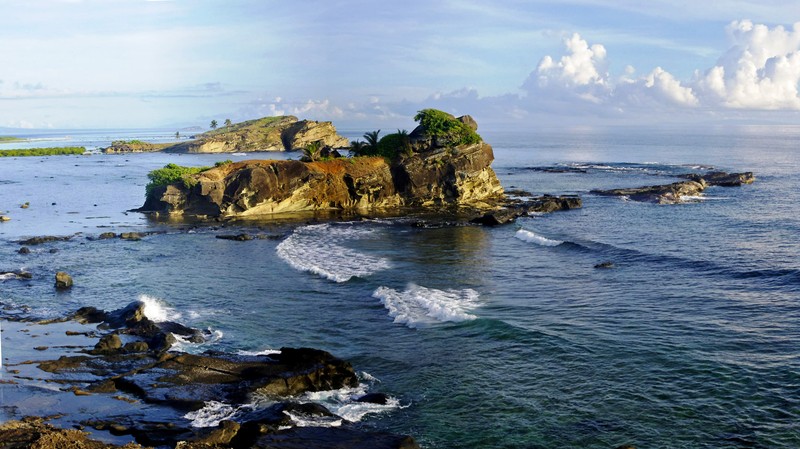
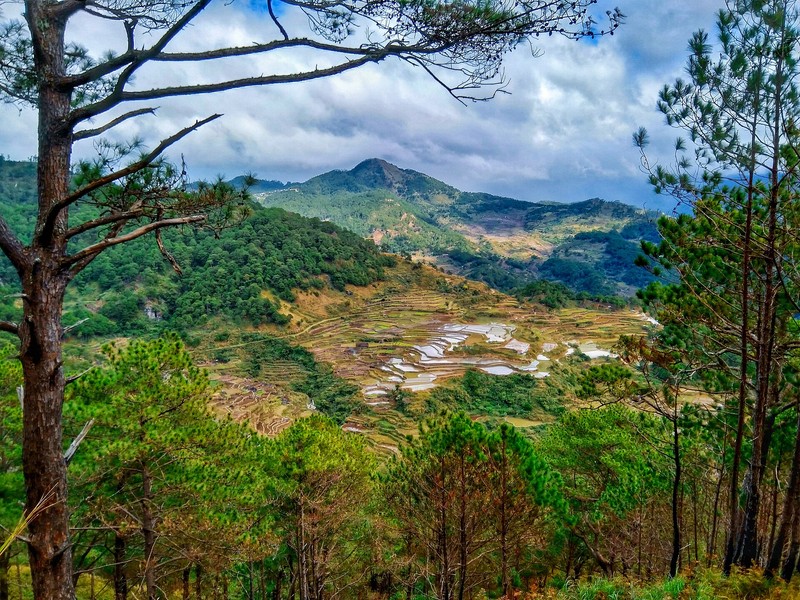
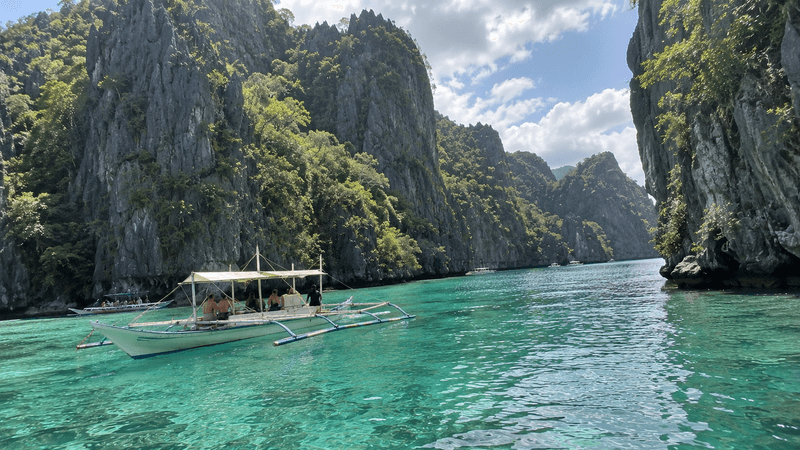
Luzon is the country's largest island and the location of Manila, its main transport and business centre. It contains the capital's historic districts, the mountain areas of the Cordilleras and the famous rice terraces of the northern provinces. The Visayas in the centre of the archipelago include Cebu, Bohol, Negros, Panay, Leyte and Samar. The region is known for beaches, diving, waterfalls and historic towns. To the west, Palawan stands out for its limestone cliffs, lagoons and underground river; its southern islands lead to the secluded beaches of Balabac. Mindanao is characterised by mountain scenery, lakes, waterfalls and cultural diversity. In the east of the country, Samar and Surigao are known for seascapes, surfing waves and natural coves. In northern Luzon, the Batanes Islands feature green hills and stone houses, while the Caramoan Peninsula in the southern Visayas area is known for its small islands and limestone shores. When choosing a region, consider not only the attractions but also the season, arrival airports and time needed for connections.
Cuisine
Filipino cuisine combines local Malay traditions with Chinese, Spanish and American influences. Everyday meals commonly include rice, fish, seafood, pork, chicken, vegetables, tropical fruit and sour or salty sauces. One of the best-known dishes is adobo: meat is braised with vinegar, soy sauce, garlic and spices, although recipes vary considerably from family to family. Sinigang is a tangy soup made with meat or fish, vegetables and tamarind or other souring ingredients. Lechon is a whole roasted pig, often served during celebrations. Other dishes worth trying include pancit, a variety of noodle dishes; lumpia, thin filled rolls; and kare-kare, a thick stew with peanut sauce. Fresh fish and seafood are popular along the coast. A well-known dessert is halo-halo, made with shaved ice, dairy ingredients and sweet toppings. Each region has its own recipes and local produce, so do not limit your culinary experience to tourist restaurants: local markets and small family-run cafés often provide a fuller picture of the country's food culture.
Tips for Tourists
Travelling around the Philippines requires flexible planning: even a short distance between islands may involve a flight, a transfer to the port and a ferry journey. Do not schedule an international departure immediately after a long sea transfer; leave a time buffer in case weather causes delays. For beaches and excursions, bring sunscreen, a hat, light clothing, insect repellent and a waterproof case for documents and your phone. Wear modest clothing when visiting churches and rural communities, and respect local customs. Before swimming, check for currents, jellyfish and lifeguard warnings; do not go out to sea when a storm warning is in effect. On boat excursions, check that life jackets are available and avoid overcrowded vessels. In cities, keep an eye on your belongings and use official taxis or trusted apps. Remote islands may have unreliable internet, limited ATMs and few medical services, so prepare cash, essential medicines and copies of important documents in advance. Do not leave rubbish on beaches or buy souvenirs made from coral, shells or protected species.
Transport
The main international air gateways to the Philippines are Manila and Cebu, with flights from there to many of the larger islands. Domestic flights are usually the most practical way to travel between distant regions. They save time, but you should check baggage allowances, possible delays and airport locations. Ferries and fast boats connect neighbouring islands; schedules and service frequency depend on the route, season and sea conditions. On larger islands, buses, minivans and intercity vans are common. Cities have jeepneys, tricycles, taxis and motorised rickshaws, while hotels and tour companies offer transfers in tourist areas. On smaller islands, boats and local motorcycle taxis are often the main forms of transport. When planning a route, check not only departure times but also the arrival port: an island may have several terminals located far apart. For complicated journeys, buy tickets from official operators and leave enough time between connections.
Prices and Budget
The Philippines suits different travel styles, from budget stays in guesthouses to holidays at private resorts. The largest factors affecting the overall budget are flights between islands, sea transfers, boat excursions and accommodation category. You can save money by eating at local cafés, using public transport, staying in small family-run hotels and planning a route that avoids unnecessary flights. In popular destinations such as Boracay, El Nido and Coron, accommodation and excursion prices are generally higher, especially during periods of strong demand. On remote islands, food and services may cost more because supplies have to be delivered, while the choice of accommodation and restaurants may be limited. When estimating expenses, include airport transfers, baggage fees, port charges, equipment rental, entrance tickets and possible extra charges for boat tours. Do not compare only the price of a flight or room: a more expensive option may be better located and reduce the cost of ground transfers. Before travelling, map out your island route and estimate the cost of every inter-island journey.
Housing Rental
In the Philippines, you can rent a room, apartment, guesthouse, villa or separate beach bungalow. Manila and Cebu offer a particularly wide choice, from small apartments and aparthotels to modern complexes with pools and security. In tourist areas of Palawan, Boracay and Siargao, small hotels, guesthouses and villas are common, while less-developed islands tend to offer simple bungalows and family-run pensions. Before booking, check the location on a map, the distance to the beach and port, and whether air conditioning, hot water, reliable electricity and Wi-Fi are available. Infrastructure on smaller islands may be limited, and power or water interruptions are more likely. For long-term rentals, agree in advance on the deposit, utility bills, cleaning, deposit-return rules and early departure conditions. For a short holiday, it is usually more convenient to book accommodation with recent reviews and clear cancellation terms. If you plan boat excursions or early departures, choose a place with convenient access to the port or meeting point.
Holidays
Philippine festivals reflect Catholic traditions, local customs and the history of individual islands. The Christmas season begins early and is marked by decorated streets, family gatherings and religious services. Holy Week and Easter are important to the Catholic population; processions and traditional ceremonies take place in some towns. In January, Cebu hosts Sinulog, a major festival in honour of the Santo Niño, featuring street processions, music and dancing. Local harvest, flower and maritime festivals are held in Calamba and other cities. Well-known celebrations also include Ati-Atihan in Kalibo and MassKara in Bacolod. The dates of many festivals change from year to year, and some events last several days. Transport and hotels fill up quickly during major celebrations, so it is best to book in advance. Festivals allow visitors to experience local culture not only in museums but also in the living urban environment. However, respect the religious nature of some ceremonies and do not obstruct participants in processions.
Shopping
Popular souvenirs from the Philippines include products made from natural abaca fibre, handmade fabrics and accessories, wooden souvenirs, ceramics, pearl jewellery, local coffee and mango products. Manila and Cebu have large shopping malls with international brands, while markets and craft shops offer goods made by local artisans. Beachwear, woven bags, shell products and marine-themed souvenirs are common on the islands, but avoid buying items made from coral, turtle shells or other protected natural materials. Food gifts may include dried mango, banana chips, local chocolate and coffee, provided these products are allowed into your destination country. Before buying pearls or items made from precious materials, check their origin and quality. Polite bargaining is possible at markets, while prices in shopping malls are generally fixed. Choose factory-sealed packaging for food products and ask sellers to protect fragile items carefully.
Entertainment
The main experiences in the Philippines are connected with the sea and nature: snorkelling, diving, boat trips, surfing, hikes to waterfalls and exploring karst lagoons. Palawan is popular for boat routes among limestone islands, while the central archipelago offers trips to coral reefs and small islands. Apo Island, known for its reefs and sea turtles, is a good place to discover underwater life. Travellers interested in unusual natural landscapes may enjoy the jellyfish lake of Bucas Grande and Sohoton Cove on Mindanao. On Samar, you can visit Tinuy-an Falls, while Asik-Asik Falls in Sultan Kudarat province is known for its distinctive wide curtain of water. Kalanggaman Island is a place to spend the day on a long sandbar and in shallow water. In Manila, visitors can explore museums, historic districts and Fort Santiago. In the evening, tourist towns offer markets, restaurants, music bars and festival venues. For water activities, choose licensed operators and check the weather conditions.
Hotels
The hotel infrastructure of the Philippines varies considerably depending on the island and tourist area. Manila and Cebu offer international hotel chains, city hotels, aparthotels and budget options near transport hubs. In Boracay, Palawan and Bohol, visitors can choose beach resorts, boutique hotels, guesthouses and small lodges. Accommodation on less-visited islands is often simpler, consisting of family-run hotels, bungalows and small eco-hotels with a limited range of services. Before booking, check the location in relation to the beach, airport and port, as well as reviews mentioning cleanliness, noise, air conditioning and reliable electricity. If a hotel is on a separate island or in a remote bay, ask how transfers are arranged and whether they are included in the price. Popular properties fill up quickly during the high season and major festivals. If your itinerary includes several islands, it is sensible to choose accommodation with flexible cancellation terms.
Travel Itineraries
For a first trip to the Philippines, it is convenient to choose an itinerary combining a major transport hub, several nature destinations and time by the sea. One option is to start in Manila, fly to Palawan and visit Puerto Princesa, El Nido or Coron, then continue to Cebu or Bohol. Travellers looking for less crowded places may choose southern Palawan and visit the Balabac Islands, but should allow more time for land and sea transfers. Another route can connect Cebu, Bohol and Siquijor, combining historic towns, beaches, waterfalls and snorkelling. If the weather is suitable, consider a stop at Kalanggaman Island. To explore the north of the country, plan a separate trip to Luzon and the Batanes Islands, where travel depends on flight schedules and weather. In Mindanao, you can include the Caramoan Peninsula and natural coves, while Samar offers waterfalls and forest trails. Do not try to cover too many islands on one short trip: every transfer takes time, and weather conditions can change ferry and flight schedules. Ideally, spend several nights in each region and leave a buffer before your international departure.
