Lake Sebu is a scenic freshwater lake in the southern part of the Philippine island of Mindanao, in South Cotabato province. It lies among forested hills and mountain slopes in an area known for its mild climate, lush vegetation, and distinctive Indigenous cultures. The lake and its surroundings are among the region’s most interesting nature and culture destinations. Visitors come for peaceful boat rides, waterfalls, mountain scenery, local food, and opportunities to learn about the traditions of the T’boli people.
Nature and landscapes around Lake Sebu
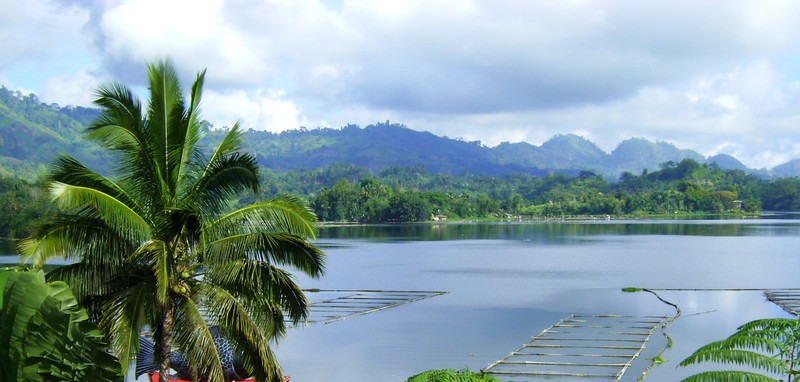
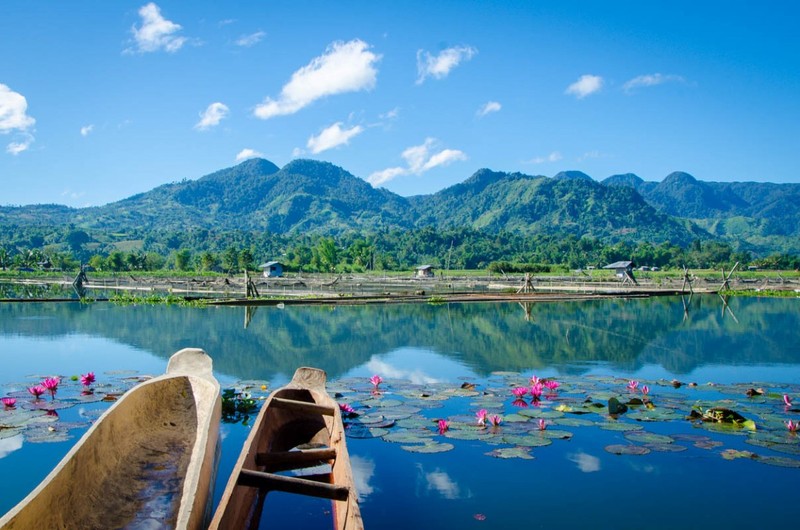
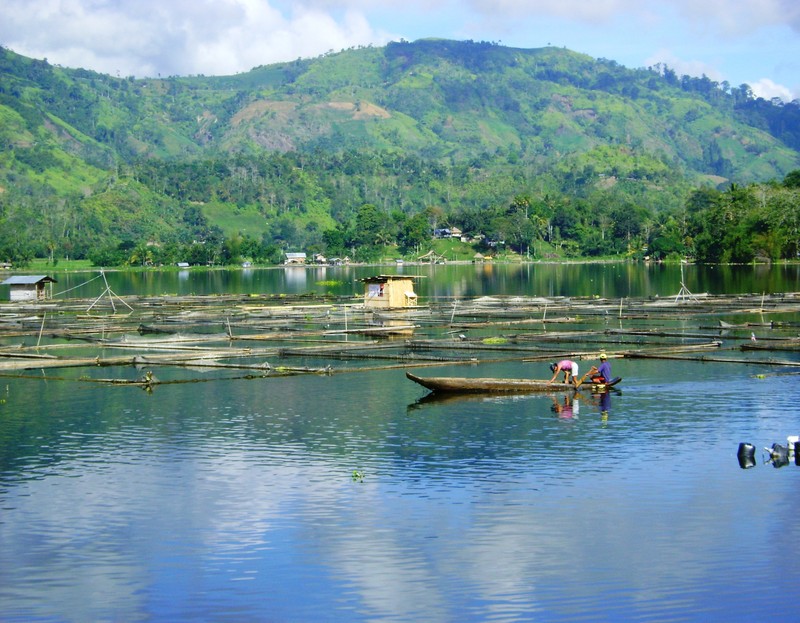
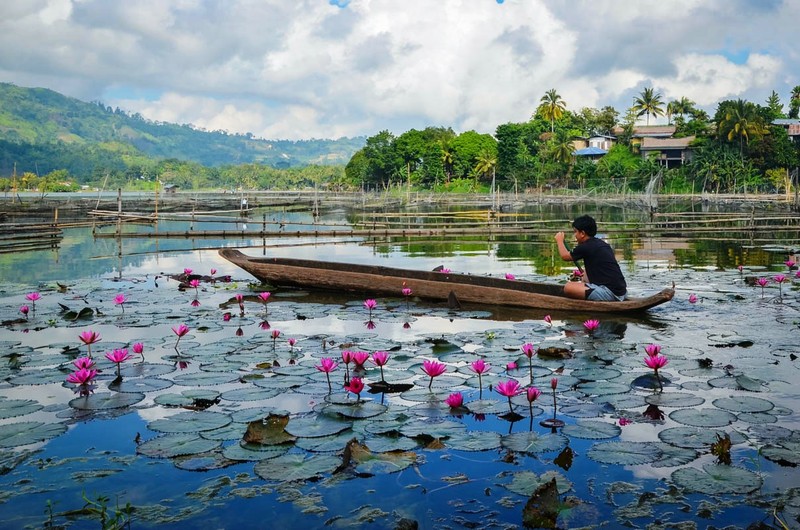
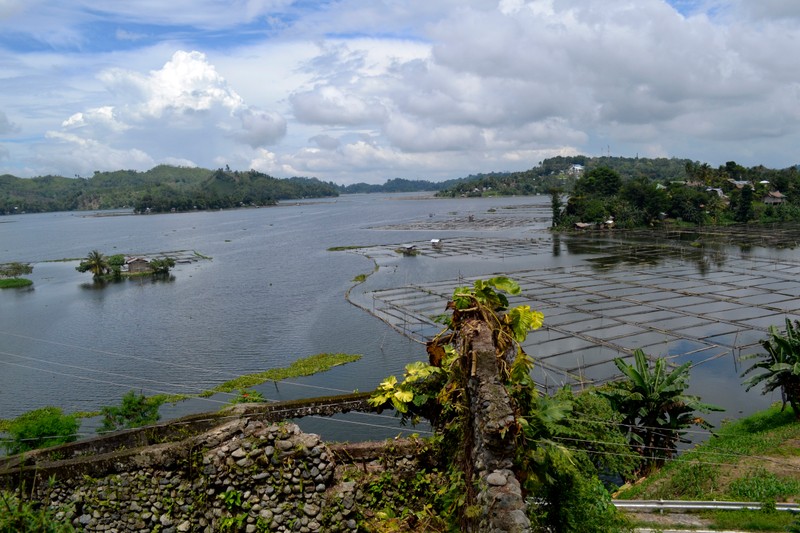
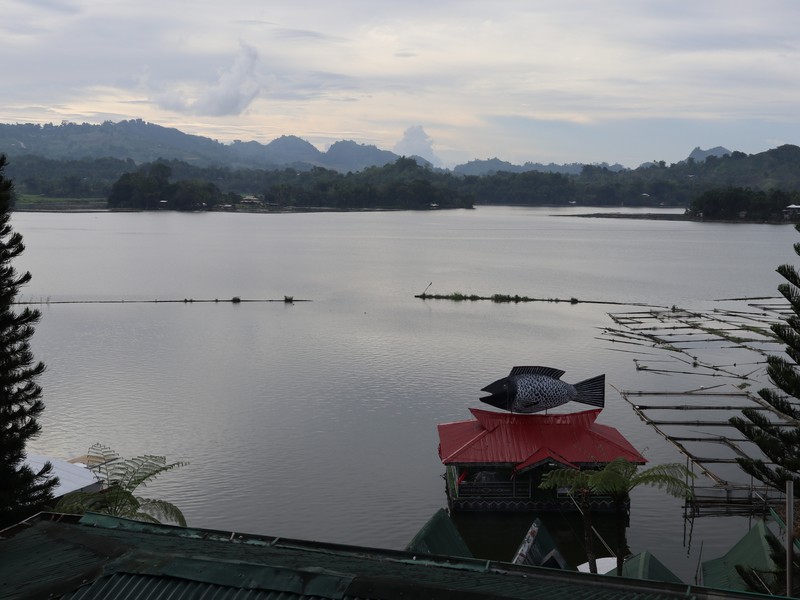
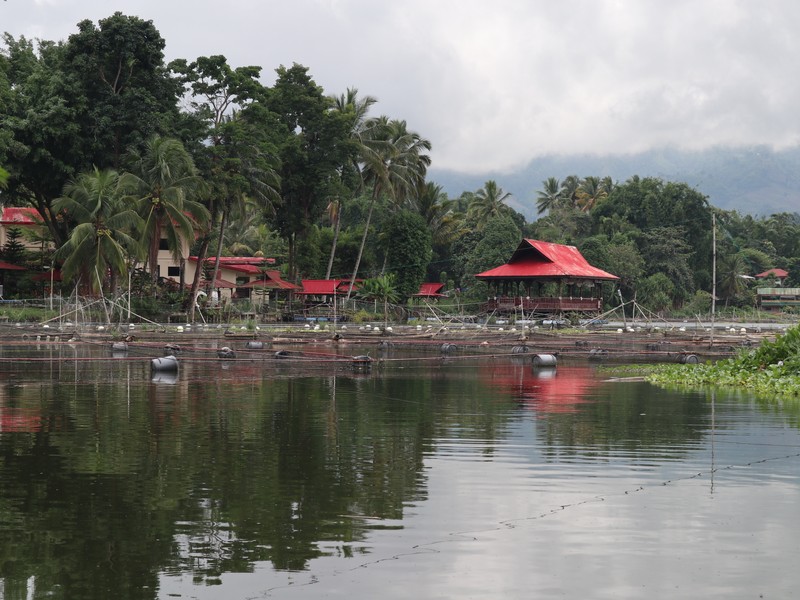
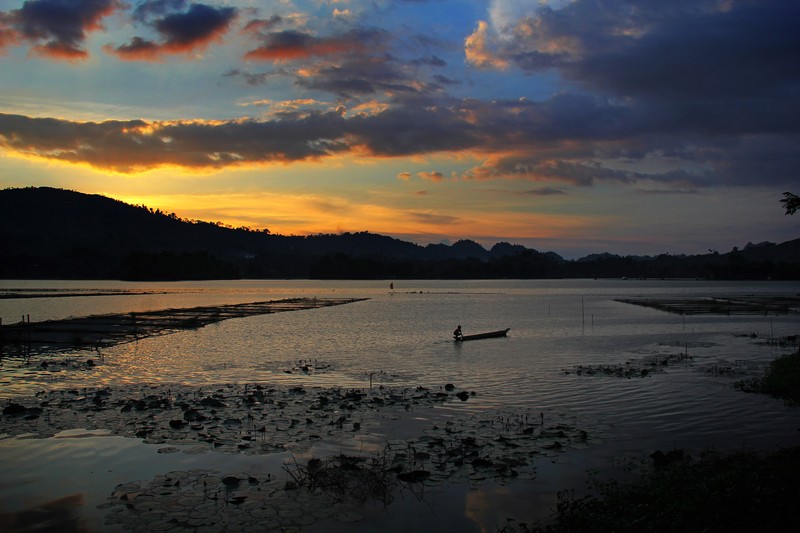
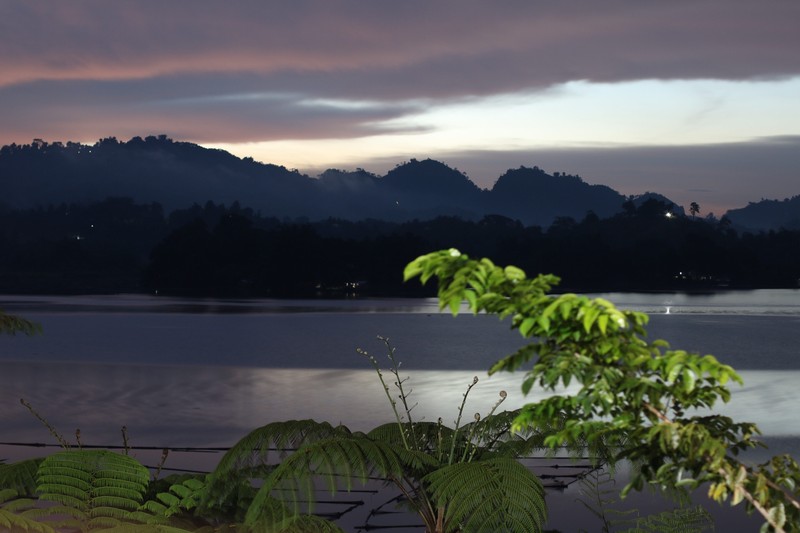
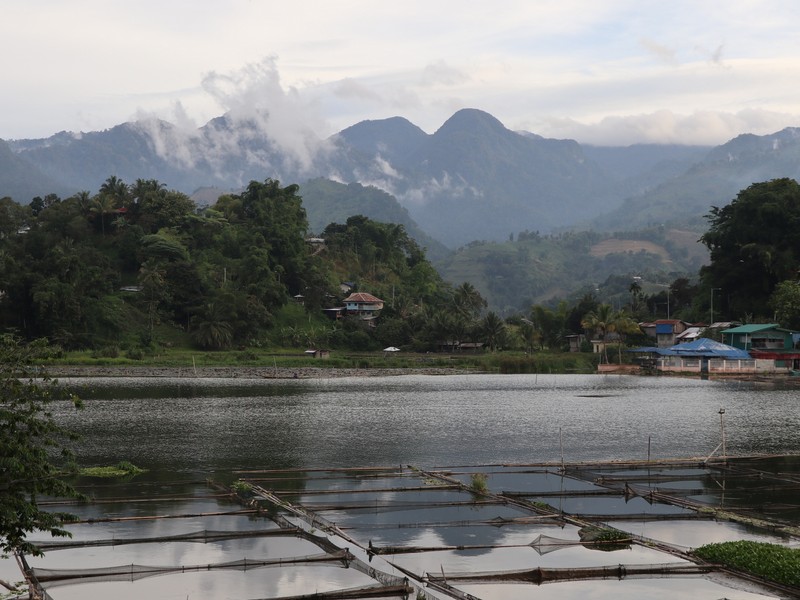
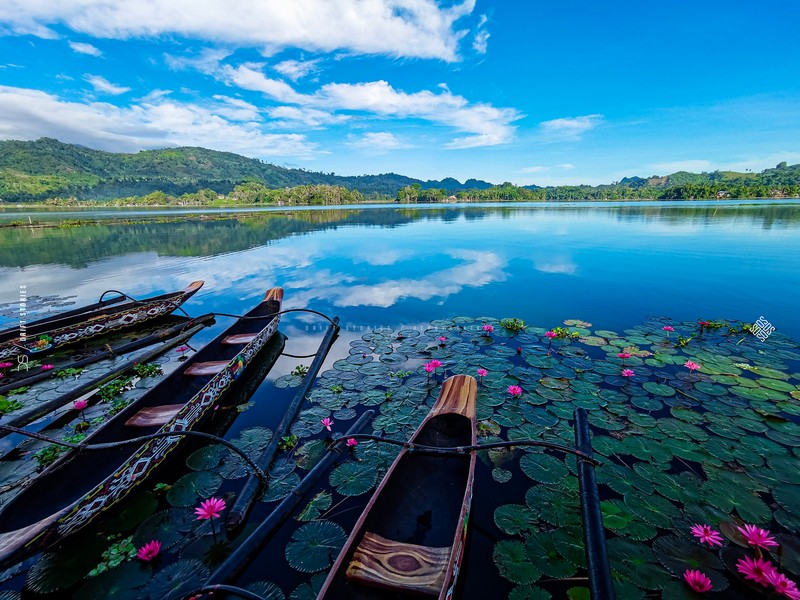
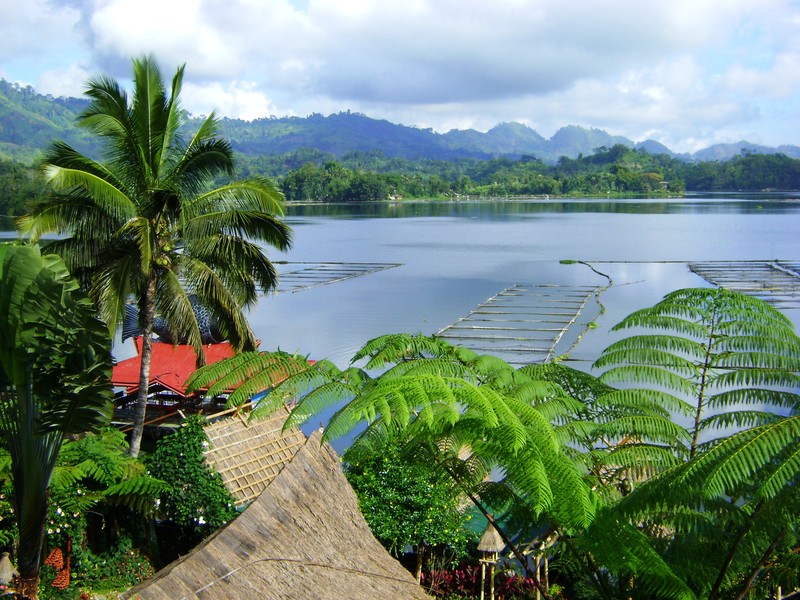
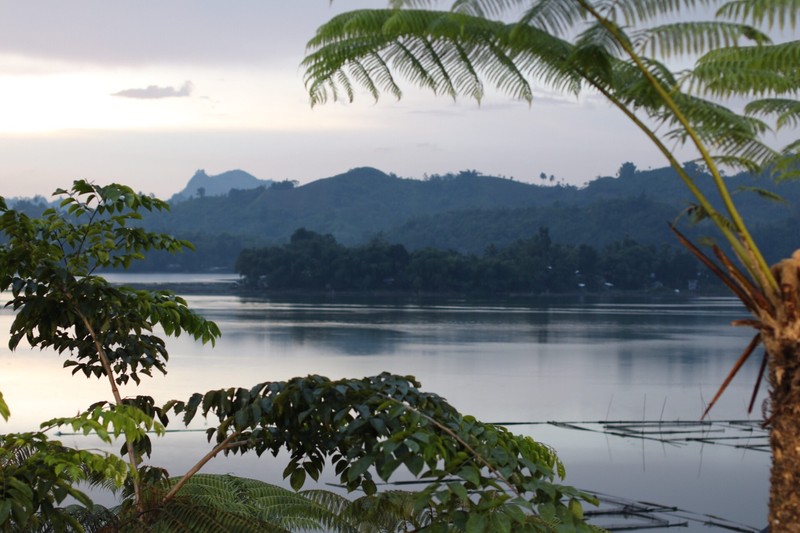
Lake Sebu is surrounded by green hills, tropical forests, and agricultural land. The water reflects clouds, vegetation, and nearby slopes, so the scenery changes throughout the day with the light and weather. A light mist sometimes appears above the water in the morning, lending the area a distinctive atmosphere. The setting combines the calm surface of the lake with wilder mountainous landscapes nearby.
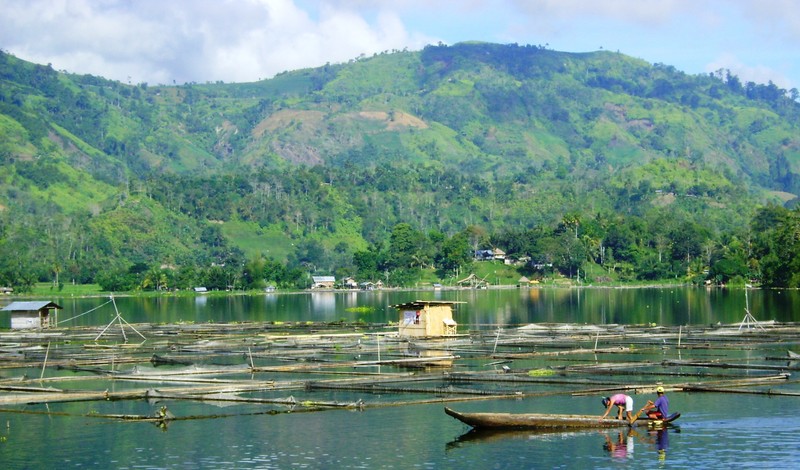
The lake is part of the natural environment on which local communities, fishing, and agriculture depend. The water and surrounding habitats support a variety of aquatic and terrestrial life. Protecting this environment requires reducing pollution, caring for the shoreline, and taking rubbish away after visits. A trip to the lake offers more than a beautiful view: it also reveals how closely local life is connected to natural resources.
The three lakes and their surroundings
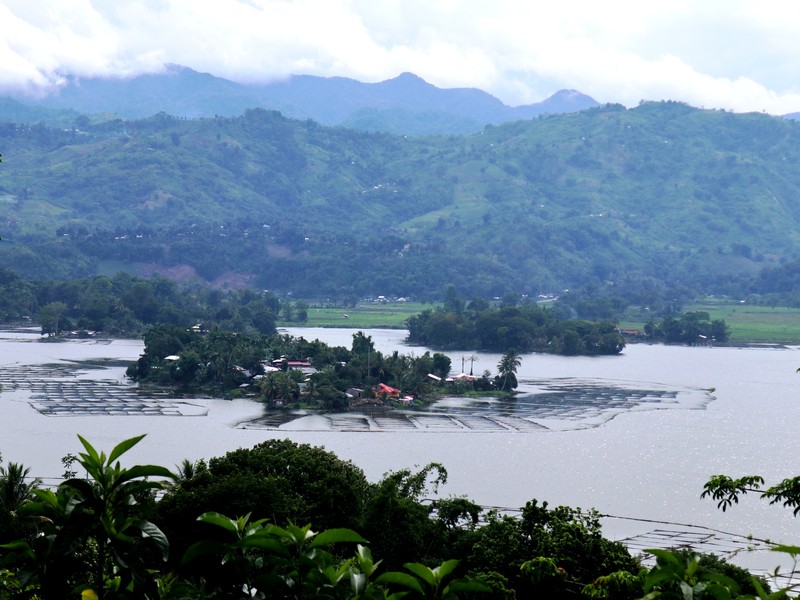
The municipality of Lake Sebu is known for a group of lakes, including Lake Sebu, Lake Seloton, and Lake Lahit. They lie in the same upland area and form an important part of the local landscape. The lakes attract nature lovers, photographers, and travellers interested in the less urbanized parts of Mindanao.
Depending on the chosen route, visitors can explore the shore, take boat trips, and discover nearby rural communities. Lake Sebu also serves as a starting point for trips to waterfalls and cultural sites in the surrounding area. To understand the region more fully, it is worth allowing time for the nearby hills and villages as well as the lake itself.
T’boli culture and living traditions
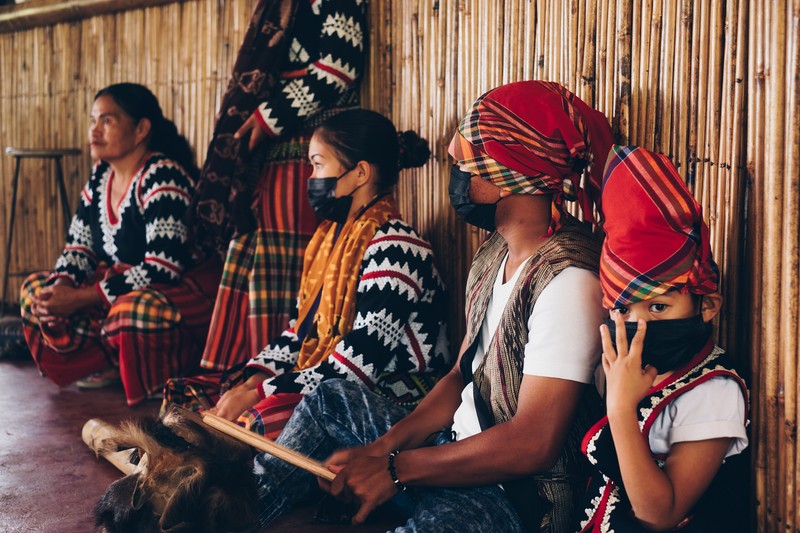
One of Lake Sebu’s defining features is its close connection to the T’boli people, an Indigenous group of southern Mindanao. Local communities are known for traditional weaving, music, dance, jewellery-making, and brasswork. This cultural heritage remains part of everyday life and is passed between generations rather than existing solely as a tourist display.
A particularly important tradition is T’nalak, a textile traditionally made from abaca fibres. Its intricate patterns and weaving techniques carry deep cultural meaning for the T’boli. Artisans create designs using knowledge and traditions passed down within the community. One of the best-known master weavers was Lang Dulay, recognized nationally in the Philippines for preserving traditional T’nalak weaving.
Visitors may learn about traditional crafts at cultural centres and workshops, where programmes sometimes include demonstrations of weaving, brass-making, and local musical traditions. These visits should be approached respectfully: ask permission before photographing people or their work, avoid interrupting the craft process, and, where possible, buy handmade products directly from artisans.
The Seven Falls of Lake Sebu
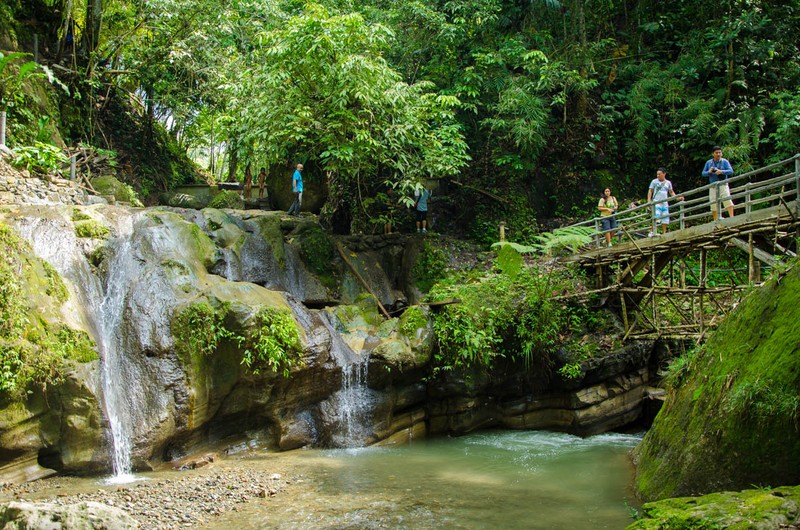
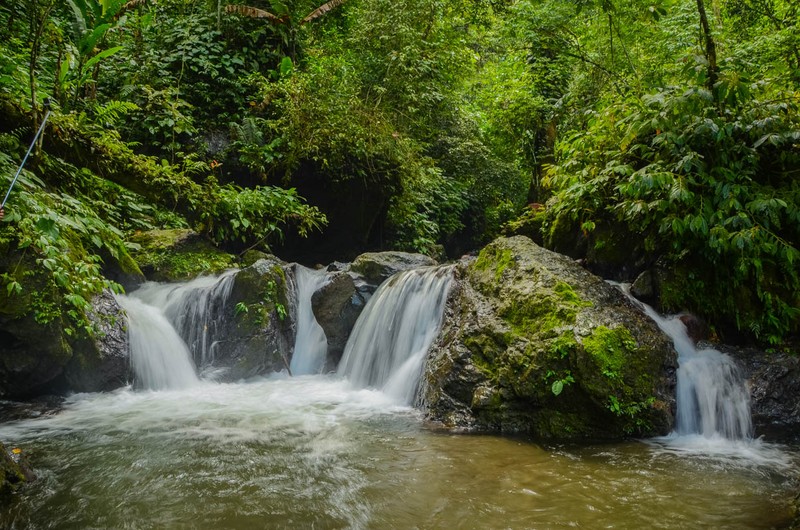
One of the area’s best-known natural attractions is the Seven Falls, a series of cascades located near the lake and surrounded by dense tropical vegetation. The waterfalls vary in height and shape, while the sound of falling water and green slopes create a striking landscape. Among the best-known cascades are Hikong Alu and Hikong Bente.
Visitors can explore designated viewing areas and, when operating, ride a zipline with views over forested slopes and waterfalls. Flying across the gorge provides an unusual perspective on the landscape and has become one of the region’s most popular activities. Access to particular areas and attractions may change with weather, infrastructure conditions, and safety requirements. Check current arrangements with the local tourism office before visiting.
Lake cruises and local food
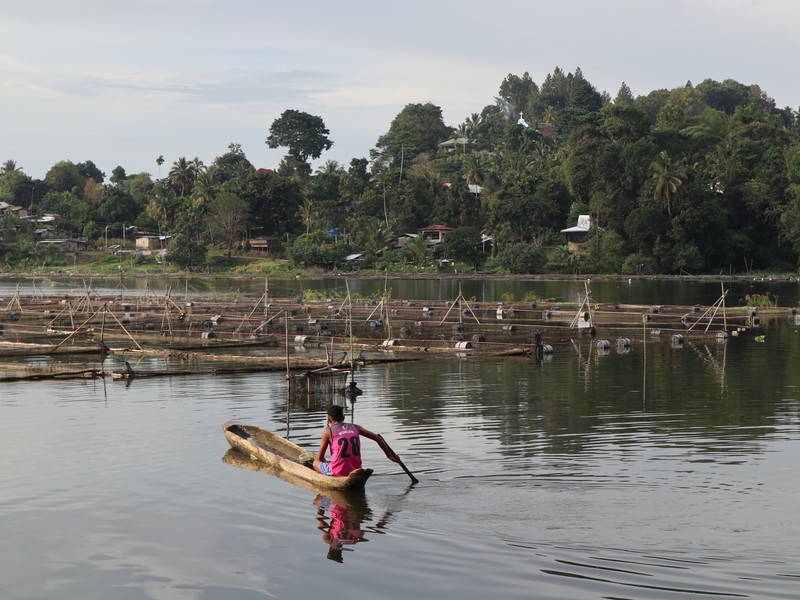
A boat ride is one of the most enjoyable ways to experience Lake Sebu. From the water, visitors can see green shores, surrounding hills, and small settlements. Some locations have tourism facilities offering lake views, outdoor relaxation, and local dishes. A leisurely cruise is ideal for travellers who prefer a calm experience to a packed adventure itinerary.
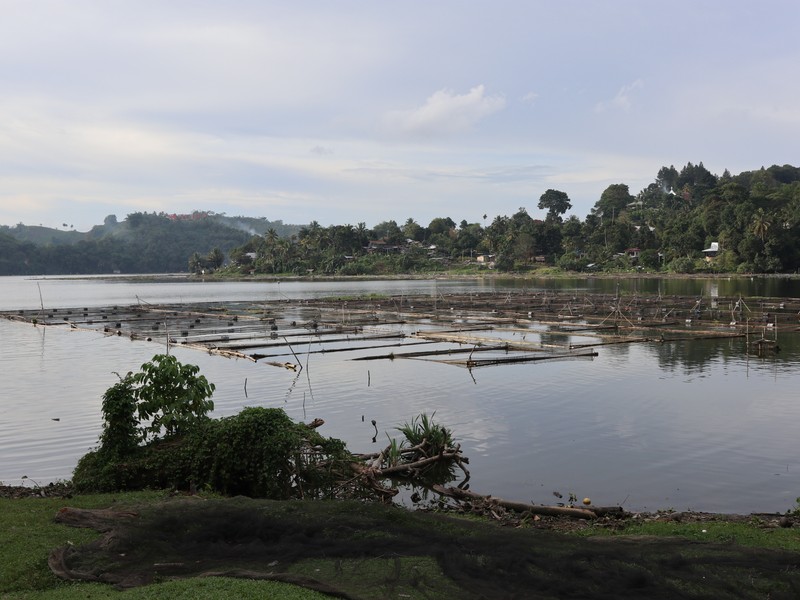
The region is particularly known for tilapia, a freshwater fish raised in local waters. It is served fried, grilled, and in other preparations typical of local cuisine. Menus may also feature vegetables and produce from nearby farms. Trying local dishes at community establishments helps support small businesses and regional producers.
Other places to explore nearby
A visit to Lake Sebu can be combined with trips to craft workshops, cultural centres, and other natural attractions in South Cotabato. The region has viewpoints, rural routes, and places where travellers can learn about the traditions of the T’boli and other Indigenous peoples. With additional time, visitors may plan a trip to Lake Holon near Mount Melibingoy, although it is a separate destination that may require extra preparation and coordination.
The municipality also has lakeside retreats, gardens, and tourism facilities offering cultural and food experiences. Before booking an excursion, confirm its duration, transport arrangements, cost, and whether a local guide is required. This helps create a realistic itinerary based on road conditions and the time available for outdoor activities.
How to get to Lake Sebu
The lake is in the municipality of Lake Sebu in South Cotabato province on Mindanao. General Santos City is one of the main transport hubs used by travellers heading to the area, with onward road journeys into South Cotabato. Depending on the route, travellers may also use connections through Koronadal and other regional towns.
The final part of the journey usually follows roads into hilly terrain. Travel time depends on the starting point, road conditions, and transport chosen. Options include public transport with transfers, a rental vehicle, or an arranged transfer. If the plan includes remote villages, waterfalls, or cultural sites, it is useful to coordinate the route with the local tourism office in advance.
When to visit
Lake Sebu can be visited at different times of year, but the experience depends on rainfall, cloud cover, and road conditions. Clear weather offers views of the surrounding hills and reflections on the water, while the vegetation often looks especially lush after rain. Heavy rainfall, however, can make rural roads more difficult to travel and affect access to some natural attractions.
For a relaxed introduction to the area, plan at least one full day. Visitors who want to see waterfalls, cultural centres, and nearby villages may prefer to stay longer. Check the weather forecast and opening arrangements for attractions before departure. When visiting local communities, respect local customs and follow the guidance of hosts or tour leaders.
Responsible tourism and heritage preservation
Lake Sebu is a natural environment, a home for local communities, and an important tourism destination. Its long-term appeal depends on water quality, healthy forests, and respect for T’boli cultural traditions. Visitors should take rubbish away, avoid damaging shoreline vegetation, and choose excursions that follow environmental guidelines.
Cultural heritage also deserves care. Traditional textiles, music, crafts, and ceremonies are meaningful to the communities themselves, so encounters should take place with local consent rather than treating cultural practices as a spectacle. Buying products from artisans, visiting local enterprises, and interacting respectfully can help sustain traditional skills and the regional economy.
Why visit Lake Sebu
Lake Sebu combines the quiet beauty of a freshwater lake, green mountain scenery, impressive waterfalls, and the rich cultural heritage of the T’boli people. Visitors can take a boat ride, see the Seven Falls, taste tilapia dishes, and learn about the art of T’nalak weaving. It is an appealing destination for travellers who want to discover Mindanao’s natural and cultural diversity while exploring in a way that respects local communities and the environment.
Gallery