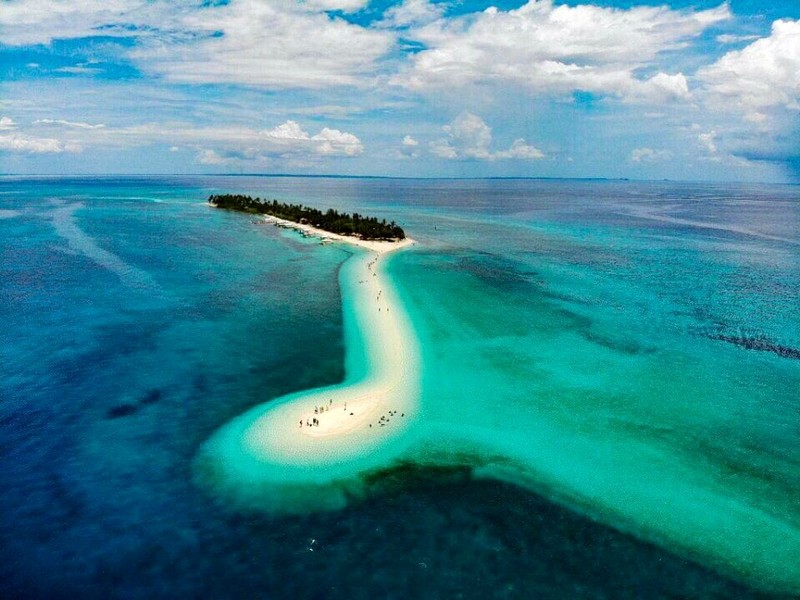
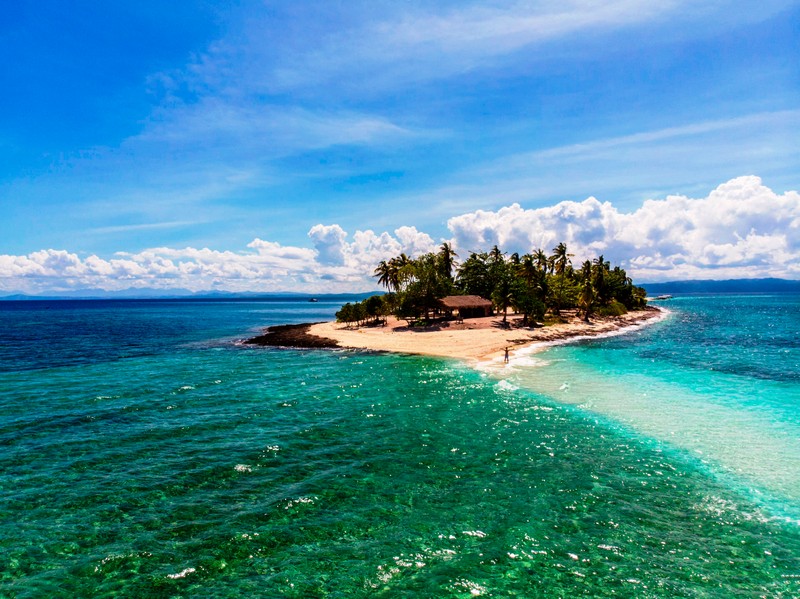
Kalanggaman Island is one of the Philippines’ most picturesque tropical islands, located off the western coast of Leyte Province in the Eastern Visayas region. It is known for its powder-white sand, clear turquoise water, and long sandbars extending into the sea from both ends of the island. Seen from above, its distinctive outline resembles a bird with outstretched wings. The island attracts travelers who want to experience tropical scenery, swim in clear water, and spend time away from busy resort areas.
The island lies near the municipality of Palompon on Leyte. Visitors reach it by boat, so a trip usually begins with registration at the local tourism center followed by a sea crossing. Kalanggaman remains primarily a nature destination, without large hotel complexes or extensive urban infrastructure. Its simple setting, broad sandy shores, and open ocean views are central to its appeal.
White Sandbars
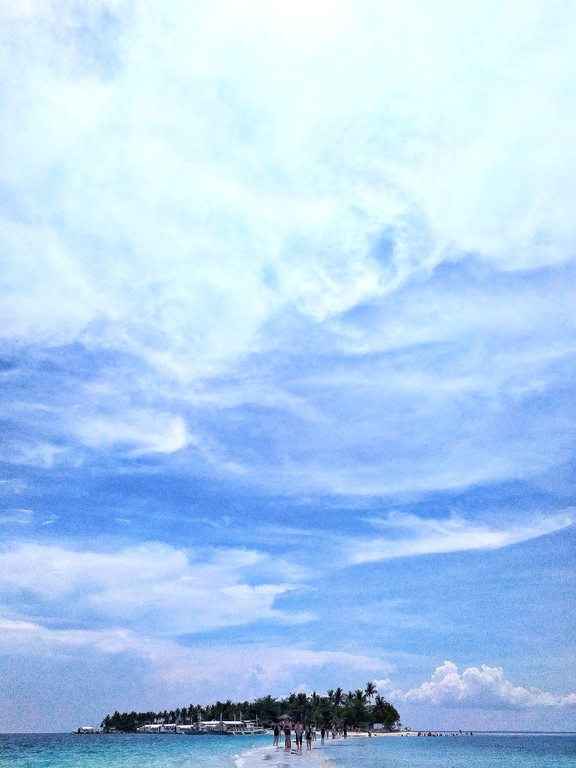
Kalanggaman’s main attraction is its long sandbar stretching into the sea, surrounded by water in different shades of blue and turquoise. The pale, fine sand contrasts with the rich color of the sea, creating a landscape that often becomes the highlight of a journey through Eastern Visayas. Broad ocean views open up on both sides of the island, while the shoreline changes with the tides and wave conditions.
At low tide, the sandy sections become more prominent and visitors may be able to walk farther along the narrow strip of land. However, the shape and exposed area of the sandbar depend on water levels, so it is useful to check the tide forecast with local operators before traveling. There is little natural shade on exposed stretches, and the midday sun can be intense. A hat, sunscreen, and sufficient drinking water make exploring more comfortable.
Swimming and Water Activities
The clear coastal water makes Kalanggaman a popular place for swimming, snorkeling, and relaxing on the beach. In suitable conditions, visitors may observe fish and other inhabitants of the tropical sea. The waters around the island also interest divers because of their coral formations and varied marine life. Conditions can differ significantly around the coast: shallow sandy areas are found near deeper sections and places affected by currents.
Some visitors choose kayaking or stand-up paddleboarding when these activities are available and weather conditions allow. Water activities should be arranged with local operators, and warnings about waves and currents should always be followed. Avoid standing on corals, touching marine animals, or collecting shells and other natural objects. Respect for the underwater environment helps preserve the island for future visitors.
Nature Retreats and Overnight Stays
Kalanggaman is ideal for a peaceful beach escape, walks on the sand, photography, and enjoying seascapes. Visitors can spend several hours away from the noise of urban life, listening to the waves, watching the water change color, and enjoying the open space. The sandbar offers especially striking photographs, with its white shoreline gradually disappearing into turquoise water.
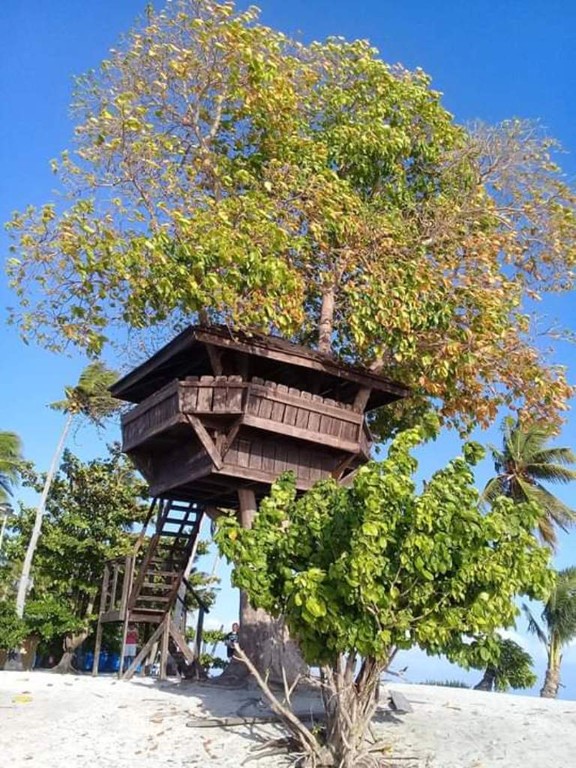
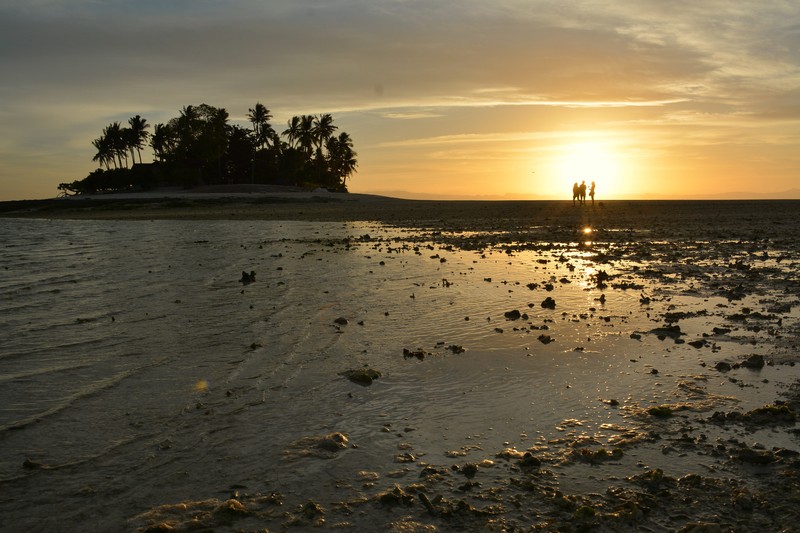
Whether visitors may stay overnight depends on current regulations, weather conditions, and permission from the local authorities. When camping is permitted, an overnight stay offers the chance to watch the sunset over the sea, see the stars, and experience the morning light across the sandy shores. However, travelers should not expect a full resort experience: facilities are limited, and shops or restaurants may not be available. Before departure, confirm whether overnight stays are allowed, what facilities are provided, and which supplies must be brought along.
Nature Conservation
Kalanggaman’s appeal is closely tied to the vulnerability of its natural environment. Sandbars and shorelines change under the influence of waves, tides, and storms, while coastal ecosystems are sensitive to pollution and excessive visitor pressure. Local authorities therefore regulate visits and seek to balance tourism development with environmental protection. The island has gained international attention for its natural beauty and was included in the World’s 50 Best Beaches list in 2026.
Visitors should take all rubbish back with them, use only designated landing areas, avoid damaging corals, and never leave plastic waste on the beach. It is also important to follow staff instructions and stay away from sandbar sections where conditions may be dangerous. Responsible tourism helps protect the water quality, the island’s natural appearance, and local opportunities to earn a living from visitors.
How to Get to Kalanggaman Island
The main departure point for trips to the island is the municipality of Palompon in Leyte Province. Palompon can be reached by land transport from other parts of Leyte, including Tacloban, followed by a boat transfer to the island. Crossing times depend on the vessel, weather, and sea conditions. Travelers also visit the region from Cebu and nearby tourism areas, but routes and service availability should be checked in advance.
Before traveling, contact the Palompon tourism office or a licensed local operator to confirm boat schedules, visitor fees, registration procedures, visitor limits, and possible temporary closures. Departures may be canceled in bad weather, and rules for day visits and overnight stays can change. Booking ahead is advisable, especially during popular travel periods, and travelers should leave enough time for the return journey.
Best Time to Visit
Beach travelers generally prefer the drier months, when prolonged rain is less likely and sea conditions are more often suitable for boat trips. However, Philippine weather can change quickly, and strong winds, rough seas, or temporary cancellations may occur even during a favorable season. Planning should therefore take account of current forecasts and local authority advice as well as the calendar.
Kalanggaman is especially appealing to beach lovers, photography enthusiasts, and travelers exploring the Philippine islands. There is no need to search for a long list of attractions: the long white sandbar, clear water, and feeling of open space in the middle of the sea are the main experience. With proper preparation and respect for nature, a visit can become one of the most memorable parts of a journey through Eastern Visayas.
Gallery