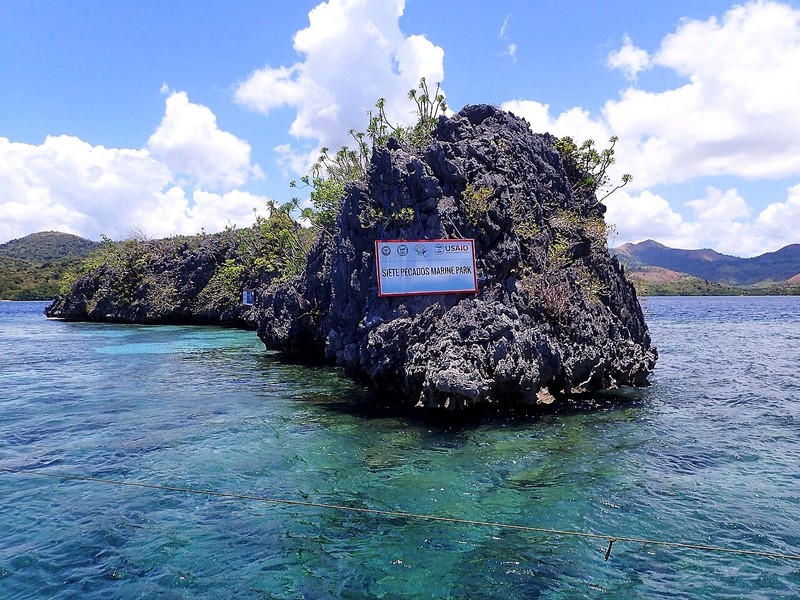
Siete Pecados Marine Park is one of the best-known natural attractions near Coron in the Philippine province of Palawan. The name Siete Pecados translates from Spanish as “Seven Sins” and refers to a group of seven small limestone islets off the coast of Busuanga Island. Coral reefs, seagrass beds, and other coastal ecosystems surround the islets, making these waters a popular destination for snorkeling and exploring marine life.
The marine park lies close to Coron town, so it is easy to include in a day trip around the Calamian Islands. Its main appeal comes from the combination of rocky islets, clear water, and abundant underwater life. Unlike beach destinations where visitors mainly come for sandy shores, Siete Pecados is especially valued for its coral gardens and opportunities to observe fish beneath the surface.
The Seven Limestone Islets
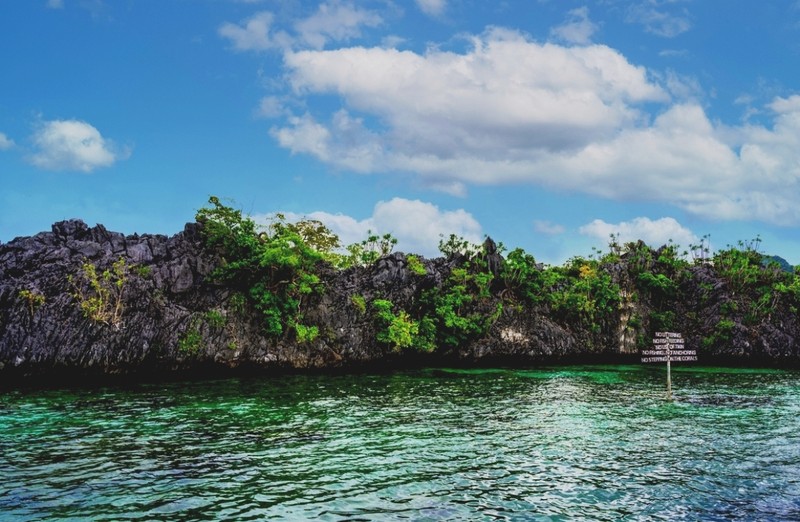
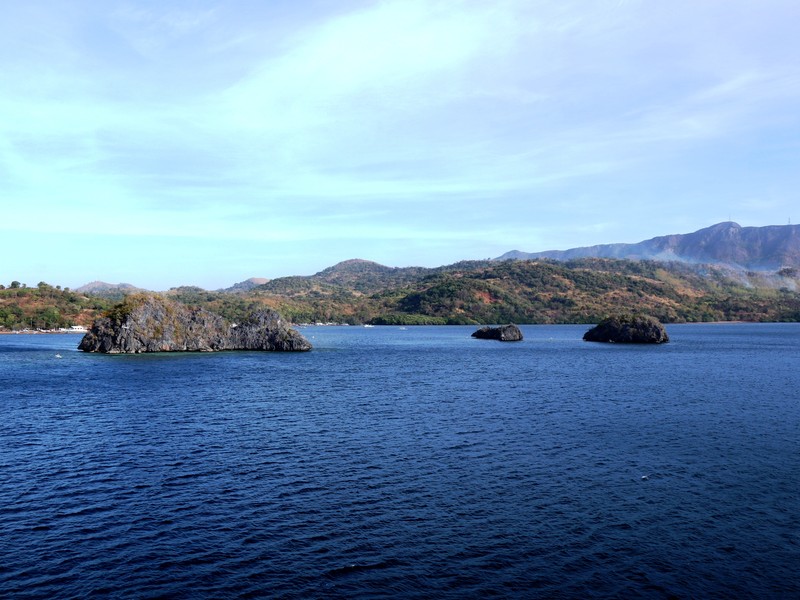
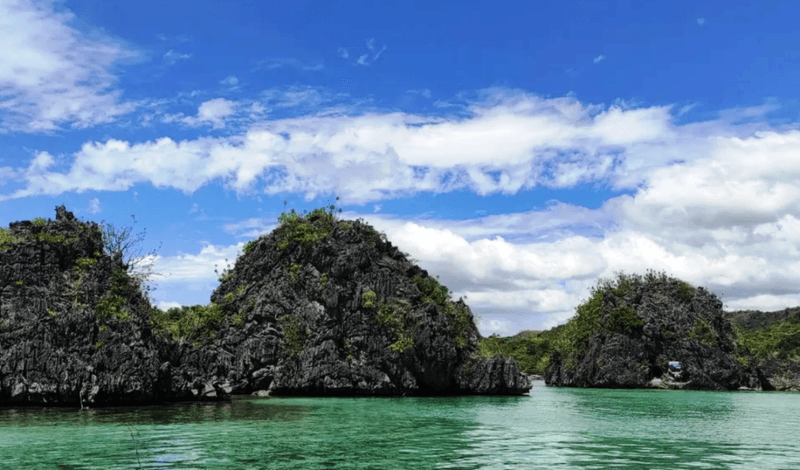
Siete Pecados consists of a cluster of small rocky islets rising above the sea near the coast of Busuanga. Their limestone shapes contrast with the turquoise water and green coastal scenery. The islets lie close together, with shallow areas and deeper channels between them. This underwater landscape creates a variety of marine habitats within a relatively compact area.
From a boat, visitors can often see the reefs through the clear water, with the sea changing from pale turquoise to deep blue. The islets themselves provide a scenic backdrop for photographs during boat excursions. The location is particularly appealing to travelers who want to experience Coron’s marine nature without making a long journey to more remote islands.
Coral Reefs and Marine Life
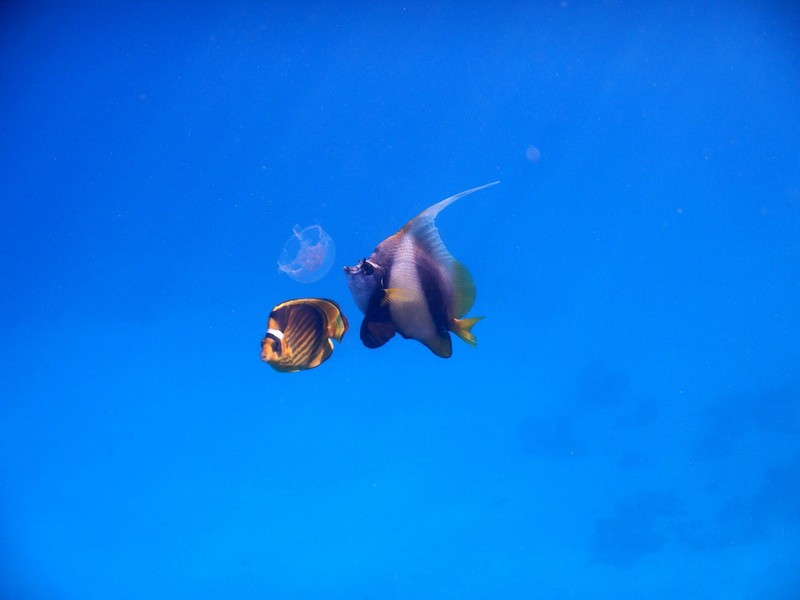
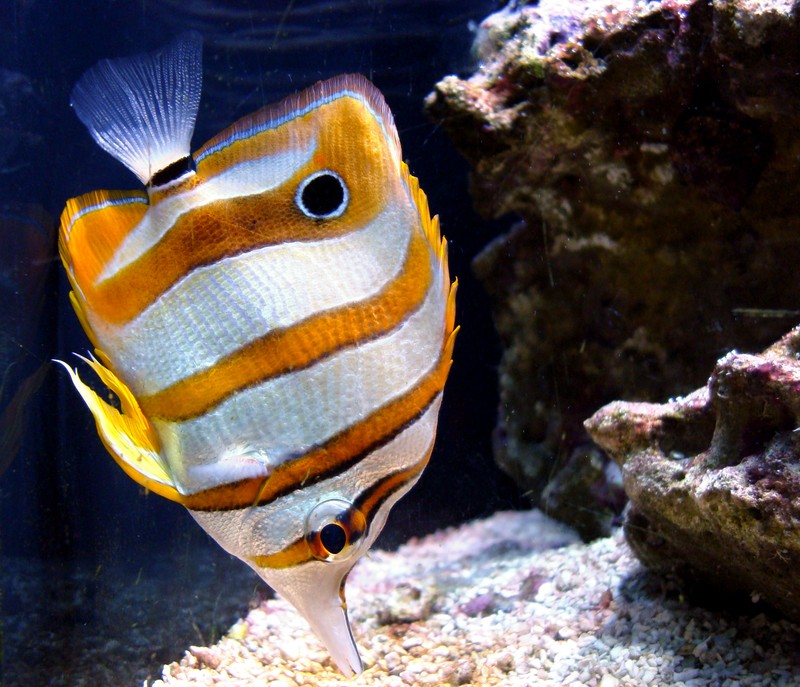
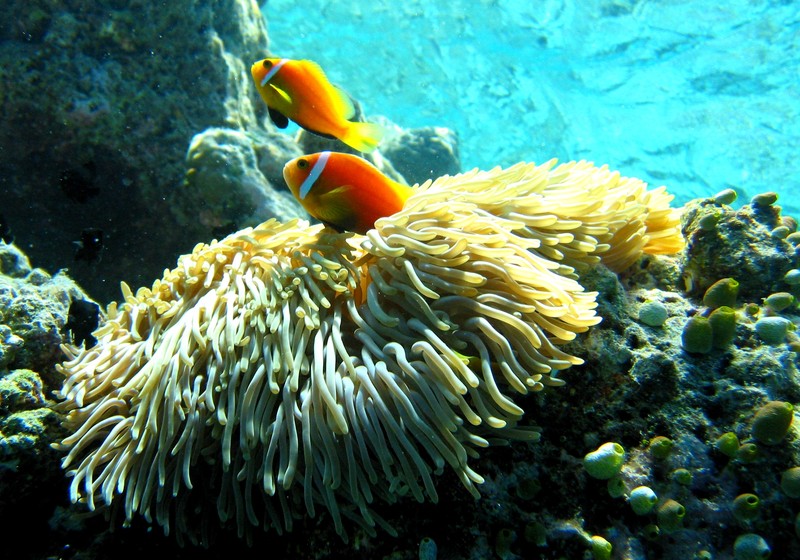
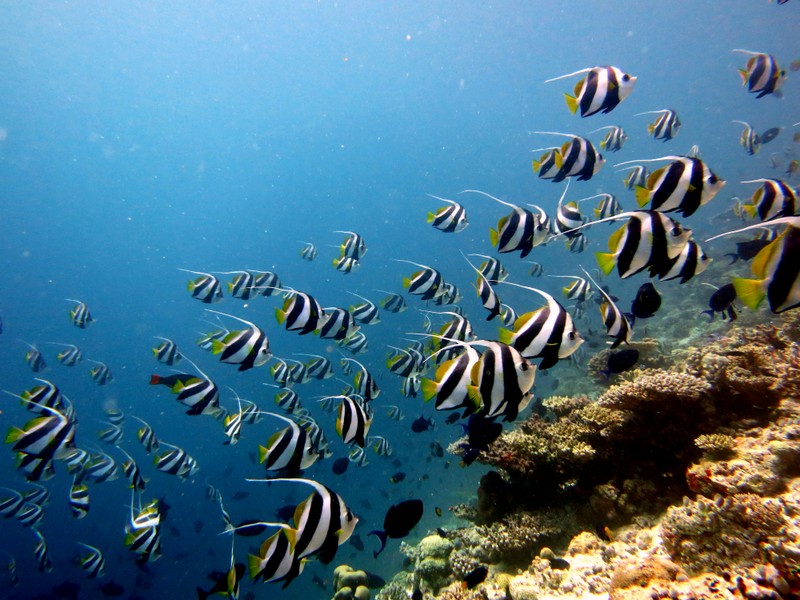
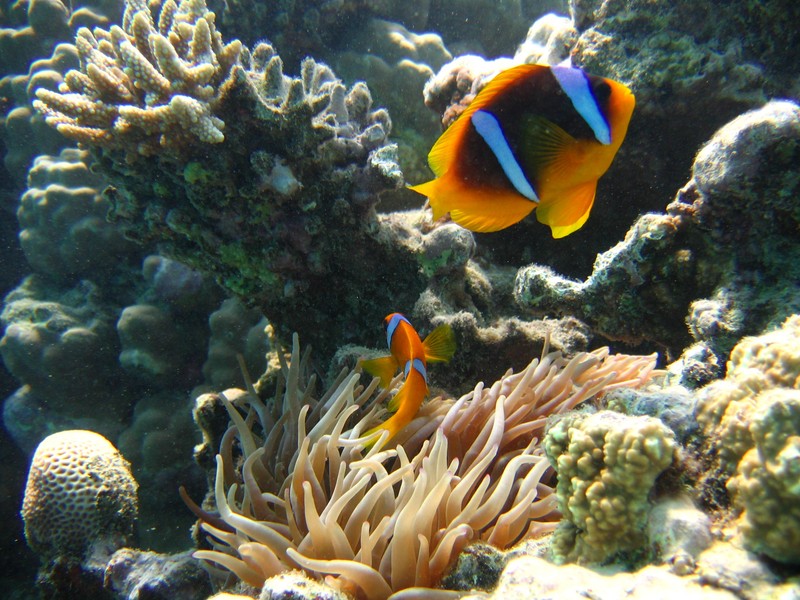
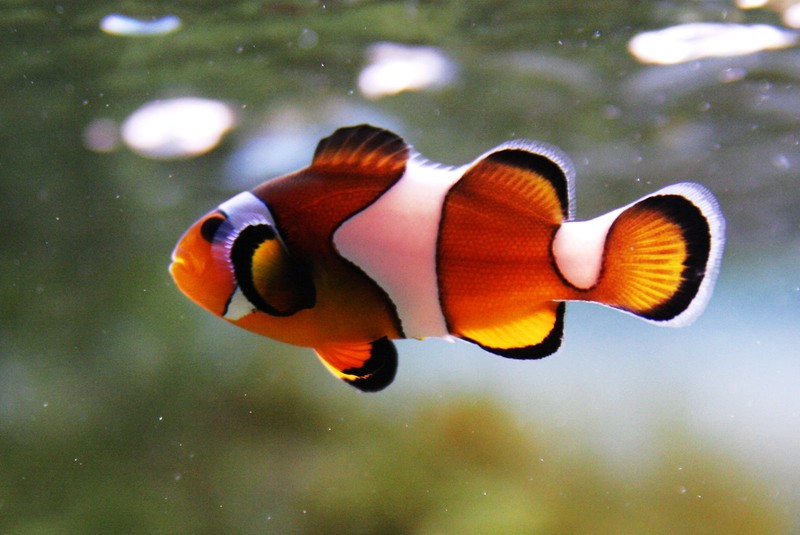
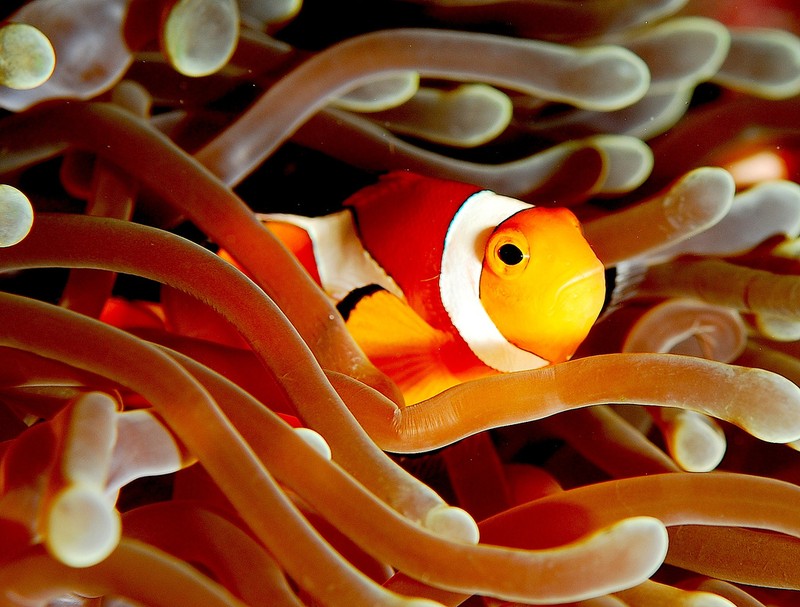
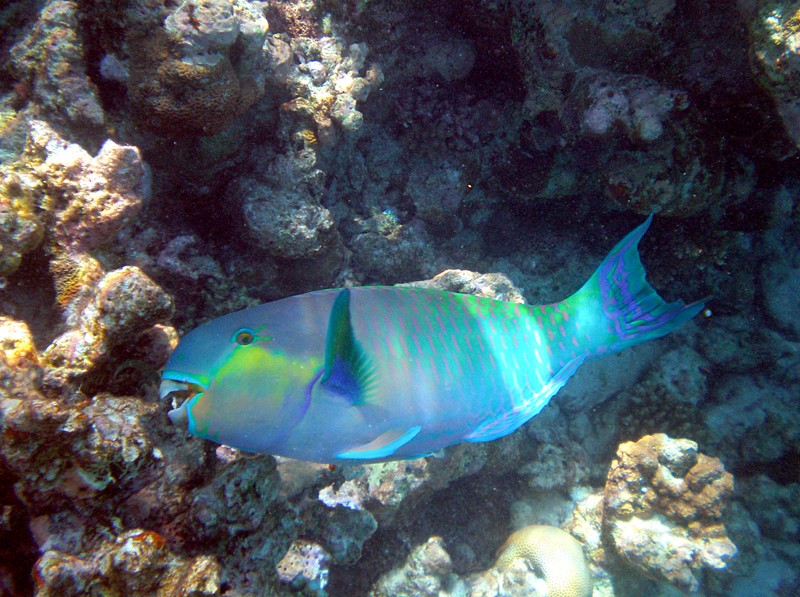
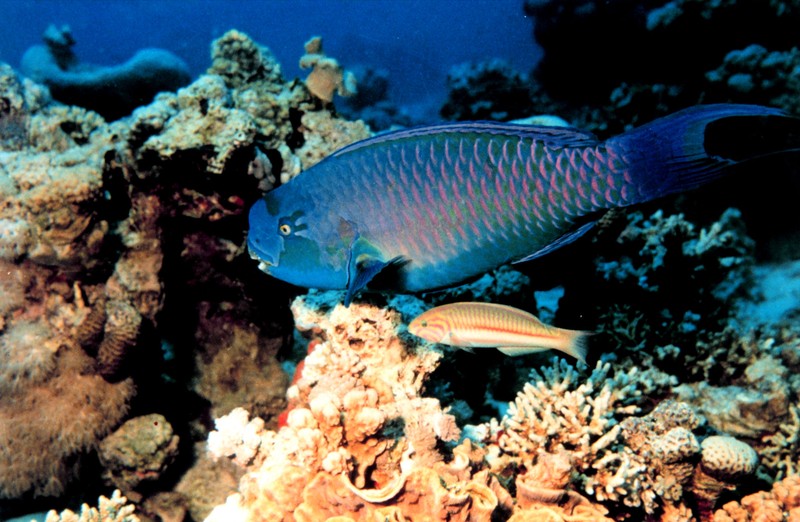
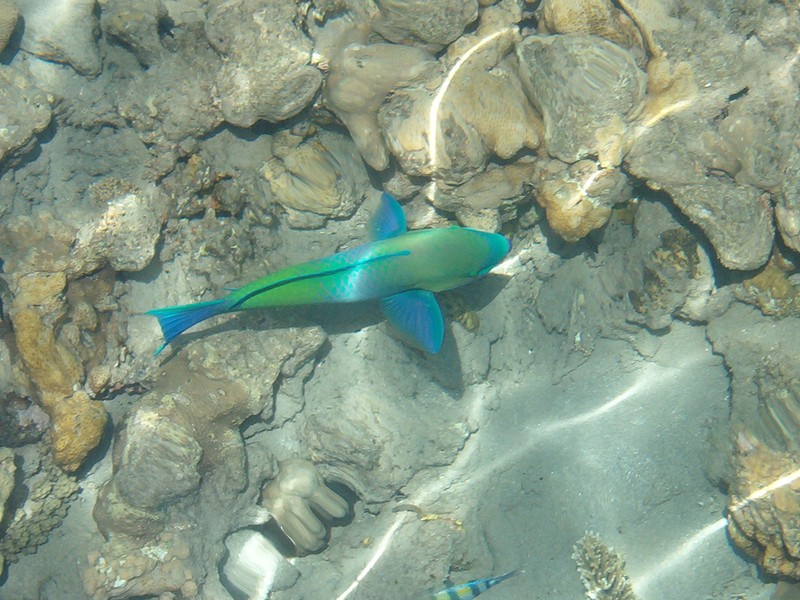
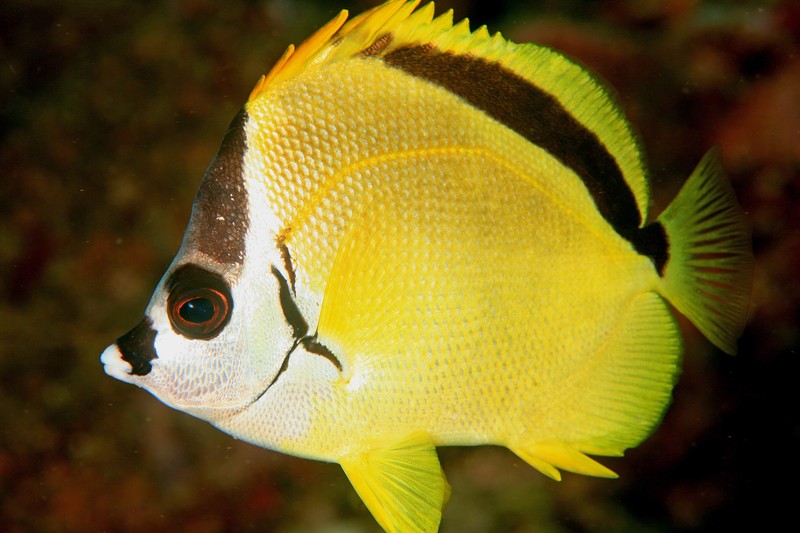
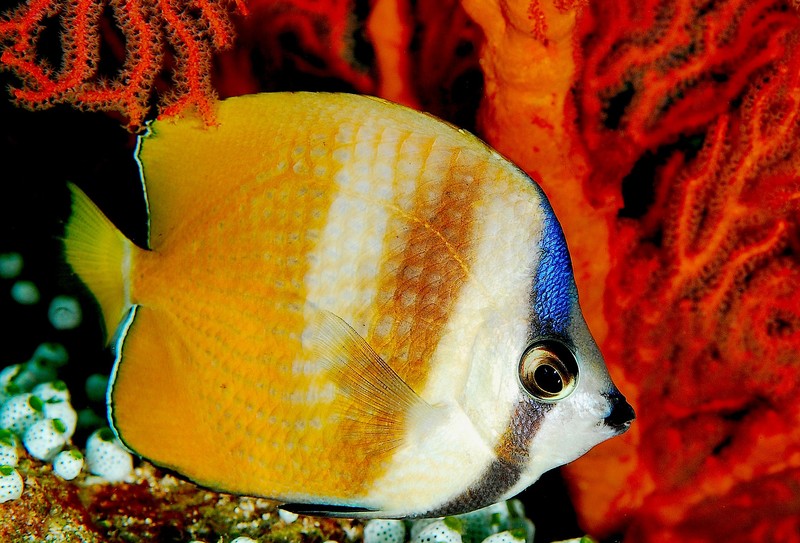
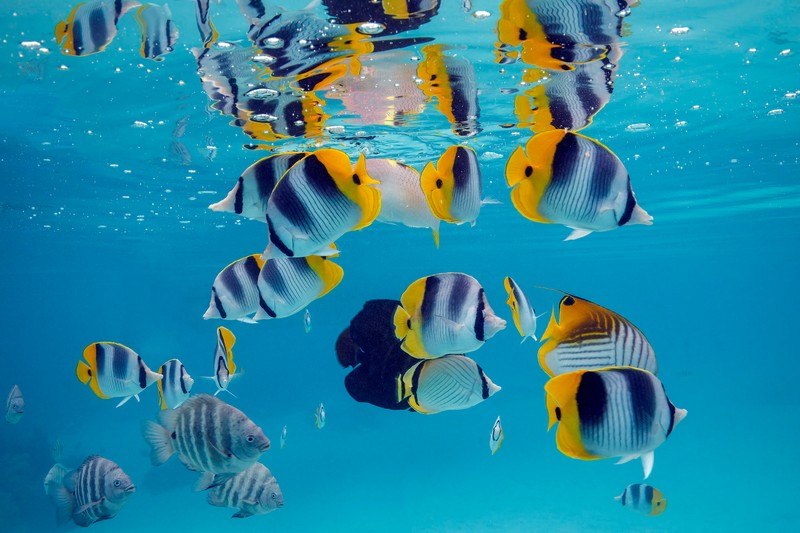
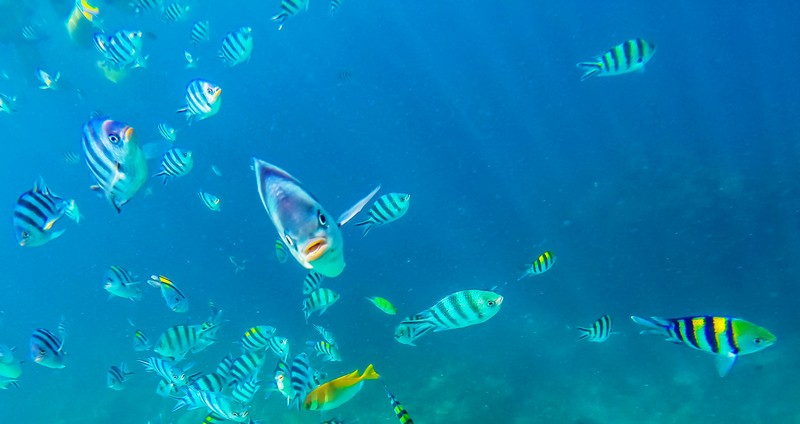
The marine park’s greatest natural asset is its coral reef system, which provides habitat for a wide range of marine organisms. Hard and soft corals grow in the area, while reef fish display a variety of shapes and colors. Depending on the location and conditions, snorkelers may see clownfish, parrotfish, butterflyfish, and other tropical species. Sea turtles and other protected animals also inhabit the wider region.
Coral ecosystems are essential to the health of coastal waters. They provide shelter and feeding grounds for fish, support food webs, and help maintain biodiversity. Reef protection is a key part of managing Siete Pecados. Visitors should remember that corals are living animals and can be damaged by even a light touch or an accidental kick from a fin.
Snorkeling at Siete Pecados
Snorkeling is the main activity for most visitors to the marine park. In the clear water, it is possible to observe coral formations and watch schools of tropical fish moving through the reef. Visitors do not need to be experienced divers: in many areas, a mask, snorkel, and the ability to float calmly are enough. However, depth, currents, and visibility vary according to the reef section and weather conditions.
Beginners are advised to wear a life jacket and follow the guide’s instructions. Do not stand on coral, hold on to underwater formations, or approach marine animals too closely. Move your fins carefully to avoid hitting the reef. If the current becomes stronger or swimming becomes difficult, alert your guide and return to a safe area. Respectful behavior allows visitors to enjoy the underwater scenery without harming the ecosystem.
A Protected Marine Area
Siete Pecados is a protected marine area established to conserve coastal ecosystems and limit destructive fishing practices. The local community participates in managing the site, while reef protection supports marine biodiversity and nature-based tourism. According to the Marine Conservation Institute, the park received an international Blue Park Award in 2024 in recognition of its contribution to marine conservation.
The protected area includes not only coral reefs but also other important coastal habitats, including seagrass meadows and mangrove forests in the surrounding region. These ecosystems are interconnected: seagrass provides food and shelter for some animals, mangroves help protect shorelines, and reefs support diverse fish populations. Conserving all these natural features is important for the resilience of the local marine environment.
How to Get to the Marine Park
Siete Pecados is located near Coron town on Busuanga Island in Palawan. Most visitors reach it by motorized boat as part of an organized island-hopping and reef tour. The journey from Coron’s harbor is relatively short, so the park is often one stop on routes that include other bays, lagoons, and snorkeling sites.
Travelers first arrive in Coron by air or sea and then choose a group excursion or a private boat with a local operator. Before booking, confirm whether environmental fees, mask and snorkel rental, life jackets, and guide services are included. Visiting procedures, fees, and route availability can change. Boat departures also depend on weather conditions and local safety decisions.
Best Time to Visit Siete Pecados
For snorkeling, visitors generally prefer days with relatively calm seas and good underwater visibility. Travel is often easier during the drier season, although conditions can change even within a single day. Wind, rain, and rough water affect visibility and the safety of boat trips, so check the forecast and local operator guidance before setting out.
Early morning can be a convenient time to visit, as popular areas may have fewer boats and visitors. However, the best time depends on the tour route, sea conditions, and access rules for the protected area. Avoid setting out to swim independently without assessing conditions and understanding local restrictions.
Responsible Visiting Rules
Because Siete Pecados is a protected marine area, following conservation rules is especially important. Do not break, touch, or collect corals, take marine animals, or leave rubbish behind. Feeding fish can alter their natural behavior, while touching marine organisms may damage their protective surfaces. To protect the reef, boats should use designated mooring points instead of dropping anchors on coral areas.
When choosing sunscreen, consider products intended for use in marine environments and follow advice from local conservation authorities. Bring a reusable water bottle, avoid single-use plastics, and take all waste back with you. Even small actions by individual visitors can reduce pressure on the reefs, especially during busy tourist periods.
Siete Pecados on a Coron Trip
A visit to the marine park can easily be combined with other attractions around Coron and the Calamian Islands. The region is known for limestone karst formations, scenic lagoons, lakes, beaches, and dive sites featuring shipwrecks from World War II. A boat excursion allows travelers to experience several types of natural landscapes and discover the richness of Palawan’s coastal waters in one day.
Siete Pecados is especially appealing to snorkeling enthusiasts, marine photographers, and ecotourism travelers. Its main experiences are not based on beach facilities, but on underwater coral gardens, schools of fish, and unusual limestone islets. Responsible behavior and respect for conservation rules help preserve this marine environment for future generations and support sustainable tourism in Coron.
Gallery