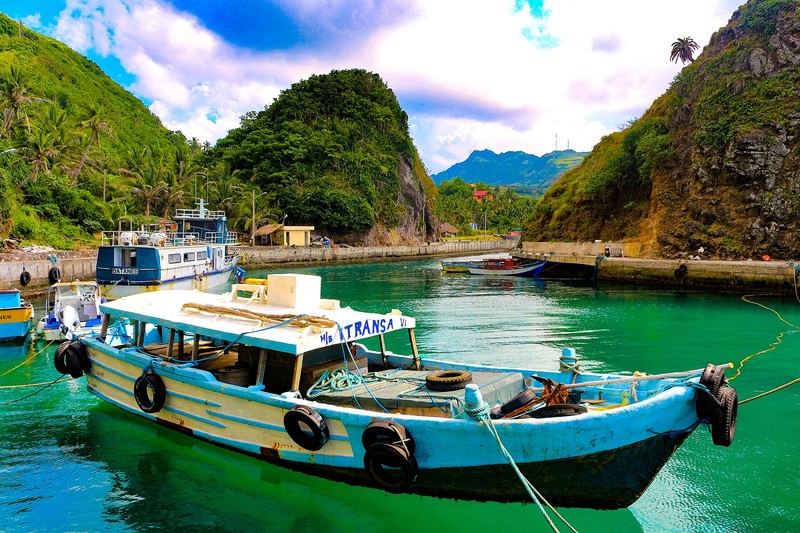
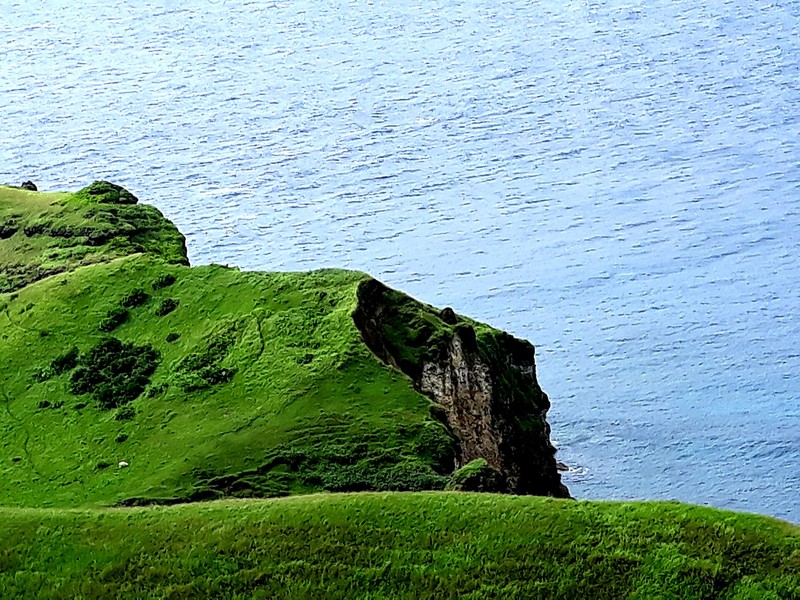
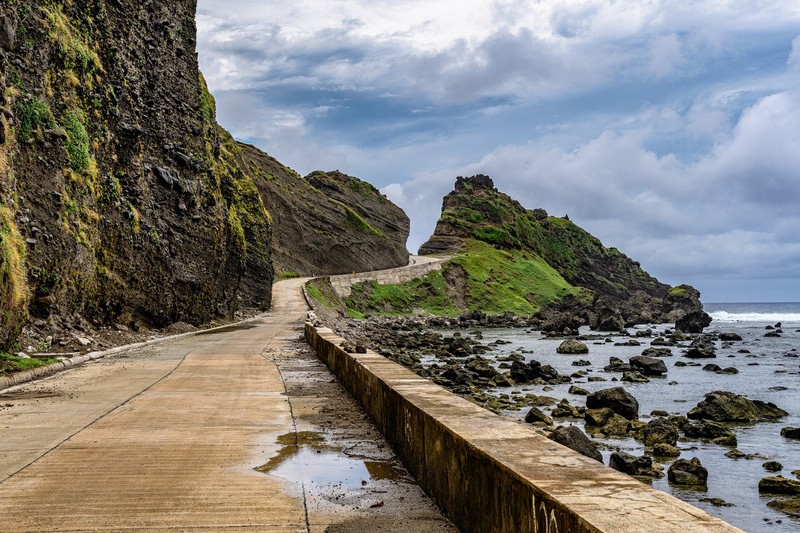
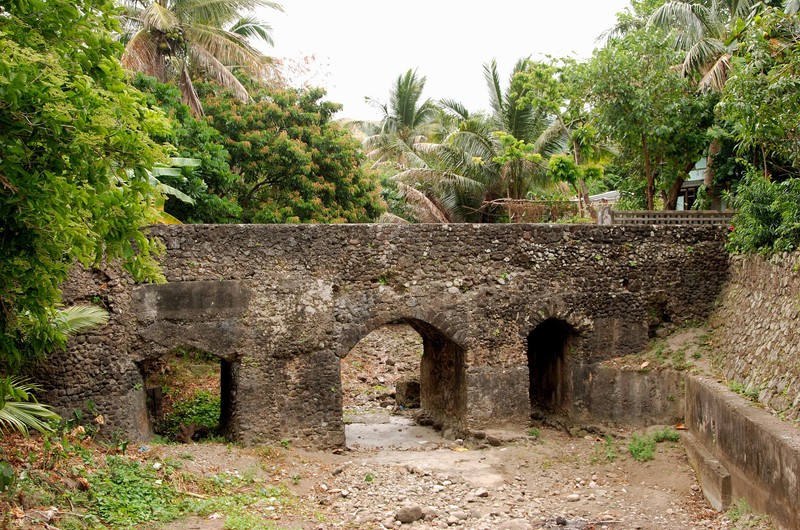
The Batanes Islands are a remote archipelago at the northernmost edge of the Philippines, known for green rolling hills, dramatic cliffs, rocky coastlines, and traditional stone houses. Here, the Pacific Ocean meets the waters of the South China Sea, while strong winds and frequent storms have shaped both the landscape and the way residents live. Batanes appeals to travelers seeking a different side of the Philippines: quiet, sparsely populated, and closely connected to nature.
The province lies north of Luzon and not far from Taiwan. It is the country's northernmost and one of its smallest provinces. The archipelago consists of several larger islands and many smaller islets and rocks. The principal inhabited islands are Batan, Sabtang, and Itbayat. Basco, on Batan Island, is the provincial capital and main administrative center.
Nature and distinctive landscapes
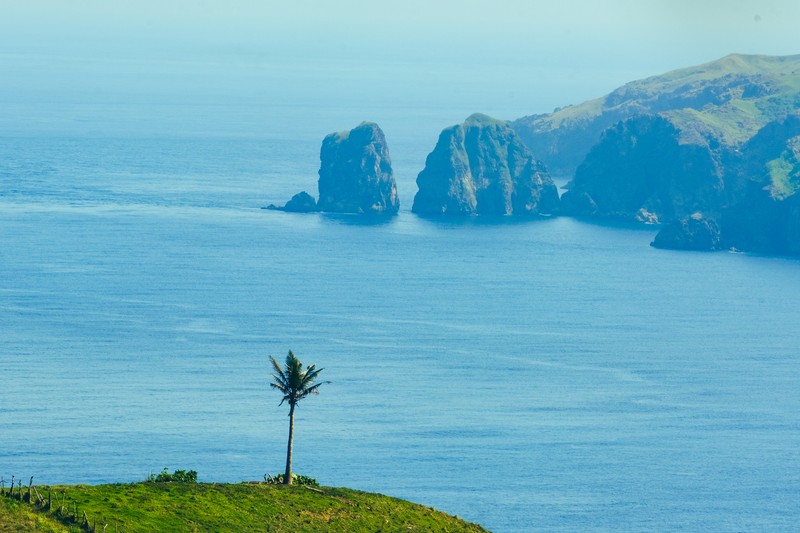
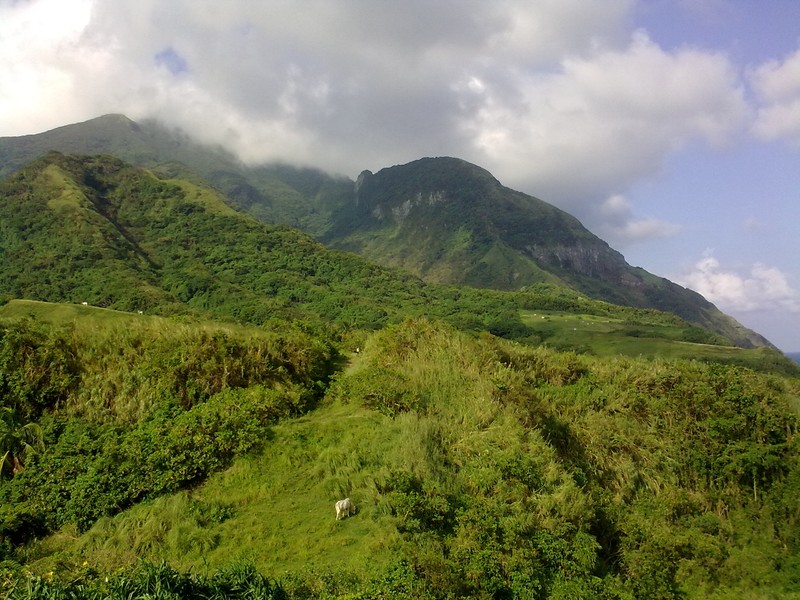
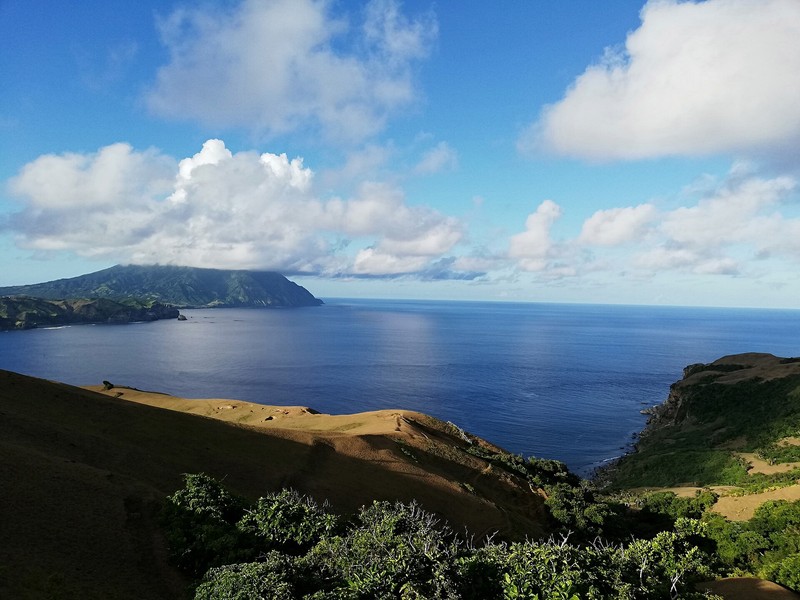
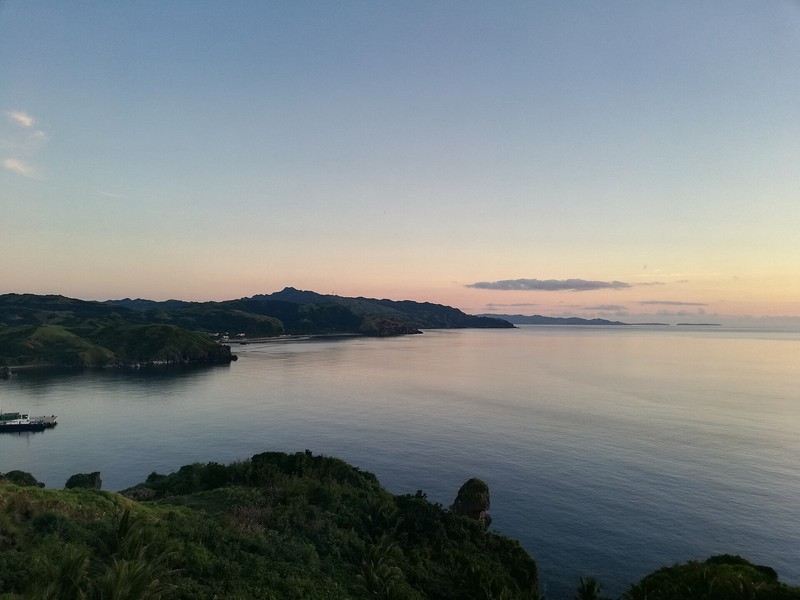
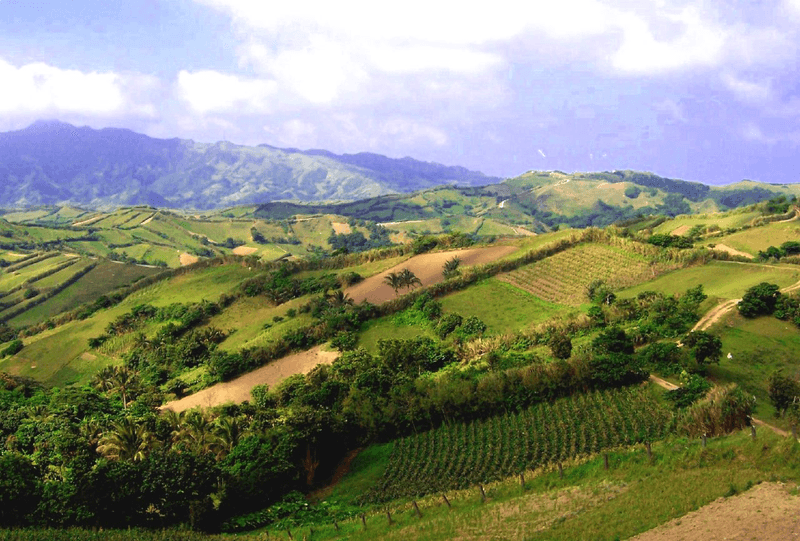
Batanes is defined by broad grassy hills, green valleys, volcanic highlands, and a rugged ocean coastline. Unlike many Philippine resort destinations, it has little dense development: villages are small, and wide views of the sea and hills open up between them. Weather can change quickly, so the same shore may look peaceful and sunny one moment and dramatic beneath low clouds and powerful winds the next.
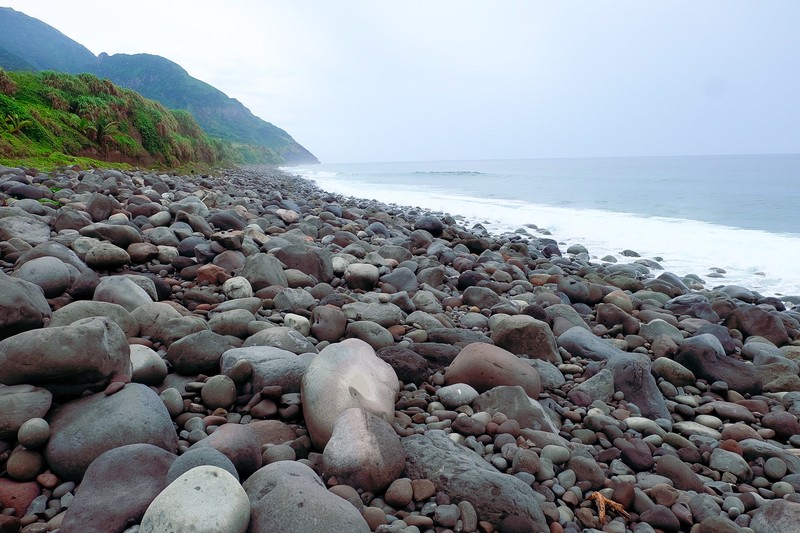
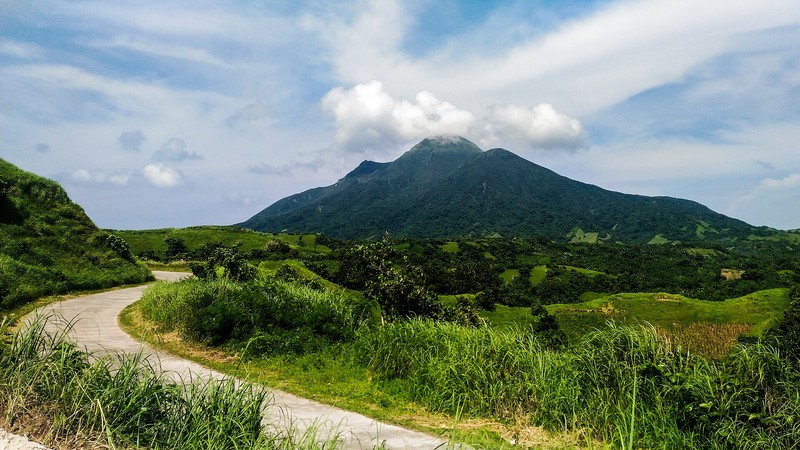
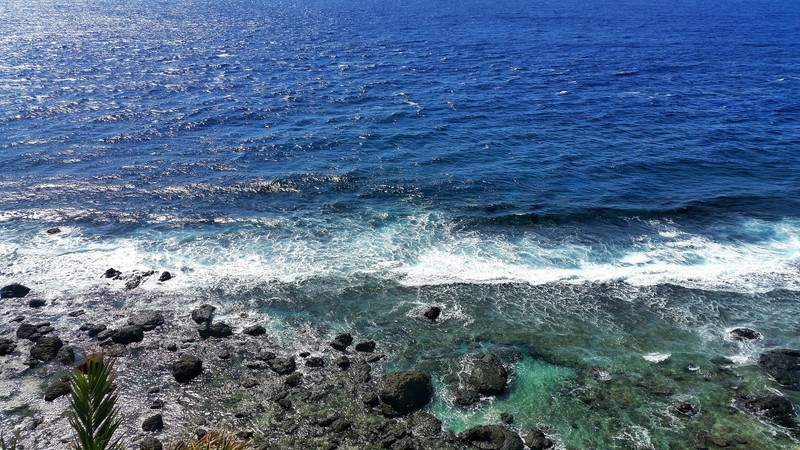
Mount Iraya, a volcanic peak about 1,009 meters high, rises on Batan Island. Its outline is visible from the area around Basco, and its slopes are covered in vegetation. Mount Matarem stands in the southern part of the island. The islands' volcanic origins have influenced their terrain, soils, and ecosystems. Along the coast, visitors encounter rocky stretches, boulders, small beaches, and coves, while elevated viewpoints offer broad panoramas of the ocean.
Batan Island
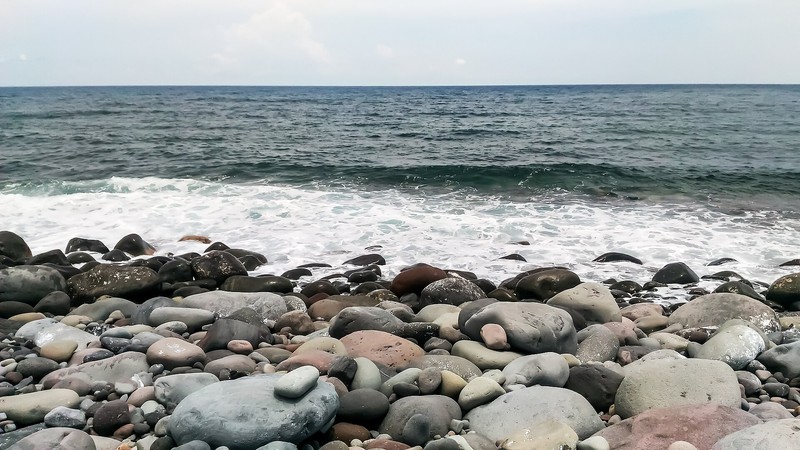
Batan is the province's most populated island and a convenient starting point for exploring Batanes. Basco has government offices, shops, guesthouses, and the airport. Near town, visitors can explore Naidi Hills and its lighthouse for sunset views, as well as Valugan Bay, known for its distinctive pebble shoreline. On clear days, Mount Iraya stands out against the ocean backdrop.
The island preserves historic churches, old settlements, and traditional houses. Notable places include the House of Dakay in Ivana, considered one of Batanes' oldest surviving stone houses; San Jose Church; and the small Honesty Coffee Shop, where customers take goods and leave payment themselves. In the south, Alapad Rock Formation and the ruins of Songsong recall the destruction caused by a powerful tidal wave in the mid-twentieth century.
Sabtang: traditional villages and rocky shores
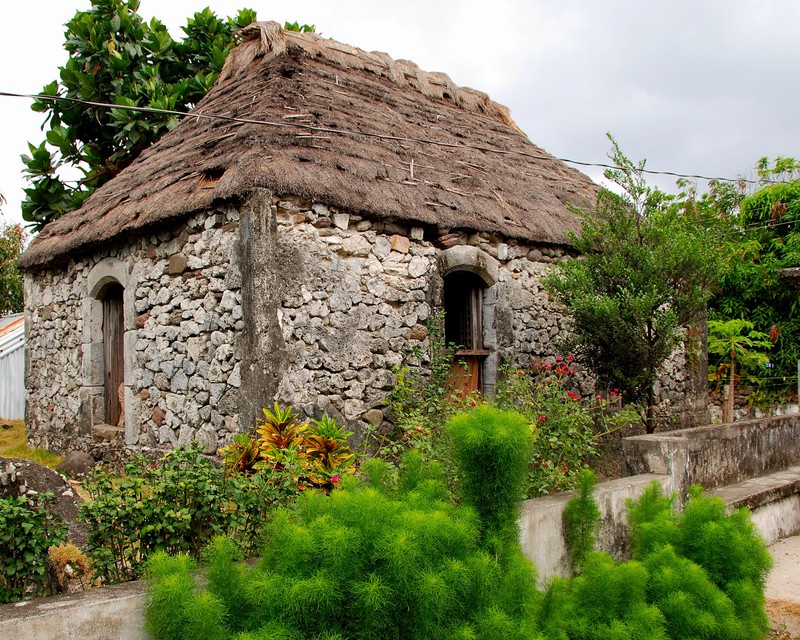
Sabtang lies southwest of Batan and is known for traditional settlements, steep hills, and striking coastal scenery. A visit often includes villages where visitors can see characteristic stone houses with thick cogon-grass roofs. These buildings were designed to withstand strong winds, heavy rain, and typhoons. Their architecture reflects local practical knowledge and centuries of adaptation to a demanding climate.
One of Sabtang's best-known villages is Chavayan. Its narrow lanes, stone walls, and traditional homes give it a distinctive atmosphere. The coastline alternates between sandy stretches, boulders, and steep slopes. Visiting Sabtang offers a chance to understand the culture and everyday life of the Ivatan people, not just see natural attractions.
Itbayat: an island of ocean cliffs
Itbayat is the largest island in the province by area and one of the archipelago's most unusual destinations. Much of its coastline consists of high cliffs and massive boulders, so broad conventional beaches are rare. Its terrain includes rolling plateaus, hills, and steep escarpments, while selected coastal viewpoints reveal impressive ocean vistas.
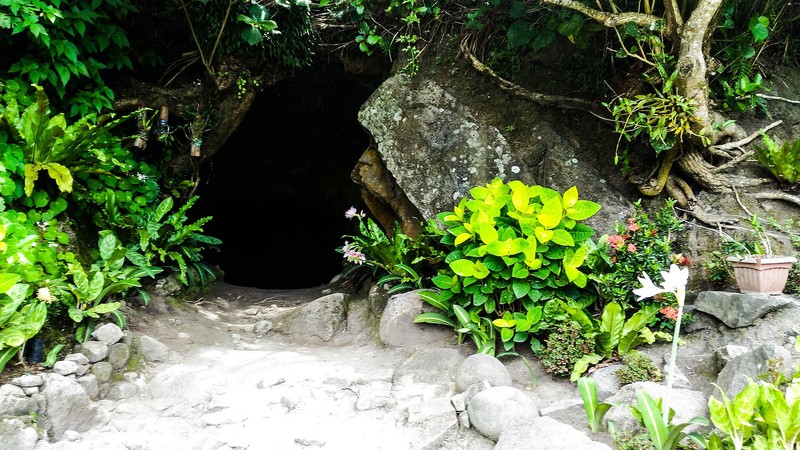
Visitors can explore natural caves, including Sarokan Cave, and discover archaeological sites and local legends. Itbayat receives fewer visitors than Batan and requires more careful planning. Weather can affect sea transport, so travelers should confirm schedules and return arrangements in advance.
Ivatan culture
Batanes is the homeland of the Ivatan people, whose culture developed in response to island geography, seafaring, and a challenging climate. Local traditions are reflected in architecture, language, fishing, farming, and community life. Stone houses with thick walls and heavy roofs are among the region's most recognizable symbols. Their construction helps protect residents from the strong winds and heavy rains that regularly sweep across the islands.
The sea, small agricultural plots, and mutual assistance play important roles in local life. Visitors should respect private property, ask permission before photographing people or homes, and follow local guides' advice. The province has been officially designated a cultural heritage and ecotourism zone, emphasizing the importance of protecting its environment and traditional way of life.
Lighthouses, hills, and panoramic views
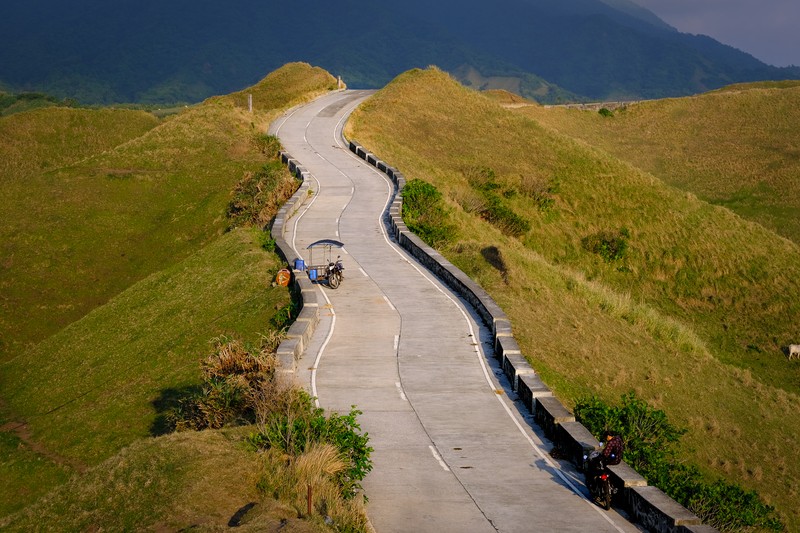
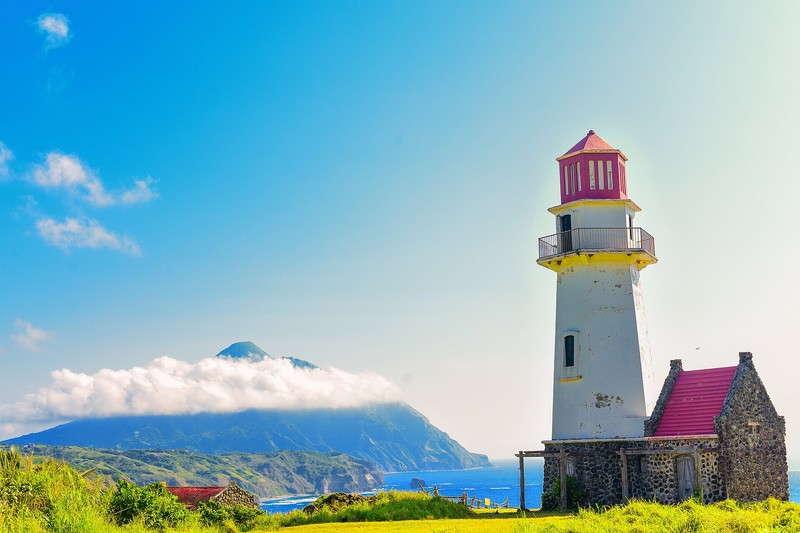
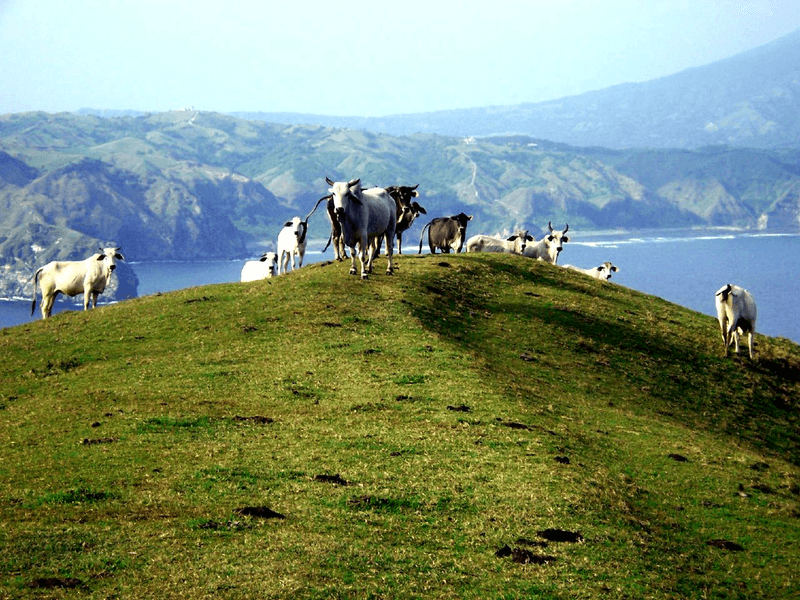
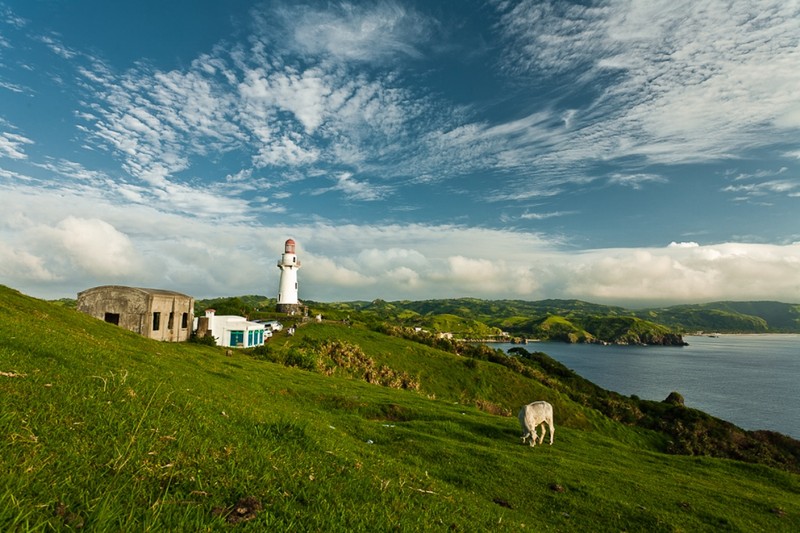
Batanes' lighthouses have become some of the archipelago's most recognizable landmarks. Lighthouses on Batan's hills help define the coastal scenery and provide excellent viewpoints. Popular vistas include Naidi Hills and the area around Tayid Lighthouse, where visitors can look out over the ocean, green slopes, and Mount Iraya. At Racuh-a-Payaman, often called Marlboro Hills, rolling pastureland descends toward the sea, and the open horizon creates a strong sense of space and solitude.
The landscapes of Batanes are best appreciated through unhurried walks and short stops along the roads. Allow time to watch the clouds, the changing colors of the ocean, and the silhouettes of distant islands. Some viewpoints are exposed to strong winds, however, and conditions can become unsafe quickly.
Climate and the best time to visit
Batanes has a humid, windy climate, and typhoons or heavy rain can disrupt flights, boat crossings, and excursions. Even during relatively calm periods, the weather can be unpredictable. It is wise to build extra time into an itinerary, particularly when connecting to a return flight or onward travel on Luzon.
Before traveling, check seasonal forecasts, flight conditions, and local transport schedules. A lightweight waterproof jacket, wind protection, sturdy shoes with good grip, and a waterproof cover for electronic devices are useful at almost any time of year. Swimming requires caution: strong waves and currents make some stretches of coast dangerous even when the shore appears calm.
Getting there and getting around
Most trips begin with a flight to Basco Airport on Batan Island. Flights are limited and may depend on the season and weather, so it is best to arrange tickets and accommodation in advance. Local boats connect the islands, but sea transport is particularly sensitive to wind and waves. Before traveling to Sabtang or Itbayat, confirm current schedules and safety requirements.
On Batan, visitors usually explore attractions by car, motorcycle, or local guided tour. Local transport and guides may also be needed on Sabtang and Itbayat. Hiring local guides helps travelers learn more about the islands' history, culture, and natural features while supporting the communities that live there.
Responsible tourism in Batanes
The archipelago's natural environment and cultural heritage are its greatest treasures. Do not leave litter, remove stones or other natural objects, damage vegetation, or ignore restrictions in protected areas. Along the coast, keep a safe distance from cliffs and avoid slippery rocks when the sea is rough. Supporting local guesthouses, guides, and small businesses helps preserve traditional ways of life and makes a visit more meaningful.
The Batanes Islands are ideal for travelers seeking open spaces, dramatic seascapes, and a close encounter with a distinctive culture rather than busy beach resorts. Their combination of volcanic hills, lighthouses, stone villages, and rugged ocean shores makes this archipelago one of the Philippines' most unusual destinations.
Gallery