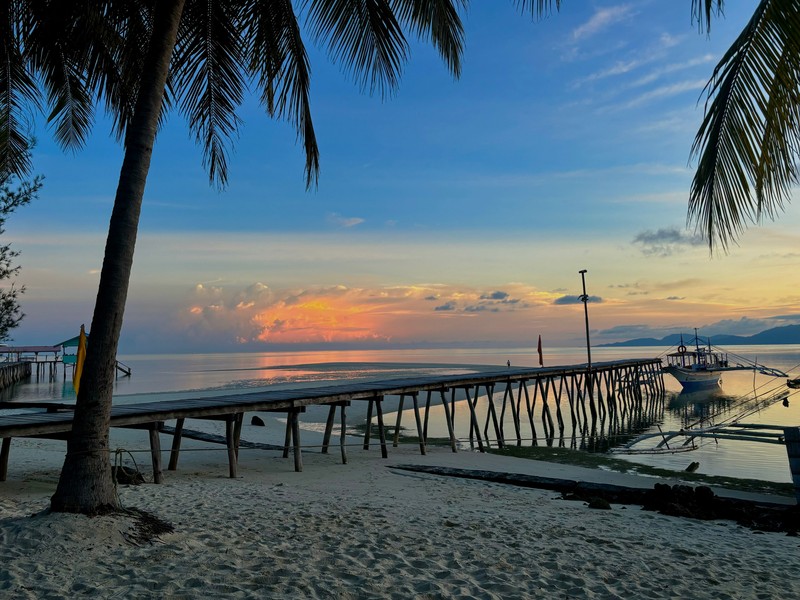
The Balabac Islands are a scenic archipelago at the southernmost end of the Philippines, near the southern tip of Palawan and not far from the maritime border with Malaysia. This remote corner of the country is known for white-sand beaches, turquoise water, sandbars, coral reefs and small tropical islands, many of which remain far from mass tourism. The archipelago belongs to the municipality of Balabac in Palawan province and attracts travellers seeking secluded beaches and unspoiled seascapes.
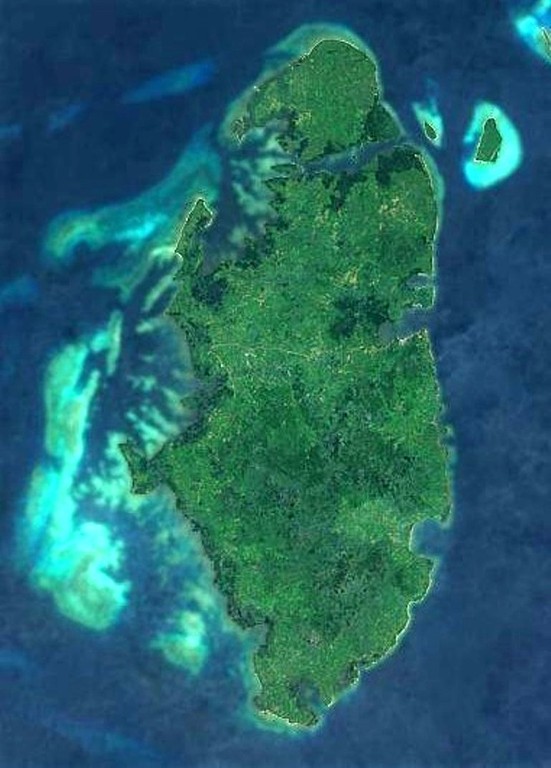
Balabac is not a single island but a group of islands and smaller landforms surrounded by shallow channels and rich marine habitats. Some of the largest islands include Balabac, Bugsuk, Bancalaan, Matangule, Pandanan and Ramos. Depending on the route, visitors may encounter sand spits, mangrove stands, lagoons, coral areas and beaches with nearly white sand. The contrast between open sea and sheltered shallow bays is especially striking.
Beaches with white and pinkish sand
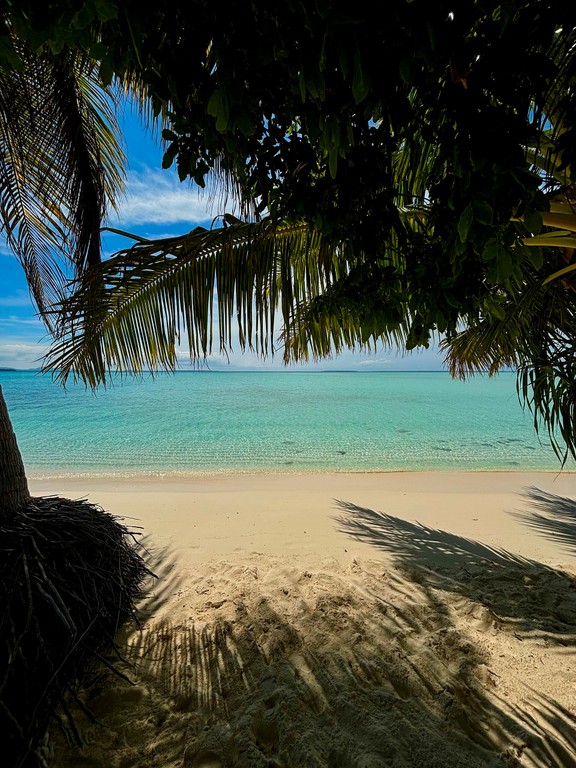
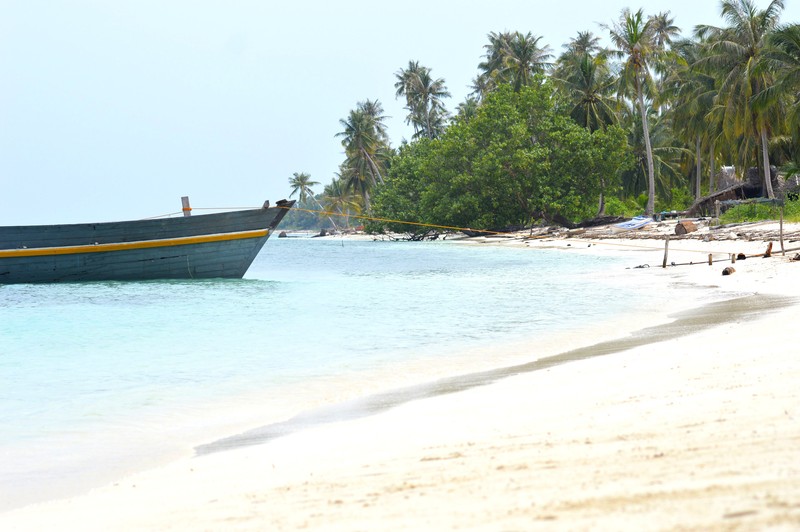
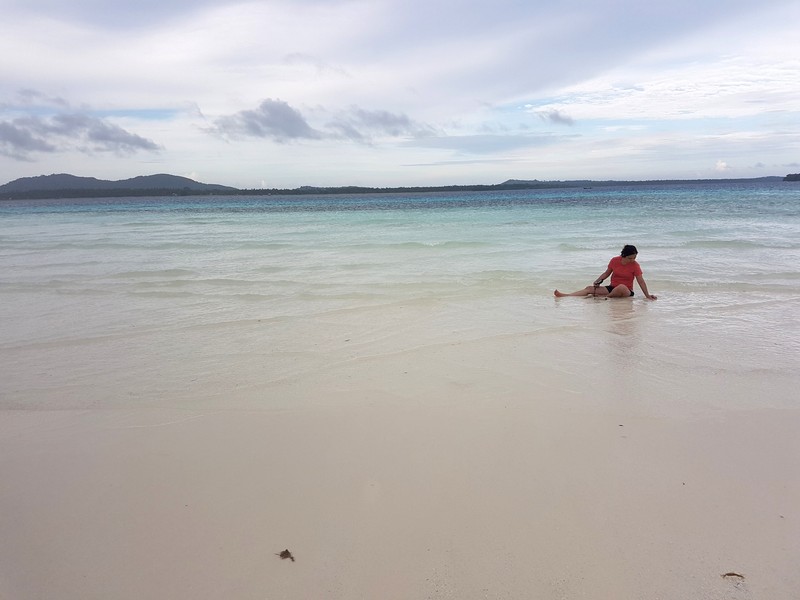
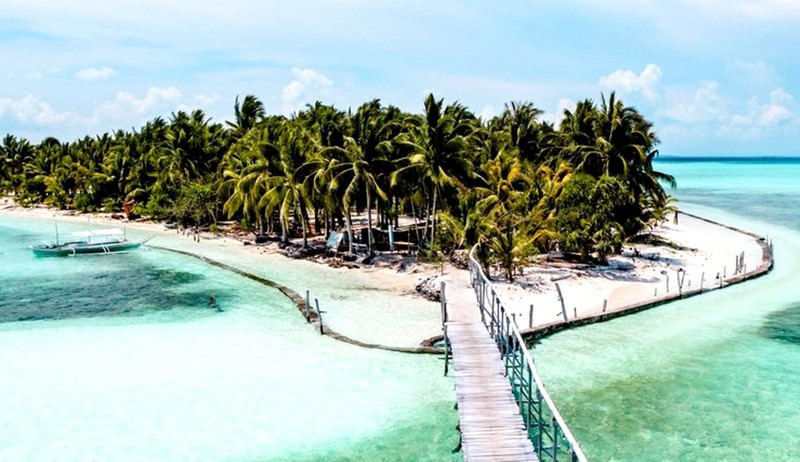
The beaches are the main reason Balabac has become popular. On many islands, the shoreline is covered with fine, pale sand, while the clear water shifts between shades of blue, turquoise and green. In shallow areas, the sandy bottom, seagrass patches and coral formations can be seen from above. At low tide, long sandbars emerge from the sea, creating the impression of narrow paths across the water and dramatic views against the tropical landscape.
Some beaches have a pinkish hue because of tiny fragments of coral and shells mixed into the sand. The intensity of the colour depends on the light, the sand’s moisture and the exact location. These tones are often most visible in soft morning or evening light, but not every beach in the archipelago has pink sand. Shoreline colour is not fixed: currents, tides and storms continually move the sand.
Islands and natural attractions
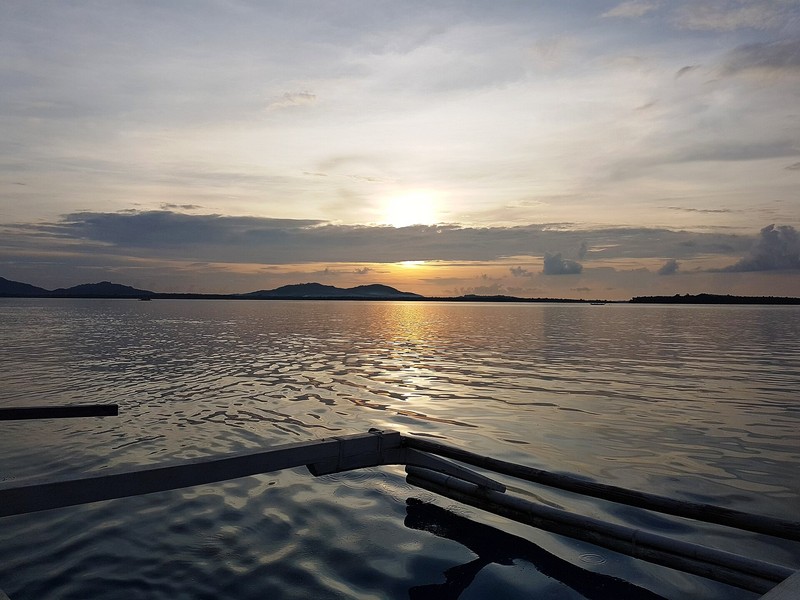
Trips around Balabac usually include several islands in a single excursion. Different parts of the archipelago feature broad beaches, small sandy islets, coral shallows and shores edged by tropical vegetation. Some islands have almost no tourist infrastructure, and their appeal lies in the quiet atmosphere, open seascapes and feeling of being far from major cities.
Bugsuk, Bancalaan and Matangule are among the larger islands in the northern part of the municipality. Their surrounding waters include shallow seagrass beds, sandy and rocky bottoms, and coral reefs. South of North Balabac Strait lie Balabac Island and Ramos Island. Reef systems are especially extensive along the western side of Balabac Island, while seabed types and depths change more rapidly in other areas. These differences create varied habitats for marine life and give each part of the archipelago its own character.
Coral reefs and marine life
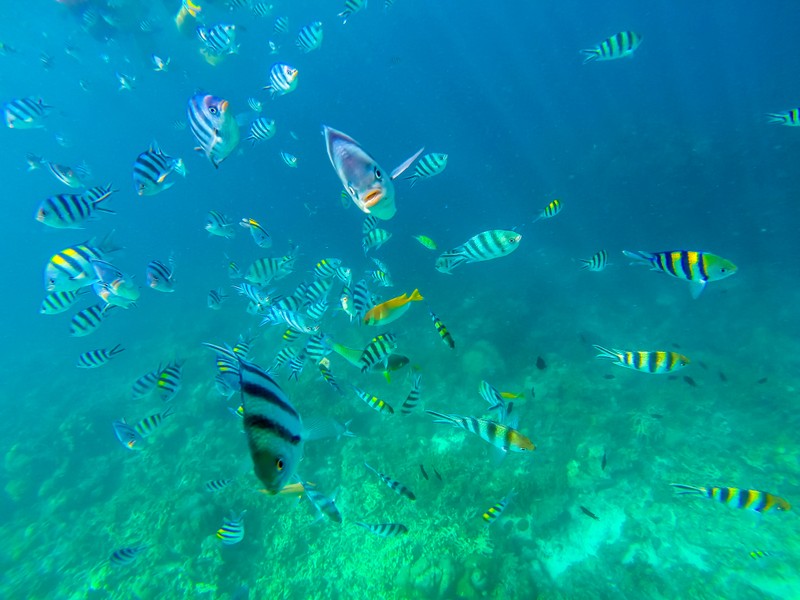
Balabac’s coastal waters contain coral reefs, seagrass beds, sandy seabeds and rocky underwater surfaces. These habitats provide food and shelter for fish, crustaceans, molluscs and other marine animals. Coral communities are particularly important for biodiversity because their complex structure supports many organisms living together in the same underwater environment.
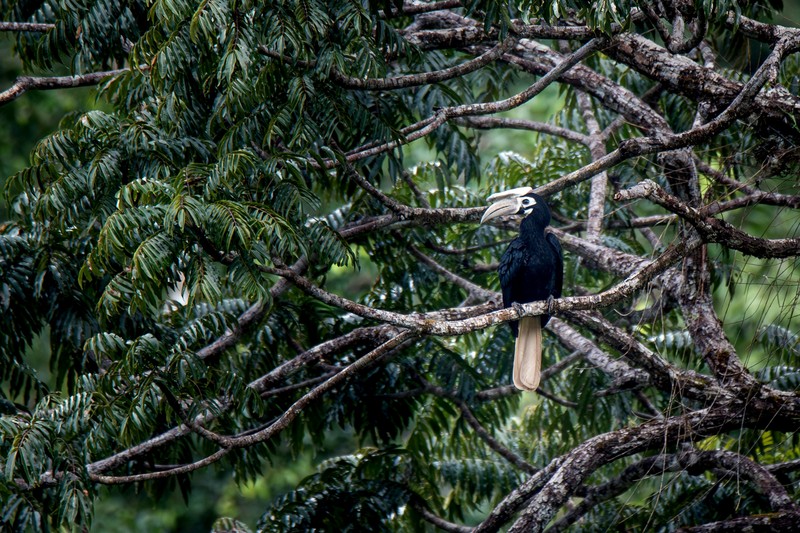
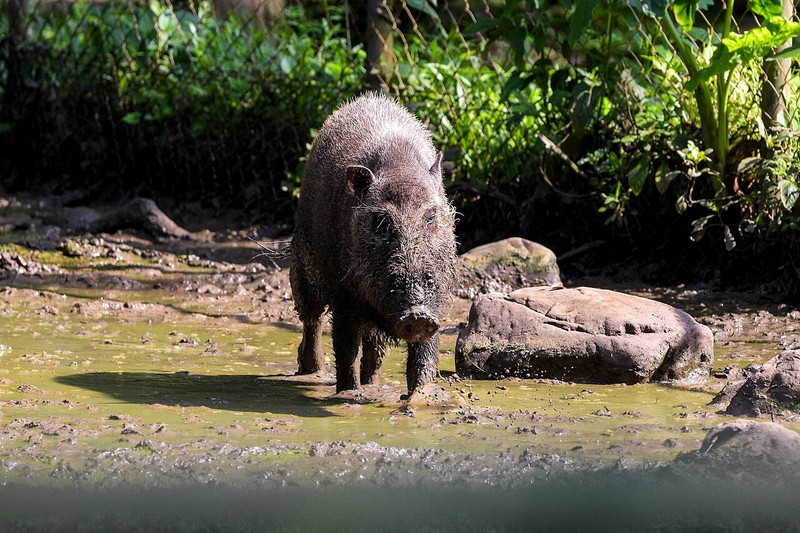
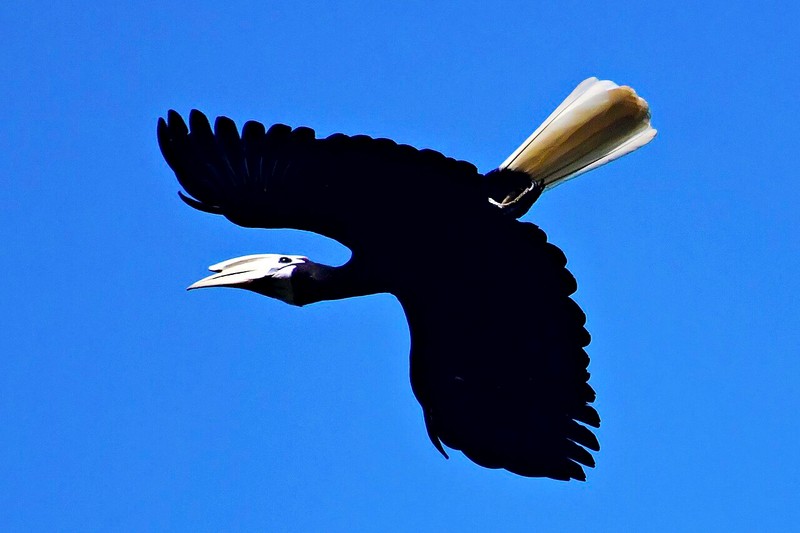
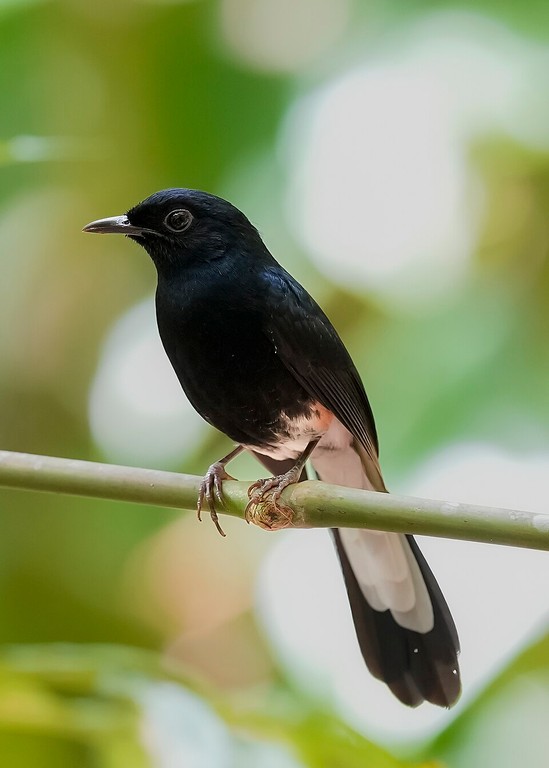
Sea turtles occur around the archipelago, while dugongs and other rare marine animals inhabit the wider Palawan region. Official conservation and scientific materials also highlight the importance of the Balabac Islands for preserving diverse terrestrial and marine ecosystems. However, no particular wildlife sighting can be guaranteed: the presence of animals depends on the season, location, habitat conditions and chance.
Shallow seagrass meadows are just as important as coral reefs. They provide feeding grounds for some marine animals, help stabilise seabed sediments and contribute to healthy coastal ecosystems. Mangroves along some shores shelter young fish and invertebrates and help protect coastlines from waves and erosion.
The pilandok: Balabac’s unusual mammal
One of the region’s best-known animals is the Balabac mouse-deer, also called the pilandok. It is a small hoofed mammal with slender legs and a compact body that resembles a miniature deer, although it belongs to a distinct group of even-toed ungulates known as chevrotains. The species is closely associated with Balabac and neighbouring areas of southern Palawan and is especially important to the region’s biodiversity.
The pilandok is elusive and is more active at dusk or at night. It prefers areas with vegetation cover, where it can forage and avoid disturbance. Its restricted range and pressure on natural habitats have raised serious conservation concerns. Seeing one in the wild is not a routine tourist experience, so visitors should not expect to encounter it during a standard beach-hopping trip.
Culture and local life
The Balabac archipelago is not only a natural attraction but also home to coastal communities whose lives are closely connected to the sea. The municipality includes members of the Molbog people, historically associated with southern Palawan and the waters around the islands. Fishing, small-scale farming and local trade have traditionally played important roles in everyday life.
The sea influences local food, transport, family activities and ideas about ancestral territory. For island residents, coastal waters are not merely scenery but a source of food, livelihood and cultural identity. Travellers should respect local customs, ask permission before photographing people or private property, and remember that tourist facilities may be limited on smaller islands.
How to reach the Balabac Islands
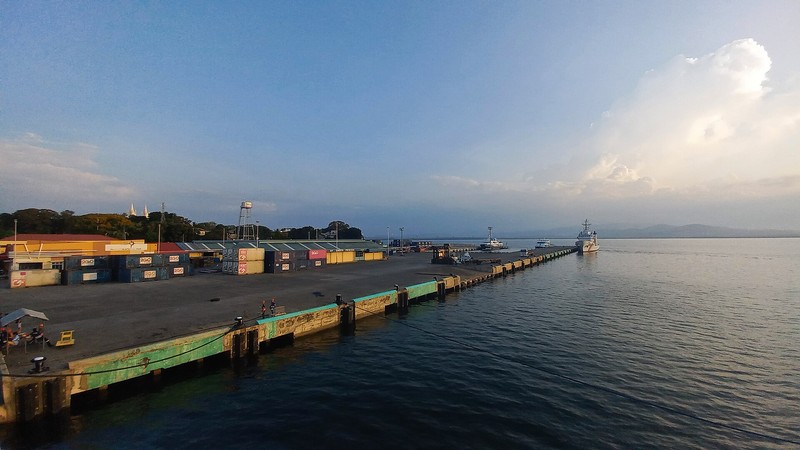
Travel usually begins in Puerto Princesa, the provincial capital of Palawan, followed by a road journey south. One commonly used departure point for boat trips is Buliluyan Port in the municipality of Bataraza. From there, visitors continue by boat to the islands. The precise route and travel time depend on the departure point, sea conditions and chosen itinerary.
The journey requires advance planning because distances are considerable and transport services are less frequent than in the Philippines’ more established tourist areas. Before departure, confirm ground transport schedules, boat departure times, accommodation arrangements and possible fees. Weather and sea conditions can affect access to individual islands, so it is wise to allow spare time and avoid tight connections.
When to visit the archipelago
Calm seas, good visibility and an absence of heavy rain are especially important for beach trips and boat excursions. Travel is often easier to plan during drier months, although conditions vary with wind, local currents and weather systems. Even in a favourable season, boat services may be delayed by rough seas or other adverse conditions.
When planning a trip, take the tides into account. They change the appearance of sandbars, the depth of passages between islands and the possibility of landing at certain beaches. Follow the advice of local boat operators or guides and do not go out to sea when conditions are unsafe.
Responsible tourism and conservation
Balabac’s natural appeal depends on fragile coastal ecosystems that can be damaged by uncontrolled tourism. Corals grow slowly, seagrass is sensitive to physical disturbance, and beaches and small islets depend on the natural movement of sand. Pollution, vegetation damage and disturbance of wildlife can gradually degrade these environments.
Visitors are encouraged to use refillable bottles, take all rubbish away, avoid stepping on corals and refrain from collecting shells or other natural objects. Wildlife should not be chased, fed or approached solely for photographs. Choosing local operators who follow conservation rules supports the community’s economy while reducing environmental impact.
Why visit the Balabac Islands?
The Balabac Islands combine pale beaches, clear water, sandbars, coral reefs and the rich natural environment of southern Palawan. They are ideal for travellers who want to discover a less-developed part of the Philippines, take a marine excursion and learn about local island culture. Unlike large resorts, Balabac offers a more secluded and independent style of travel, but it requires patience, flexibility and careful preparation.
The archipelago’s natural habitats, rare wildlife–including the pilandok–and the close relationship between residents and the sea give it special value. Its future depends on protecting coral reefs, seagrass beds, mangroves and the traditional ways of life of local communities. With a responsible approach, a trip to the Balabac Islands can be more than a beach holiday: it can be an introduction to one of the Philippines’ most distinctive natural regions.
Gallery