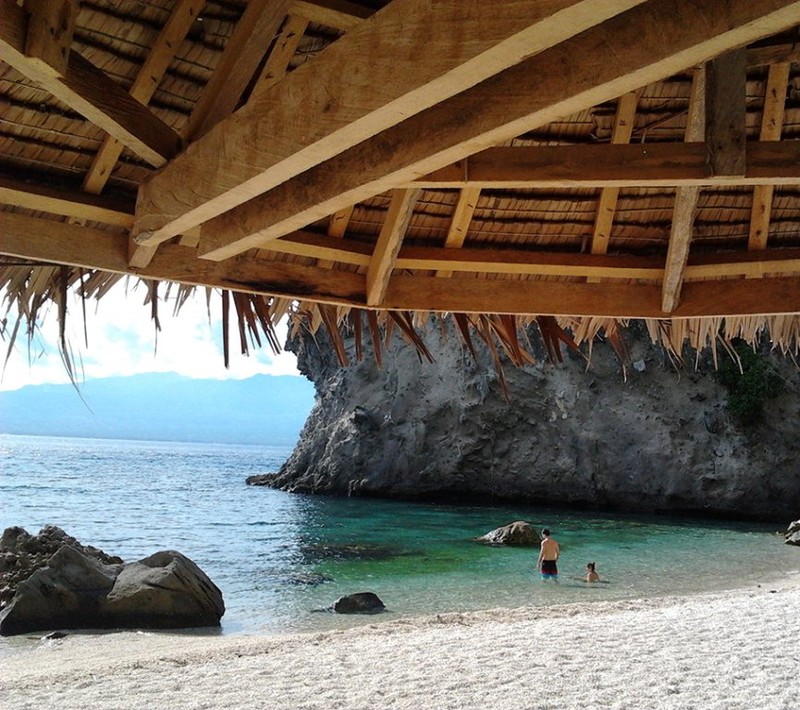
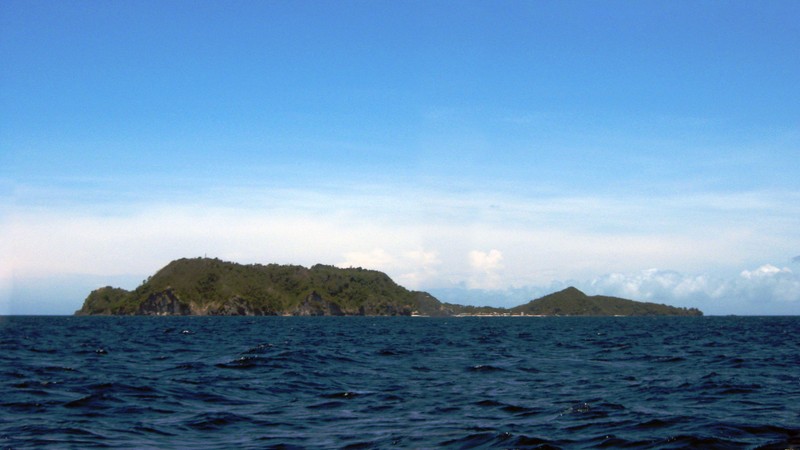
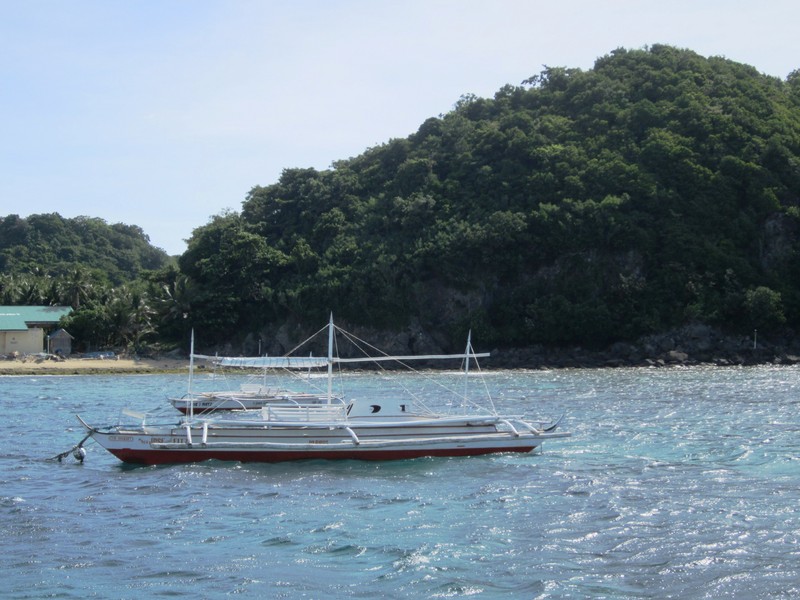
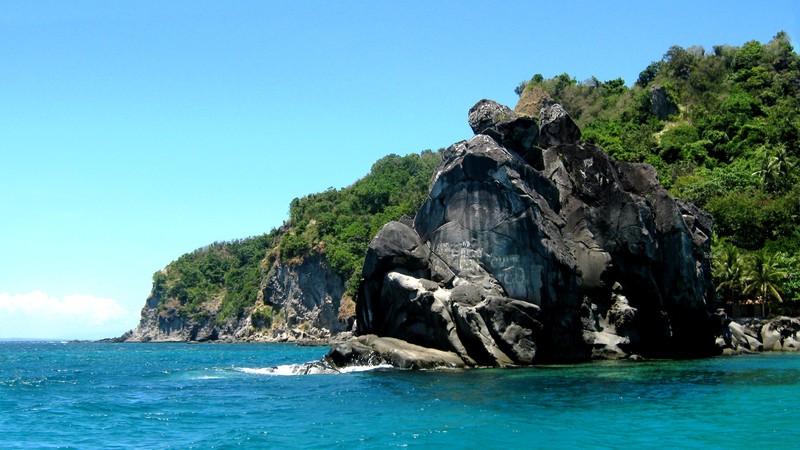
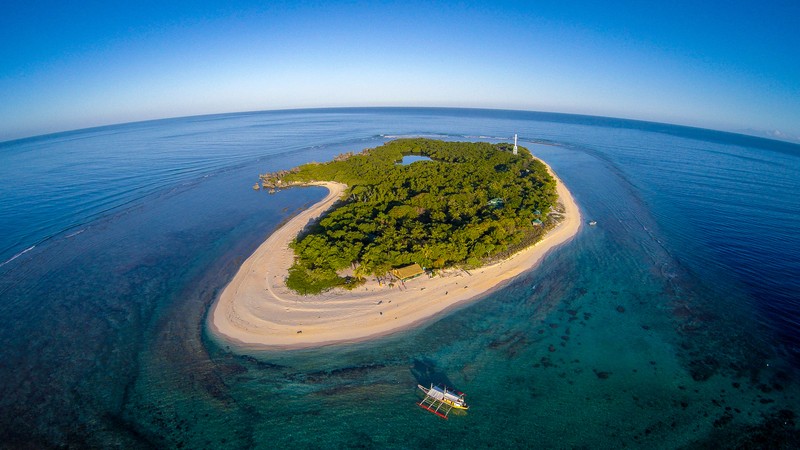
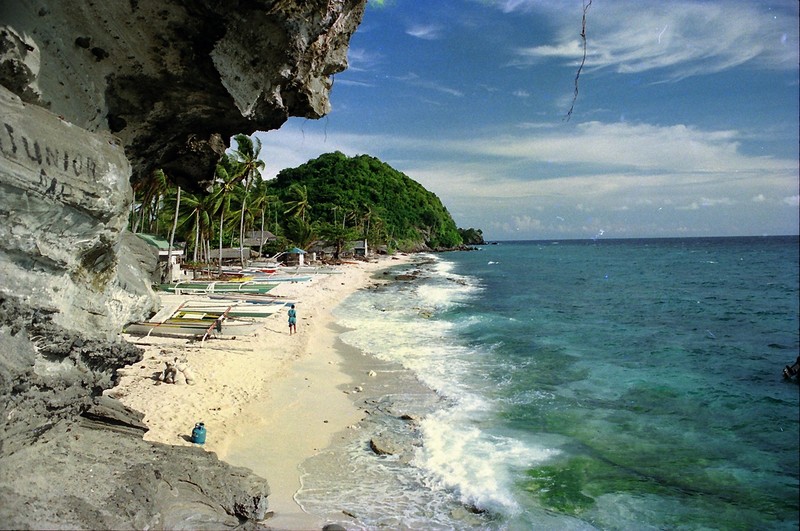
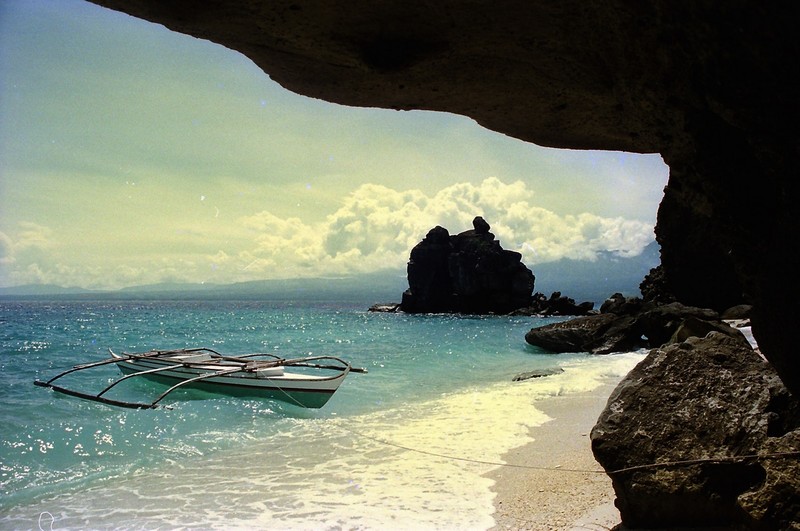
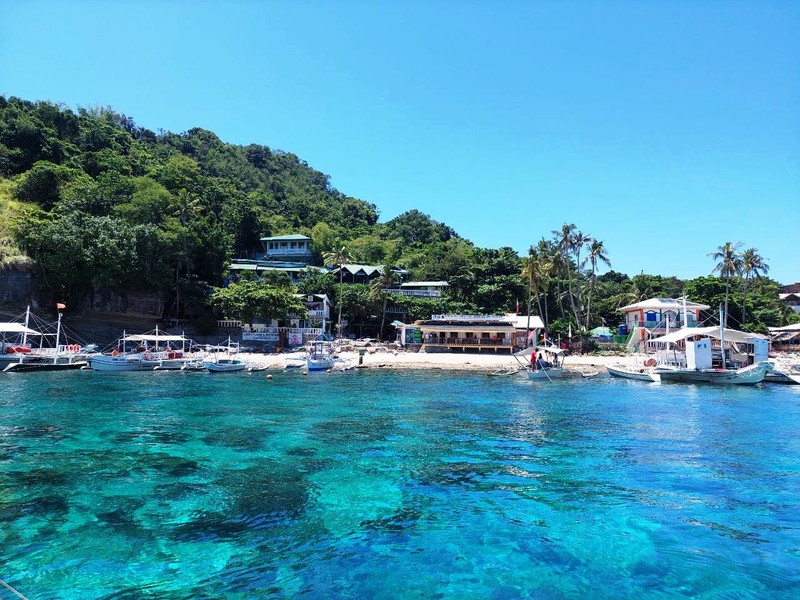
Apo Island is a small volcanic island in the southeastern Philippines, about 7 kilometres off the southeastern tip of Negros Island, near the coast of Negros Oriental. It belongs to the municipality of Dauin and is best known for its coral reefs, clear water and opportunities to observe sea turtles in their natural habitat. Despite its small size, the island is one of the Philippines’ best-known destinations for scuba diving and snorkelling.
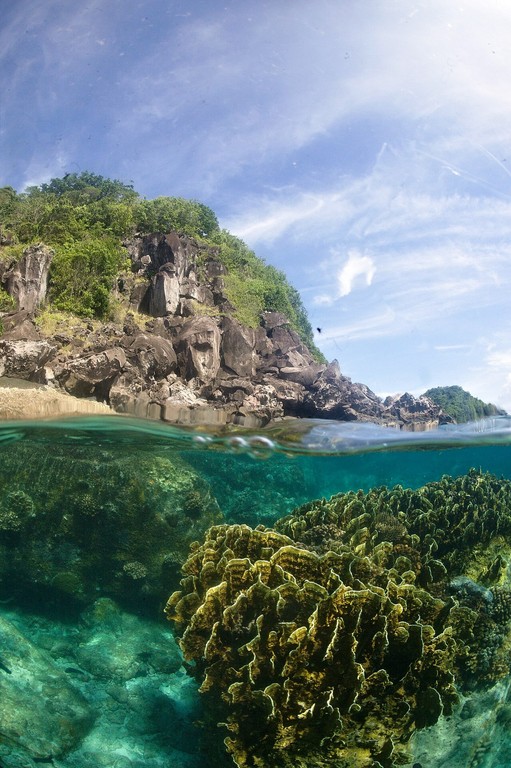
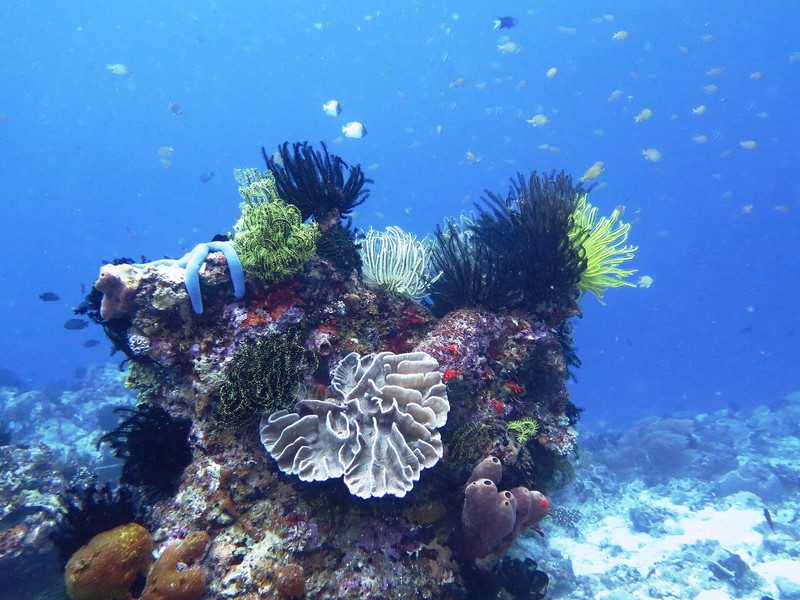
Apo’s greatest treasure lies underwater. Coral gardens, submerged slopes, sandy patches and reef walls surround the island, providing habitat for many species of tropical fish. Its rich marine life and decades of reef conservation have made the island an important example of how local communities can help protect natural resources.
Marine sanctuary and nature conservation
Marine conservation on Apo began in the late 1970s, when specialists from Silliman University’s Marine Laboratory started working with local fishers. Declining catches and destructive fishing practices created a need for a solution that could restore fish populations while supporting the local community.
In 1982, island residents set aside part of the coastal waters as a marine sanctuary where fishing was prohibited. This initiative became a well-known example of community-based marine resource management in the Philippines. The community later expanded its conservation efforts, and in 1994 the island and surrounding waters were declared a protected landscape and seascape. The protected area covers approximately 691 hectares.
The sanctuary gave corals and fish communities the opportunity to recover without constant fishing pressure. Scientific observations of Apo’s reefs helped demonstrate that even a relatively small no-take zone can support the recovery of fish stocks in nearby waters. Today, conservation relies on cooperation between residents, government authorities, academic institutions and marine conservation specialists.
Coral reefs and the underwater world
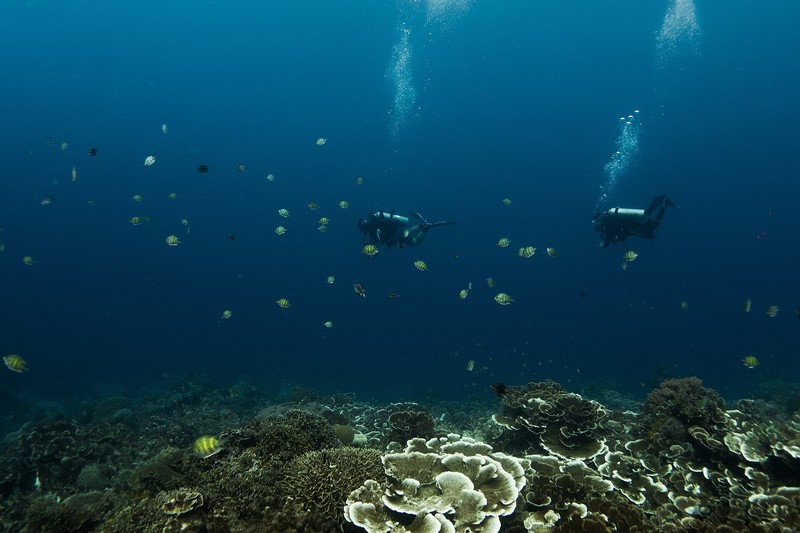
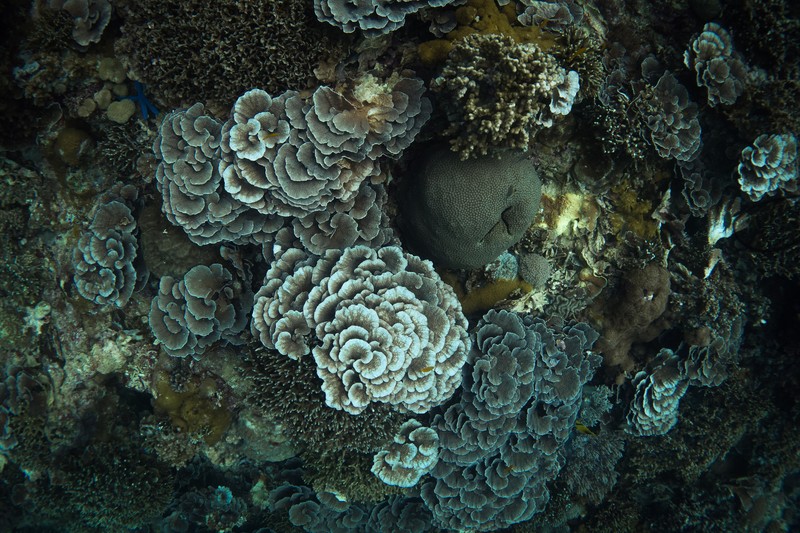
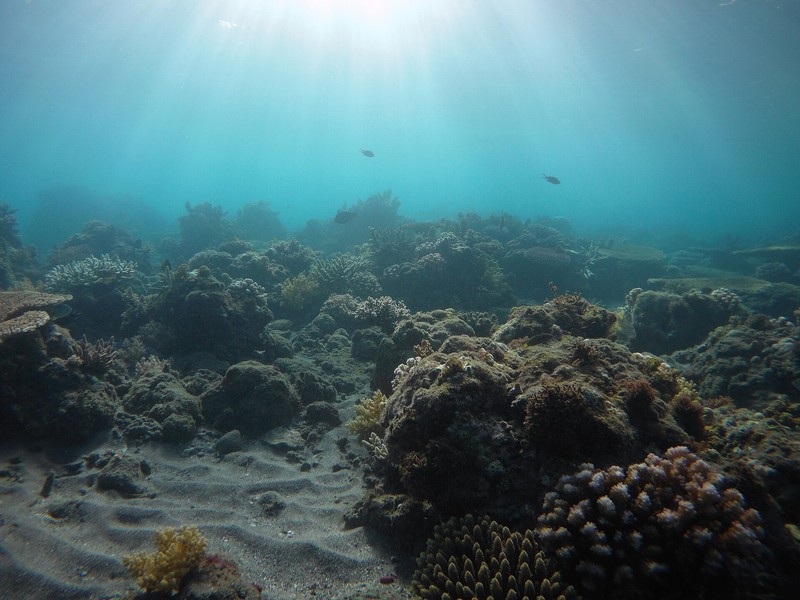
Apo is known for its rich coral communities and varied underwater landscapes. Shallow coral gardens lie near the shore, while farther out the reefs descend into steep slopes and walls. Hard and soft corals, large sea fans, sponges and many invertebrates thrive here. More than 600 fish species and hundreds of coral species have been recorded around the island.
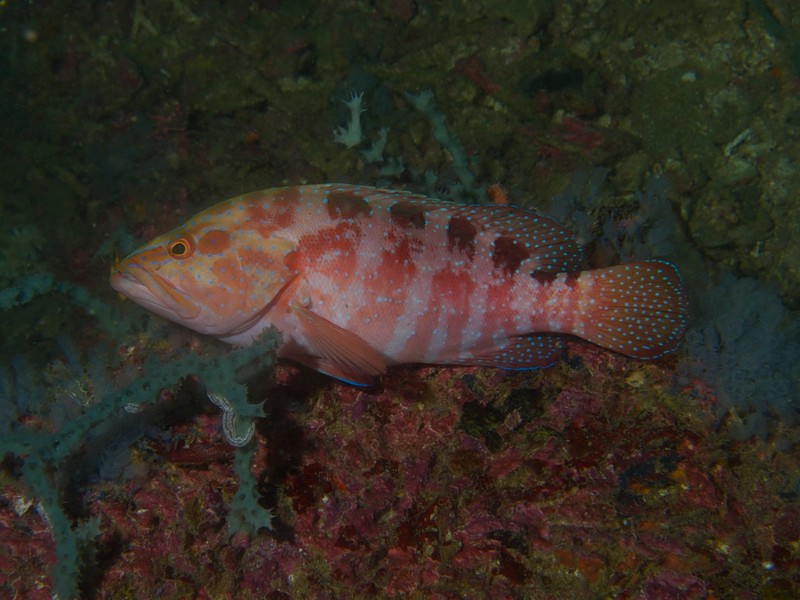
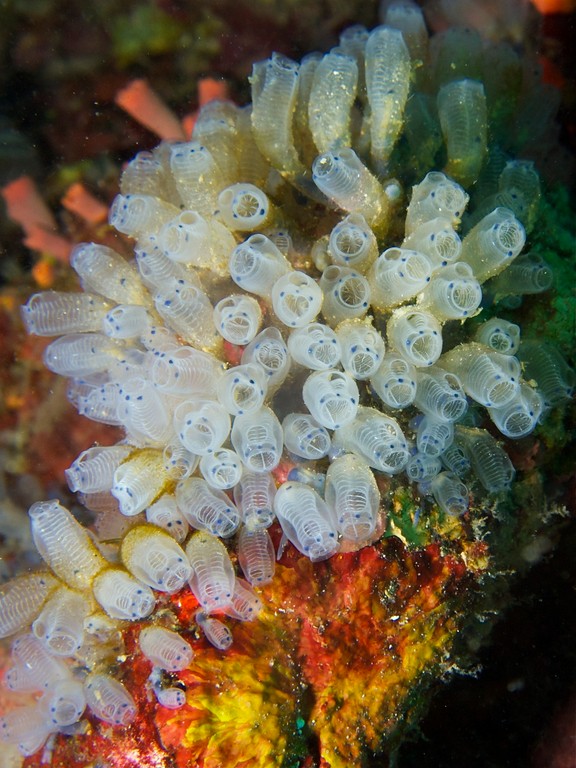
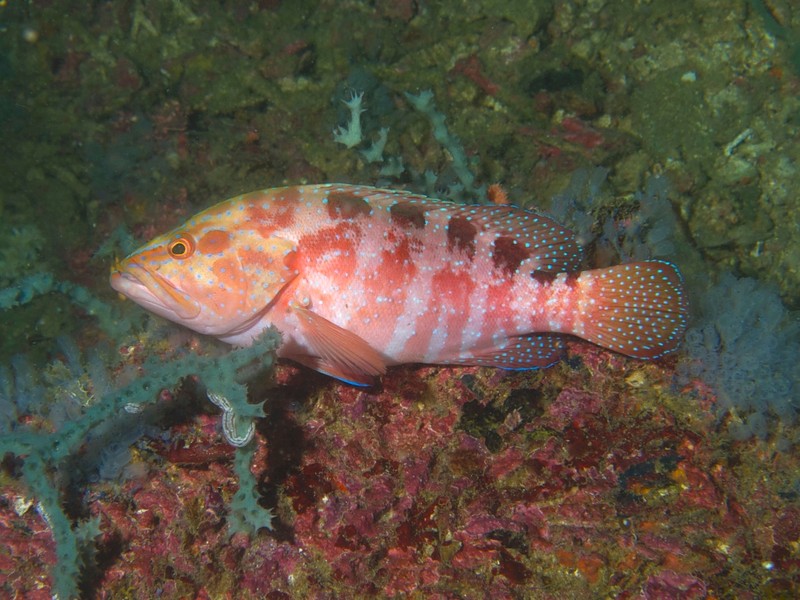
Butterflyfish, angelfish, wrasses, groupers, snappers and schools of other tropical fish inhabit the reefs. Moray eels, shrimp, crabs and nudibranchs hide in coral crevices. A successful dive may reveal large schools of fish and, occasionally, rarer visitors from the open sea. The underwater wildlife varies with depth, currents and the specific reef site.
The health of the coral reefs depends on water quality, sea temperature, ecosystem stability and compliance with conservation rules. Visitors should never touch corals, stand on the reef, feed fish or leave rubbish behind. Even minor coral damage can have long-term consequences for slow-growing colonies and the marine organisms that depend on them.
Sea turtles
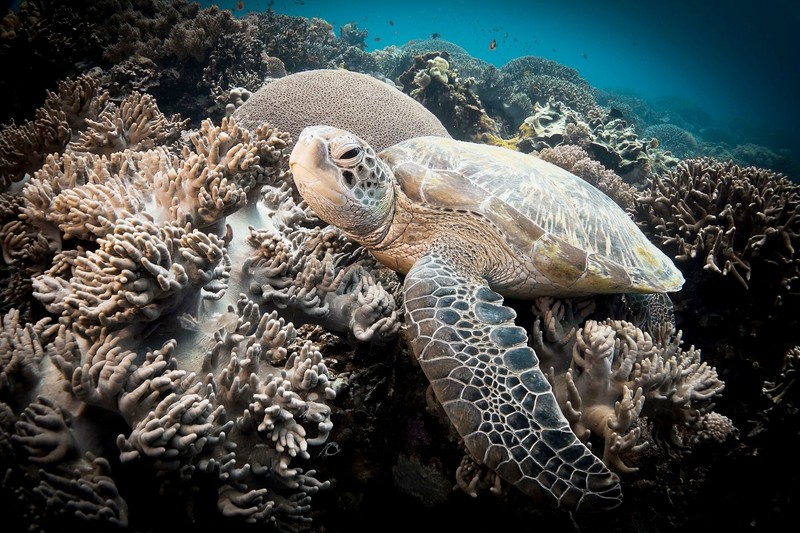
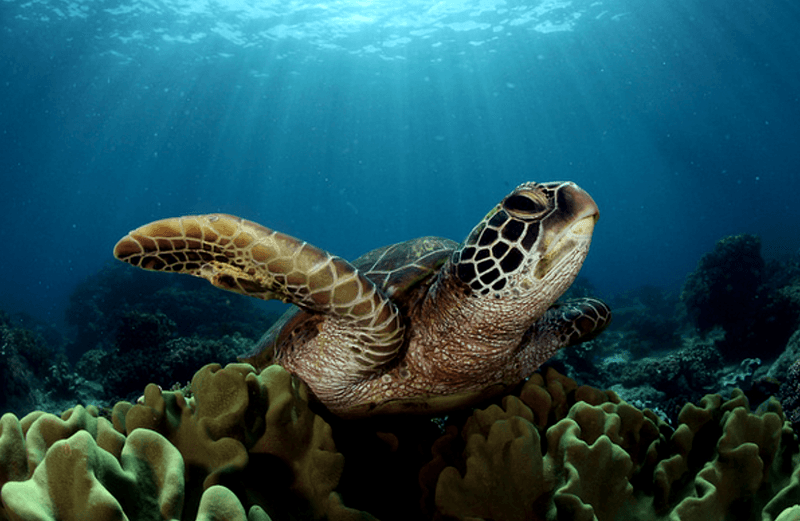
One of the highlights of visiting Apo is the chance to see sea turtles. Green turtles and hawksbill turtles are often found in the island’s shallow waters. They rest among the corals, forage in shallow areas and periodically surface to breathe.
Turtles can be observed while snorkelling or scuba diving, but it is important to keep a respectful distance and avoid disturbing them. Visitors should not chase them, touch their shells, block their route to the surface or attempt to attract them with food. Quiet observation offers a glimpse of their natural behaviour while reducing tourism’s impact on their habitat.
Popular dive sites
Several well-known dive sites surround the island, each offering different conditions. One of the most notable is Coconut Point, at the northern tip of Apo, where currents bring in large schools of fish. It is especially appealing to experienced divers because current strength and direction can change.
Marine Sanctuary is a protected area off the southeastern coast where taking marine life is prohibited. Divers can see healthy coral slopes, large fish and sea turtles. Rock Point East is known for its coral gardens and variety of reef fish, while Chapel combines relatively gentle slopes with an underwater wall inhabited by sponges, corals and small marine animals.
The best site depends on a diver’s experience, the weather, waves and currents. Some locations suit beginners and snorkellers, while others require confident diving skills and guidance from an experienced instructor. Before heading out, visitors should discuss conditions with a local dive centre and follow their guide’s recommendations.
Snorkelling and island recreation
You do not need to be a professional diver to explore Apo’s underwater world. In many places, corals and fish are visible at relatively shallow depths, making the island popular with snorkellers. A mask, snorkel and fins allow visitors to observe reef fish and turtles without scuba equipment. However, it is important to choose suitable locations and avoid areas with strong currents.
On land, the island offers the relaxed atmosphere of a small coastal settlement, walking trails and views across the sea. Trips are often organised as day excursions from the mainland, although accommodation and the length of a stay depend on local conditions. Travellers should check boat schedules, protected-area regulations and possible fees in advance.
How to get to Apo Island
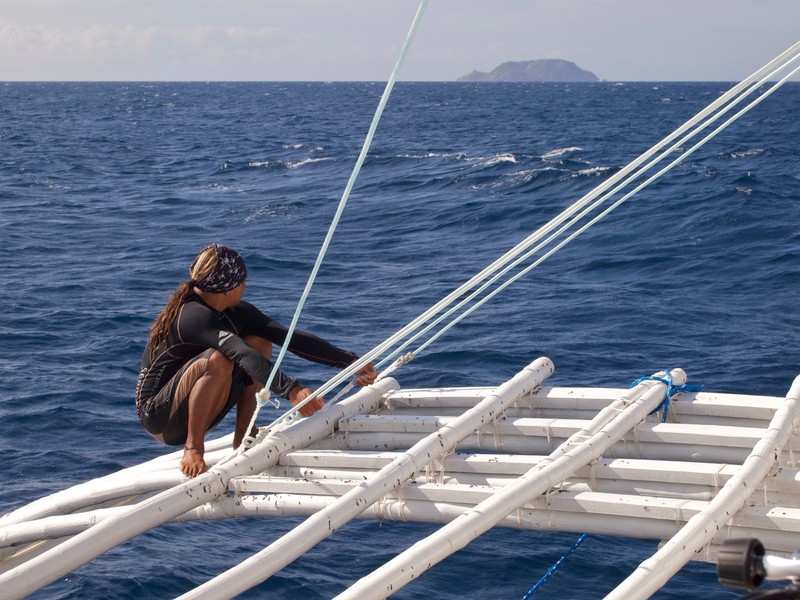
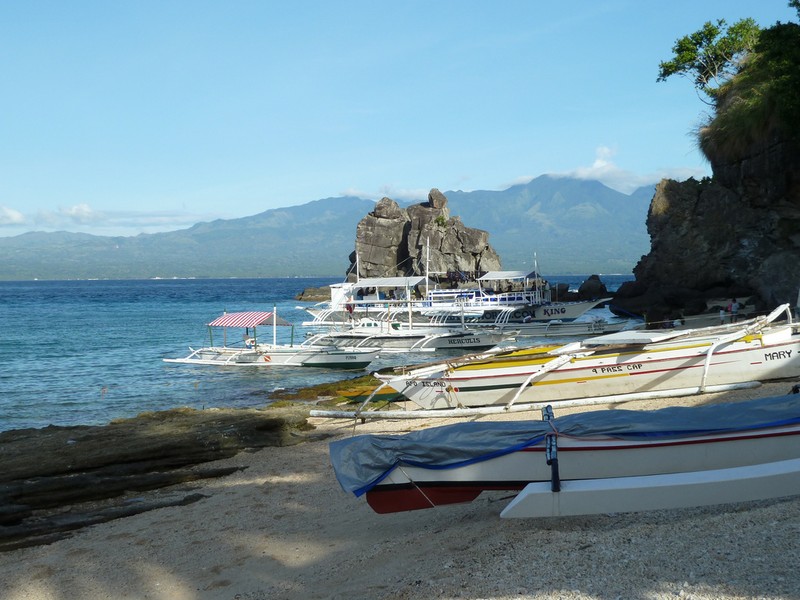
The island lies about 7 kilometres off the southeastern coast of Negros. A common way to reach it is by boat from Malatapay, in the municipality of Zamboanguita. The crossing usually takes around 40 minutes, although the actual duration depends on sea conditions, the boat and the weather.
The departure area can be reached by road from Dumaguete and other settlements along the eastern coast of Negros. Before travelling, check local transport options, boat availability and any visitor registration requirements. Boat services may be restricted in poor weather, so allow extra time and avoid scheduling connecting transport too tightly.
When to visit
Calm seas, good underwater visibility and light winds are especially important for boat trips and marine activities. Conditions can change throughout the year and also depend on the time of day and current patterns. There is no universally ideal day to visit, so check the forecast and advice from local operators before departure.
When planning a dive, consider not only the weather but also your experience, health and the length of the boat crossing. Rent equipment from a reputable operator and dive within your training level. If the sea is rough or visibility is poor, postponing the excursion is the safer choice.
Responsible tourism and the island’s importance
Apo Island shows how nature conservation can coexist with the traditional way of life of a coastal community and with sustainable tourism. The marine sanctuary protects fish and coral habitats, supports biodiversity and helps maintain the natural foundations of local fishing and tourism.
Every visitor can help protect the island by choosing responsible operators, following guides’ instructions, avoiding contact with marine life, using reusable containers and taking all rubbish away. Respect for local residents and their rules is equally important. Thanks to its rich underwater world, accessible turtle-watching sites and successful conservation initiatives, Apo Island remains one of the Philippines’ most rewarding marine destinations.
Apo Island should not be confused with Apo Reef, a much larger coral system near Mindoro Island. They are different geographical features in separate parts of the Philippines. Apo Island is especially known for its proximity to Negros and opportunities to see sea turtles around coral reefs, whereas Apo Reef is recognised for its vast marine landscapes and its separate national natural park.
Gallery