Fort Santiago is one of Manila’s most important historic landmarks, located in Intramuros beside the Pasig River. For centuries, the fortress served as a defensive stronghold, military headquarters and prison. Today, it is a memorial and open-air heritage site that introduces visitors to the colonial history of the Philippines.
History of Fort Santiago
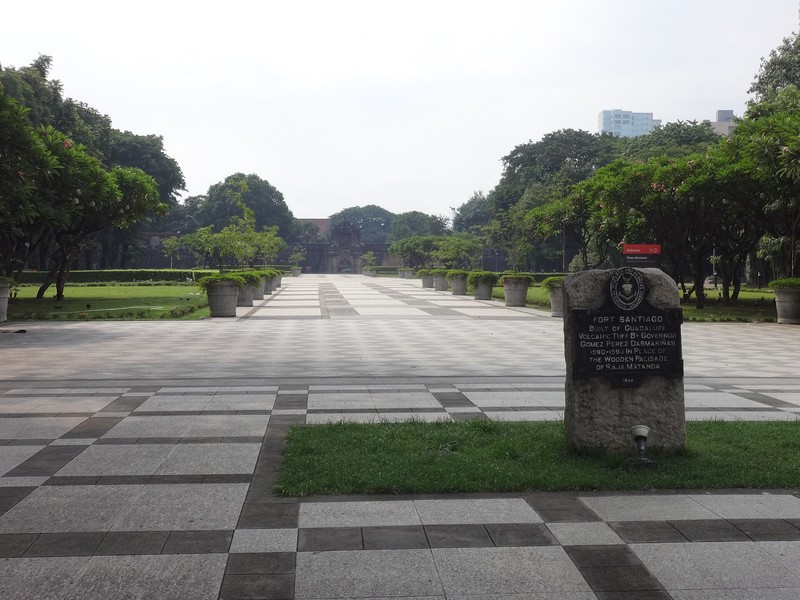
Before Spanish rule, the area was part of Maynila, associated with the local ruler Rajah Sulayman. After the Spanish conquest of Manila in 1571, fortifications were established at this strategic point near the mouth of the Pasig River. The original wooden defenses were damaged during Limahong’s attack in 1574. Stone construction followed in the late sixteenth century, with major works dating to around 1590–1593.
The fort protected the walled city of Intramuros and helped control an important water route to Manila Bay. Spanish, British, American and Japanese forces used it during different periods of Philippine history.
José Rizal and the struggle for independence
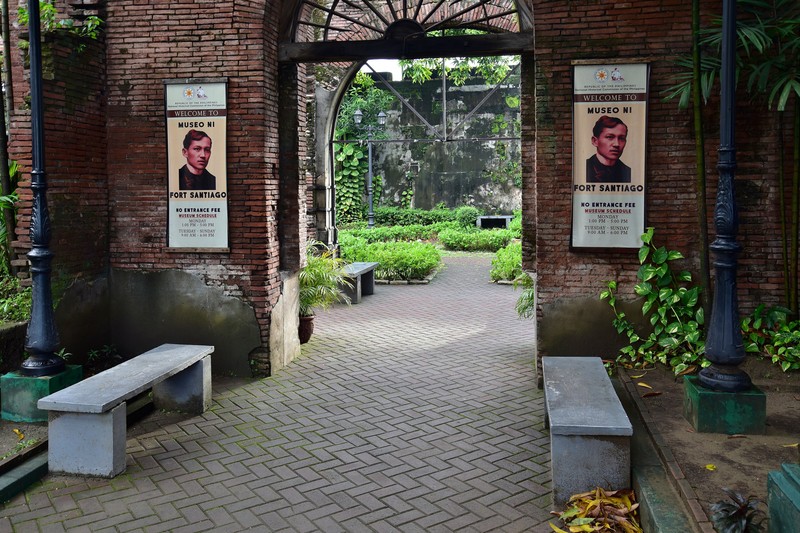
Fort Santiago is closely associated with José Rizal, the writer, physician and Philippine national hero. He was imprisoned here in 1896 before his execution. The former barracks now house Museo ni Rizal, a shrine and museum dedicated to his life, writings and role in the development of Filipino national consciousness.
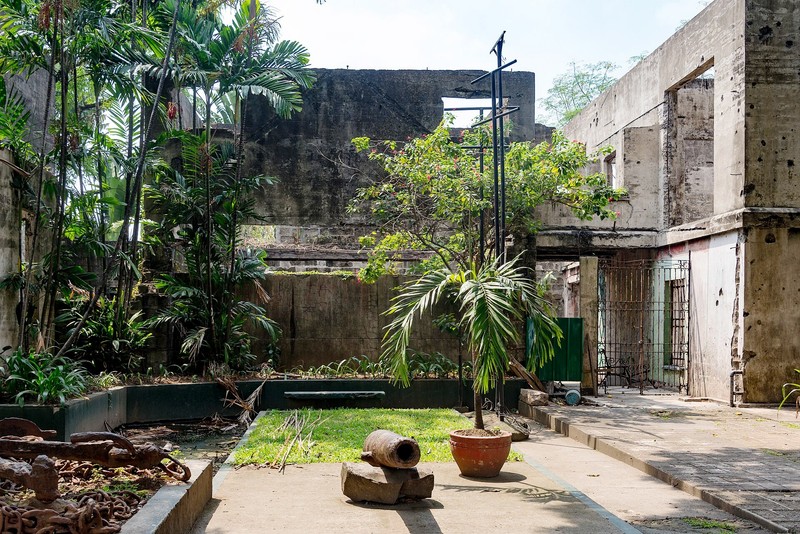
During World War II, Japanese forces used the fort as a place of detention, and prisoners were tortured there. The complex was heavily damaged during the Battle of Manila in 1945. It was later restored and declared the Shrine of Freedom in 1950. In 2014, it was recognized as a National Cultural Treasure.
What to see at Fort Santiago
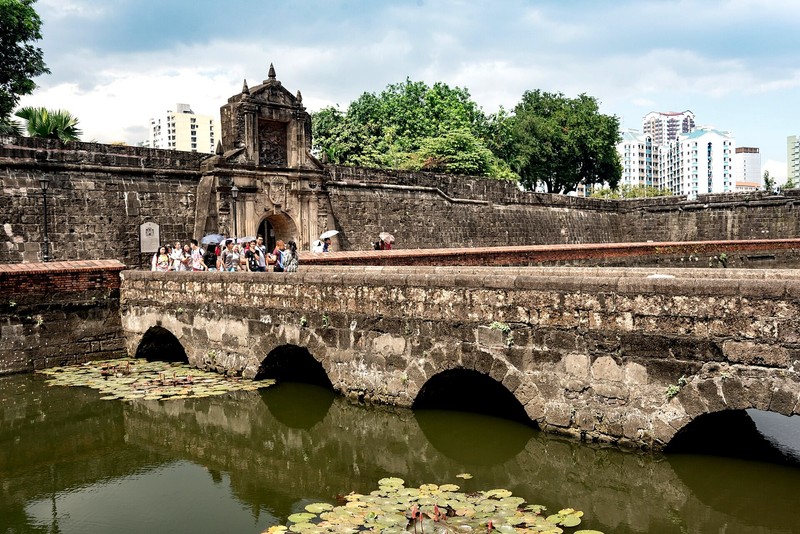
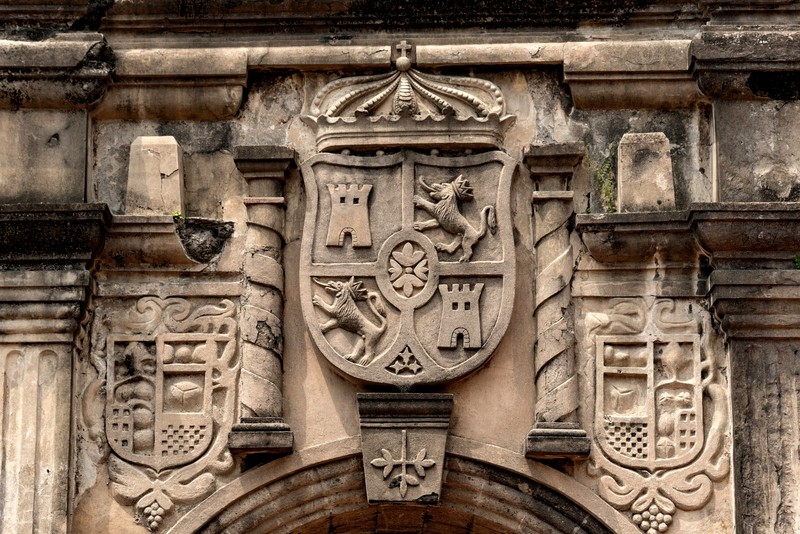
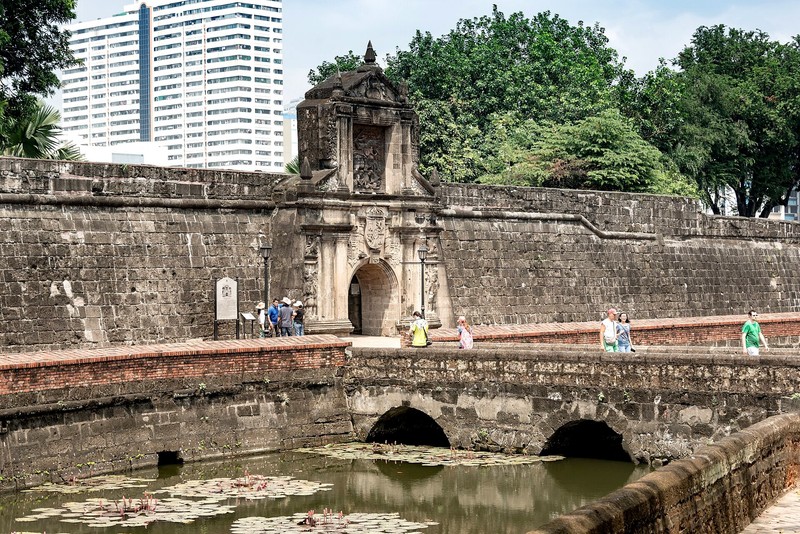
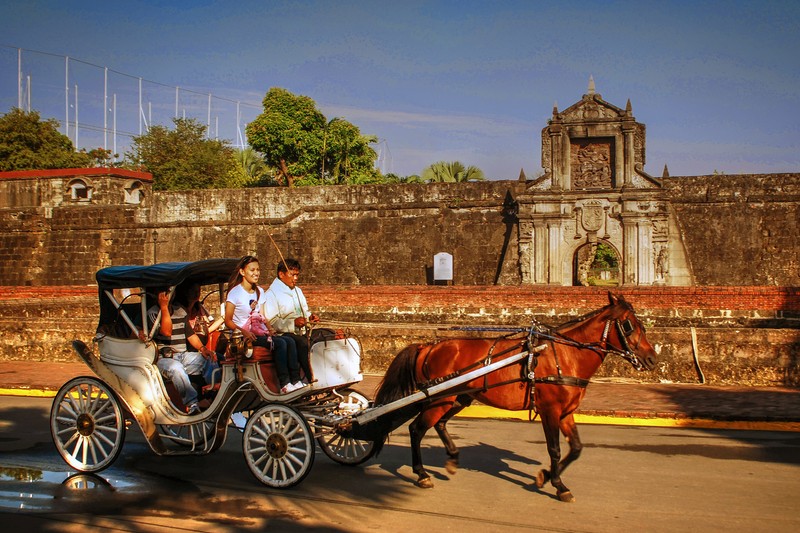
The main gate features a relief associated with Saint James, known in Spanish tradition as Santiago Matamoros. The gate was damaged during the fighting in 1945, and the present entrance reflects later restoration.
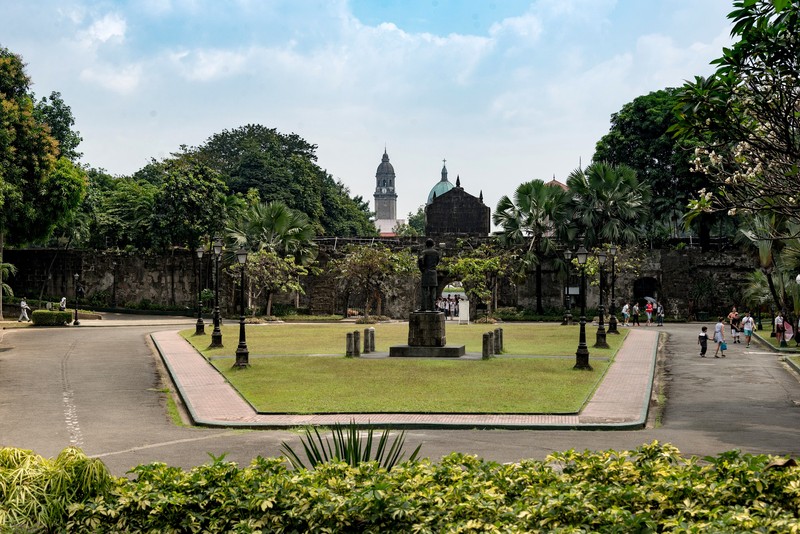
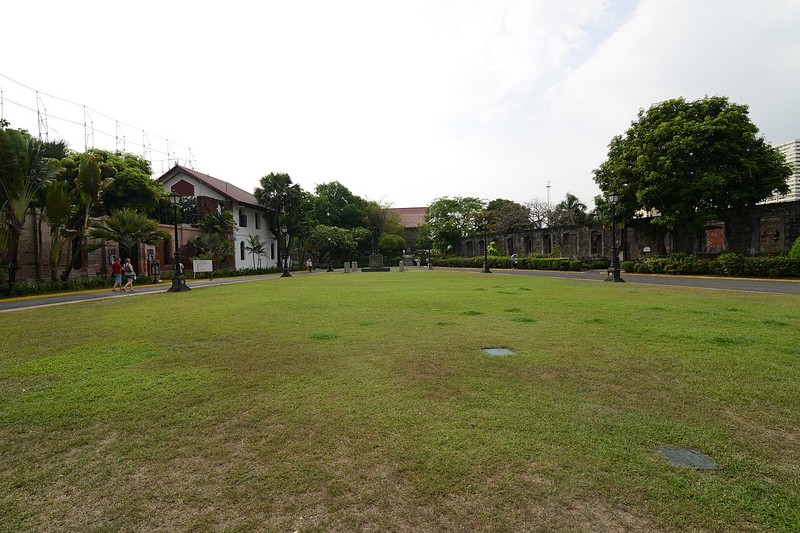
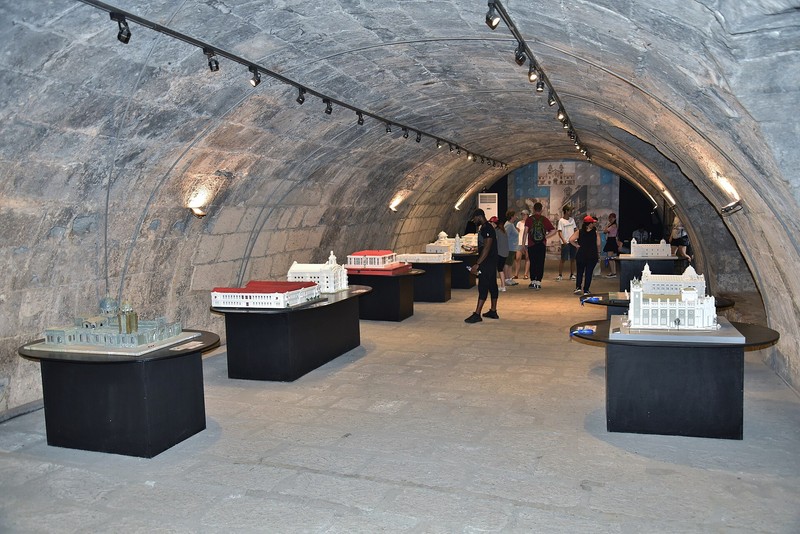
Plaza de Armas is the central square where soldiers once assembled and weapons were stored. Museo ni Rizal presents the national hero’s life, writings and legacy, helping visitors understand his influence on the independence movement.
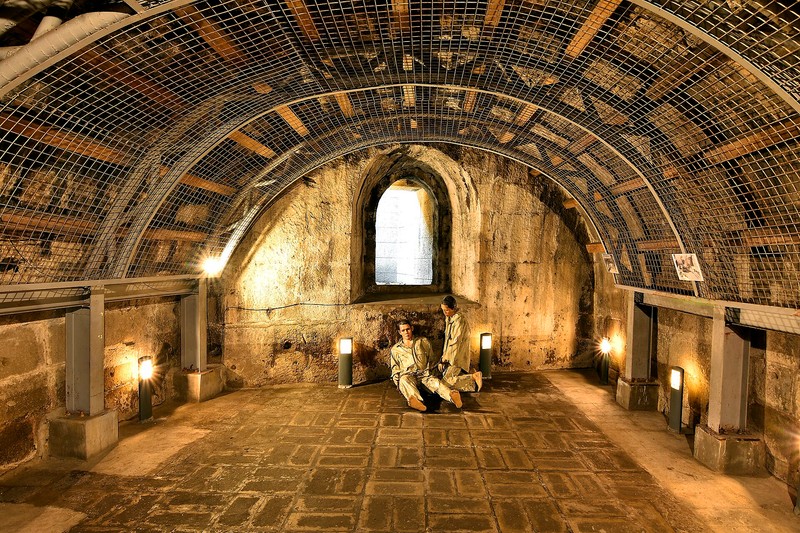
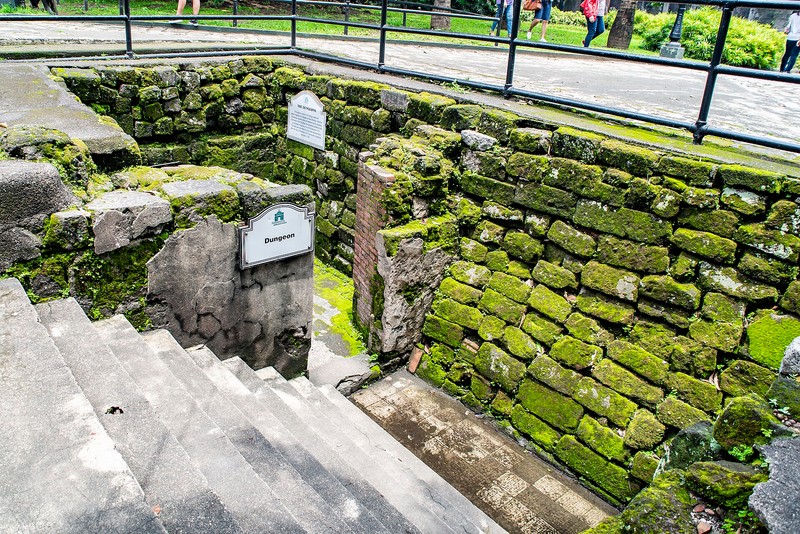
The dungeons recall the fort’s history as a prison. Some chambers were originally used to store gunpowder before being converted into cells. Stories claim that prisoners drowned when the tide rose, but the site administration notes that archaeological evidence does not support the idea that river water could flood the chambers at high tide.
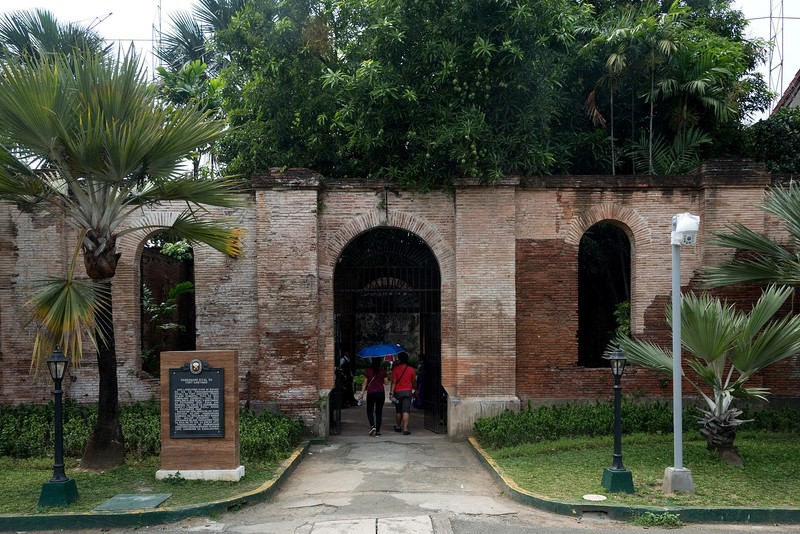
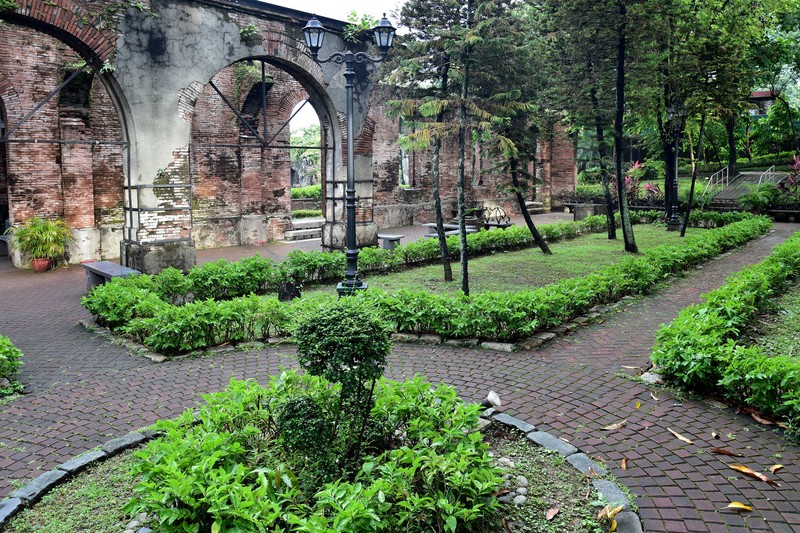
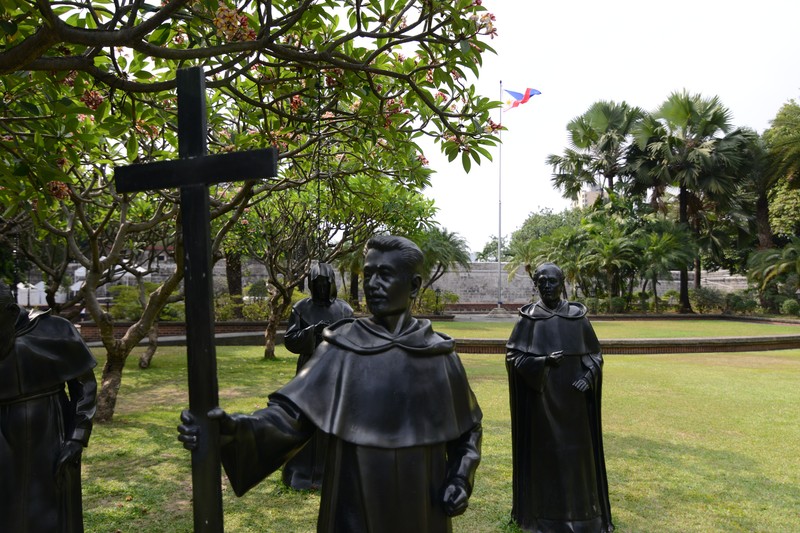
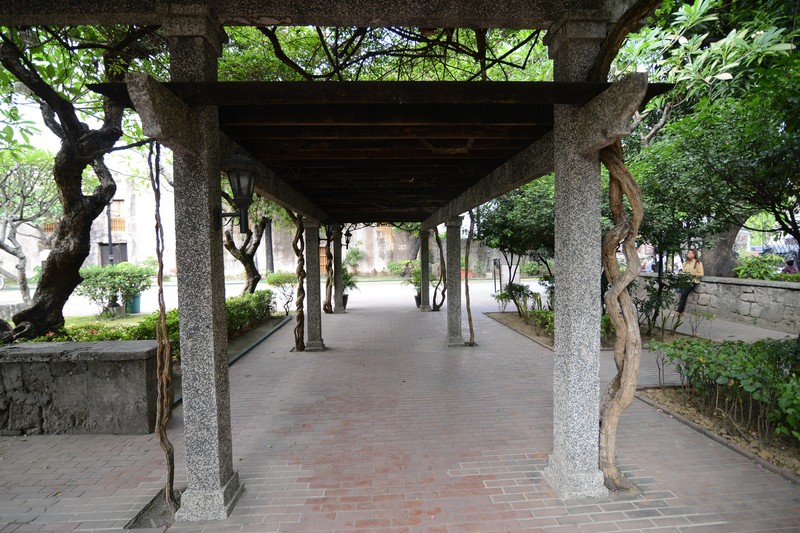
Bastions, stone walls, the restored moat and the remains of colonial buildings reveal how the fortress was designed for defense. Memorials and landscaped walking areas are also part of the complex.
Visiting Fort Santiago
The fort stands on Santa Clara Street in Intramuros, Manila. It fits easily into a walking tour of the historic district, alongside the old city walls and San Agustin Church. Allow around one to two hours if you plan to explore the grounds and museum.
According to the published Intramuros Administration schedule, the fort opens from 8 a.m. to 10 p.m. on weekdays and from 6 a.m. to 10 p.m. on weekends, with earlier last-entry cutoffs. The listed regular ticket price is PHP 75, with a discounted rate of PHP 50. Check the official website before visiting, as hours and fees may change.
Why visit Fort Santiago
Fort Santiago brings together Manila’s precolonial past, Spanish rule, the campaign for independence and the painful events of World War II. Its fortifications, museum and memorials make it an essential stop for travelers interested in Philippine history.
Gallery