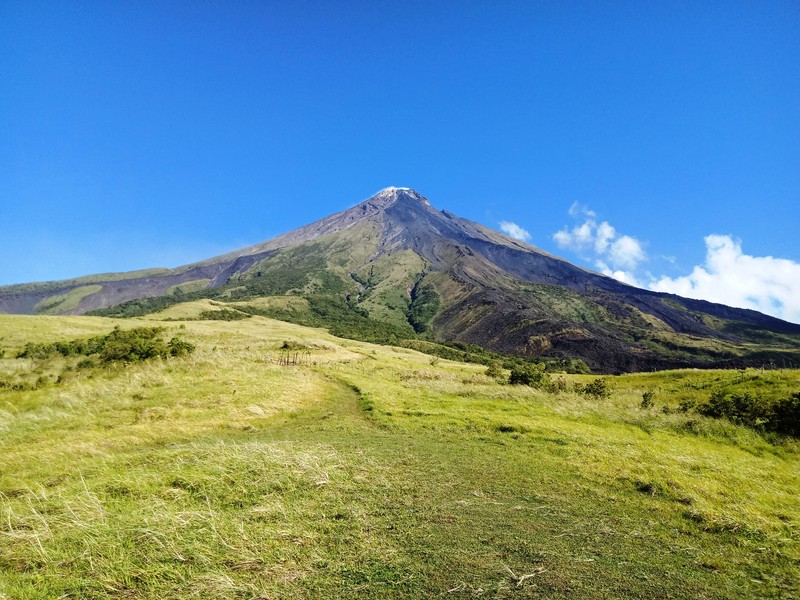
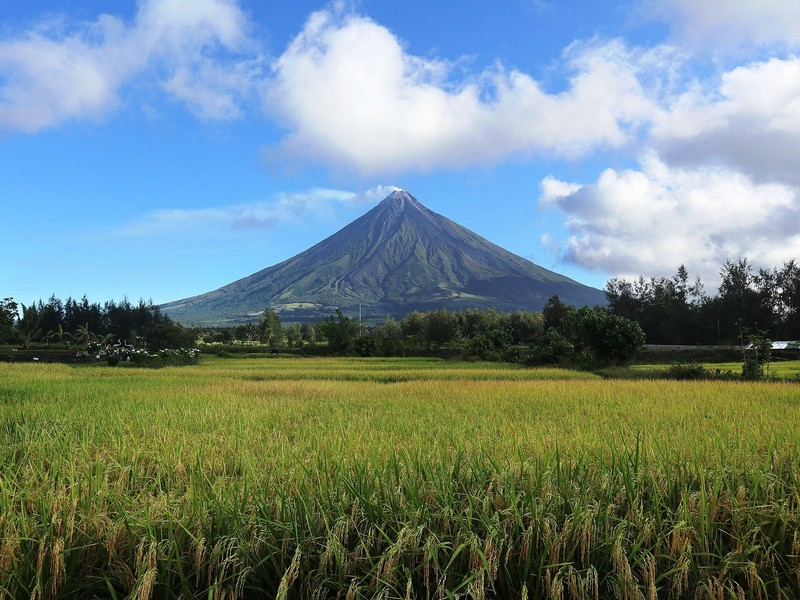
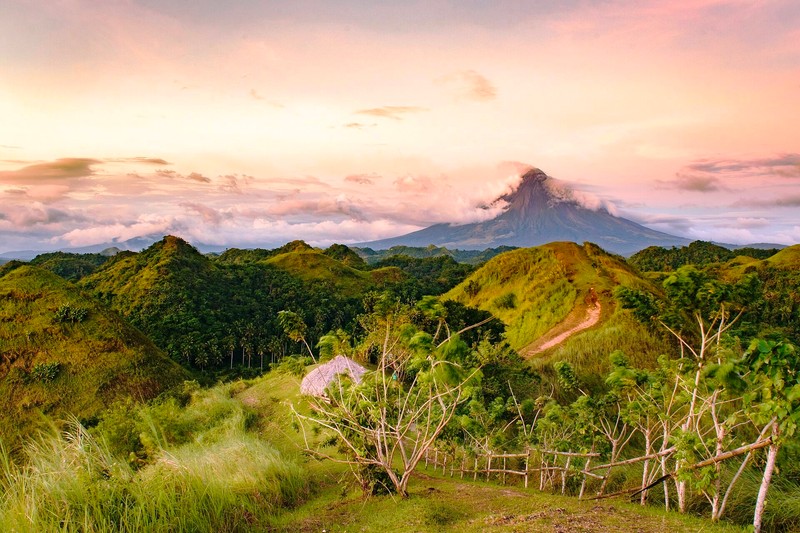
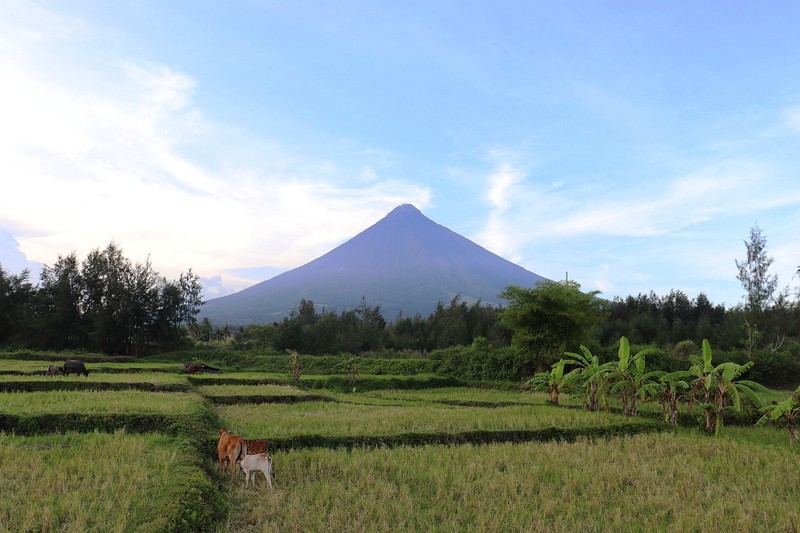
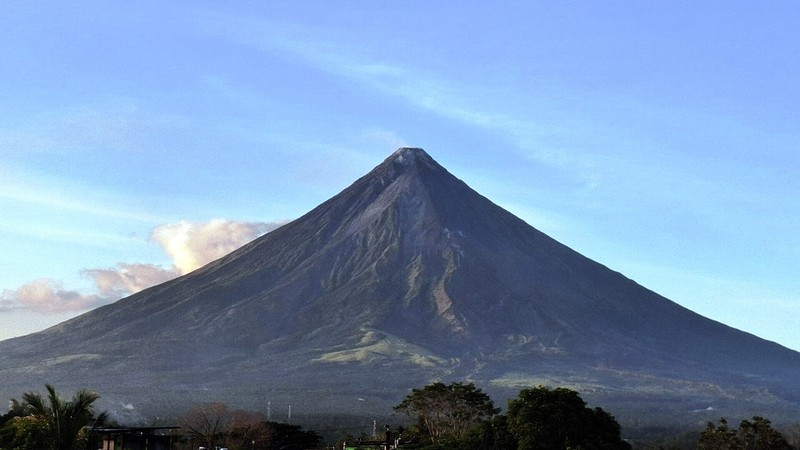
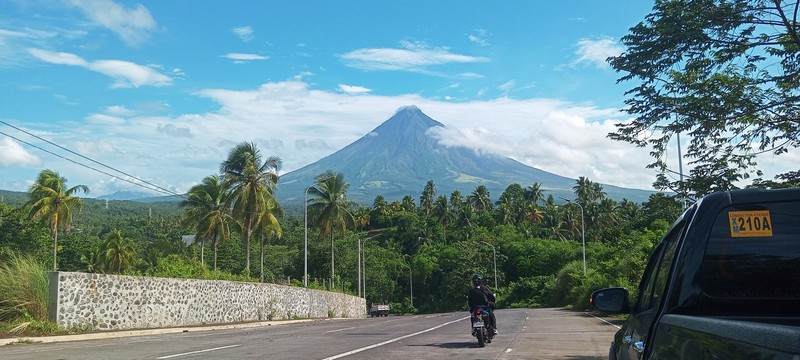
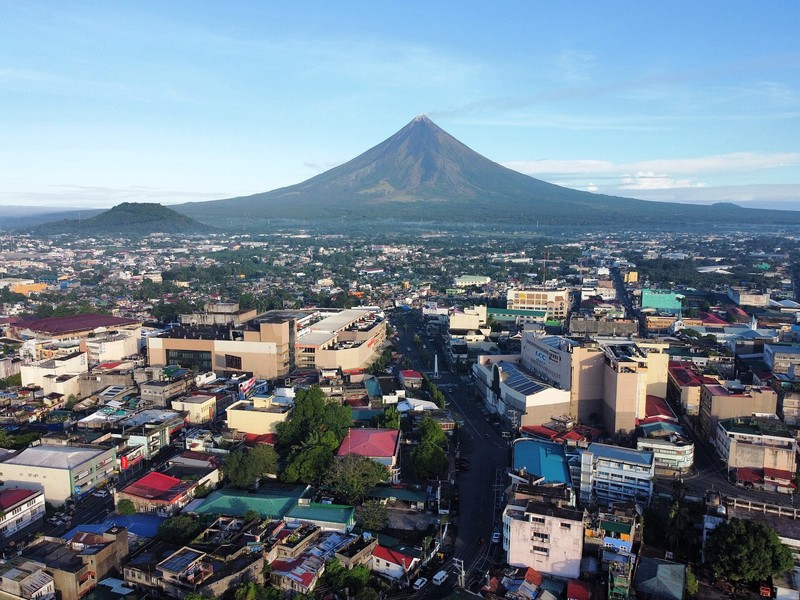
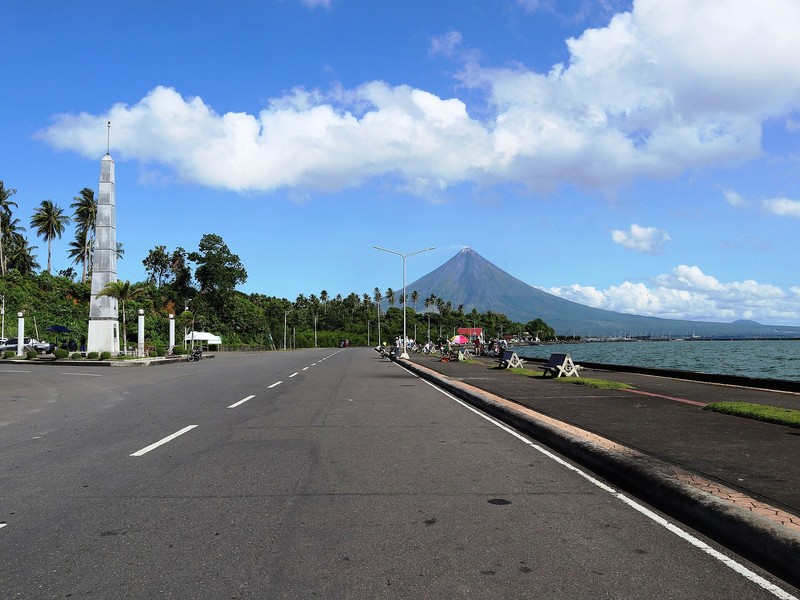
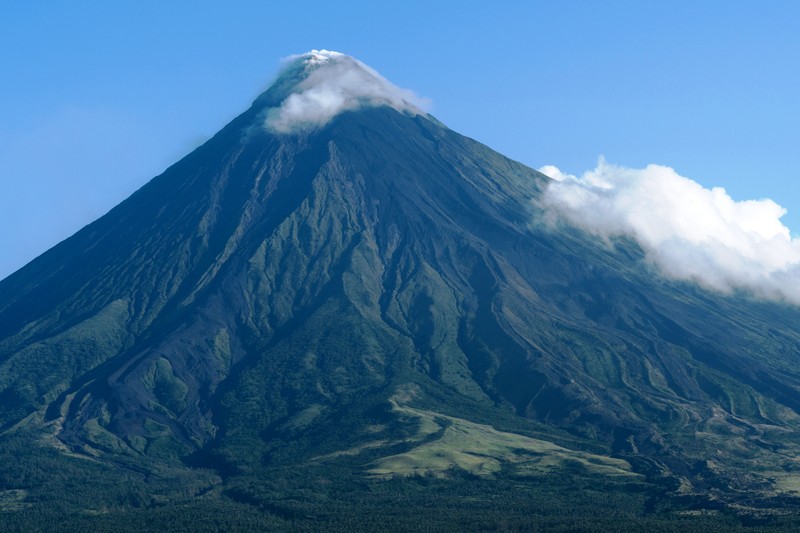
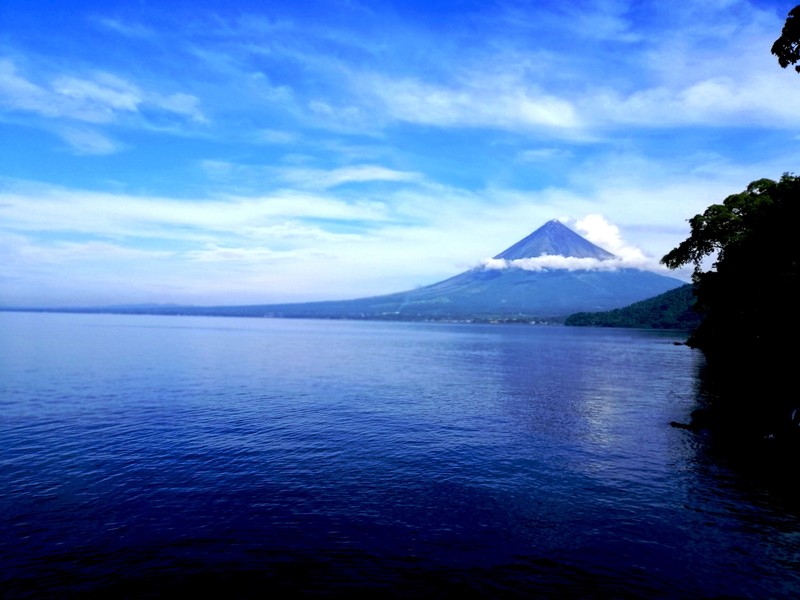
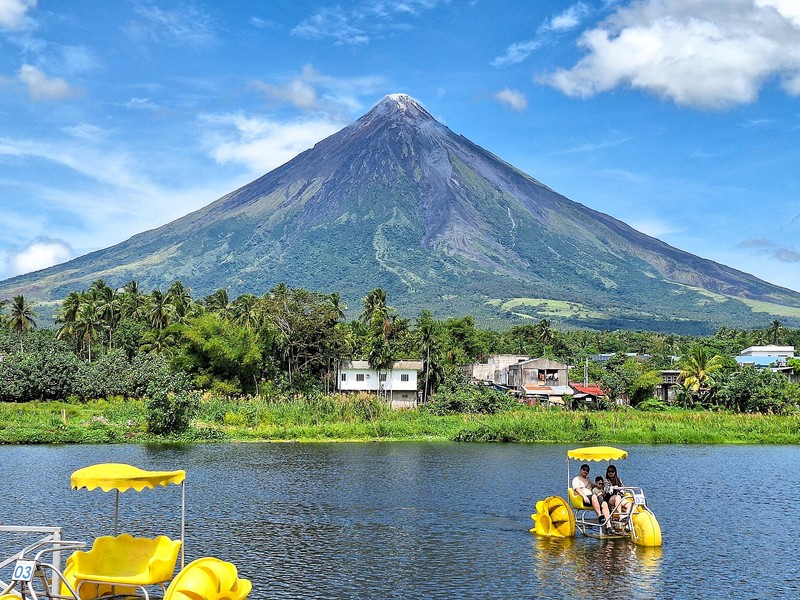
Mayon Volcano is one of the Philippines’ best-known natural landmarks, located in Albay Province in the southeastern part of Luzon. Its almost perfectly symmetrical cone rises above green plains, rural settlements and the coast of Albay Gulf. Thanks to its distinctive shape, Mayon is among the world’s most recognizable volcanoes and a defining natural symbol of the Bicol Region.
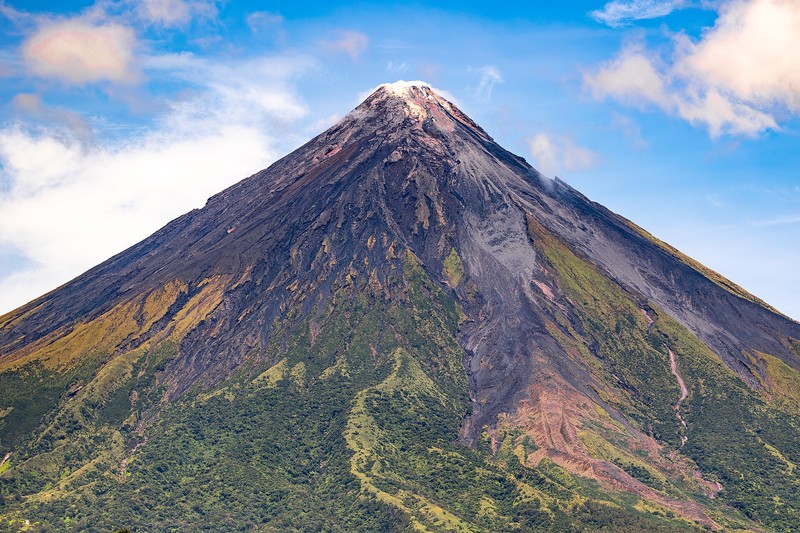
The volcano stands about 2,462 metres above sea level. Its slopes rise gradually from the surrounding plains before becoming extremely steep near the summit. This shape developed through repeated eruptions and the subsequent alteration of volcanic deposits by rainfall and erosion. Mayon is a stratovolcano made up of alternating layers of lava, ash and other volcanic materials.
Where Mayon Volcano Is Located
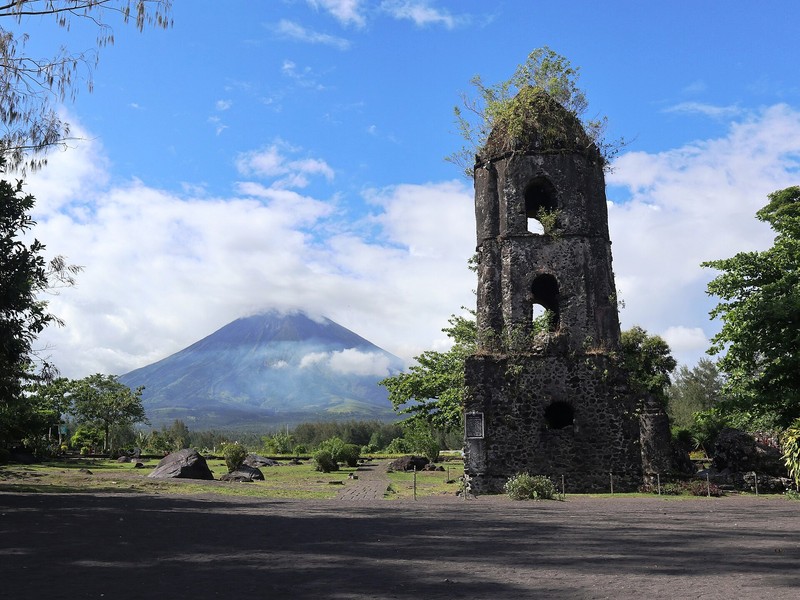
Mayon is in Albay Province, in the Bicol Region on Luzon, approximately 500 kilometres south of Manila. Legazpi City is one of the most convenient bases for visiting the area. Some of the best-known panoramic views can be found around the Cagsawa Ruins, where the bell tower of an old church stands against the impressive volcanic cone.
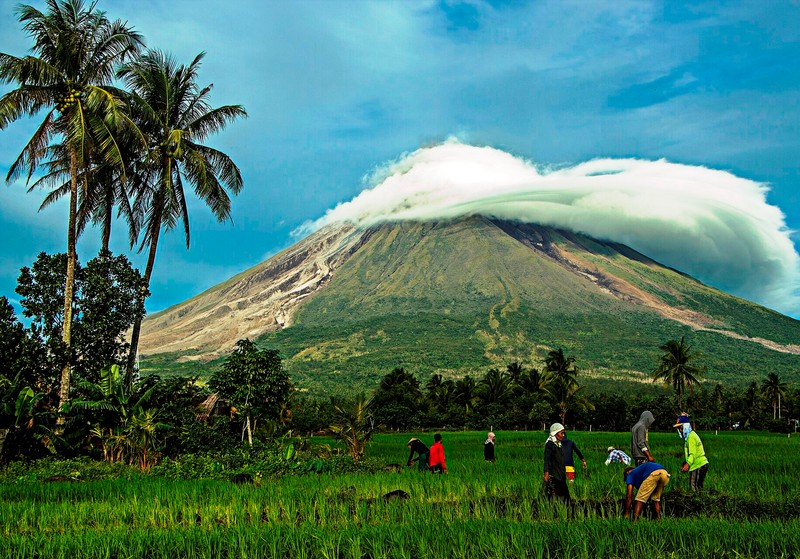
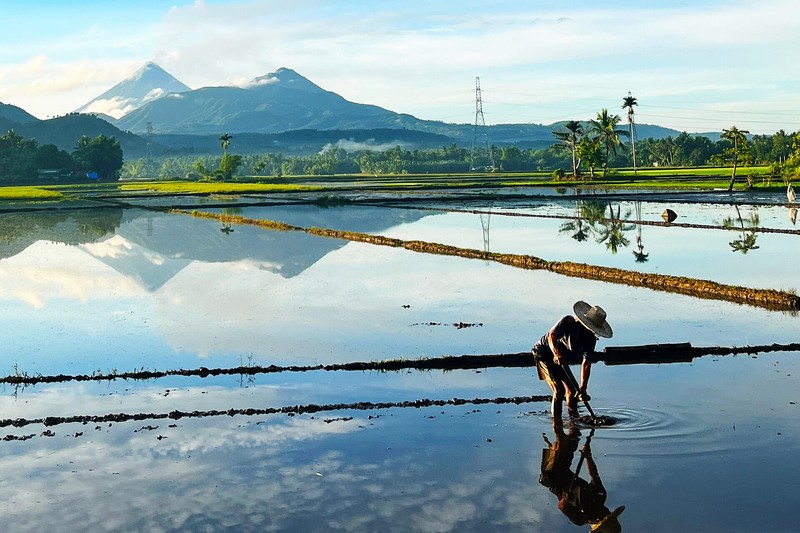
The volcano and its surroundings form a natural and cultural landscape closely connected to local communities. Fertile volcanic soils support agriculture, while Mayon’s silhouette appears in regional legends, art and tourism imagery. Here, natural beauty coexists with the memory of destructive eruptions that have repeatedly changed life in settlements around the mountain’s base.
Why Mayon Is Famous for Its Shape
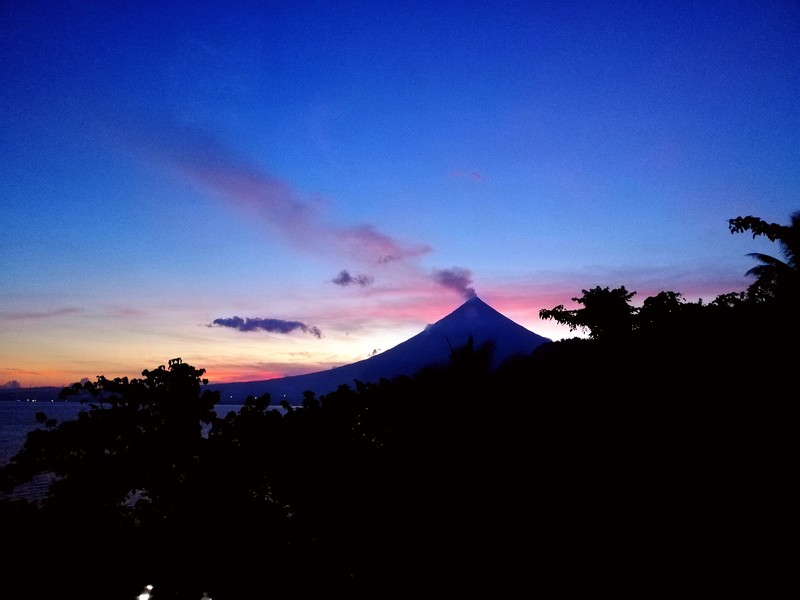
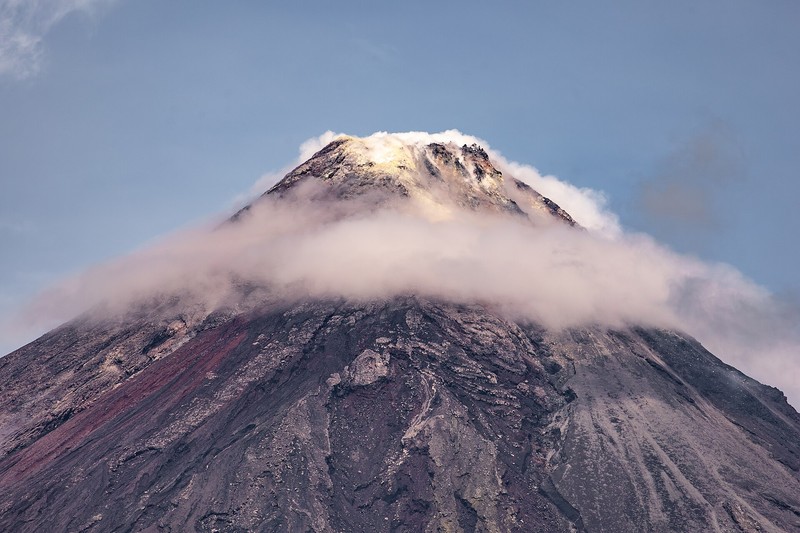
Mayon’s defining feature is its remarkably regular cone. Unlike many volcanoes with damaged summits and irregular slopes, Mayon appears strikingly symmetrical from almost every direction. Its outline is particularly dramatic at sunrise and before sunset, when light emphasizes the slopes and clouds sometimes form a picturesque crown around the summit.
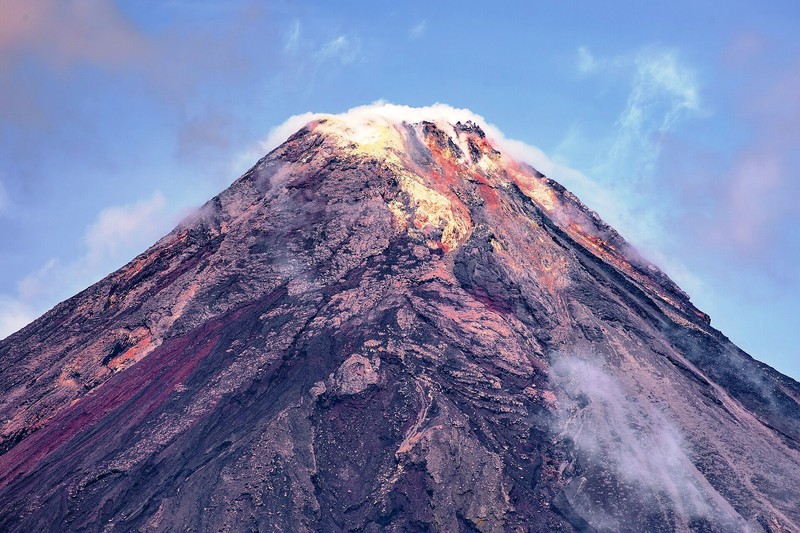
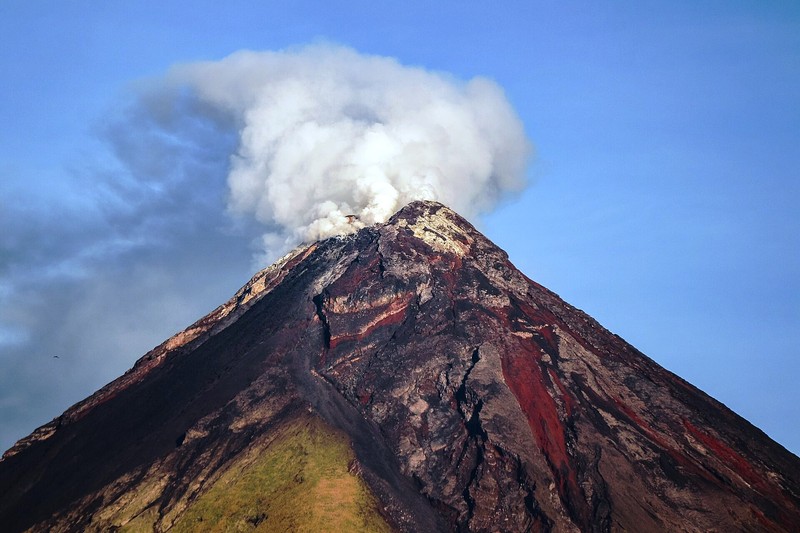
This regular shape does not mean the volcano is dormant. Rather, it reflects a complex interaction between eruptions, the accumulation of new material, collapses and erosion. Mayon therefore interests not only travellers and photographers but also geologists studying the development of active stratovolcanoes.
History of Eruptions
Mayon is one of the most active volcanoes in the Philippines. Historical observations of its eruptions date back to the seventeenth century. Activity can involve ash emissions, lava flows, falling hot rocks and pyroclastic density currents–fast-moving, extremely dangerous mixtures of hot gas, ash and rock fragments.
One of the most destructive eruptions occurred in February 1814. Volcanic deposits and other effects of the disaster destroyed several settlements around Mayon. The Cagsawa Ruins are associated with this event: the remains of a church whose bell tower has become one of the region’s best-known historical symbols. Today, the site is a reminder of how closely the volcano’s natural beauty is linked to its hazards.
Eruptions have repeatedly led to evacuations and restrictions on access to dangerous areas. Mayon is monitored by the Philippine Institute of Volcanology and Seismology, known as PHIVOLCS. Its activity can change quickly, so travel plans near the mountain should always take official advisories into account.
The Natural Park and Surrounding Landscape
The volcano is part of the Mayon Volcano Natural Park protected area. The surrounding landscape includes forest patches, farmland, river valleys and vegetated slopes. Conditions change with elevation, creating a range of habitats for local plant and animal species.
Albay is also known for its rich coastal and marine ecosystems. The Albay Biosphere Reserve, recognized by UNESCO’s Man and the Biosphere Programme, encompasses terrestrial, coastal and marine communities. Mayon is a key feature of this landscape, connecting mountainous areas with lowlands and the coast.
What to See Near the Volcano
The Cagsawa Ruins are among the most popular places from which to appreciate Mayon. Visitors can see the remains of the historic church and view the volcano from an open area. The combination of the old stone bell tower and the nearly symmetrical cone has become a classic image of Albay Province. Access to particular areas, however, may be restricted because of volcanic activity or heritage-protection rules.
Nearby are Legazpi City, the communities of Daraga and Camalig, and other cultural sites associated with the history of the Bicol Region. Depending on current restrictions, visitors may explore local cuisine, crafts, historic architecture and rural scenery. When choosing a route, it is important to consider not only the distance to the volcano but also the officially designated danger zones.
Best Time to Visit Mayon
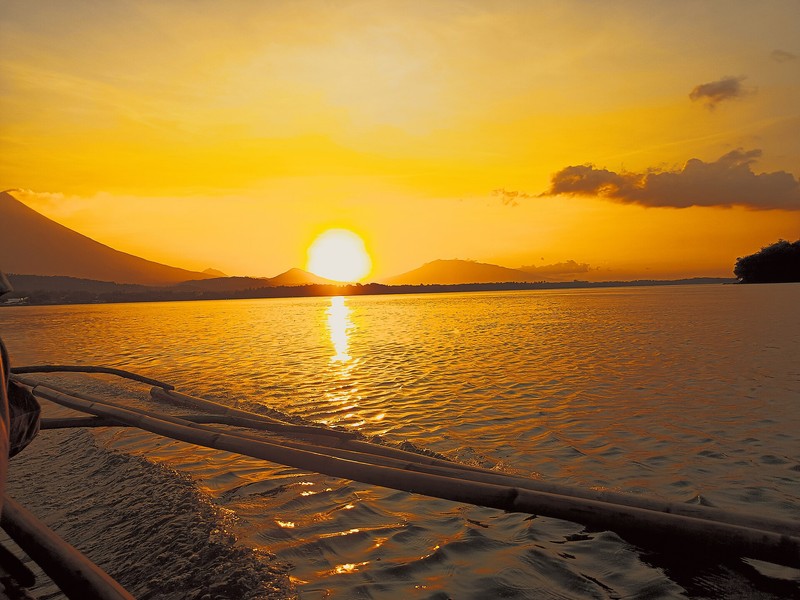
On clear days, the volcano is often easiest to see early in the morning, before clouds cover the summit. Sunrise and the hours before sunset are popular for photography because the changing light creates stronger contrasts between the slopes and the sky. Visibility nevertheless depends on cloud cover, rainfall and local weather, so an unobstructed view is never guaranteed.
Trips should be planned with the rainy season, possible typhoons and road conditions in mind. Even in good weather, access may be restricted when volcanic activity increases. Before travelling, check the latest PHIVOLCS bulletins and announcements from local authorities.
Safety and Visiting Rules
Mayon is an active volcano, so approaching the crater or climbing its slopes independently is dangerous. A permanent danger zone surrounds the summit, and its boundaries are determined by authorities and volcanology experts. During periods of increased activity, additional restrictions may affect tours, flights and travel through valleys exposed to lava flows, collapses and pyroclastic activity.
Do not cross barriers, ignore evacuation orders or rely solely on apparently calm weather. To appreciate the volcano, use authorized viewpoints and routes with licensed local guides. Check the latest official notices before visiting because the hazard level can change.
Why Visit Mayon Volcano
Mayon combines rare natural symmetry, fascinating volcanic geology and the rich history of the Bicol Region. It offers a striking example of how active geological processes shape landscapes and affect communities living nearby. Mountain panoramas, the historic Cagsawa Ruins and the surrounding countryside make this part of the Philippines especially appealing to nature lovers, history enthusiasts and photographers.
Mayon is not merely a beautiful cone on the horizon but a living natural feature that demands respect and caution. Visiting safe viewpoints and following official advice allow travellers to appreciate its grandeur without taking unnecessary risks.
Gallery