Al-Azhar Mosque – a historic centre of Islamic learning
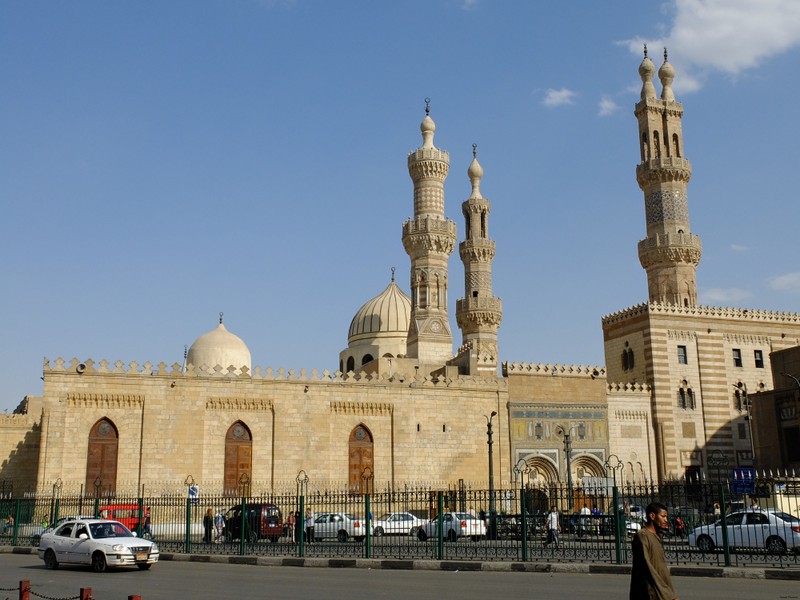
Al-Azhar Mosque is one of Cairo’s oldest mosques and a major monument of Islamic architecture in Egypt. Located in the historic centre, it was founded during the Fatimid period. For more than a thousand years, it has served as a place of worship and a centre for religious scholarship and Arabic culture.
Construction began around 970 under the Fatimid caliph al-Muizz li-Din Allah. The work was supervised by the military commander Jawhar al-Siqilli, who had founded the new city of Cairo. The mosque opened for prayer in 972. Over time, it became associated with one of the Islamic world’s most influential educational institutions, Al-Azhar University.
History of the mosque
Originally, the mosque was connected with the religious tradition of the Fatimids. After Salah al-Din took power in the 12th century, its role temporarily changed. During the Mamluk period, Al-Azhar regained the support of rulers and became a leading centre of Sunni Islamic education. Sultans and wealthy patrons financed repairs, extensions and the education of students.
Students arrived from many parts of the Islamic world to study the Quran, theology, law, Arabic grammar and rhetoric. In 1961, the university’s educational structure was reorganised, and it developed into a modern institution with multiple faculties.
Architecture and courtyard
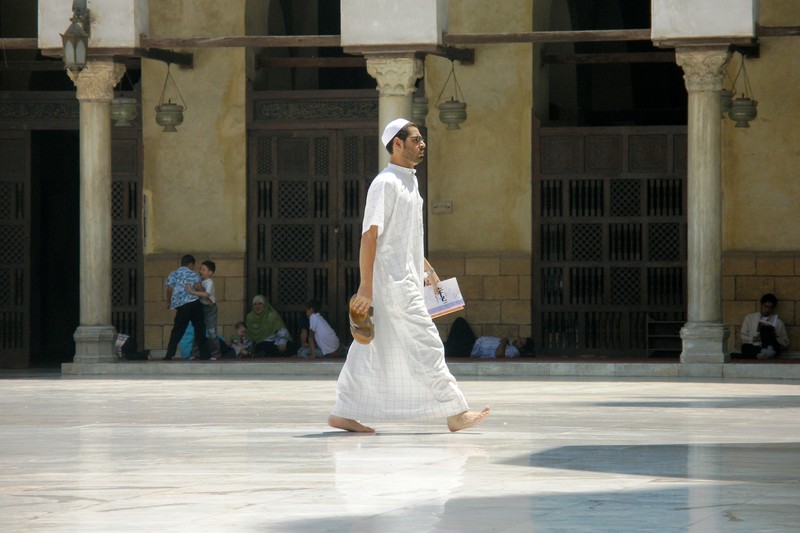
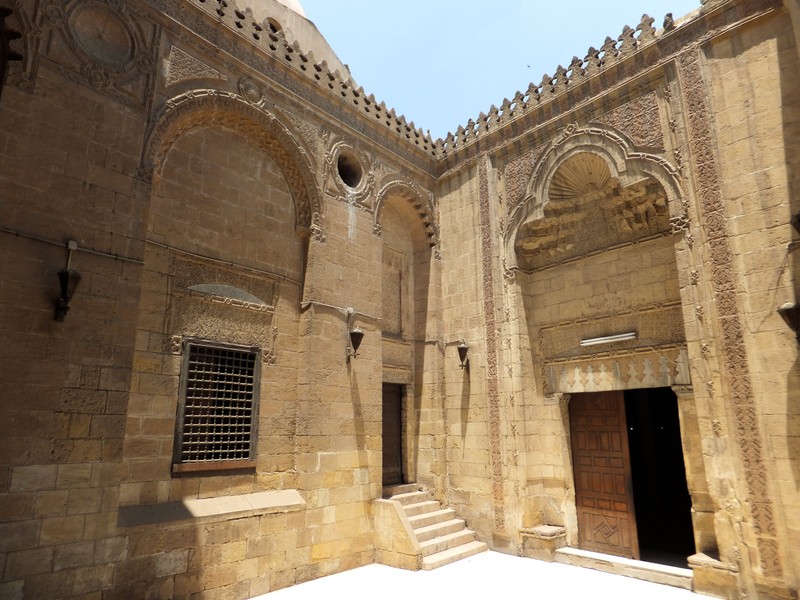
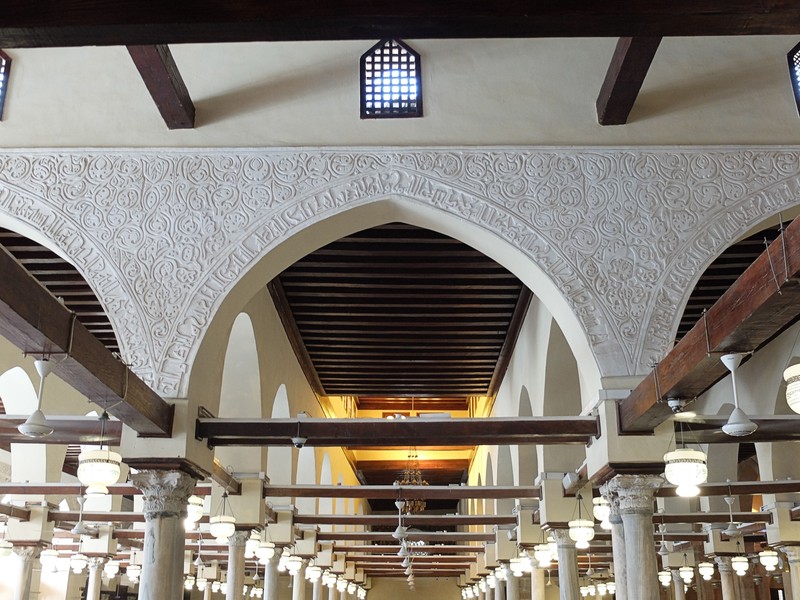
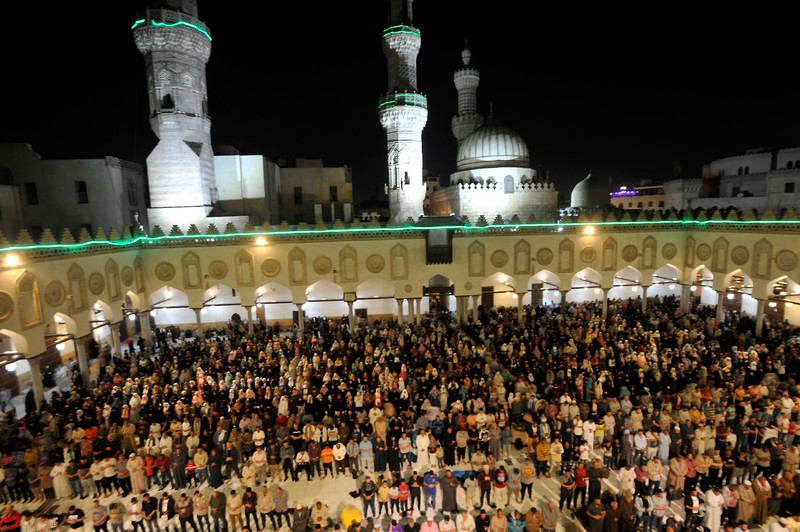
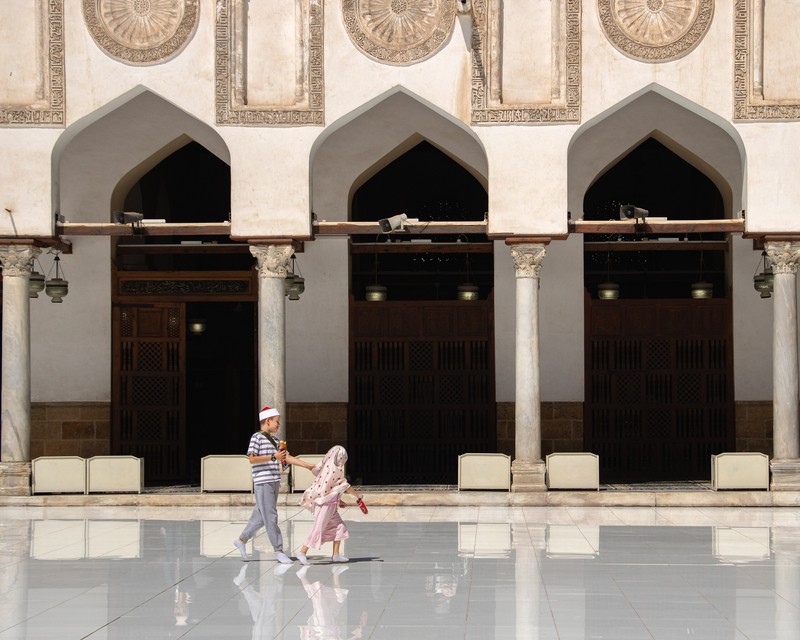
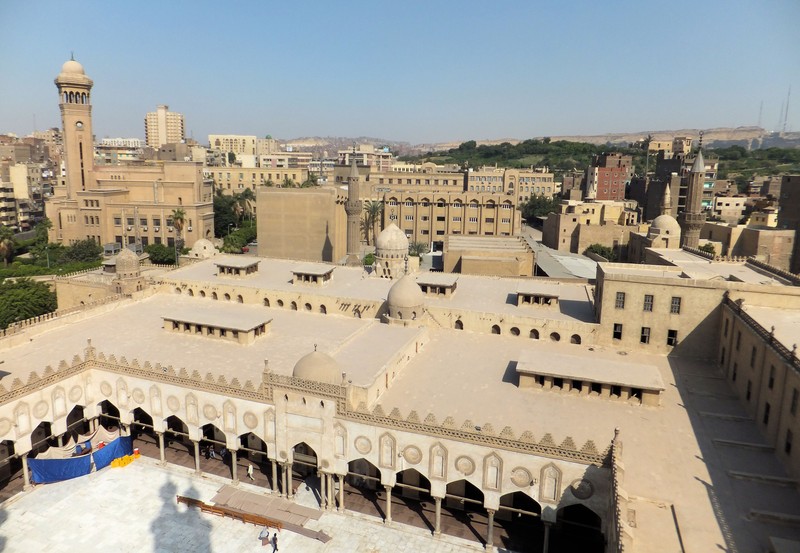
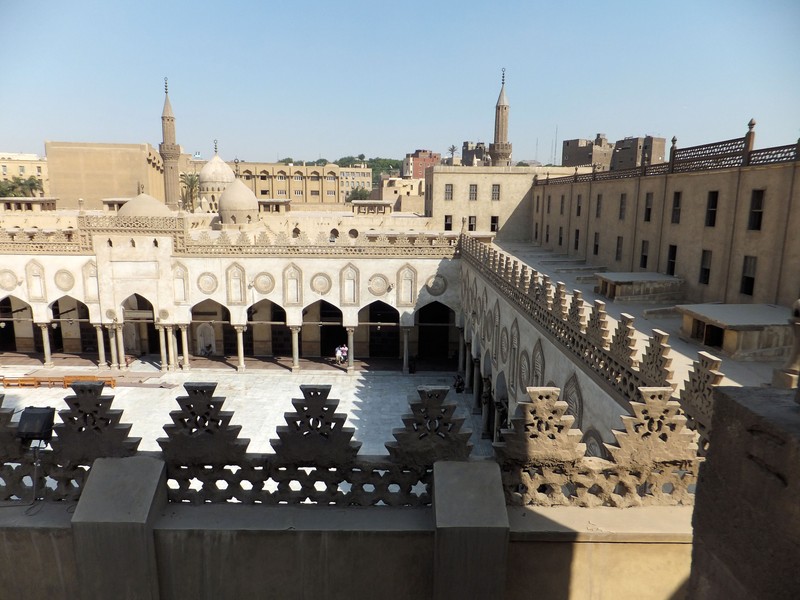
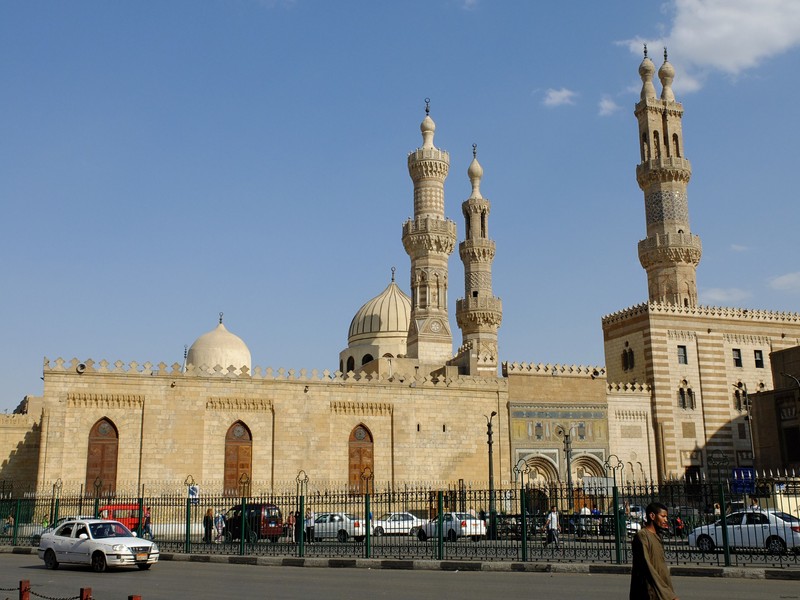
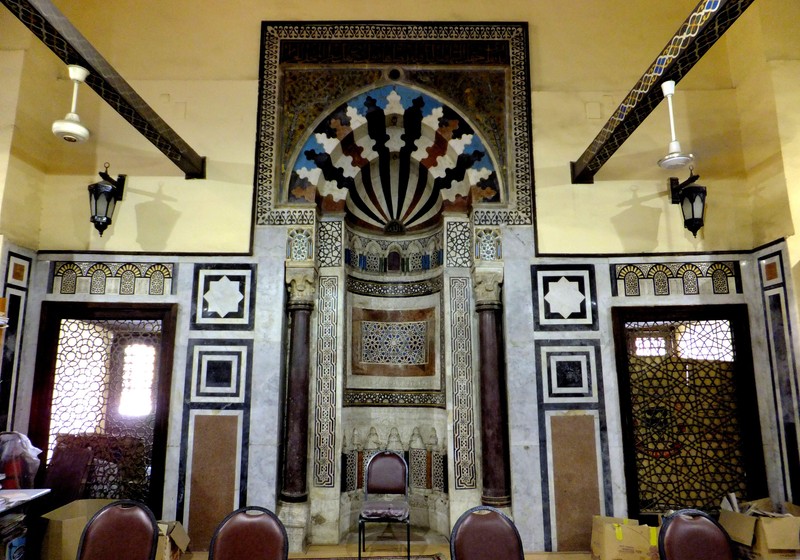
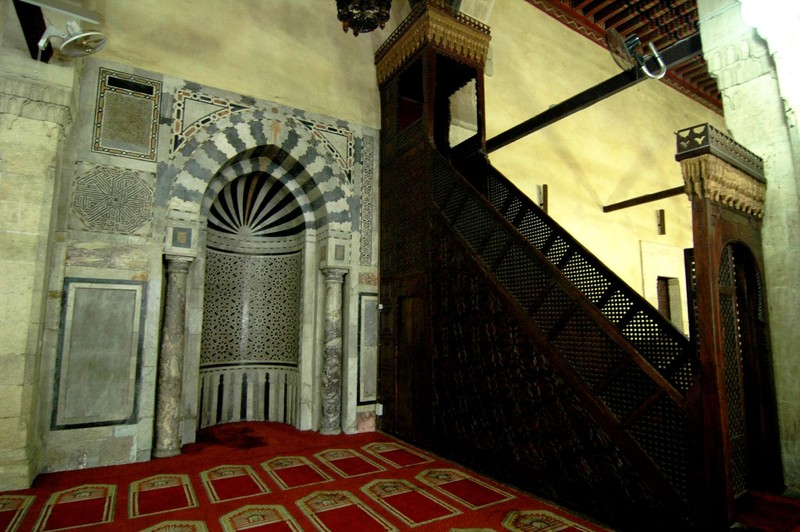
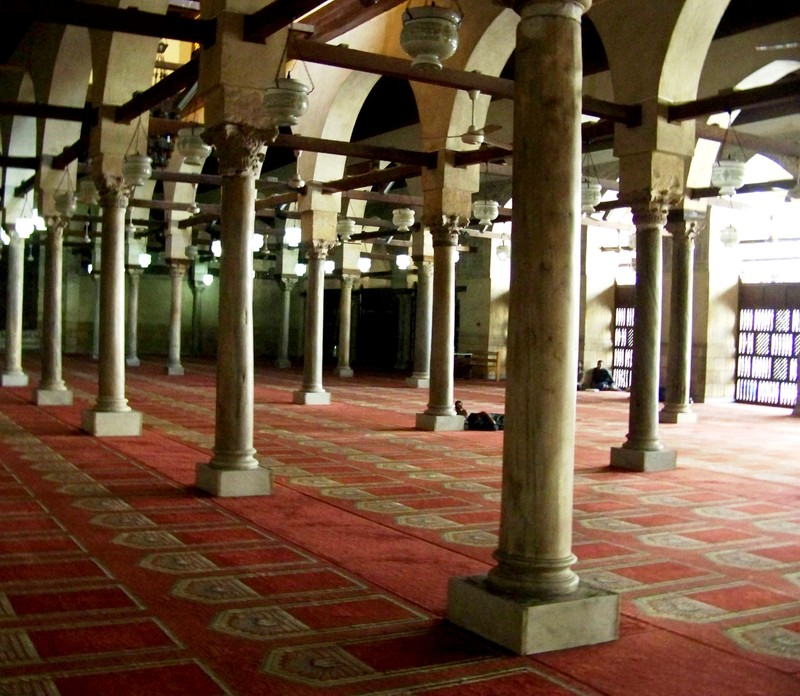
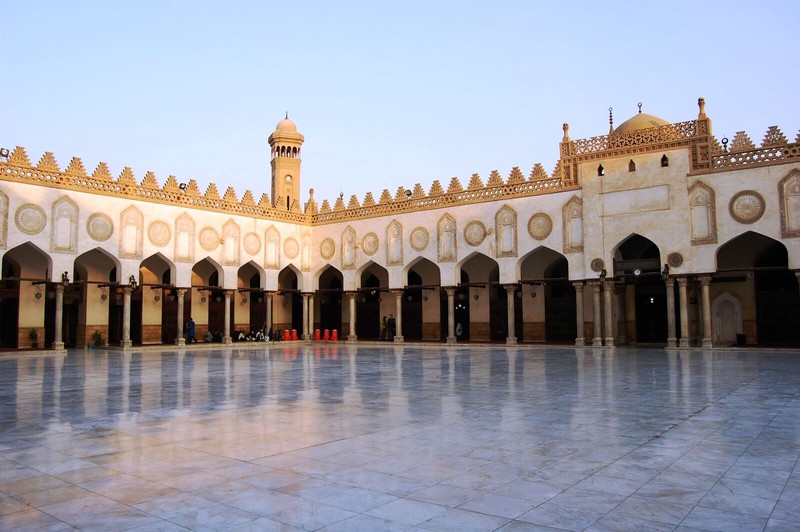
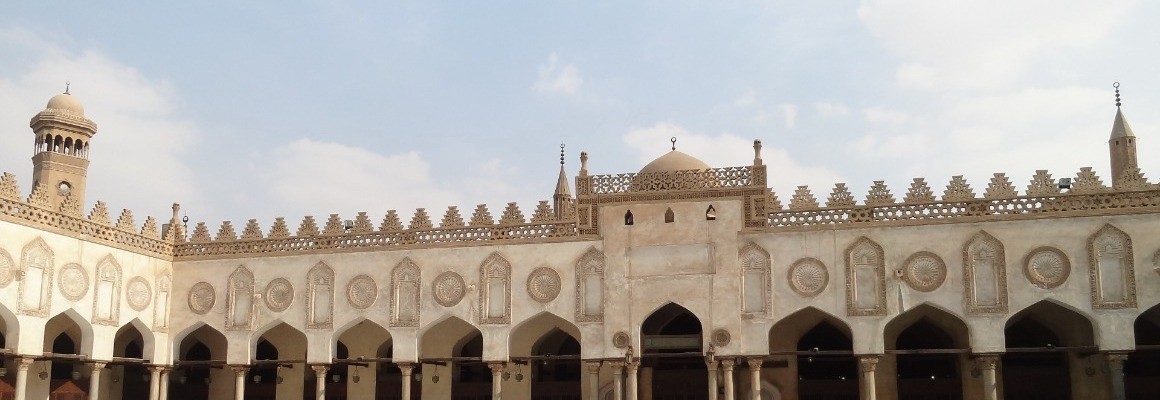
The present complex developed over many centuries and combines Fatimid, Mamluk and Ottoman architectural features. An open courtyard lies at its centre, surrounded by arcades. The main gallery is on the qibla side, facing the direction of Mecca.
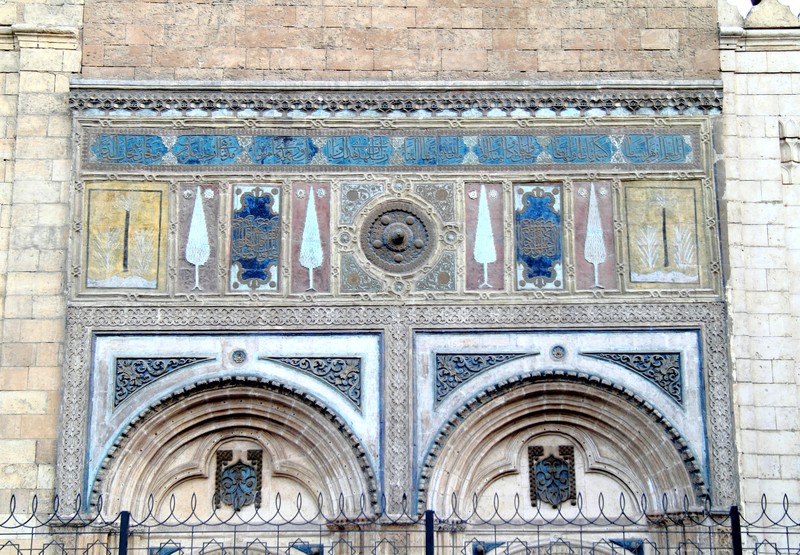
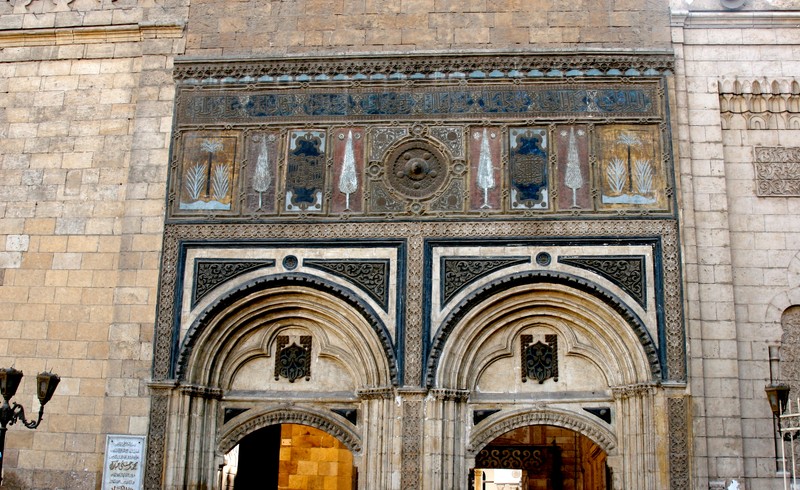
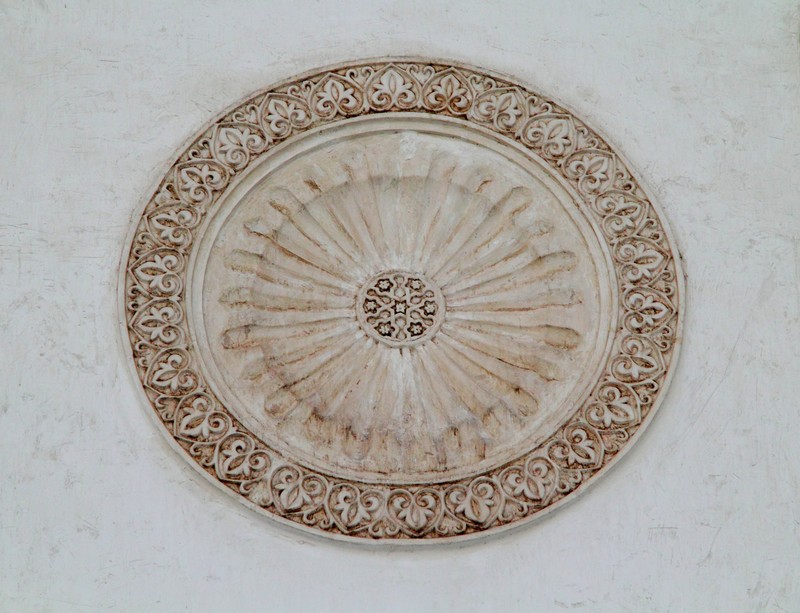
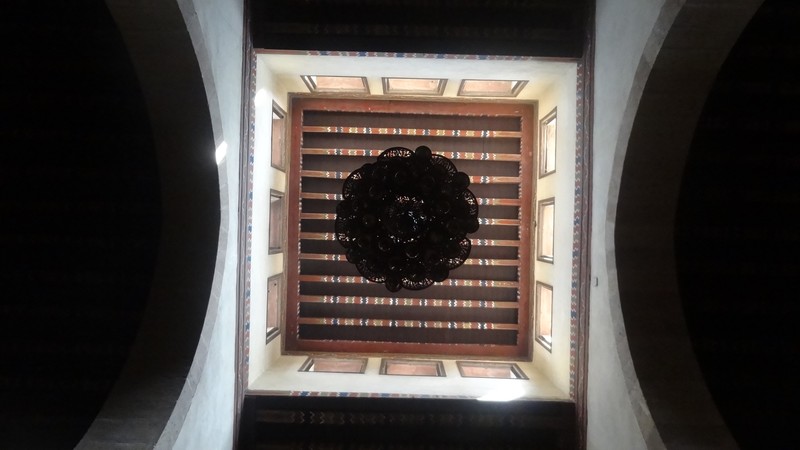
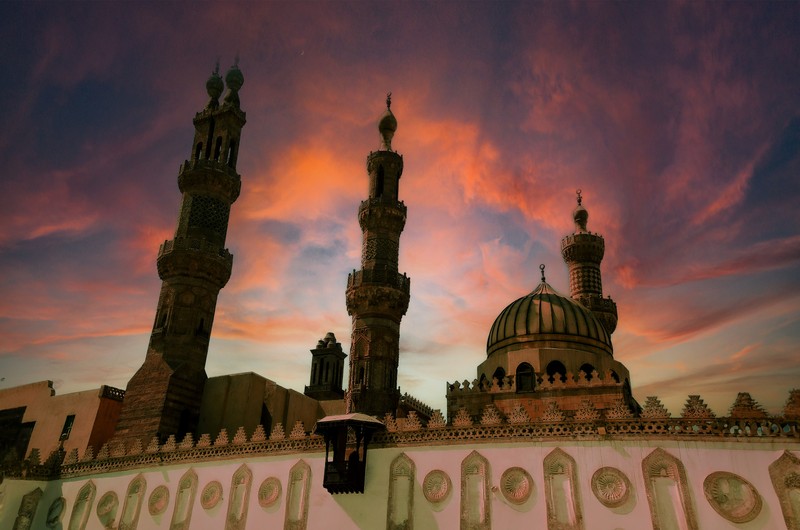
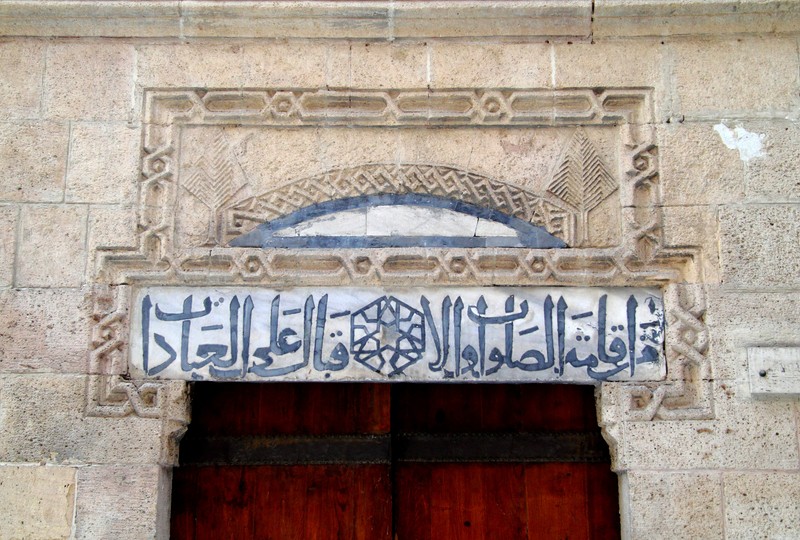
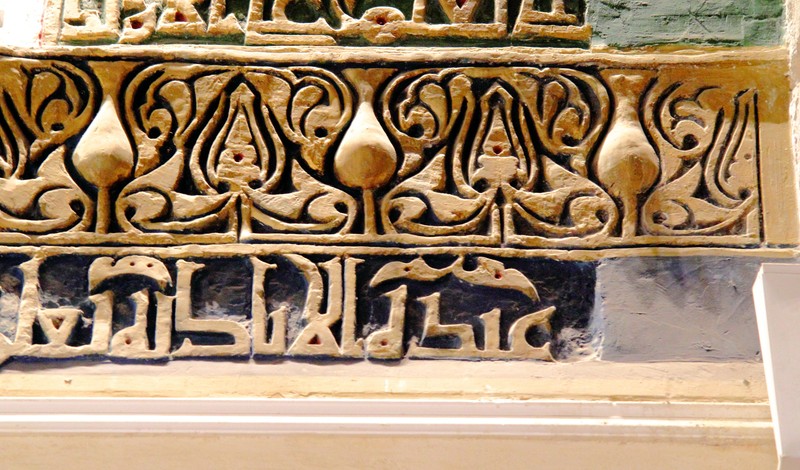
The arches rest on massive supports and columns. Decorative features include carved stone, calligraphic inscriptions and geometric patterns. The variety of minarets and architectural details reveals how Cairo’s architecture evolved under successive rulers.
Minarets and later additions
Al-Azhar’s minarets were built during different periods and have distinct forms. In the late 15th century, Sultan Qaitbay commissioned a new entrance and minaret. In the early 16th century, Sultan Qansuh al-Ghuri added another minaret with an unusual double upper structure. The complex continued to be repaired and expanded in later centuries.
Al-Azhar as a centre of learning
For centuries, lessons at the mosque covered the Quran, Islamic law, Arabic grammar and other disciplines. Students travelled from North Africa, the Middle East and beyond. Today, Al-Azhar University includes faculties devoted to religious and secular subjects, while the historic mosque remains a symbol of its long scholarly tradition.
Historic Cairo and nearby sights
The mosque stands among Cairo’s historic districts. Nearby attractions include Al-Muizz Street, known for its Islamic monuments, and Khan el-Khalili bazaar, with traditional crafts and shops. Al-Azhar forms part of Historic Cairo, a UNESCO World Heritage site.
Planning a visit
Visitors can reach the mosque by taxi, car or an organised tour of Islamic Cairo. As it remains an active religious site, access to some areas may depend on prayer times. Modest clothing and respect for local rules are recommended. Check current visiting hours and entry conditions before travelling.
Why visit Al-Azhar Mosque?
Al-Azhar combines more than a millennium of history, architecture from different periods and a remarkable tradition of Islamic education. It is an essential landmark for anyone wishing to understand Cairo’s history and Egypt’s cultural heritage.
Gallery