Coptic Cairo – an ancient Christian district of Egypt
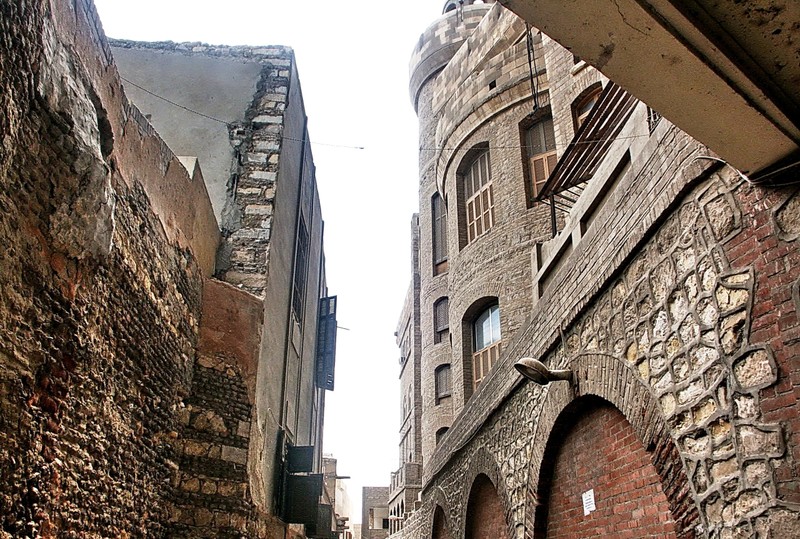
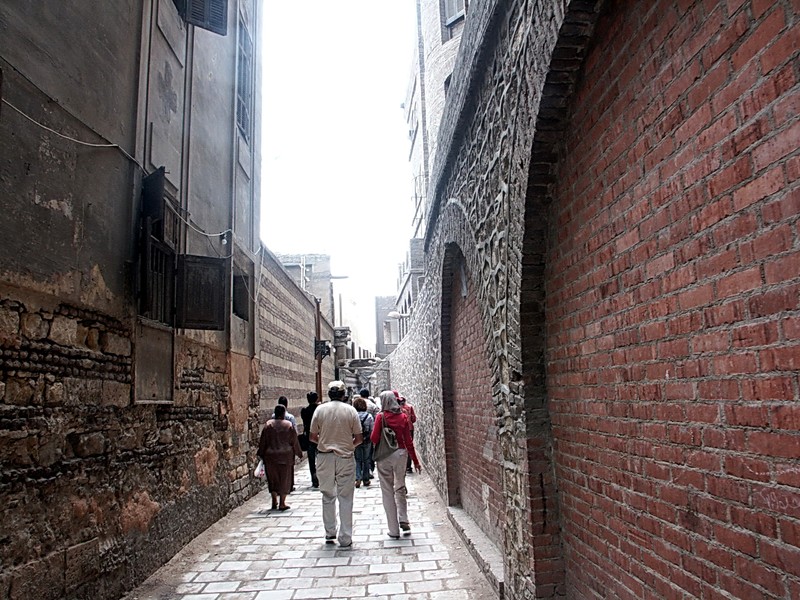
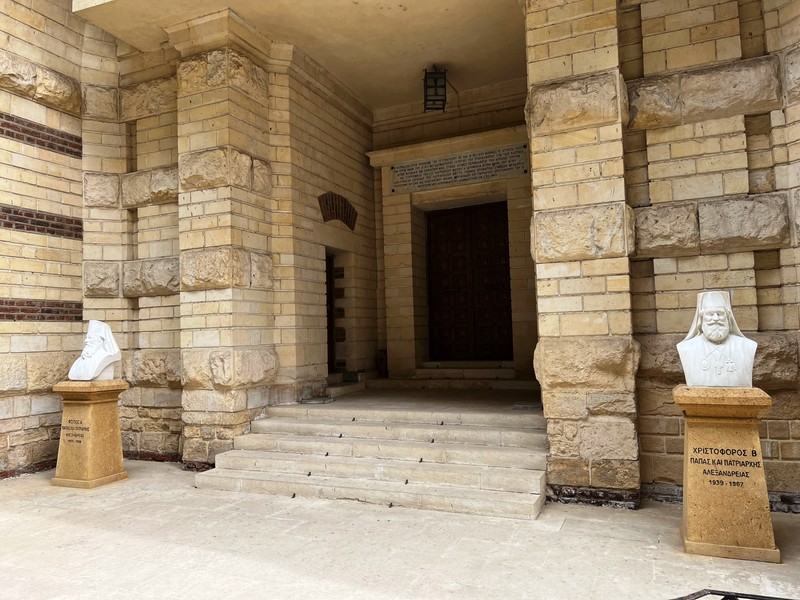
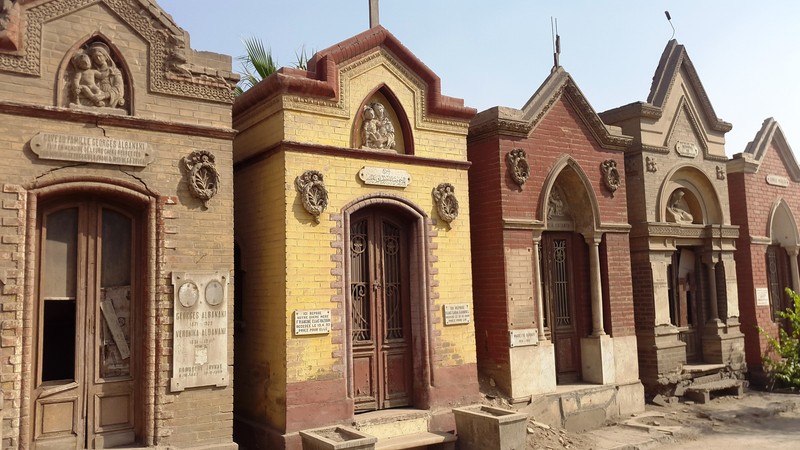
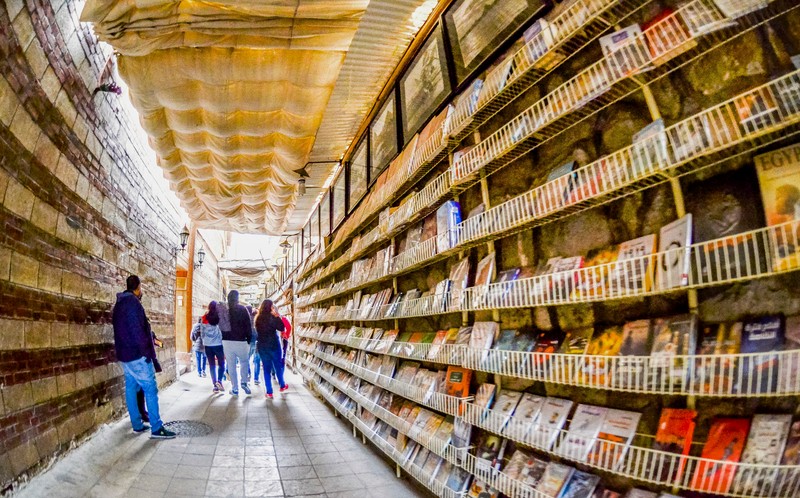
Coptic Cairo is a historic district of Old Cairo containing some of Egypt’s most important early Christian monuments. Its landmarks include old churches, the Coptic Museum, remains of the Roman Fortress of Babylon and the Ben Ezra Synagogue. This compact area brings together buildings from different periods and religious traditions, revealing layers of the city’s history that predate modern Cairo.
Coptic Christianity developed in Egypt during the first centuries CE. Copts preserved their own church traditions, art, liturgical practices and language, which developed from a late form of ancient Egyptian. The district’s architecture reflects Egyptian, Greco-Roman and Byzantine influences.
The Fortress of Babylon and Old Cairo
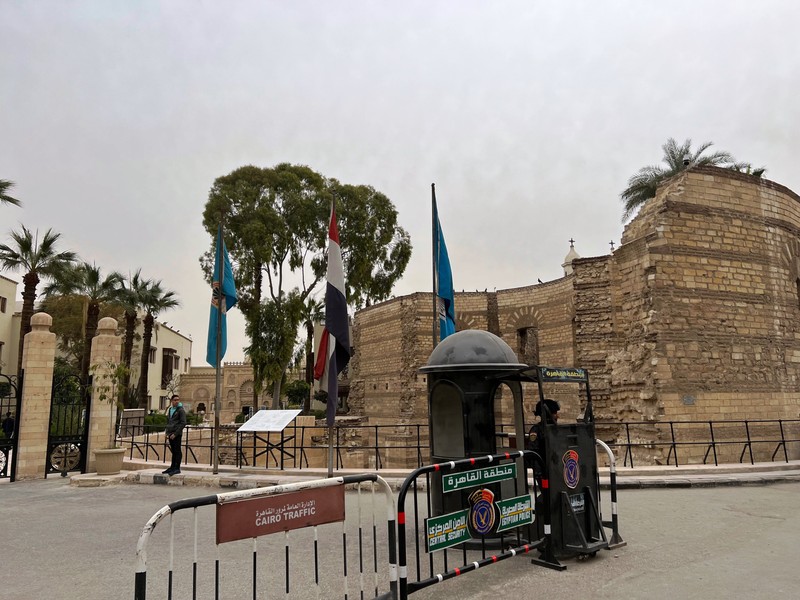
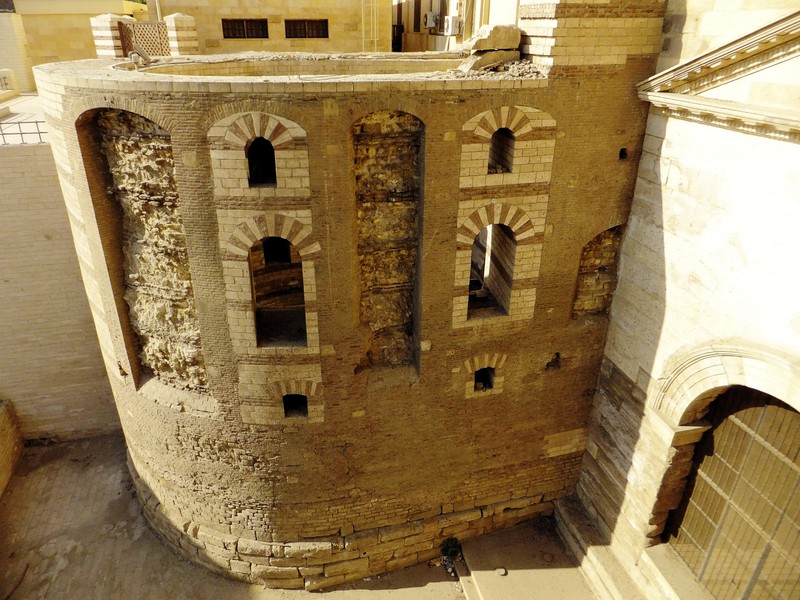
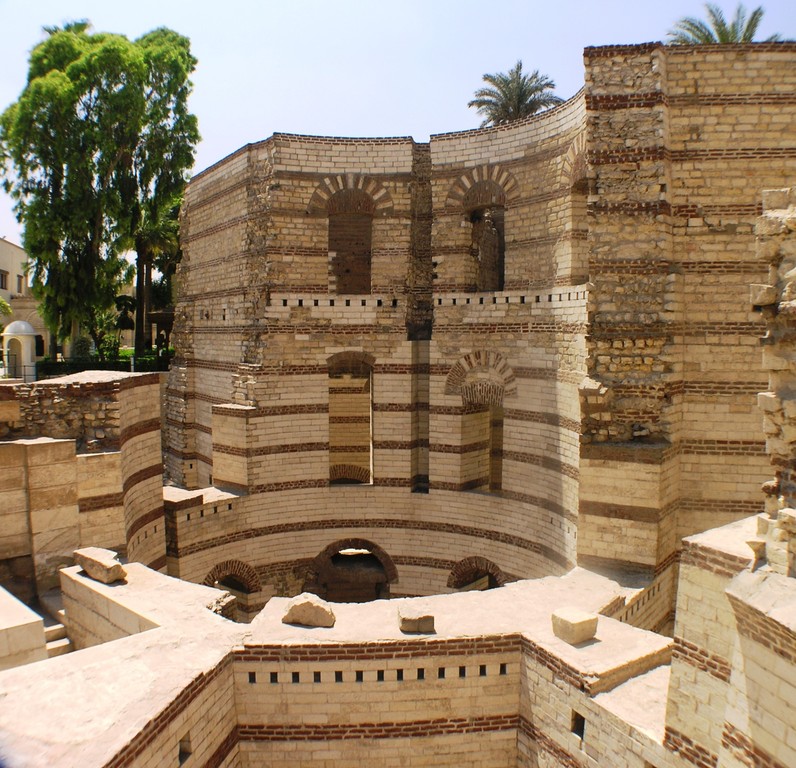
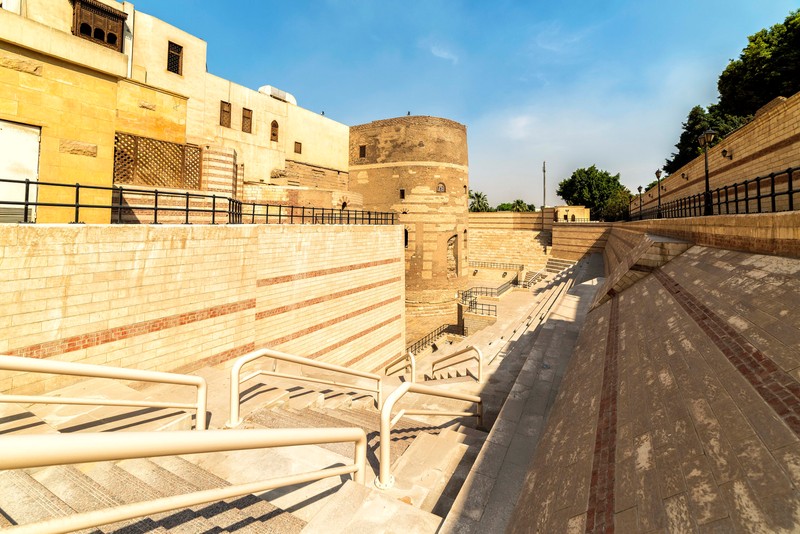
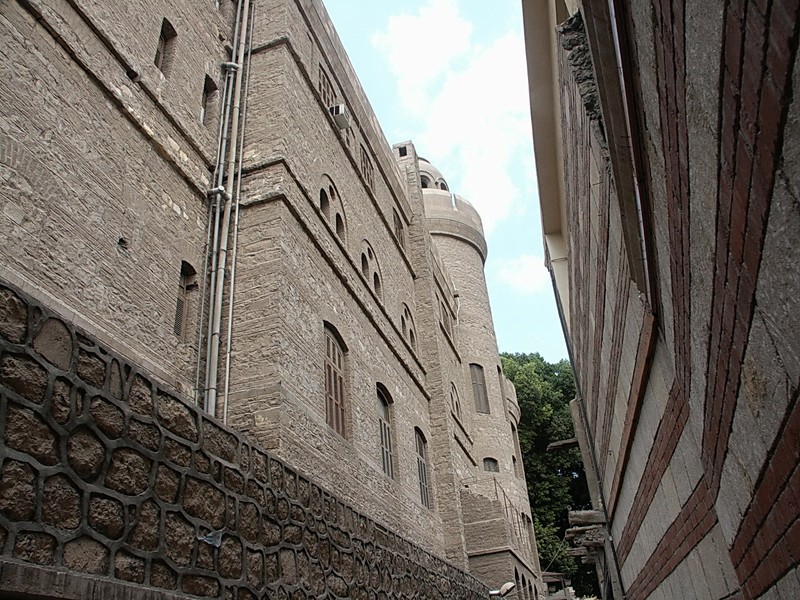
One of the area’s main historic landmarks is the remains of the Roman Fortress of Babylon. Its fortifications developed during the Roman period, and surviving walls and towers recall the strategic importance of the site. After the Arab conquest of Egypt in the seventh century, Fustat grew nearby as one of the first major urban centres of Muslim Egypt. In 969, the Fatimids founded Cairo farther north, and older settlements gradually became part of the wider city.
The Hanging Church
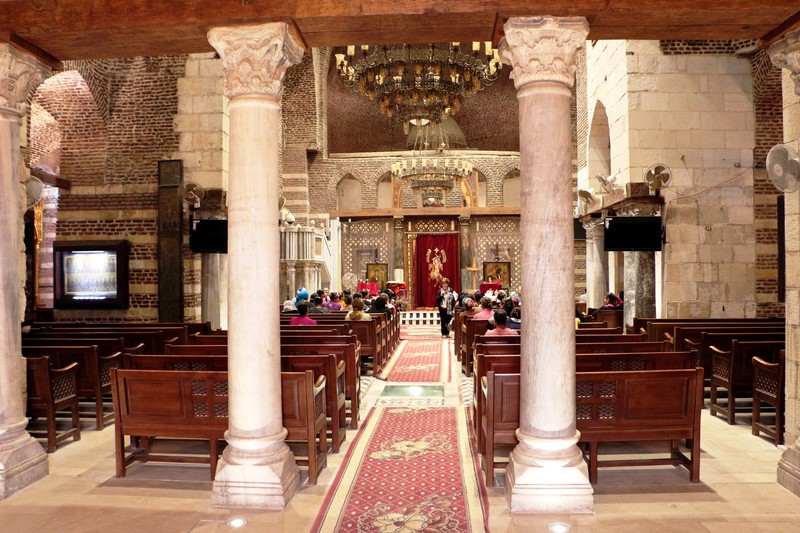
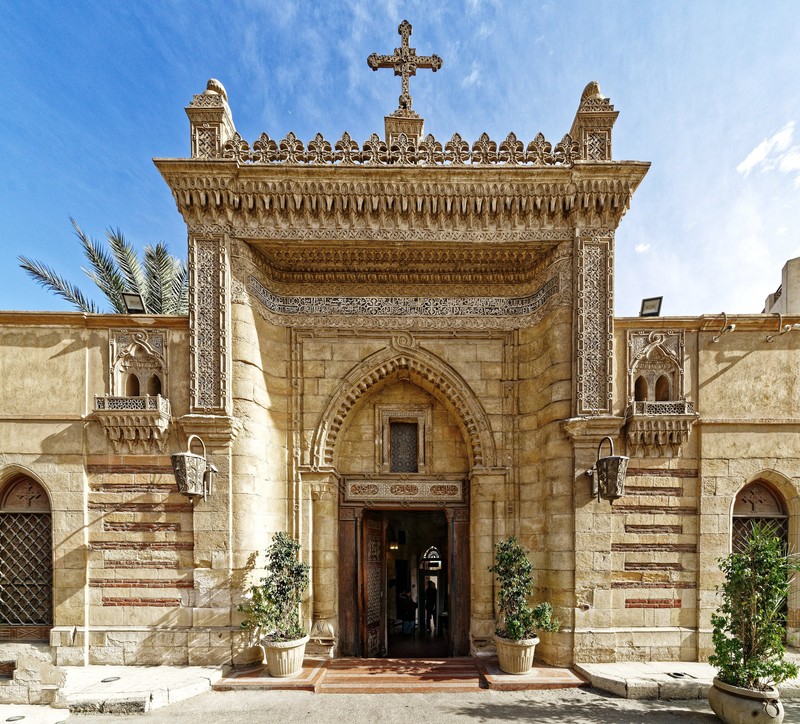
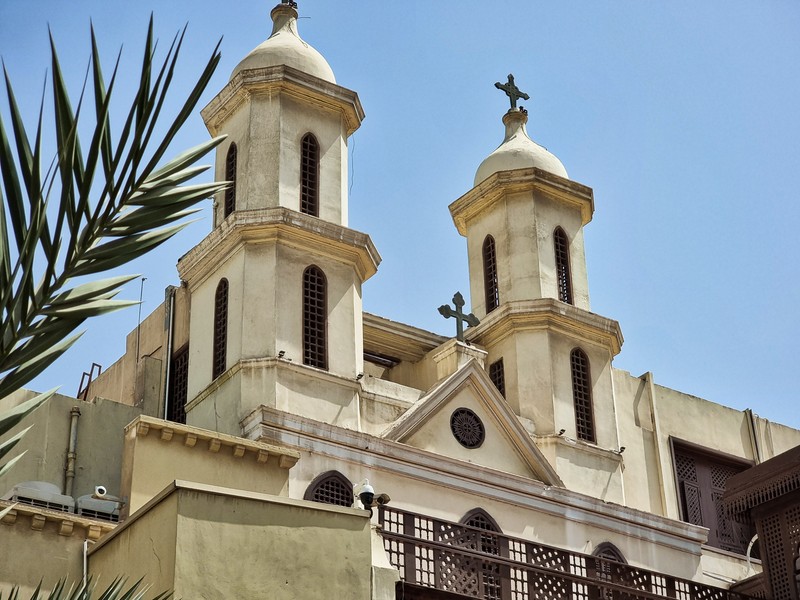
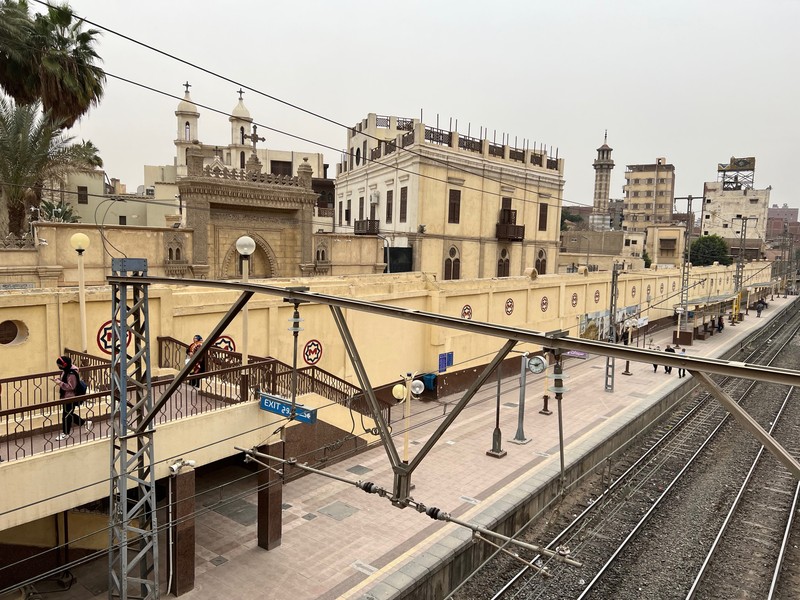
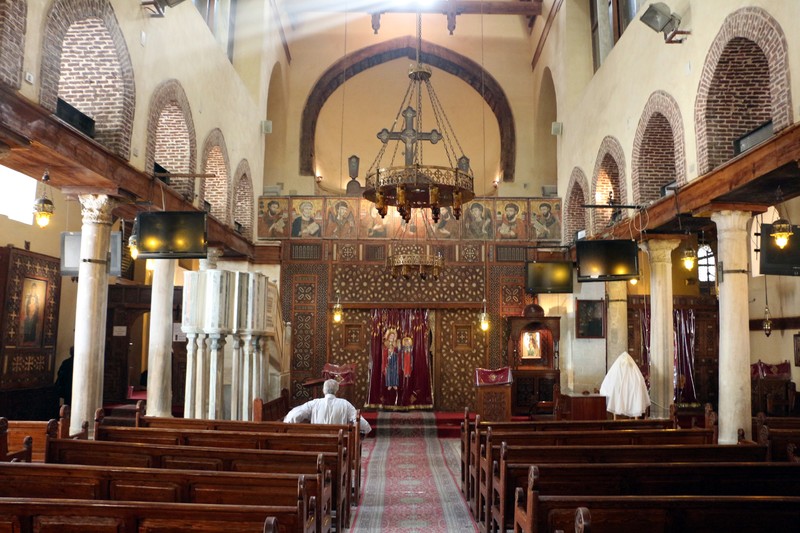
The Hanging Church, dedicated to the Virgin Mary, is one of Egypt’s best-known Christian monuments. Its name refers to its position above part of the Roman fortress. Inside, visitors can see a wooden ceiling shaped like an inverted ship, marble columns, a carved icon screen and a collection of religious icons. The church has a long history and played an important role in the Coptic Orthodox Church.
Abu Serga Church and the Holy Family tradition
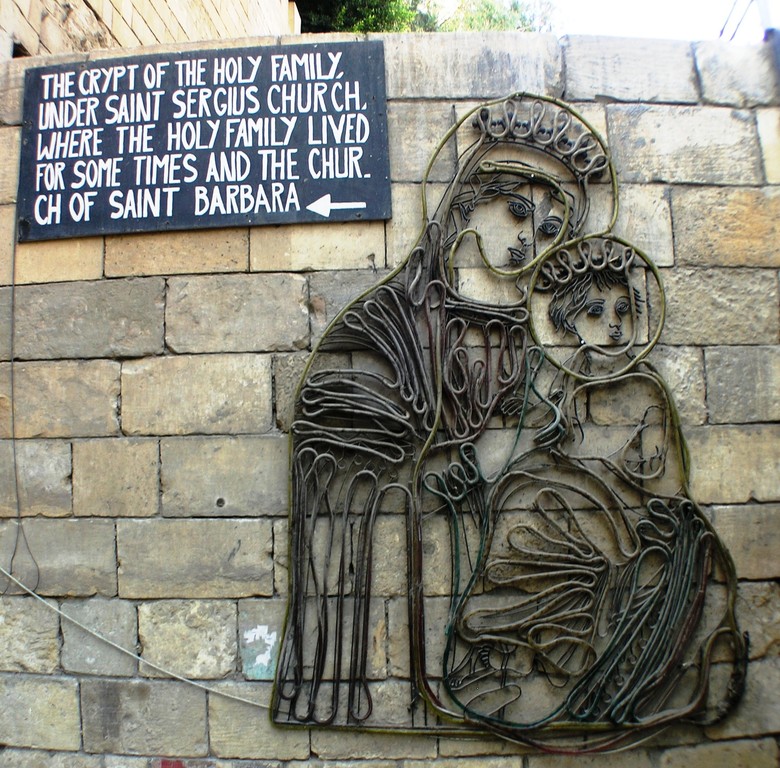
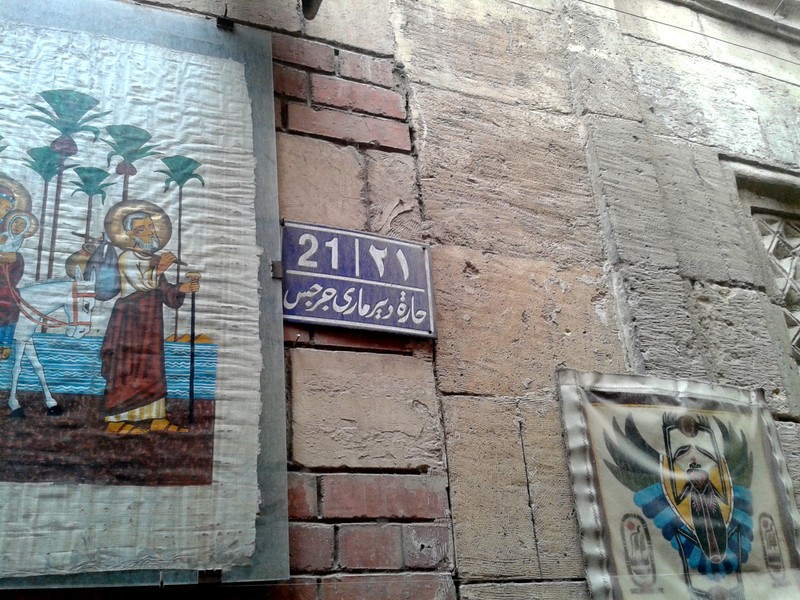
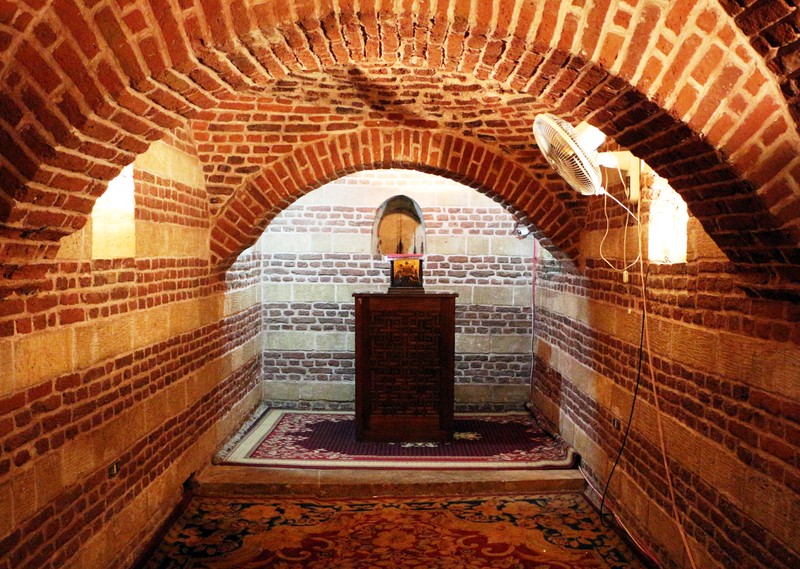
Abu Serga, also known as the Church of Saints Sergius and Bacchus, is another important monument in the district. The present complex is generally dated to the late fourth or fifth century, although it has been rebuilt and restored. Christian tradition associates the site with the Holy Family’s stay in Egypt while fleeing King Herod. A crypt beneath the church is linked to this tradition, which has made the site an important place of pilgrimage.
Saint Barbara’s Church and Abu Seifein
Saint Barbara’s Church is dedicated to an early Christian martyr and is known for its historic architecture and religious art. Abu Seifein Church is dedicated to Saint Mercurius, venerated in the Coptic tradition. It contains icons, carved wooden features and religious objects. Together, these churches demonstrate the variety of Coptic art and continuing church traditions.
The Coptic Museum
The Coptic Museum was founded in 1908 and opened to the public in 1910. Its collections include stone reliefs, architectural fragments, icons, manuscripts, textiles, woodwork, metalwork and church objects. The displays show how Coptic art developed through interaction with ancient Egyptian, Greco-Roman, Byzantine and Islamic cultures. The museum also helps visitors understand the decorative details found in nearby churches.
Ben Ezra Synagogue and religious diversity
Ben Ezra Synagogue is an important monument of Egypt’s Jewish heritage. It is especially famous for the Cairo Geniza, a vast collection of manuscripts and documents that illuminate the religious, economic and everyday lives of Jewish communities over many centuries. The presence of Christian churches, a synagogue and nearby Muslim monuments reflects Cairo’s layered religious history, although relations between communities varied across different periods.
Architecture and Coptic art
Coptic architecture combines elements of Egypt’s ancient heritage with artistic traditions from the Mediterranean world. Churches feature stone columns, wooden screens, carved iconostases, ornaments and icons. Decorative motifs include crosses, geometric patterns, plants, birds and other symbolic images. Historic manuscripts, textiles and carved objects reveal the crafts and religious life of different eras.
How to visit Coptic Cairo
Allow half a day or a full day to explore the main sights. A convenient route begins around the Fortress of Babylon and the Hanging Church, continues through neighbouring churches, and then visits the Coptic Museum and Ben Ezra Synagogue if open to visitors. The district is in Old Cairo, near the Mar Girgis metro station. Dress respectfully in active religious sites and avoid disrupting services. Check current opening hours and photography rules before visiting.
Why visit Coptic Cairo?
Coptic Cairo introduces visitors to Egypt’s Christian history through old churches, archaeological remains and museum collections. The Hanging Church, Abu Serga, Saint Barbara’s Church, Abu Seifein, the Coptic Museum and Ben Ezra Synagogue reveal different aspects of Old Cairo’s spiritual and cultural life. It is an essential stop for anyone interested in Egypt’s Christian and Jewish heritage alongside its pharaonic and Islamic past.
Gallery