Islamic Cairo – the historic heart of Egypt’s capital
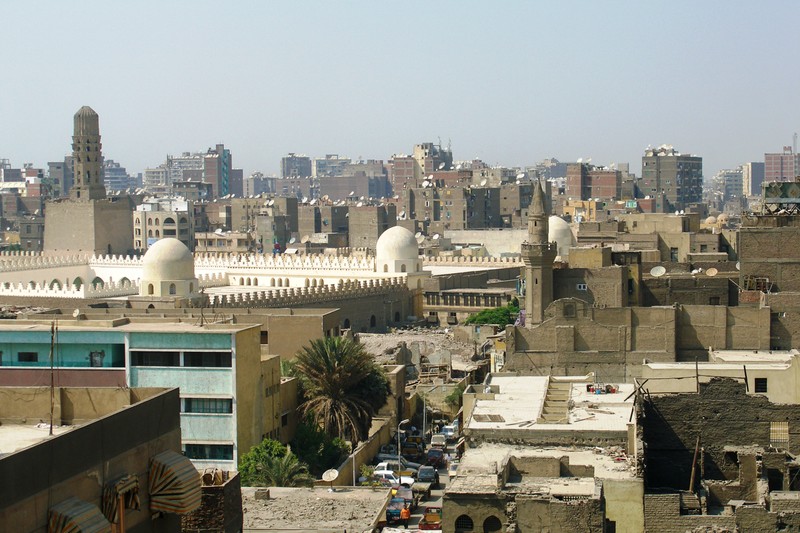
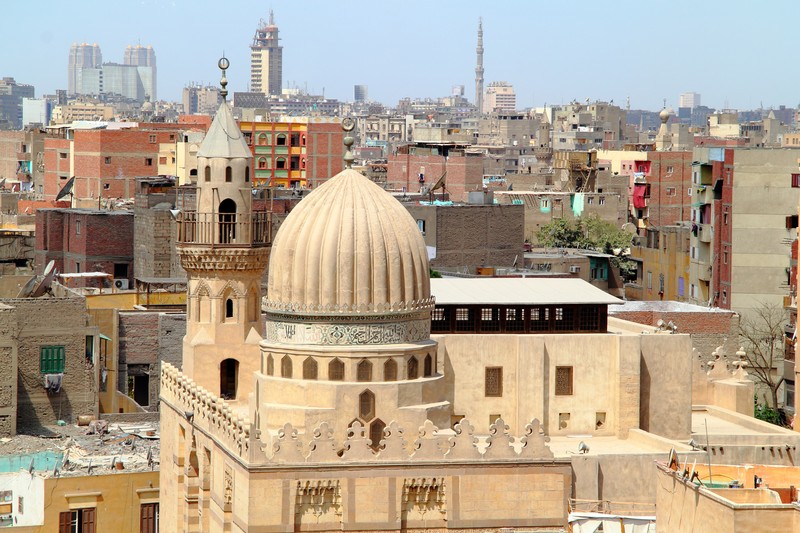
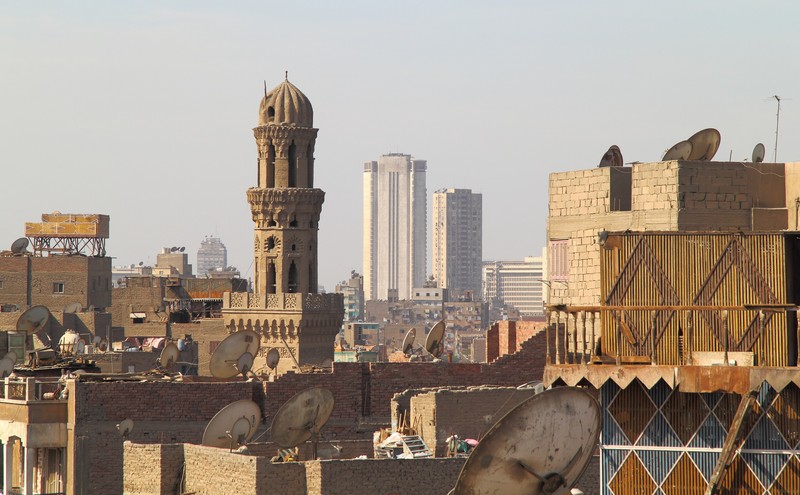
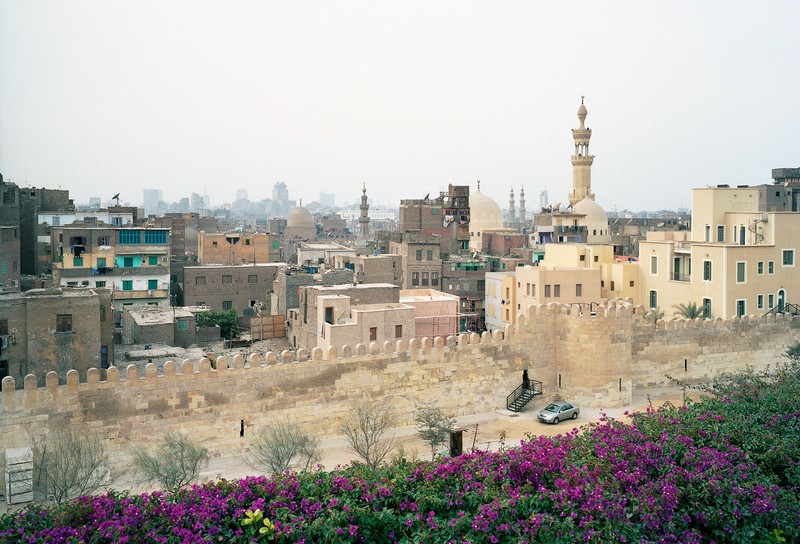
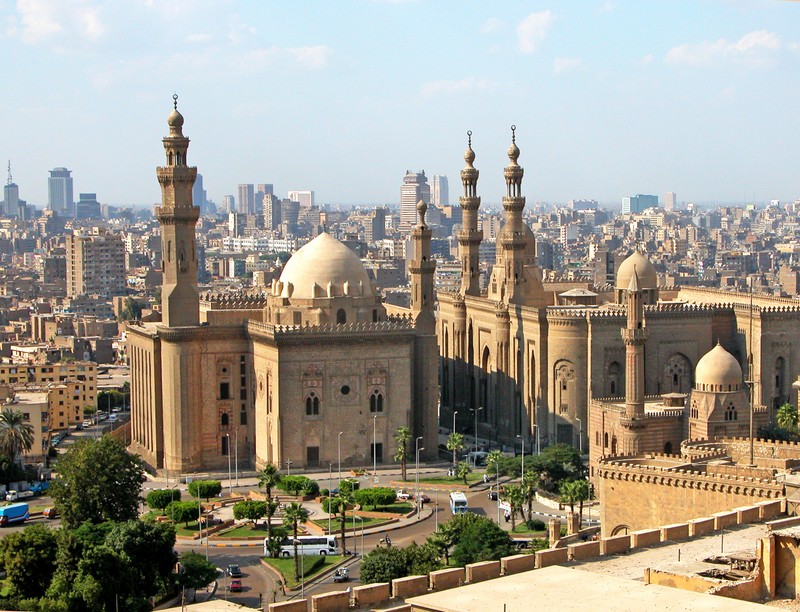
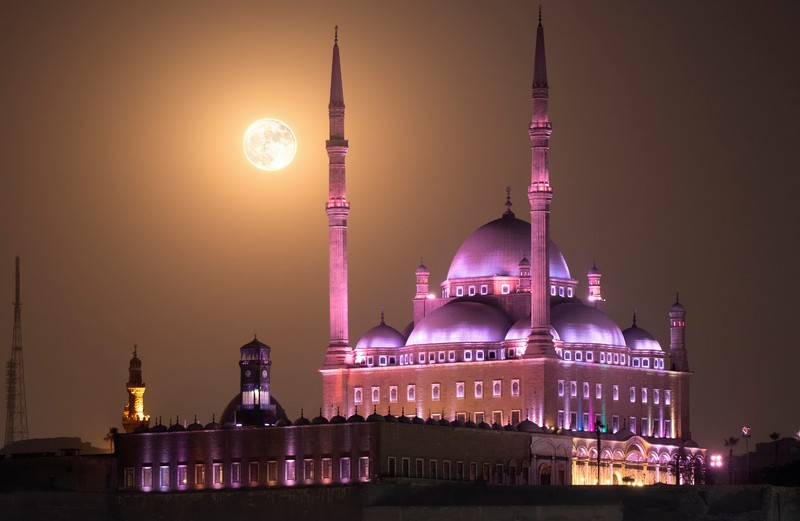
Islamic Cairo is a historic district of Egypt’s capital, known for its old mosques, madrasas, minarets, city gates, commercial streets and traditional markets. It is not a single monument but an extensive historic urban ensemble shaped over many centuries. Narrow lanes, stone façades, carved portals and lively bazaars evoke one of the most important cities of the medieval Islamic world.
Historic Cairo was inscribed on the UNESCO World Heritage List in 1979. The city flourished under the Fatimids, Ayyubids and Mamluks, who built mosques, religious schools, hospitals, fountains and public buildings. Today, historic monuments stand alongside homes, workshops and shops, so a walk through the district reveals both architecture and everyday Cairo life.
History of Islamic Cairo
In 969, the Fatimids founded Cairo as the new capital of their state. It gradually became a political, religious and commercial centre linking routes between Africa, Asia and the Mediterranean. Older settlements stood nearby, including Fustat, founded after the Arab conquest of Egypt in the seventh century. Over time, these historic centres became part of the expanding city.
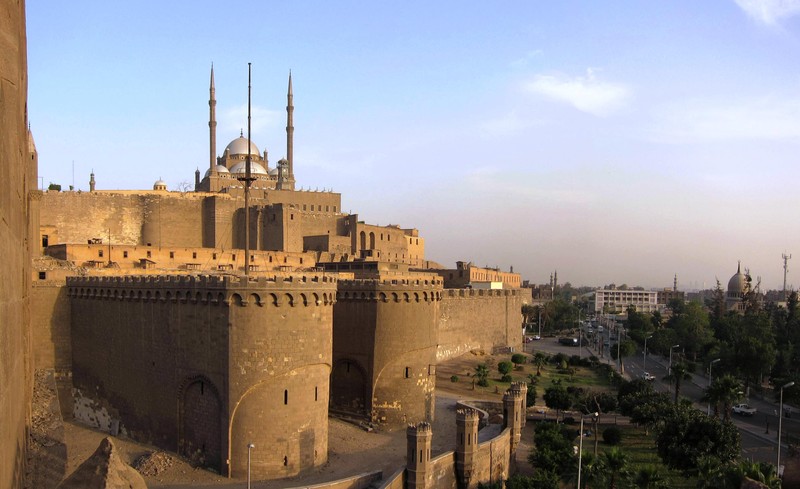
Cairo grew substantially under the Ayyubids and especially the Mamluks. Rulers commissioned monumental mosques, madrasas, mausoleums and charitable institutions. Many complexes combined prayer halls, teaching spaces, tombs and public services. In the medieval period, Cairo was one of the region’s most important cities, and its markets served merchants, travellers, scholars and pilgrims.
Al-Muizz Street
Al-Muizz Street is one of Cairo’s best-known historic streets. It crosses the old city from Bab al-Futuh in the north towards Bab Zuweila in the south. Monuments from different periods line the route, including mosques, madrasas, domes, minarets and historic commercial buildings. Many façades feature carved stone, decorative patterns and inscriptions.
Mosques and architectural landmarks
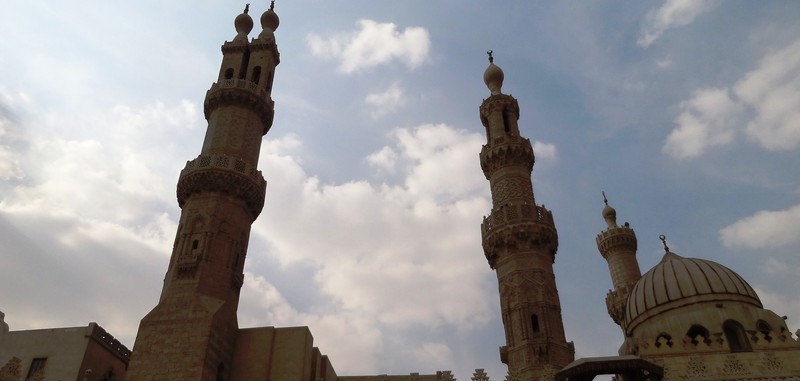
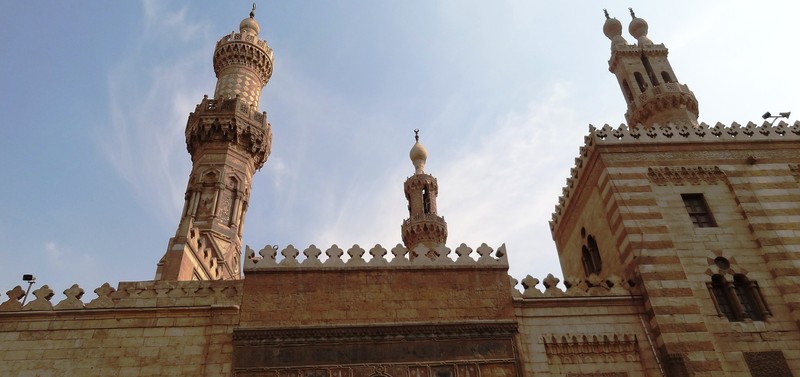
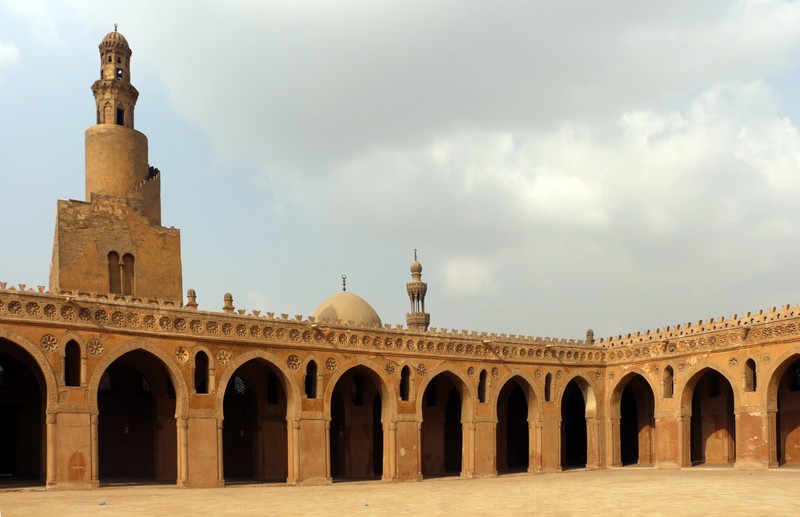
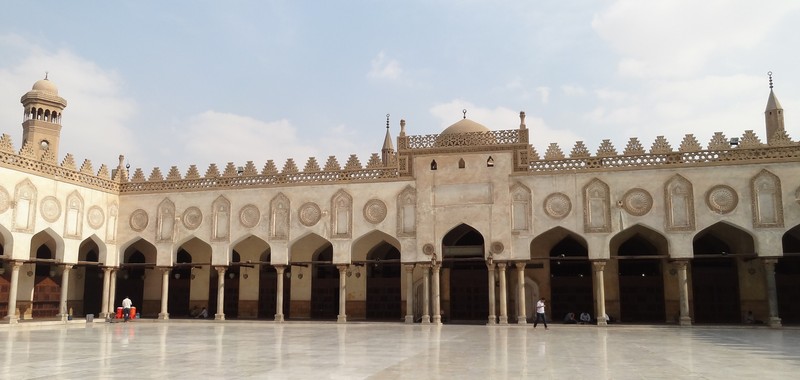
Al-Azhar Mosque, founded in the tenth century under the Fatimids, became one of the best-known centres of Islamic learning. The Mosque of al-Hakim bi-Amr Allah stands out for its monumental façade, while Al-Aqmar Mosque is admired for its carefully decorated stone frontage. Together, they illustrate the character of Fatimid architecture.
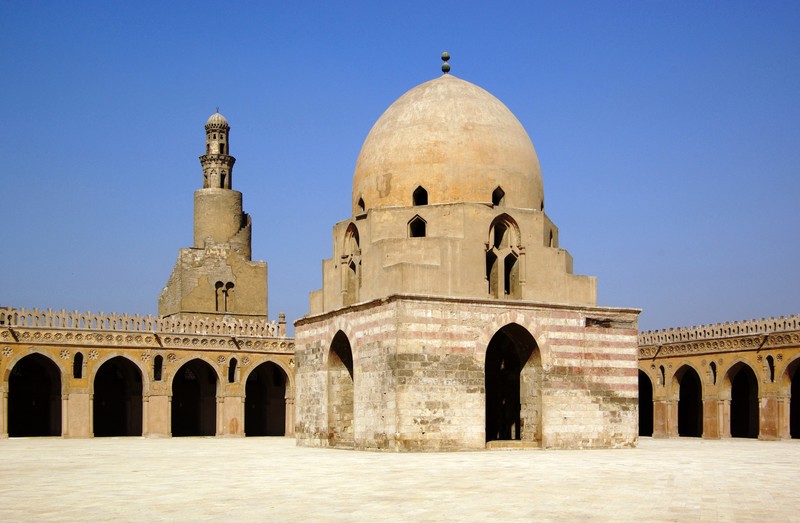
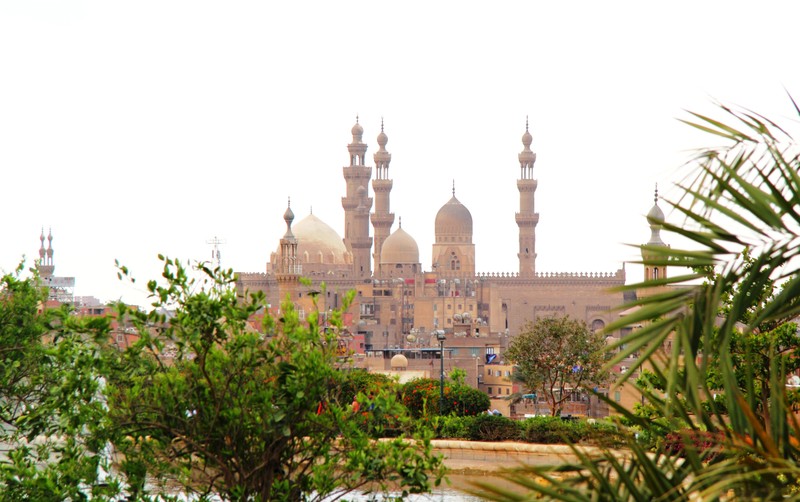
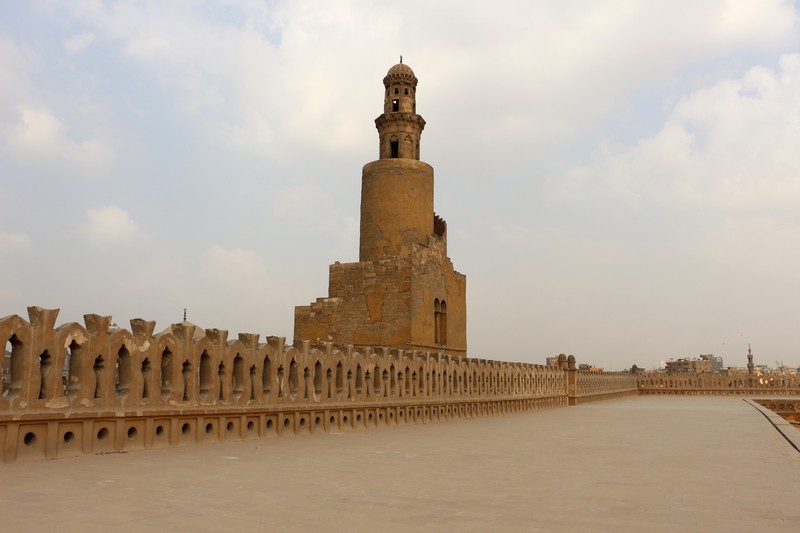
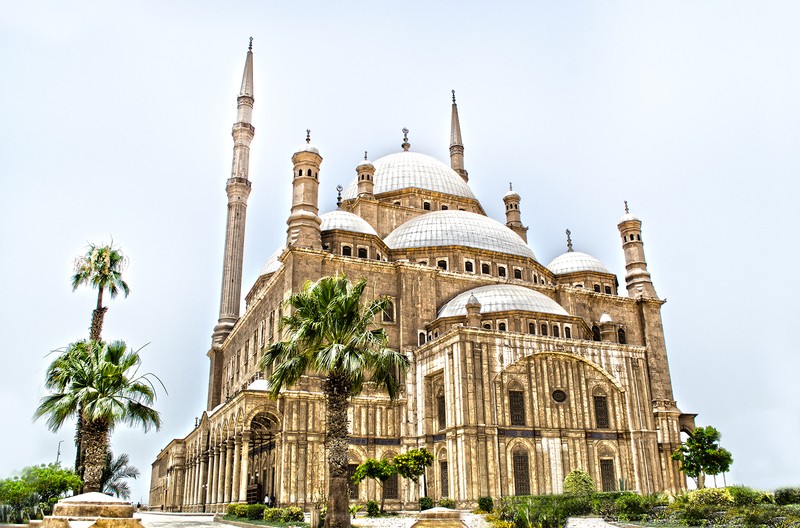
Mamluk landmarks include the complex of Sultan Qalawun and the Madrasa of Sultan Hasan. Their striking features include tall portals, domes, minarets and elaborate stone decoration. Such complexes served not only as places of worship but also as centres of education and public life.
Historic gates and medieval streets
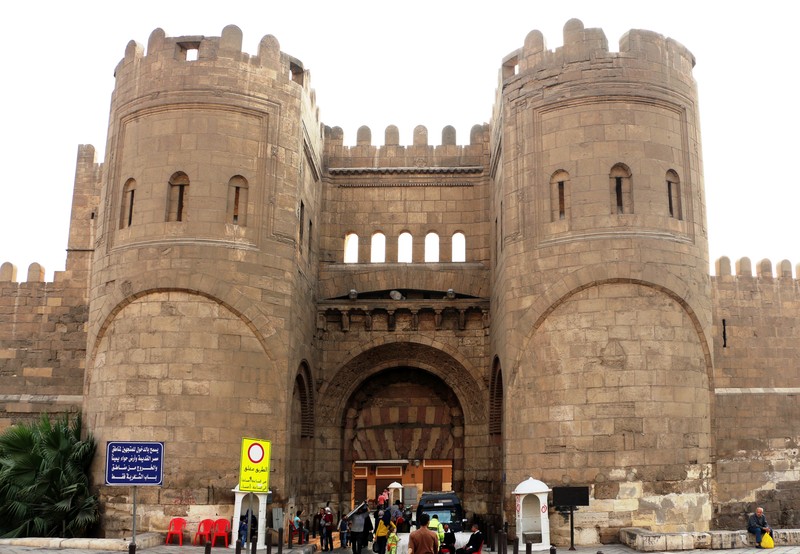
The gates of Bab al-Futuh, Bab al-Nasr and Bab Zuweila recall the city’s historic fortifications. They formed part of the defensive system around Fatimid Cairo and were altered over time. Their massive masonry and architectural details reflect the importance of security and controlled access to the medieval capital.
Khan el-Khalili and traditional markets
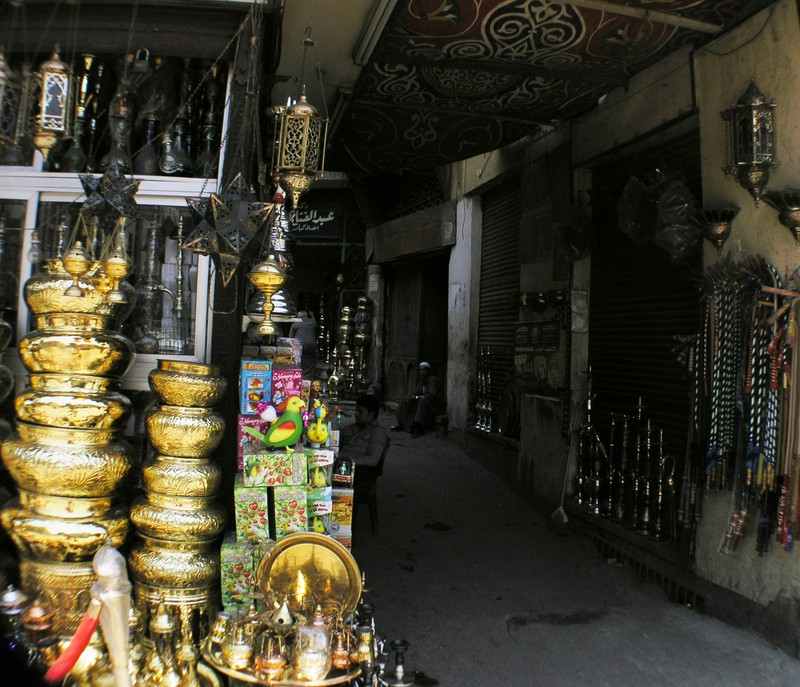
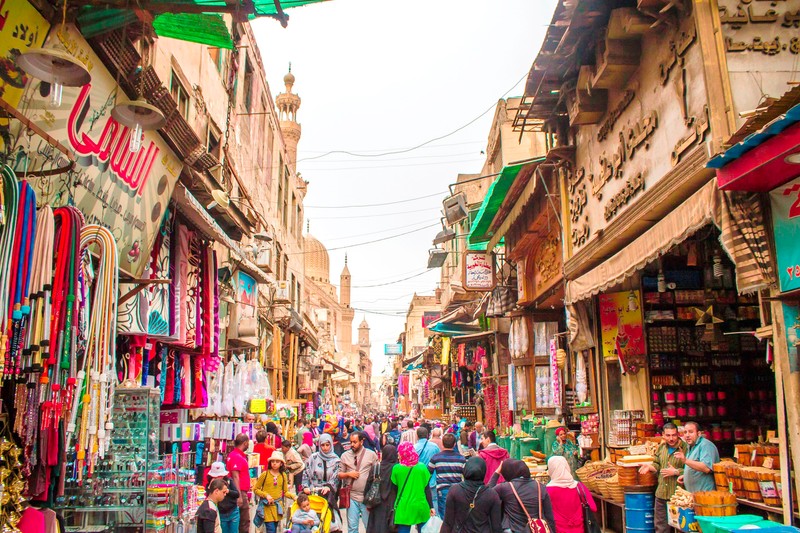
Khan el-Khalili is a famous trading district with shops selling jewellery, metalwork, textiles, spices, souvenirs and traditional Egyptian goods. Historic markets often specialised in particular crafts and products, and the names of some old streets still recall the workshops and traders who worked there for generations. Visitors can see tourist shops alongside businesses serving local residents.
When shopping, compare prices in several stores and agree on the cost before buying. In crowded places, keep an eye on personal belongings. Ask permission before photographing people, particularly during prayer or in private spaces.
Architecture, crafts and urban life
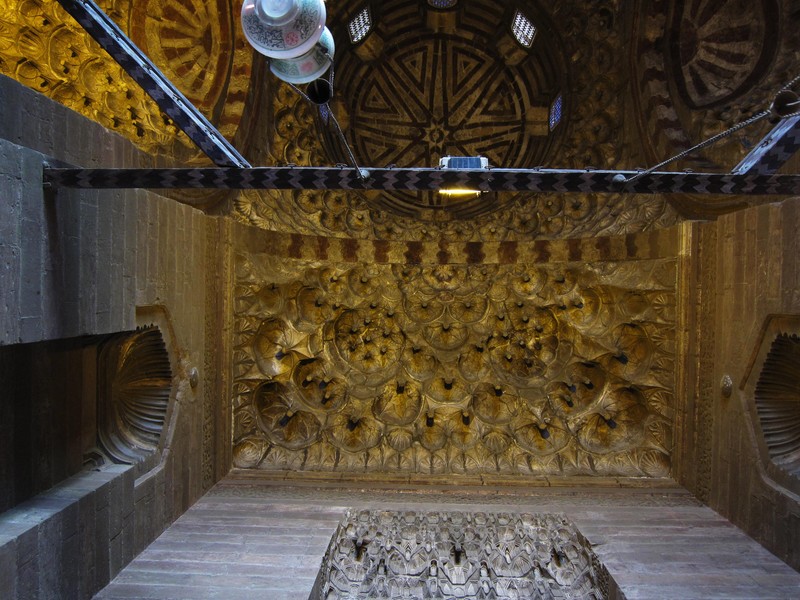
The value of Islamic Cairo lies not only in individual monuments but also in its surviving urban fabric: neighbourhoods, alleys, workshops, homes and commercial streets. The district contains sabils, public water fountains sometimes combined with educational facilities, as well as madrasas, mausoleums and historic public buildings. Decoration includes geometric and floral patterns, calligraphy, carved stone and wooden details.
How to visit Islamic Cairo
Set aside most of a day to explore the district. One possible route begins on Al-Muizz Street and at the historic gates, continues through selected mosques and architectural complexes, and ends at Khan el-Khalili. Wear comfortable shoes and bring water and sun protection. When entering active mosques, follow each site’s rules on clothing and behaviour, and check opening times in advance because access may be restricted during prayers.
Why visit Islamic Cairo?
Islamic Cairo reveals centuries of history through its streets, mosques, markets and surviving neighbourhoods. Fatimid planning, Mamluk architectural ensembles, medieval gates and traditional craft streets show how the capital developed at the crossroads of trade and culture. Here, history is visible not only in grand monuments but also in the details of everyday urban life.
Gallery