The Egyptian Museum in Cairo is one of the world's major archaeological museums devoted to ancient Egyptian civilization. Located in Tahrir Square in the city centre, it preserves a collection spanning thousands of years. Its displays include royal statues, sarcophagi, papyri, jewellery, funerary objects and works of ancient Egyptian art.
History of the museum
During the 19th century, Egyptian authorities began developing a national collection to protect antiquities from looting and export abroad. The collection grew rapidly and required a purpose-built home.
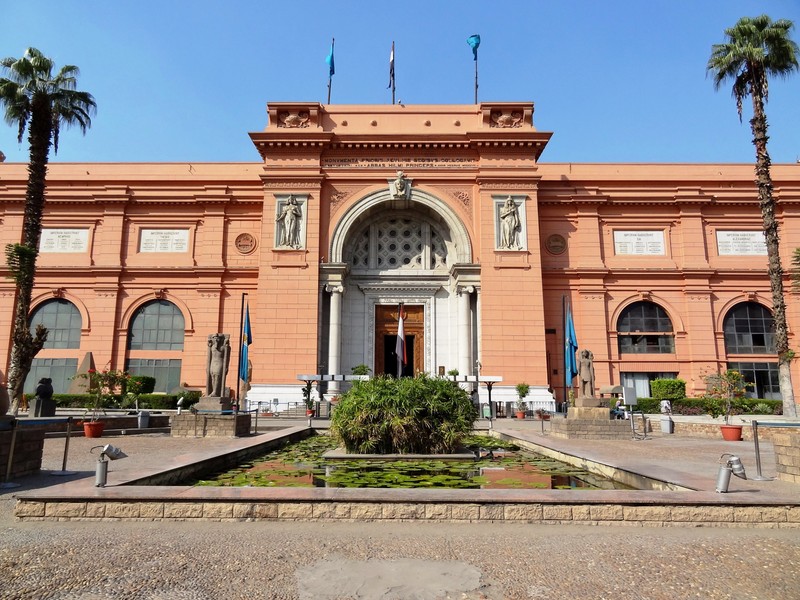
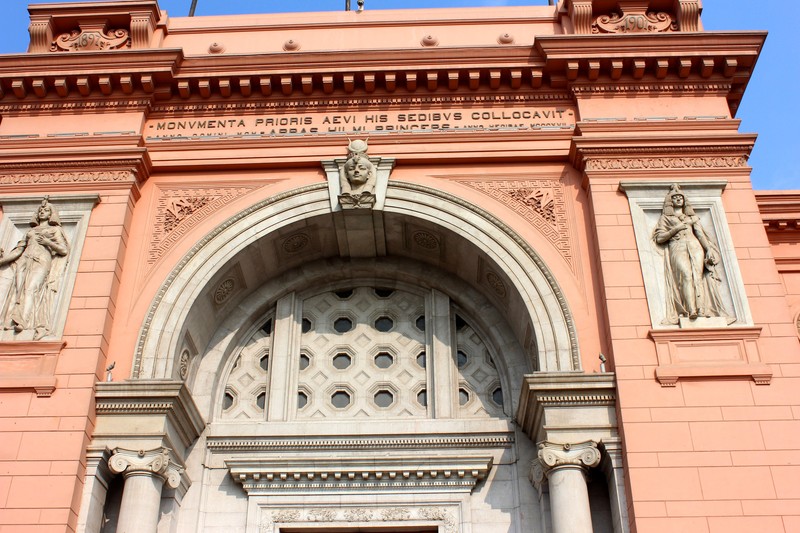
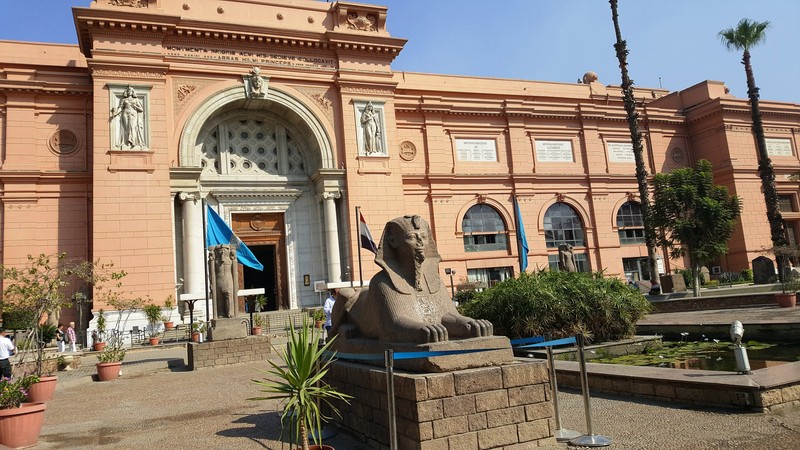
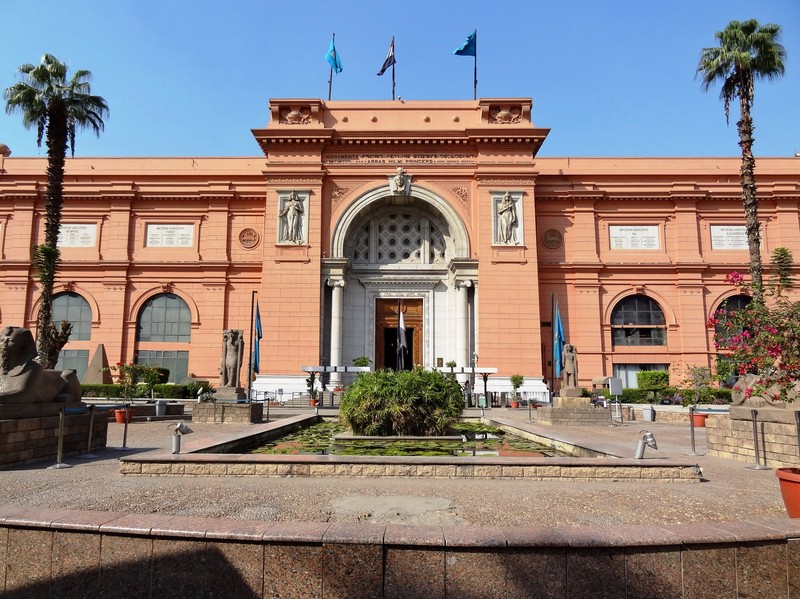
An international architectural competition was held in 1895 and won by French architect Marcel Dourgnon. The foundation stone was laid in 1897, and the museum opened on 15 November 1902 under Khedive Abbas II Helmy. It became one of the first purpose-built national museums in the Middle East.
Architecture
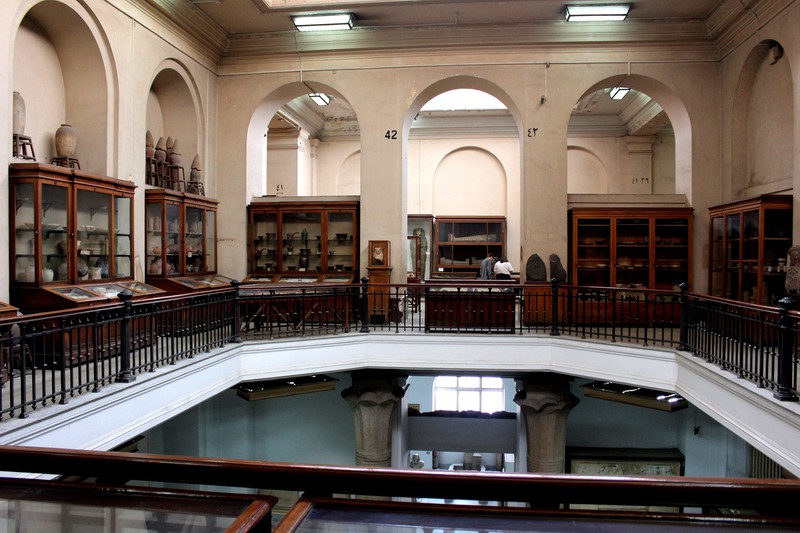
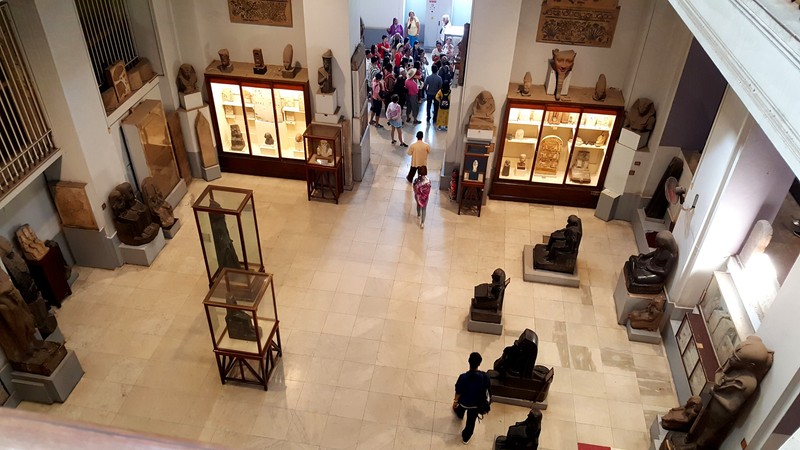
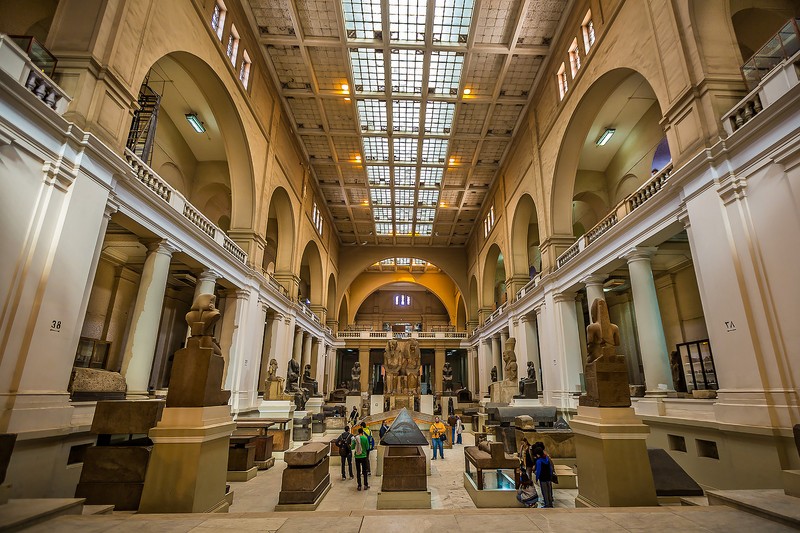
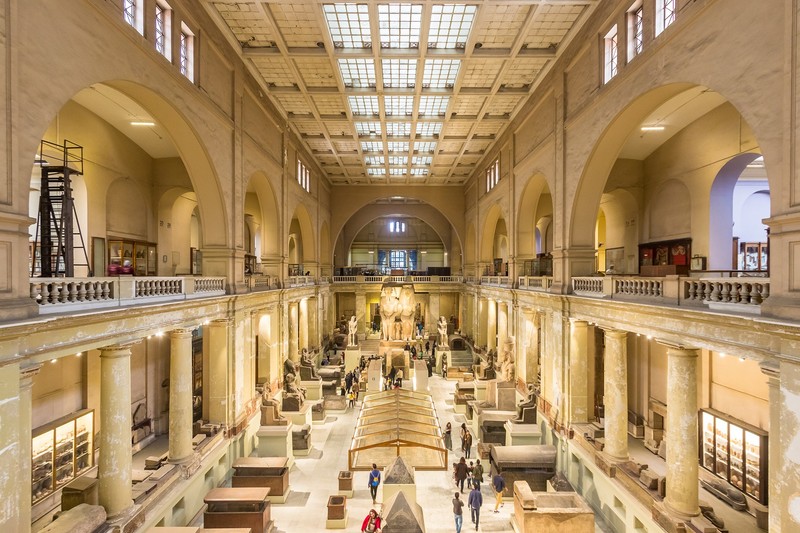
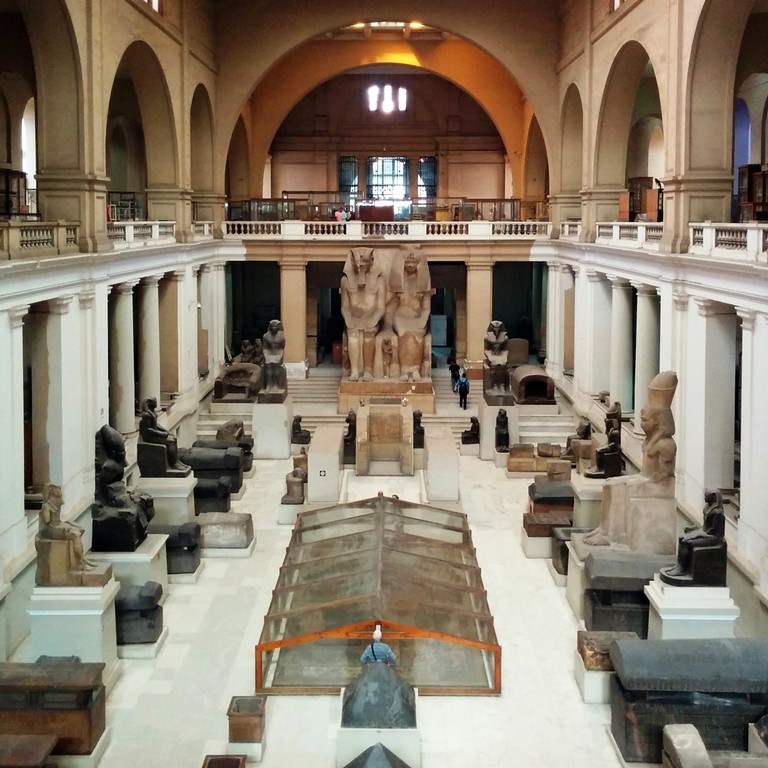
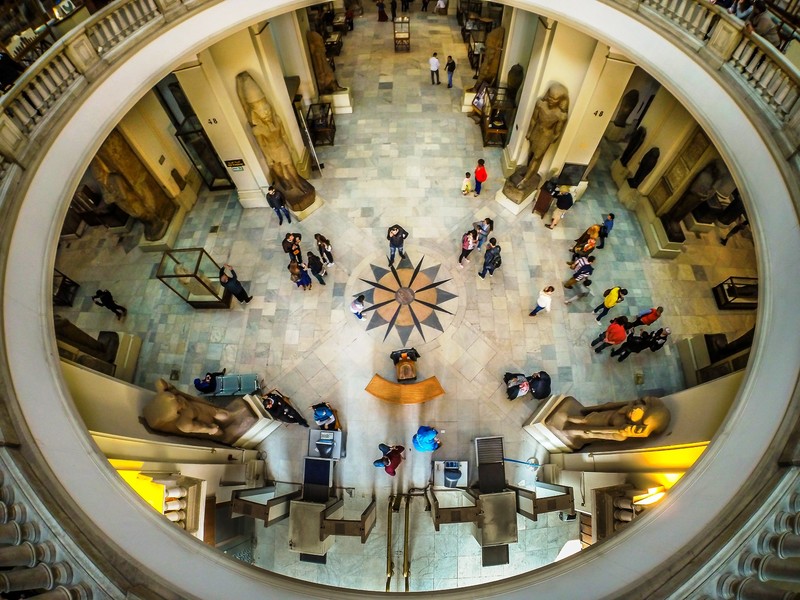
The building was designed in a European neoclassical style, with a symmetrical façade, large windows and restrained decoration. Its spacious galleries were designed to accommodate large statues, sarcophagi and other monumental objects.
The ancient Egyptian collection
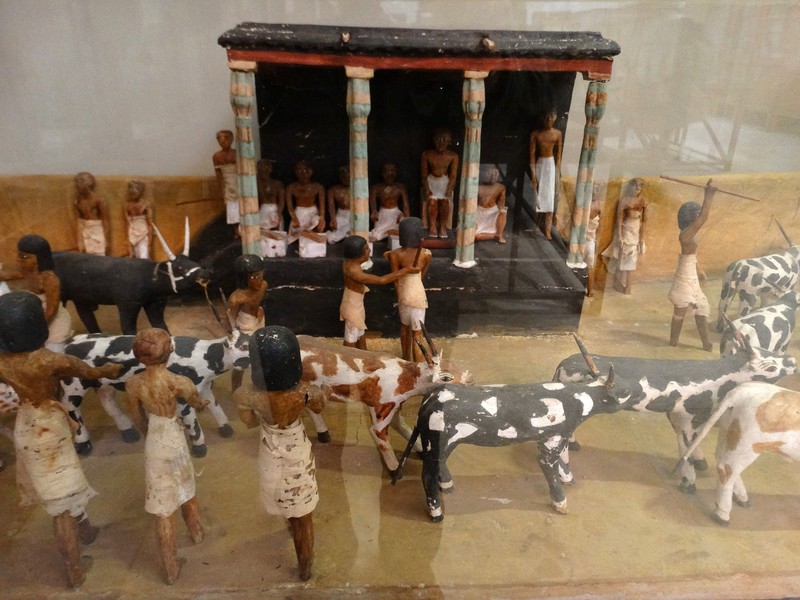
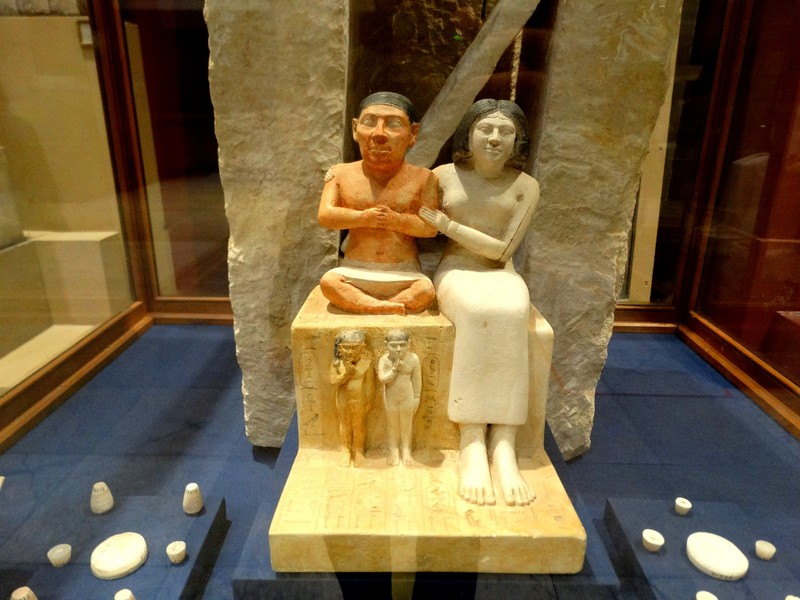
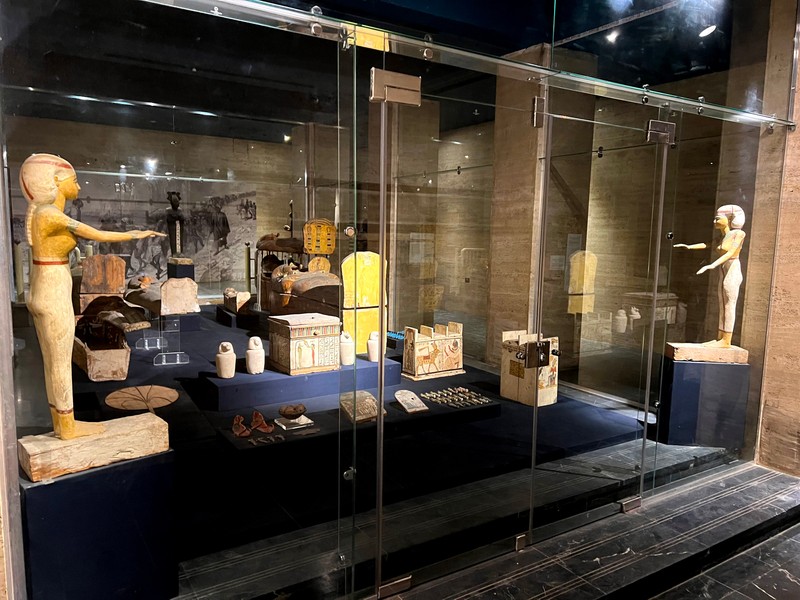
The collection spans from the Predynastic Period to the Greco-Roman era. Visitors can see statues, reliefs, jewellery, pottery, papyri, furniture and everyday objects. Together, they illuminate religion, trade, administration and burial customs in ancient Egypt.
The Narmer Palette
One of the museum's best-known objects is the Narmer Palette, a ceremonial stone slab from the early period of Egyptian state formation. Its scenes are traditionally associated with the unification of Upper and Lower Egypt. The palette shows how early Egyptian artists used symbols and composition to express royal authority.
Statues of the pharaohs
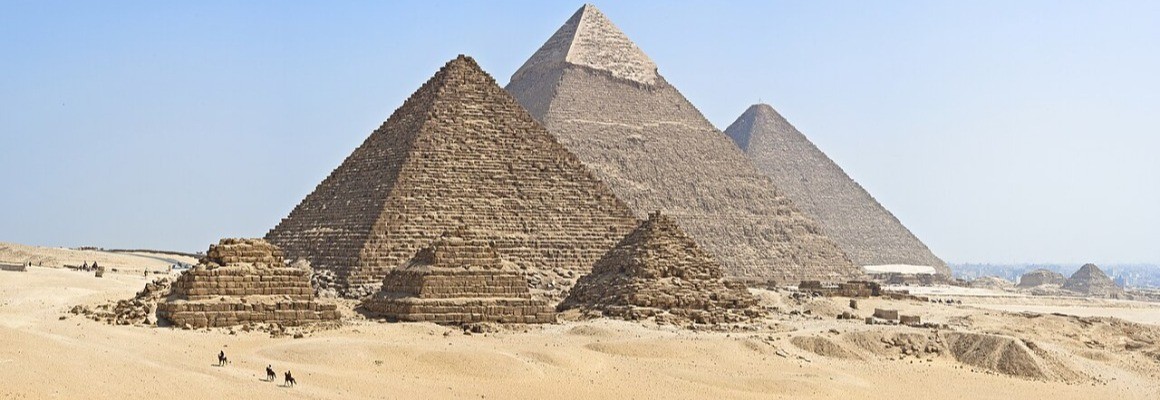
The galleries include sculptures of rulers from different dynasties, including works associated with Khufu, Khafre and Menkaure, the pharaohs linked to the great pyramids of Giza. These objects demonstrate the conventions of royal portraiture and the skill of ancient stoneworkers.
Treasures from royal tombs
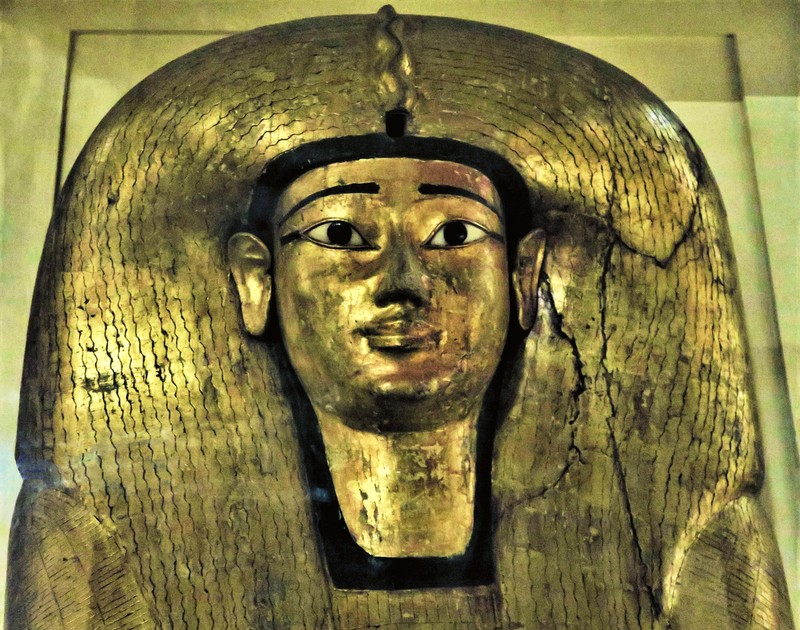
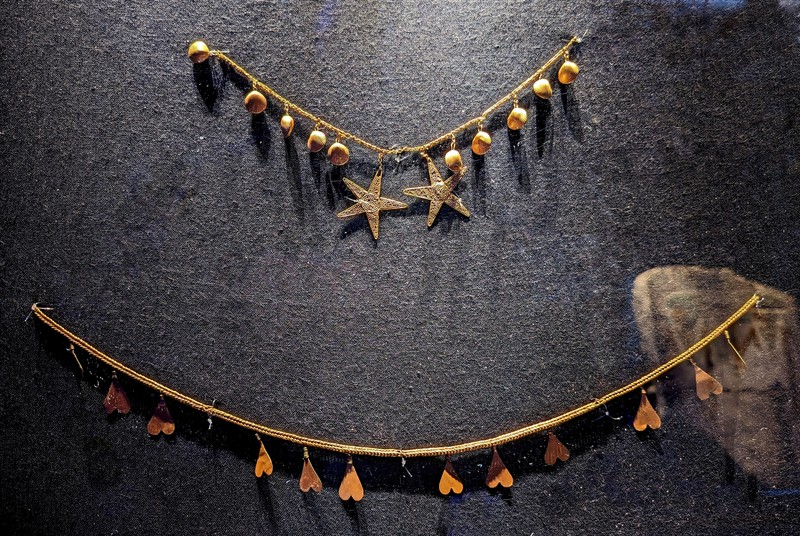
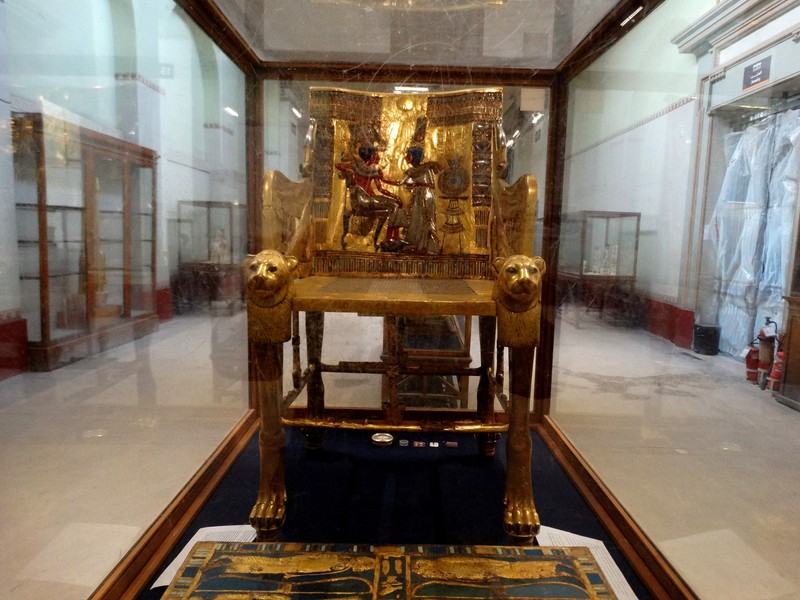
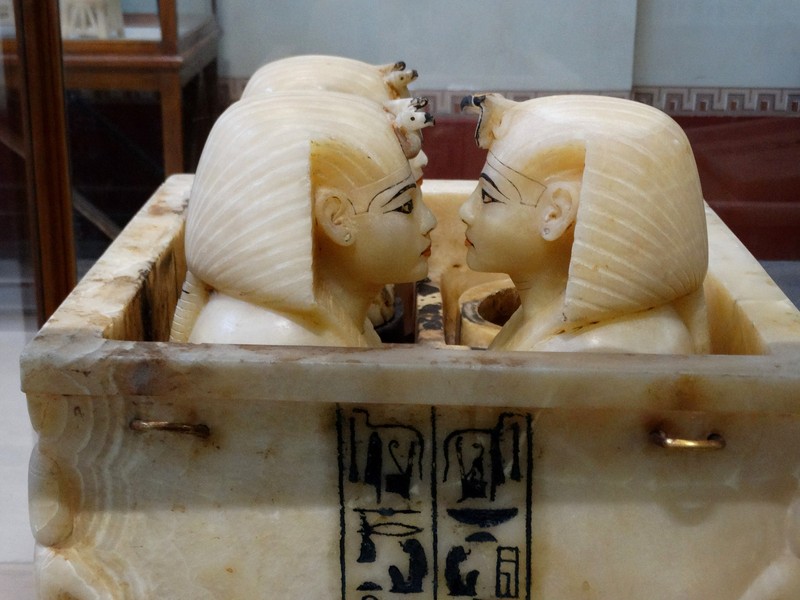
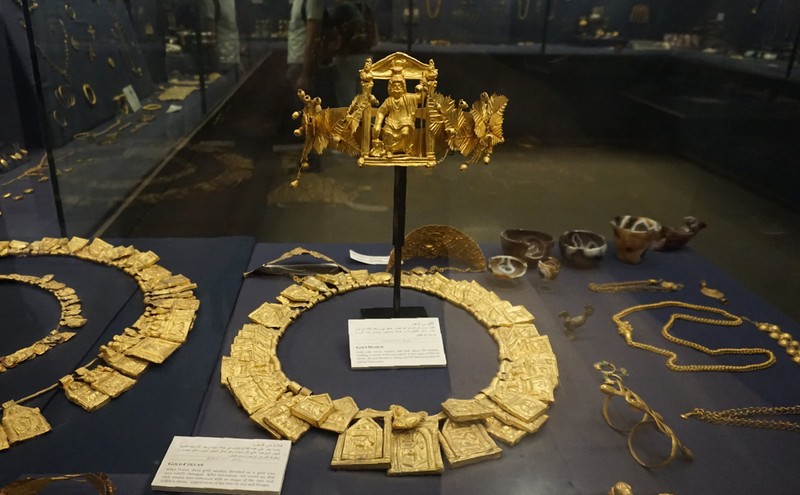
The museum holds finds from the burials of Yuya and Thuya and objects associated with Psusennes I and the royal tombs at Tanis. Jewellery, funerary masks and ritual objects reveal the high level of craftsmanship and the importance of preparing for the afterlife.
Papyri and sarcophagi
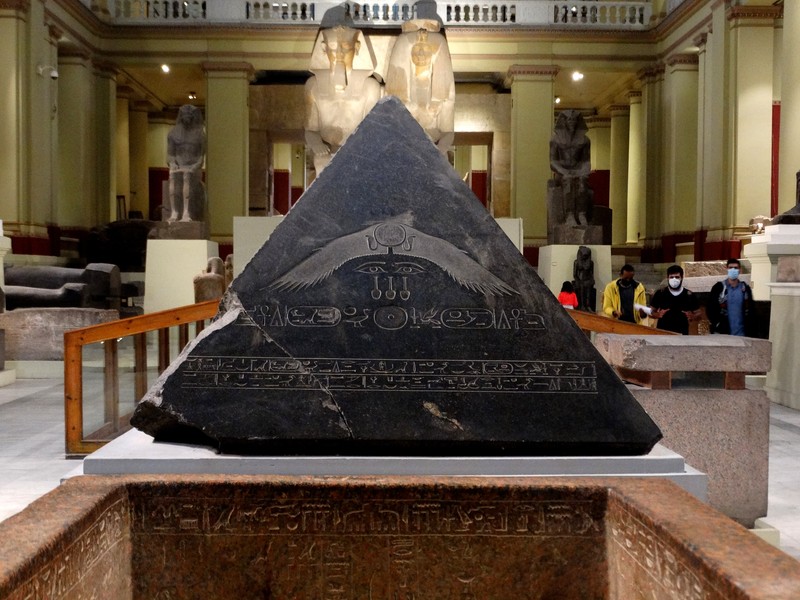
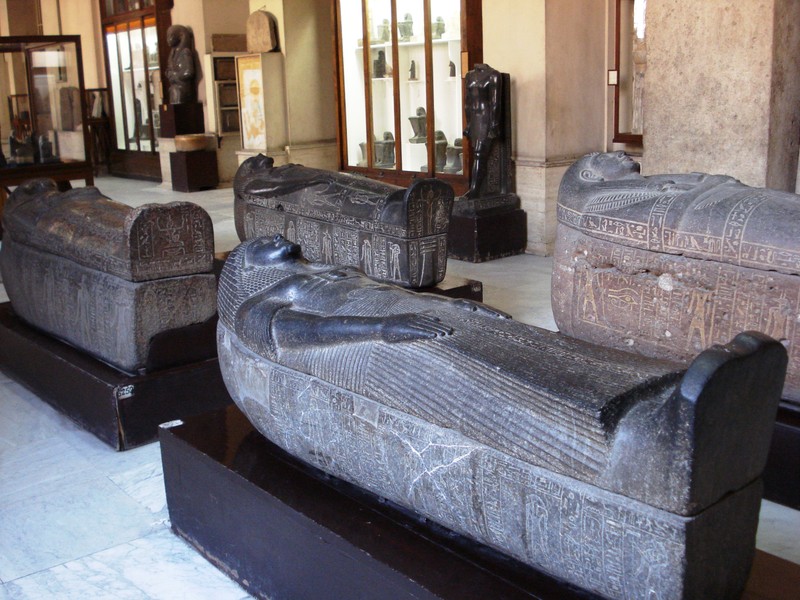
Papyri preserve religious texts, spells and administrative records, offering valuable evidence of ancient Egyptian writing and beliefs. Sarcophagi and funerary masks often feature gods and protective symbols intended to help the deceased pass safely into the next world.
How the collection is changing
Following the development of the Grand Egyptian Museum near the Giza pyramids and the National Museum of Egyptian Civilization in Cairo, some famous objects were transferred to the newer institutions. The historic museum at Tahrir Square remains open and continues to preserve a major collection. Check the official information to see which galleries are open during your visit.
Location and visiting
The museum stands on the northern side of Tahrir Square in central Cairo. Sadat Metro Station is nearby, and taxis and city transport are also available. Allow several hours to explore the main displays.
Before visiting, check the official website for current opening hours, ticket prices and photography rules. Access to individual galleries may change.
Why visit the Egyptian Museum
The Egyptian Museum in Cairo brings together objects from many periods of ancient Egyptian history. It is an excellent place to trace the development of art, religious beliefs, royal symbolism and daily life in one of the world's most enduring civilizations.
Gallery