Ibn Tulun Mosque – a landmark of early Islamic architecture
Ibn Tulun Mosque is one of Cairo’s oldest and best-preserved historic mosques. It was built in the ninth century by order of Ahmad ibn Tulun, the governor of Egypt and founder of the Tulunid dynasty. Construction took place between 876 and 879 CE. The mosque served as the main congregational mosque of al-Qata'i, the new administrative capital.
History of construction
Ahmad ibn Tulun gradually strengthened his authority and established a dynasty under which Egypt gained substantial autonomy. The new capital required a large mosque for Friday prayers. When al-Qata'i was destroyed in 905, the mosque survived. It was repaired and restored several times over the following centuries, including major work during the reign of Sultan Lajin in the late thirteenth century.
Architecture and courtyard
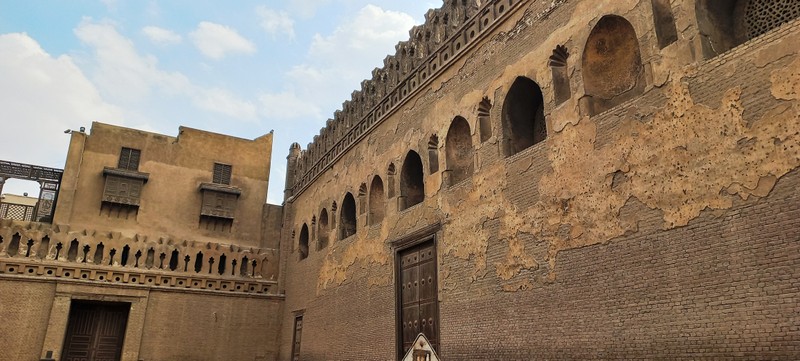
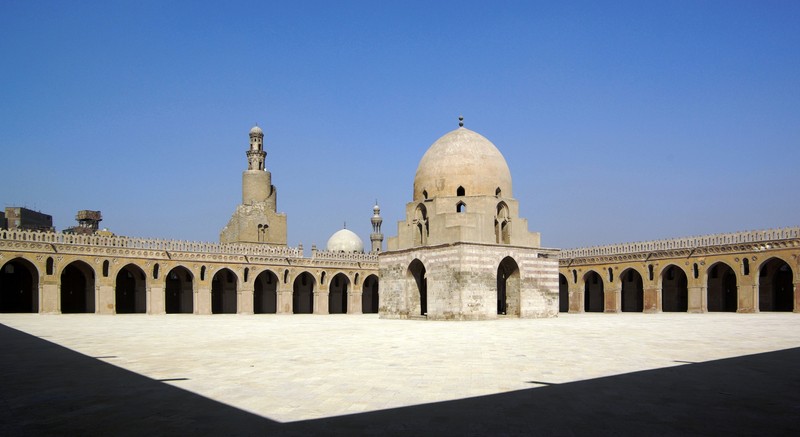
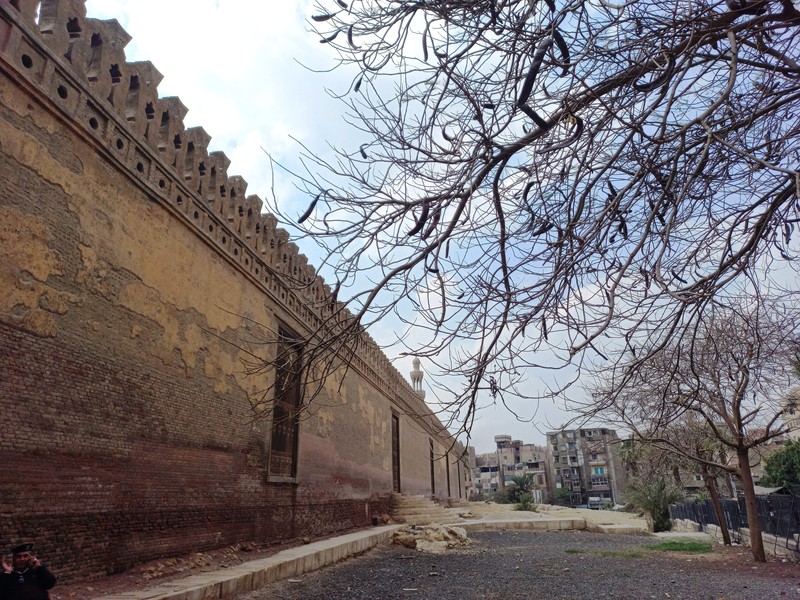
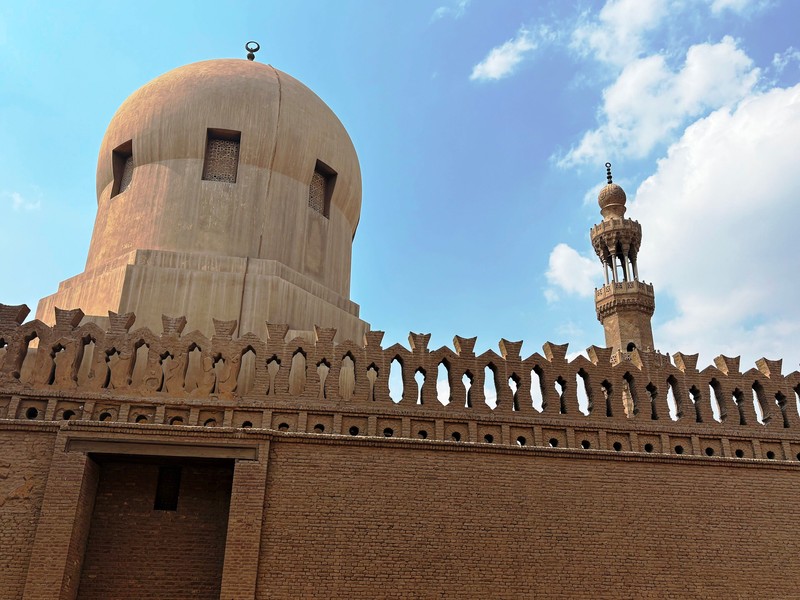
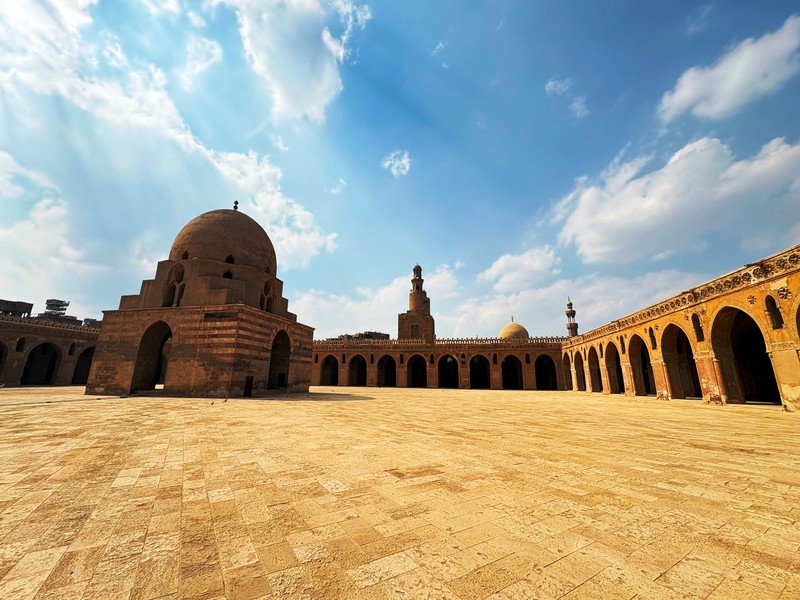
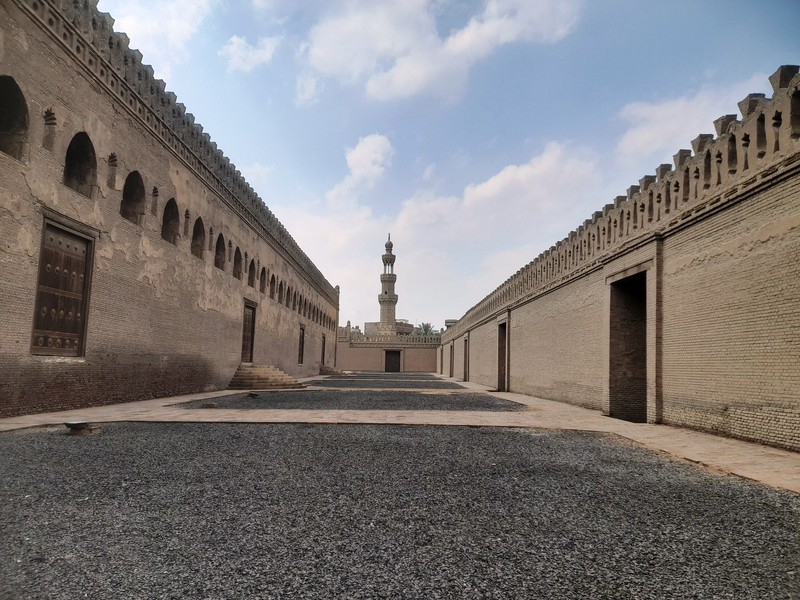
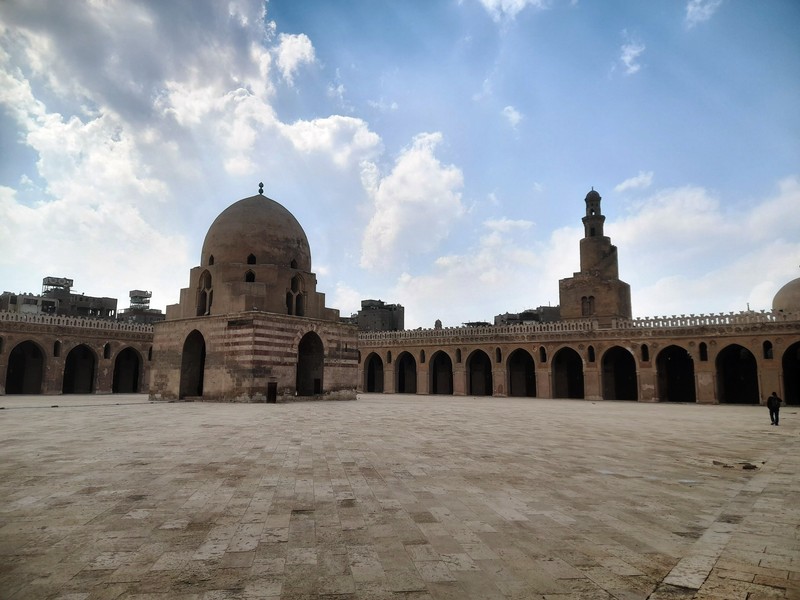
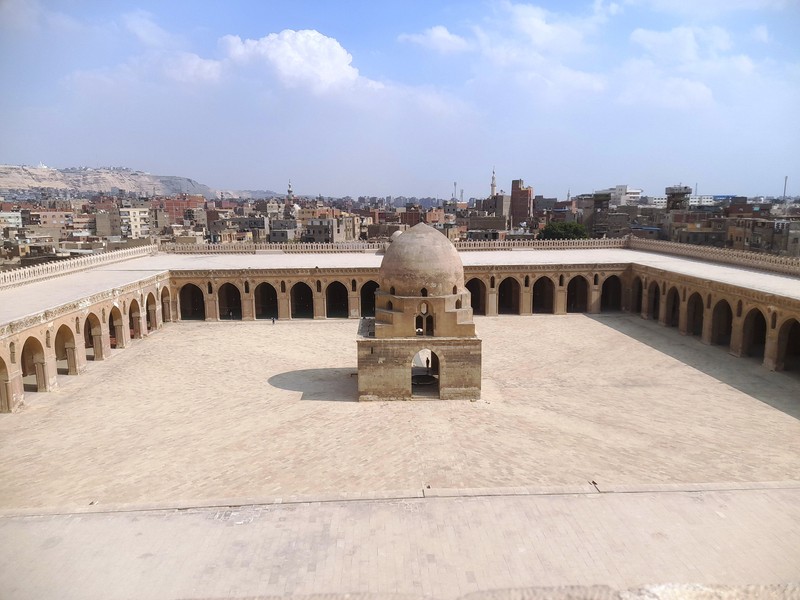
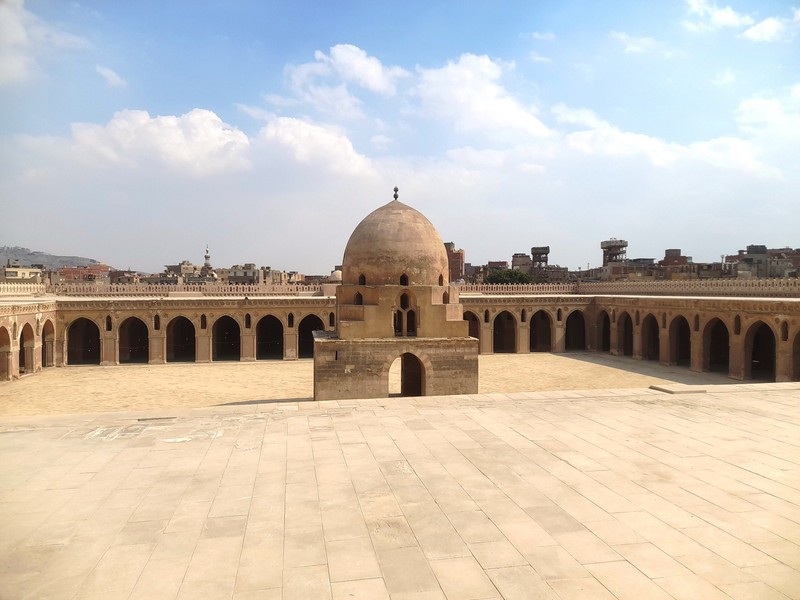
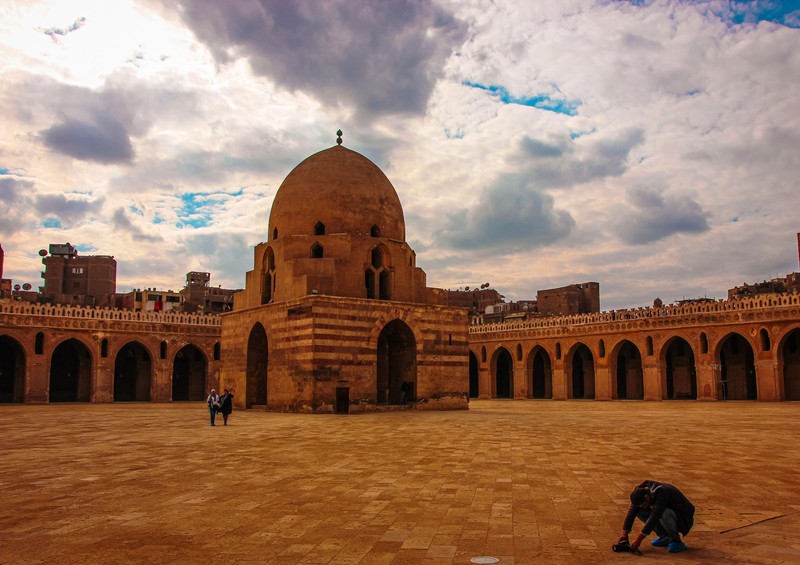
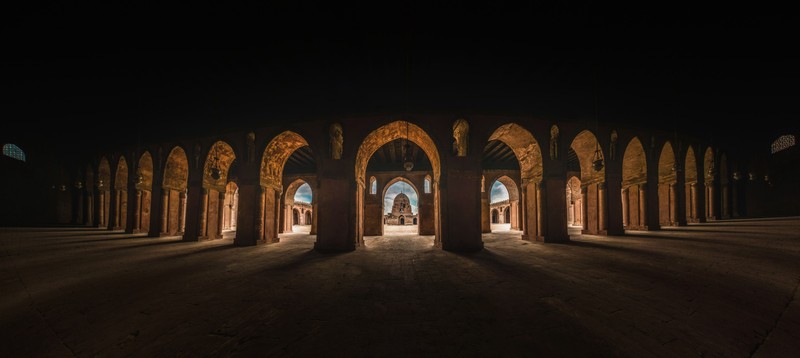
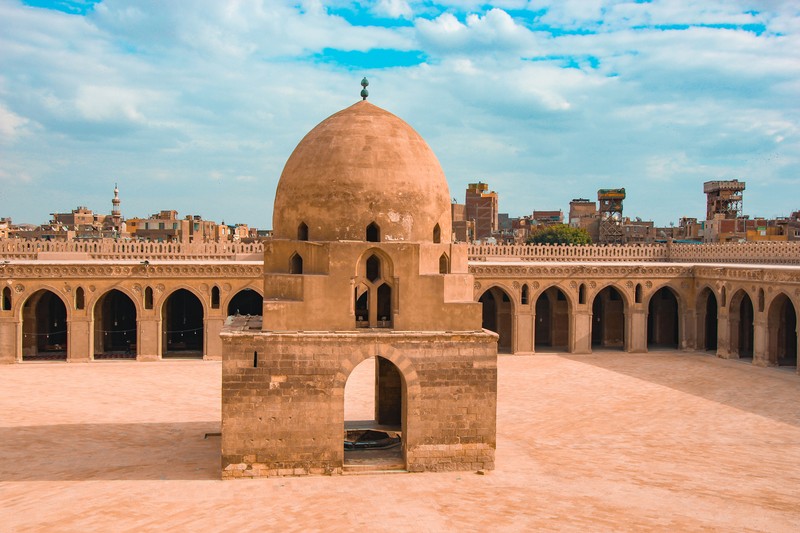
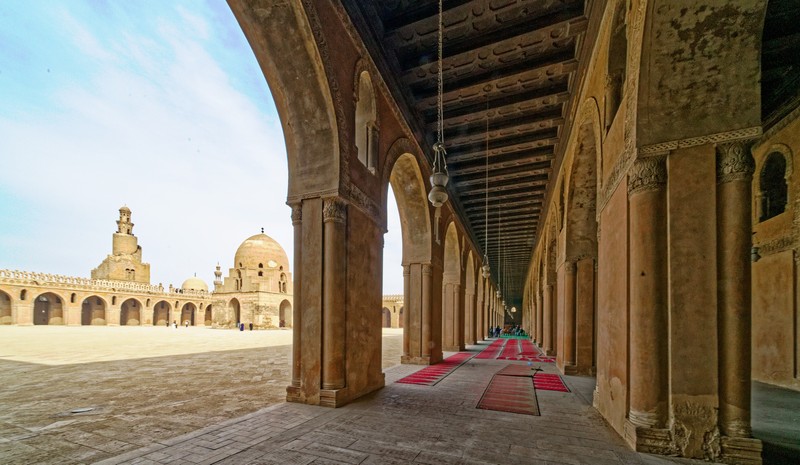
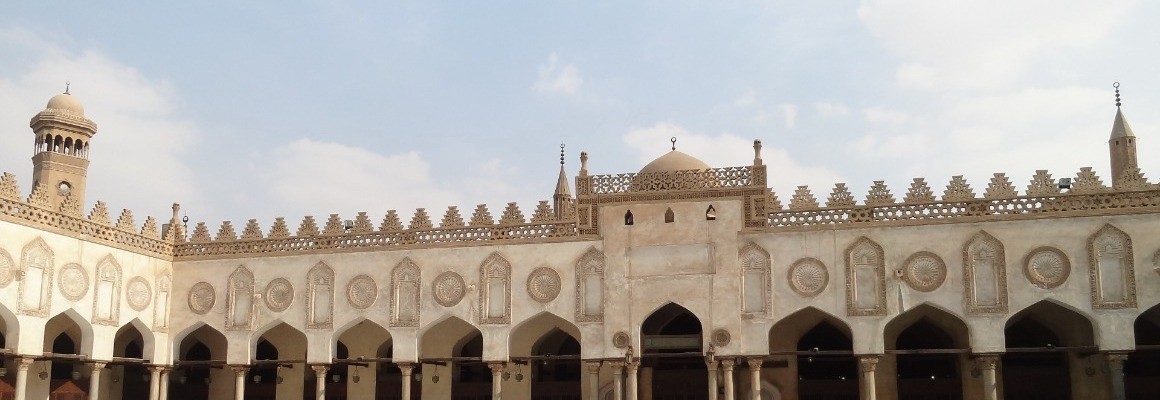
The mosque is a remarkable example of early Islamic architecture influenced by Abbasid traditions. Its nearly square plan, red brick, massive supports and repeating arches create a restrained monumental design. A large open courtyard lies at the centre, surrounded by four covered arcades. The deepest arcade is on the qibla side, which faces Mecca.
The spiral minaret
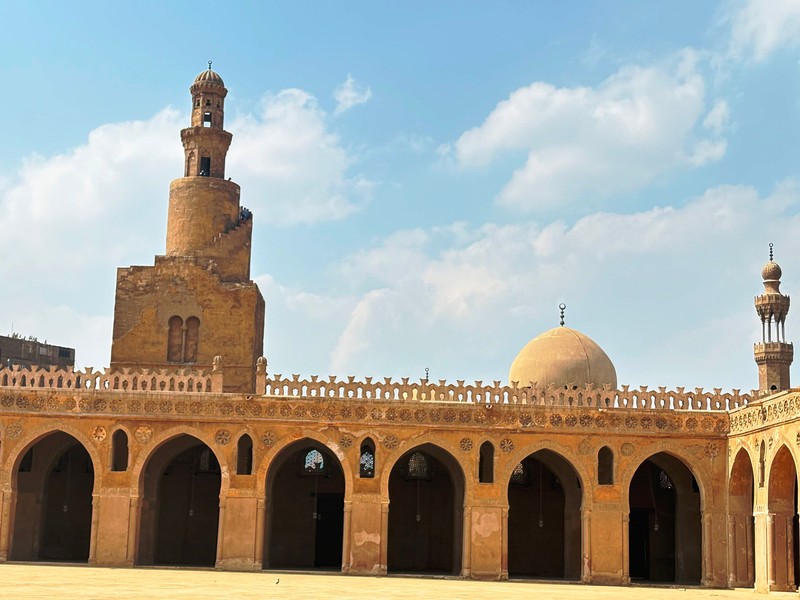
The mosque’s most recognisable feature is its spiral minaret, with an external staircase winding around the structure. Its design recalls the minaret of the Great Mosque of Samarra in Iraq, reflecting the influence of Abbasid artistic traditions on Egypt. The minaret’s present form also reflects medieval alterations and restoration work.
Arcades, mihrabs and decoration
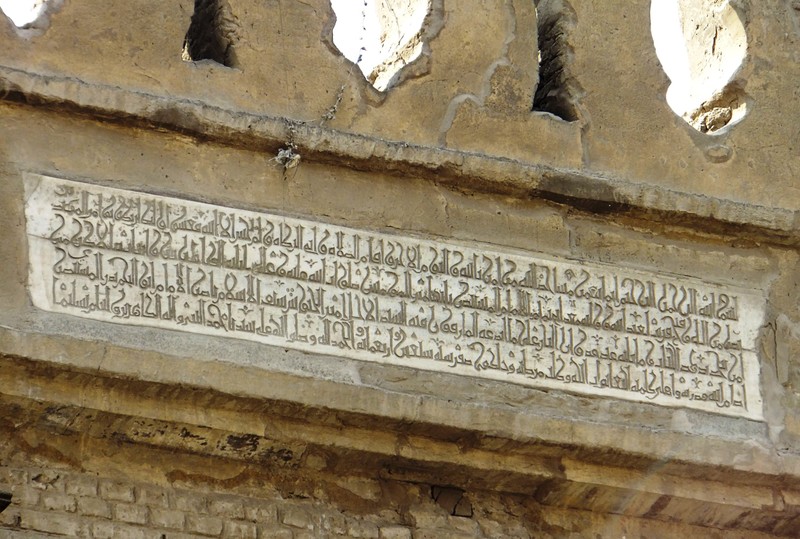
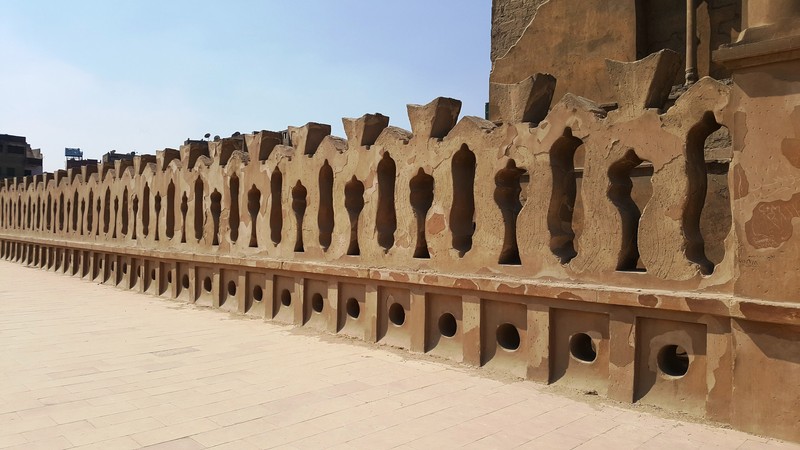
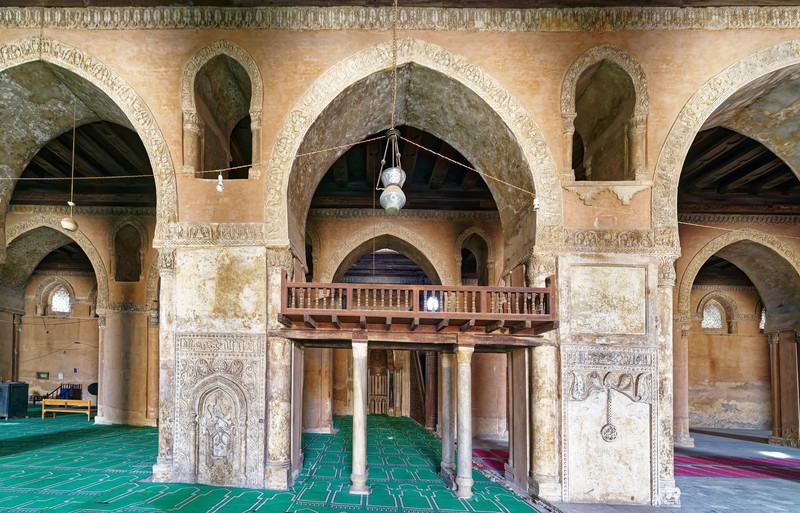
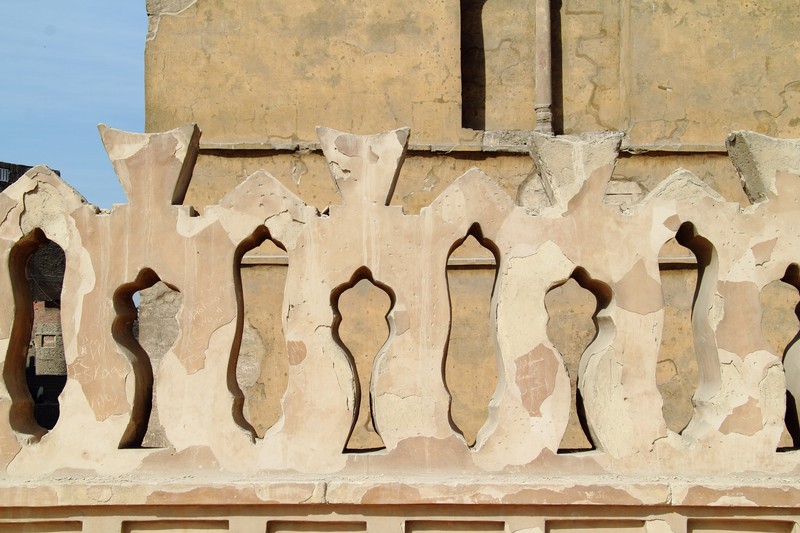
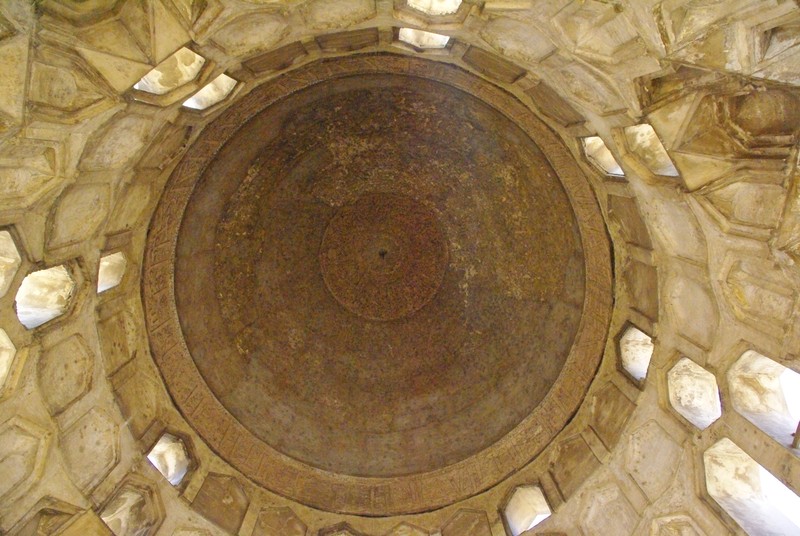
Four arcades surround the courtyard and provide broad covered spaces. Arches, windows and walls feature geometric and vegetal stucco patterns typical of Islamic art. The mosque contains several mihrabs, niches that indicate the direction of prayer. The main mihrab is more elaborately decorated. The historic minbar is associated with restoration work in the late thirteenth century.
The mosque in Cairo’s history
In the ninth century, the mosque stood at the heart of al-Qata'i, the capital founded by Ahmad ibn Tulun. Although the city was later destroyed, the mosque remained an important part of Cairo’s historic landscape. It provides a rare opportunity to understand the development of Egyptian Islamic architecture from early Abbasid forms to later styles.
UNESCO heritage and nearby sights
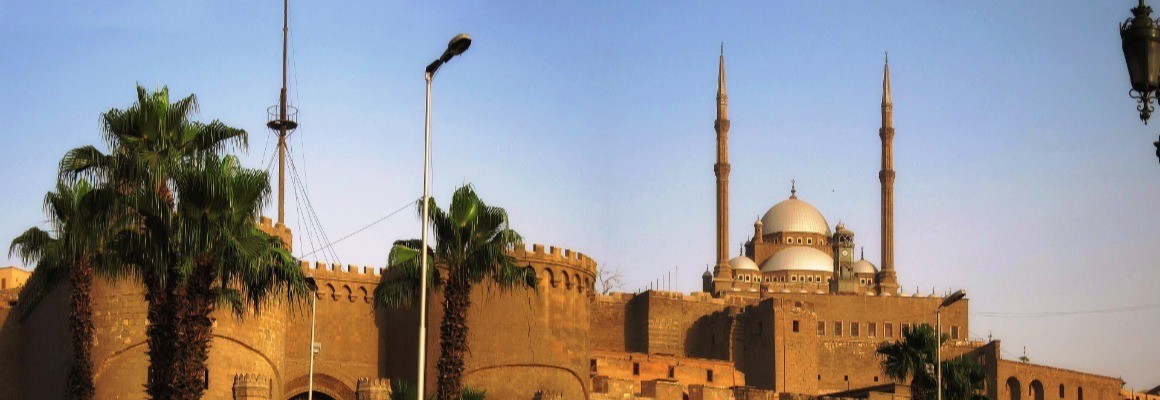
The mosque forms part of Historic Cairo, a UNESCO World Heritage site. A visit can be combined with the Citadel of Saladin, the Mosque of Muhammad Ali and the Mosque-Madrasa of Sultan Hassan. Together, these monuments reveal the changing architectural traditions of different centuries.
Planning a visit
The mosque is located at Ahmad Ibn Tulun Square in the Sayyida Zeinab district, on Al-Saliba Street. It can be reached by taxi, car or an organised tour of Islamic Cairo. Allow one to two hours to explore the courtyard, arcades and minaret. Visitors should respect the rules of this active religious site, dress modestly and check current visiting hours before travelling.
Why visit Ibn Tulun Mosque?
The spacious courtyard, spiral minaret, geometric ornament and early Abbasid architectural style make Ibn Tulun Mosque one of Cairo’s most distinctive historic monuments. It tells the story of the Tulunid dynasty, Egypt’s cultural connections with Iraq and the development of Islamic art.
Gallery