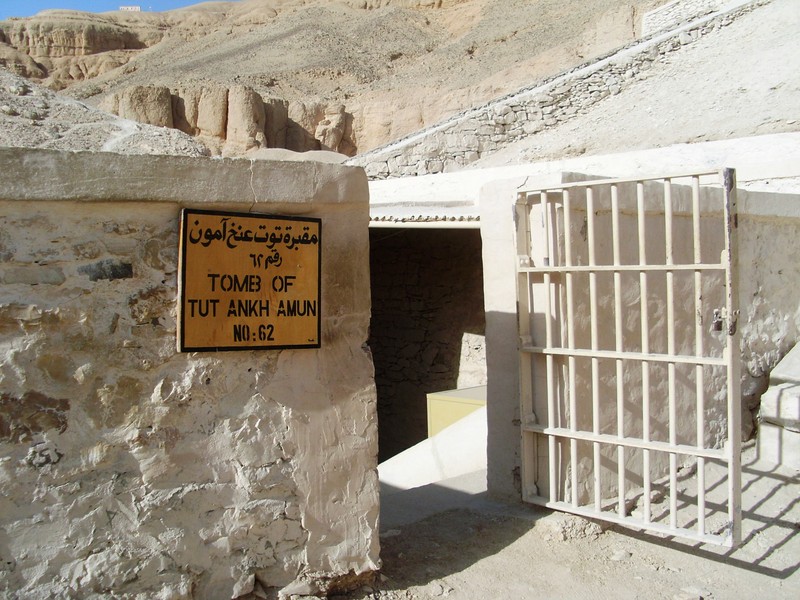
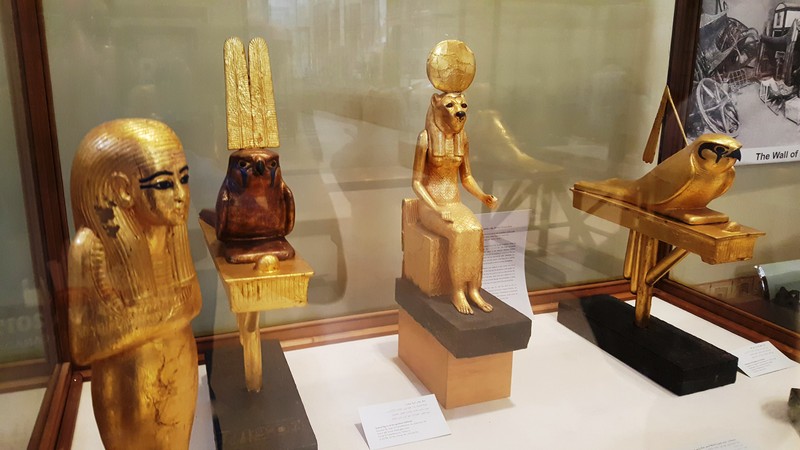
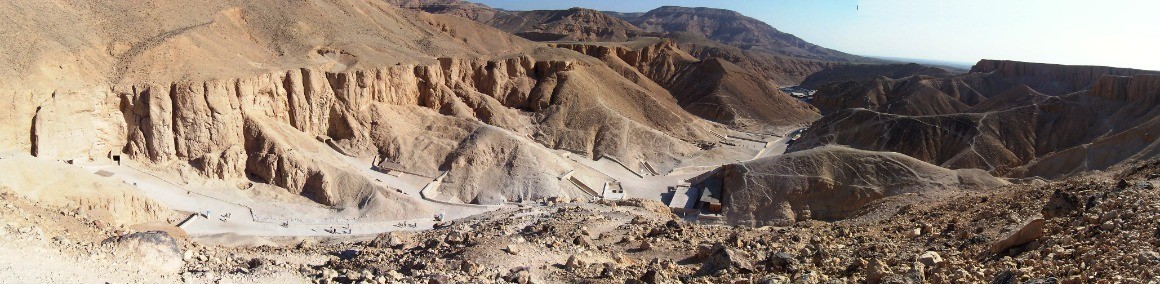
The Tomb of Tutankhamun is one of the most famous archaeological discoveries of the 20th century and a major attraction in Luxor’s Valley of the Kings. It was discovered on 4 November 1922 by the expedition of British archaeologist Howard Carter, supported by Lord Carnarvon. Unlike many Egyptian royal tombs that were plundered in antiquity, KV62 survived largely intact and contained thousands of objects intended to accompany the king into the afterlife.
Who was Tutankhamun?
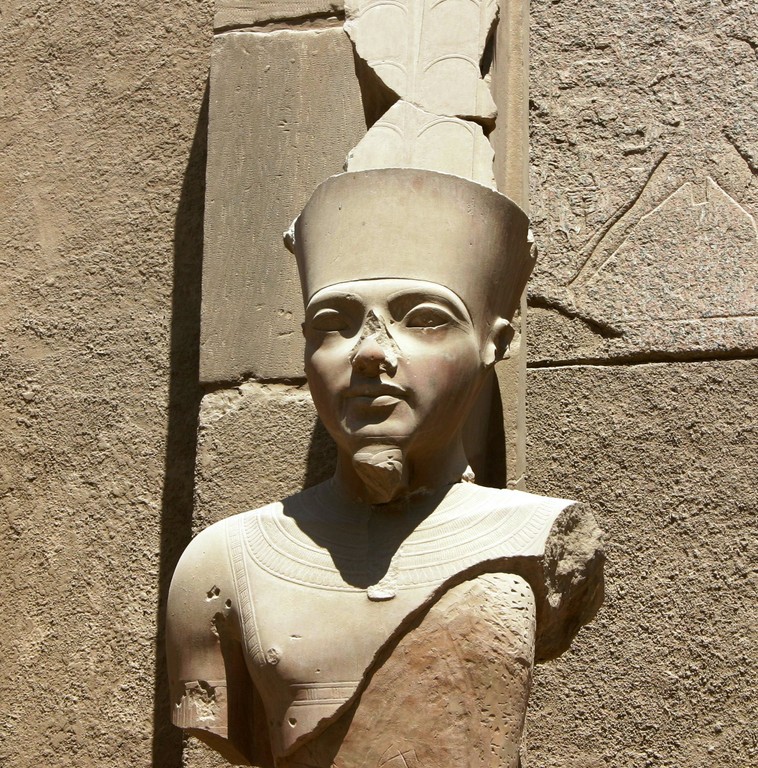
Tutankhamun was a pharaoh of the 18th Dynasty who ruled Egypt in the 14th century BCE. He ascended the throne as a child and died at approximately 18 or 19 years of age. The exact circumstances of his death remain debated. During his reign, traditional Egyptian religious practices were restored after the promotion of the Aten under Akhenaten. The young king was initially known as Tutankhaten and later took the name Tutankhamun. Although his reign was short, the remarkable preservation of his burial made him one of the best-known pharaohs.
Howard Carter’s discovery
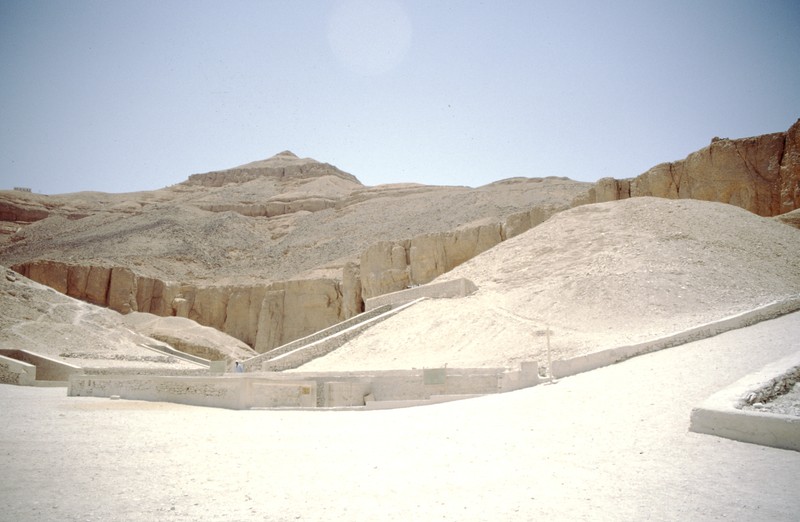
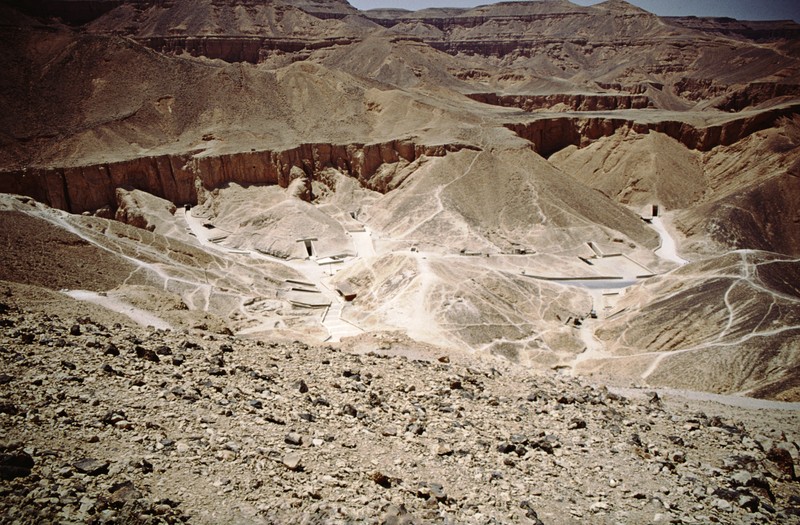
Howard Carter spent years searching the Valley of the Kings for a royal burial that had escaped extensive looting. On 4 November 1922, workers uncovered steps leading down into the bedrock. The team found a sealed entrance and carefully cleared the passage. After Lord Carnarvon arrived in Egypt, the excavators gained access to the tomb’s rooms. Recording and removing the finds took several years because each object required documentation, photography and conservation.
Layout of the tomb
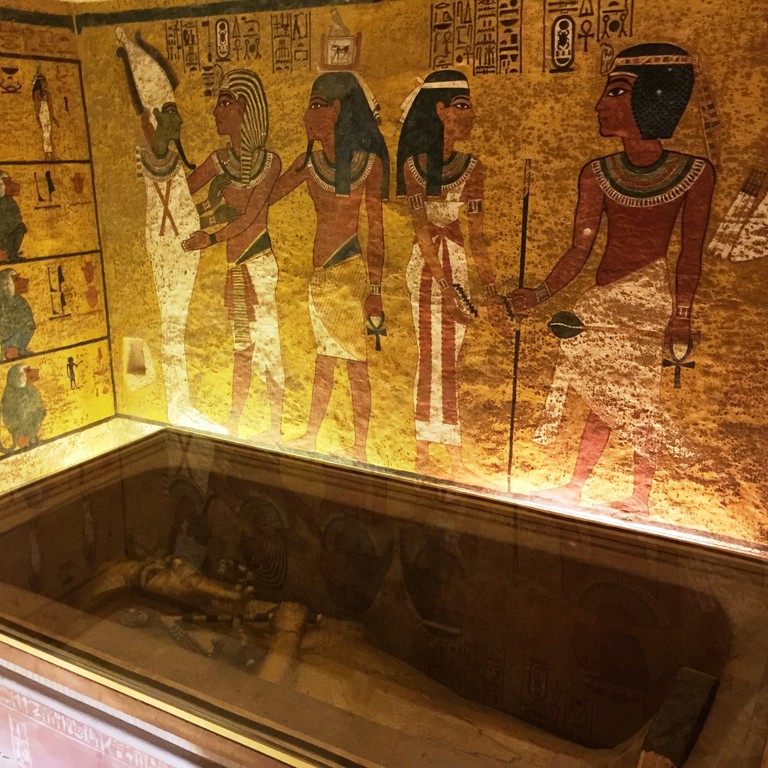
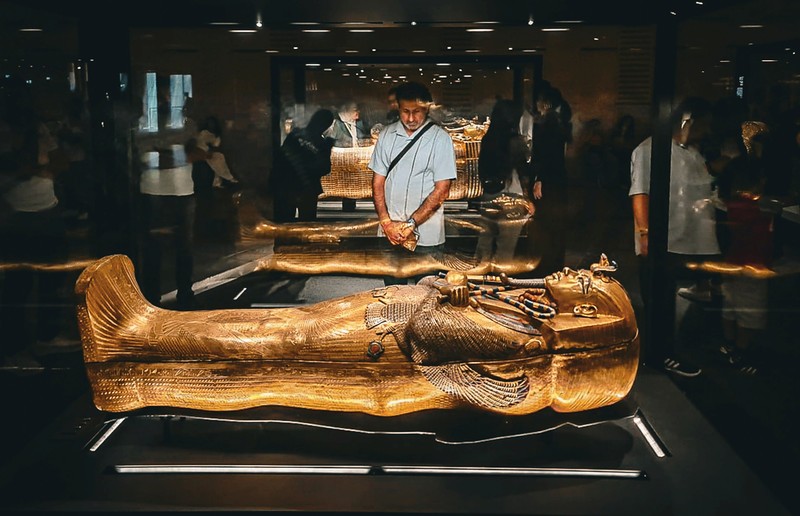
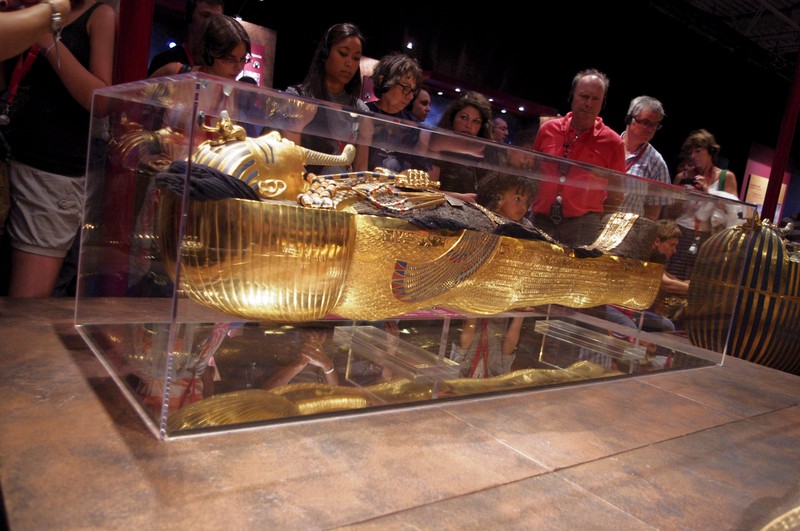
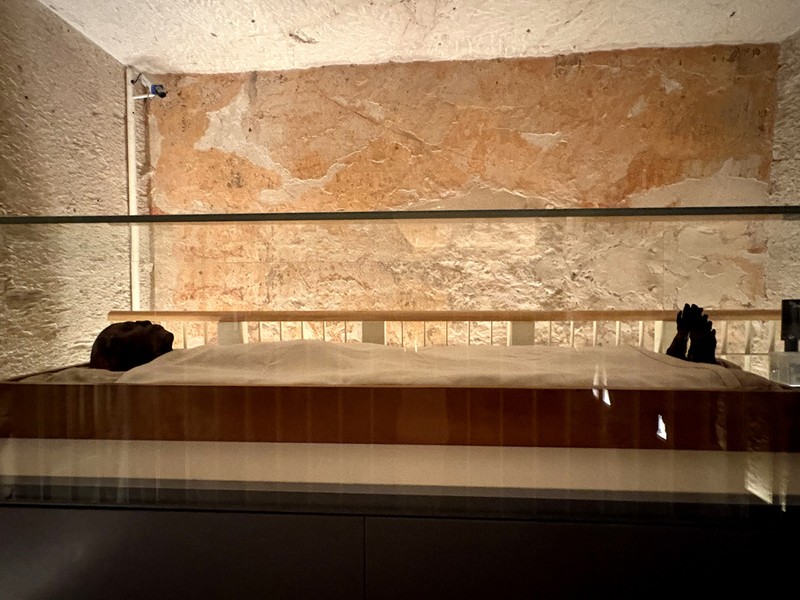
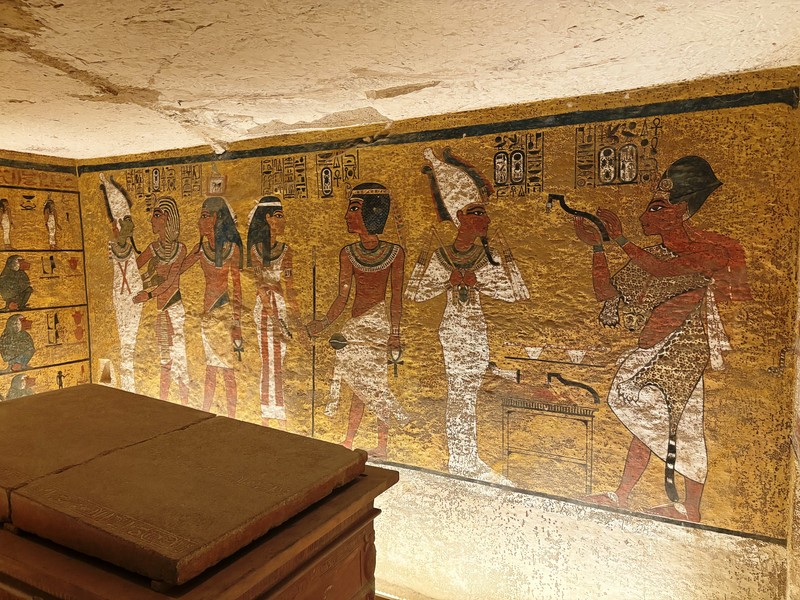
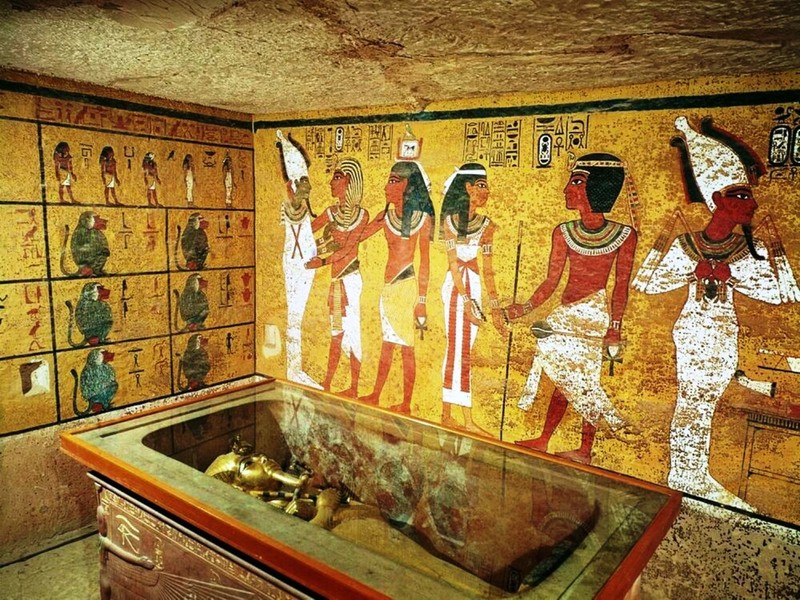
KV62 includes an entrance staircase, a descending corridor, an antechamber, a side annex, a burial chamber and a treasury. The rooms are relatively small, and objects were packed tightly into the available space. The burial chamber is the principal decorated room. At its centre stood a stone sarcophagus containing a series of nested funerary structures. Several gilded shrines surrounded the inner coffin containing the king’s mummy, providing layers of symbolic and physical protection.
The golden mask and treasures
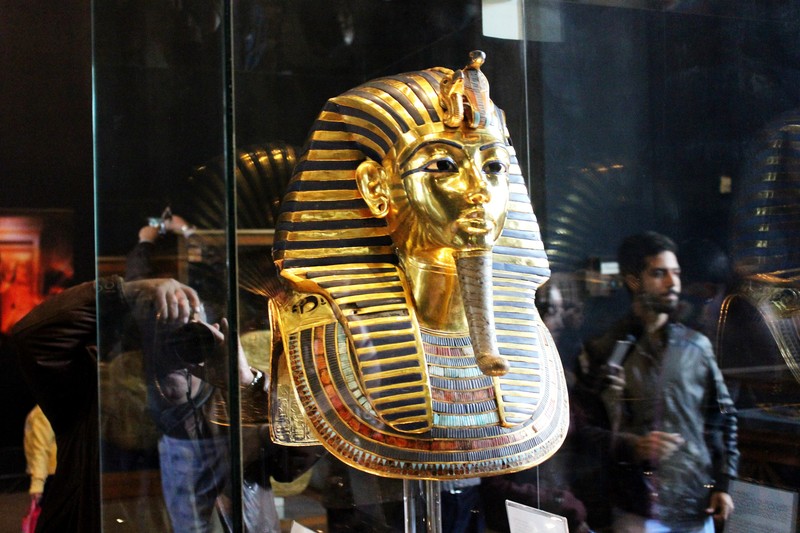
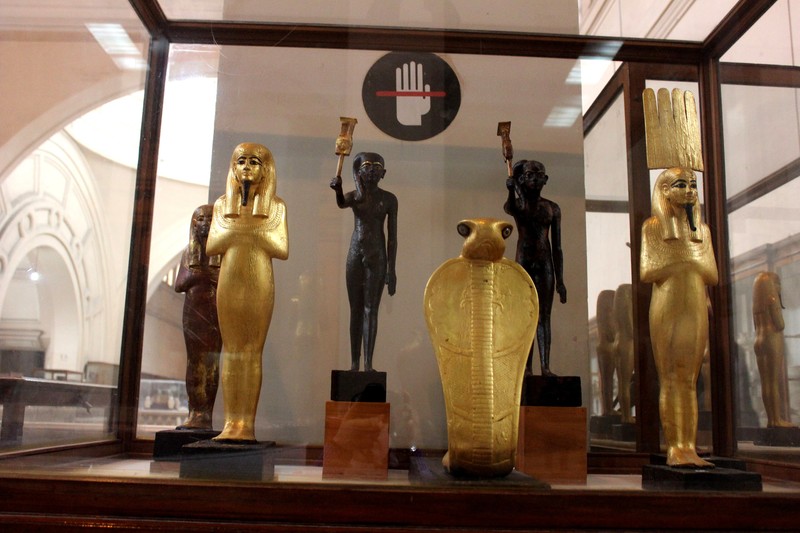
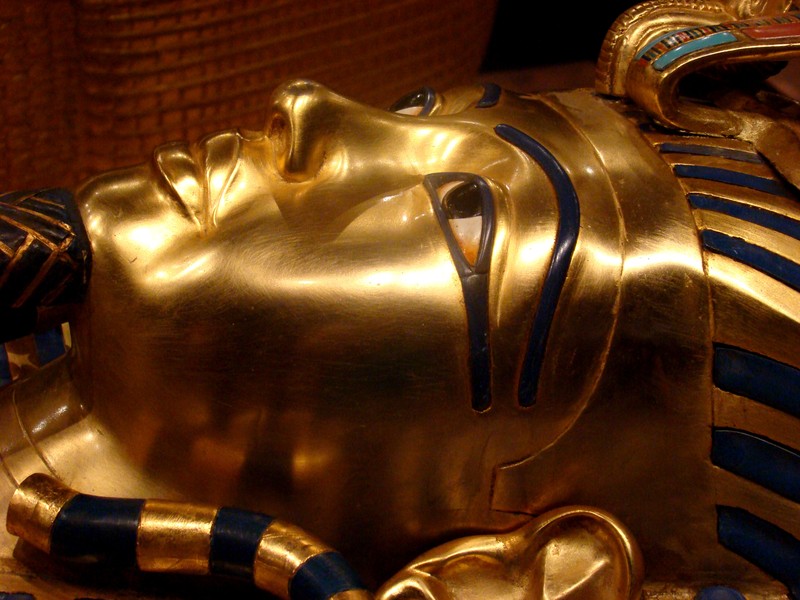
The most recognisable object is Tutankhamun’s golden funerary mask. It depicts the king wearing the nemes headdress and a false beard, with the cobra and vulture symbols of royal authority on his forehead. Coloured inlays decorate the gold surface. The mask covered the mummy’s head and was intended to provide divine protection in the afterlife. Other discoveries included jewellery, gold objects, vessels, clothing, sandals, cosmetics, furniture, beds, chariots, bows, arrows, daggers and ritual equipment. The tomb yielded roughly 5,000 objects or individual item groups, depending on the method of counting.
The mummy and funerary beliefs
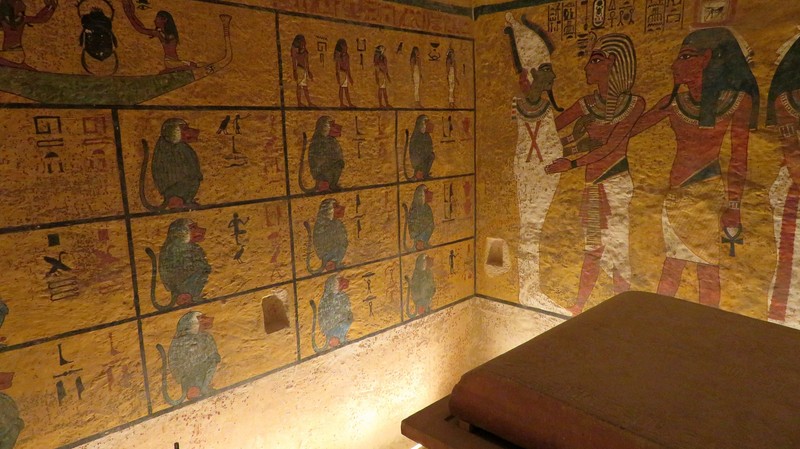
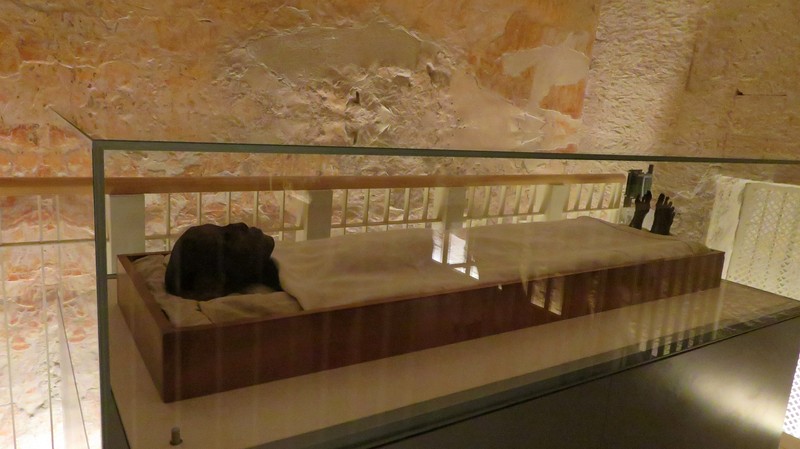
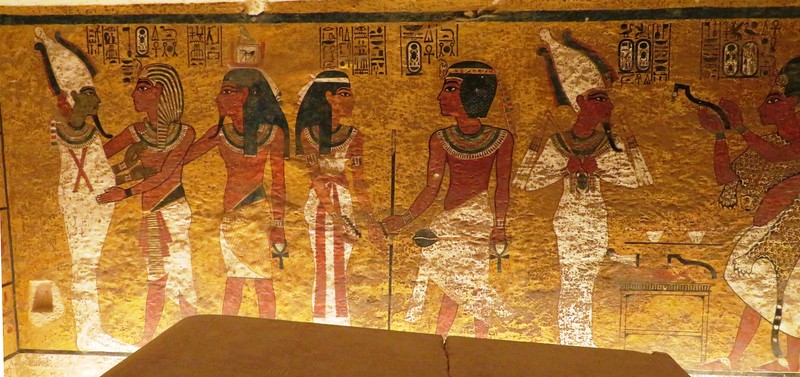
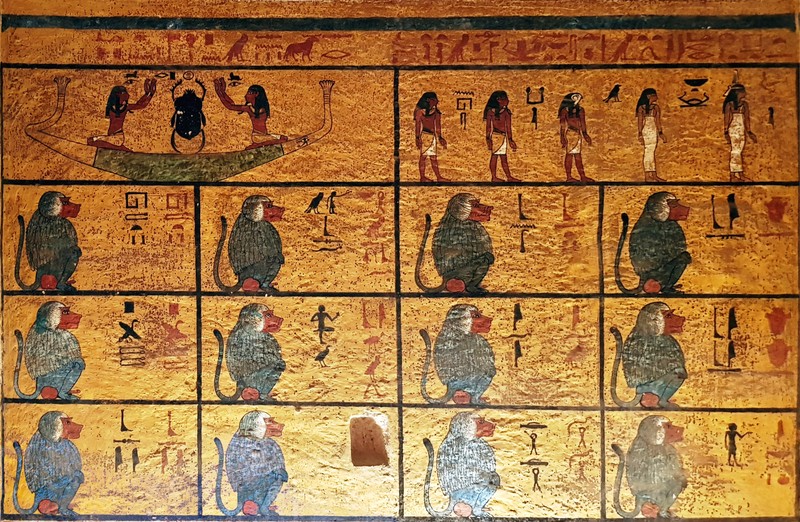
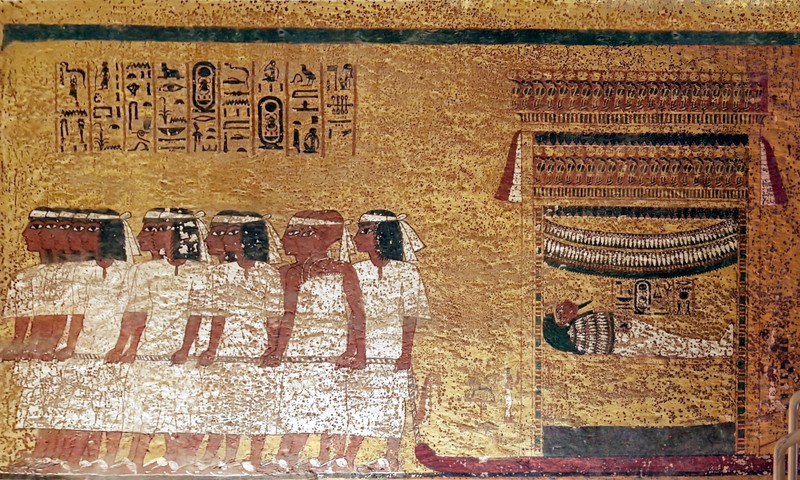
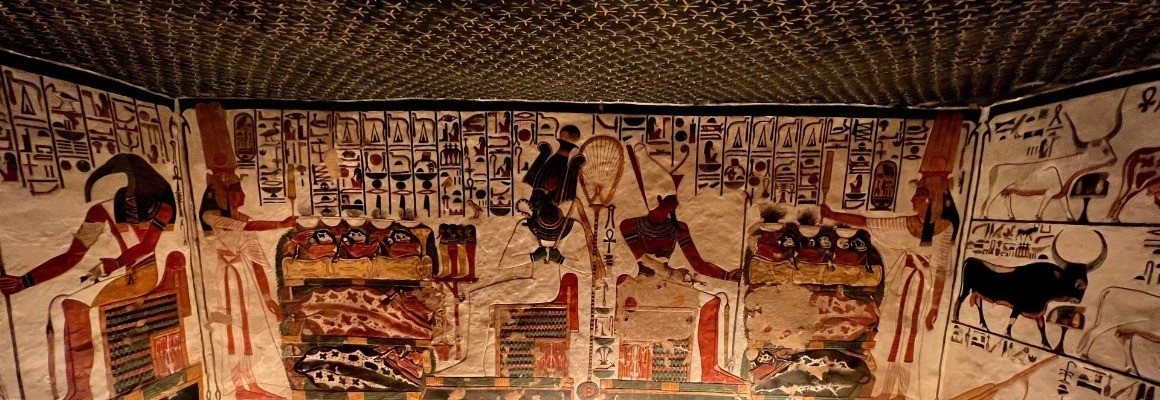
The burial chamber contained an outer quartzite sarcophagus decorated at its corners with protective goddesses. Several nested coffins lay inside, including the famous innermost gold coffin. The king’s mummy was wrapped in linen and accompanied by numerous funerary amulets. The chamber’s wall paintings show funeral rites, Tutankhamun with deities and scenes associated with entry into the afterlife. One image depicts his successor Ay performing the Opening of the Mouth ritual, which symbolically restored the deceased’s ability to breathe, speak and receive nourishment in the next world.
The curse of the pharaoh
After the tomb was opened, newspapers popularised stories about a curse associated with Tutankhamun. The legend grew after Lord Carnarvon died in 1923. There is no reliable evidence of a supernatural curse, however. Reports of mysterious deaths among the expedition’s members were exaggerated, and many people involved in the excavation lived for decades. The story became part of popular culture, but it should not be treated as a historical fact.
Archaeological importance and visiting
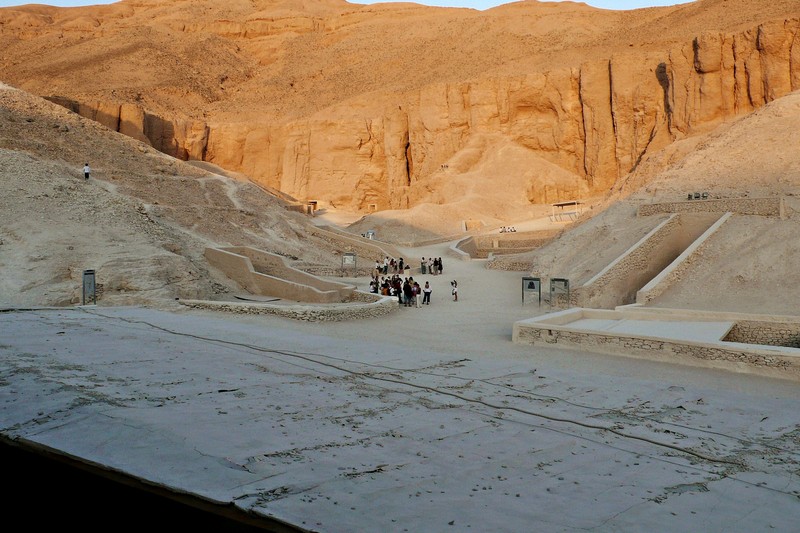
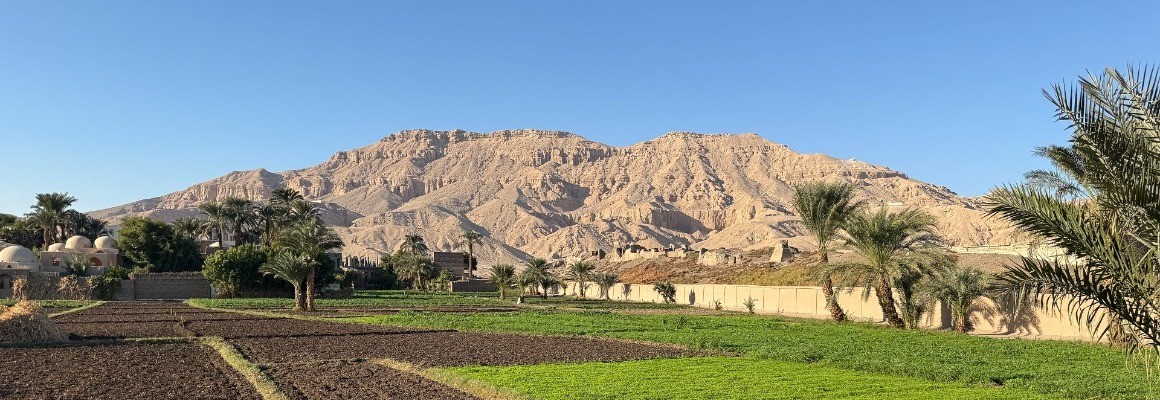
The discovery of KV62 transformed the study of royal burials in ancient Egypt. Its importance lies not only in the gold and jewellery, but also in the detailed records of thousands of objects and their original positions. The tomb lies in the Valley of the Kings on the west bank of the Nile opposite modern Luxor. Visitors can see the underground chambers, sarcophagus and surviving wall paintings, although many of the treasures are held in museum collections. Entry arrangements, ticket prices and photography rules can change, so check official Egyptian tourism information before visiting.
Gallery