History of the Valley of the Kings
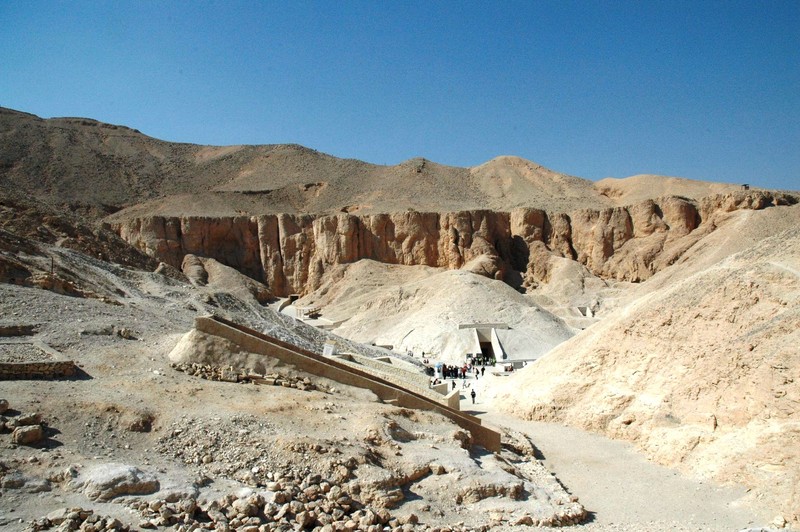
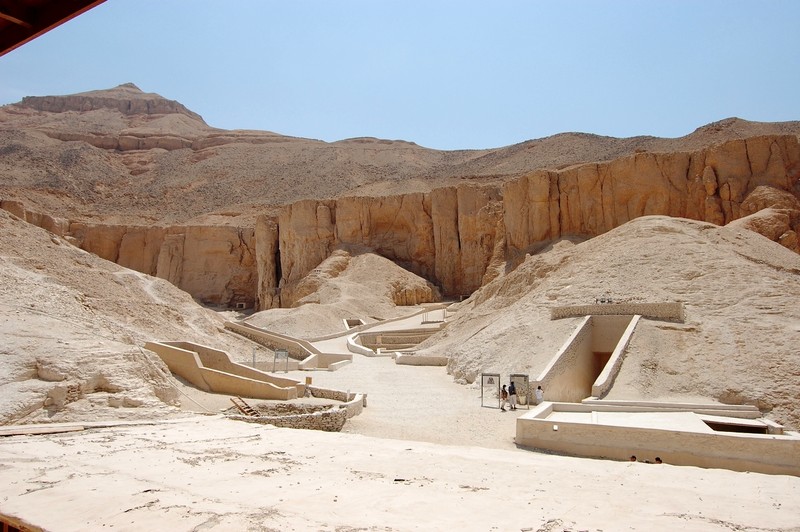
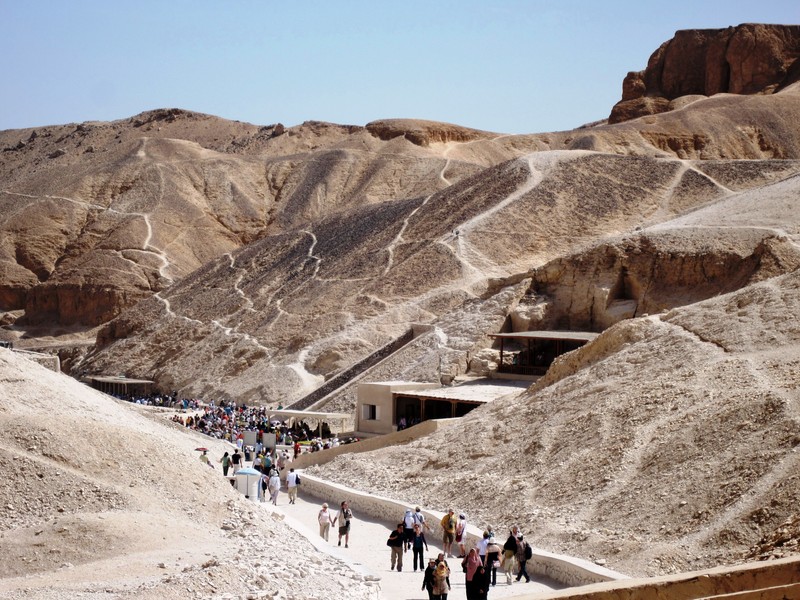
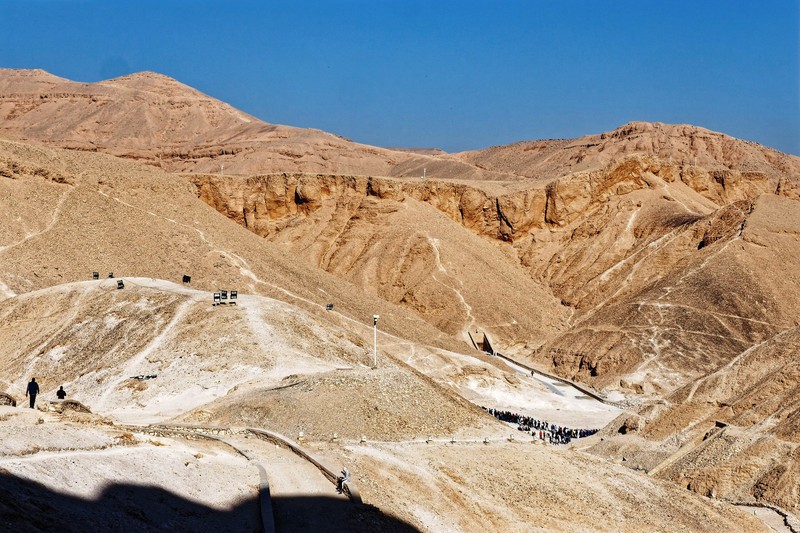
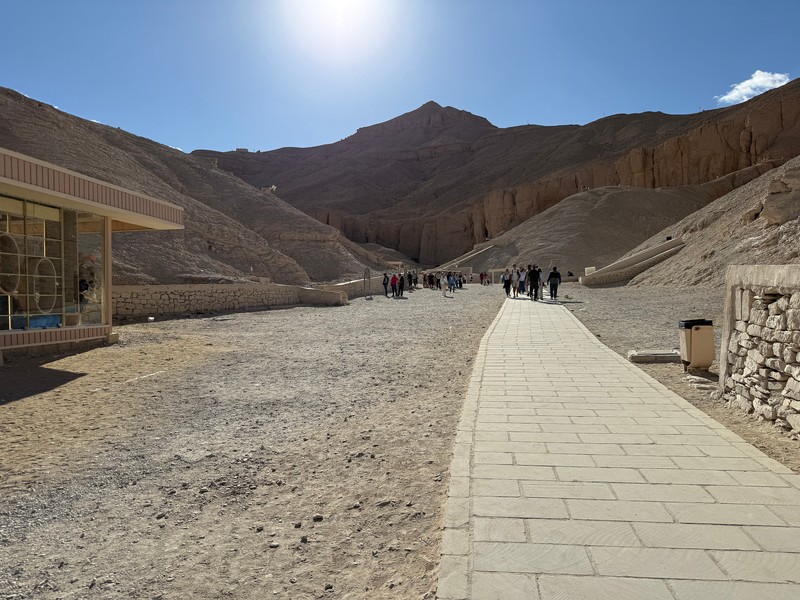
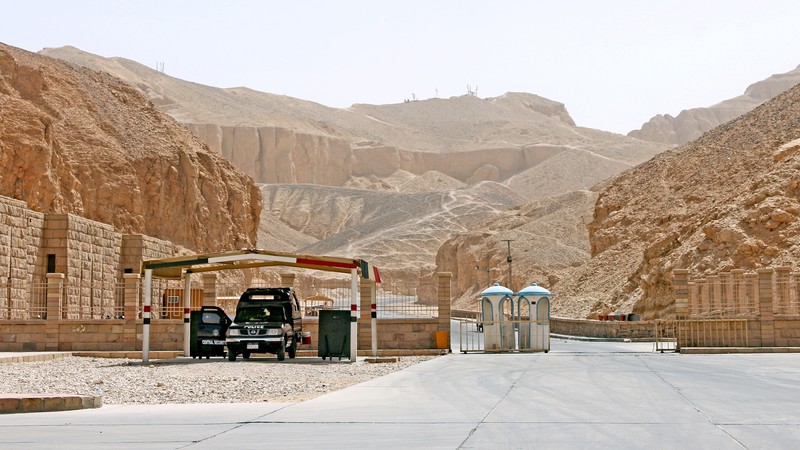
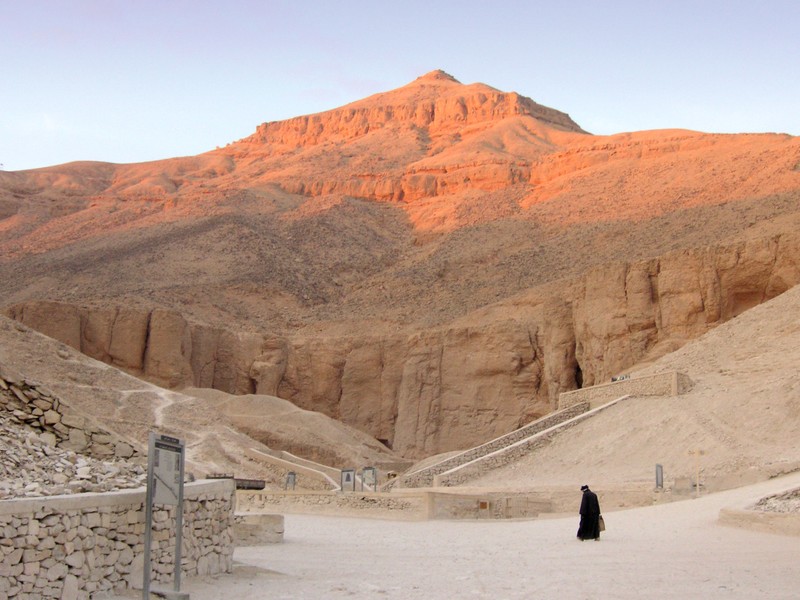
The Valley of the Kings is a famous archaeological necropolis on the west bank of the Nile near Luxor in southern Egypt. During the New Kingdom, pharaohs and members of the royal family were buried in underground tombs cut into the cliffs. The burial ground was used mainly from the 16th to the 11th century BCE.
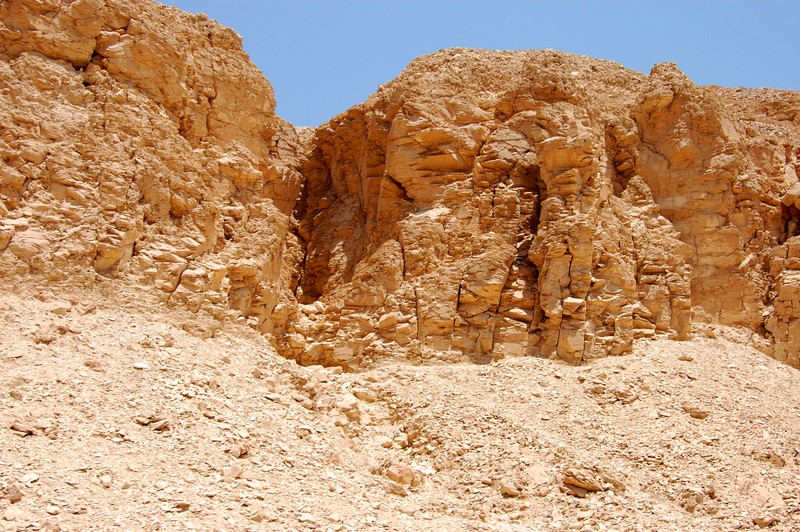
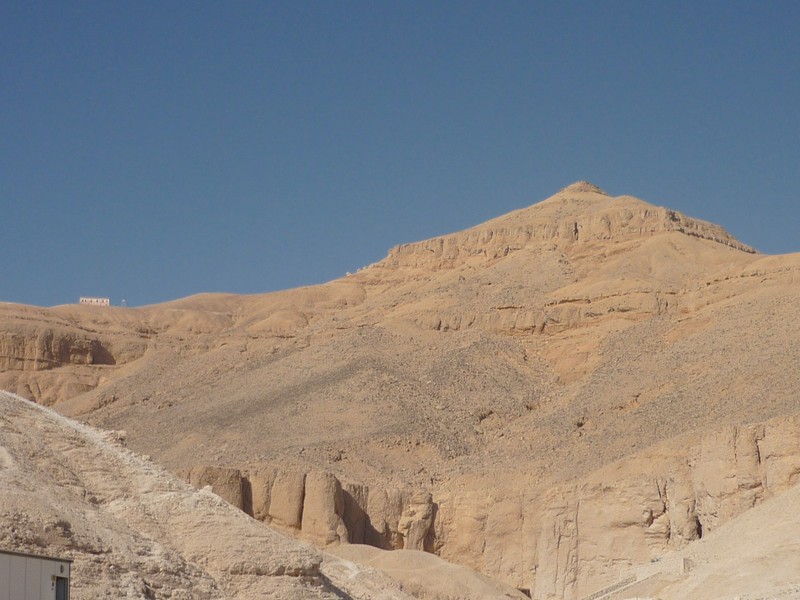
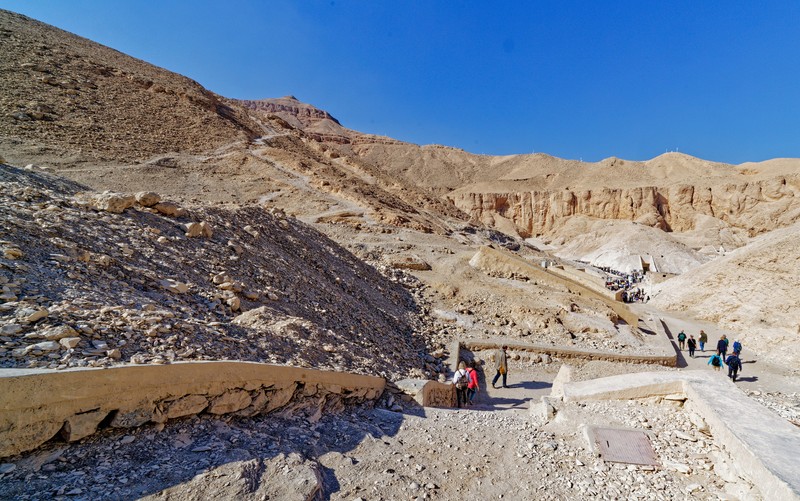
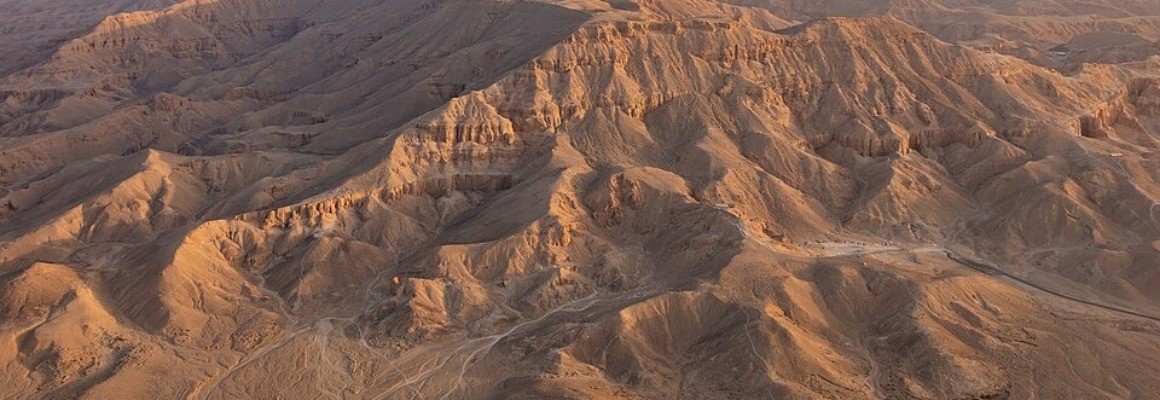
The rulers chose an isolated valley among the Theban hills. Unlike the monumental pyramids of earlier periods, these tombs were excavated deep into the rock, with entrances intended to be concealed from robbers. The west bank also held religious significance: the setting sun and the western horizon were associated with death and the afterlife.
Tombs and underground decoration
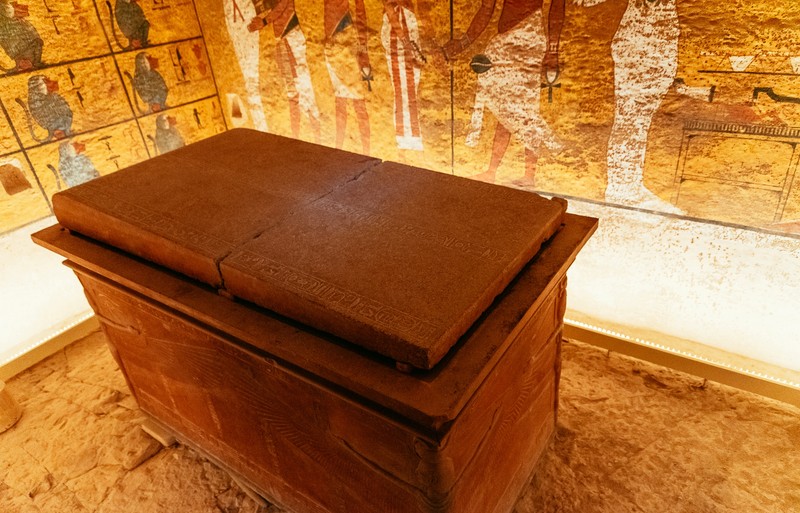
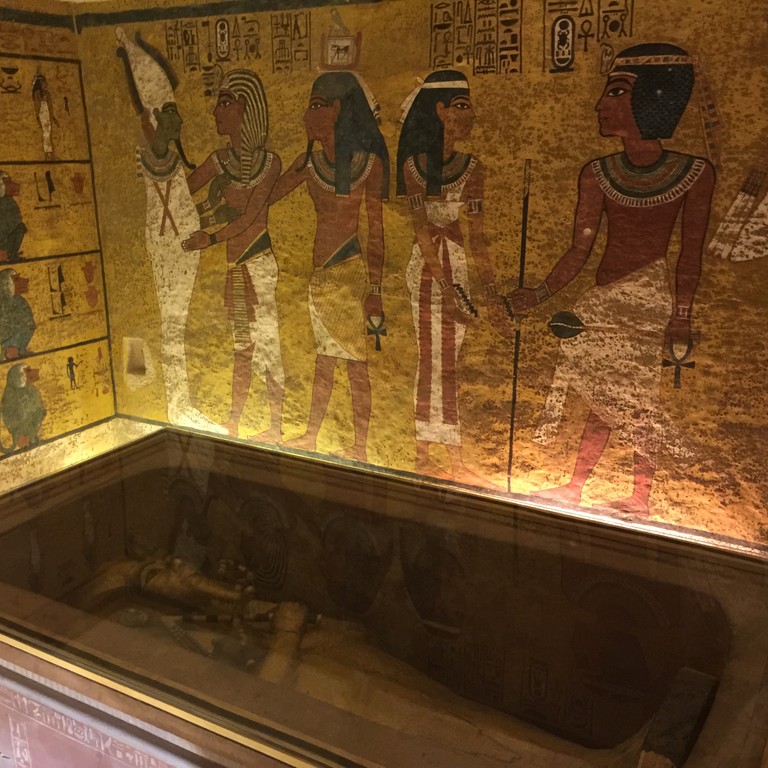
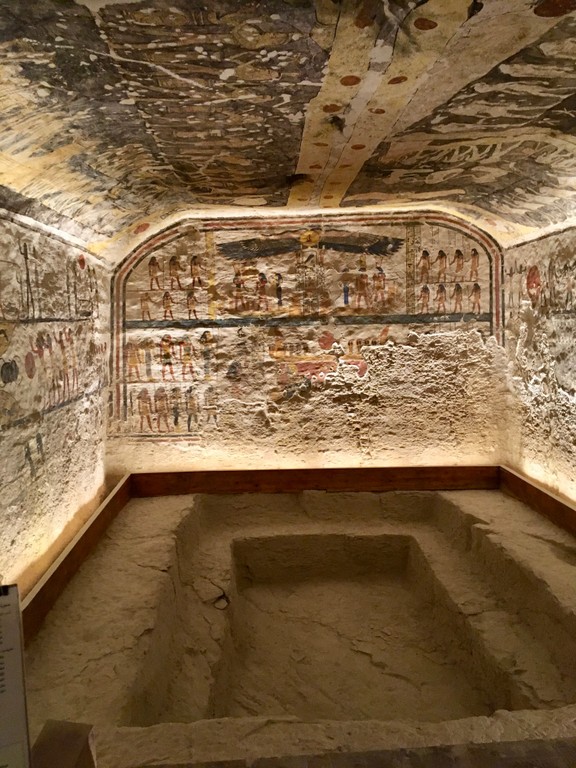
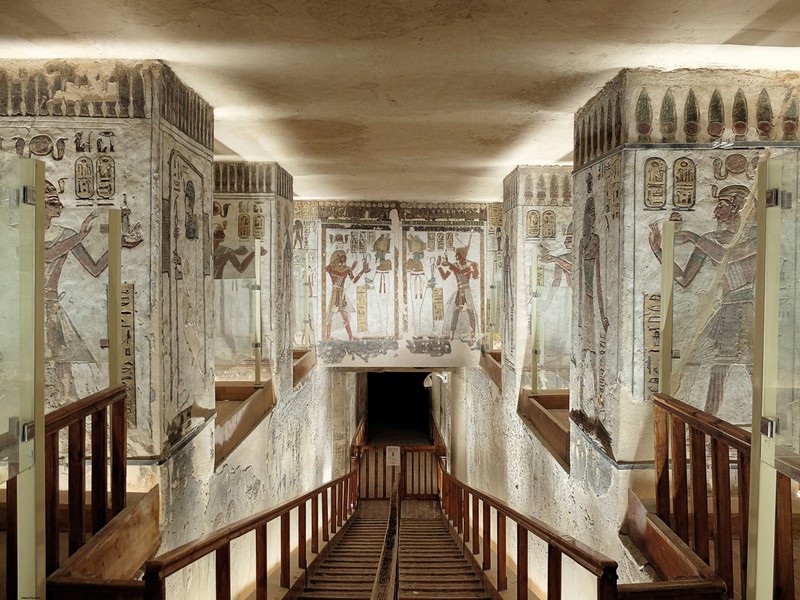
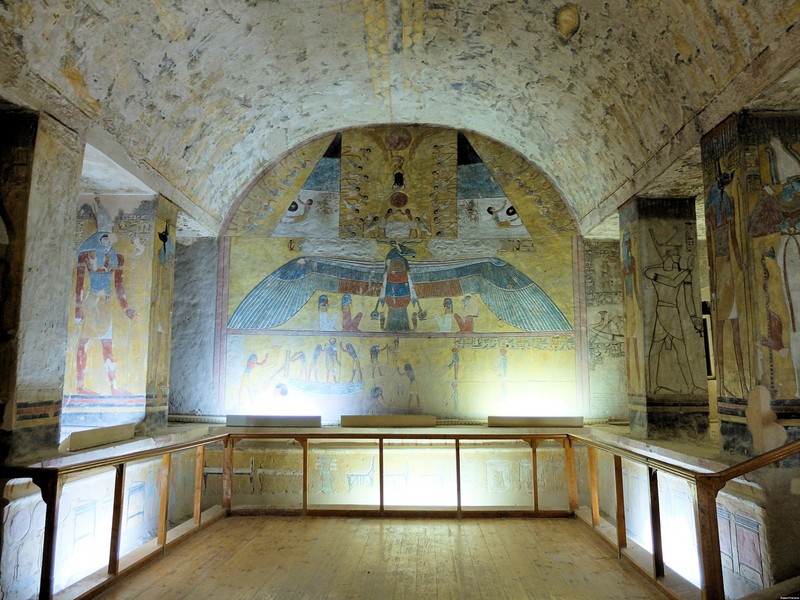
More than sixty tombs and a number of unfinished burial structures have been identified in the valley. Their corridors lead to chambers decorated with hieroglyphs, reliefs and colourful paintings. The scenes portray deities, sacred symbols and passages from religious compositions describing the deceased king’s journey through the afterlife.
Important texts include the Amduat, the Book of Gates and other funerary works. Tomb layouts and decoration varied according to the period and the ruler. The dry climate helped preserve many ancient colours, although the monuments require careful conservation and monitoring.
The tomb of Tutankhamun
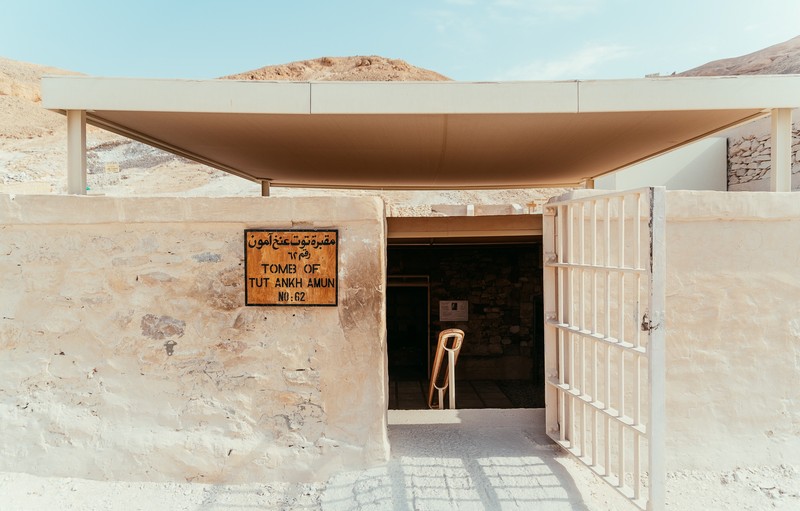
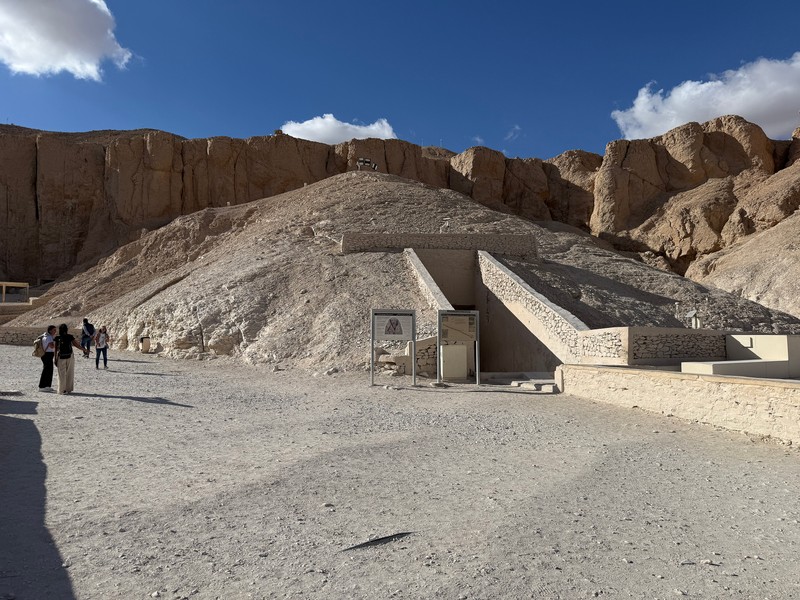
The valley’s best-known tomb is that of Tutankhamun, designated KV62. British archaeologist Howard Carter discovered it in 1922 with the support of Lord Carnarvon. The burial chamber contained a remarkable collection of funerary objects, jewellery, ritual items and royal treasures.
Tutankhamun’s golden funerary mask became one of the most recognisable symbols of ancient Egypt. The tomb itself is relatively small compared with several other royal burials, probably reflecting the king’s young age and short reign. He died in the 14th century BCE, and the discovery greatly expanded knowledge of New Kingdom royal burial practices.
Other notable tombs and conservation
The tomb of Ramesses VI is known for its elaborate astronomical ceiling, while the tomb of Seti I features long corridors and finely carved reliefs. The tomb of Ramesses III preserves religious scenes and ritual imagery. Not every tomb is open at the same time, and some require a separate ticket.
The Valley of the Kings forms part of the UNESCO World Heritage property Ancient Thebes with its Necropolis, inscribed in 1979. Archaeologists continue to study the inscriptions, burial customs and history of the tombs, while conservation teams work to protect the paintings from humidity and visitor impact.
Visiting the Valley of the Kings
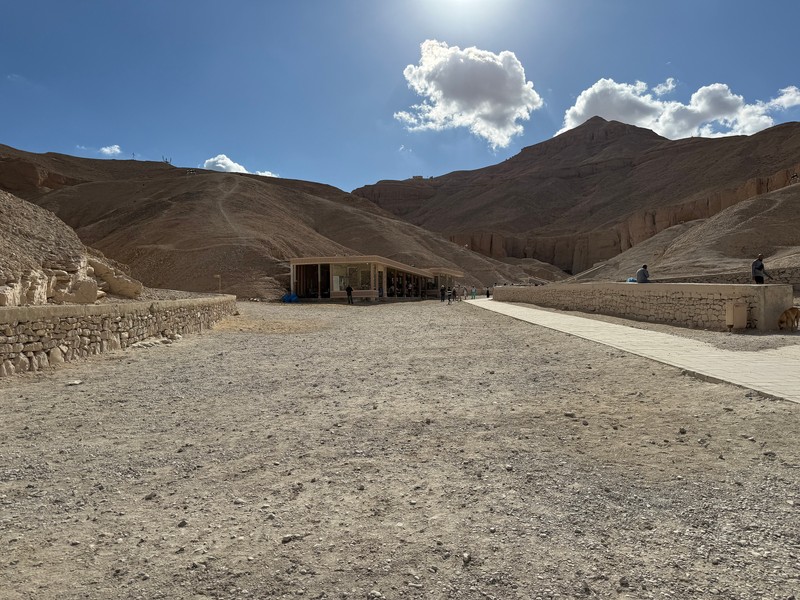
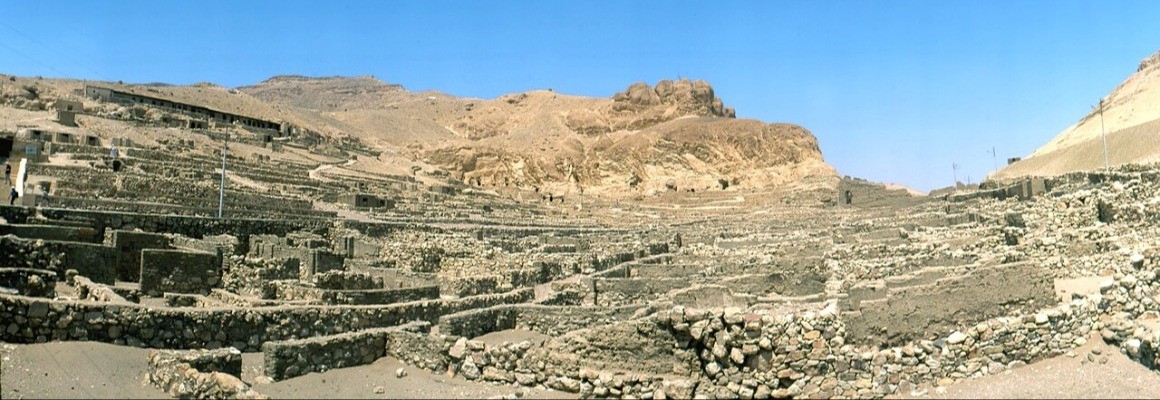
Visitors usually explore several tombs selected from those open to the public. Nearby attractions include the Temple of Hatshepsut at Deir el-Bahari, the Colossi of Memnon, the Valley of the Queens and the workers’ settlement of Deir el-Medina.
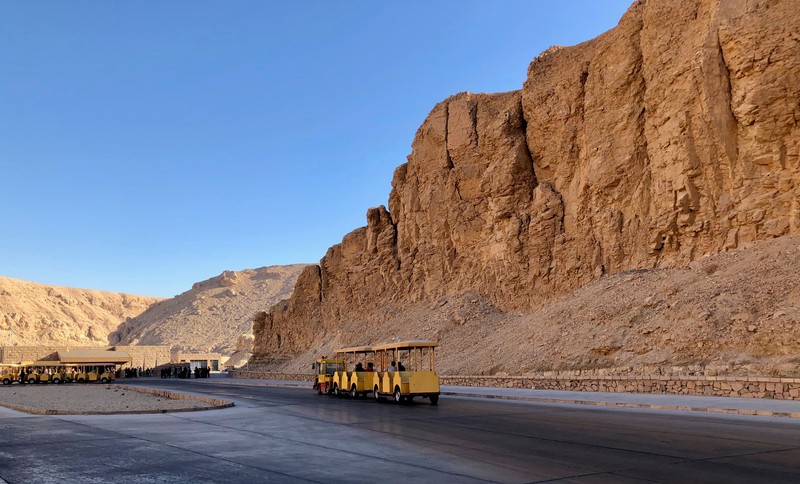
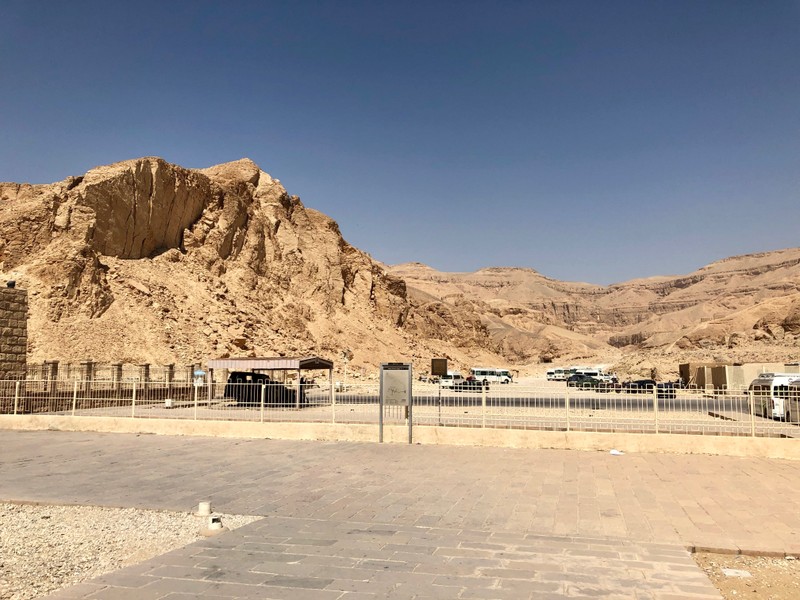
The valley can be reached from Luxor by car, taxi, tour vehicle or organised excursion. Early morning is usually the most comfortable time to visit, as summer temperatures can be very high and shade is limited. Bring water, comfortable shoes and sun protection. Check current opening hours, ticket prices, photography rules and tomb access before travelling.
Gallery