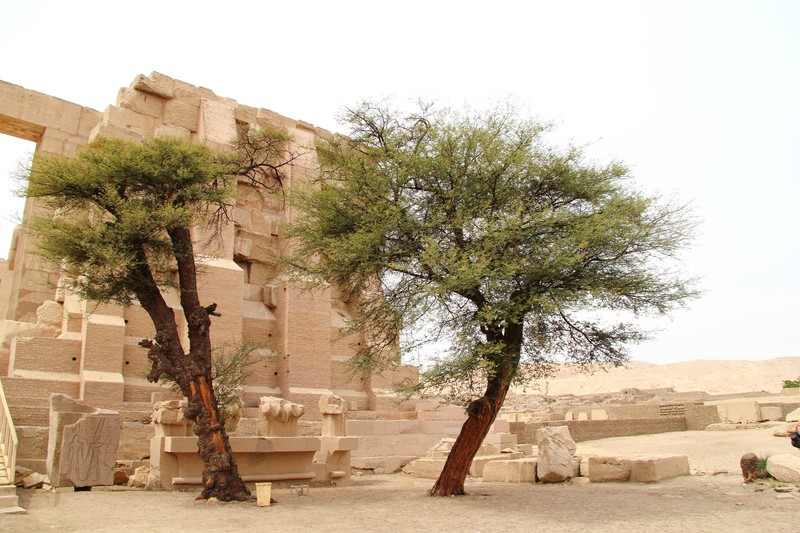
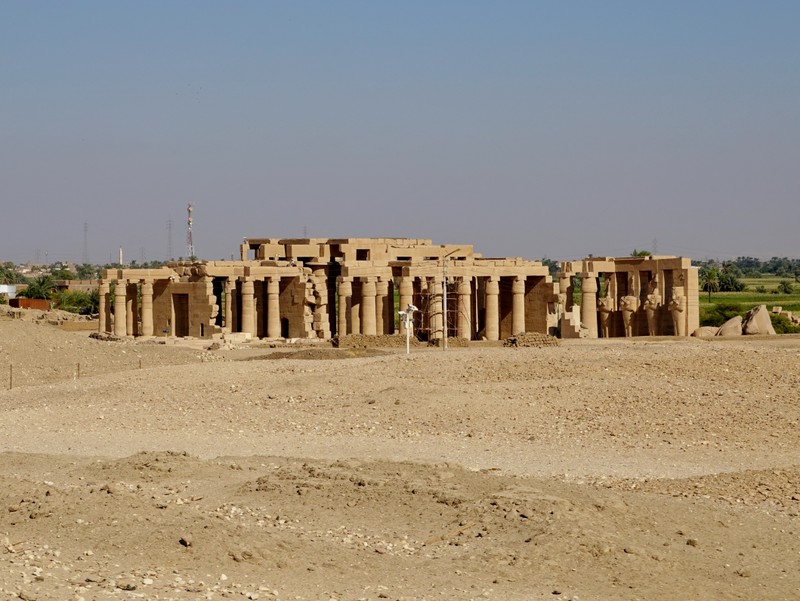
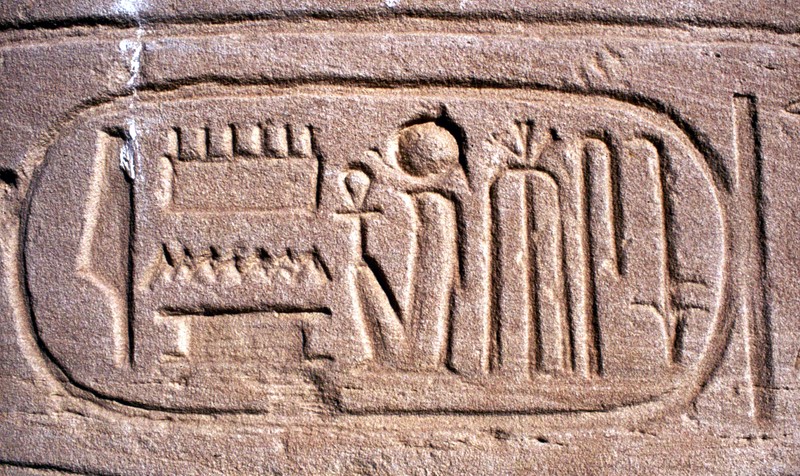
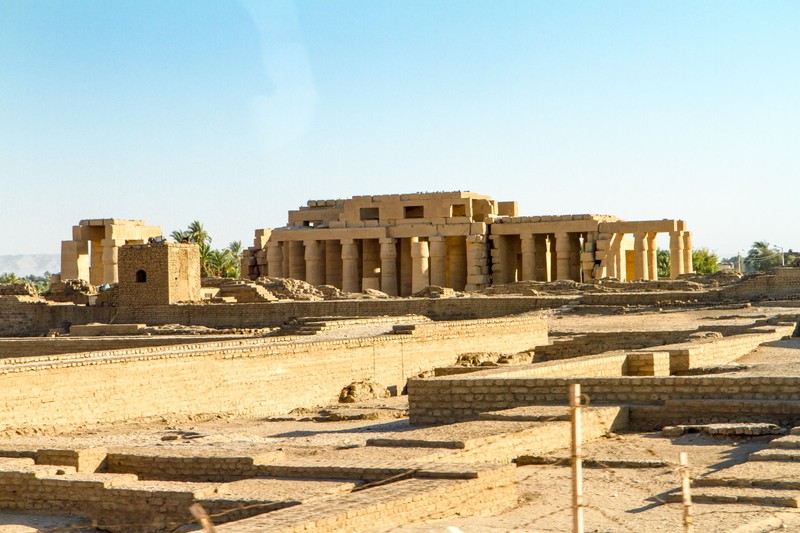
The Ramesseum is the mortuary temple of Pharaoh Ramesses II on the west bank of the Nile at Luxor. Built in the 13th century BCE, it commemorated one of ancient Egypt’s most powerful rulers. The complex was dedicated to the king’s funerary cult and the god Amun.
History of the Temple
Ramesses II ruled around 1279–1213 BCE and left behind numerous temples, statues and inscriptions. The Ramesseum formed part of a major building programme on the west bank of ancient Thebes. It was known as a temple of millions of years, intended to preserve the king’s memory and his relationship with the gods after death.
The Colossal Statue
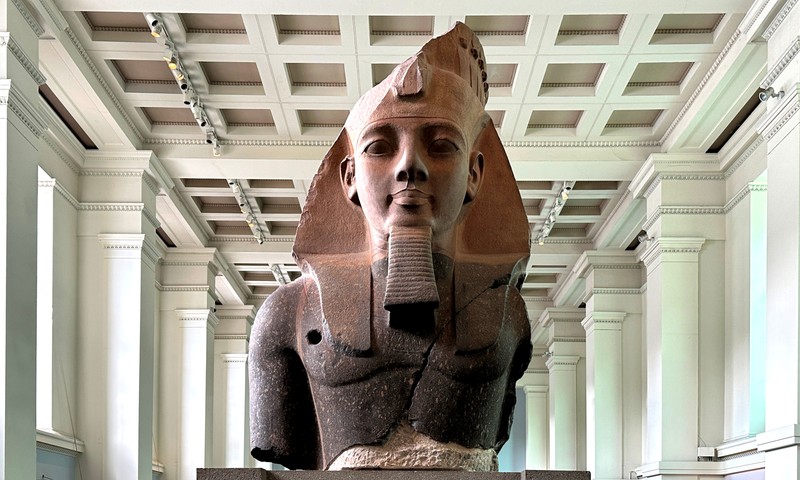
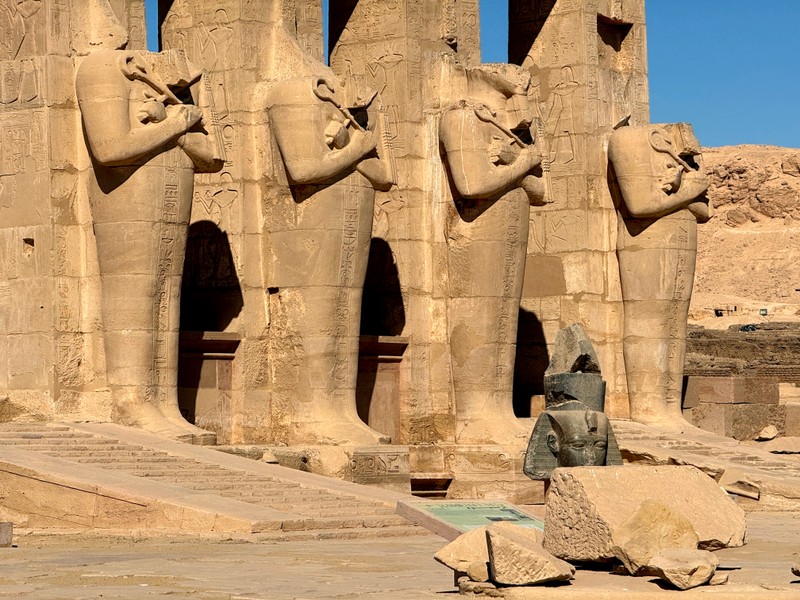
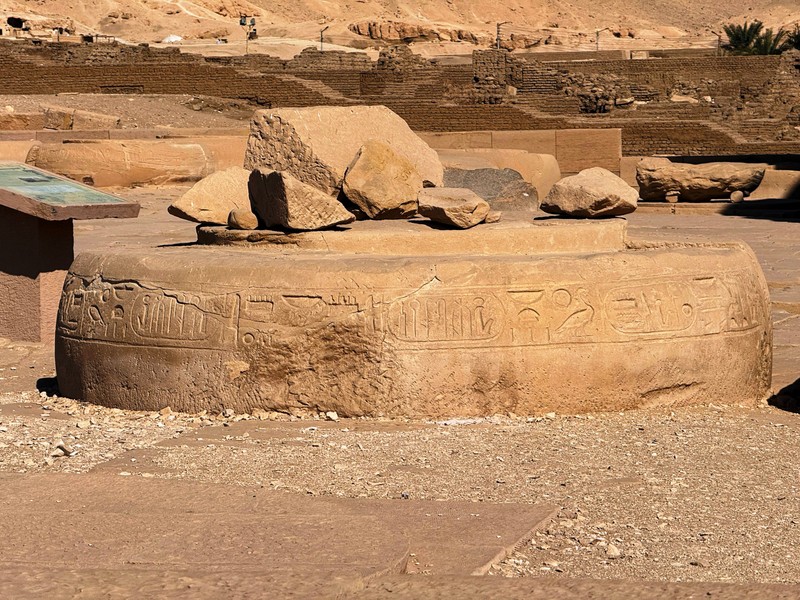
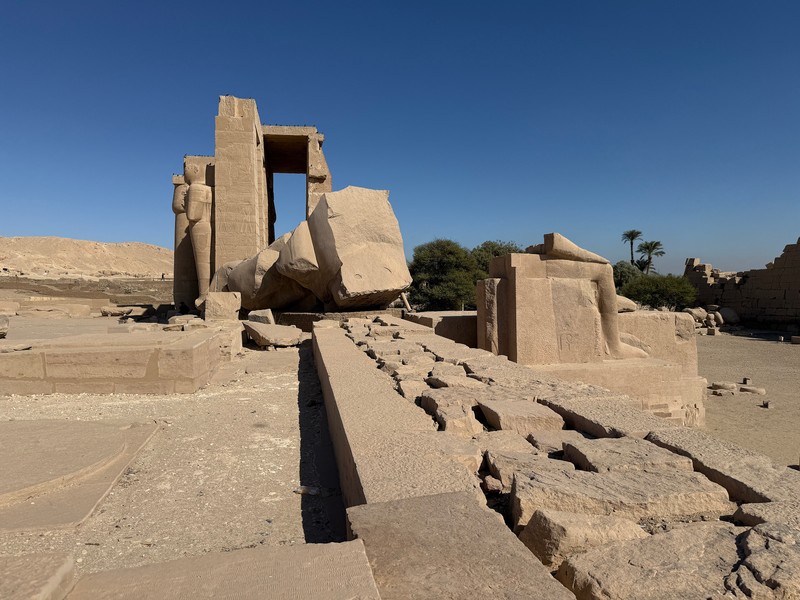
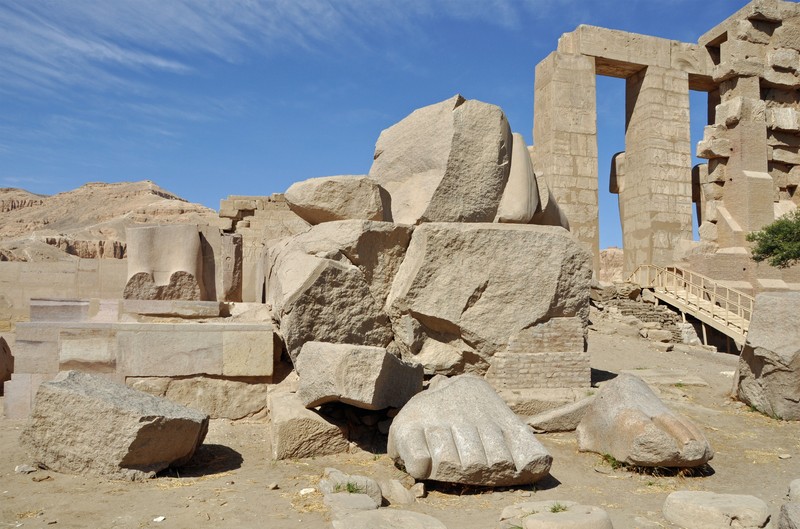
One of the temple’s most famous monuments was a colossal seated statue of Ramesses II. It is estimated to have stood more than 17 metres high and may have weighed around a thousand tonnes. Large fragments still lie among the ruins, demonstrating the extraordinary skill of ancient Egyptian stoneworkers.
Architecture and Reliefs
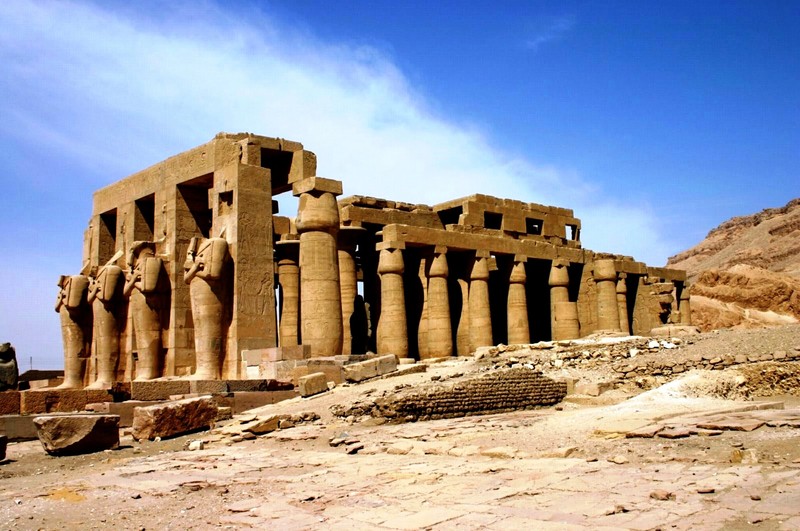
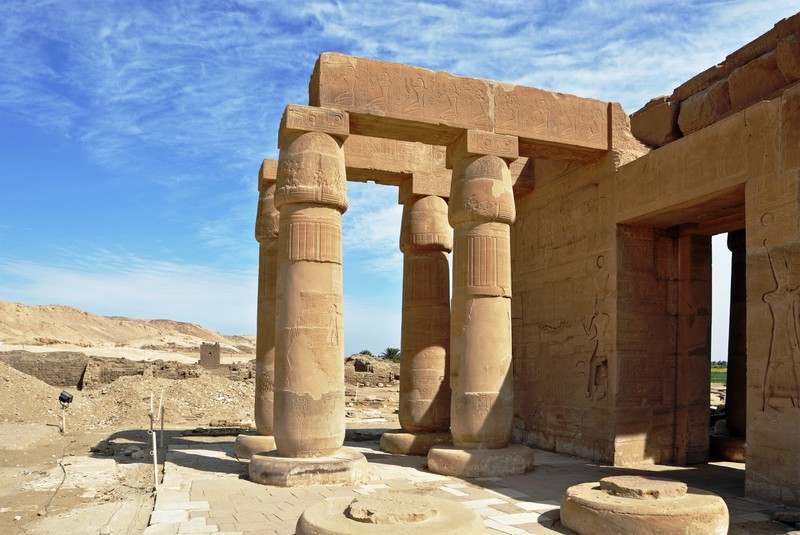
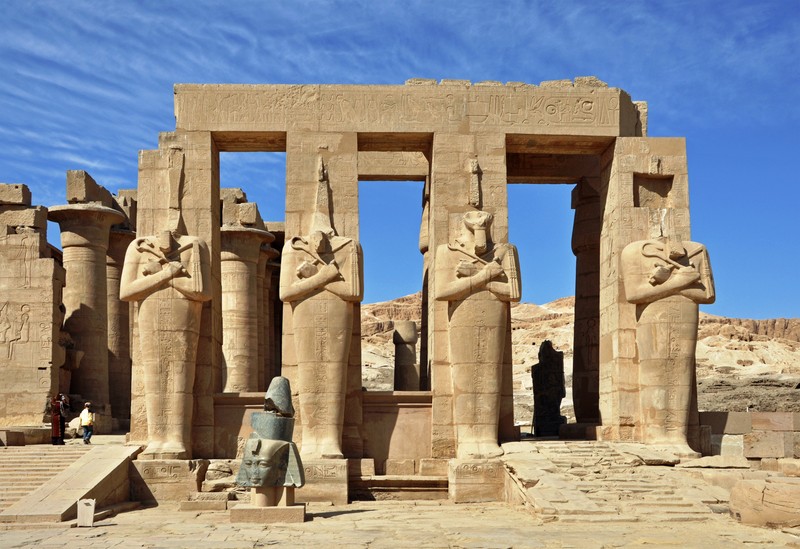
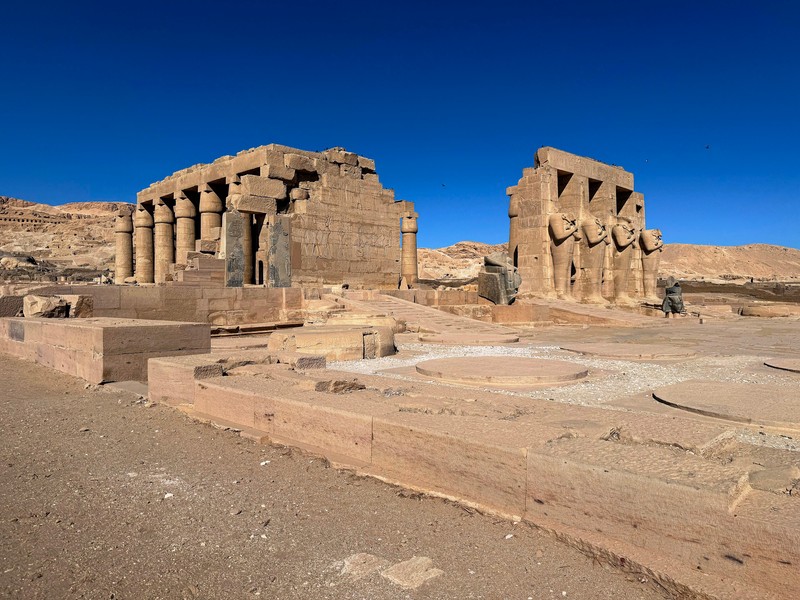
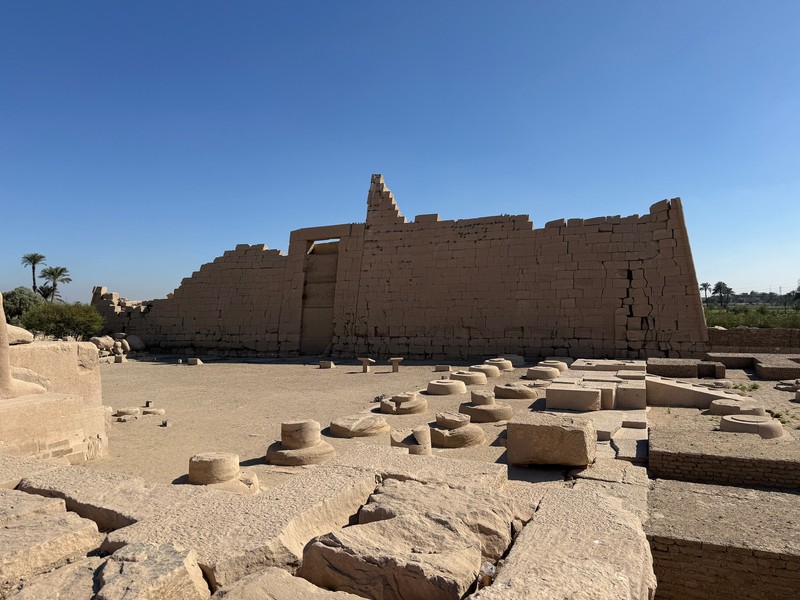
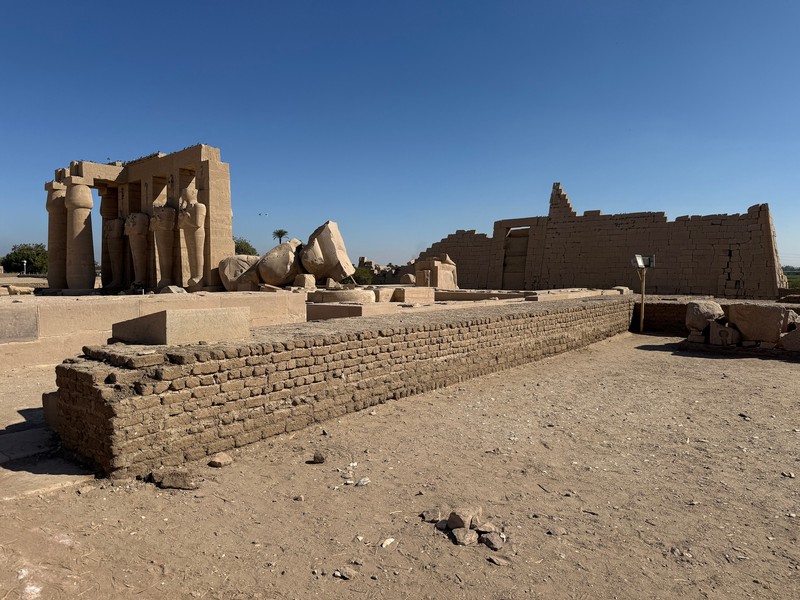
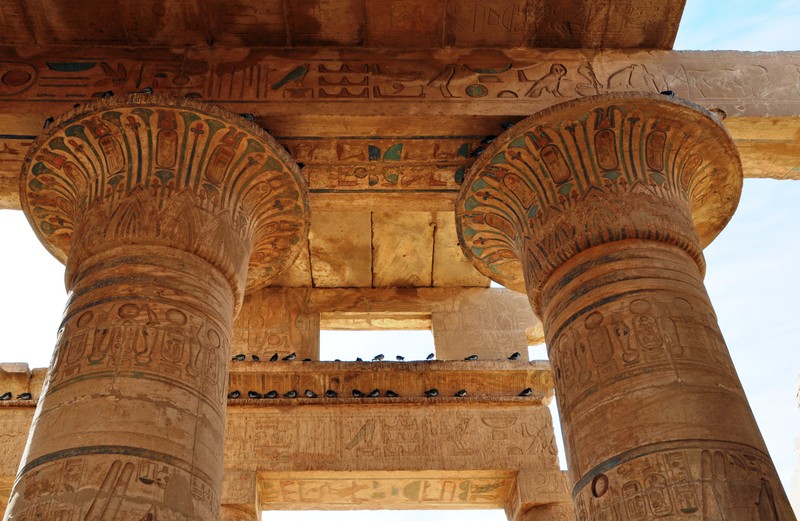
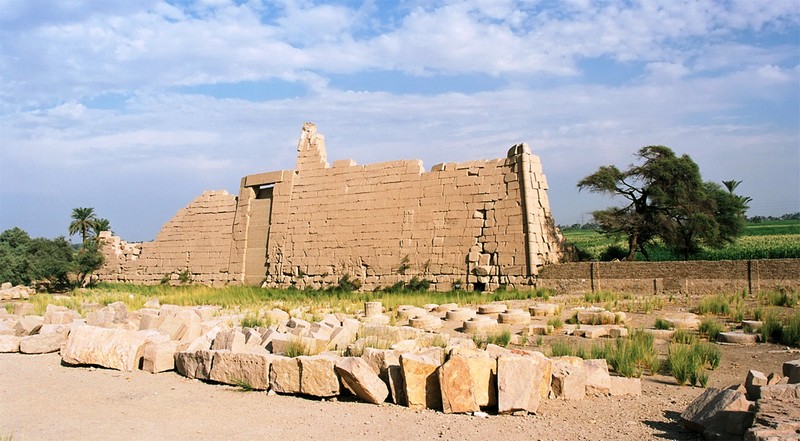
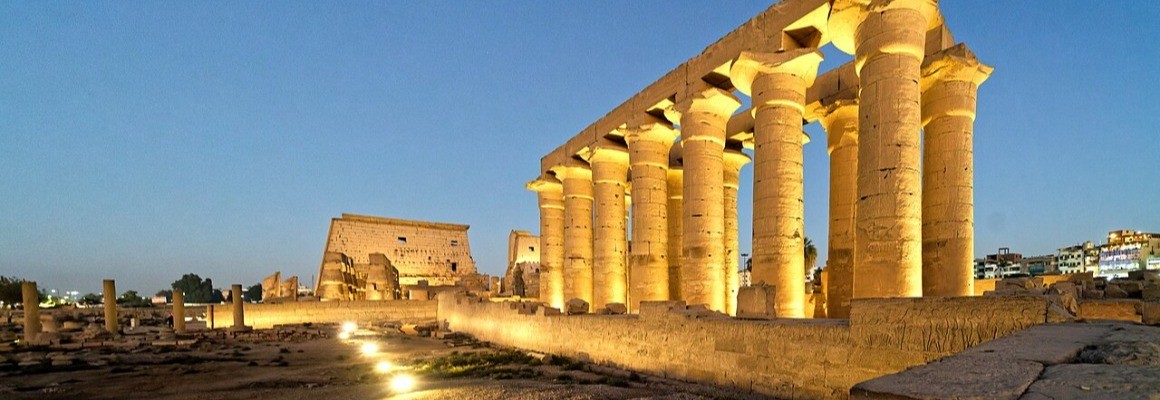
A monumental pylon marked the entrance, followed by courtyards, colonnades and a hypostyle hall with six rows of columns. The surviving reliefs depict Ramesses II’s military campaigns, religious ceremonies and royal rituals.
The Battle of Kadesh
Among the most important scenes are depictions of the Battle of Kadesh, fought around 1274 BCE between Egypt and the Hittites. The reliefs portray the pharaoh as victorious, but historians generally regard the battle’s outcome as inconclusive. The two powers later concluded a peace agreement.
Religious and Economic Life
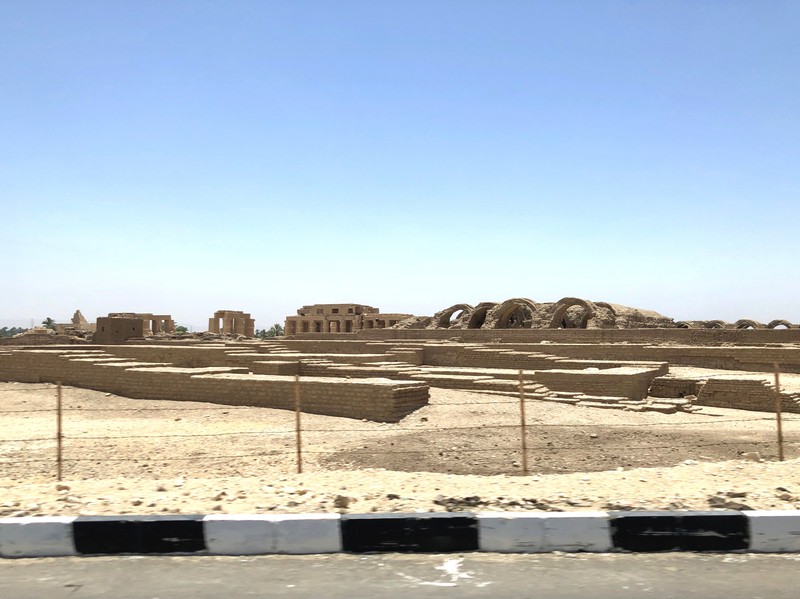
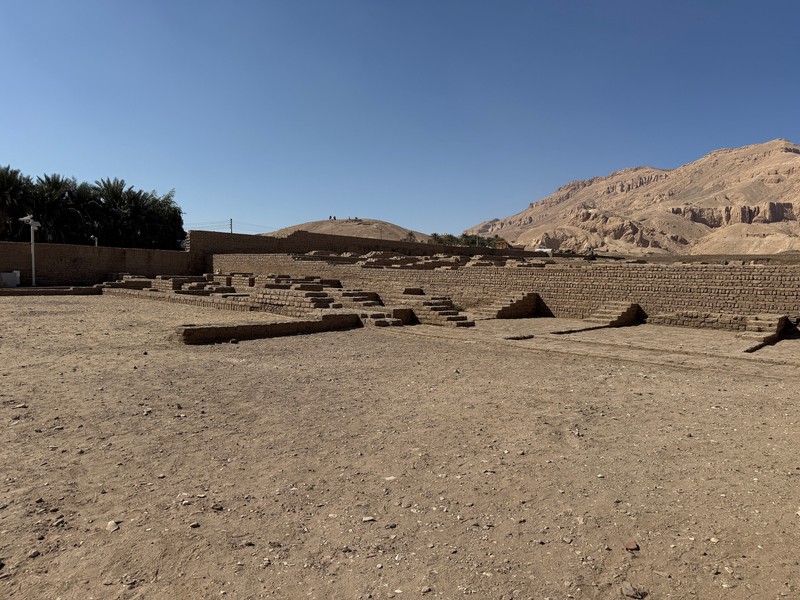
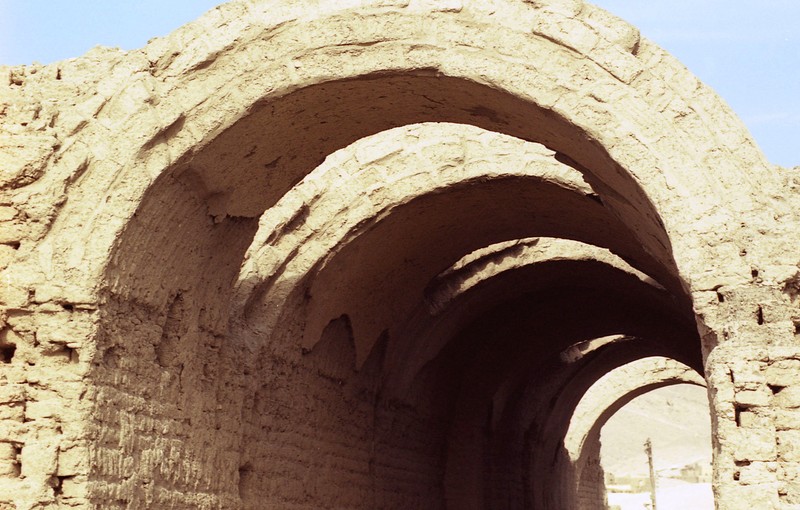
The temple hosted funerary rites and worship of Amun. Its wider complex included storage areas, kitchens, bakeries, workshops and administrative buildings. Archaeological discoveries announced in 2025 revealed further evidence of storage and craft activities, burials and a possible House of Life, an institution associated with learning at major temples.
Nearby Monuments and Visiting
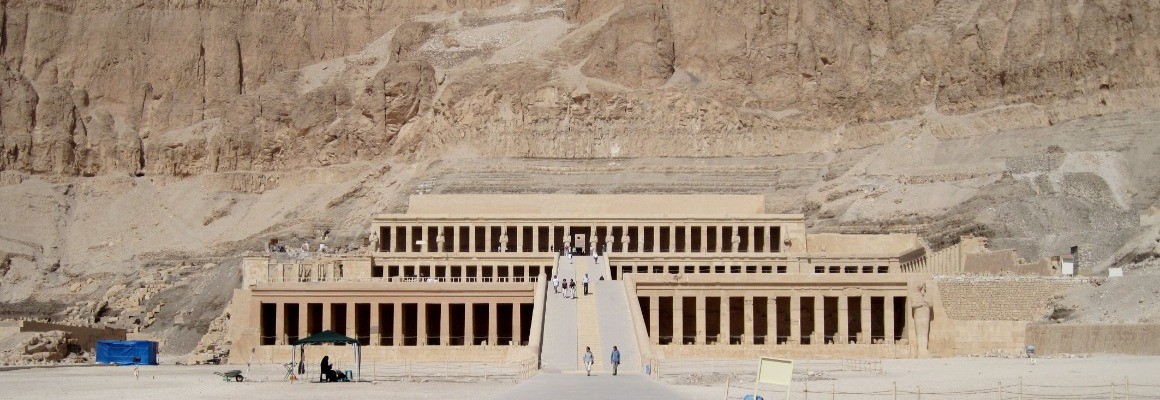
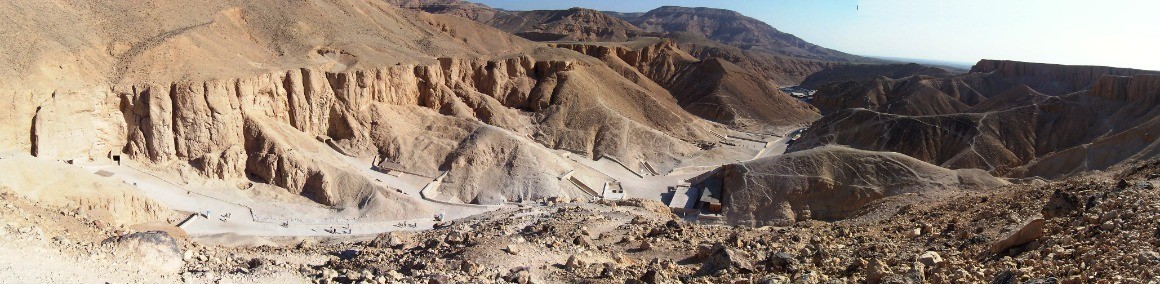
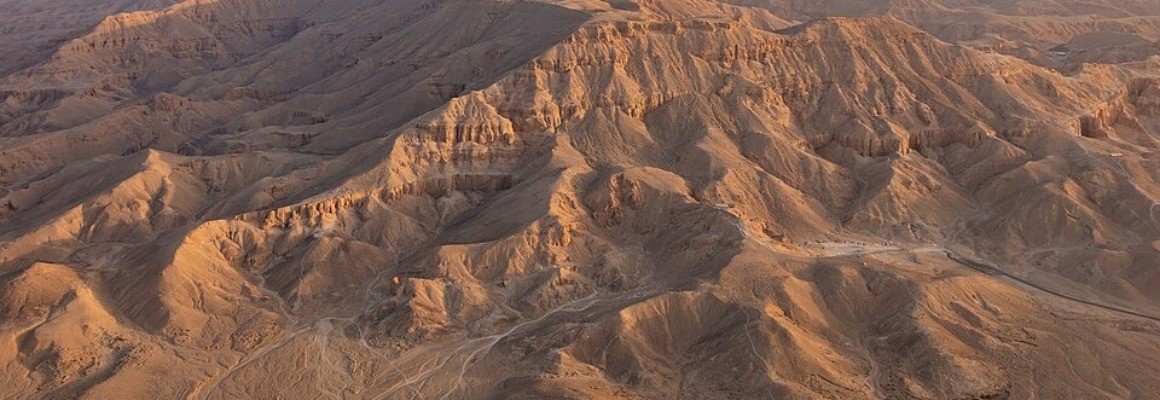
The Ramesseum forms part of the UNESCO World Heritage property Ancient Thebes and its Necropolis. Nearby sites include Medinet Habu, Hatshepsut’s temple, the Colossi of Memnon, the Valley of the Kings and the Valley of the Queens.
Visitors should look beyond the fallen colossal statue to the remaining pylons, columns, reliefs and service buildings. The site has little shade, so water, a hat and comfortable shoes are advisable. Check current opening arrangements before travelling.
Gallery