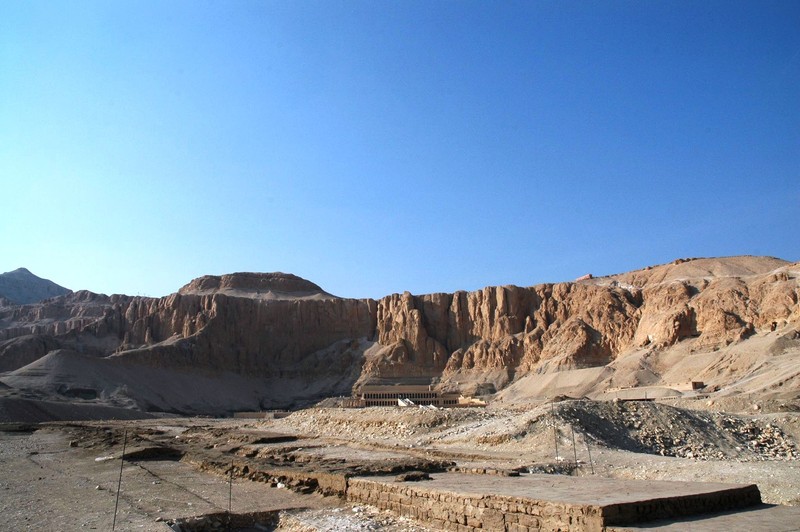
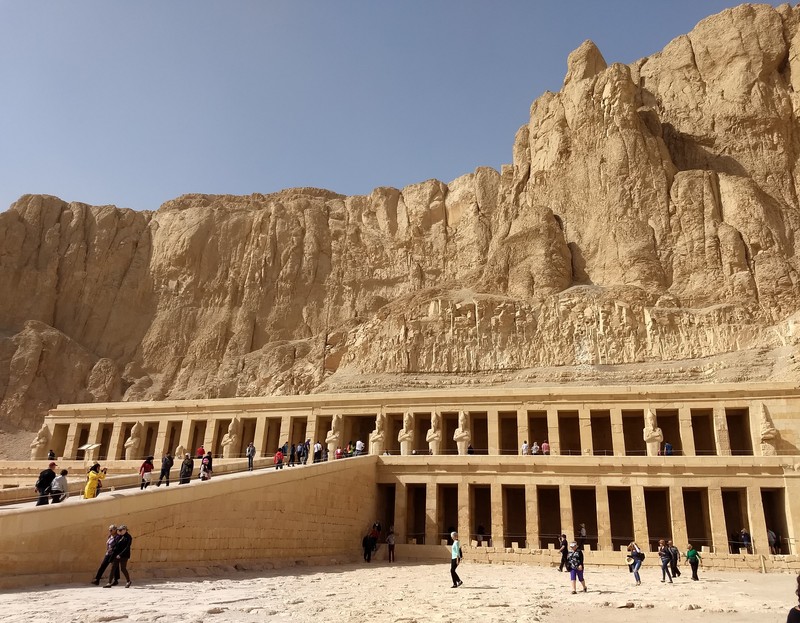
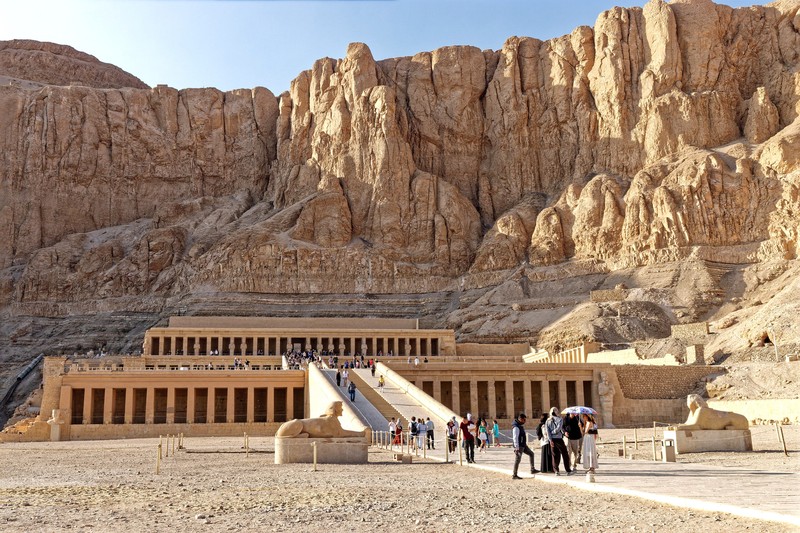
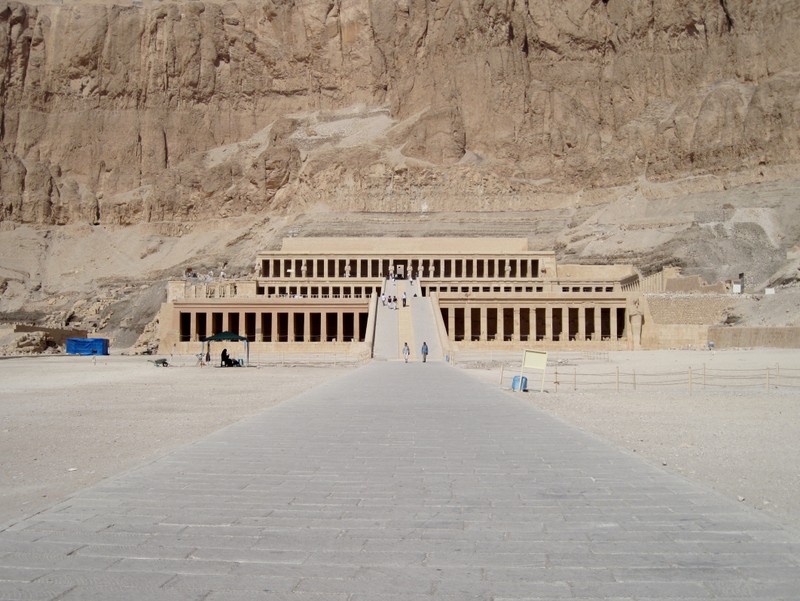
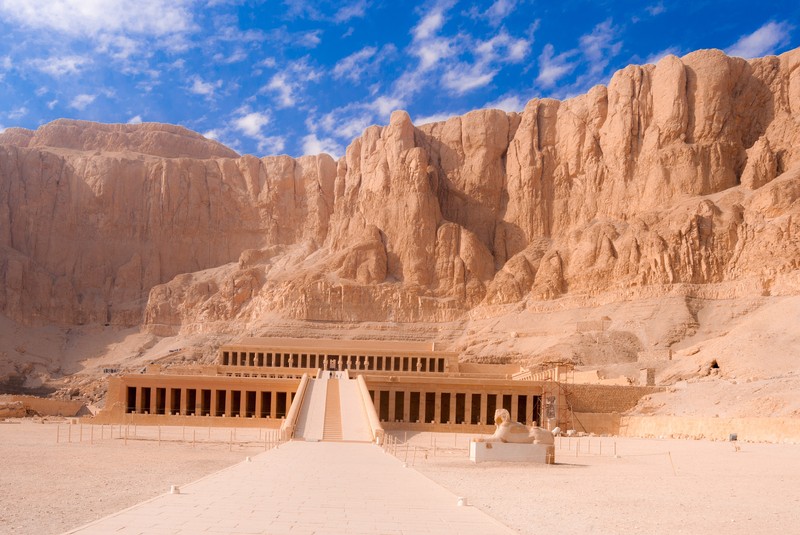
The Temple of Hatshepsut is one of ancient Egypt’s most distinctive monuments. It stands at Deir el-Bahari on the west bank of the Nile, opposite modern Luxor. Built in the 15th century BCE for Queen Hatshepsut, one of the few women to rule Egypt as pharaoh, the mortuary temple rises in broad terraces and long colonnades beneath towering limestone cliffs. Its architecture appears closely connected to the natural landscape.
History of the Temple
Hatshepsut belonged to the Eighteenth Dynasty and ruled during the New Kingdom. She initially served as regent for the young Thutmose III, but later adopted the titles and symbols of a pharaoh. Her reign is associated with state-building, trade, temple construction and expeditions beyond Egypt.
The temple was built at Deir el-Bahari, a sacred site that already contained the mortuary temple of Mentuhotep II. Its architect is traditionally identified as Senenmut, a powerful official connected with the administration of Amun’s estate and closely associated with the queen. The temple’s ancient name, Djeser-Djeseru, is commonly translated as “Holy of Holies” or “Most Sacred of Sacred Places.”
Architecture of the Three Terraces
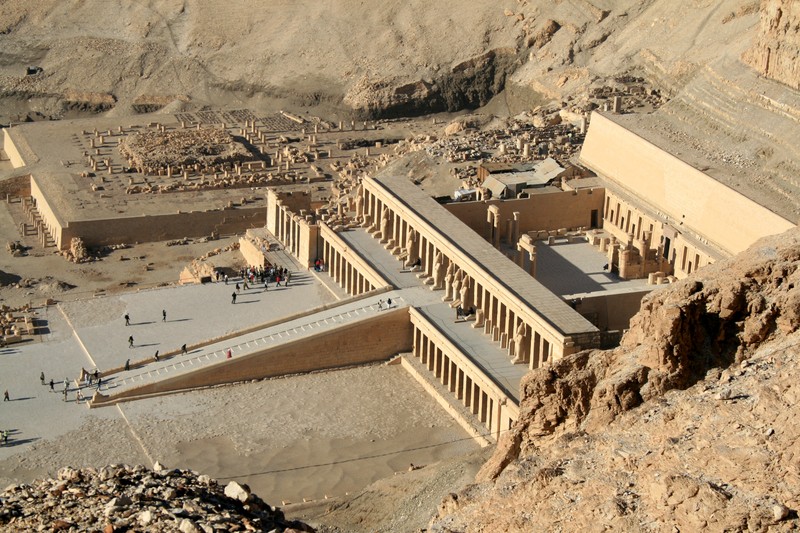
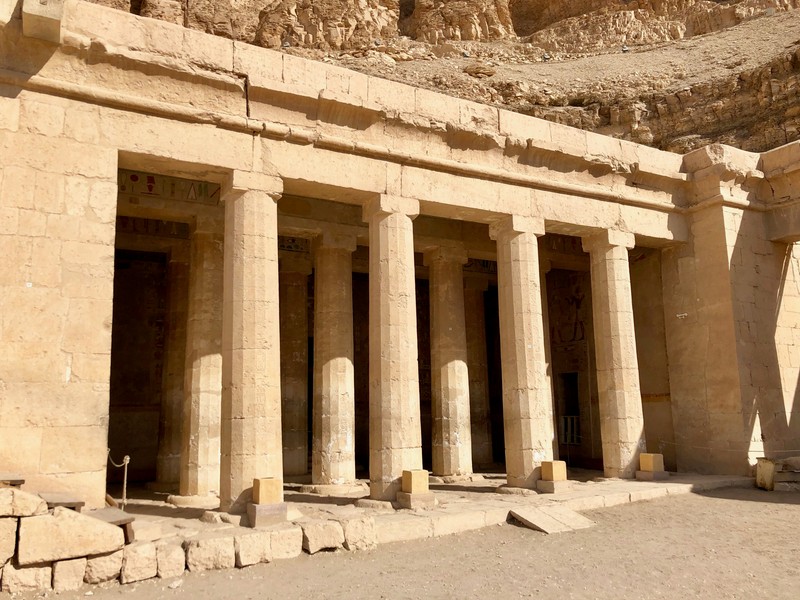
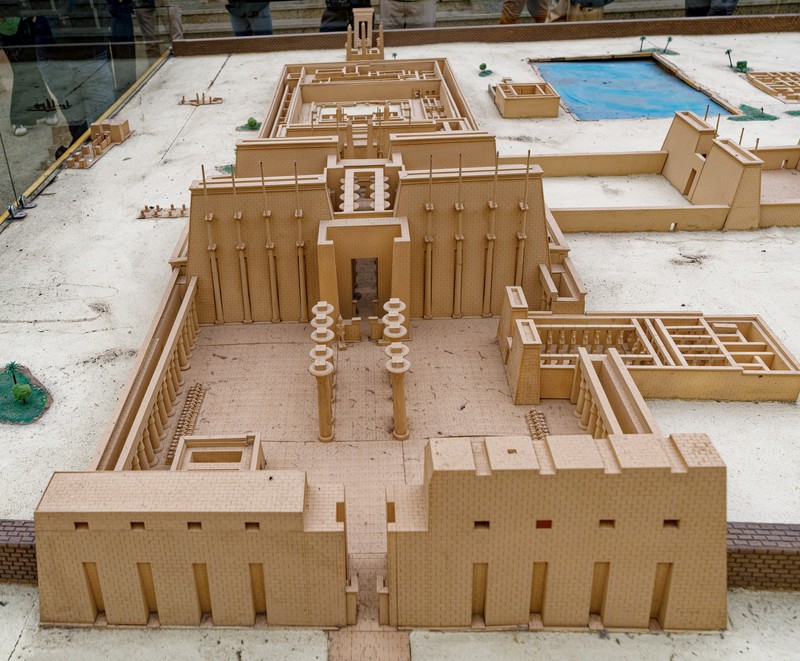
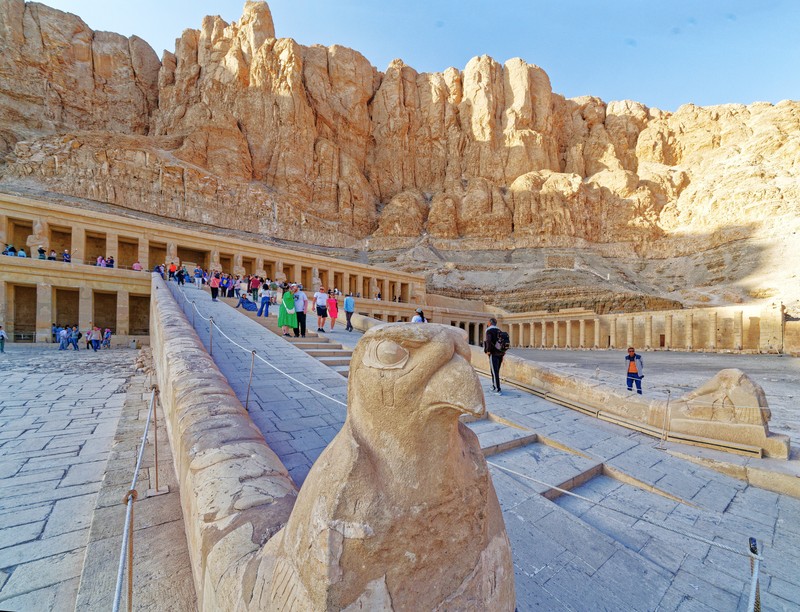
The temple’s defining feature is its arrangement of three terraces connected by long ramps. Rows of columns and horizontal architectural lines contrast with the immense cliffs behind the building. The result is both monumental and remarkably harmonious.
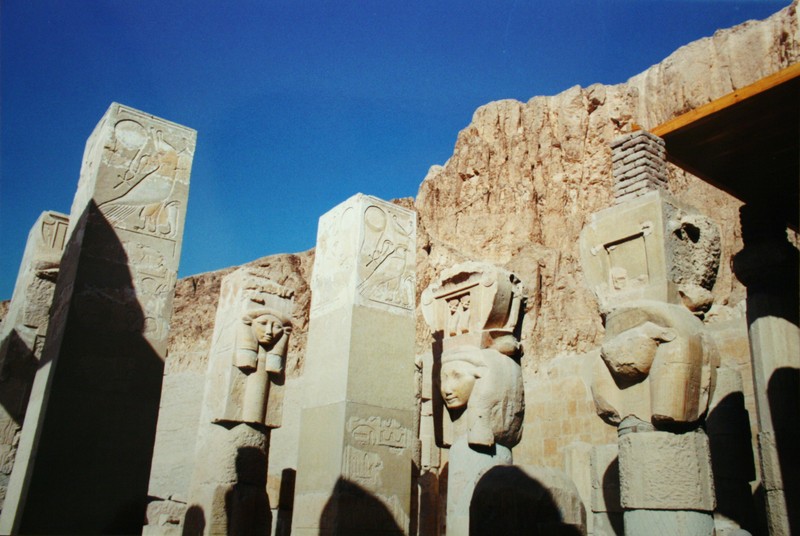
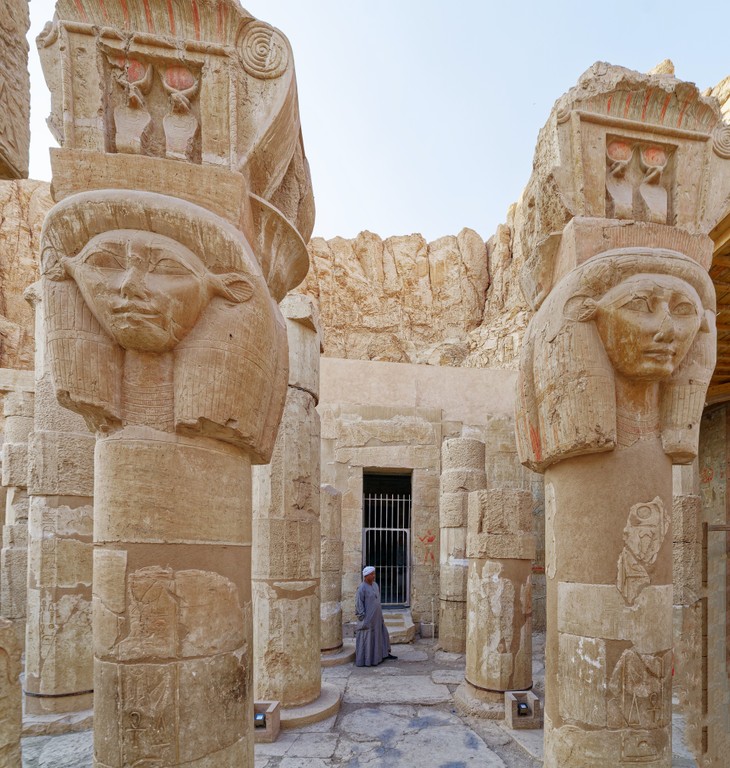
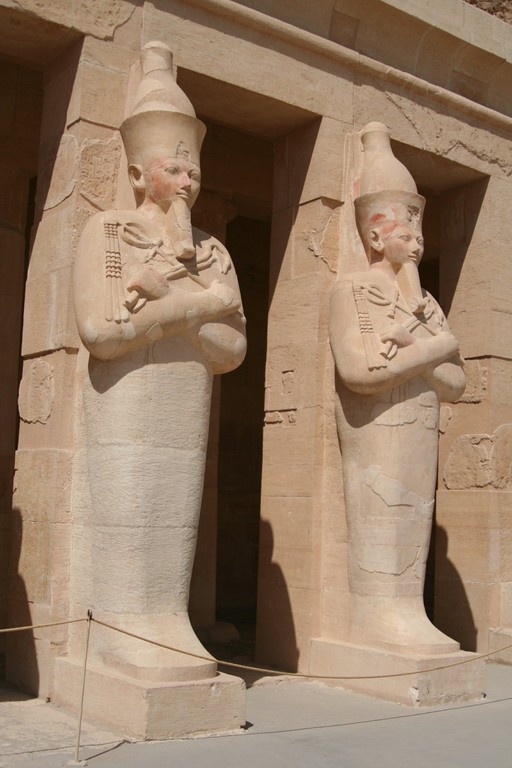
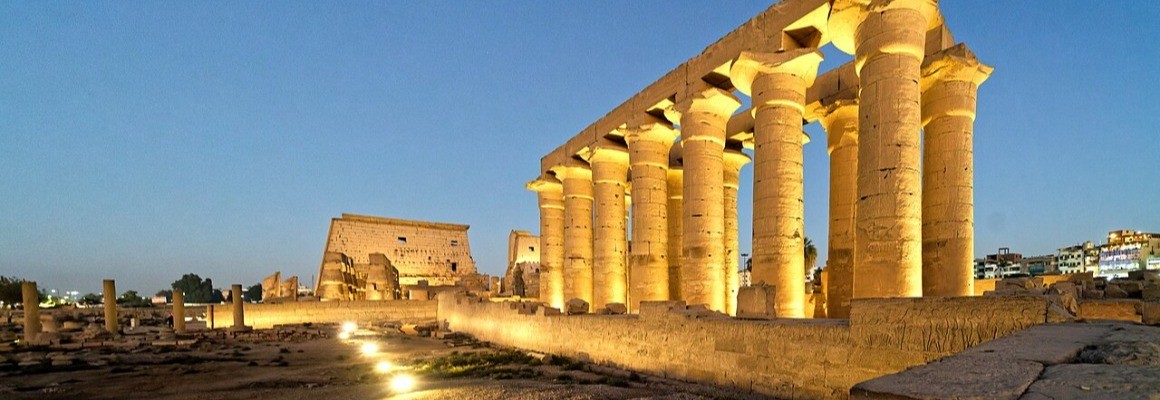
The lower levels contain open courts, colonnades and decorative reliefs. The upper terrace leads to the sanctuary of Amun, cut into the rock. Statues of Hatshepsut, including representations of the queen in the form of Osiris, once stood here. The complex also contained chapels dedicated to Hathor and other deities associated with royal worship and the afterlife.
Reliefs and the Expedition to Punt
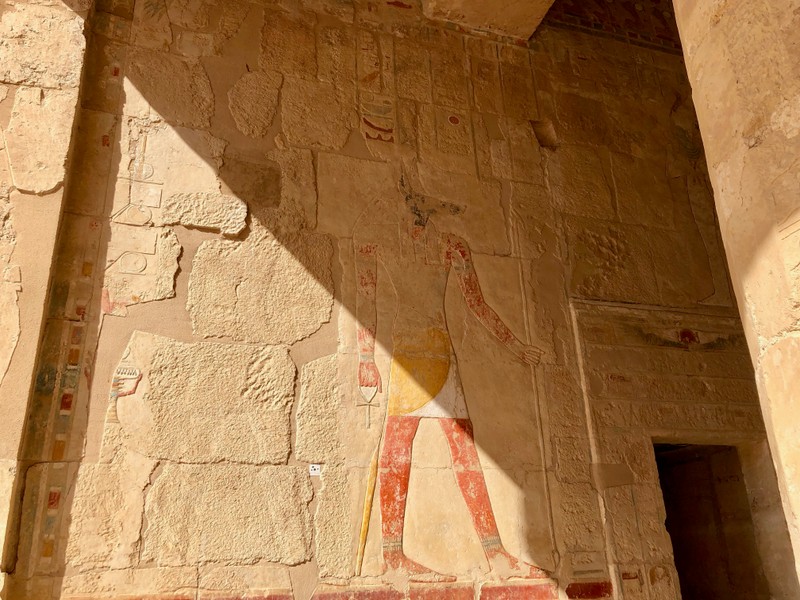
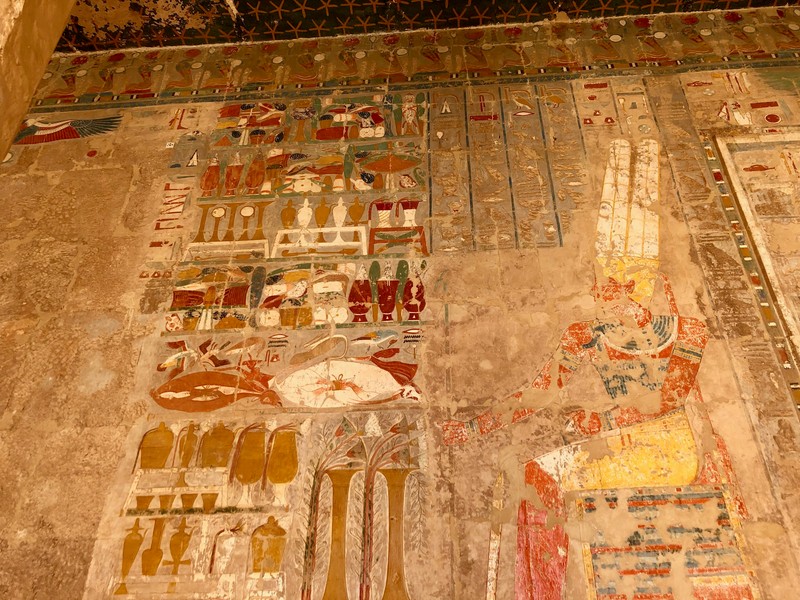
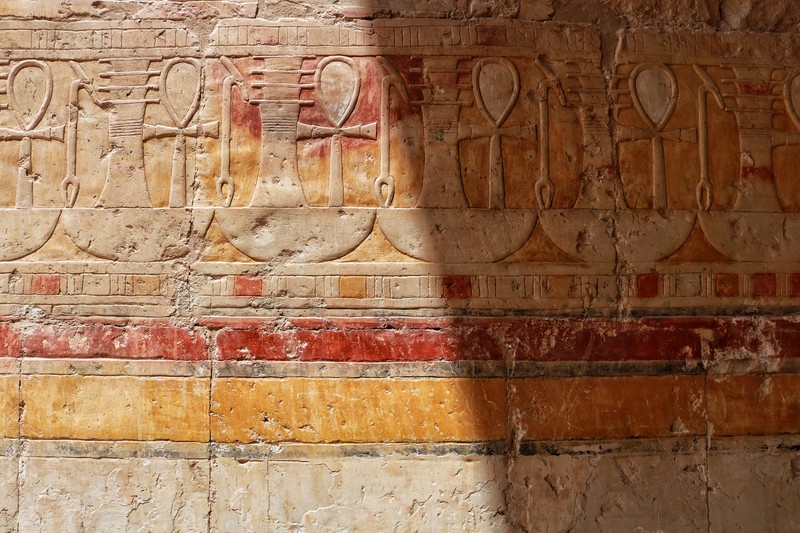
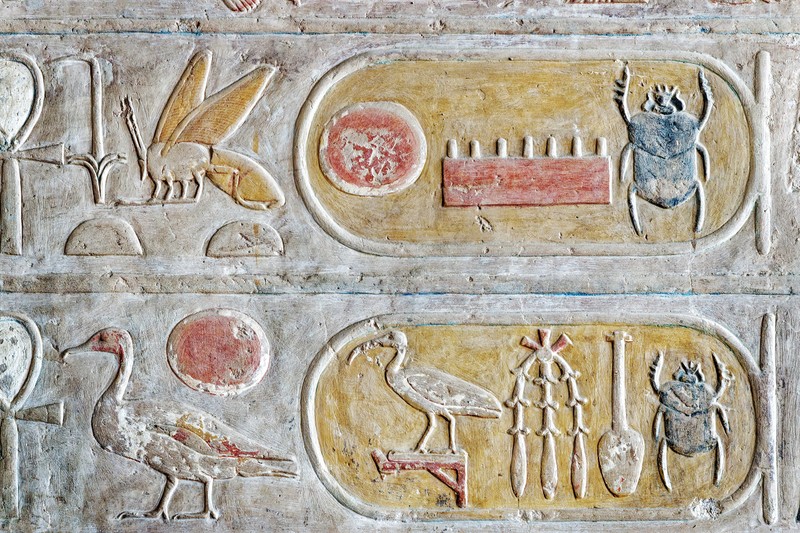
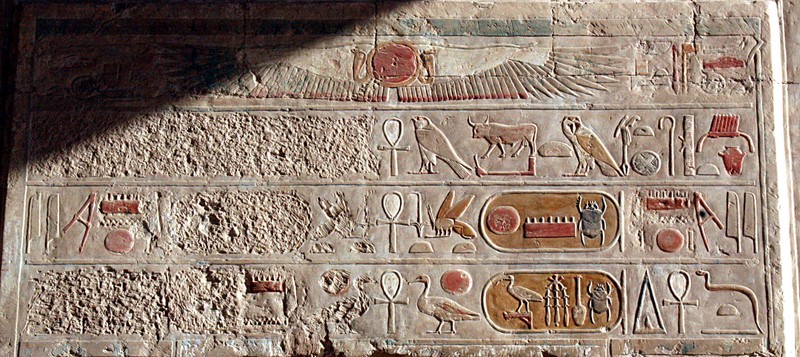
The temple walls preserve reliefs depicting religious ceremonies, the queen’s divine origins and important events of her reign. One of the most famous sequences portrays an expedition to the land of Punt, a distant trading region whose precise location remains debated. It is often associated with parts of the Horn of Africa and the Red Sea coast.
The scenes show ships, local inhabitants, dwellings and goods brought back to Egypt. These included incense, resins, exotic animals and myrrh trees, valued for their aromatic products. The reliefs are important not only as works of art but also as evidence of trade, seafaring and Egyptian knowledge of distant lands. Other scenes emphasize Hatshepsut’s divine birth and the legitimacy of her rule as pharaoh.
Religious Significance
The temple served as Hatshepsut’s mortuary sanctuary, where rituals were intended to continue after her death. It was also dedicated to Amun, one of the most important gods in the Egyptian pantheon. Hathor, associated with motherhood, protection and renewal, and Anubis, the god of funerary rites, were worshipped in the complex as well.
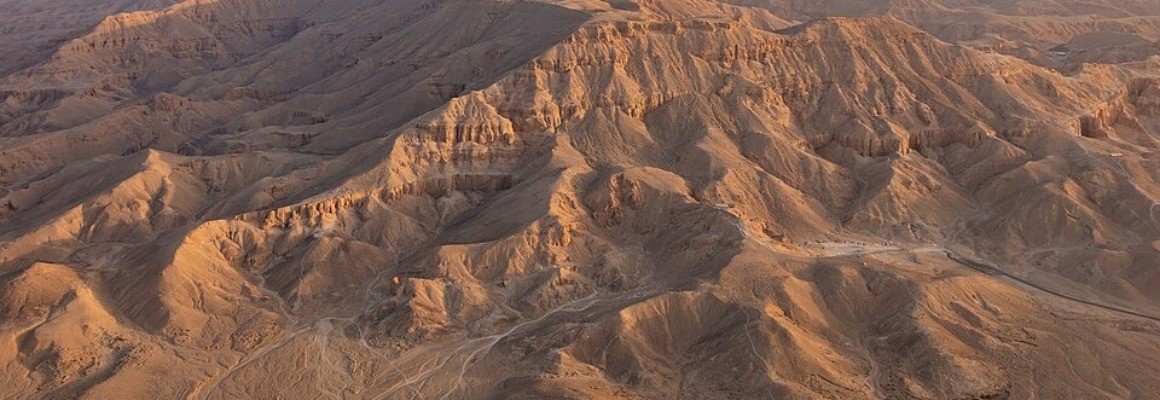
Its position on the west bank of the Nile reflected Egyptian beliefs about the afterlife. The west was associated with sunset, death and eventual rebirth. During religious festivals, sacred processions crossed the river from temples on the east bank to mortuary sanctuaries in the Theban necropolis, of which Deir el-Bahari formed an important part.
What Happened After Hatshepsut’s Death
After the queen’s death, her name and images were damaged or removed in some places. These actions are often associated with the reign of Thutmose III, although their causes and chronology remain subjects of scholarly discussion. Political and dynastic considerations may have influenced the treatment of her memory.
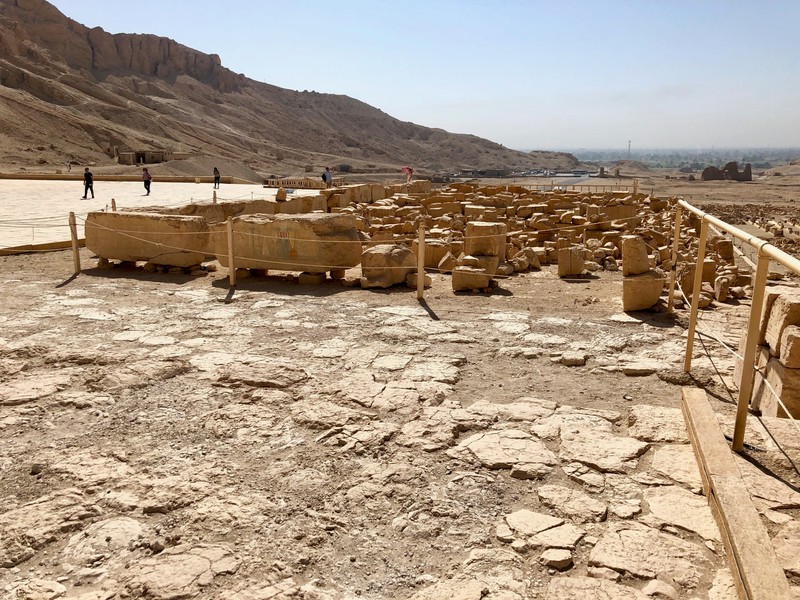
Over subsequent centuries, the temple gradually lost its original function. Parts of the complex suffered from weathering, collapse and the reuse of building materials. During the Christian period, monks occupied the area, and the modern place name Deir el-Bahari reflects this later monastic history. Archaeological investigations and restoration have helped reveal the original design and recover important parts of the monument.
The Temple of Hatshepsut Today
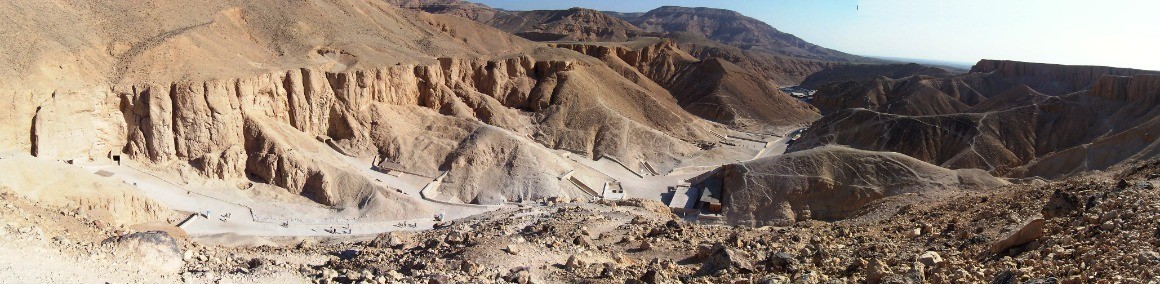
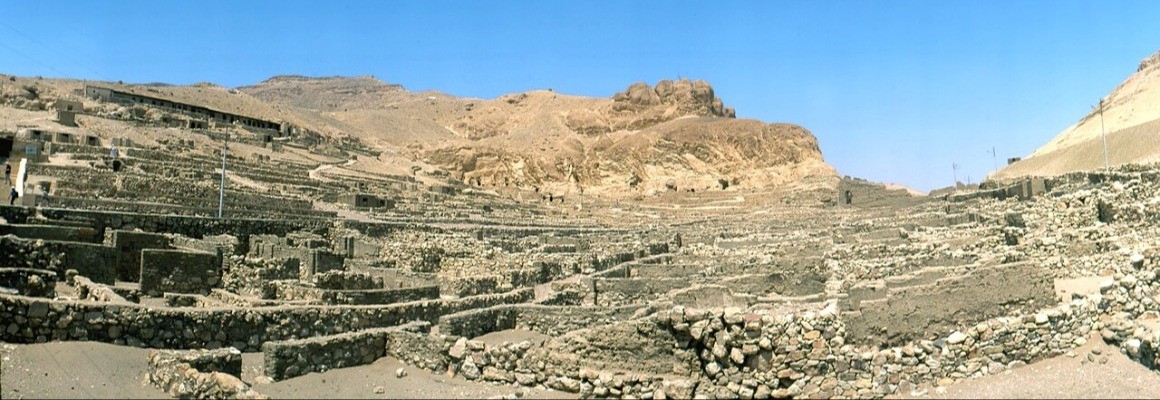
Today, the temple is one of the principal attractions on Luxor’s west bank. It forms part of the UNESCO World Heritage property Ancient Thebes with its Necropolis, inscribed in 1979. Together with the Valley of the Kings, the Valley of the Queens and other monuments, it offers insight into the religious and political life of ancient Thebes.
Visitors can walk along the ramps, explore the colonnades and reliefs, and observe how the building fits into its dramatic setting. The lower terraces provide particularly striking views of the symmetrical façade and the high cliff behind it. Allow enough time to look beyond the main exterior and examine the surviving decorative scenes.
Getting There and Visiting Tips
The temple is located at Deir el-Bahari on the west bank of Luxor. Visitors usually reach it by car, taxi or organized west-bank excursion. Trips are often combined with the Valley of the Kings, the Colossi of Memnon and other archaeological sites in the area.
An early visit is often more comfortable and provides good light for photography. Summer temperatures can be extremely high, so bring water, a hat, sunscreen and comfortable shoes. Check current opening hours, ticket prices and access arrangements before travelling, as visitor rules can change. The temple is especially rewarding for anyone interested in ancient architecture and the remarkable career of a woman who ruled as pharaoh.
Gallery