

How traveling helped me get out of my comfort zone
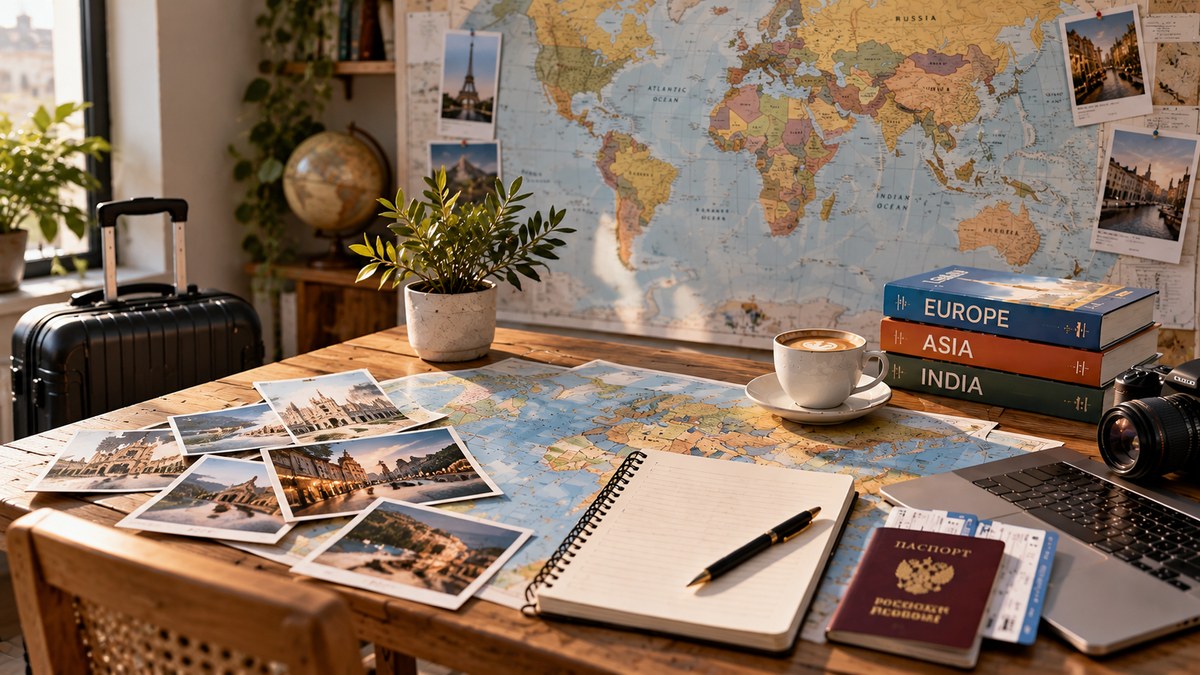
I used to consider myself a person who likes to travel, although, to be honest, I loved mostly the part of travel where everything is known in advance: tickets are bought, the hotel is booked, the route is laid out, and the nearest restaurant is found at home according to reviews from other tourists. I liked to imagine myself as a brave explorer of new countries, but in reality I preferred that the research took place on schedule, without unpleasant surprises and preferably with a good Internet connection. If the navigator said turn right, I turned right, even if a street with incredibly beautiful houses started on the left, and if the app showed that it was a seven-minute walk to the train station, then I started to get nervous on the sixth. In general, my comfort zone was well equipped.: There were familiar routes, clear rules, and the confidence that in any incomprehensible situation, I could open my smartphone and pretend that I was in control.
One day, I realized that even my vacation had turned into a small work shift, where I was simultaneously responsible for logistics, food, security, and timely arrival at attractions. I could spend half a day preparing for a walk, studying reviews about cafes and comparing routes, but at the same time I completely did not notice the city itself. I wanted everything to be perfect, and that's why I was constantly afraid that something would go wrong. At some point, I caught myself thinking that it had been a long time since I had experienced a real surprise, because I carefully excluded even accidental discoveries from the program, as if they could ruin my vacation.
The trip where everything went a little wrong
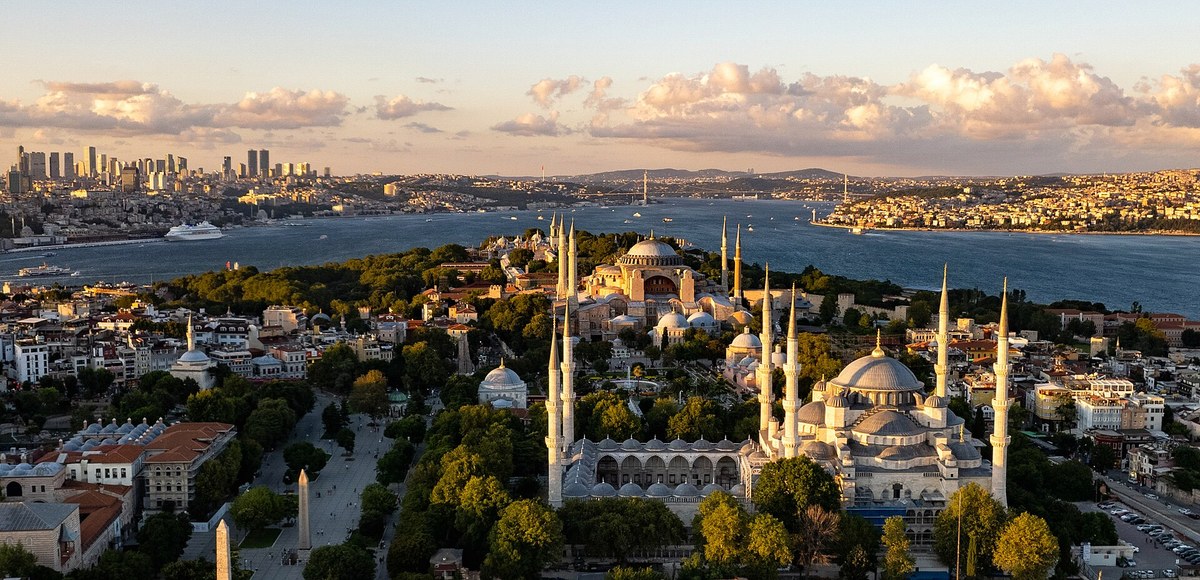
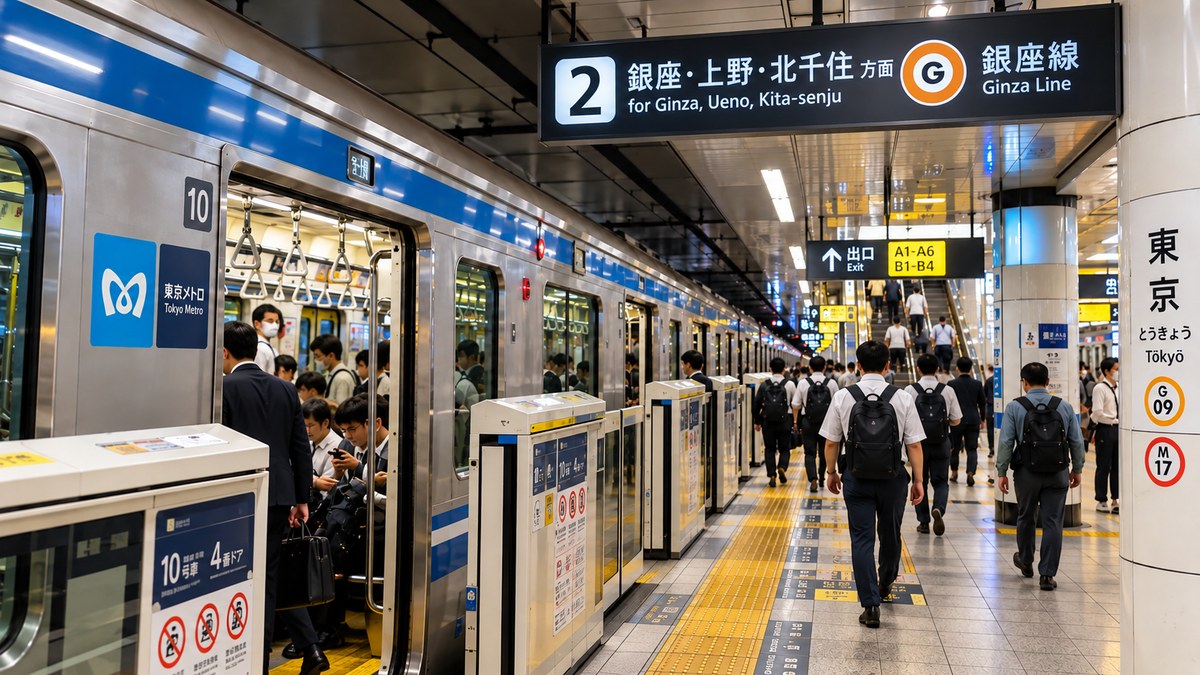
The turning point was my trip to Istanbul, where I went for a few days, hoping to take a quiet walk around the city, see the famous sights and finally take a break from the usual hustle and bustle. The first morning started quite well: I had breakfast at the hotel, checked the weather forecast, opened the map and went to explore the area, having prepared the route in advance with such seriousness, as if I was going not to walk around the city, but to lead a small operation. It was with great difficulty that I figured out how the subway works in a big city, but my difficulties did not end there.
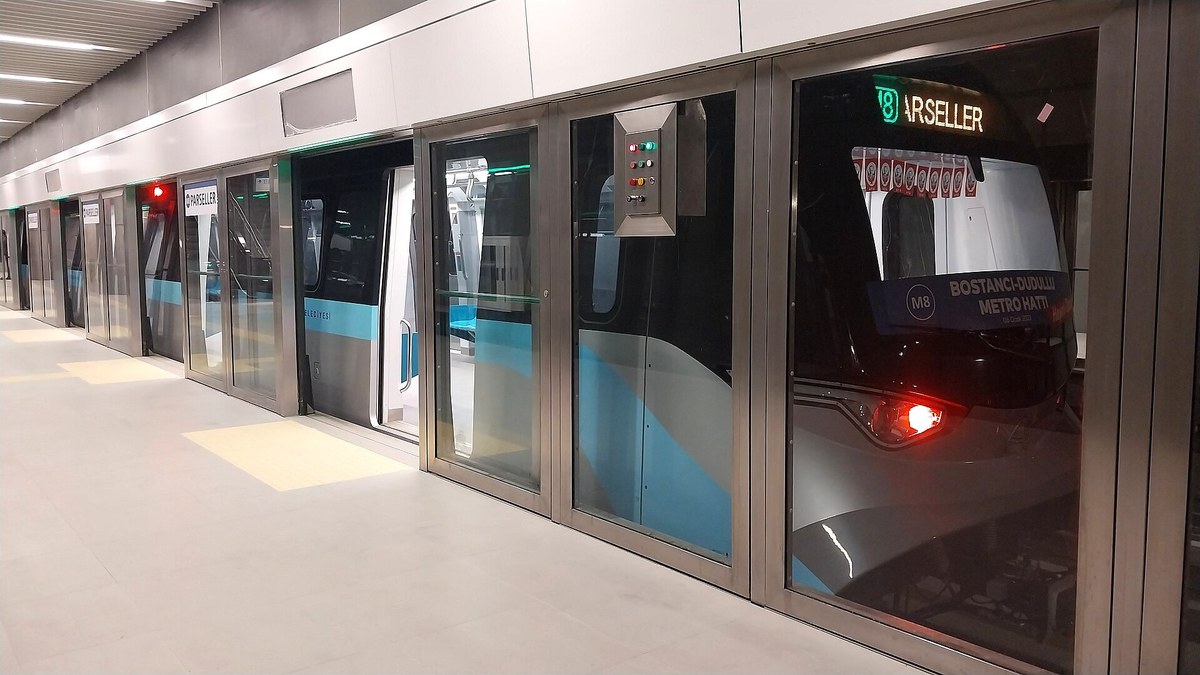
Istanbul Metro Line M8
However, an hour later it turned out that the street I needed was blocked, the navigator persistently offered to go through an alley, and I did not understand where I was at all. The most annoying thing was that there were beautiful old houses, small shops, the smell of fresh pastries and noisy cafes around, but instead of enjoying what was happening, I stood in the middle of the street and angrily pointed my finger at the phone screen.
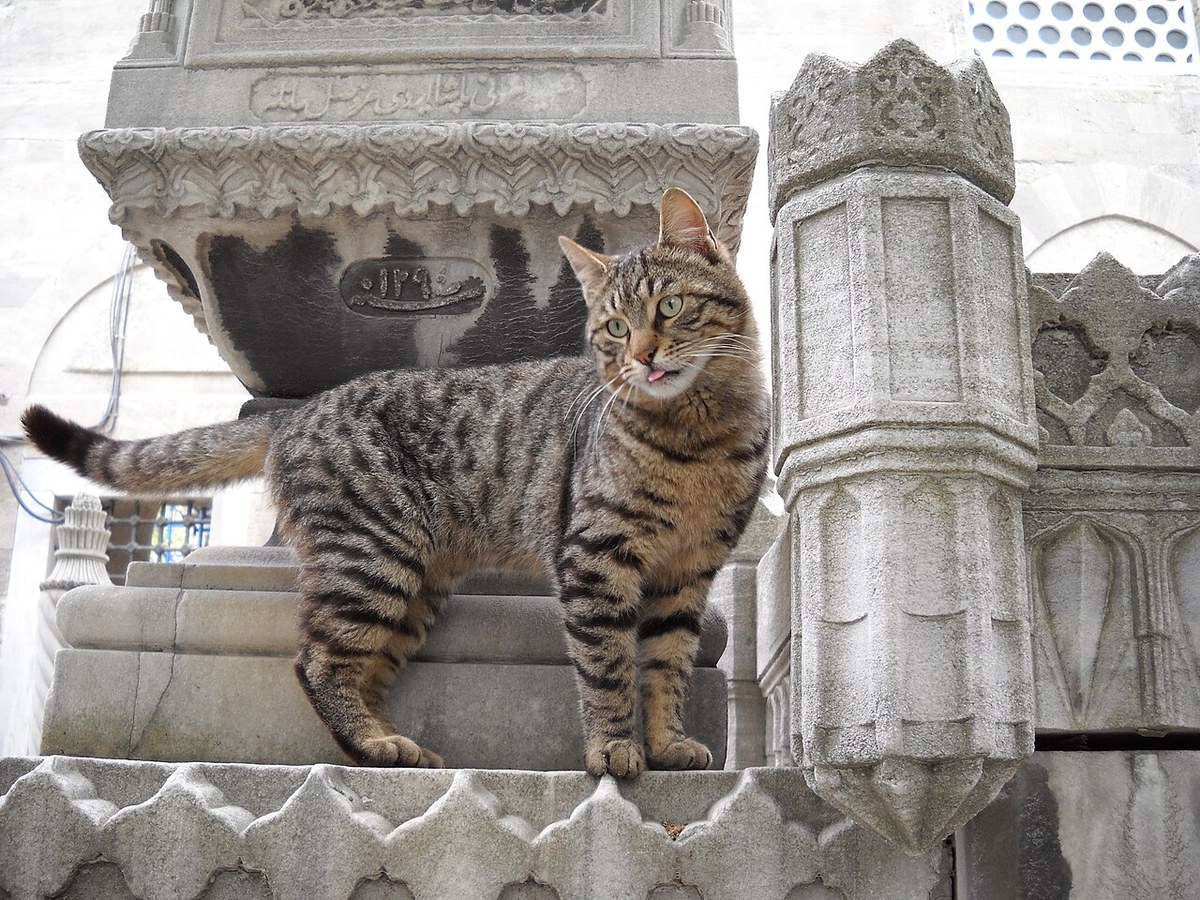
After several unsuccessful attempts to get the situation back under control, I finally put my smartphone in my pocket and decided to just go where I wanted to go, and not where the blue line on the map was pointing. Of course, it was at this moment that I finally lost my direction, but I saw a street cat that lifted my spirits. In Turkey, animals are treated with great respect, and I have met cats more than once on my way on this journey. Then I found a small coffee shop where the locals were sitting, talking, reading newspapers, and they didn't look like people who urgently needed to run somewhere. I ordered tea, not really understanding how to pronounce the name correctly, and received a glass of hot drink, which turned out to be much tastier than I expected from a place I found by chance. As I sat at a small table and watched the passers-by, it gradually dawned on me that for the first time in the last few hours I was truly on a journey, and not trying to organize it so that not a single minute was wasted.
The first step is to talk to a stranger.
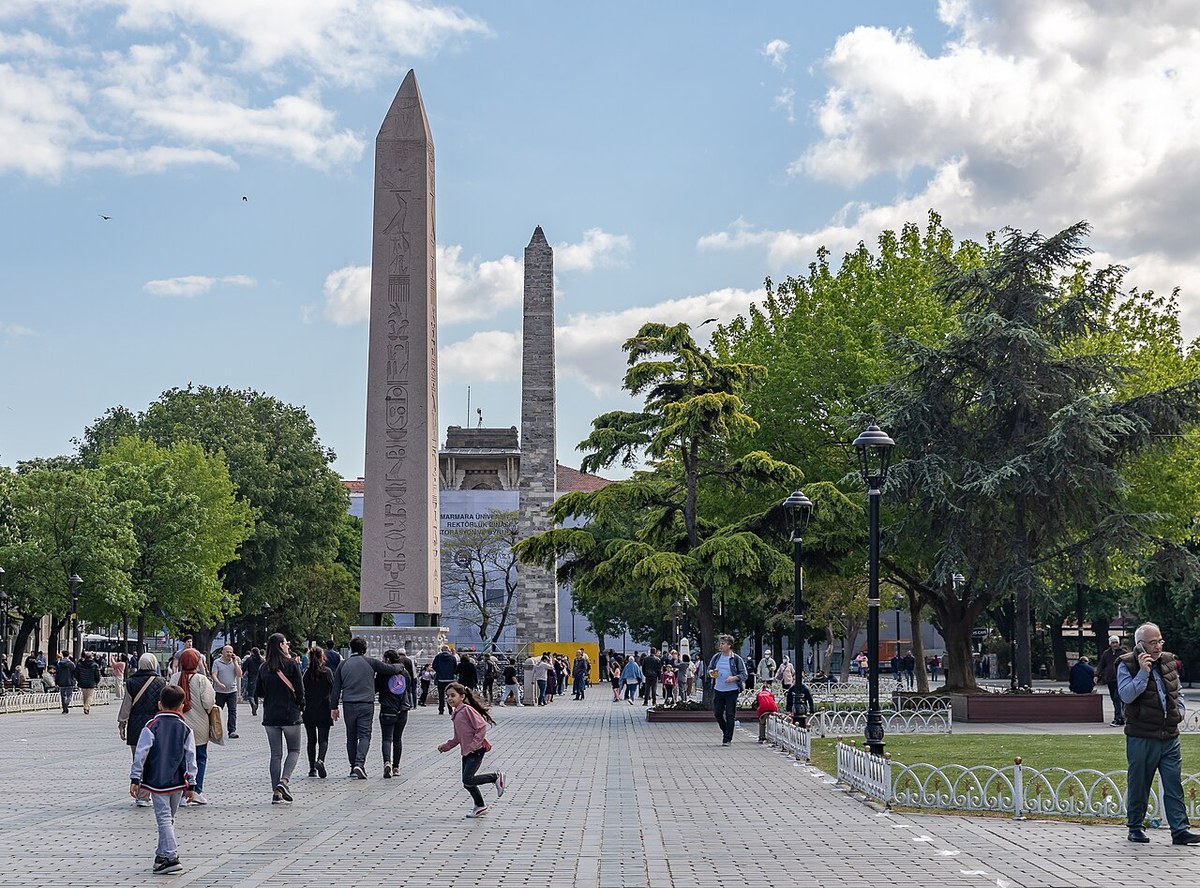
On the same day, I had to face another challenge, which probably looked completely frivolous from the outside, but for me it turned out to be almost a feat. I wanted to get to one observation deck, but I got confused by public transport stops and couldn't figure out which way to go. Previously, I would have continued to study the diagrams, spent another half hour searching for information, and most likely ended up calling a taxi so as not to tempt fate, but this time I decided to ask for directions from a man who was standing nearby drinking coffee.
My English suddenly seemed terrible to me, the gestures looked ridiculous, and a phrase that I had mentally rehearsed several times flew out of my head at the very moment when the stranger turned to me. I tried to explain where I wanted to go, showed the address on my phone and prepared myself for not being understood, but the man calmly looked at the map, explained something and even showed me where I needed to move. Moreover, he noticed my confusion, smiled, and helped me figure out the route for a few minutes, although he probably had his own things to do. At that moment, I realized how much I sometimes exaggerate my own fears: I was afraid of sounding stupid, mispronouncing a few words, or making someone uncomfortable, while the other person just helped me and continued my day.
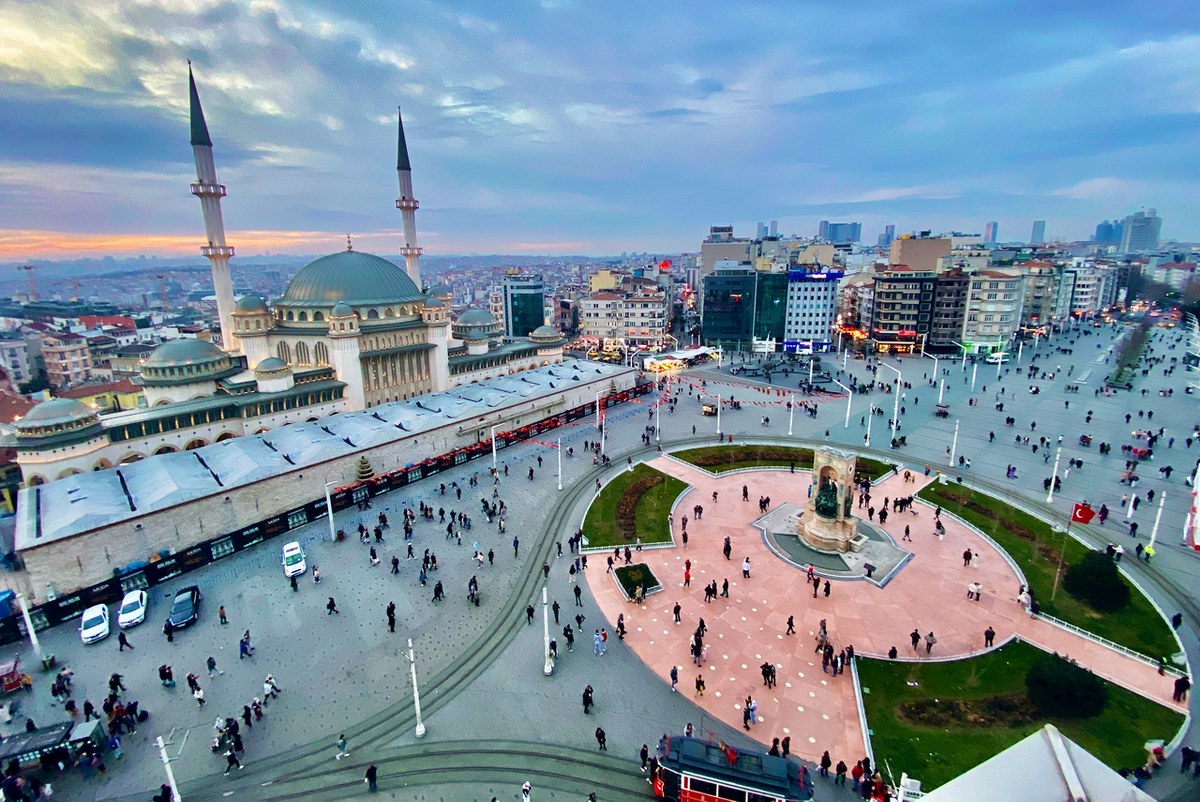
Taksim Square
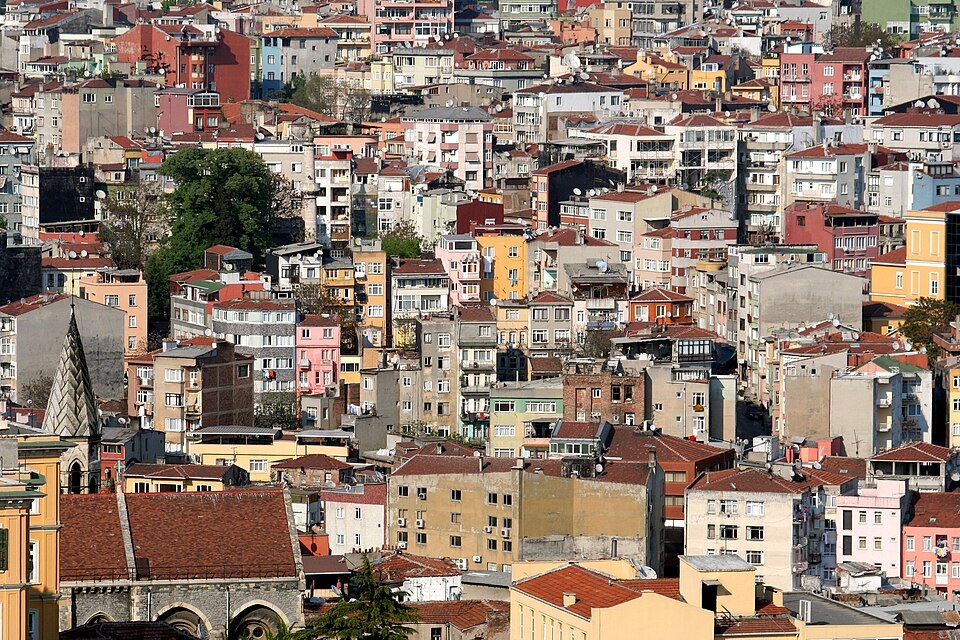
After this small victory, I began to change my behavior a little bit, although I can't say that in one day I turned into a fearless traveler who is able to talk to anyone in any language. I was still worried when I had to ask questions, sometimes I was confused and periodically checked the route, but now at least I didn't consider every unplanned situation a personal defeat. But now I feel much more confident, even in crowded places, like Taksim Square in Beyoglu district. The architectural ensemble of the square was designed in 1930 by the French architect Henri Prost, which is perhaps why this place feels such a genuine European style.
It turned out that leaving the comfort zone does not necessarily have to be accompanied by a parachute jump, climbing a dangerous peak or traveling into the jungle without any connection with civilization. Sometimes it's enough to admit that you don't know the way, ask for help, and let another person see that you're not as omniscient and independent as you used to seem to yourself.
I started doing things that I hadn't dared to do before.
In the following days, I purposely left free time in my schedule so as not to turn every exit from the hotel into another race for the sights. I could turn onto an unfamiliar street, go into a small bakery, try a dish whose name meant nothing to me, or just sit by the water, watching the ferries and people rushing about their business. Sometimes my experiments turned out to be not very successful: one day I ordered food, focusing solely on the photo on the menu, and received a dish that looked as if the chef had decided to test my readiness for extreme tourism right at the dining table. I ate as much as I could, washed it all down with tea, and mentally ticked myself off for my courage, even though my stomach didn't quite seem to share my enthusiasm.
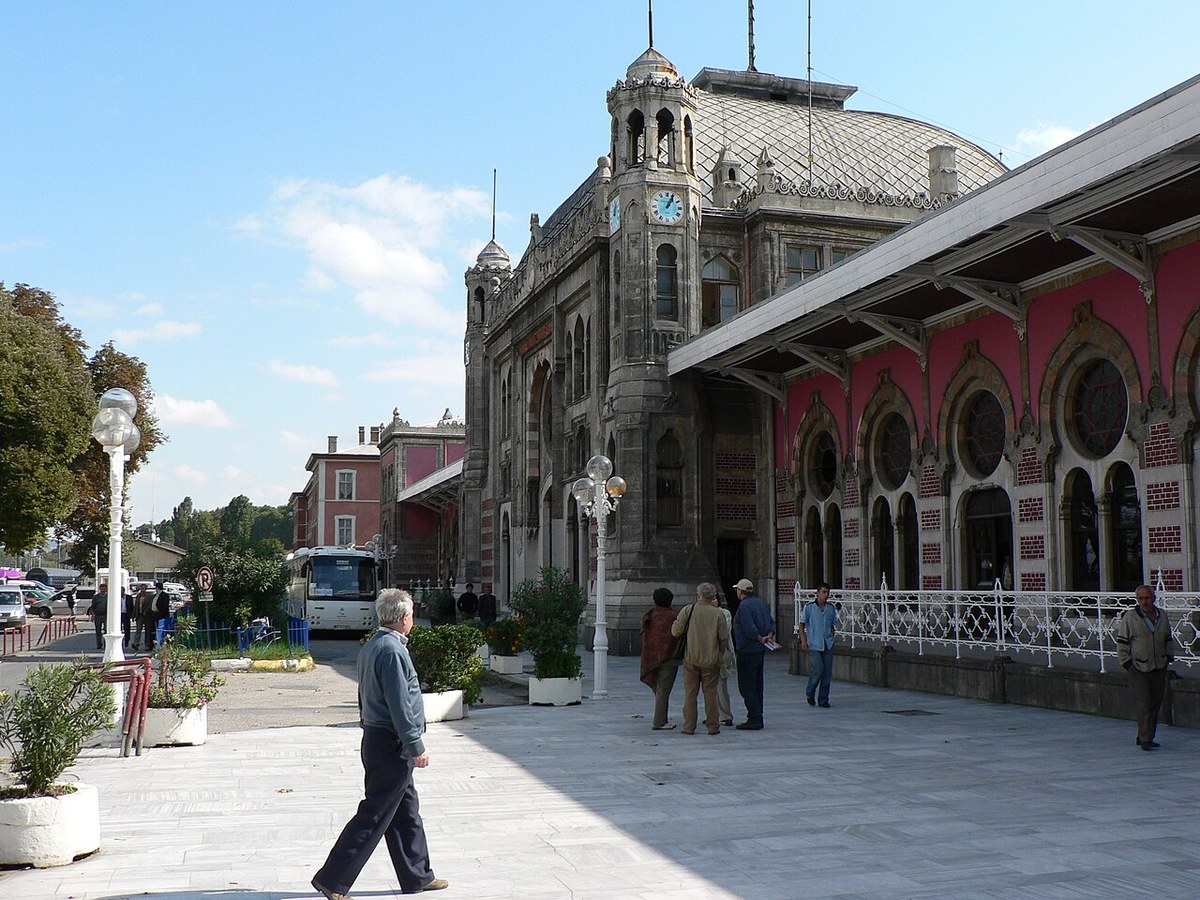
Sirkeci Terminal
I went to the historic railway station in Istanbul, although it was not part of my itinerary. It's just that I wasn't far away and I don't regret being in this place at all. Gradually, I noticed that I stopped depending so much on other people's reviews and pre-written recommendations, because I had my own impressions that could not be found on the Internet. One cafe might turn out to be noisy and crowded, another street might look completely different from the beautiful photographs, and some unremarkable courtyard would suddenly become a place to return to. I was no longer trying to prove to myself that I knew how to travel properly, and for the first time I allowed the trip to be what it was. This didn't mean that I stopped planning or became a reckless person, it was just that I now realized that a good route was needed for convenience, not to deprive myself of all the surprises.
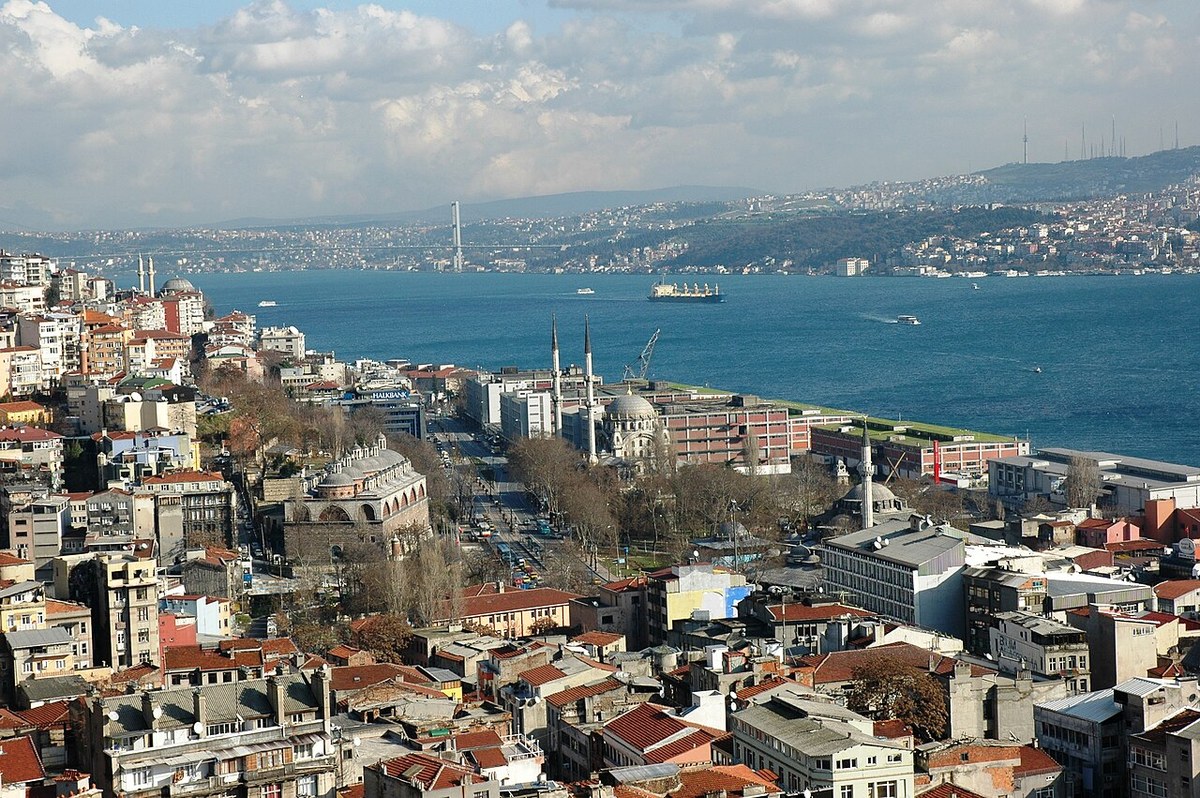
The most interesting discovery was that along with the habit of controlling every little thing, my constant anxiety gradually disappeared, especially in public places. Previously, I could ruin my mood because of a late bus, sudden rain, or a closed museum, because I perceived any deviation from the plan as a problem that needed to be fixed immediately. Now I often asked myself another question: what interesting things can be done in this situation? If it started to rain, I looked for a cozy cafe, if the route changed, I looked at new streets, and if something didn't work out, I tried not to waste the rest of the day on irritation. Of course, sometimes I grumbled anyway, especially when my sneakers got wet or my phone ran out of battery at the most inopportune moment, but at least now I realized that this was not a disaster, but an ordinary part of the journey.
What has changed in me since my return
When I returned home, it seemed to me that no great changes had happened, because I had not conquered a mountain peak, traveled around the world, or even learned to speak a foreign language fluently. I just spent a few days in an unfamiliar city, where I sometimes got lost, tasted unusual food, asked for help, and allowed myself to change plans when circumstances turned out differently. However, in the first weeks after the trip, I noticed that I began to feel more relaxed about situations in which I had previously felt insecure. It was easier for me to ask questions, meet people, try new things, and admit that I might not know something without seeing it as a disadvantage.
I also realized that my comfort zone was not something bad, as is sometimes said in motivational articles, where a person is asked to immediately drop everything familiar and go towards the unknown. In fact, I still like comfortable hotels, pre-purchased tickets and the opportunity to see the route before leaving home, because comfort really makes traveling more enjoyable. The problem began when the desire to feel confident turned into fear of any deviation from the usual order, and the desire to anticipate everything prevented me from enjoying what was happening. Now I try not to destroy my own comfort zone, but to gradually expand it, adding new experiences and situations to my life in which I have to learn something unfamiliar.
Since then, I've started agreeing to small adventures more often, even if I'm not sure everything will go perfectly, and I try not to turn down an interesting opportunity just because it seems unusual. Sometimes it's a trip to an unfamiliar city without a detailed plan, sometimes it's a conversation with a person I'll never see again, and sometimes it's a completely simple thing to go to a restaurant where the menu is written in an unfamiliar language and try to figure it out without the help of an interpreter. I don't always feel confident, and to be honest, sometimes I want to get back into the old habit of being in control, but now I know that worrying doesn't necessarily mean I'm doing the wrong thing. Perhaps it is at such moments that I learn a little more about myself than I could have learned if I had remained in familiar circumstances.
Sometimes it's enough just to take a wrong turn.
Now, remembering that trip to Istanbul, I realize that what I remember most is not the famous mosques, beautiful views, and photos that I brought home, but a few completely ordinary moments that were not originally on my itinerary. It was a cup of tea in a small cafe, the help of a stranger, a walk through streets whose names I didn't even remember, and the feeling that I didn't necessarily need to know in advance how each day would end. It was then that I truly realized for the first time that traveling can change a person not only through new places, but also through situations in which habitual ways of behavior stop working. When the ability to control everything disappears, you have to look around more carefully, reach out to people, make decisions, and trust yourself a little more than before.
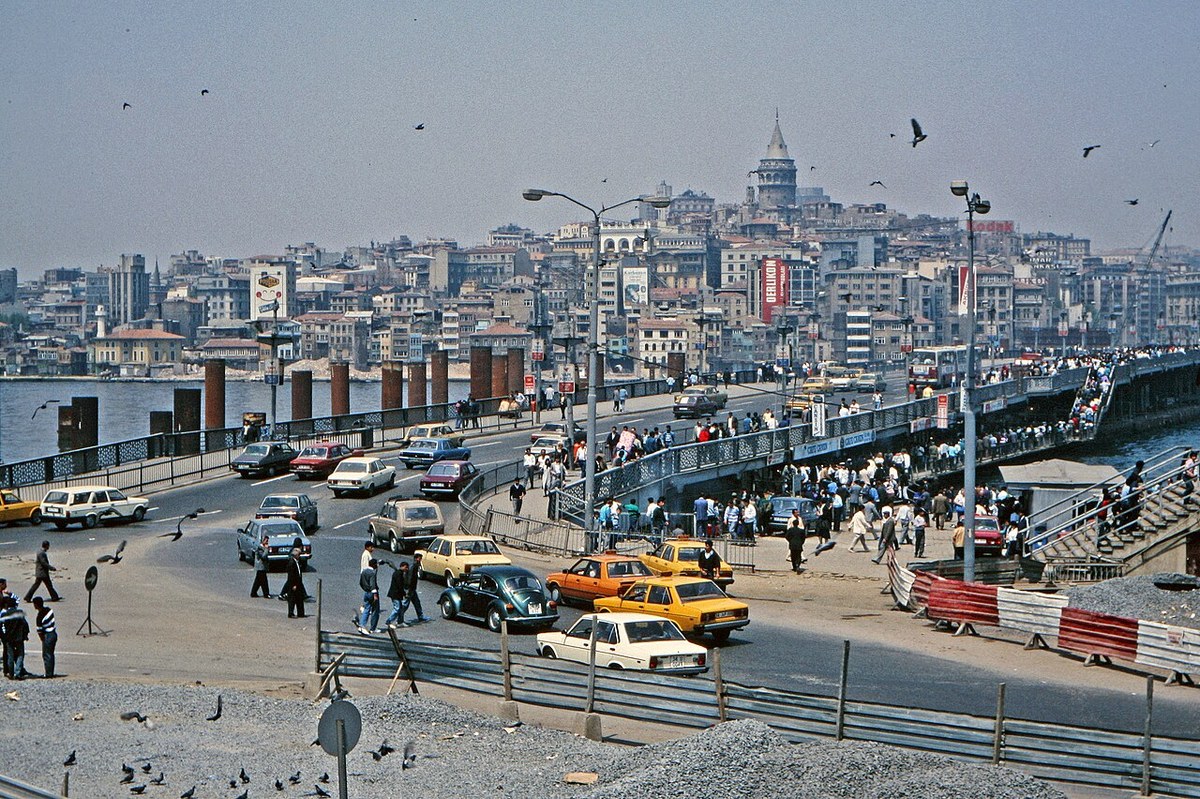
Galata Bridge
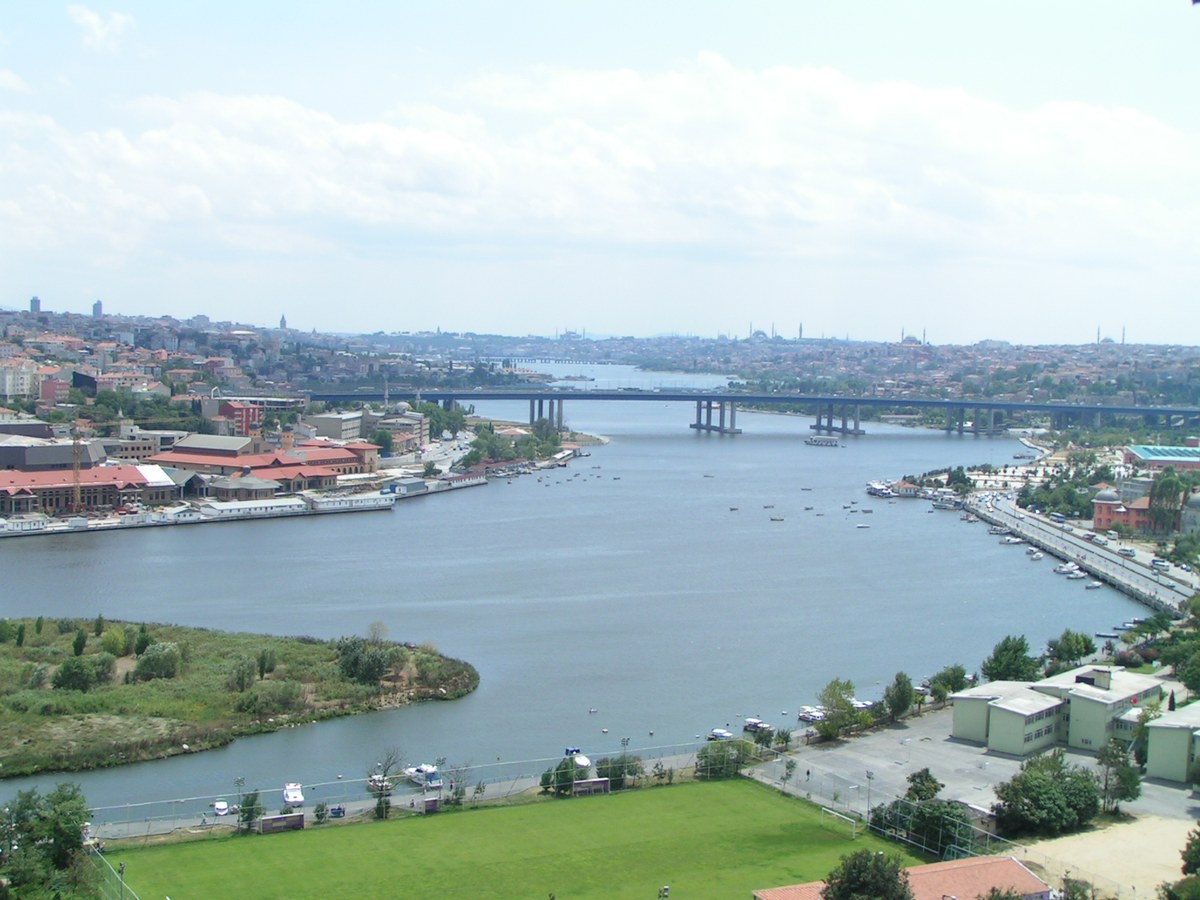
I can't say that I became a completely different person after this trip, because habits don't disappear in a few days, and confidence doesn't appear at the click of my fingers at 3.15. But I definitely stopped considering my own fear as an obligatory reason to give up something interesting and learned to perceive the unknown not only as a threat, but also as an opportunity. Now, if I find myself on an unfamiliar street and realize that I've taken a wrong turn, I try to look around first, and only then grab my phone and demand immediate rescue from the navigator. I had this strategy on an unfamiliar bridge over the Golden Horn Bay, and later I found out that it was the Galata Bridge, built in 1910. Its length is 484 meters, probably like the length of my anxious thoughts before. But I'm glad I realized that, after all, sometimes the most important discoveries begin at the very moment when you lose your way, stop panicking, and for the first time in a long time allow yourself to just see where the road leads.

Comments