

How to use public transport in Tokyo
When I first looked at the public transport scheme in Tokyo, I had the feeling that this was not a map of the city, but a plan for some kind of secret military operation. There are many lines, even more stations, different companies, transfers, exits with numbers, and all this at first glance looks like the Japanese decided to test the tourist's stress tolerance. Therefore, I decided not to pretend that I understood everything the first time, but arranged a small experiment for myself and spent two days specifically testing public transport in different areas of Tokyo.
During these two days, I managed to travel by subway, ordinary city trains, make several transfers, get lost inside the station, get off in the completely wrong direction, and once stand for quite a long time with my phone in my hands, pretending that I was not lost, but just studying architecture very carefully. In the end, I realized the main thing: Tokyo's public transport is much easier than it seems, if you don't try to memorize the entire system. There are literally a few things you need to figure out, and then the city starts transporting you almost by itself.
Metro and trains are not the same thing.
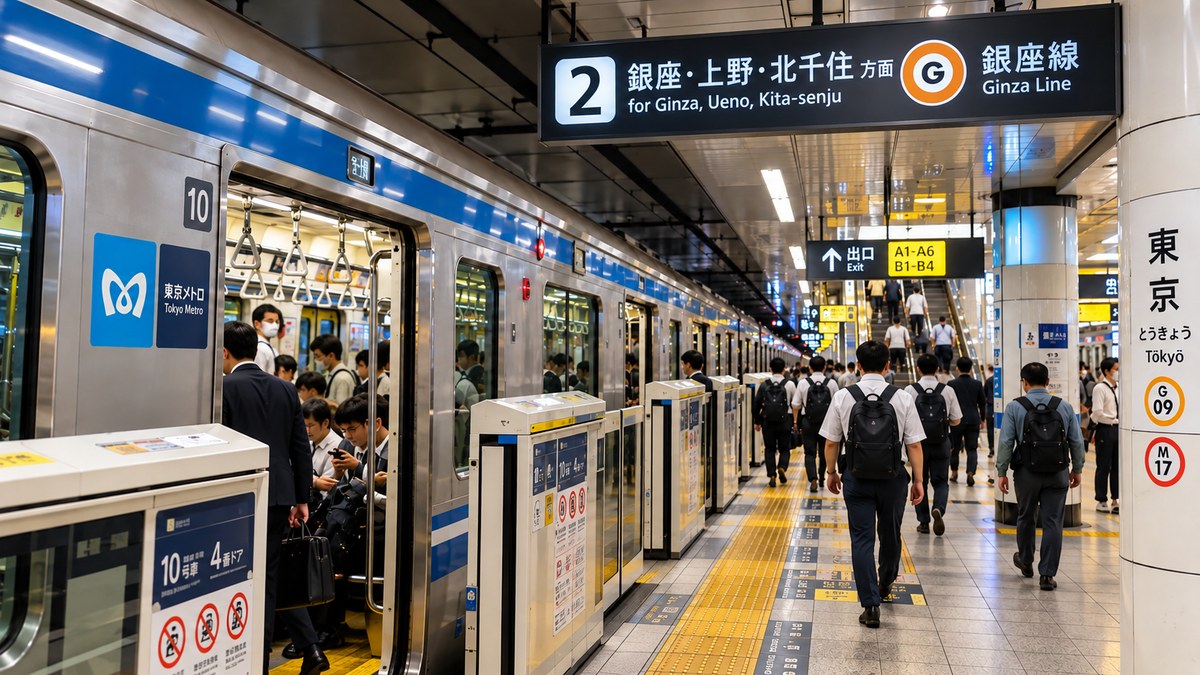
The first thing I would advise you to understand before your first trip is that Tokyo has a subway and there are railway lines that belong to different companies. Tokyo Metro and Toei Subway are especially important for tourists, and besides them there are JR and private railway lines. On the map, they may look like a single transport system, but in fact they are several different systems that are very closely related to each other.
And that's where I hung up a little bit at first. I'm used to cities with subways, so I chose a station, boarded a train, and I don't really think who owns the car. In Tokyo, this approach also works, but sometimes you have to look more closely, because the desired route may not take the subway, but the railway line, and the usual transfer suddenly turns into a small quest.
The most useful invention of a tourist is a transport card
After the first day, I realized that buying a separate ticket for each trip is a way to voluntarily complicate my life. It is much more convenient to use a Suica or PASMO transport card if it is available to you in a suitable format, and simply attach it at the entrance and exit.
The mechanics are elementary: I put the card or device to the reader at the turnstile, passed through, and put it back on the exit. The system itself understands how much you need to charge for a trip. I especially liked that I didn't have to stand at the vending machine every time and find out exactly how much it cost to get to the right station, although the first couple of times I still habitually approached the vending machine with the face of the person who was about to take the exam.
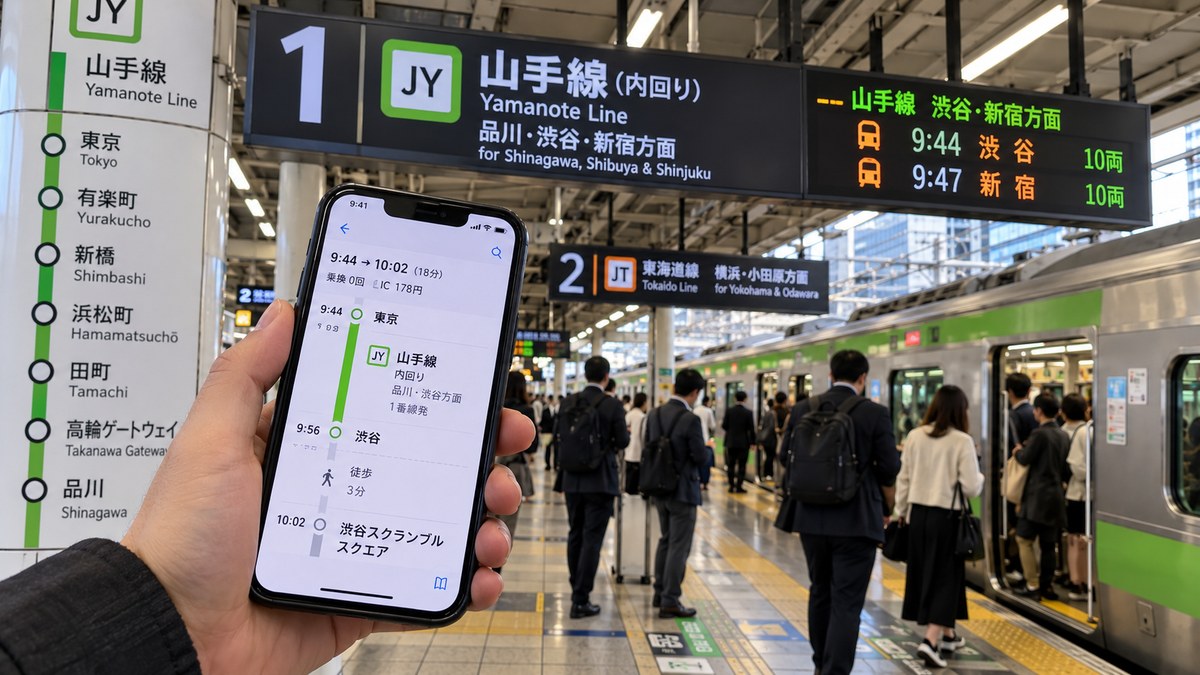
If you already have a transport card set up on your phone, it makes life a lot easier. The phone becomes both a map, a navigator and a pass to the transport system, and I gradually began to feel like a local, although ten minutes after that I was looking for the right exit again.
How to figure out which train to take
This is where the rule that helped me the most: don't just look at the name of the terminal station. In Tokyo, it's much more reliable to check the direction, line, and specific route shown by the navigator.
I usually opened the route on my phone and looked at which line I needed to get on, which platform the train was leaving from, and exactly where to get off. The navigator shows not only the station, but also the direction of travel, the number of stops, transfers, and travel time. Therefore, I stopped trying to decipher the entire map of Tokyo on my own after about a couple of hours.
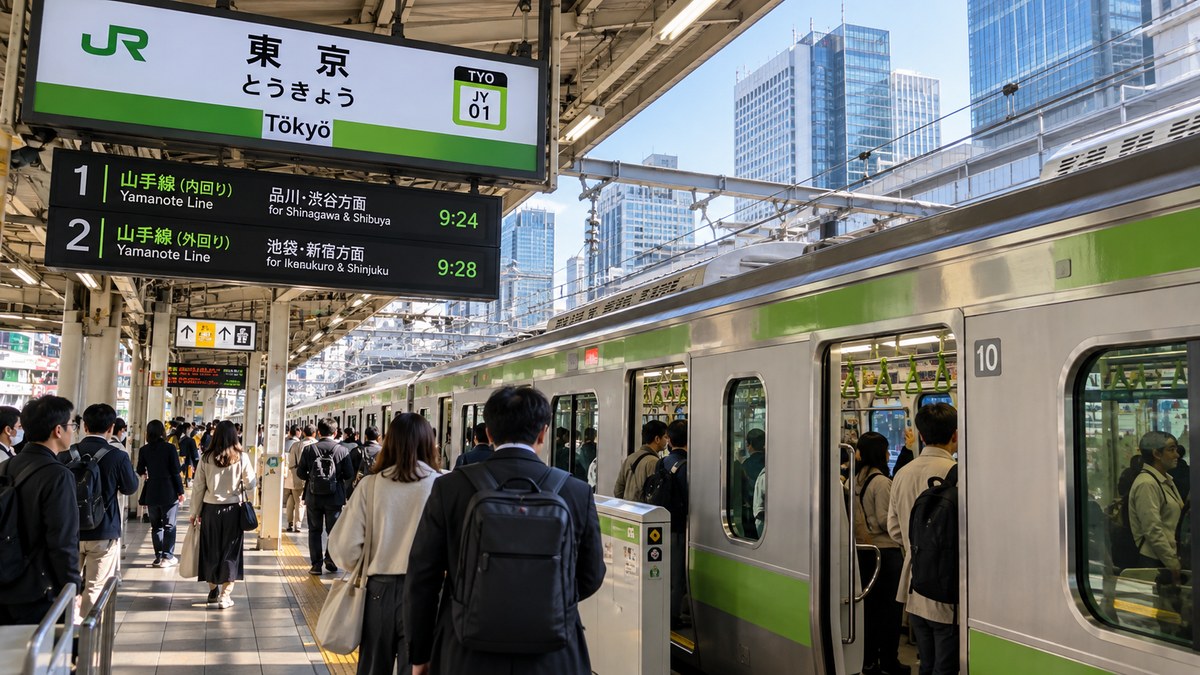
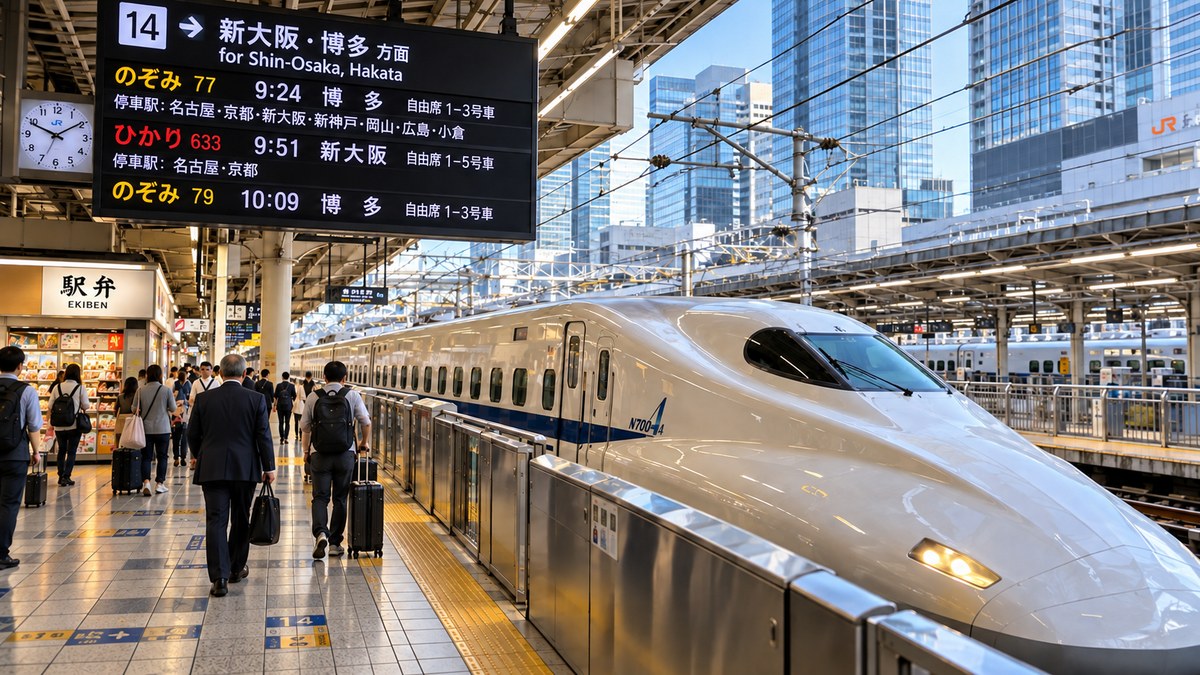
At the same time, I noticed one interesting thing: a train can arrive at the line you need, but not every train necessarily goes where you need to go. Therefore, before boarding, I always checked the direction on the electronic board and the name of the terminal station. It's better to spend an extra twenty seconds checking than to find yourself after a few stops in a completely different part of Tokyo.
Transplants are the most interesting
On the first day, I was somewhat suspicious of transfers, because the station could be huge, and the transition between the lines sometimes took a considerable time. Moreover, the word "station" in Tokyo does not always mean a small platform with two exits and a coffee machine.
Some stations are so big that you can walk inside quite well. There are shops, cafes, signs, stairs, escalators and so many people that at some point I stopped realizing whether I was still traveling on business or already participating in some kind of Japanese city festival.
But here's the good news: the pointers are usually very detailed. You just need to take your time and look at the name of the desired line, the color of the line and the exit number. At first, I tried to follow the crowd, because it seemed logical that so many people couldn't make a mistake. It turned out that they could, especially if this crowd was just heading to the mall.
My First Day: Shibuya, Shinjuku and Asakusa
I decided to check the transportation in different atmospheric areas, so I started with Shibuya. Everything happens fast here: people walk in all directions, trains arrive one after the other, there are huge screens, shops and intersections around, which I saw in photos about a thousand times before the trip.
After Shibuya, I went to Shinjuku, and it was there that I finally realized that in Tokyo it was important to look not only at the station number, but also at the exit. In some cases, the wrong exit can turn a short walk to the right place into a full-fledged tour of the area. One day I went out, looked around and realized that I had no idea where I was at all, although just a minute ago I was absolutely confident in my navigation abilities.
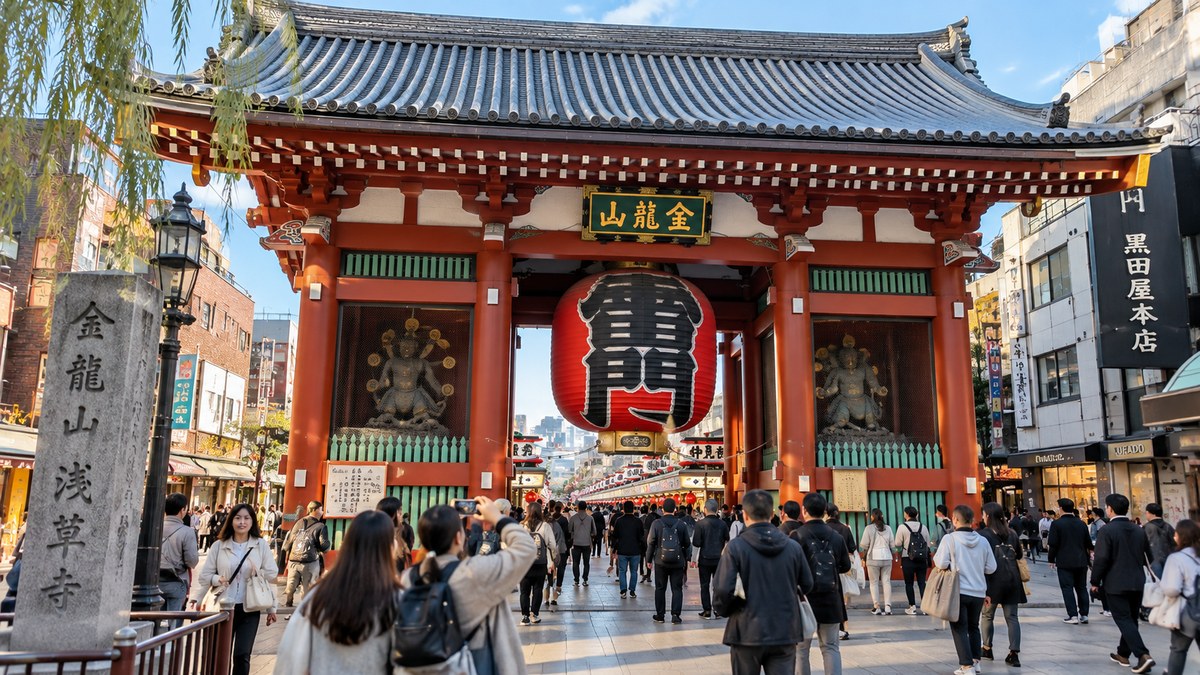
Kaminarimon Gate
Then I drove towards Asakusa and saw the Kaminarimon Gate leading to one of the oldest Buddhist temples, Senso-ji. After the bustling Shibui and Shinjuku, this area feels completely different, and I liked that the same public transport allows you to move between completely different parts of the city in a fairly short time. At some point, I caught myself thinking that I no longer perceive a subway ride as a separate adventure, although in the morning I was still photographing the signs with the expression of a researcher of an unknown civilization.
Day two: Tokyo Railway Station, Ginza and Odaiba
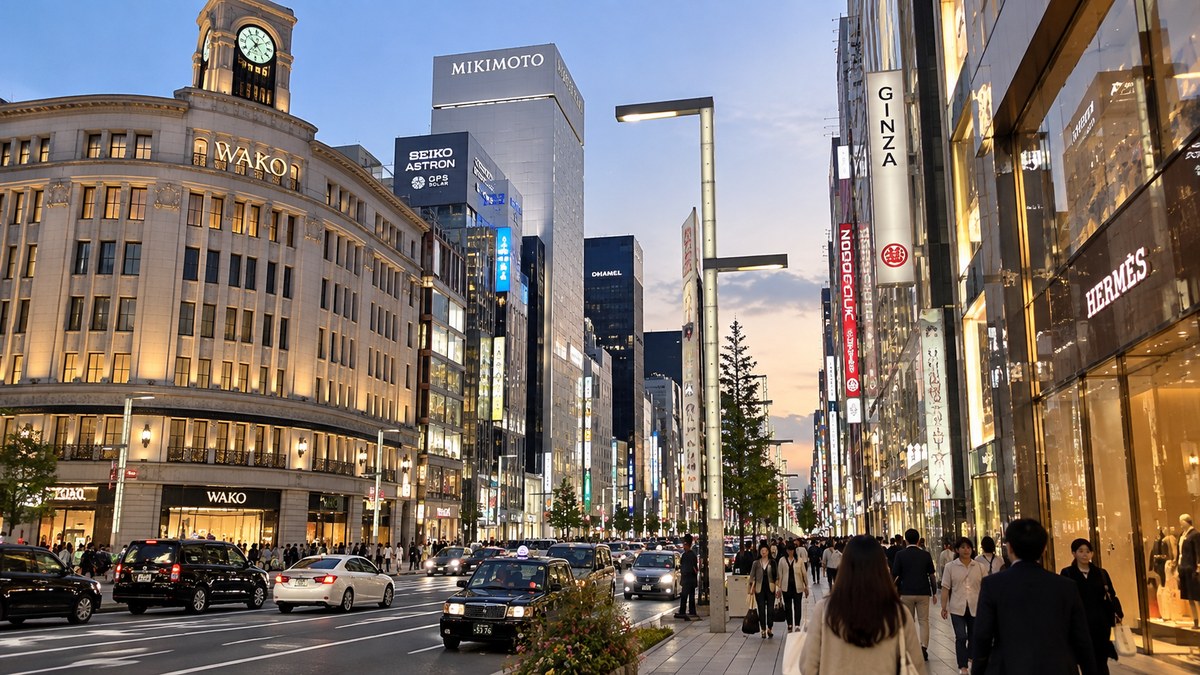
Ginza
On the second day, I decided to complicate the experiment and went to the Tokyo Station area, then to Ginza and further towards Odaiba. It was on this day that I finally understood why many people advise looking at the route in advance before traveling, rather than relying on intuition.
Tokyo Station is huge, and it's easy to feel like a small part of a large mechanism inside it. I checked my phone several times, checked the platform numbers and signs, and then checked my phone again, because I was already beginning to suspect that my brain was deliberately trying to send me the wrong way.
But after a few trips, there is a certain confidence. You already understand that first you need to find the right line, then the direction, then the platform, and after the trip, do not rush immediately to the first exit, but see which exit is needed. And that's when Japanese transport stops seeming chaotic and starts looking very logical.
What should I do if I don't understand Japanese names?
Japanese station names can be intimidating at first, especially when you look at the scoreboard and try to simultaneously read the hieroglyphs, the Latin alphabet, and also understand where the train is heading. But a tourist does not need to know Japanese to use public transport.
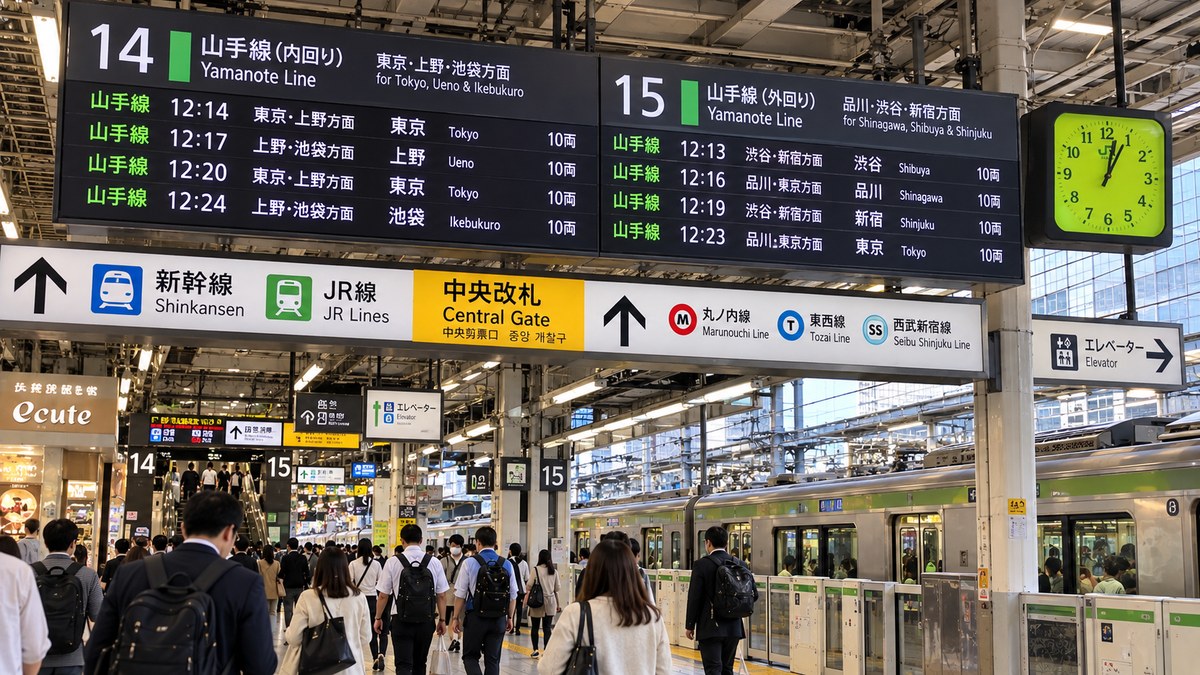
Stations usually have designations in English, and lines have colors and alphanumeric designations. In addition, modern navigation applications perfectly show the route, so I almost always followed the Latin name of the station and the line number.
The most useful thing is to save the name of the place or station where you are going in advance, so that if something happens, you can simply show it to the station employee. In my experience, the Japanese transport staff were very attentive, and even when I looked like a person who did not understand where to go at all, they tried to show me the direction.
What about buses
I also tried buses, although I traveled most of the routes during these two days by train and metro. The bus system in Tokyo is also well organized, but personally it seemed to me a little less obvious for the first acquaintance with the city.
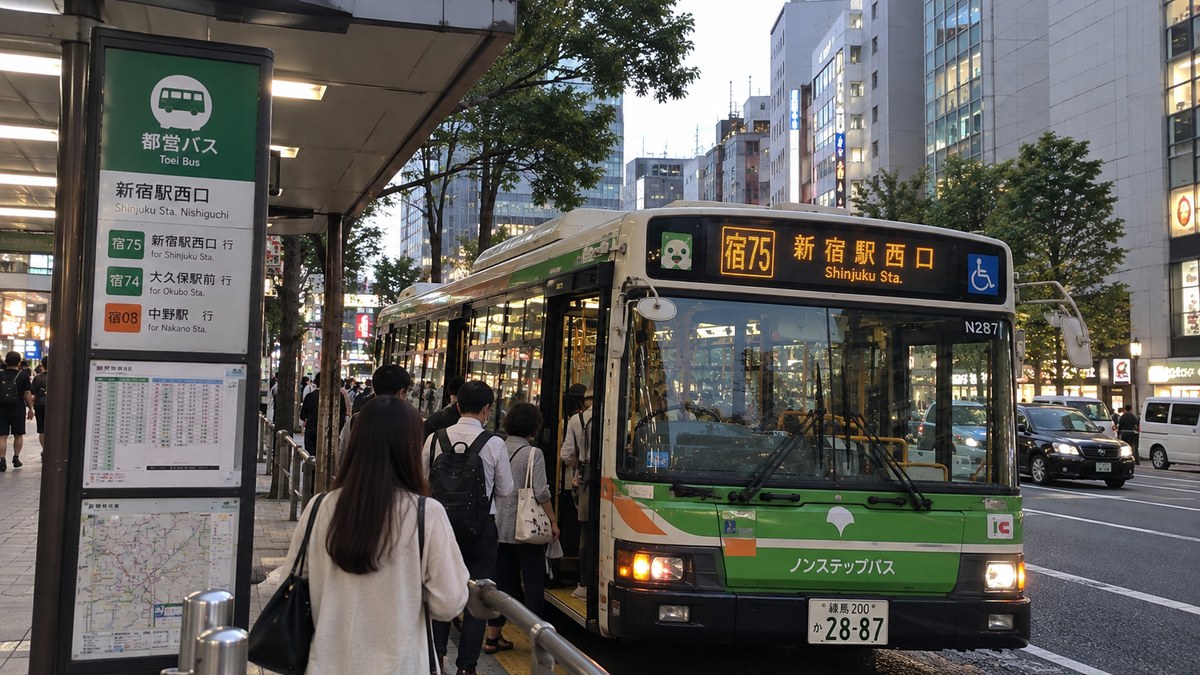
The main difference is that you need to take a closer look at the route, stop, and payment method. If this is your first time in Tokyo and you plan to travel a lot between areas, I would first get used to the subway and railway lines, and leave the buses for those cases when a particular route is really more convenient to travel on the ground.
What surprised me the most
What struck me most was not even the number of lines or the size of the stations, but how calmly it all works with a huge number of people. In some places, it feels like there's an endless stream of passengers in front of you, but the system continues to function without feeling chaotic.
I also quickly got used to the fact that you shouldn't talk loudly on the phone in public transport and generally it is customary to behave quite calmly. After the bustling tourist cities, it's a little unusual at first, but after a while you start to appreciate the opportunity to safely get to the right place without participating in someone else's phone conversation on the entire platform.
My main mistakes
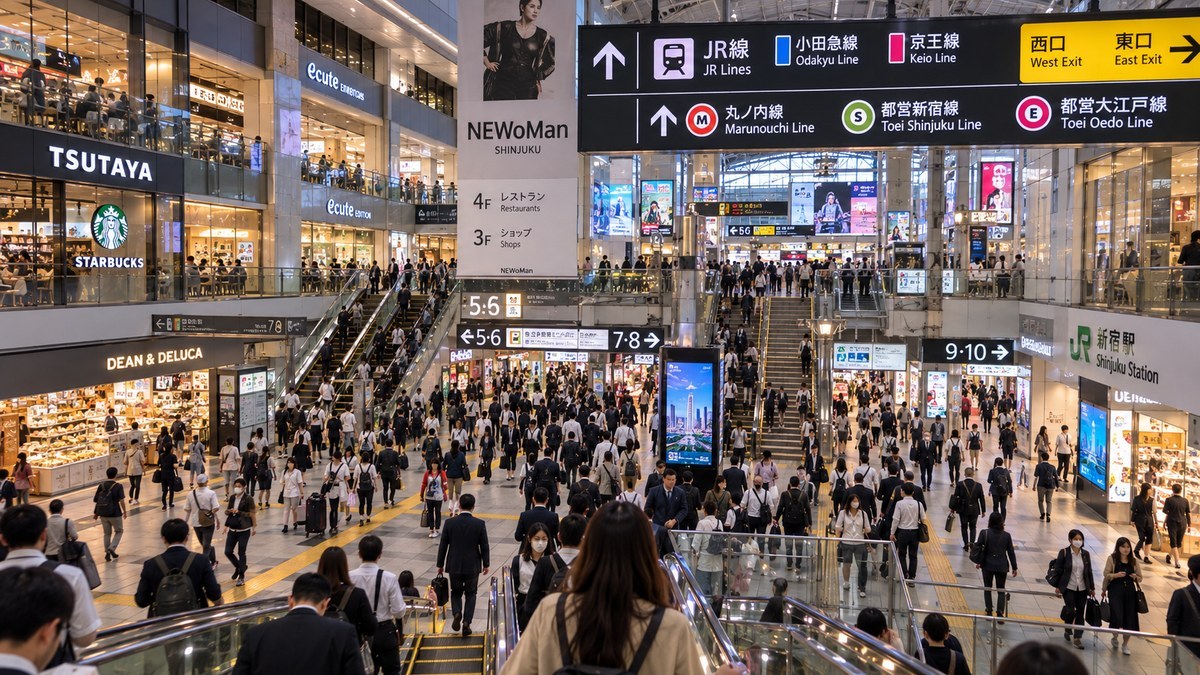
The main mistake is to underestimate the size of the stations. If the navigator says that the transfer will take five minutes, I now automatically add a reserve to this time, especially if we are talking about a major transport hub.
The second mistake is to look only at the name of the station and forget about the exit. In Tokyo, this can be critical, because one exit may be almost next to the right place, and the other will send you walking for several blocks, and you won't realize it right away.
And the third mistake is trying to remember everything. After two days, I realized that it was not necessary to keep a map of all of Tokyo in my head. It's enough to know where you need to go now, open the route, check the line, direction, platform and exit, and then just calmly follow the signs.
How long does it take to figure it out
To be honest, two days were enough for me to stop being afraid of Tokyo transport. I didn't become an expert, and I certainly couldn't tell which line ran with my eyes closed, but I stopped seeing each trip as an intellectual marathon.
Now I would calmly get on the train, change trains, get off at the right station, and not even take pictures of every pointer in memory. Although, knowing myself, after five minutes I would probably have taken out my phone again and checked the route again – just for peace of mind.
What I recommend to tourists
If this is your first trip to Tokyo, don't try to explore the entire transportation system in one evening. Choose several routes for the first day, install a convenient navigation app, understand the transport map, and always check the direction of travel before boarding.
And be sure to set time for major stations and transfers. In Tokyo, the distance between two points is sometimes measured not only in kilometers, but also in the number of stairs, escalators, corridors and turns that you have to go through inside the station.
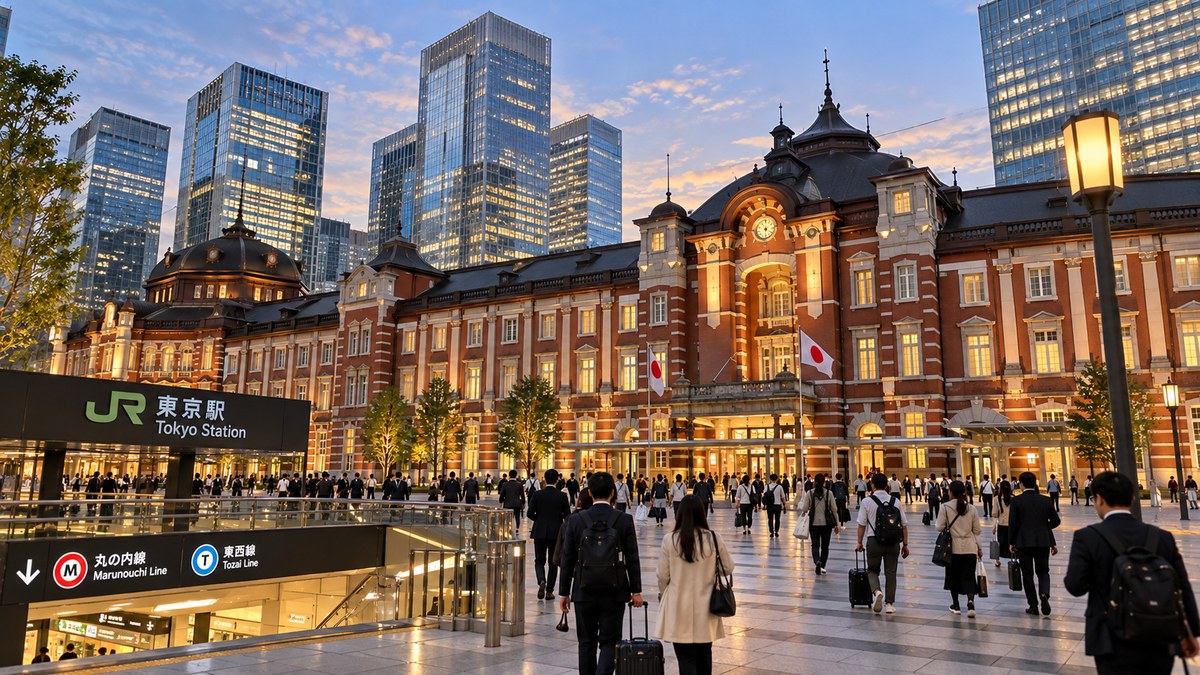
After two days of my experiment, the conclusion was pretty simple: Tokyo's public transport looks scarier than it really is. The first trips can make you feel like a person who accidentally got inside a huge mechanism, but then you begin to understand the logic of this system and already calmly move around the city.
And the best part is that Tokyo becomes much more accessible when you stop being afraid of its transport. You can walk around Asakusa in the morning, then find yourself among the skyscrapers of Shinjuku, then have coffee in Ginza, and in the evening look at the city from Odaiba, and all this without having to take a taxi every time. For me, this is exactly what turned out to be the main secret of Tokyo transport: at first it scares, then it surprises, and then you're already sitting in the carriage, looking out the window and thinking where else to go today.

Comments