


The most unexpected place on my trip to Santorini
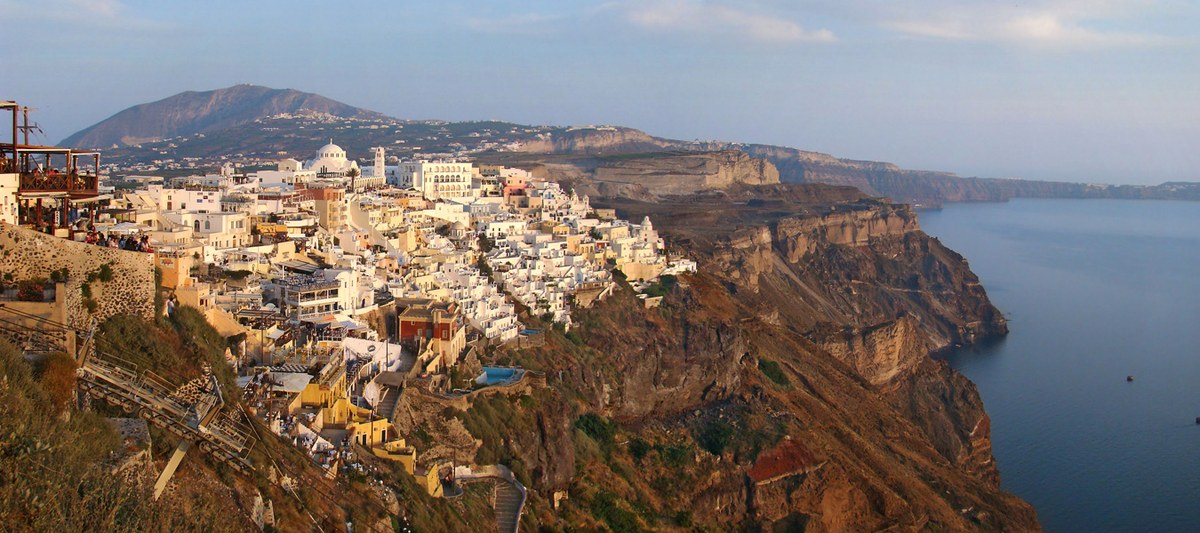
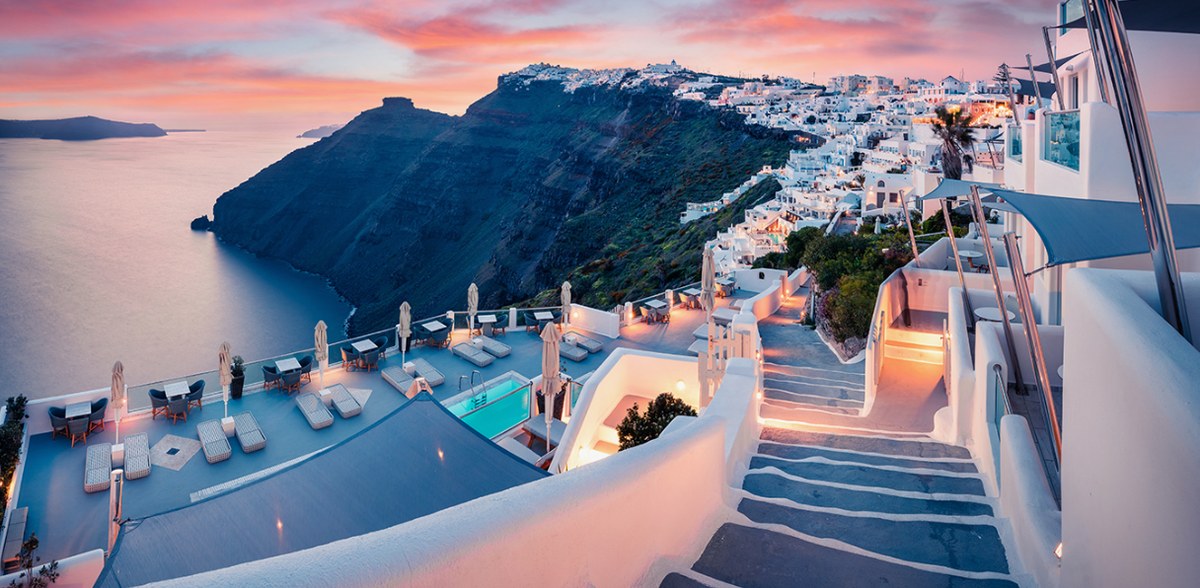
When I was first planning a trip to Santorini, there was a very definite picture in my head: snow-white houses, blue domes, narrow streets, incredible views of the Aegean Sea and, of course, that famous sunset, for which a huge number of people come to the island every year. I imagined myself with a cup of coffee somewhere on the terrace, looking at photos of Santorini and already knew about which photos I would take, although I understand perfectly well that a person who plans photos in advance will still take three times as many shots as he intended. But among all these beautiful plans, there was absolutely no place for an ancient city hidden under a layer of volcanic ash, and it eventually became the most unexpected place on my trip.
When I first heard about Akrotiri, it was hard for me to imagine that on such a picturesque island you could find something so different from the usual image of Santorini. I came here for the sea, the white houses and the feeling of eternal summer, but instead one day I went to see an ancient settlement and did not expect at all how much it would impress me. That's probably why I remember Akrotiri especially strongly, because the most striking discoveries in travel often happen where you originally did not intend to go at all.
The road took me to a completely different Santorini
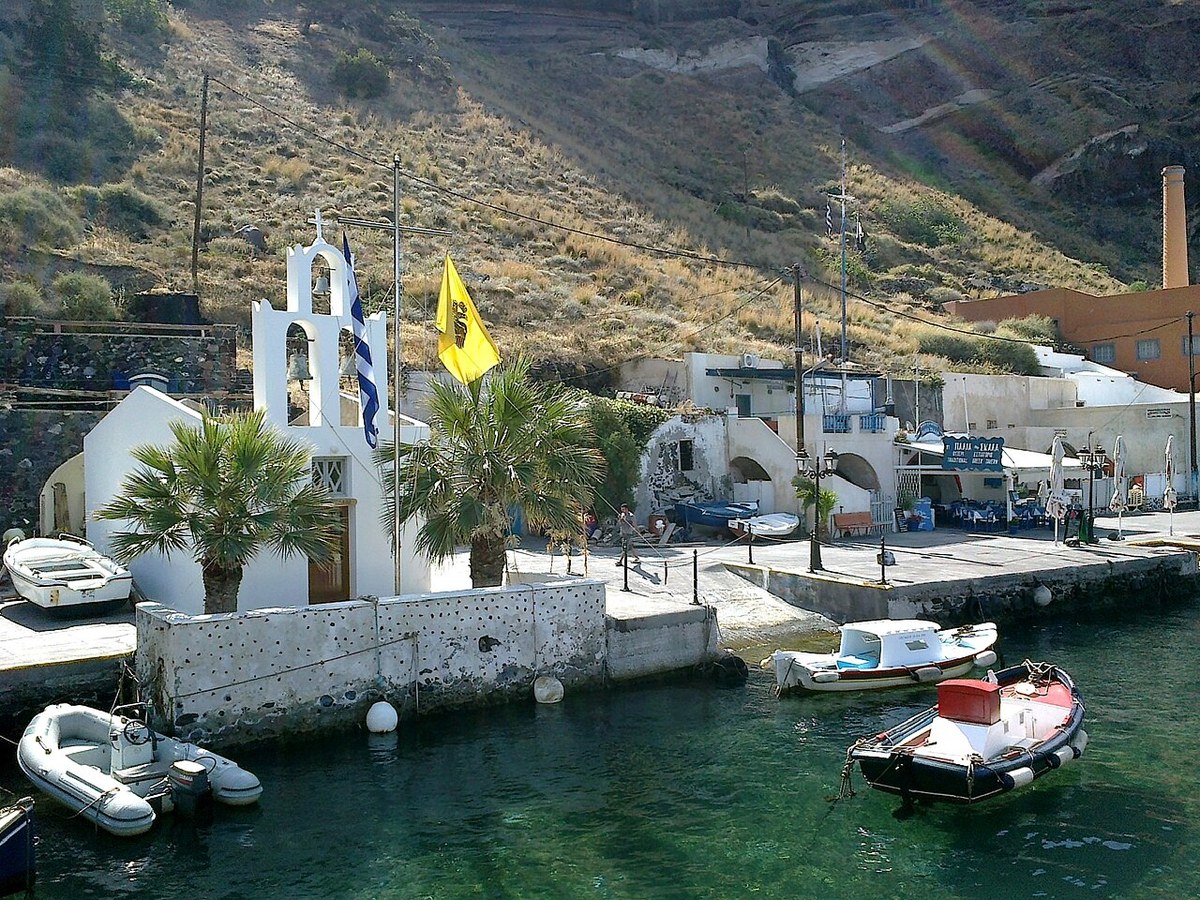
Before the trip, it seemed to me that Santorini was primarily about beautiful towns on the edge of the caldera, endless staircases, terraces overlooking the sea and photos that look like they were specially processed for a tourist catalog. But the further I got away from the most famous places on the island, the more the impression changed, because behind the usual tourist pictures, a completely different Santorini gradually opened up, more peaceful, ancient and somehow surprisingly real. It was then that I realized that the island is much more interesting than it looks from the photographs, and that behind its white facades there is a story that I had hardly thought about before.
I remember driving towards Akrotiri and thinking that I would probably watch everything pretty quickly and then return to my usual walks around the island. I generally have this wonderful habit of underestimating certain places in advance, and then wondering why I didn't set aside half a day for them, because it turns out that's where I want to stay the longest. At that moment, I didn't know yet that in a few hours I would be walking around an ancient settlement and trying to imagine what life looked like here thousands of years ago.
The city that was under the volcano
Akrotiri turned out to be completely different from the places I used to see when traveling, because here the story literally lies in front of you in the form of streets, buildings and preserved details of an ancient settlement. This is an archaeological monument of the Minoan era, which was buried under volcanic ash after a powerful eruption, and it is thanks to this that many elements of the ancient city have been preserved to this day. When you learn this story, you begin to look at everything around you with completely different eyes, because you realize that this is not just ruins, but a place that was once a real city, where people lived, worked, walked the streets, built houses and completely did not suspect that thousands of years later travelers would come here. and try to imagine their lives.
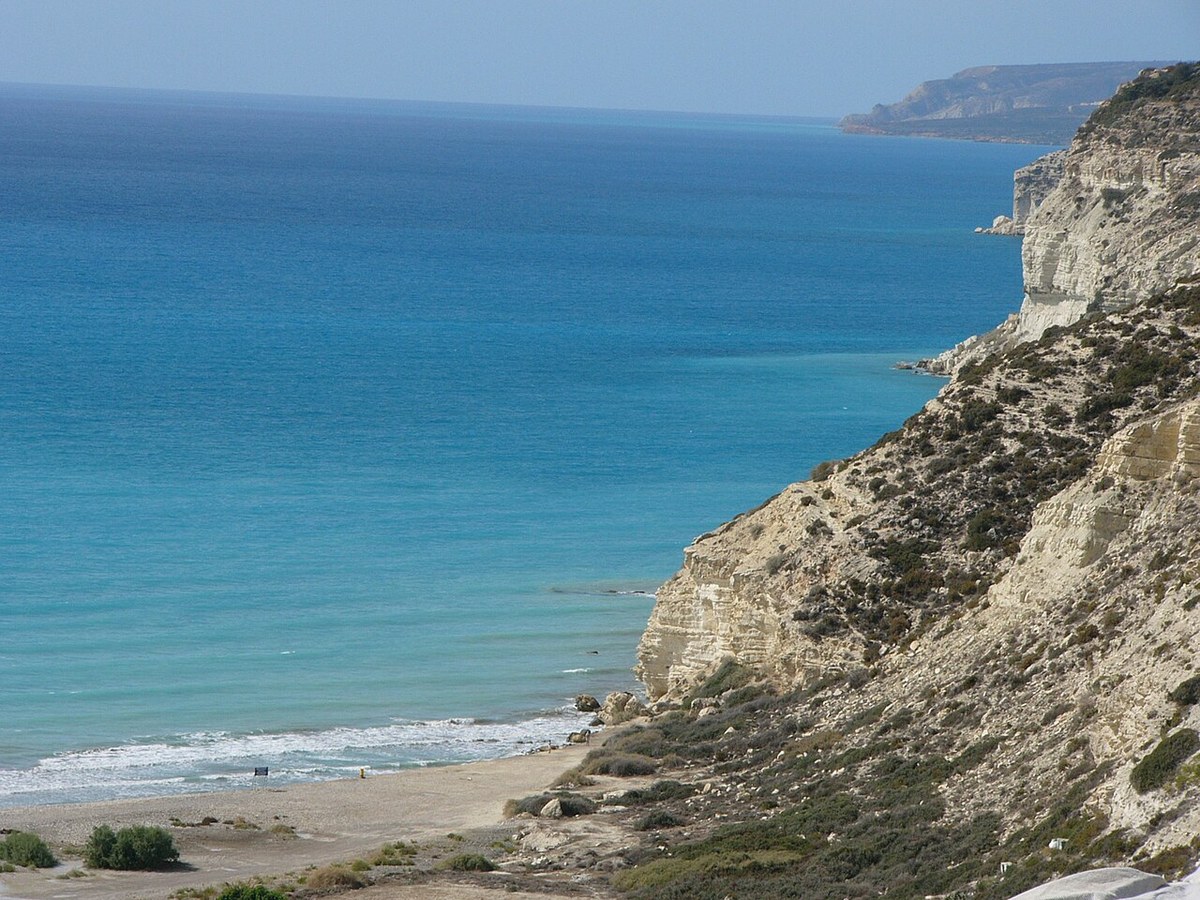
The most amazing thing for me was the feeling of time that almost physically arises here, although it sounds a bit pretentious, and I usually try to avoid such formulations. But when you stand among the ancient walls and look at the preserved elements of the houses, you really begin to feel how huge is the distance between your life and the lives of the people who were once here. I even caught myself thinking that my usual problems like a lost ticket, a dead phone, or another search for the right road look completely ridiculous against the background of the history of this place.
I didn't expect to see houses here at all.
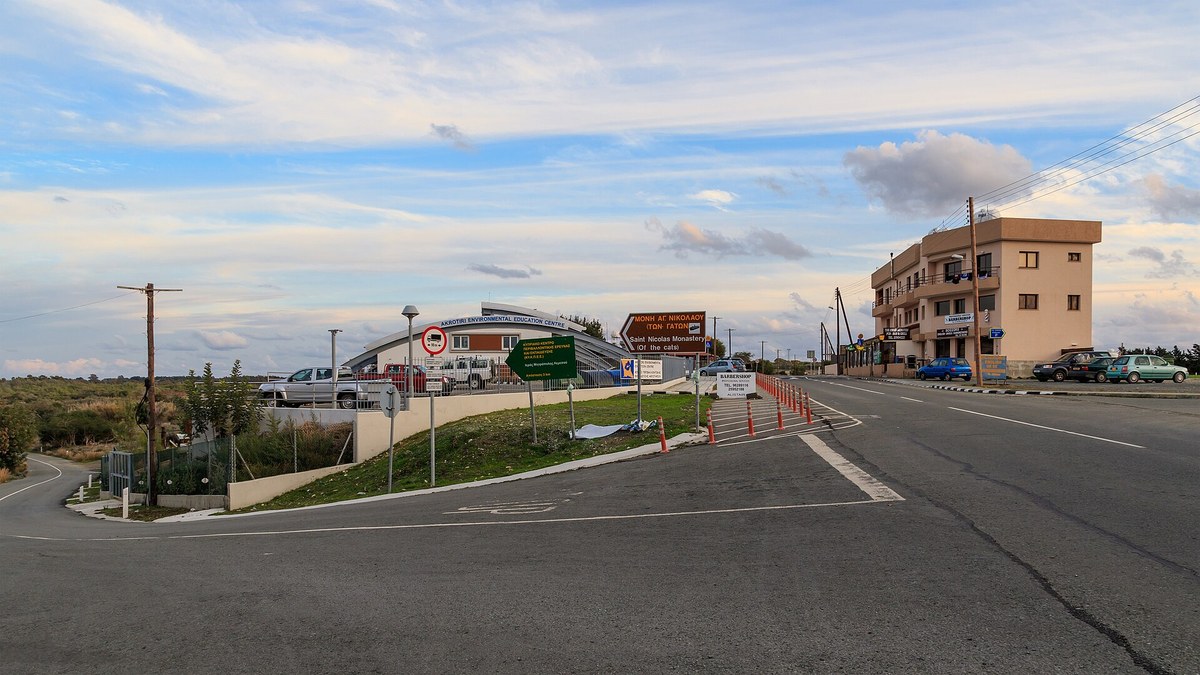
I was especially surprised by how developed this settlement was, because in my head the ancient city looked very different. I imagined a few stones, a couple of walls, and a plaque with a long historical description, which I would read about halfway through, and then move on, because tourist concentration sometimes lives by its own laws. But Akrotiri turned out to be much more interesting, and gradually I began to notice the layout of the streets, multi-storey buildings, rooms and various details that made it possible to imagine how difficult life was for people here many thousands of years ago.
I especially liked that here you can not just look at individual artifacts, but try to mentally reconstruct the whole city, and this completely changes the impression of the tour. You walk along the ancient streets and realize that once upon a time there were people walking here who were in a hurry about their business, talking, cooking, meeting with neighbors and, perhaps, also sometimes getting annoyed because of some completely everyday trifles. And it was this thought that for some reason made ancient Akrotiri much closer to me, because history ceased to be a set of dates and became the history of ordinary people.
The most unexpected discovery of my trip
It was probably here that I finally realized that travel rarely gives us what we expect from it, and this is one of the main reasons why I love it so much. I came to Santorini for beautiful views, the sea, white houses and photos, and in the end, I was most impressed by a place that I knew much less about before the trip than about the famous streets of Ai. It turns out to be quite funny: I could choose a beautiful postcard from Santorini for a long time, and then the most valuable memory turned out to be the ancient city, which thousands of years ago was hidden under volcanic ash.
I came out with a completely different feeling of the island, because now Santorini was no longer just a beautiful setting for photos and romantic walks. Behind the white houses and blue domes, a huge story suddenly appeared, in which there were volcanic eruptions, ancient civilizations, cities and people whose traces have been preserved after thousands of years. And I liked this discovery precisely because it happened completely unexpectedly and made me look at the island I already knew from photographs with completely different eyes.
After Akrotiri, I looked at Santorini in a different way.
Later, when I found myself among the white houses and narrow streets again, everything around me was perceived a little differently, because now I saw beyond the beautiful landscapes not only a modern tourist island. I looked at the volcanic landscape and thought that it was he who once changed the fate of an ancient settlement, and the sea, which travelers admire today from the terraces of restaurants, was a part of the lives of people who lived here long before the first tourists appeared. Even an ordinary walk now seemed like a small time trip to me, although, of course, I still continued to photograph beautiful doors and stop at each particularly good view or temple.
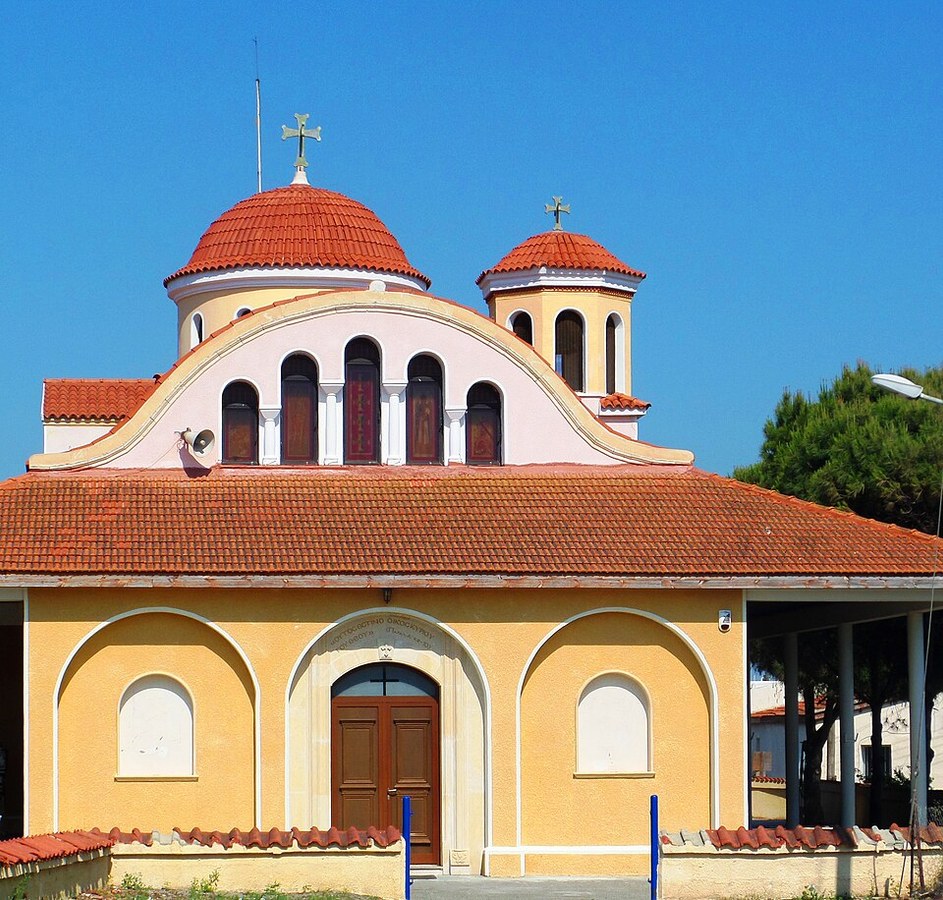
And that's probably where the real value of travel lies for me, because sometimes it imperceptibly changes our perception of familiar things. Before the trip, Santorini was for me a beautiful Greek island that I had seen many times in photographs, and after Akrotiri it became a place with an incredibly deep history, where the beauty of nature coexists with the memory of an ancient civilization. I came for one impression, but I got a completely different one, and that's why this day has remained in my memory much more vividly than many pre-planned points on the route.
A place I wasn't expecting at all
If you ask me now which place turned out to be the most unexpected in my entire trip to Greece, I will name Akrotiri without much thought. Not because there were the most spectacular photos or the most famous views, but because it was there that I went without any special expectations and it was from there that I left with the feeling that I had accidentally discovered a completely different side of Santorini. Sometimes it seems to me that such places become the main memories of a trip, because we don't have time to think in advance what our impression should be, and therefore we perceive everything much more honestly.
Now, when I remember Santorini, I see not only white houses, blue domes and sunset over the Aegean Sea, but also the ancient streets of Akrotiri, the silence of the archaeological complex and the feeling that there is a history that is several thousand years old under my feet. And if they had told me before the trip that the ancient city would be the most unexpected place for my trip, I probably would have just smiled and replied that I was definitely going to Santorini for something completely different.
And now I understand that it's these unexpected turns that make traveling really interesting, because you never know which place will suddenly stay with you much longer than everyone else.


Comments