Mihintale – the cradle of Buddhism in Sri Lanka
Mihintale is a sacred historical complex in north-central Sri Lanka, around 11–15 kilometres east of the ancient city of Anuradhapura. It is one of the island's most important Buddhist pilgrimage sites, known for its ancient stupas, stone stairways, monastic ruins and rock shrines.
History of Mihintale
According to Sri Lankan chronicles, in the 3rd century BCE the island's ruler, Devanampiya Tissa, met the Buddhist monk Mahinda here. Tradition associates Mahinda with the Indian emperor Ashoka. Mahinda introduced the king to the teachings of the Buddha, and the meeting became a landmark in the spread of Buddhism across the island. Mihintale later developed into a major monastic centre supported by the rulers of ancient Anuradhapura.
The ancient stone staircase
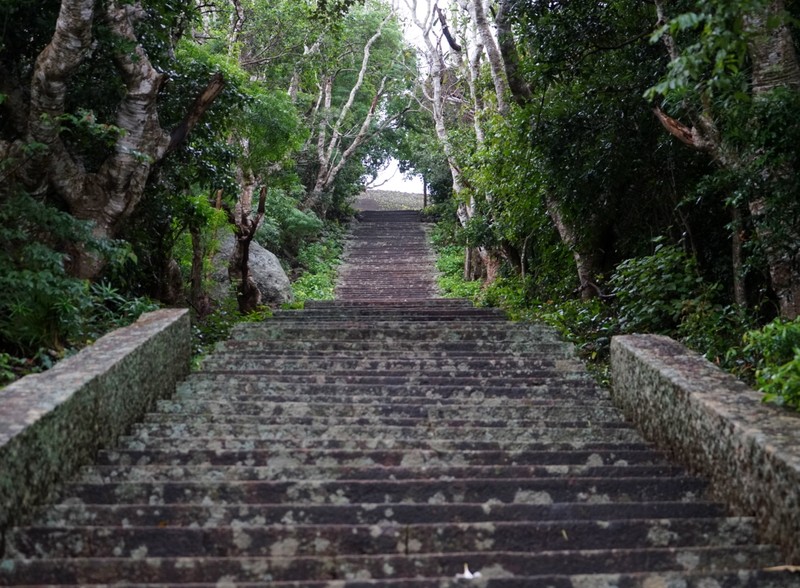
One of Mihintale's most memorable features is its historic stone staircase, traditionally said to have around 1,840 steps. It climbs through several levels of the sacred hill, passing shrines, stupas and archaeological remains. Early morning or late afternoon is usually more comfortable for the ascent. Bring water and wear shoes with a good grip.
Ambastala and Mahaseya stupas
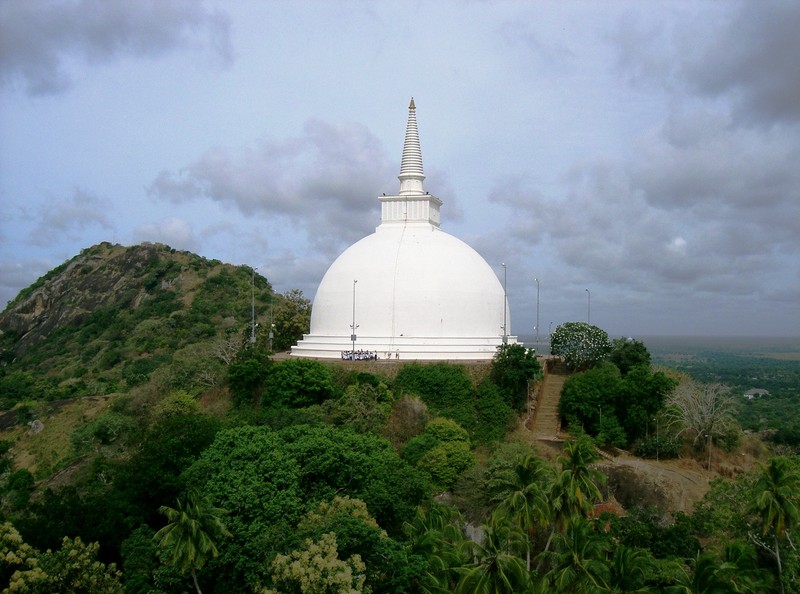
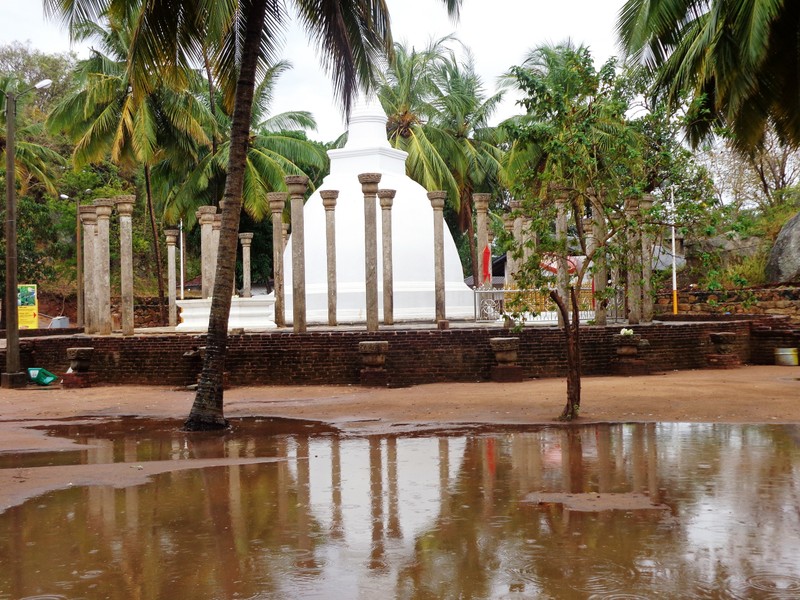
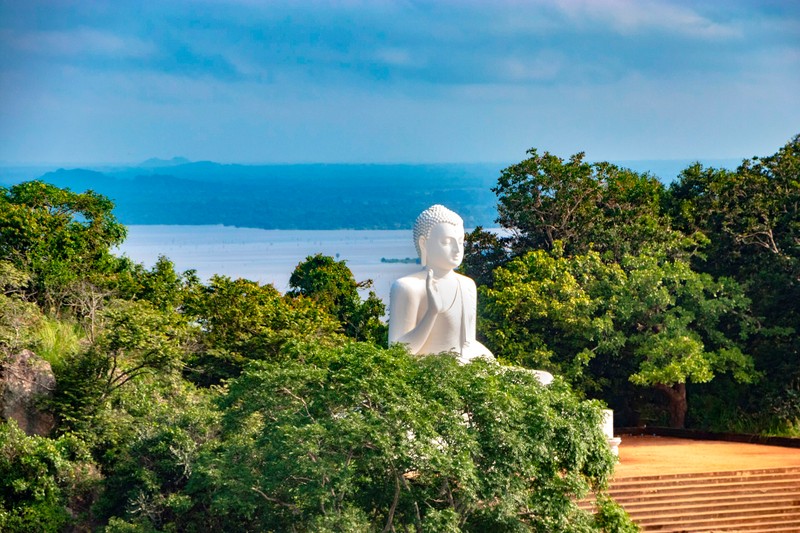
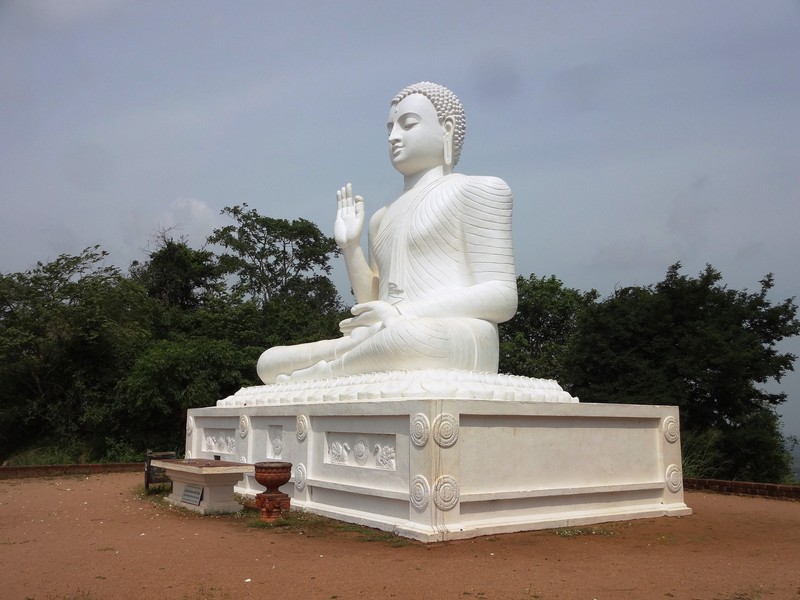
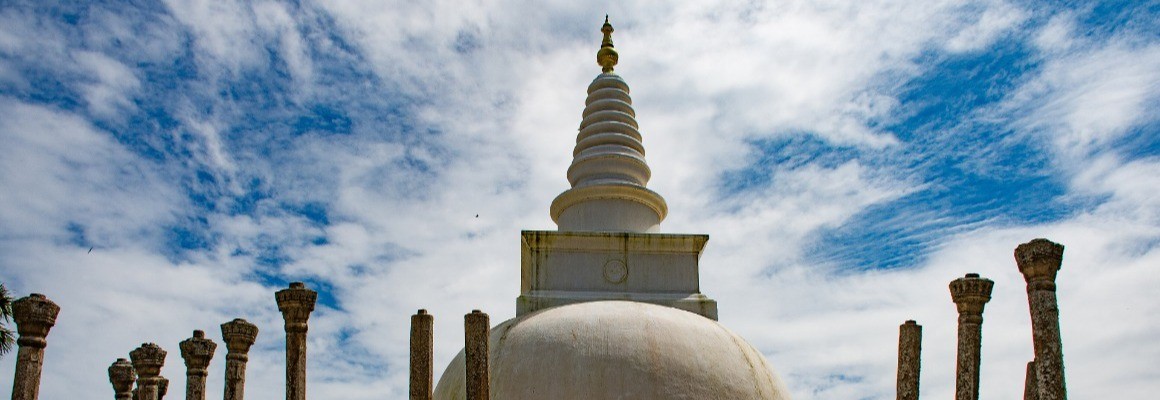
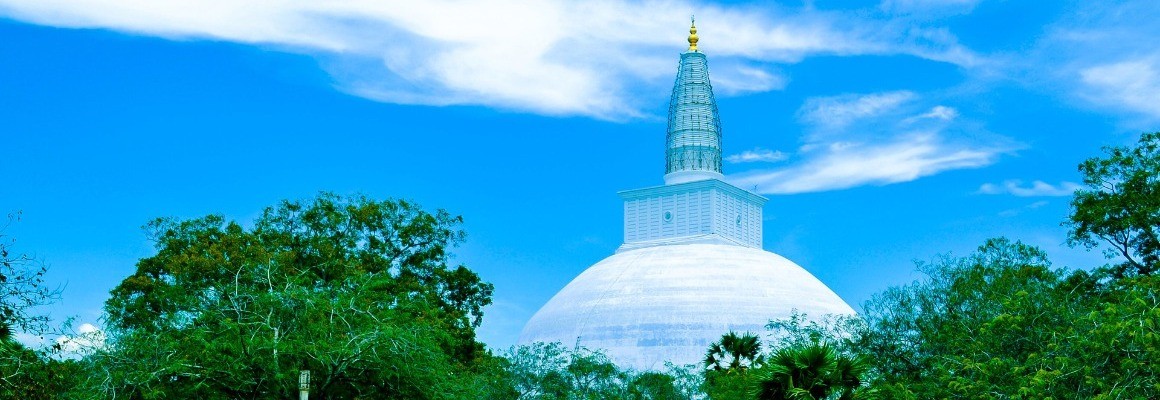
Ambastala Dagoba is traditionally identified as the place where Mahinda met King Devanampiya Tissa. The large white Mahaseya Stupa stands on higher ground and offers sweeping views across the surrounding forests and plains. Both are important religious landmarks within the complex.
Kantaka Chetiya and monastic ruins
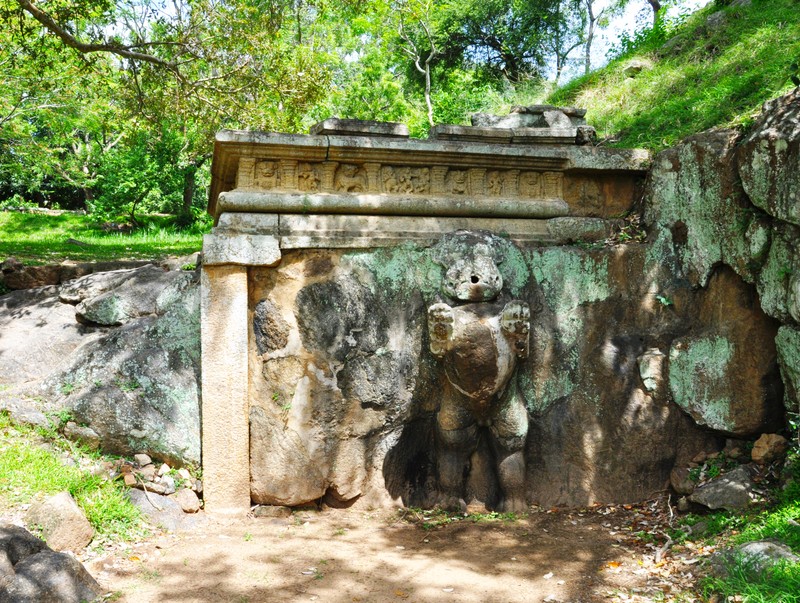
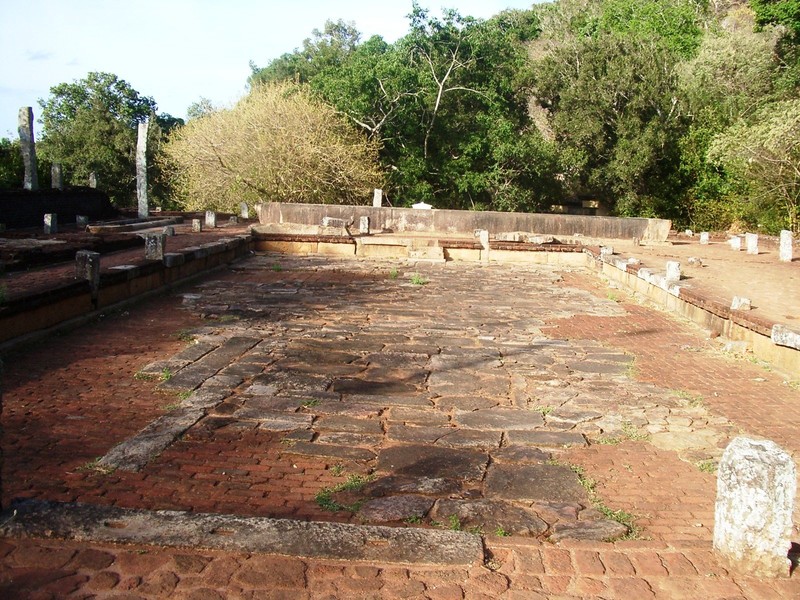
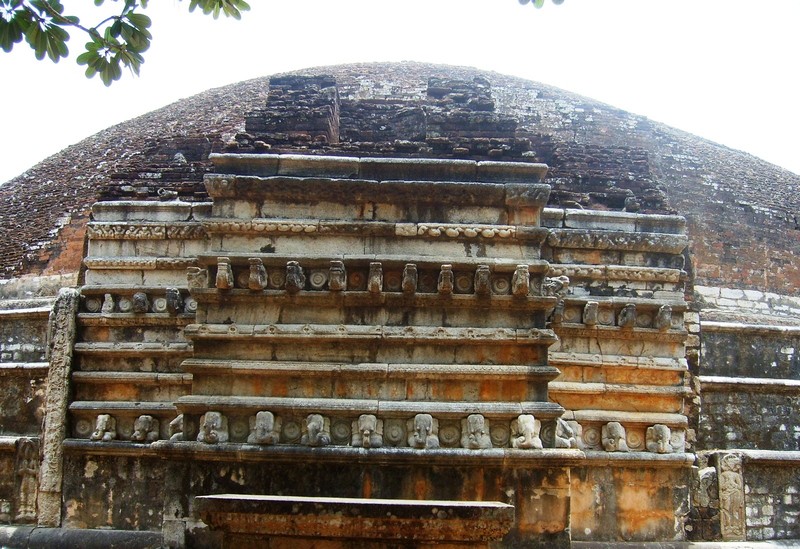
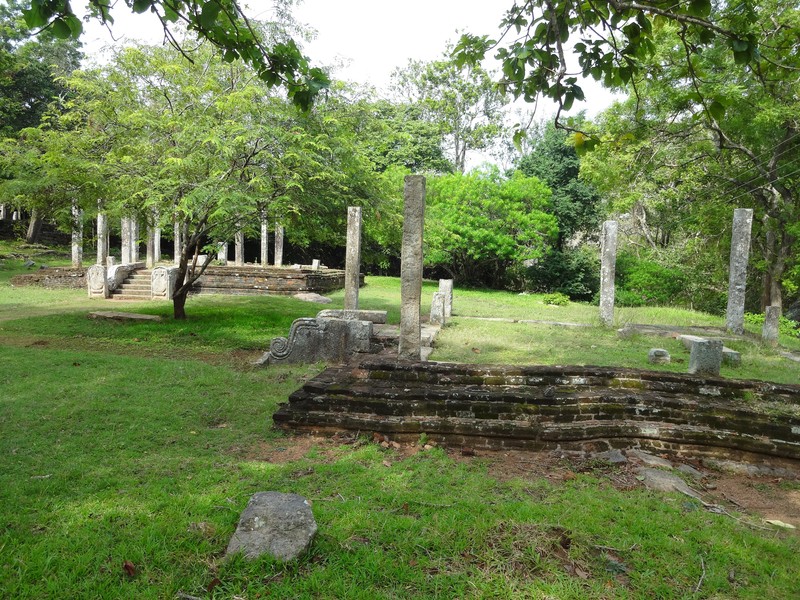
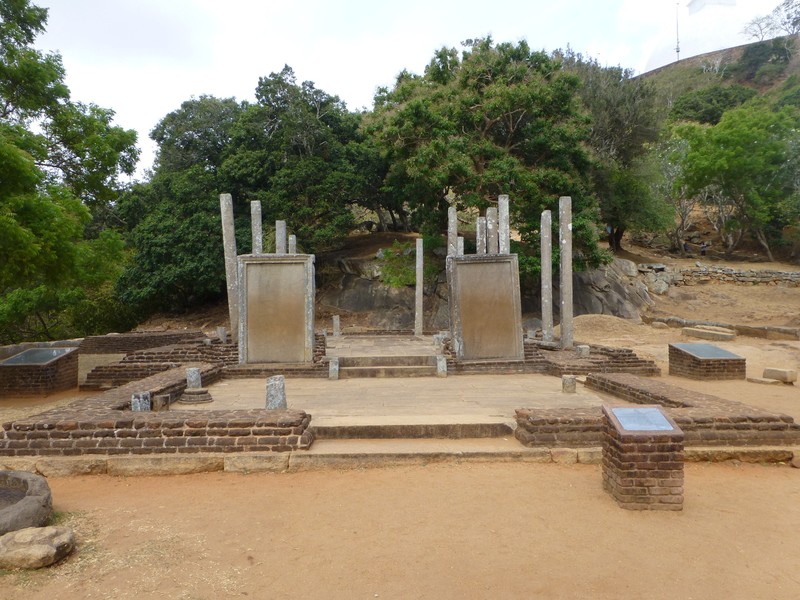
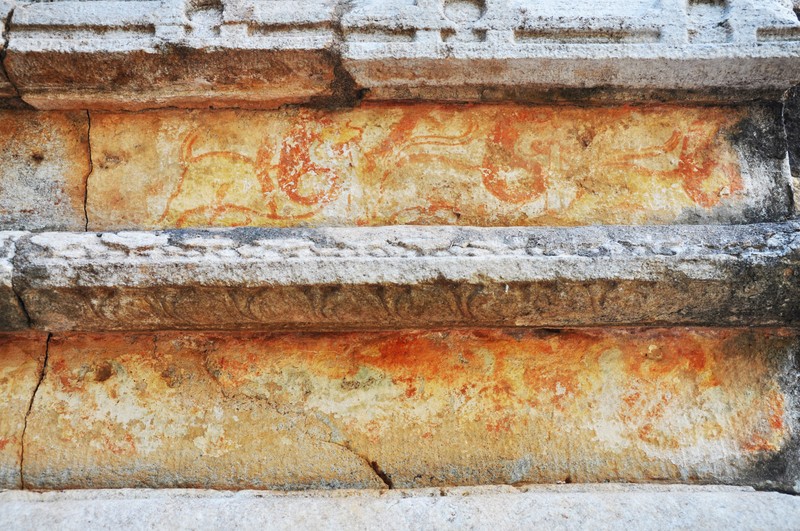
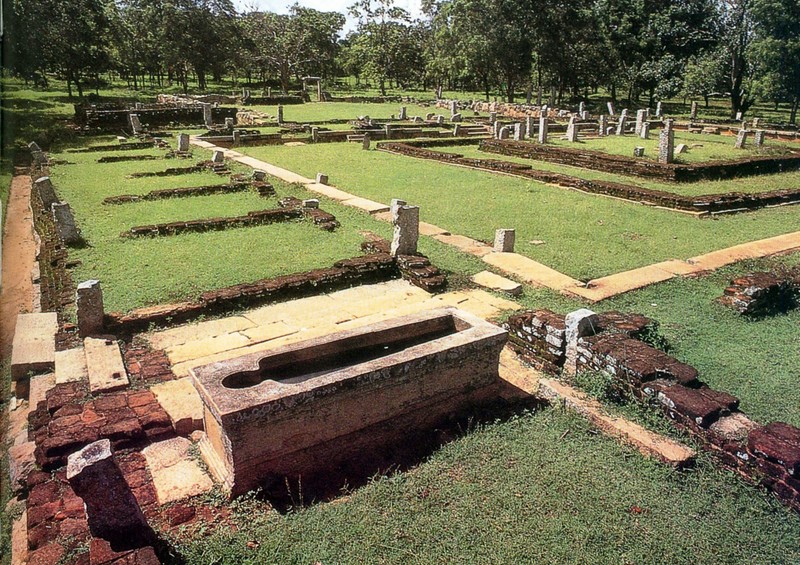
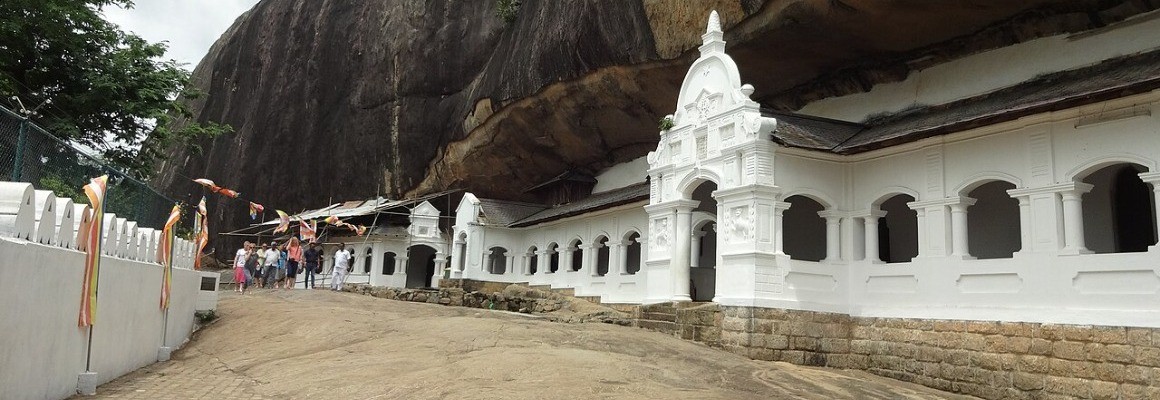
Kantaka Chetiya is an ancient stupa notable for its carved stone ornamental façades. The surviving decorations include animal figures, plant patterns and symbolic motifs that help illustrate early Buddhist art in Sri Lanka. Elsewhere in the complex are remains of assembly halls, monastic buildings, stone pillars and rock shelters once used by monks.
The ancient hospital
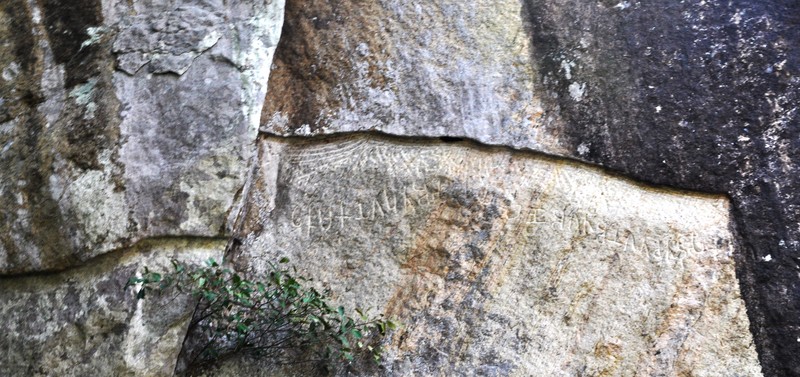
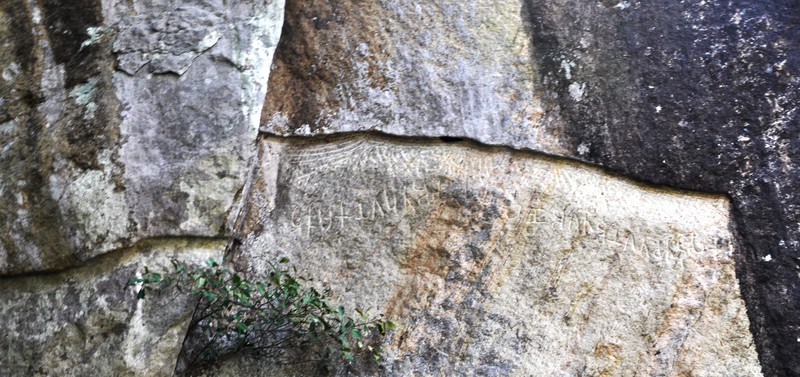
Near the foot of the hill are the remains of an ancient medical complex commonly known as Vejja Sala. Archaeological finds include large stone structures and trough-like baths carved from solid rock, associated with historical healing practices. Inscriptions from Mihintale also provide insight into monastic rules and the organisation of community life.
Ponds and Aradhana Gala
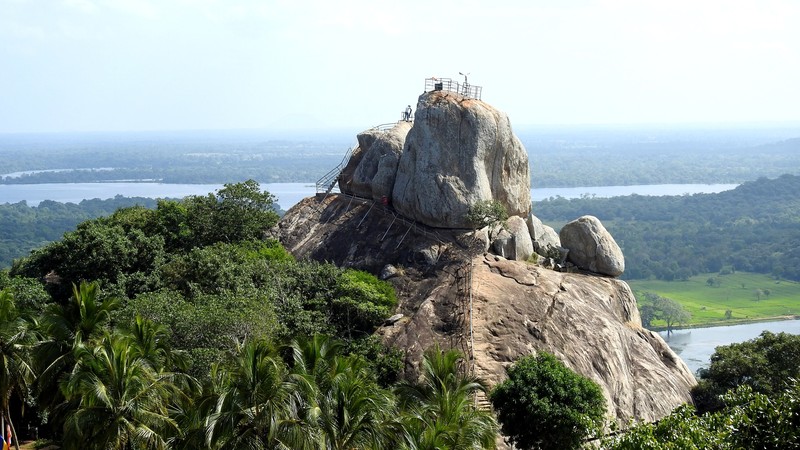
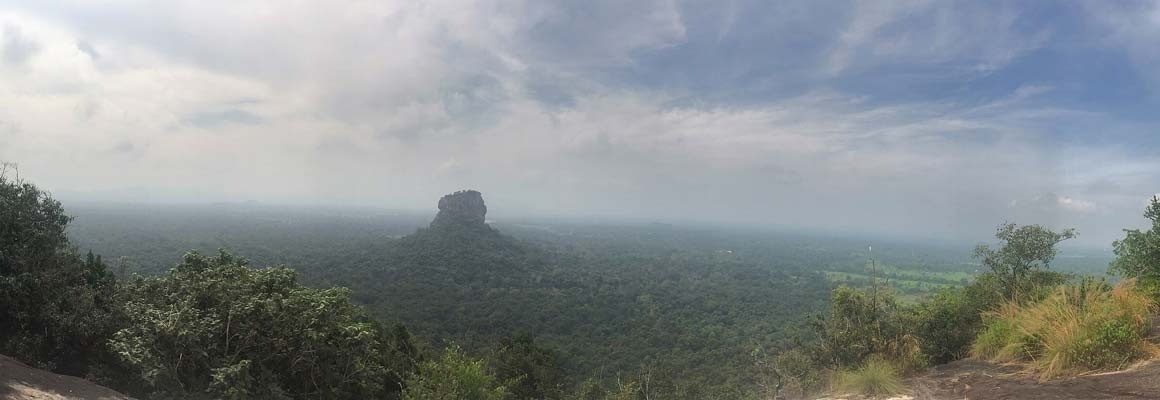
The complex includes historic water features such as Naga Pokuna and Sinha Pokuna, as well as Kaludiya Pokuna nearby. Aradhana Gala is a rocky outcrop climbed for its broad views and associated in Buddhist tradition with Mahinda's preaching. Take care on exposed rock, particularly after rain.
The Poson festival
Mihintale becomes especially important during Poson, celebrated around the full moon in June. The festival commemorates Mahinda's arrival and the introduction of Buddhism to Sri Lanka. Pilgrims gather for religious observances, and the sacred grounds take on a distinctive festive atmosphere.
Visiting Mihintale
Mihintale is easily visited from Anuradhapura and can be included in a tour of Sri Lanka's Cultural Triangle. Allow several hours to explore the main stupas, staircase, shrines and monastic remains. As this is an active sacred site, dress modestly, remove footwear where required, respect worshippers and avoid climbing on protected monuments. The stone steps can be hot in the sun and slippery after rain.
Why visit Mihintale?
Mihintale brings together Buddhist heritage, ancient architecture and scenic views. Walking its historic staircase and exploring its stupas and monastery ruins offers a deeper understanding of the role Buddhism has played in Sri Lankan history.
Gallery