Sigiriya is an ancient rock fortress and archaeological complex in central Sri Lanka, also known as Lion Rock. The summit of a massive granite outcrop rising about 180 metres above the surrounding landscape contains the ruins of a royal residence dating to the fifth century. At its base are the remains of gardens, pools, defensive structures, and ancient buildings. Sigiriya has been a UNESCO World Heritage Site since 1982.
The history of Sigiriya
Sigiriya became especially prominent under King Kassapa I, who ruled from 477 to 495. According to historical chronicles, after a conflict with his father Dhatusena and his seizure of power, Kassapa feared the return of his brother Moggallana, regarded as the rightful heir. He moved his capital to Sigiriya and transformed the rock into a fortified royal residence.
Palace structures were built at the summit, while the slopes and surrounding plain became part of an extensive architectural complex. After Kassapa died in battle against his returning brother, the capital moved elsewhere. Sigiriya was later used by Buddhist monks and eventually abandoned. Archaeological research has helped reveal the scale of the ancient city and its sophisticated layout.
Lion Rock and the ancient palace
The central feature of the complex is a towering rock with almost vertical sides. Stairways and passages climb along its slopes. The best-known architectural feature is the Lion Staircase. In the past, the entrance was framed by a gigantic lion made of brick and plaster. The animal's enormous paws survive, marking the beginning of the ascent to the upper fortress.
At the summit, visitors can see palace foundations, wall remains, stone platforms, and traces of engineering structures. The view stretches across forests, lakes, and plains in central Sri Lanka. The rock's height and isolation made it suitable for defence, while its striking shape turned the fortress into a powerful symbol of royal authority.
The gardens of Sigiriya
At the foot of the rock are celebrated gardens regarded as an important example of ancient landscape design. They include water gardens with pools, channels, and fountains, terraced areas, and gardens arranged among natural boulders. The design combines the natural terrain with carefully planned spaces.
The water features demonstrate the builders' advanced engineering knowledge. Some fountains operate when sufficient water is available during the rainy season, thanks to a carefully designed water system and changes in elevation. The gardens help visitors imagine how the royal residence extended beyond the summit into the surrounding landscape.
The frescoes and the Mirror Wall
Sigiriya is famous for ancient wall paintings depicting women adorned with jewellery and colourful clothing. These frescoes are among Sri Lanka's artistic treasures. Many more images once existed, but only a portion survives in a protected recess on the rock face.
Nearby is the Mirror Wall, whose surface was once polished to a shine. It preserves inscriptions and verses left by visitors over different historical periods. These writings are valuable for the study of language, literature, and the way Sigiriya was perceived in the past.
Climbing the rock
The route to the summit follows stairways, metal walkways, and narrow paths attached to the rock. Some sections are steep, so visitors should wear comfortable shoes, bring water, and avoid climbing during the hottest part of the day. Allow several hours to explore the rock and the gardens.
Sigiriya is in the Matale District of central Sri Lanka, near the town of Dambulla. It can be reached by car, taxi, or organised excursion from Dambulla, Kandy, and other tourist centres on the island. Check current opening times and visitor regulations before travelling.
What to see nearby
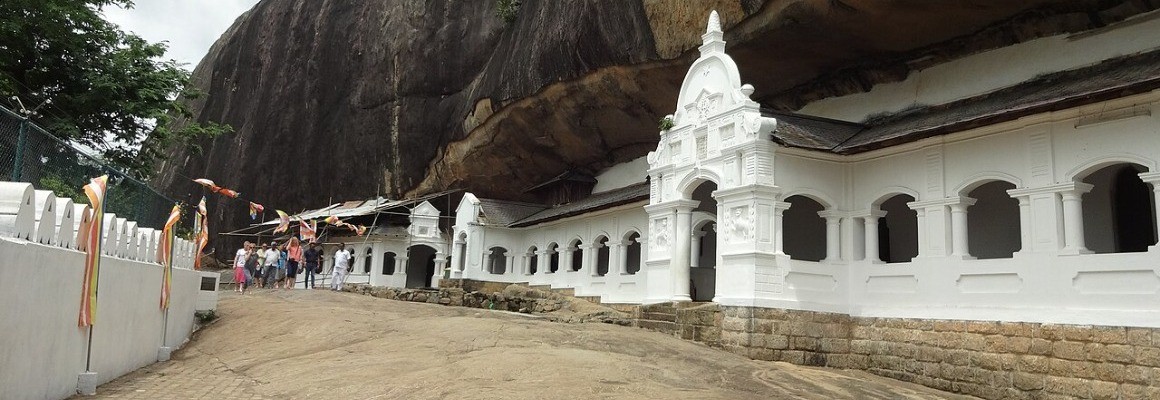
A trip to Sigiriya is often combined with a visit to Pidurangala Rock, located nearby. Its summit offers panoramic views of Lion Rock and the surrounding forests. The region is also home to the ancient cave temples of Dambulla, known for their Buddhist images and wall paintings.
Why visit Sigiriya
Sigiriya brings together a dramatic natural setting, the history of an ancient kingdom, and remarkable engineering achievements. The palace ruins, frescoes, gardens, and water systems reveal the sophistication of Sri Lankan architecture in the fifth century. Climbing Lion Rock offers both archaeological discoveries and sweeping views of the island, making Sigiriya one of Sri Lanka's most recognisable landmarks.
Gallery