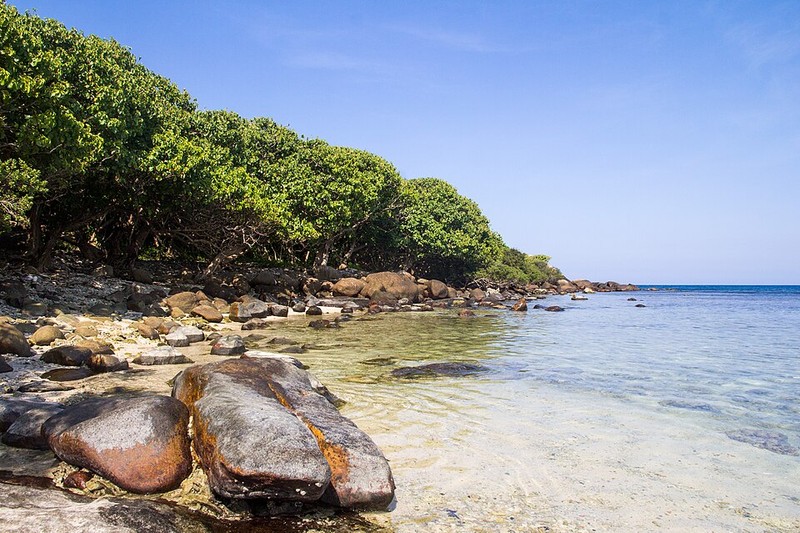
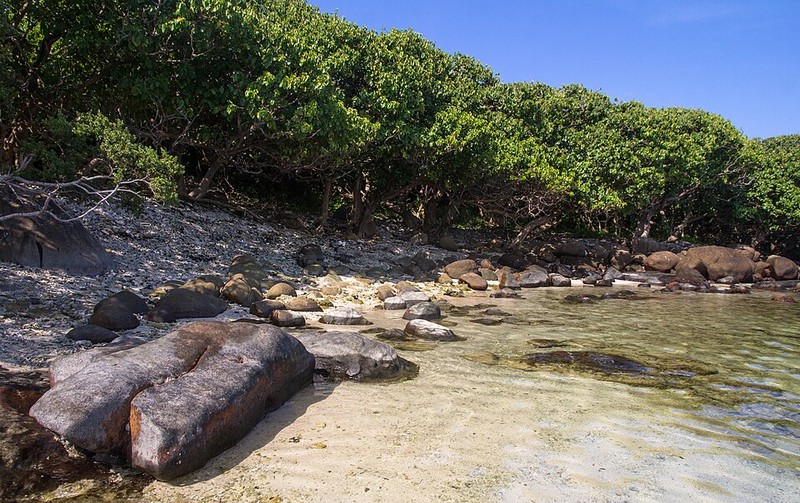
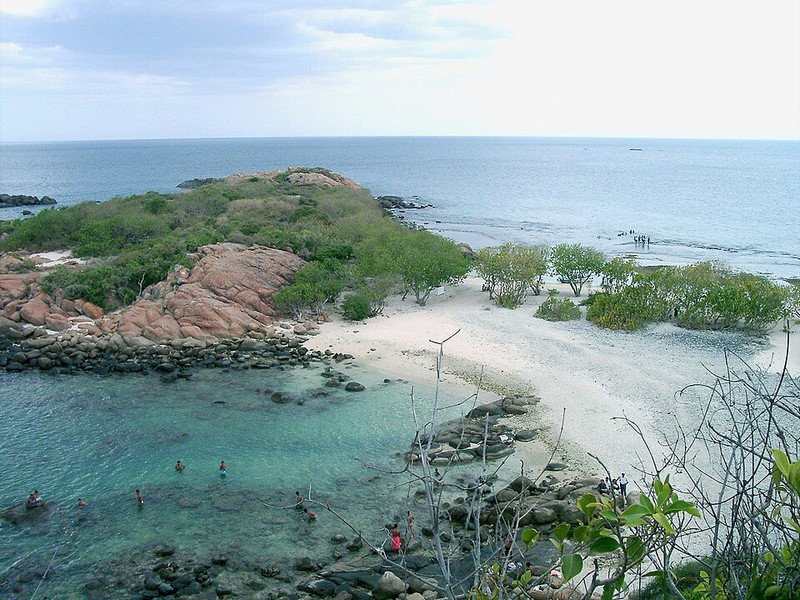
Pigeon Island National Park is one of Sri Lanka's best-known marine attractions. It lies in the Indian Ocean off the island's northeastern coast, about one kilometre from Nilaveli Beach near Trincomalee. The park is known for clear water, coral reefs, tropical fish, and opportunities to observe sea turtles and blacktip reef sharks in their natural habitat.
Location and Islands
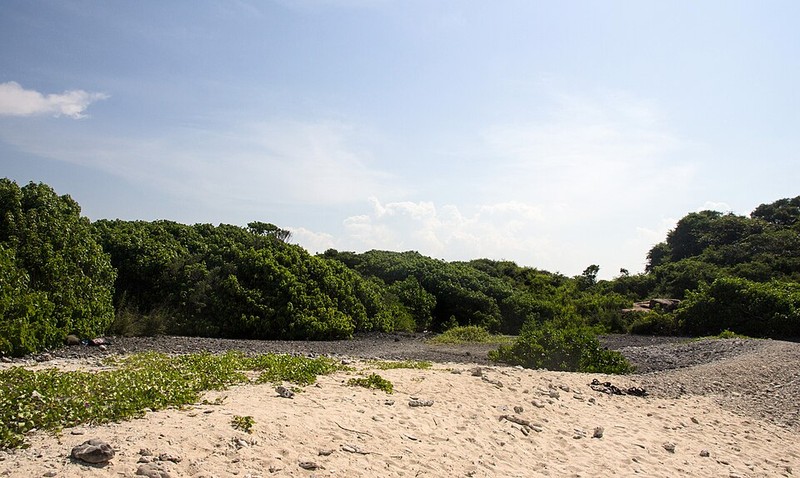
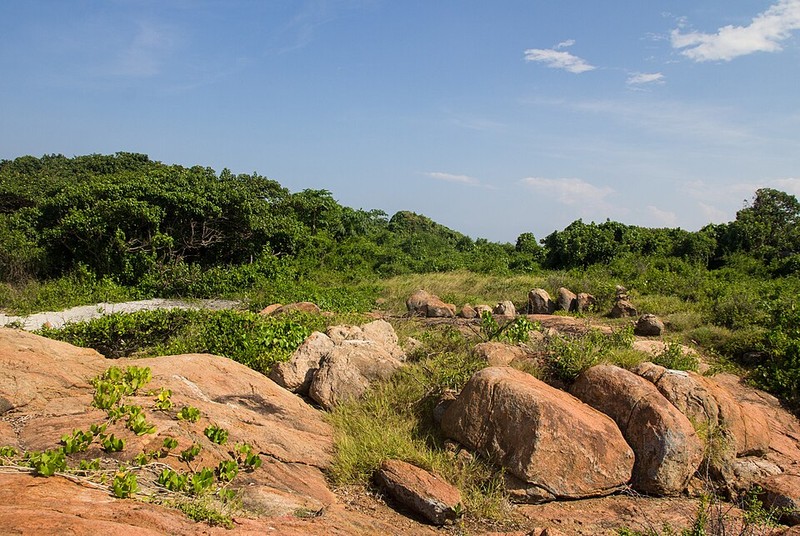
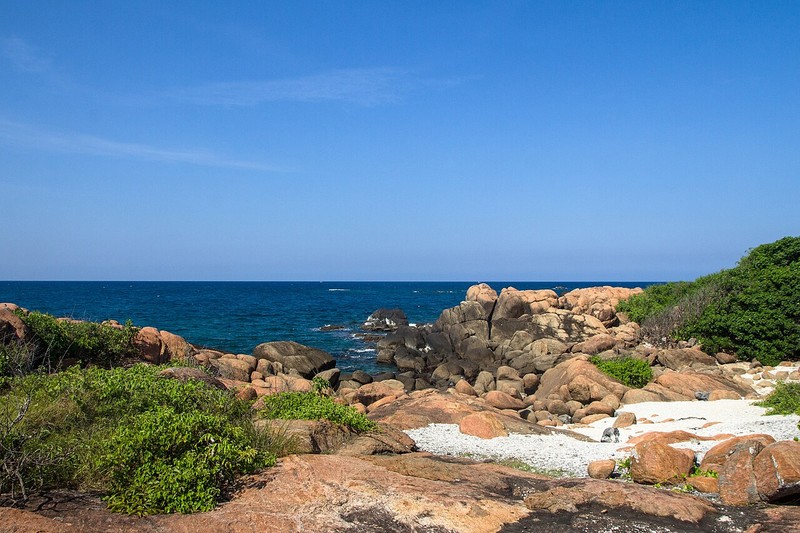
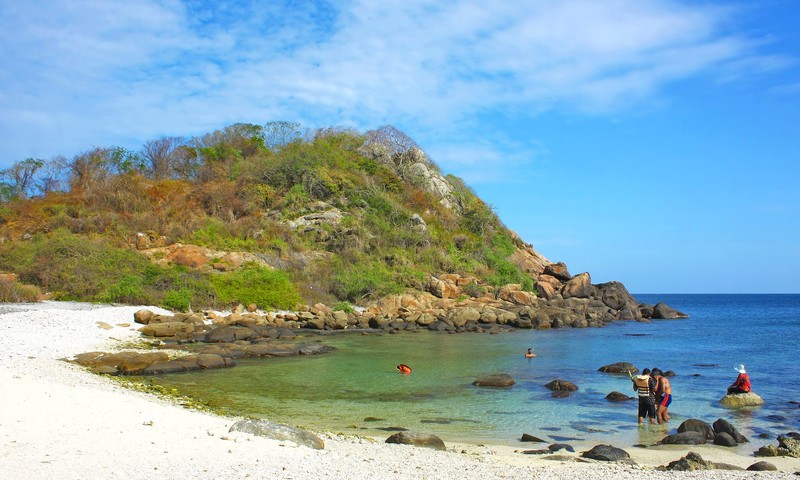
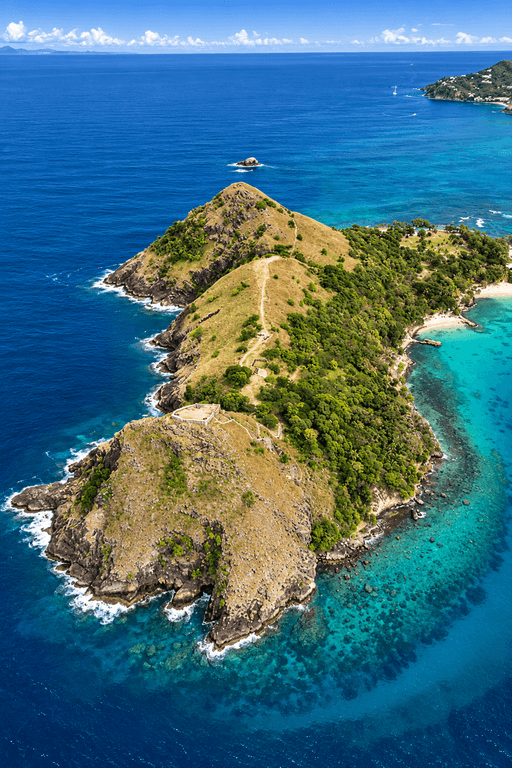
The park lies off Nilaveli in Trincomalee District, Eastern Province, Sri Lanka. It includes two small islands, Large Pigeon Island and Small Pigeon Island, together with the surrounding sea. The protected area covers about 471 hectares, much of which consists of ocean and reef habitat.
Coral Reefs and Marine Life
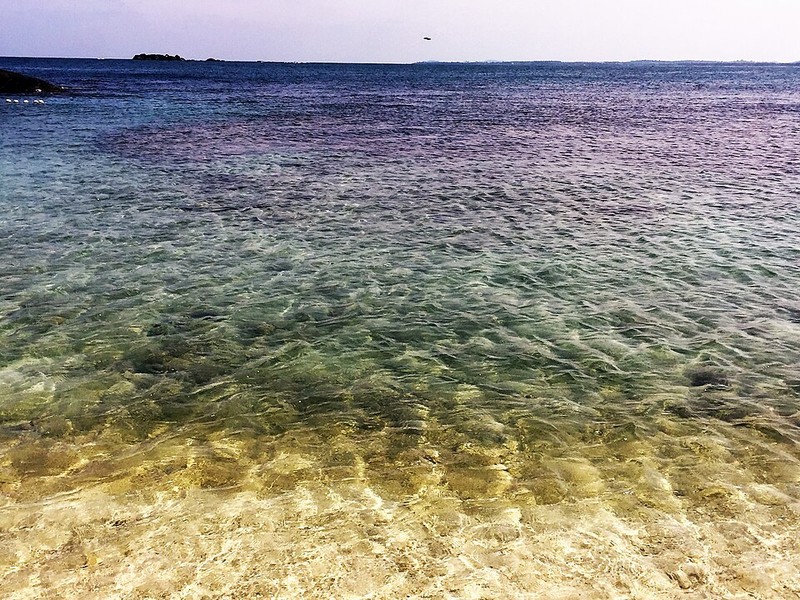
The park's main natural asset is its shallow coral reef system. Branching Acropora, Montipora and other hard and soft corals grow around the islands. More than 100 coral species and over 300 reef fish species have been recorded in the wider Trincomalee area. Fish that may be seen include parrotfish, butterflyfish, surgeonfish and other tropical species.
Reef Sharks and Sea Turtles
Blacktip reef sharks can be found in the shallow reef areas. They generally avoid people, but visitors should watch calmly and never chase them. Green turtles and hawksbill turtles also occur in the surrounding waters. Do not touch or feed them, and leave them a clear path to the surface so they can breathe.
Snorkelling and Diving
Snorkelling is one of the easiest ways to explore the reef. In suitable conditions, visitors can swim with a mask and snorkel over shallow sections and observe fish and coral. Diving allows exploration of deeper reef areas. Glass-bottom boat trips may also be available. Never stand on or touch the coral.
History of the National Park
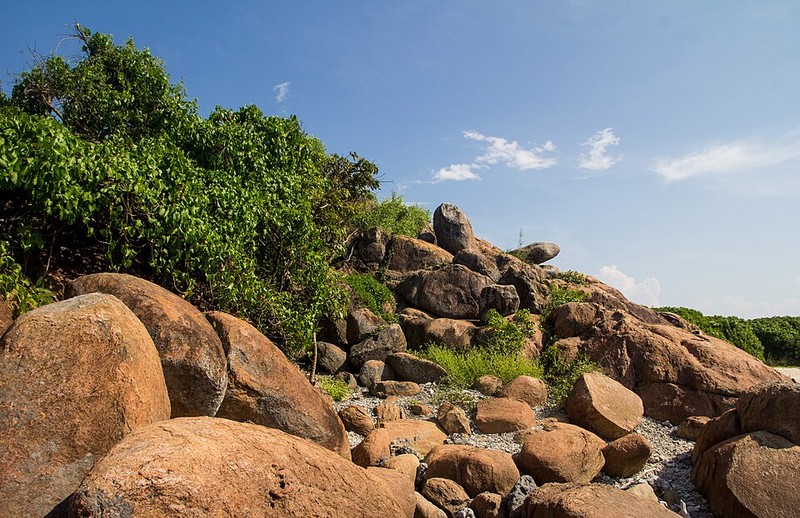
The island takes its name from rock pigeons that inhabit its rocky areas. The site was also used as a shooting range by British colonial forces in the past. The islands were first protected as a sanctuary for birds, and in 2003 the islands and surrounding sea were declared a national park to conserve coral reefs and marine biodiversity.
Best Time to Visit
The most favourable period is generally the east coast dry season, roughly from April to September. The sea is often calmer and underwater visibility is better. From October to March, the northeast monsoon can bring rain, wind and rough seas, making boat trips more difficult. Check the forecast and tour availability before travelling.
How to Get There
First travel to Nilaveli, about 15 kilometres north of Trincomalee. Motorboats depart from the beach, and the crossing usually takes around 10–15 minutes. Entry to the national park requires a ticket; boat transfers and equipment rental may cost extra.
Conservation and Visitor Rules
Coral reefs are vulnerable to warming water, pollution and physical damage. Do not stand on coral, break fragments, collect marine animals or leave rubbish. Avoid feeding fish or chasing sharks and turtles. Follow park regulations and instructions from staff to help protect this fragile ecosystem.
Nearby Attractions
A visit can be combined with time at Nilaveli Beach. In Trincomalee, highlights include Koneswaram Temple on the rocky Swami Rock promontory, the natural harbour and local historic sites. These stops combine a marine excursion with beach relaxation and cultural sightseeing.
Why Visit Pigeon Island National Park
Pigeon Island offers an accessible way to discover Sri Lanka's coral reefs and marine life. Visitors can snorkel, watch tropical fish and, with luck, spot reef sharks or sea turtles. Responsible behaviour helps preserve this delicate natural environment for future generations.
Gallery