Gal Vihara – the rock shrine of the Buddha
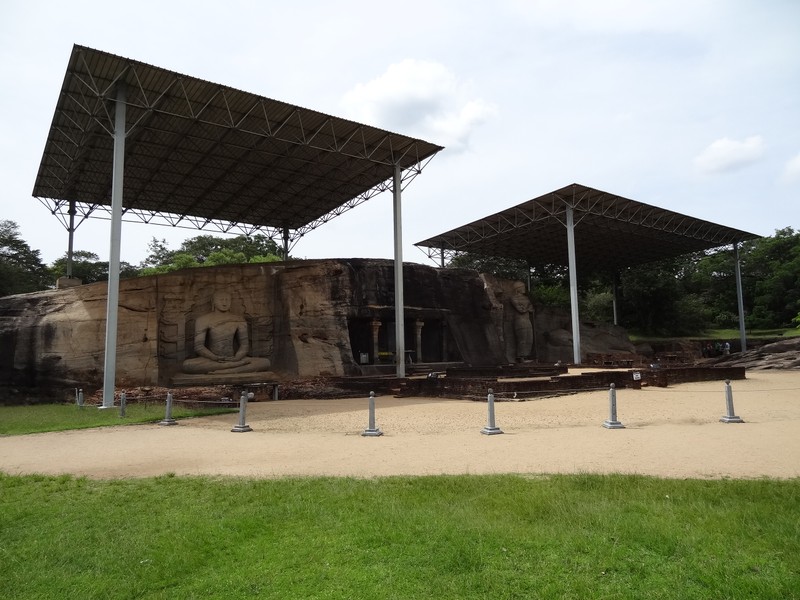
Gal Vihara is an ancient Buddhist shrine in the historic archaeological complex of Polonnaruwa, Sri Lanka. It is famous for four monumental Buddha images carved directly into a granite rock face. The site is regarded as one of the finest achievements of medieval Sri Lankan art and forms part of the Ancient City of Polonnaruwa, a UNESCO World Heritage Site.
History of Gal Vihara
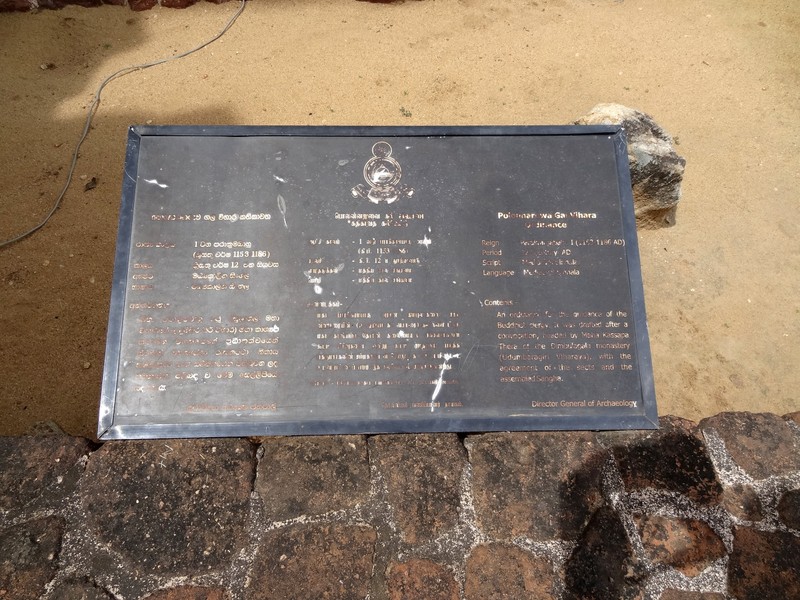
The shrine was created in the 12th century during the reign of King Parakramabahu I, who ruled from 1153 to 1186. It was originally known as Uttararama, commonly translated as the Northern Monastery. An inscription carved into the rock records rules concerning monastic discipline and the reform of the Buddhist community.
The four Buddha images
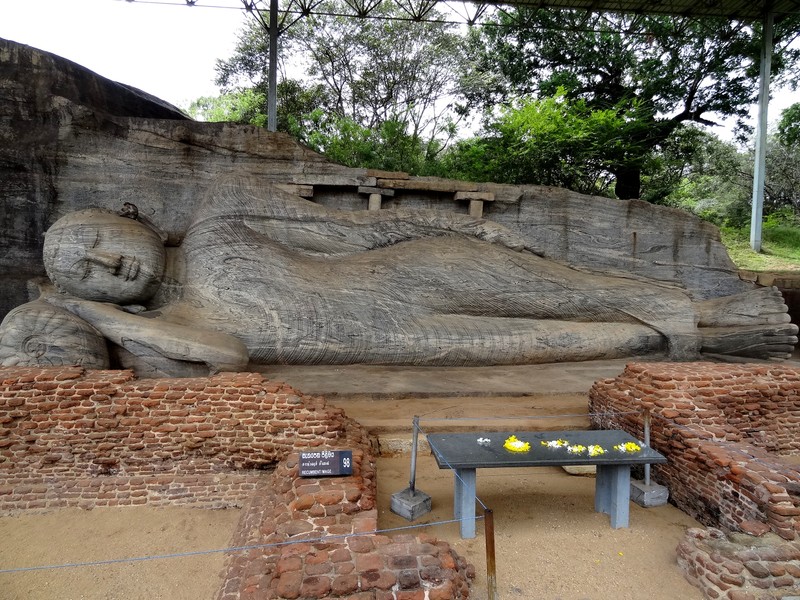
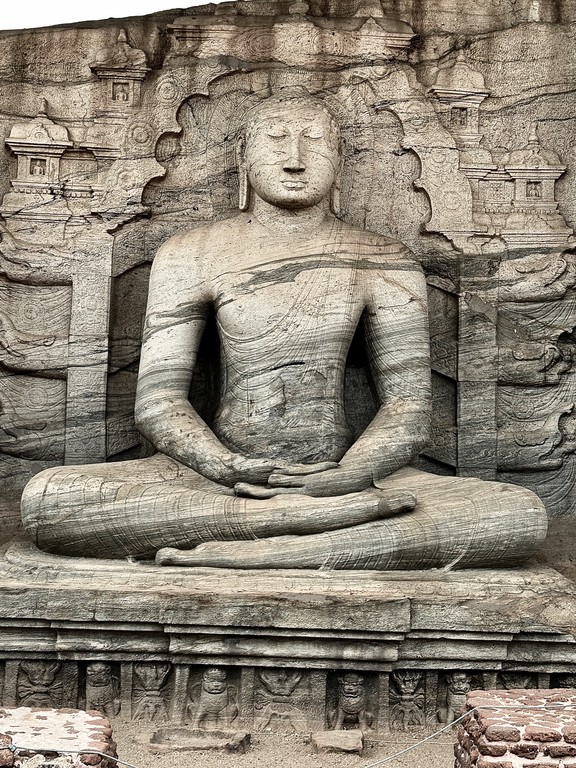
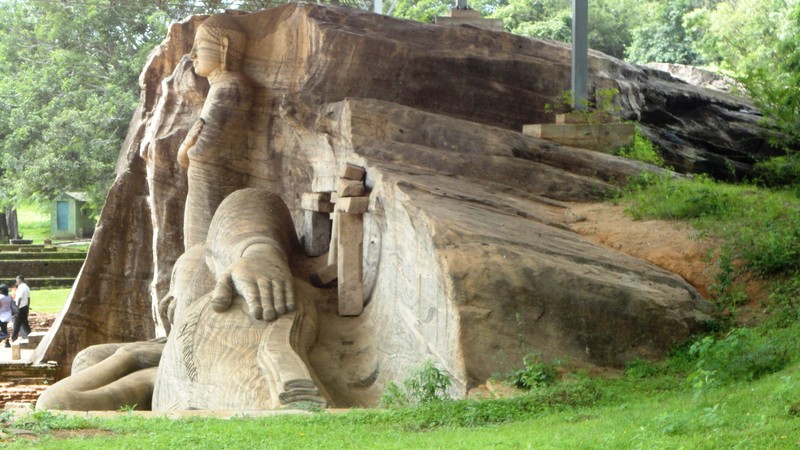
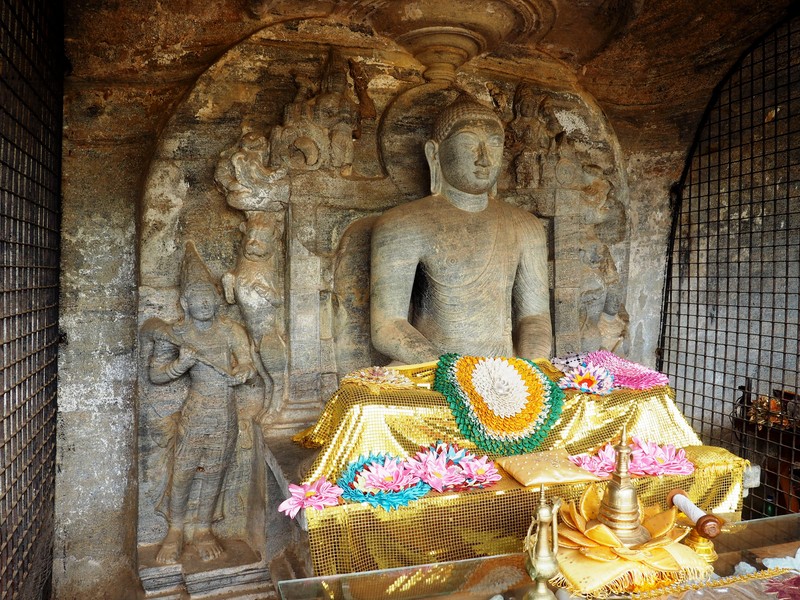
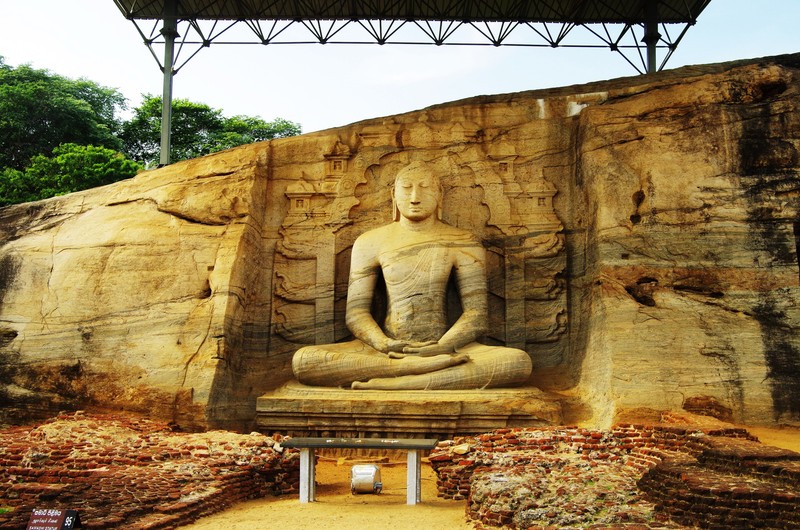
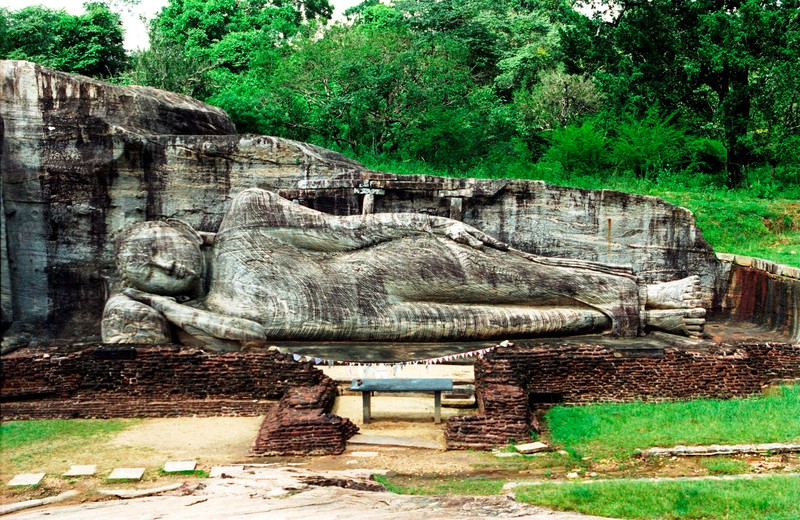
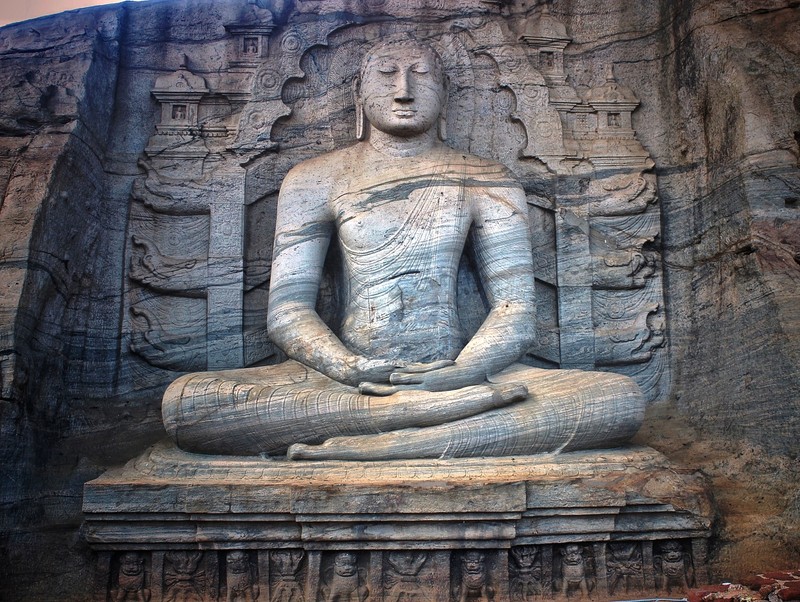
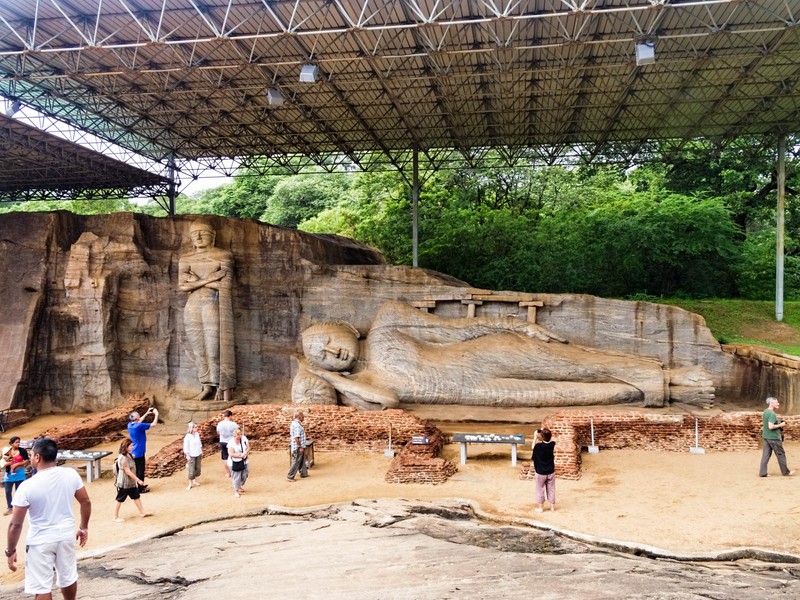
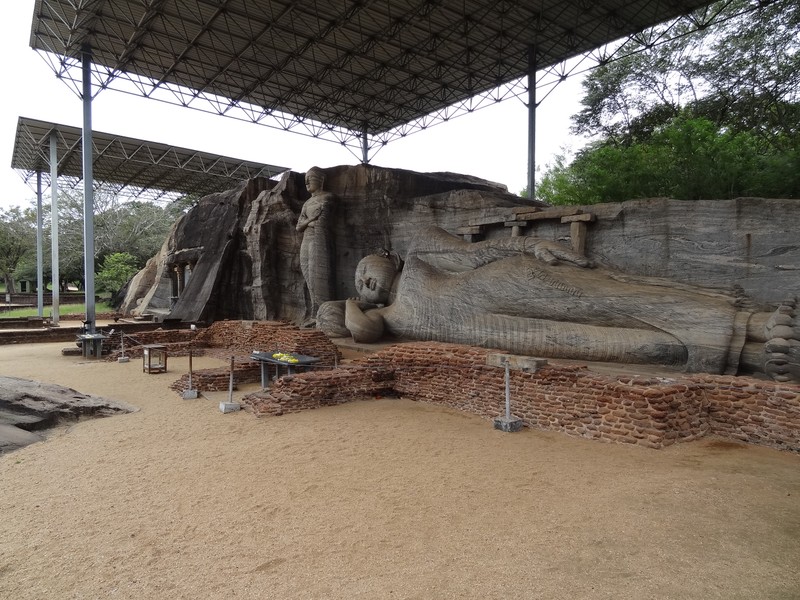
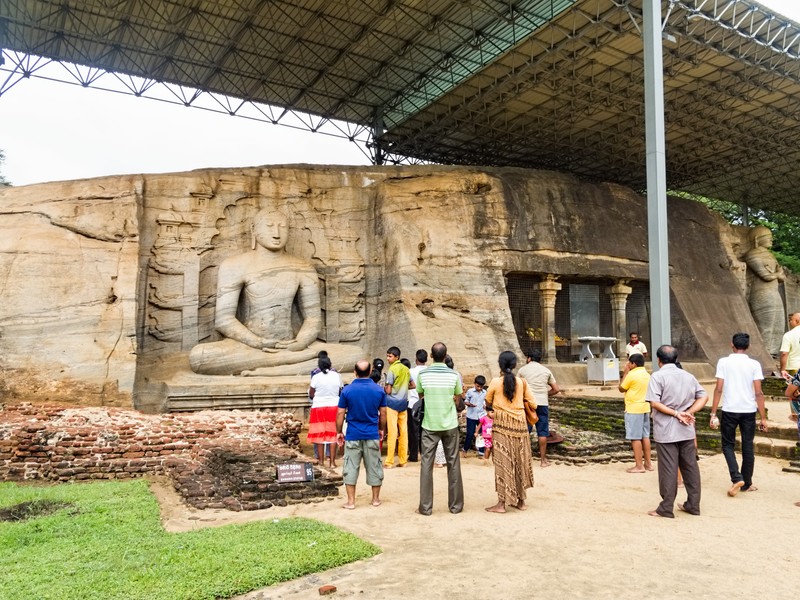
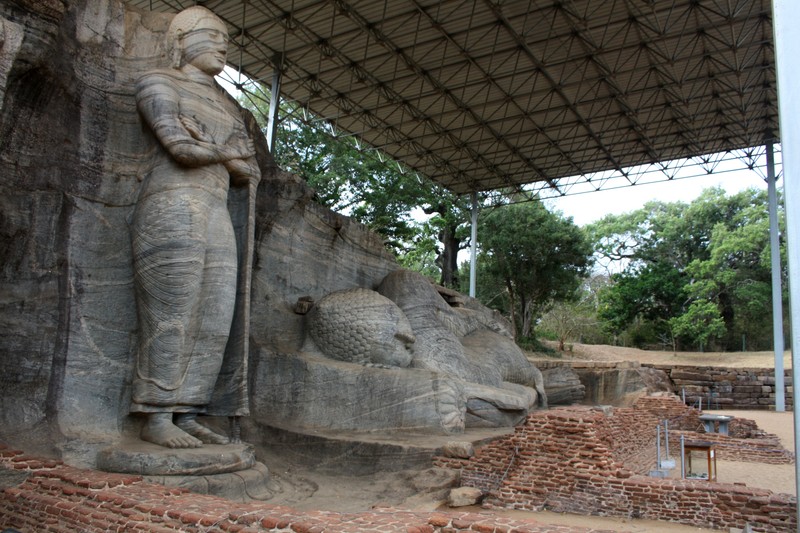
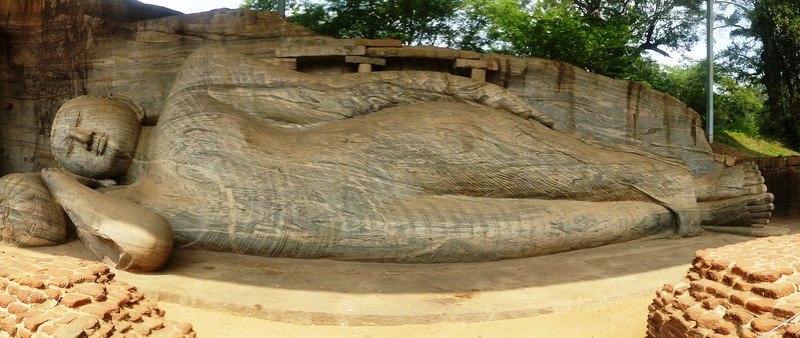
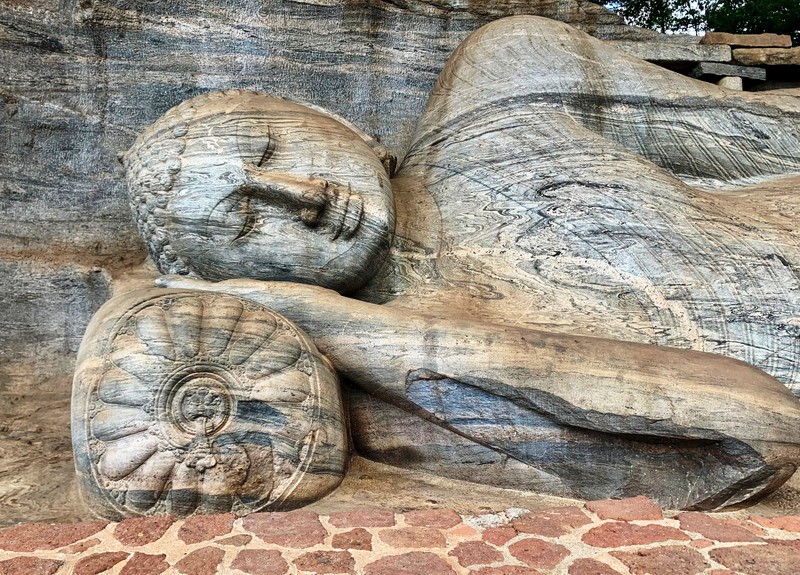
The main attraction is a group of four sculptures arranged along a large granite surface. They depict the Buddha in meditation, inside a small rock-cut shrine, standing in an unusual pose, and reclining. The reclining figure represents parinirvana, the final release from the cycle of rebirth in Buddhist tradition.
The seated Buddha and rock shrine
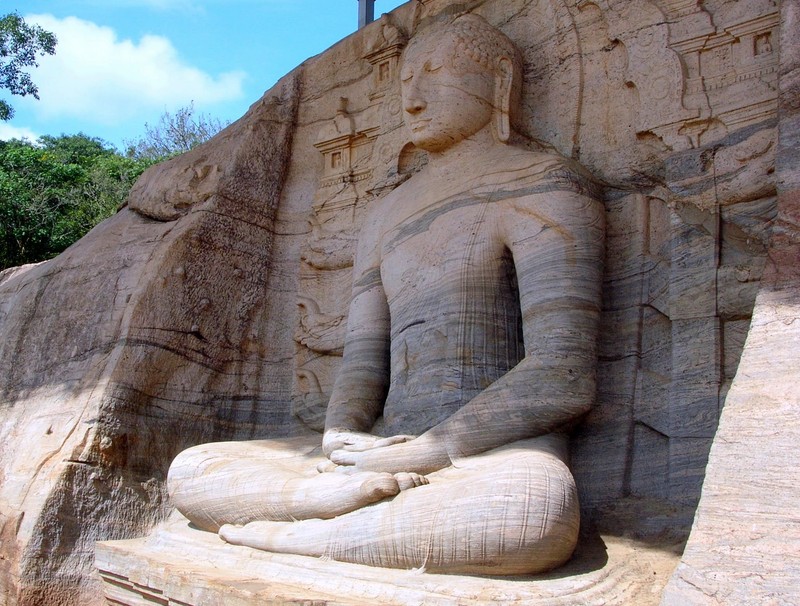
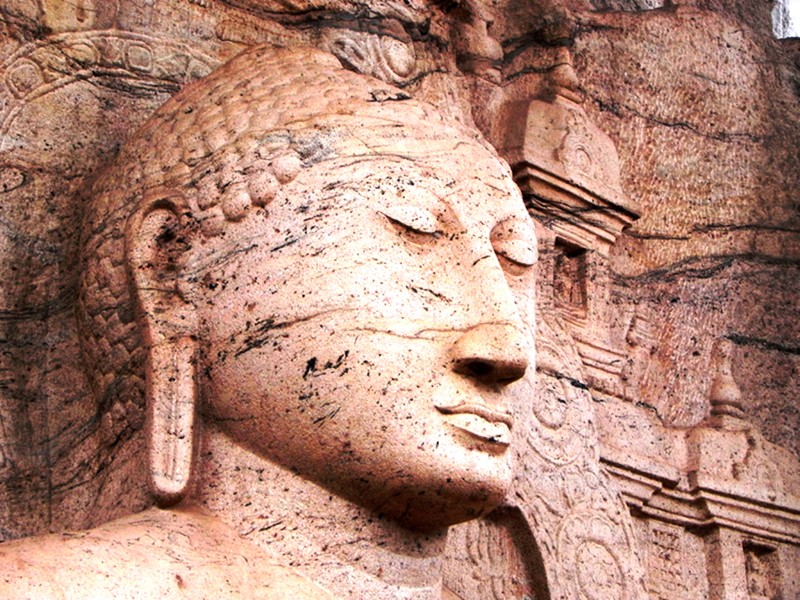
The large seated image shows the Buddha meditating on an elaborately carved stone throne. Nearby, a smaller image sits inside a chamber cut into the rock. Traces of ancient paintings remain on the interior walls, offering evidence of the shrine's former decoration.
The standing figure and reclining Buddha
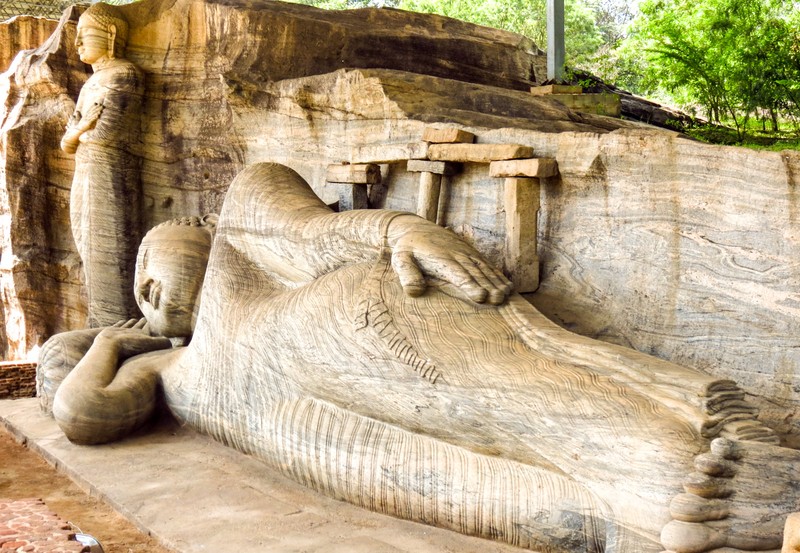
The standing image, about seven metres high, is distinguished by its unusual crossed-arm pose. Scholars have debated its identity, and one interpretation suggests that it may represent Ananda, a close disciple of the Buddha. The reclining statue, approximately 14 metres long, conveys serenity and symbolises parinirvana.
The art of rock carving
All four images were carved directly from granite. The sculptors combined carefully balanced proportions, flowing outlines and expressive faces with the natural shape of the rock. The restrained decoration draws attention to the figures themselves and makes Gal Vihara a major example of ancient Sri Lankan sculpture.
Polonnaruwa and UNESCO heritage
Gal Vihara forms part of the archaeological complex of Polonnaruwa, a former capital of Sri Lanka. The wider site includes remains of palaces, monasteries, stupas and temples. The Ancient City of Polonnaruwa was inscribed on the UNESCO World Heritage List in 1982.
Visiting Gal Vihara
Visitors usually reach the shrine by car, organised transport or bicycle while exploring the archaeological park. Comfortable shoes, drinking water and sun protection are useful in the open, sunny landscape. Check current opening hours and entry conditions before travelling.
Visitor etiquette
Gal Vihara remains a revered Buddhist site. Visitors should not climb on the statues, damage the stone or leave litter. Modest clothing, respect for local customs and consideration for people who come to pray help preserve the site's sacred atmosphere.
Why visit Gal Vihara?
Gal Vihara brings together medieval Sri Lankan history, Buddhist spirituality and exceptional stone-carving skills. Its four Buddha images, sculpted from a single rock face, make it one of the most memorable monuments in Polonnaruwa.
Gallery