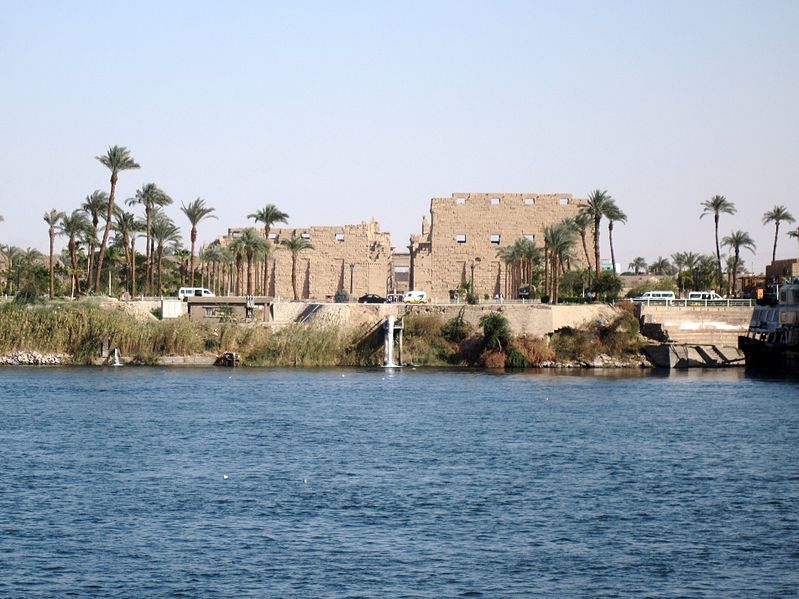

Karnak is a settlement in Upper Egypt, north of central Luxor on the east bank of the Nile. Its name is best known internationally because of the Karnak Temple Complex, one of the largest and most important religious ensembles of ancient Egypt. Modern Karnak lies within the historic area of ancient Thebes, a major political and religious centre for many centuries.
Where is Karnak?
Karnak is in Luxor Governorate in southern Egypt, a few kilometres north of central Luxor. The settlement is closely connected with the city's modern urban area and tourist infrastructure. It is a convenient base for exploring monuments on the east bank of the Nile and for crossing to the west bank, where the necropolises of ancient Thebes are located.
History of Karnak
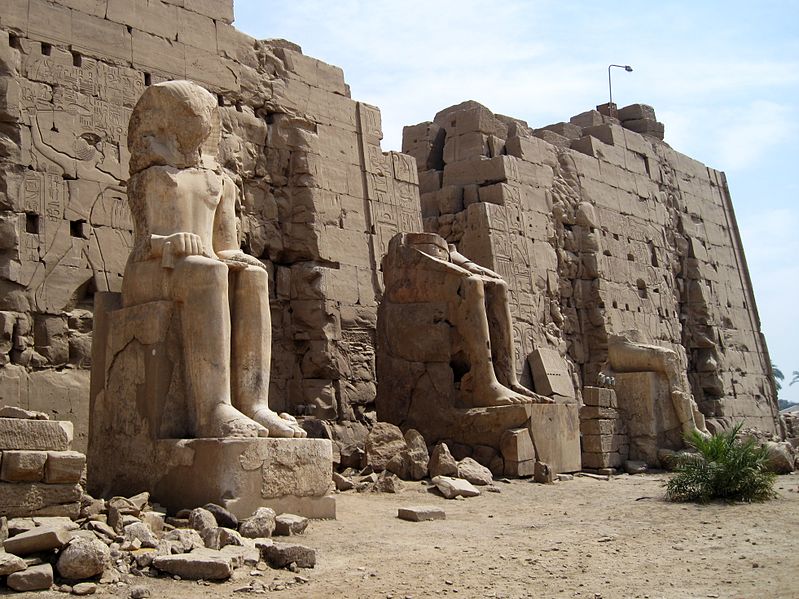
The history of the area reaches back to ancient Egyptian times. It formed part of Thebes, a city closely associated with the worship of Amun. During the Middle Kingdom and especially the New Kingdom, Thebes became one of Egypt's most influential centres, while Karnak developed into a major religious sanctuary. Pharaohs from successive dynasties expanded its shrines and added pylons, columned halls, obelisks and chapels. The modern settlement is known for its proximity to these monuments, but it should not be confused with the ancient temple complex itself.
The Karnak Temple Complex
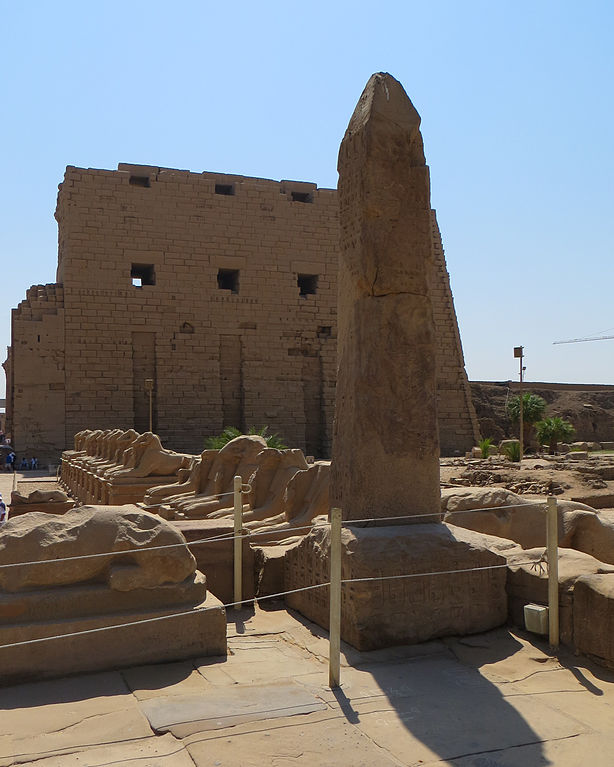
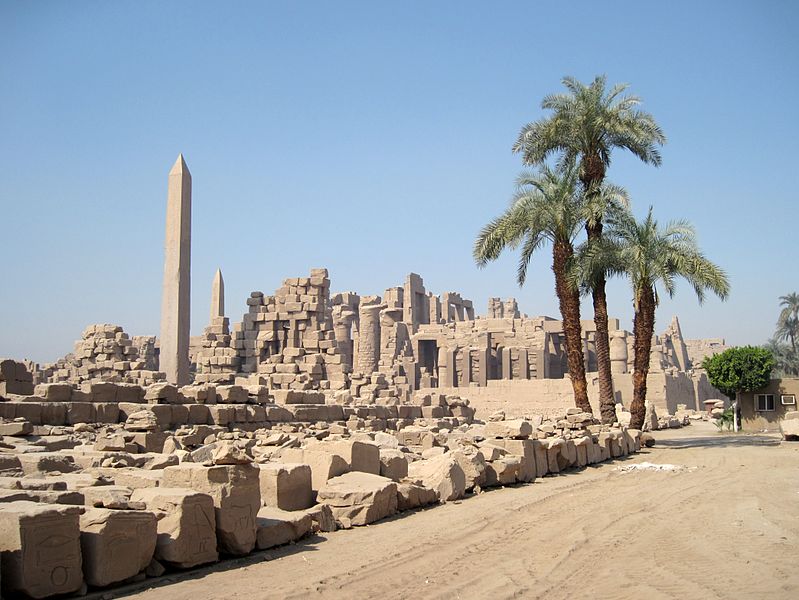
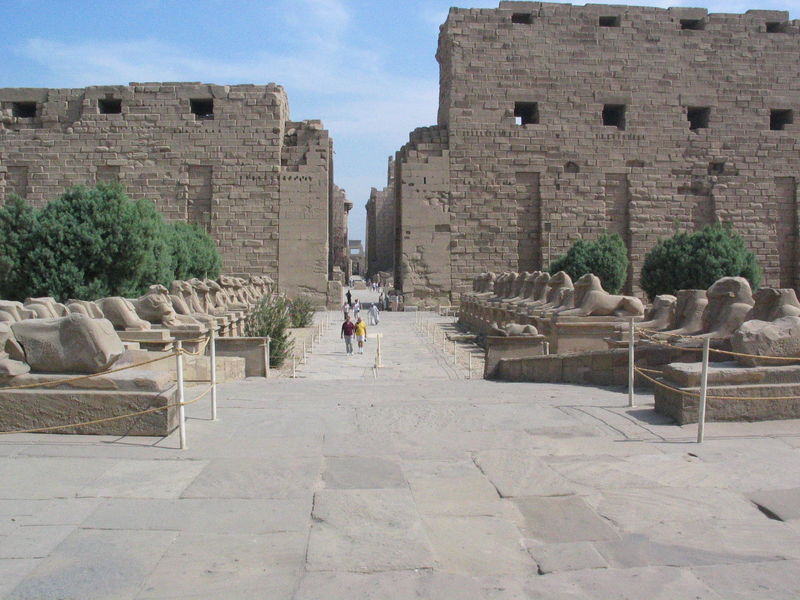
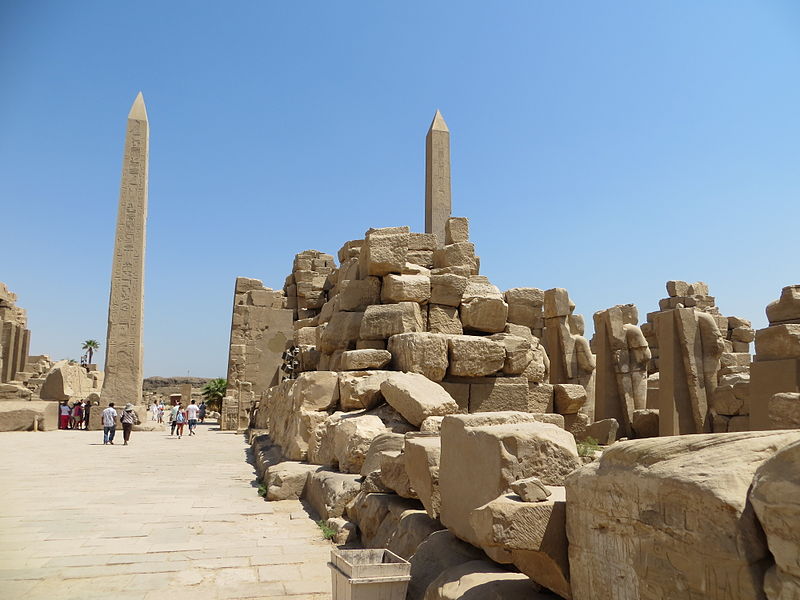
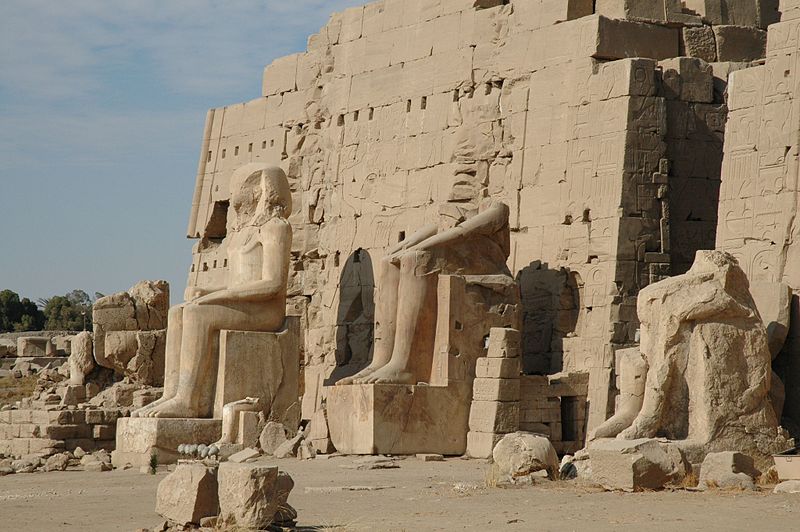
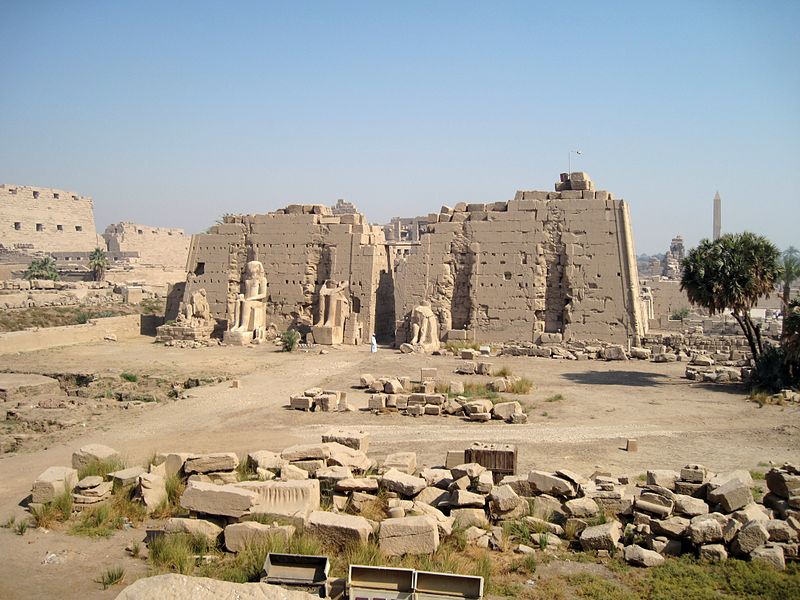
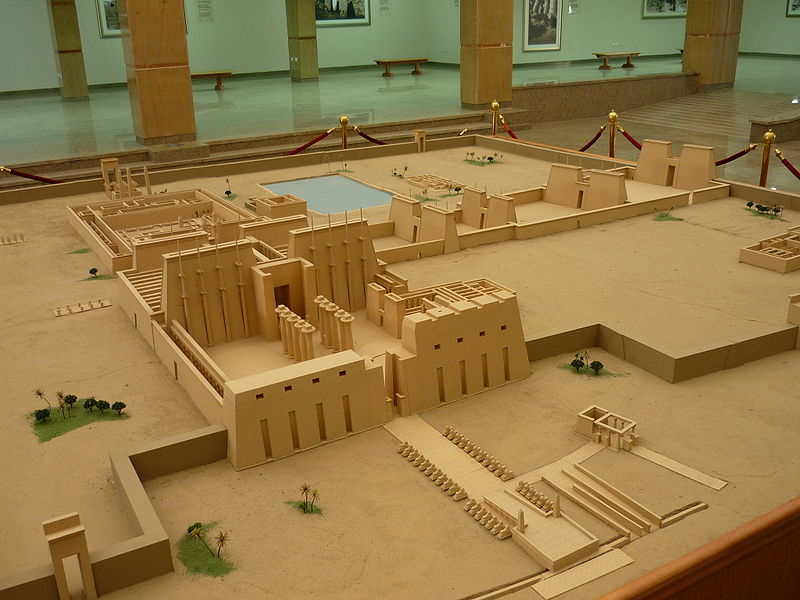
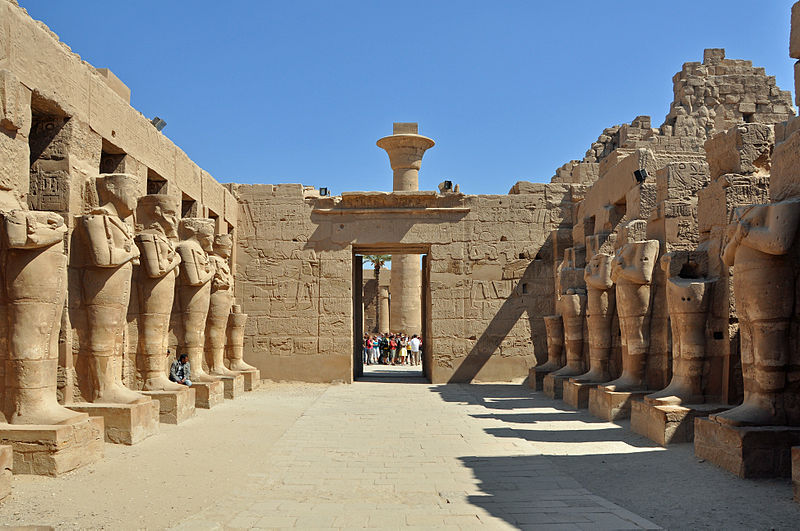
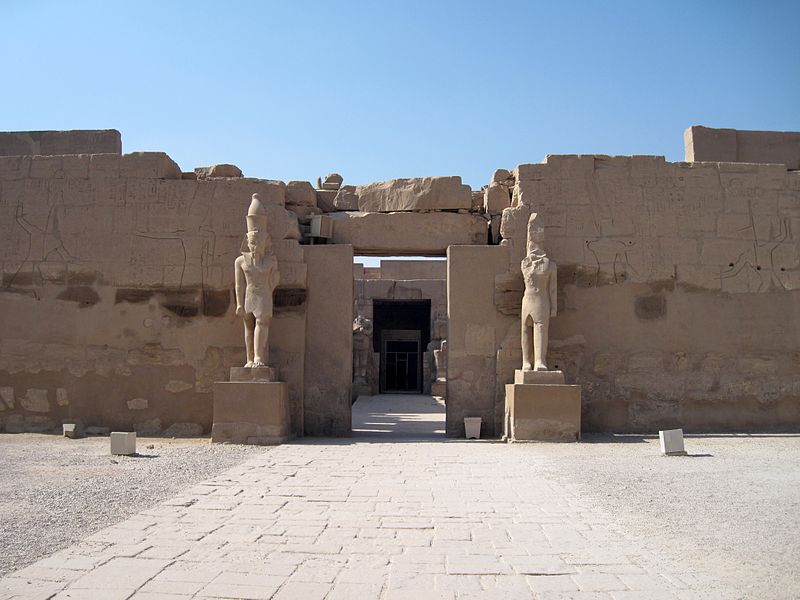
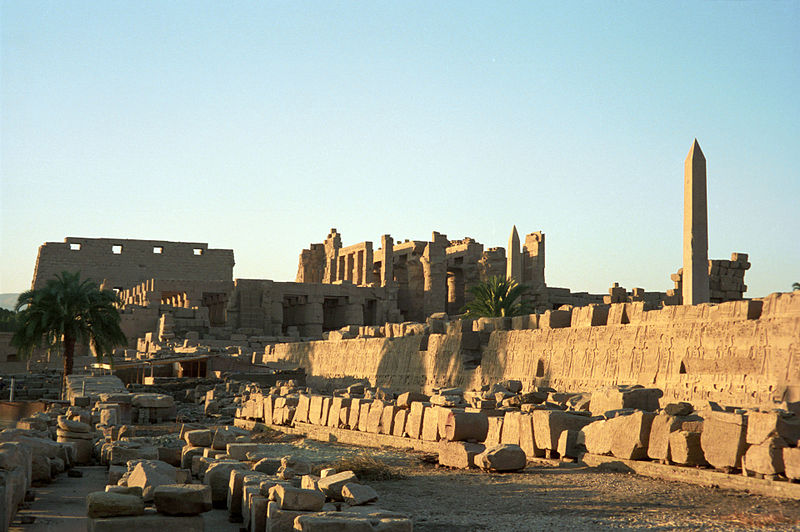
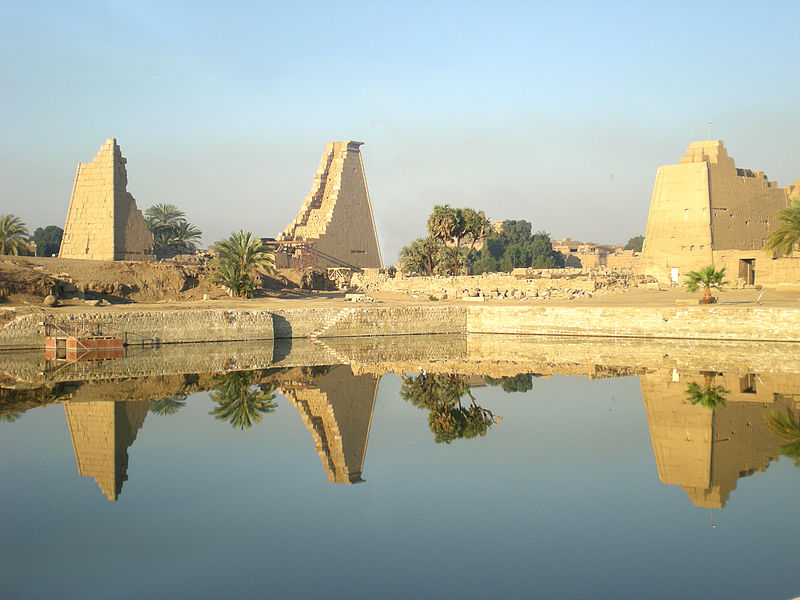
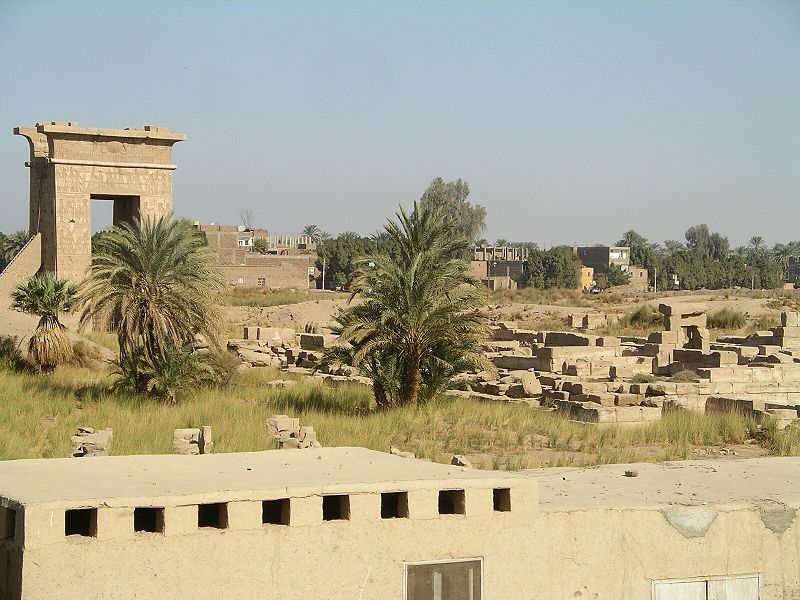
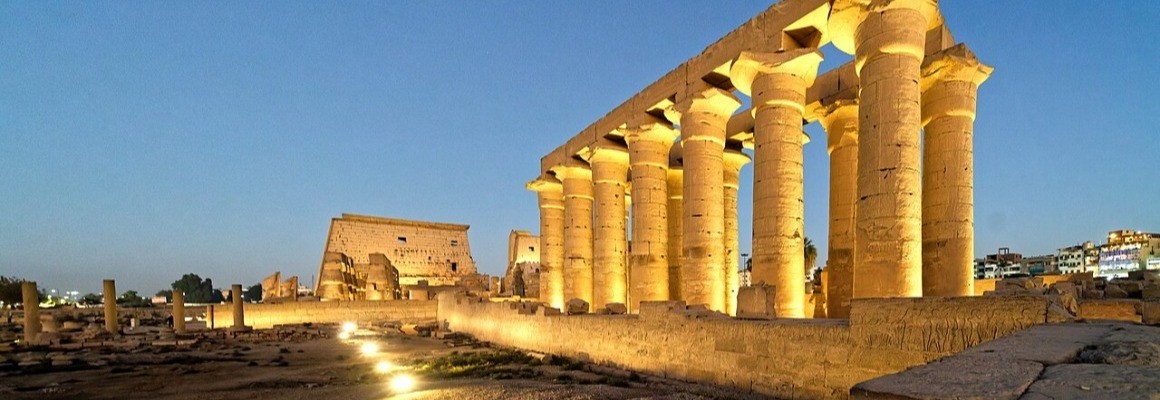
The area's principal attraction is the Karnak Temple Complex. Its largest precinct is dedicated to Amun-Ra, one of the most important deities in the ancient Egyptian pantheon. Over many centuries, rulers added new structures, creating an immense architectural ensemble rather than a single building. It includes temples, courtyards, monumental gateways and sacred spaces.
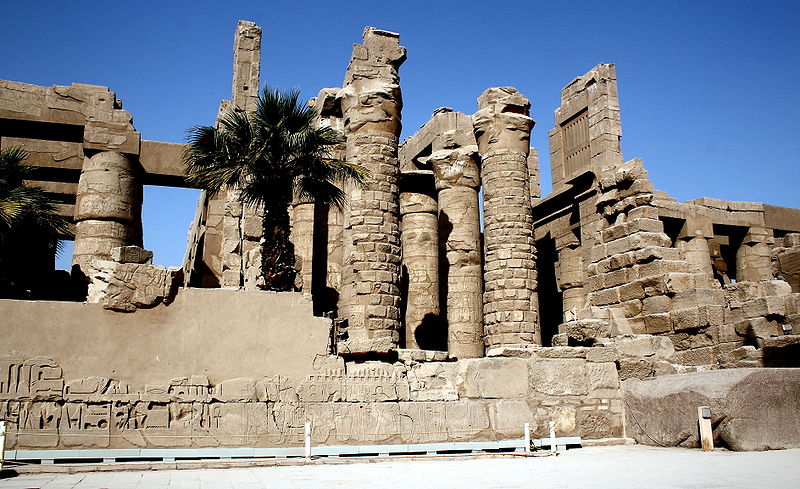
The Great Hypostyle Hall is especially impressive, with 134 columns. The tallest central columns reach approximately 21 metres. Other surviving features include obelisks, statues, carved reliefs and a sacred lake. The precinct of the goddess Mut lies to the south, while the temple of Montu was located to the north.
The Avenue of Sphinxes and Luxor
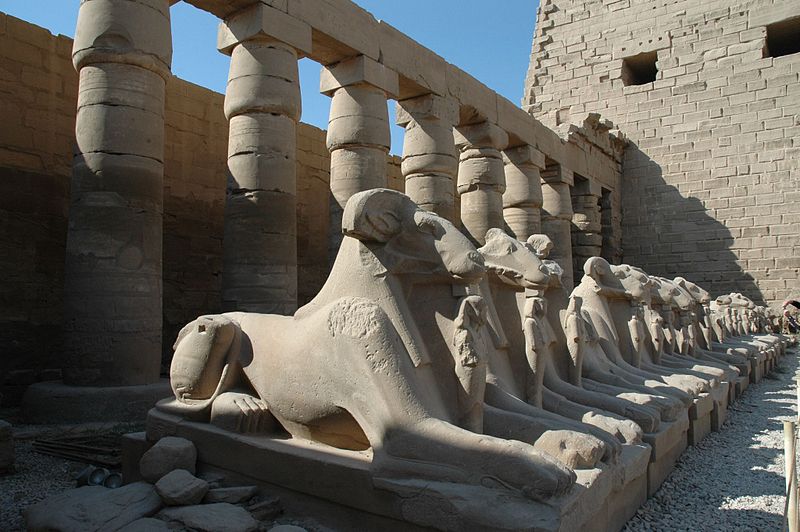
Karnak is connected to Luxor Temple by an ancient processional route known as the Avenue of Sphinxes, about 2.7 kilometres long. In antiquity, religious ceremonies and processions, including those associated with the Opet Festival, travelled along this route. The restored avenue helps visitors understand the two temple complexes as parts of one historic landscape.
Karnak and UNESCO World Heritage
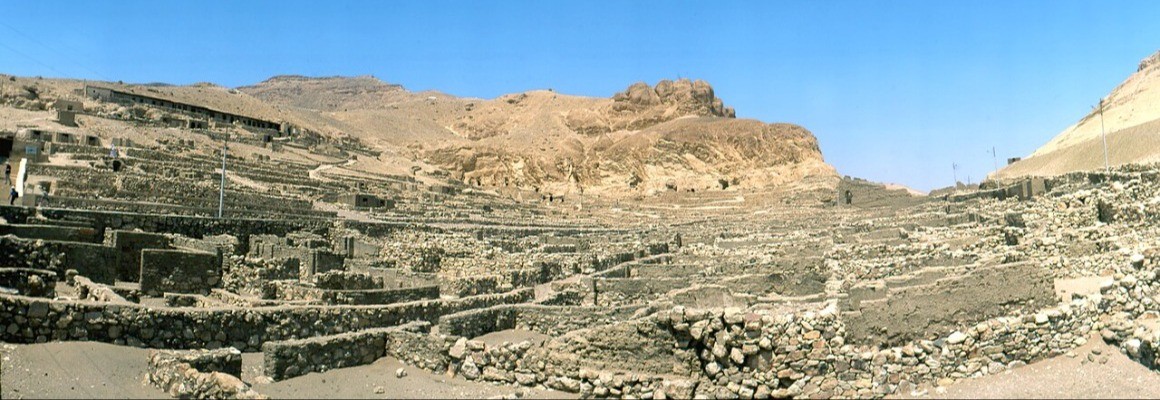
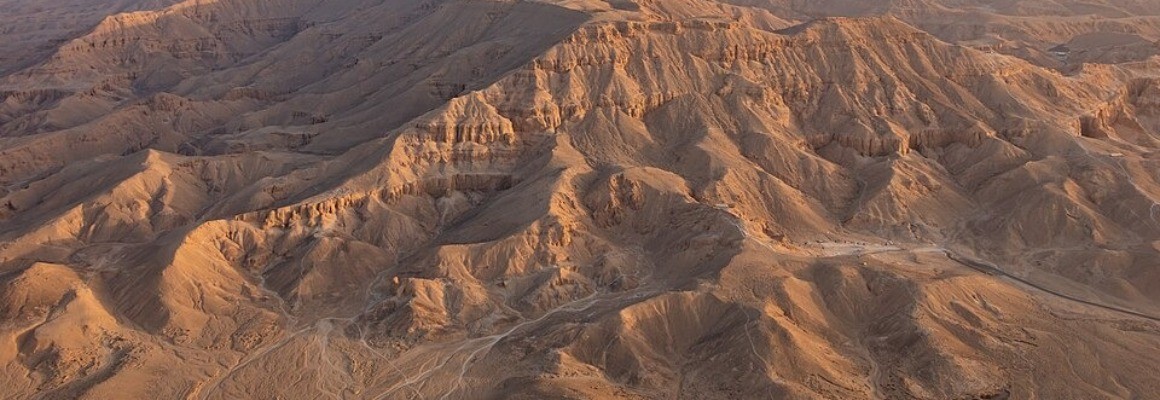
The Karnak Temple Complex is part of the UNESCO World Heritage property Ancient Thebes with its Necropolis, inscribed in 1979. The property includes monuments on the east bank of the Nile and archaeological areas on the west bank, including the Valley of the Kings, the Valley of the Queens and several mortuary temples. Together, these sites illustrate the religious and political importance of ancient Thebes.
What to see and how to visit
Allow several hours to explore the temple complex and appreciate its columns, reliefs, obelisks and courtyards. Visitors can then continue to Luxor Temple and walk along the Avenue of Sphinxes. On a longer trip, the west bank offers the Valley of the Kings, the Temple of Hatshepsut and other monuments. Karnak can be reached from central Luxor by taxi or local transport. An early visit is often more comfortable in the heat; bring water, sun protection and comfortable shoes. Opening hours, ticket prices and access restrictions may change, so check the official Egyptian Ministry of Tourism and Antiquities website before travelling.
Karnak combines the everyday life of modern southern Egypt with an extraordinary archaeological landscape. Although the name is most often associated with its temples, the surrounding settlement is part of the wider setting of today's Luxor.
Gallery