Lake Qarun – a natural landmark of Egypt
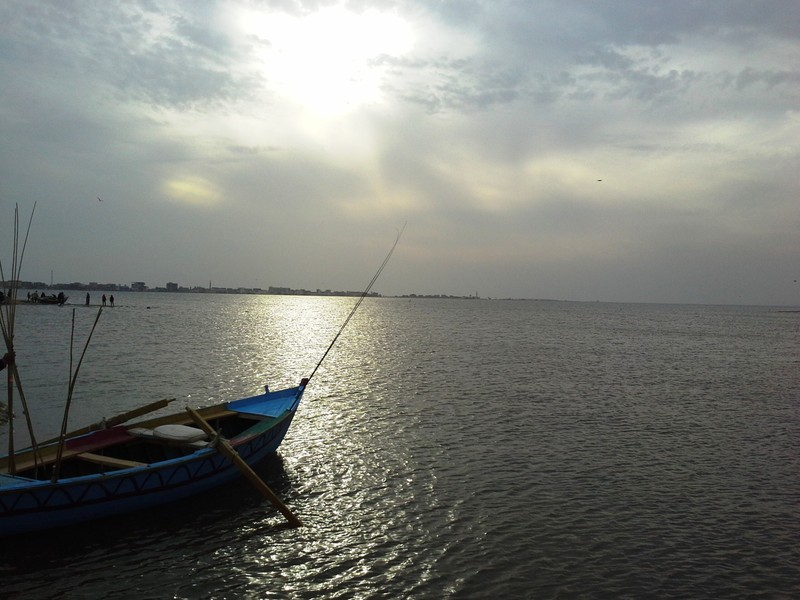
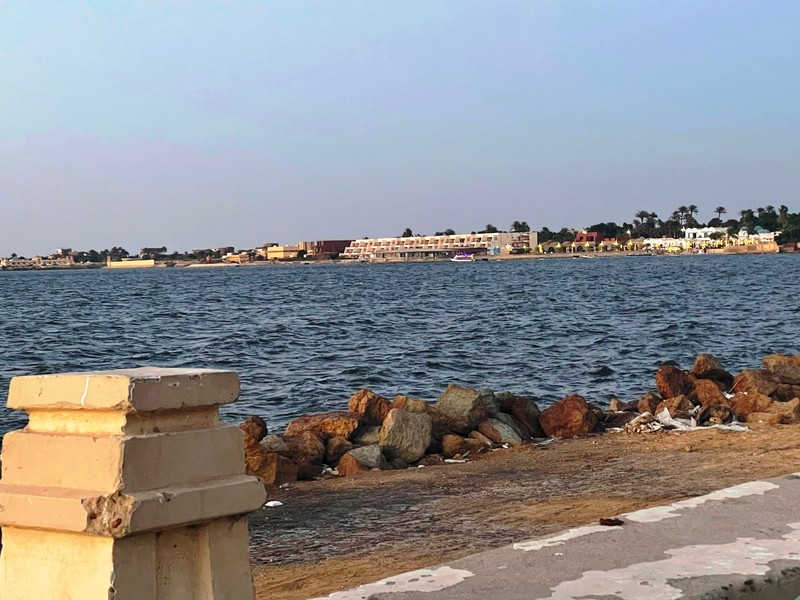
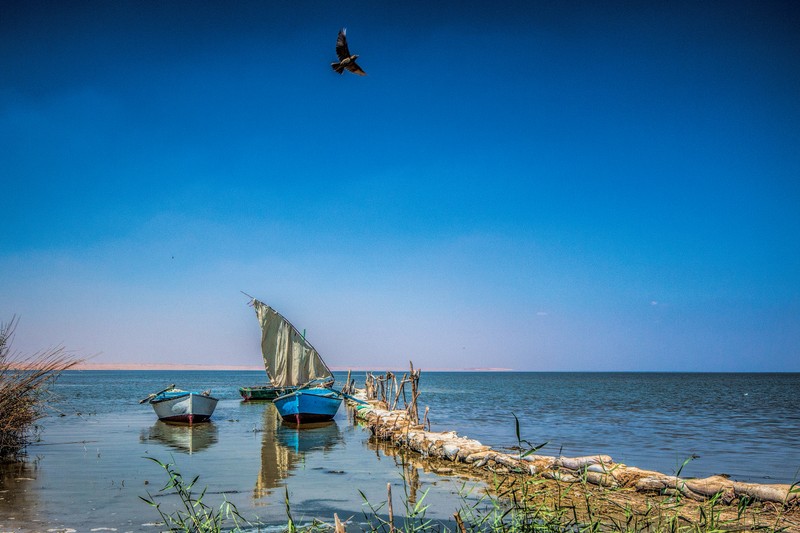
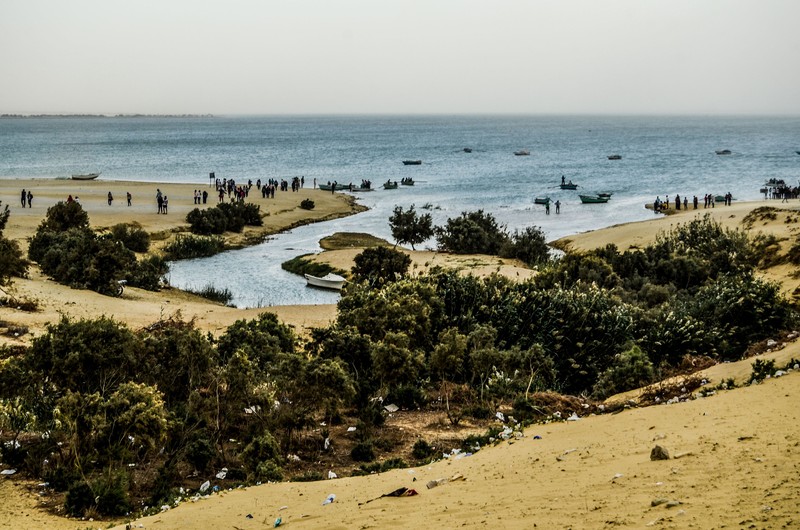
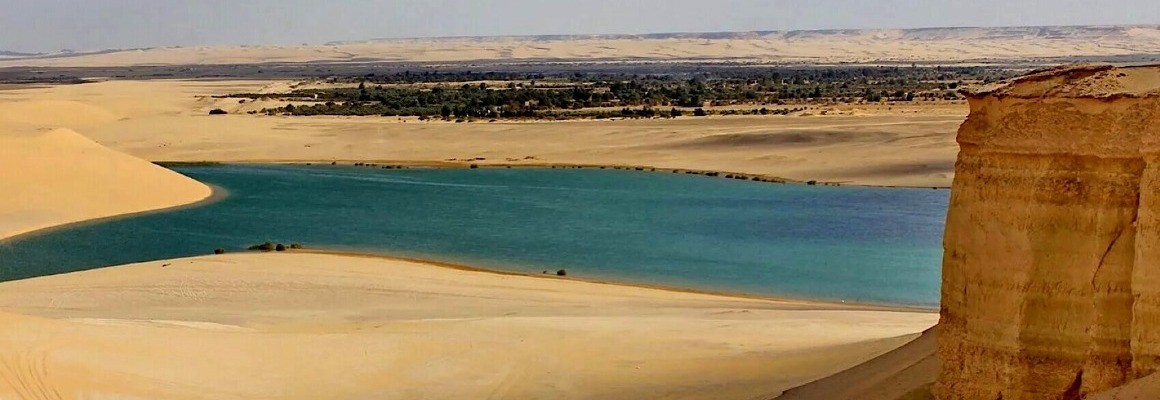
Lake Qarun lies in the northern part of the Faiyum Oasis, roughly 80–100 kilometres southwest of Cairo. It occupies the bottom of the broad Faiyum Depression, surrounded by farmland, desert plains and low rocky elevations. The lake is considered one of Egypt’s oldest natural bodies of water and is known for its geological history, birdlife and nearby archaeological remains.
The ancient Lake Moeris
Modern Lake Qarun is regarded as the remnant of a much larger ancient body of water known as Lake Moeris. During wetter climatic periods, it covered a substantial part of the Faiyum Depression. Climate change, fluctuations in water levels and human activity gradually altered the lake’s size and character.
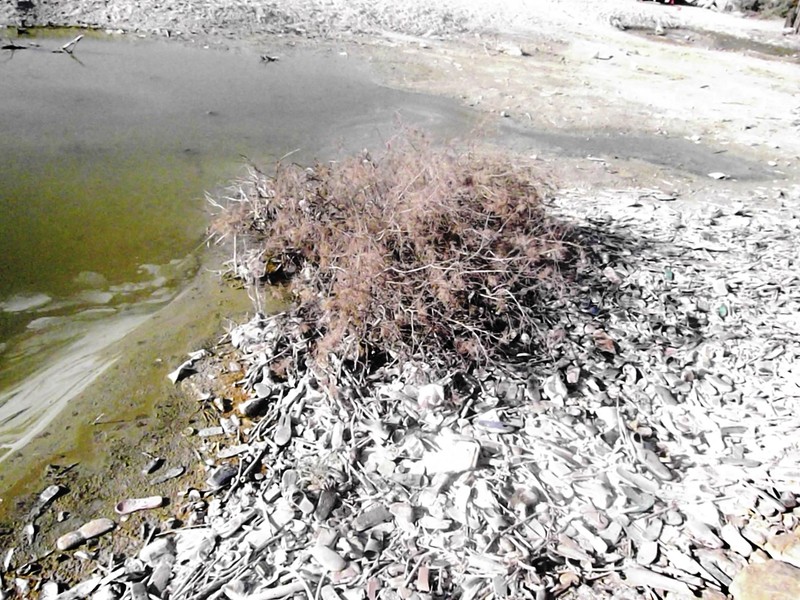
Faiyum was important to ancient Egyptian agriculture. During the Middle Kingdom, rulers developed irrigation works and regulated the flow of water into the depression. Today, Qarun is a closed saline lake that receives much of its water from agricultural drainage. Evaporation concentrates salts, making the modern lake very different from the freshwater lake that existed in wetter times.
Geography and natural features
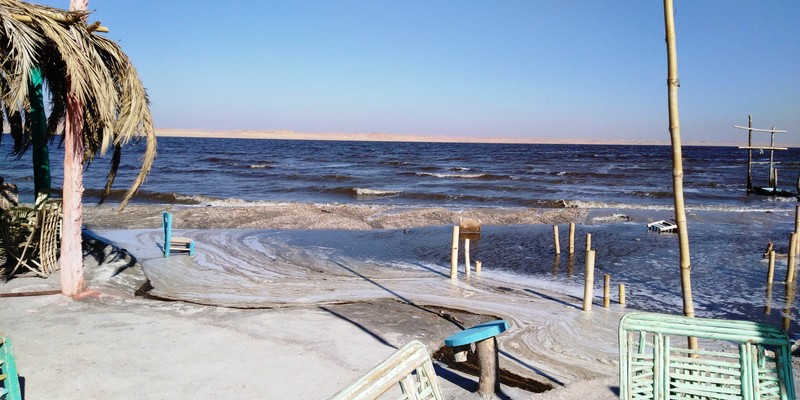
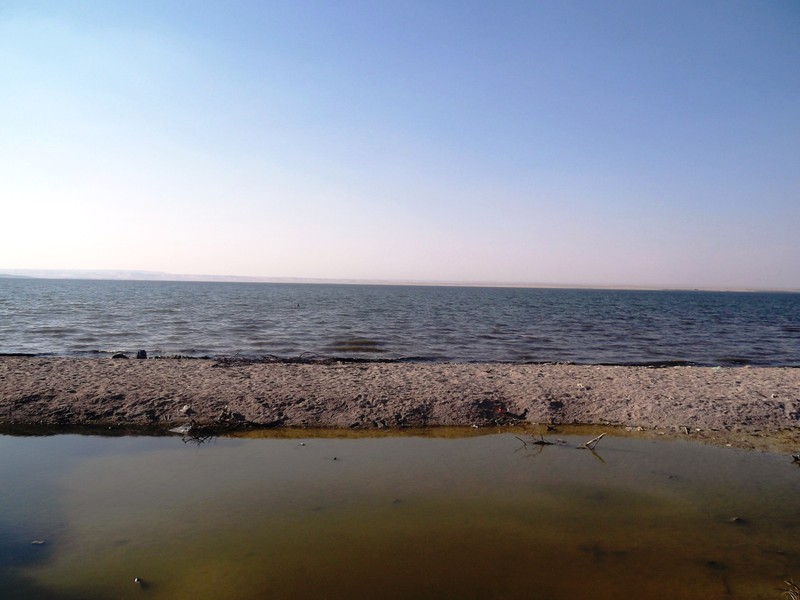
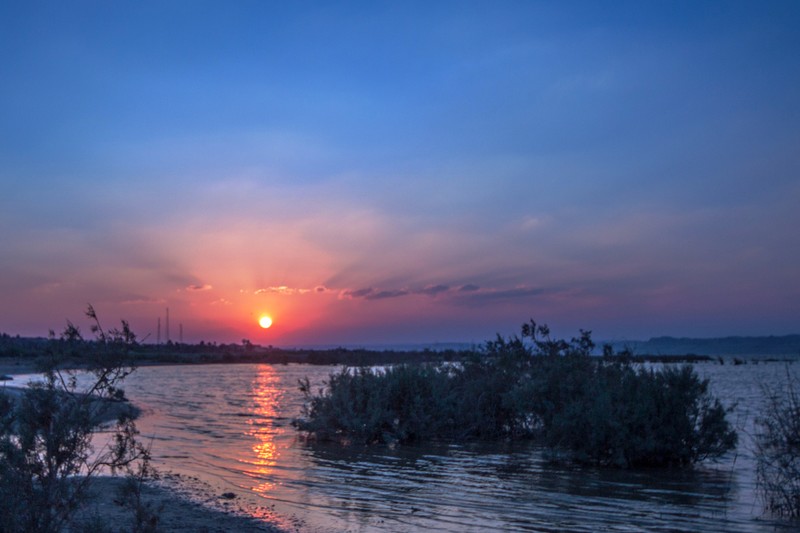
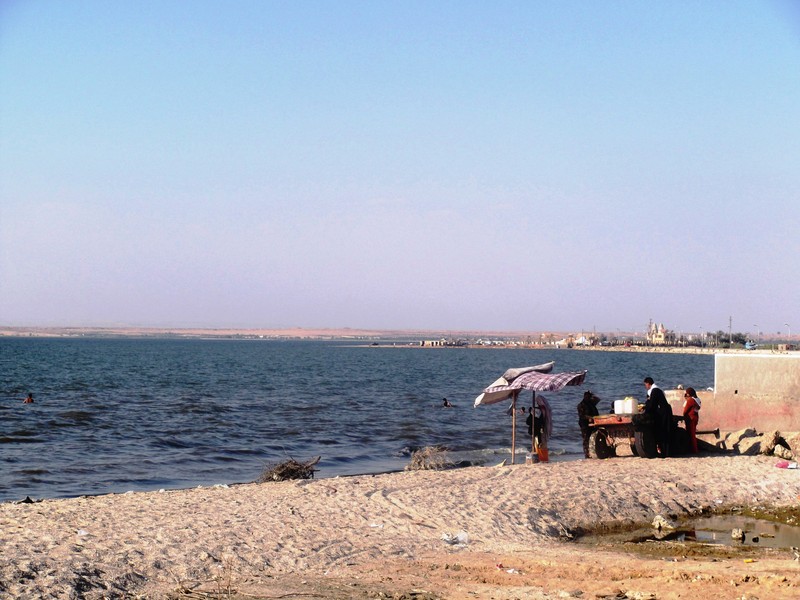
The lake stretches broadly from east to west. Its southern shores are bordered by settlements and cultivated land, while drier desert terrain lies to the north. Its area varies according to conditions and measurement methods, but modern sources give an approximate range of 200–235 square kilometres. The lake surface lies about 43–45 metres below sea level.
Lake Qarun Nature Reserve
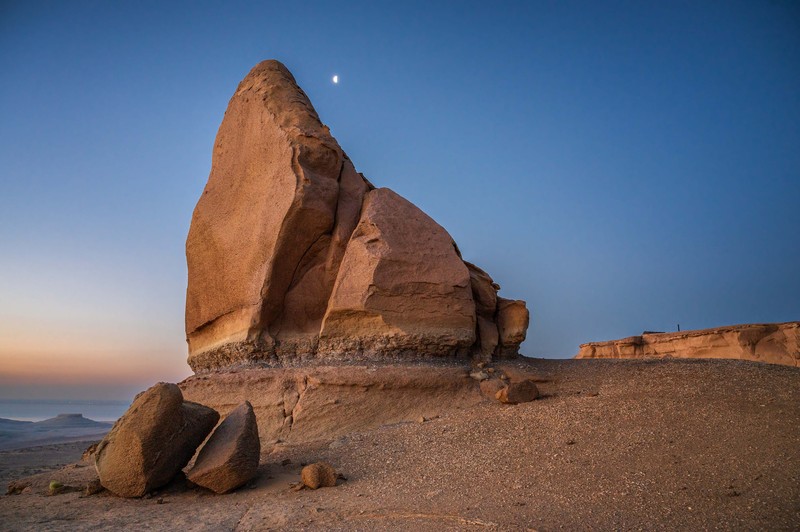
In 1989, the lake and a large surrounding area were designated as a protected area. The reserve safeguards aquatic and terrestrial ecosystems, geological formations, ancient animal fossils and cultural heritage. The northern section includes Gebel Qatrani, known for important fossil discoveries of prehistoric mammals.
Birdlife and wildlife
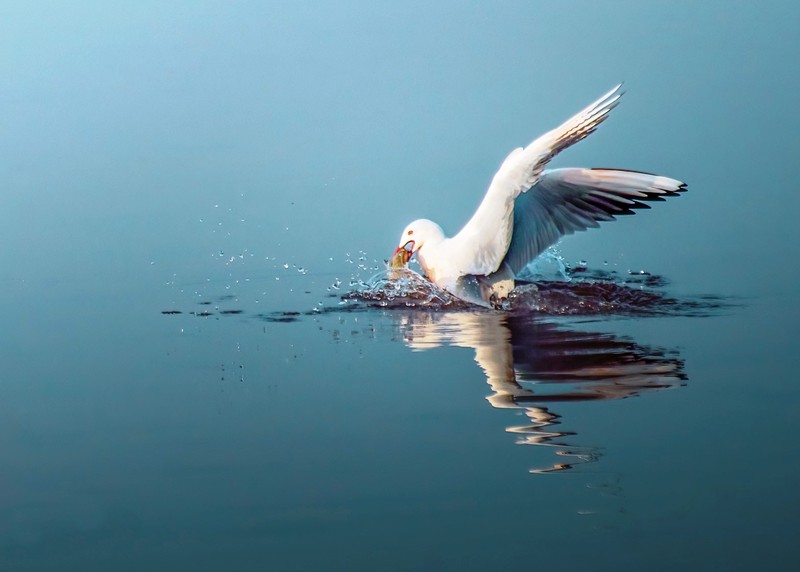
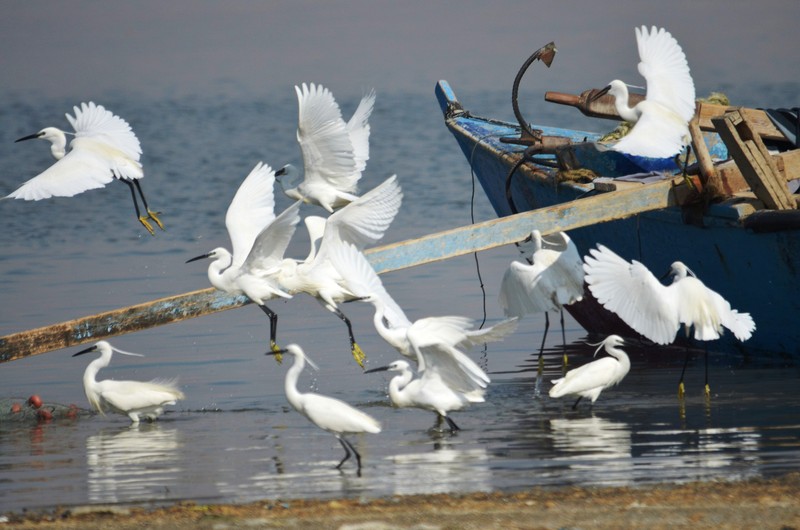
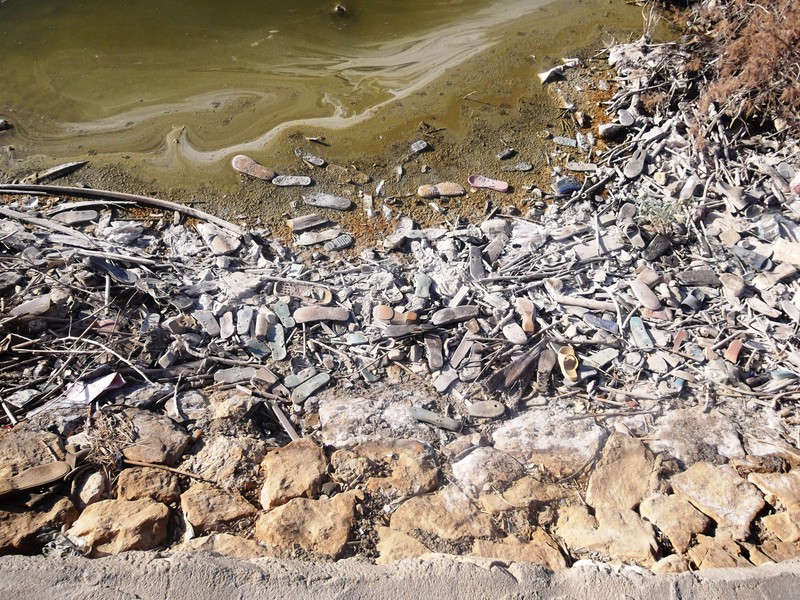
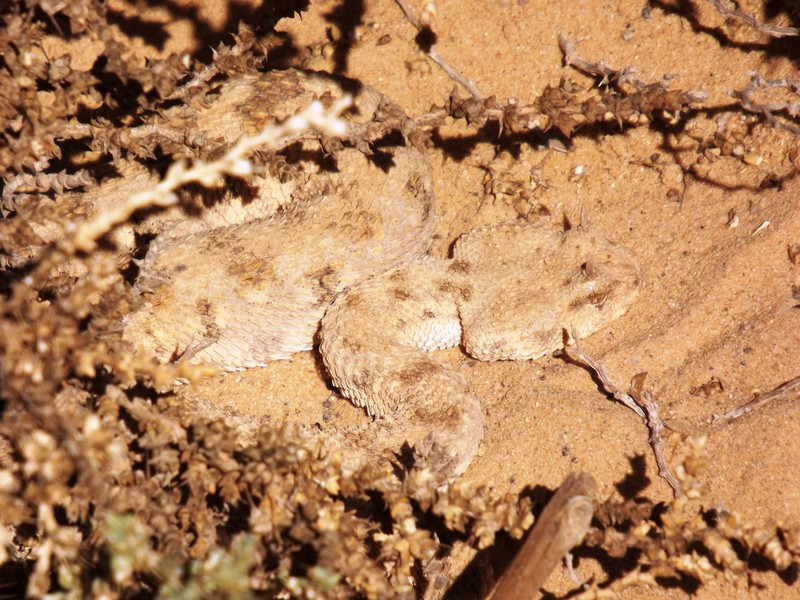
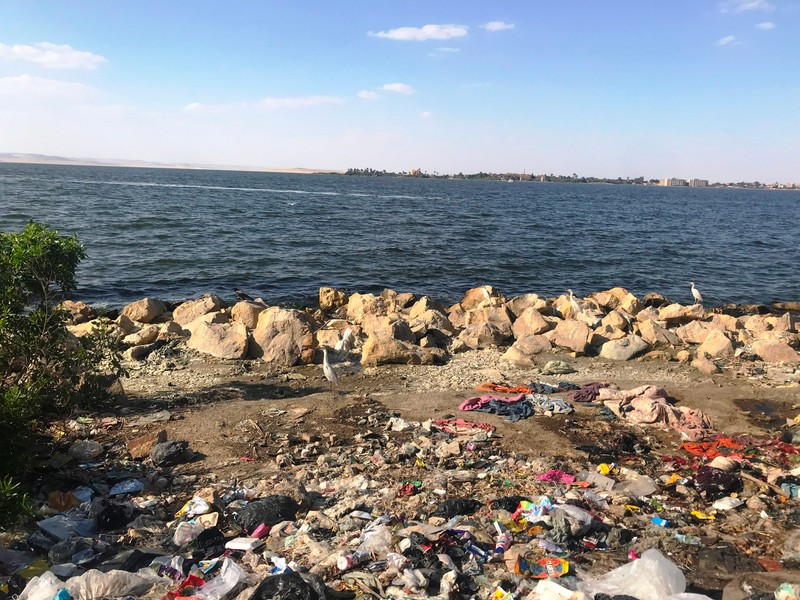
Lake Qarun attracts resident and migratory birds. Depending on the season, visitors may see waterbirds, gulls and waders. The lake supports fish adapted to saline conditions, including mullets and some tilapia species. Pollution and agricultural drainage affect the ecosystem, making water-quality protection important for fish populations and birds.
Gebel Qatrani and ancient fossils
North of the lake, the Gebel Qatrani area is known for its geological formations and paleontological discoveries. Fossils of ancient mammals and other animals help researchers reconstruct past ecosystems and understand environmental changes over millions of years.
Archaeological sites around the lake
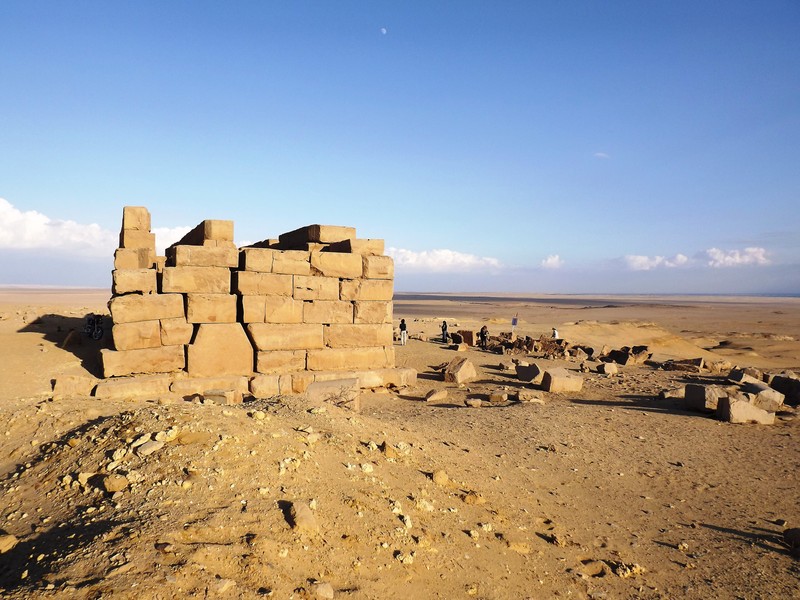
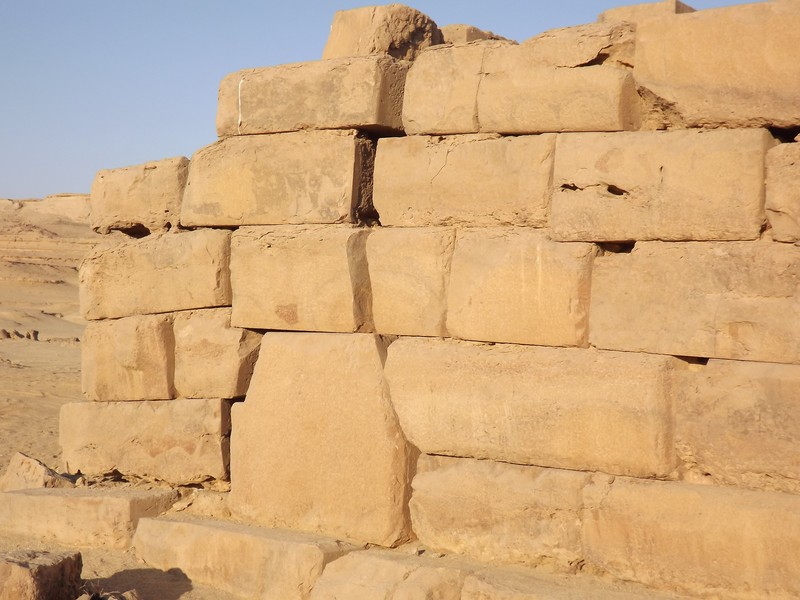
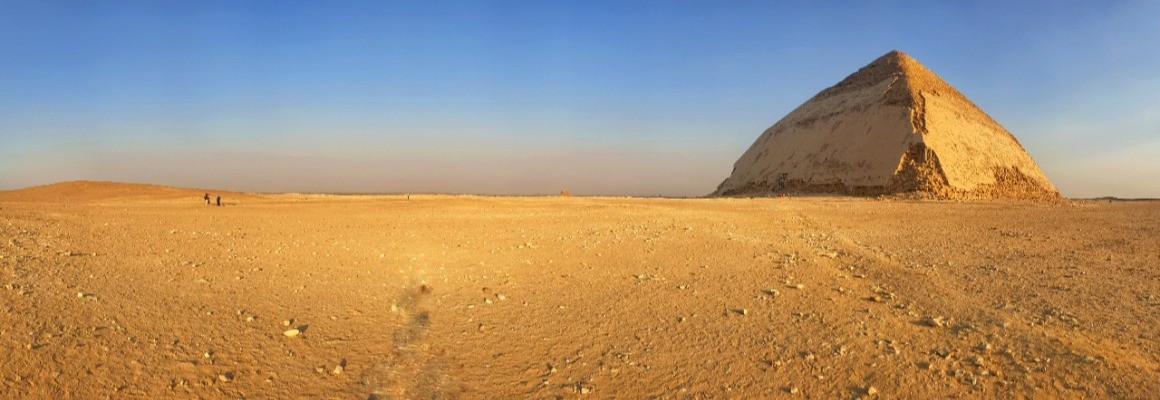
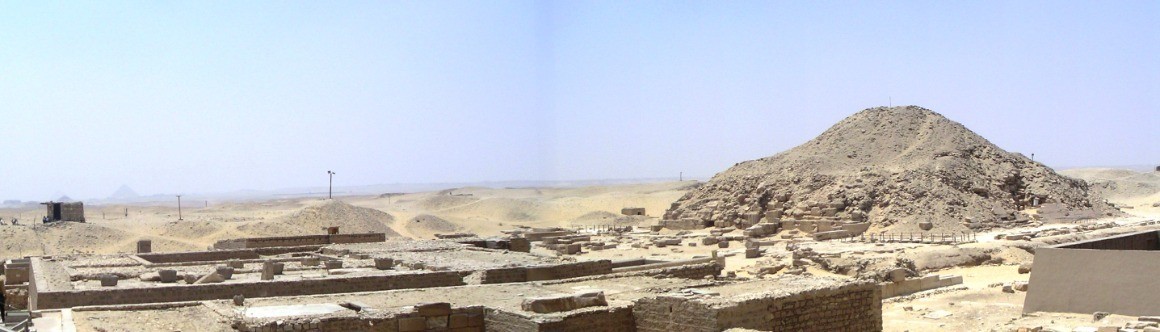
Near the northern shore stand the remains of Qasr El-Sagha, an ancient stone temple complex. Another important site is Dimeh es-Seba, where ruins of a settlement and temple associated with the Greco-Roman period survive. The wider Faiyum region also includes Karanis and the pyramids of Lahun and Hawara.
Fishing and local life
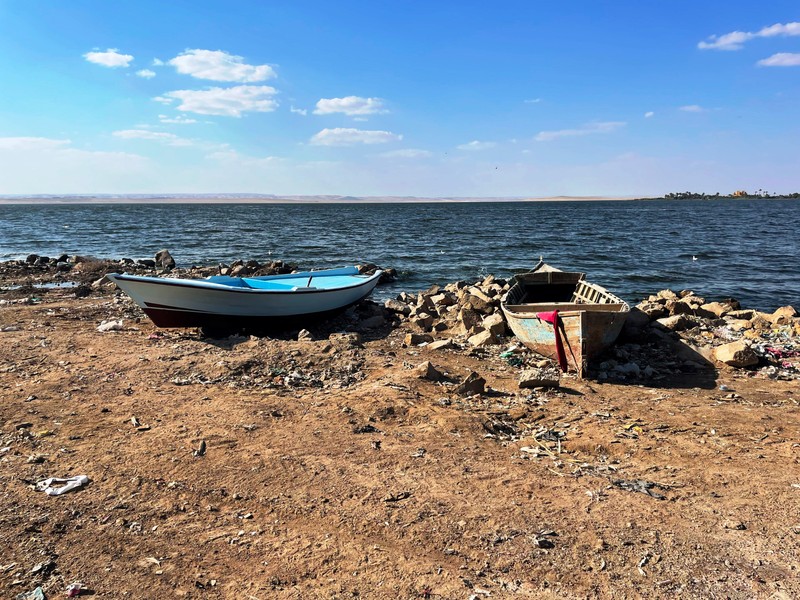
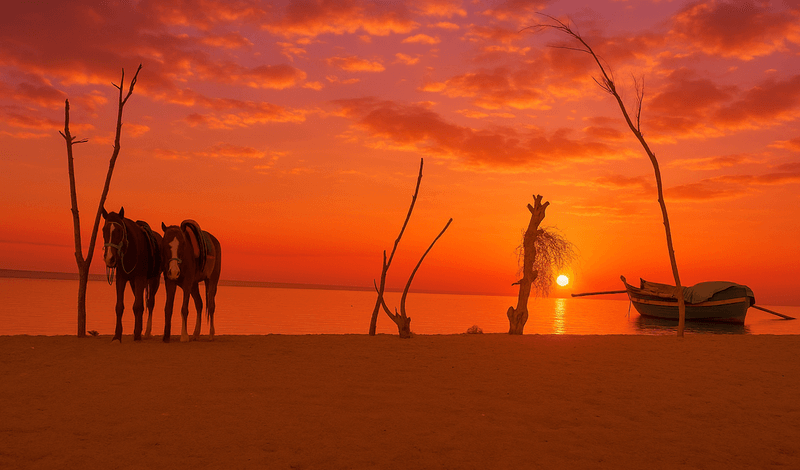
The lake has long been connected with the livelihoods of Faiyum’s communities. Fishing and agriculture remain important local activities. However, environmental changes and declining water quality have created challenges for fisheries. Restoring the lake’s ecosystem matters both for wildlife and for the local economy.
Things to see around Lake Qarun
A visit can be combined with Tunis Village, known for pottery workshops, as well as nearby archaeological sites and protected landscapes. The southern shore offers rural scenery, while the northern side features more rugged desert views and geological formations. Lake Qarun is best explored as part of a wider Faiyum itinerary rather than as a conventional beach resort.
When to visit and how to get there
Autumn, winter and spring are generally the most comfortable seasons to explore the area. In summer, plan walks for early morning or late afternoon and bring water, a hat, sun protection and closed comfortable shoes. From Cairo, travel via Faiyum city by car or bus. A hired vehicle or organised tour is more convenient for remote archaeological and natural sites.
Why visit Lake Qarun
Lake Qarun brings together natural history, ancient irrigation systems, bird habitats and archaeological heritage. A trip here reveals a different side of Egypt, with desert landscapes, rural communities and traces of ancient Lake Moeris.
Gallery