The ancient necropolis of Dahshur
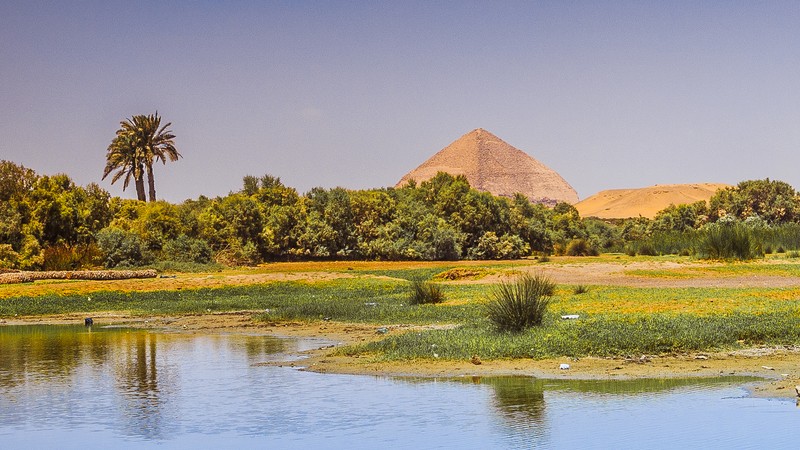
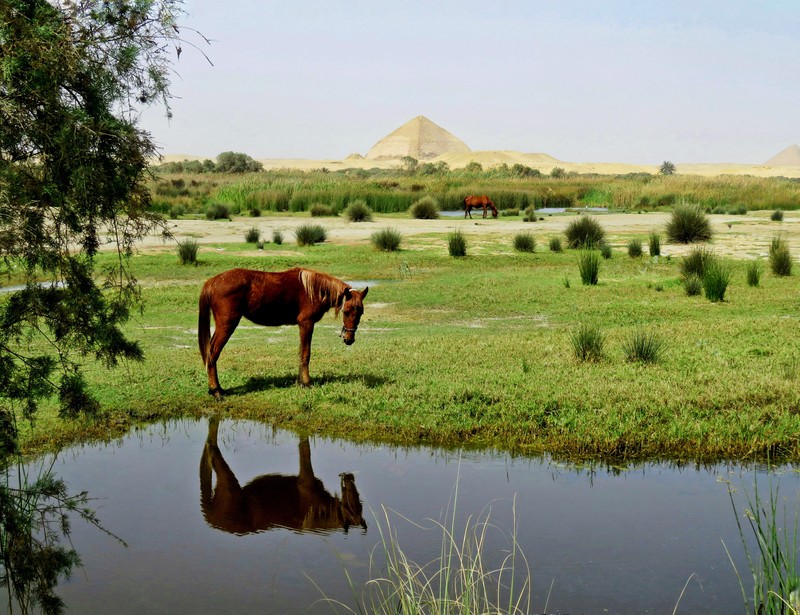
The Pyramids of Dahshur form an important archaeological complex south of Cairo, on the western edge of the Nile Valley. The necropolis belongs to the wider pyramid fields of ancient Memphis and contains monuments from both the Old Kingdom and the later Middle Kingdom.
Dahshur is especially famous for the Bent Pyramid and the Red Pyramid, both built under Pharaoh Sneferu. Together, they show how Egyptian builders refined the techniques used to construct smooth-sided pyramids. The area also contains remains of later royal pyramid complexes and tombs belonging to members of royal families and officials.
Pharaoh Sneferu and pyramid development
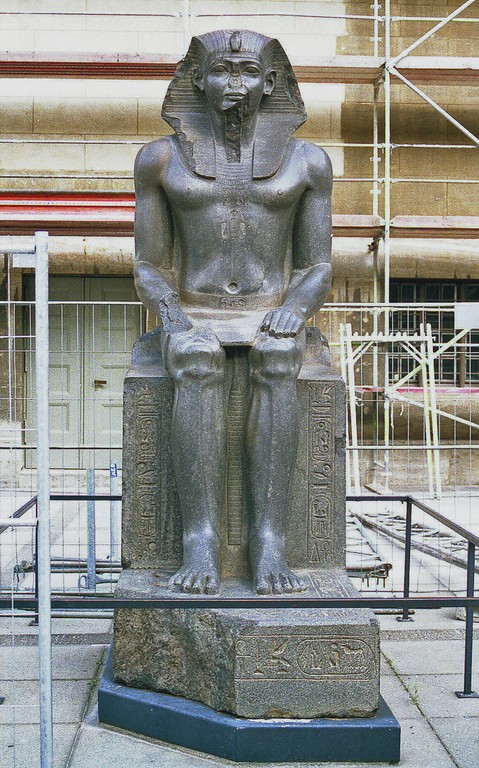
Sneferu founded the Fourth Dynasty and was one of the major rulers of the Old Kingdom. His reign is generally placed in the 26th century BCE. During his time, architects experimented with the slope of pyramid faces, the arrangement of internal chambers and the stability of massive stone structures.
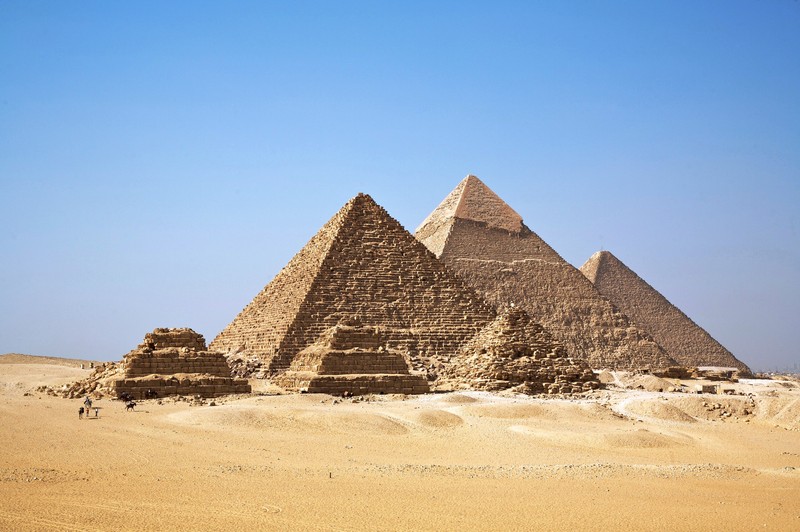
The Bent Pyramid preserves evidence of a design change made during construction, while the Red Pyramid represents a more consistent smooth-sided form. Together, they help explain the development of the classic Egyptian pyramid shape later seen at Giza.
The Bent Pyramid
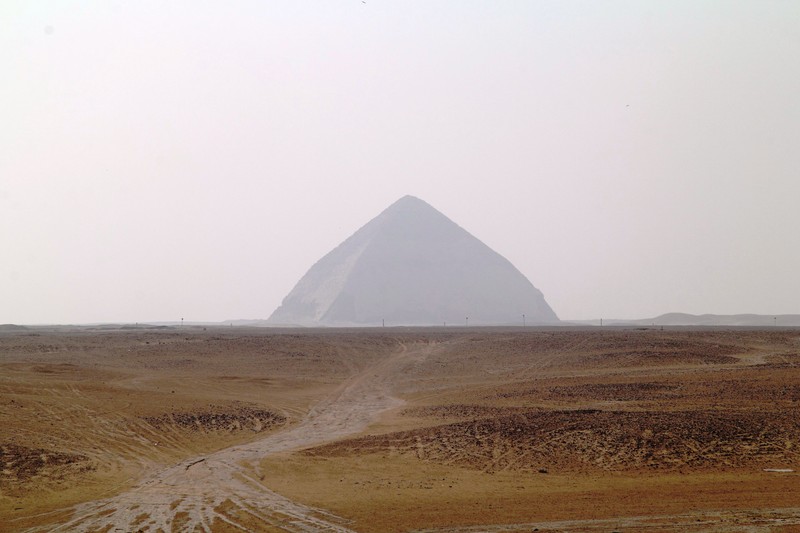
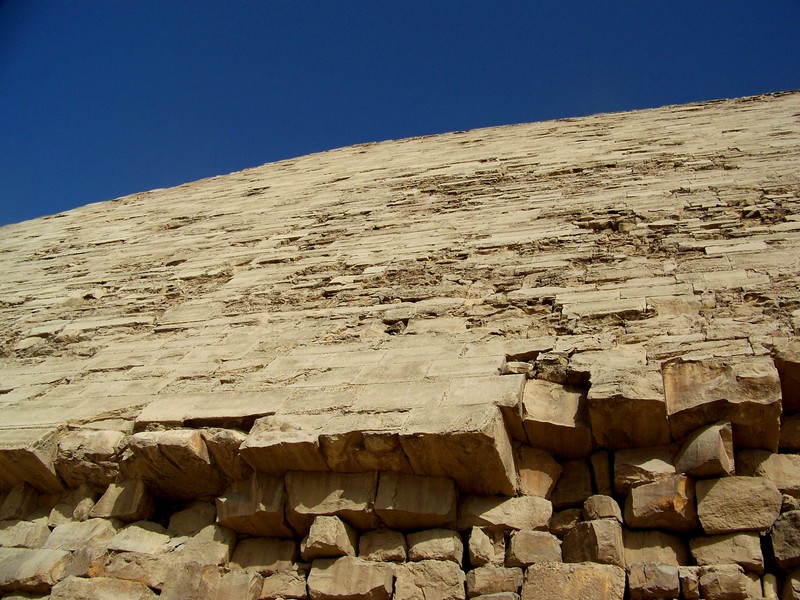
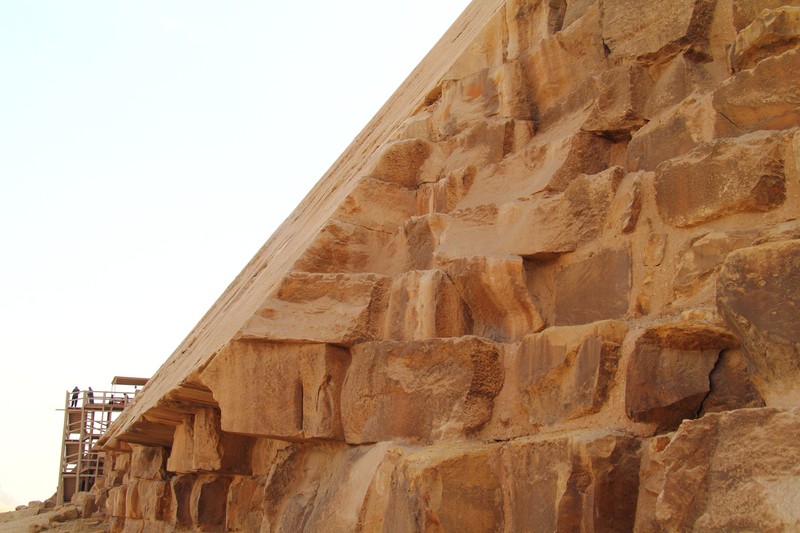
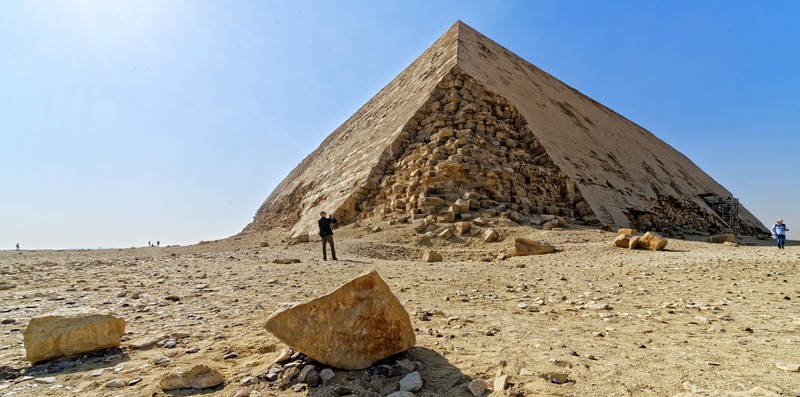
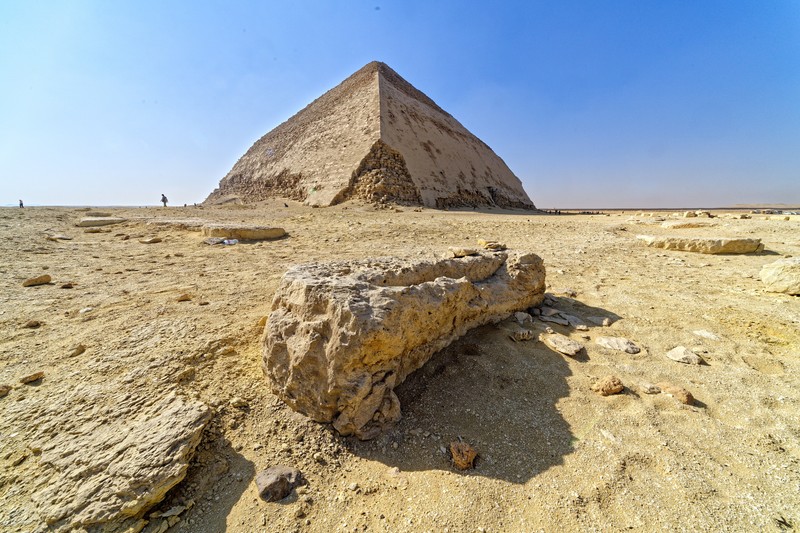
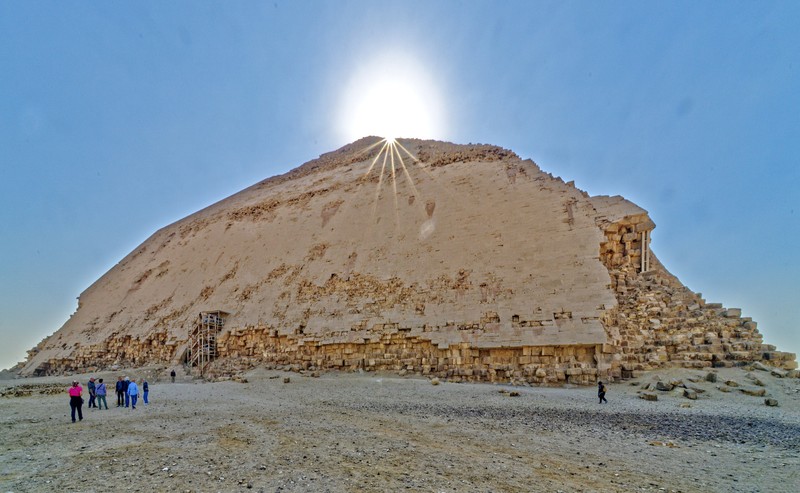
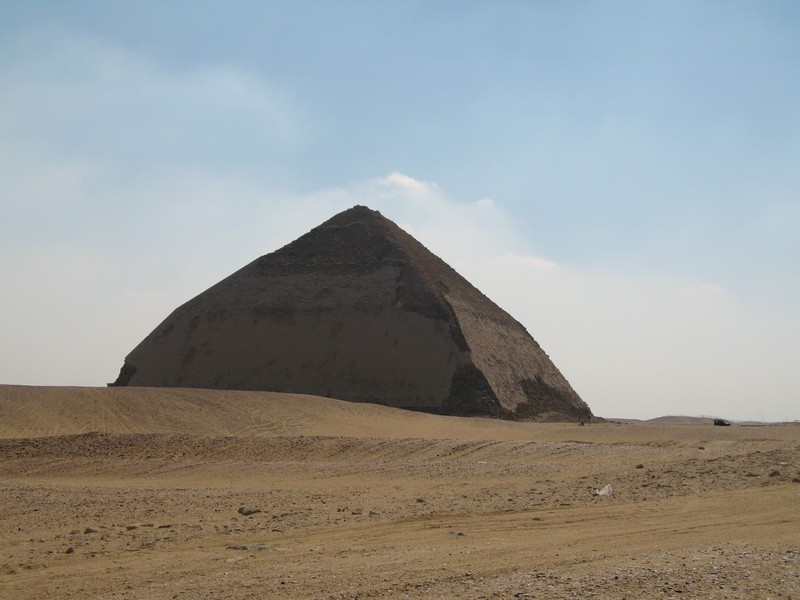
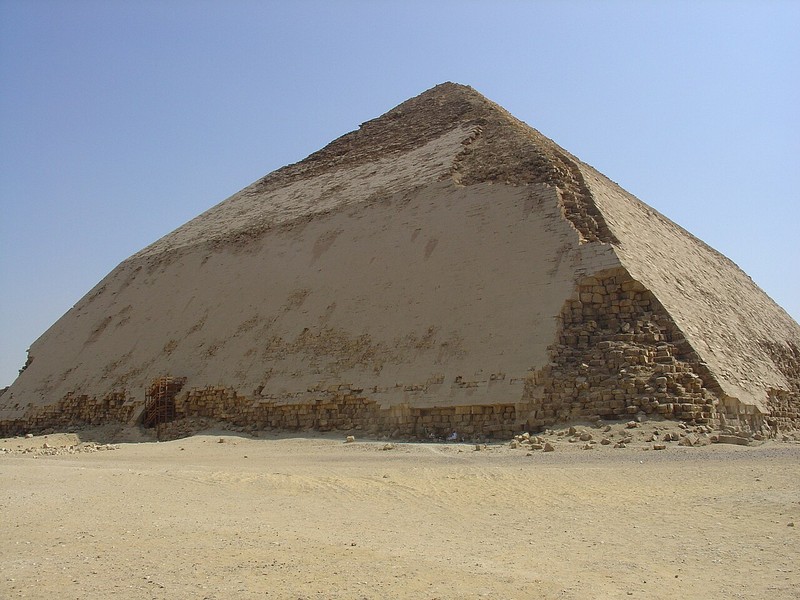
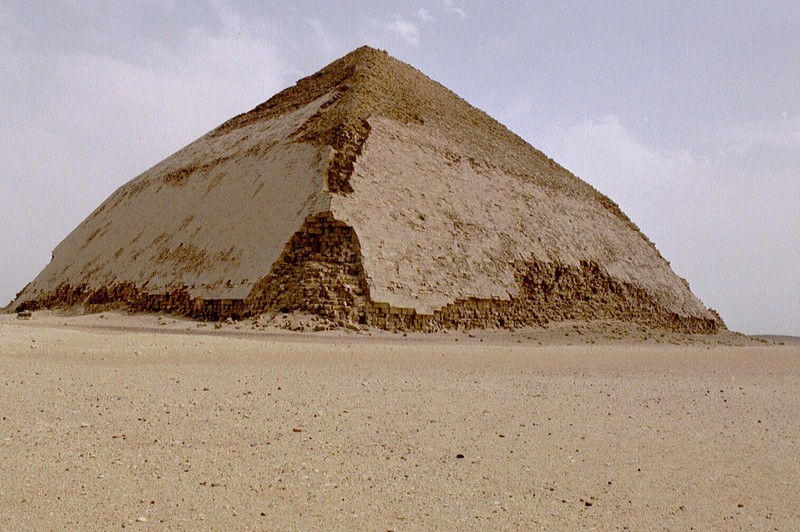
The Bent Pyramid is one of Dahshur’s most unusual monuments. Its name comes from the visible change in the angle of its outer faces partway up the structure. The lower section is steeper, while the upper section is more gently sloped, giving the pyramid its distinctive profile.
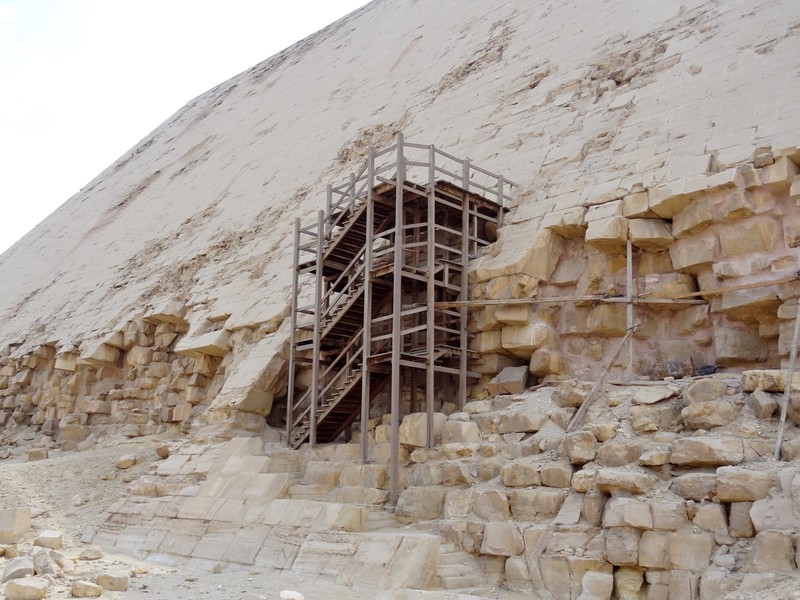
Construction began at an angle of about 55 degrees, which was reduced to approximately 43 degrees during the work. The exact reason for the change is not known. Possible explanations include reducing structural stress and improving stability. Parts of the original white limestone casing remain visible.
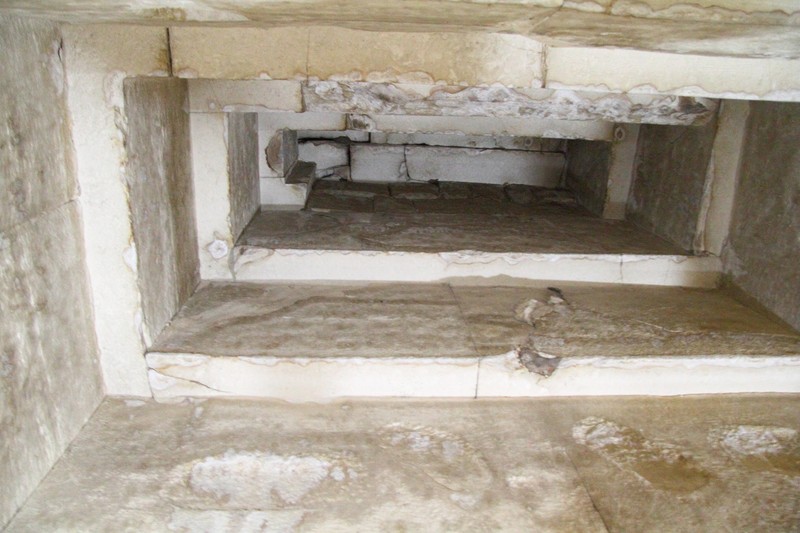
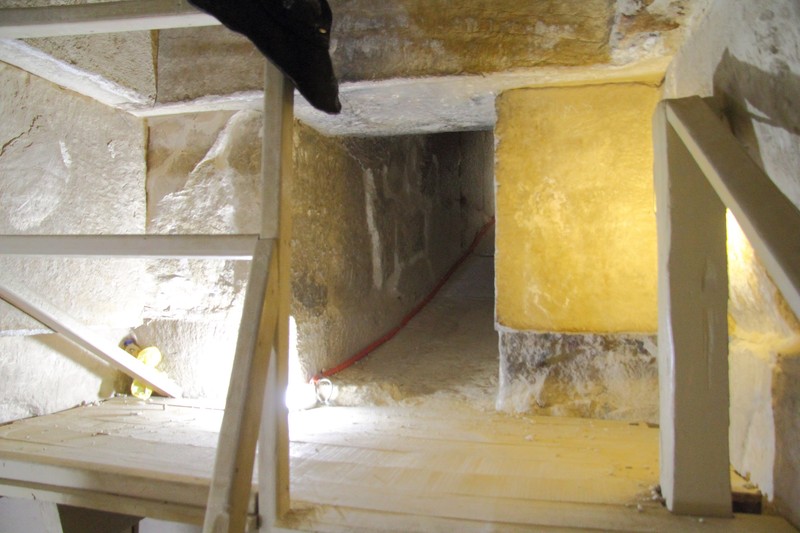
The interior contains corridors and chambers with corbelled stone roofs. The pyramid has two entrances, one on the north side and another on the west. Its unusual design reveals the engineering challenges faced by ancient builders long before modern construction methods existed.
The Red Pyramid
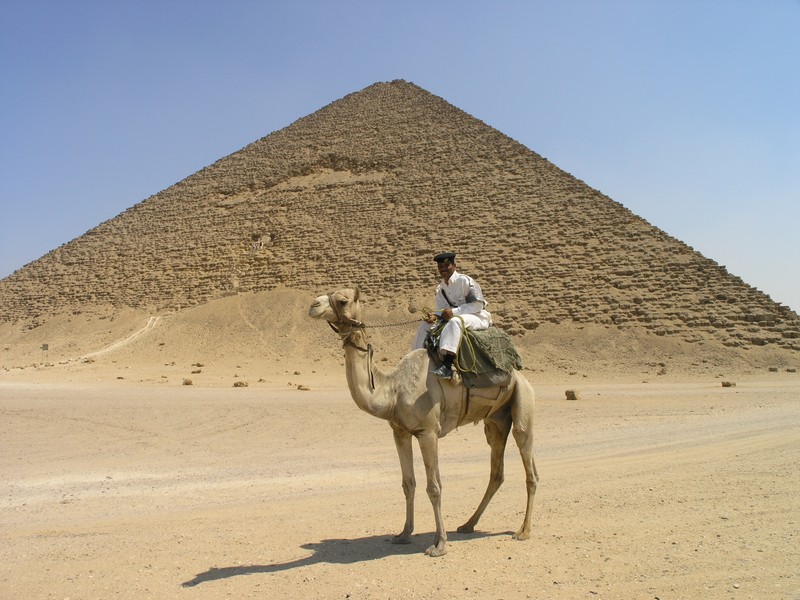
The Red Pyramid stands a short distance north of the Bent Pyramid. It takes its name from the reddish colour of the stone in its core. Originally, its exterior was covered with white limestone, much of which was later removed and reused in other buildings.
Associated with Sneferu and generally dated to the 26th century BCE, it is one of the earliest major examples of a smooth-sided pyramid with a consistent profile. Its entrance is on the northern face and leads through a descending passage to internal chambers with high corbelled ceilings.
The Red Pyramid is an important milestone in Egyptian architecture. Along with the Bent Pyramid, it illustrates the transition from earlier experiments to the more familiar pyramid form.
Pyramids of the Middle Kingdom
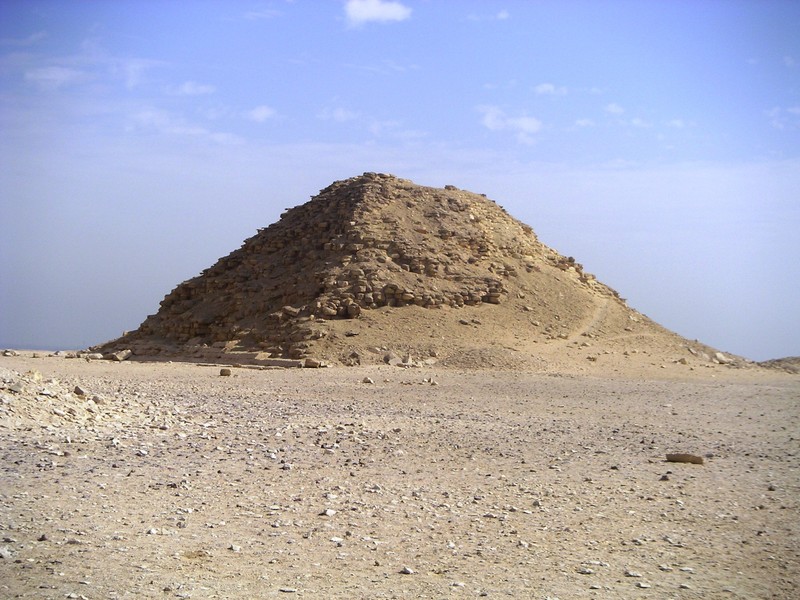
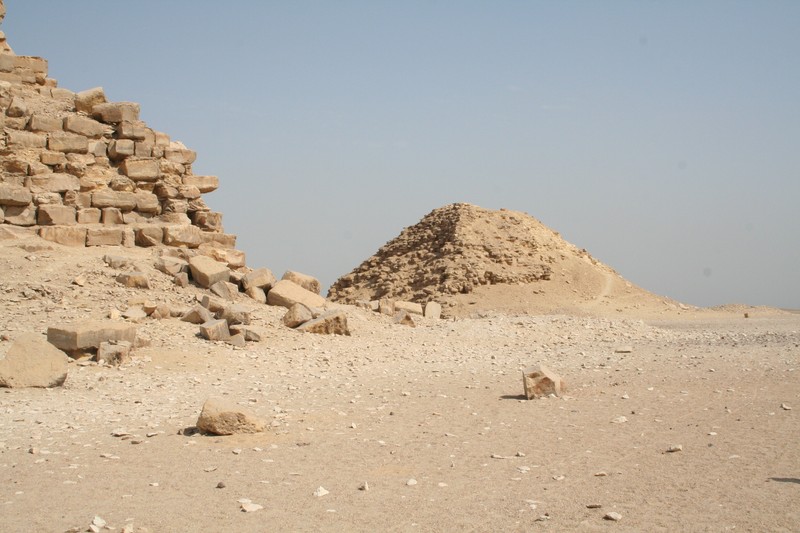
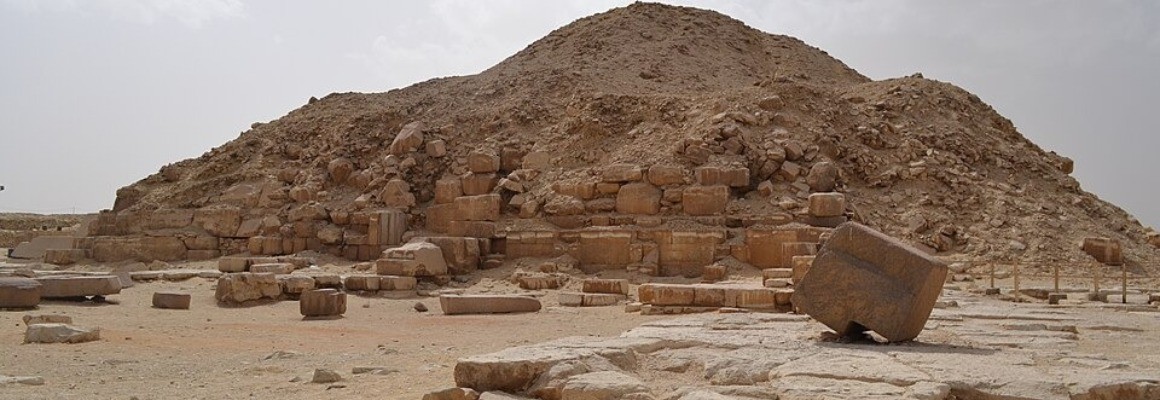
Dahshur continued to serve as a royal burial ground after Sneferu’s time. During the Middle Kingdom, pyramid complexes associated with Amenemhat II, Senwosret III and Amenemhat III were built here. Some relied heavily on mudbrick with stone elements and therefore survive in a more eroded state.
The so-called Black Pyramid of Amenemhat III is especially notable, although it is now badly damaged. The necropolis also contains tombs of royal relatives, including princesses, as well as burials of officials. These remains help researchers understand the burial traditions and social structure of the Middle Kingdom.
Archaeological research and conservation
Archaeologists study not only the pyramids but also the remains of temples, causeways, quarries and construction areas. These discoveries shed light on the organisation of building projects and the religious practices connected with royal burials.
Dahshur forms part of the UNESCO World Heritage property Memphis and its Necropolis – the Pyramid Fields from Giza to Dahshur, inscribed in 1979. The monuments require protection from erosion, environmental changes and human impact.
Visiting the Pyramids of Dahshur
The main highlights are the Bent Pyramid and the Red Pyramid. Seeing them together makes it easier to compare the unusual change in slope of the first with the more regular form of the second. When access is permitted, visitors may enter the Red Pyramid and descend through narrow, steep passages into its chambers.
Dahshur lies roughly 30–40 kilometres south of central Cairo, depending on the route. Most visitors arrive by car, taxi or organised excursion, often combining the site with Saqqara. An early start is recommended. Bring water, comfortable shoes and sun protection, and check current opening hours, ticket prices and access rules before travelling.
Gallery