
Waterfalls among Egypt's desert lakes
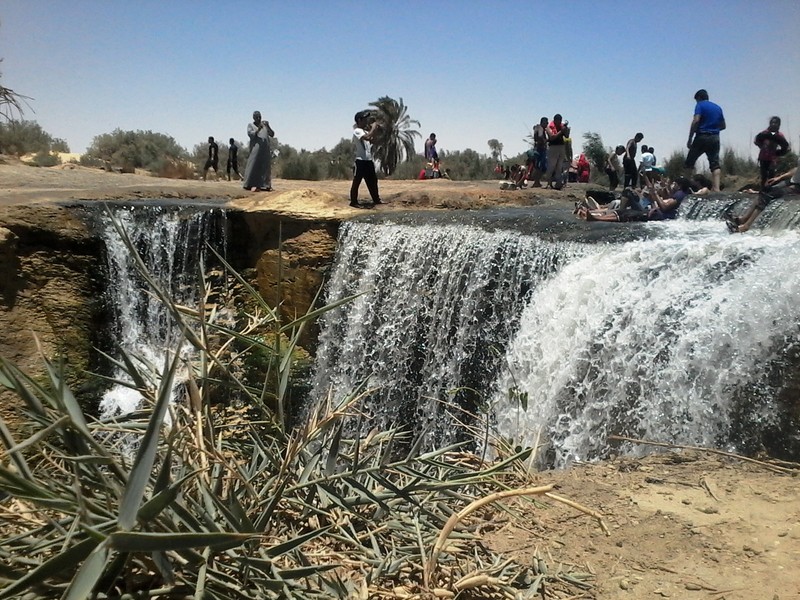
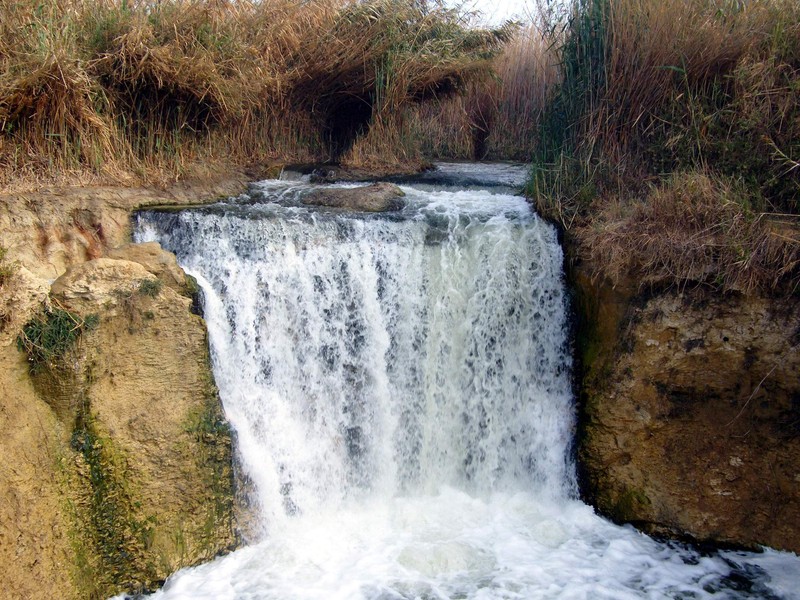
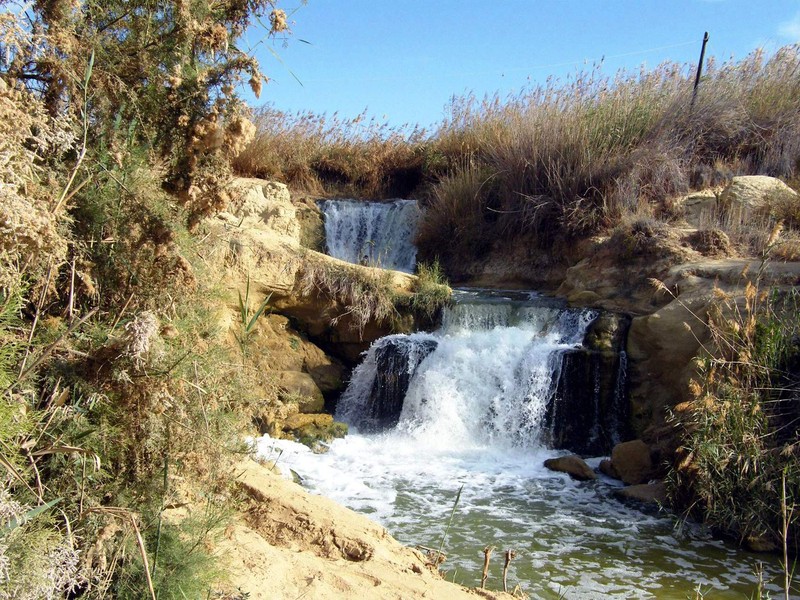
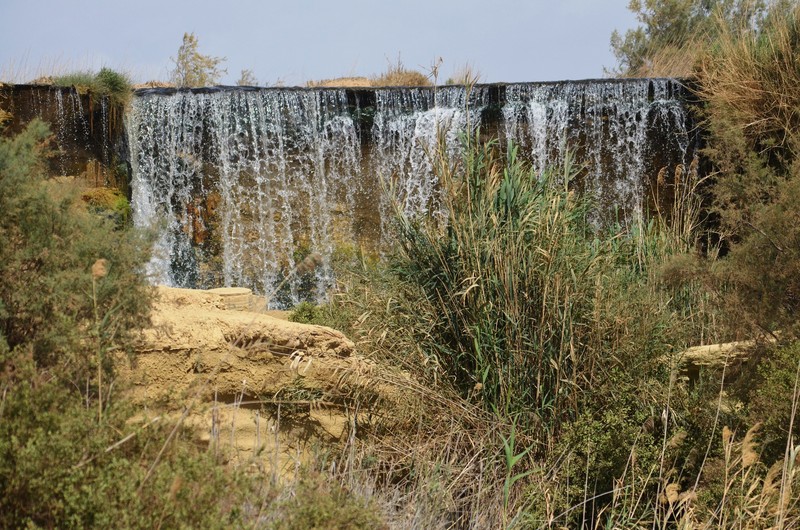
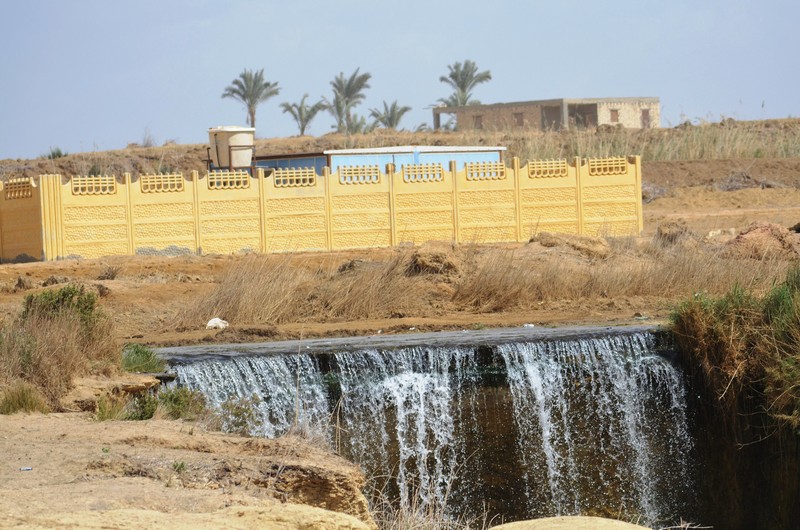
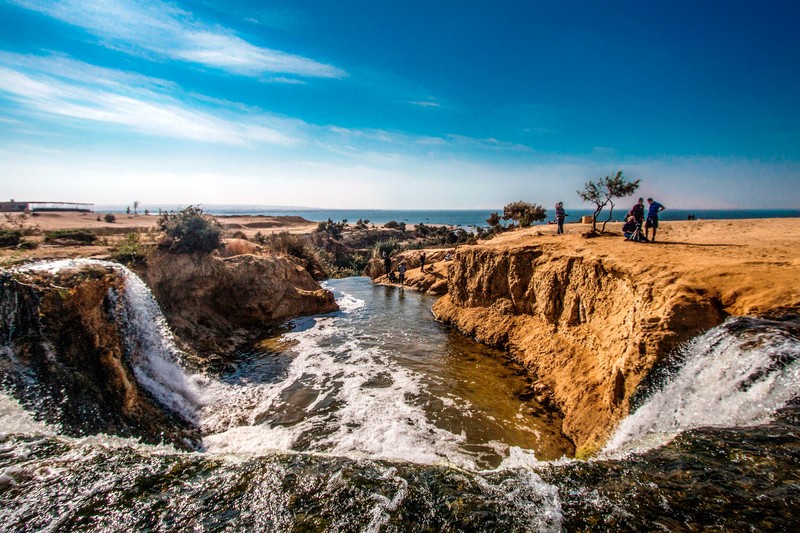
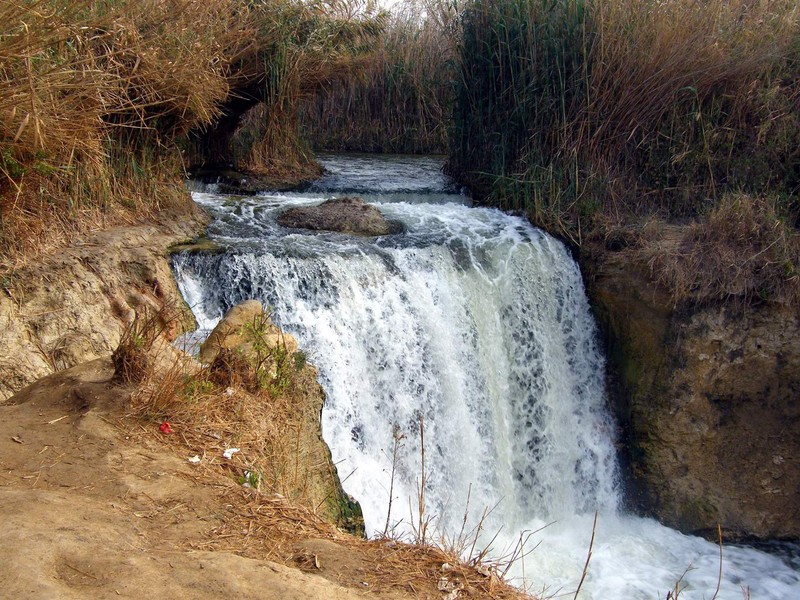
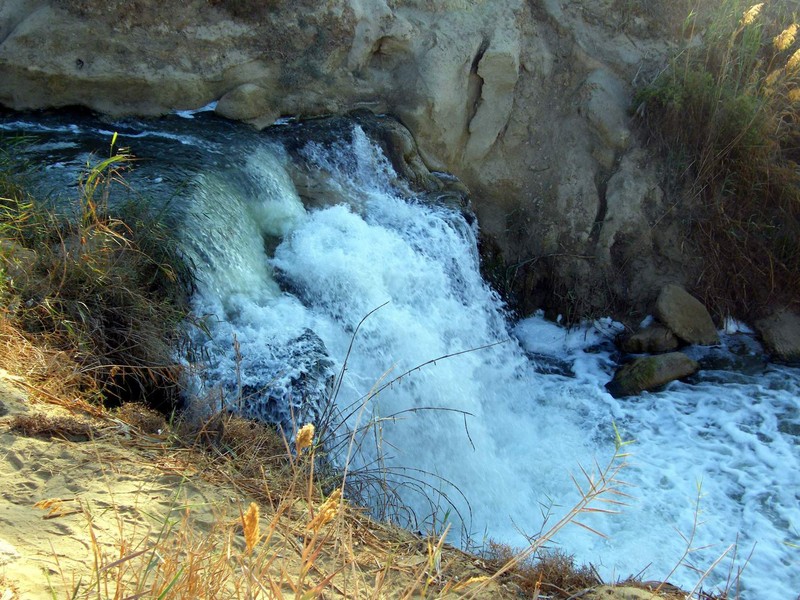
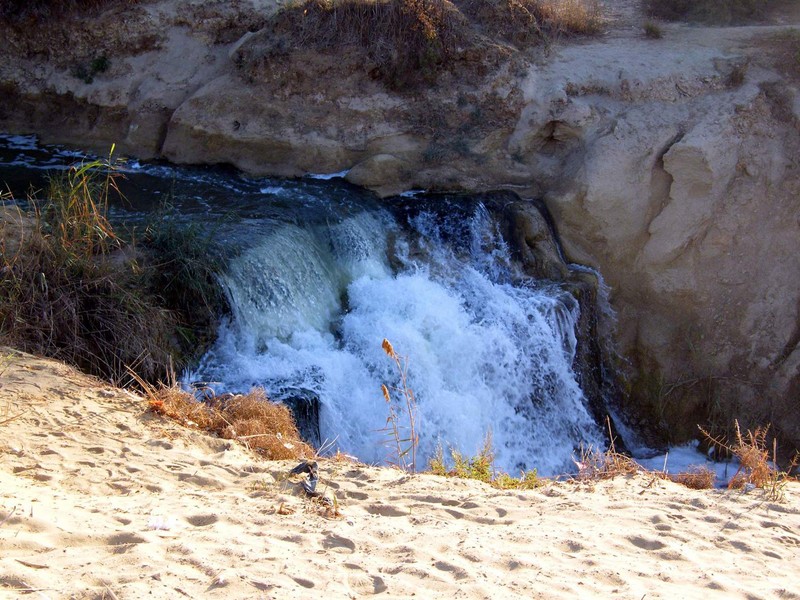
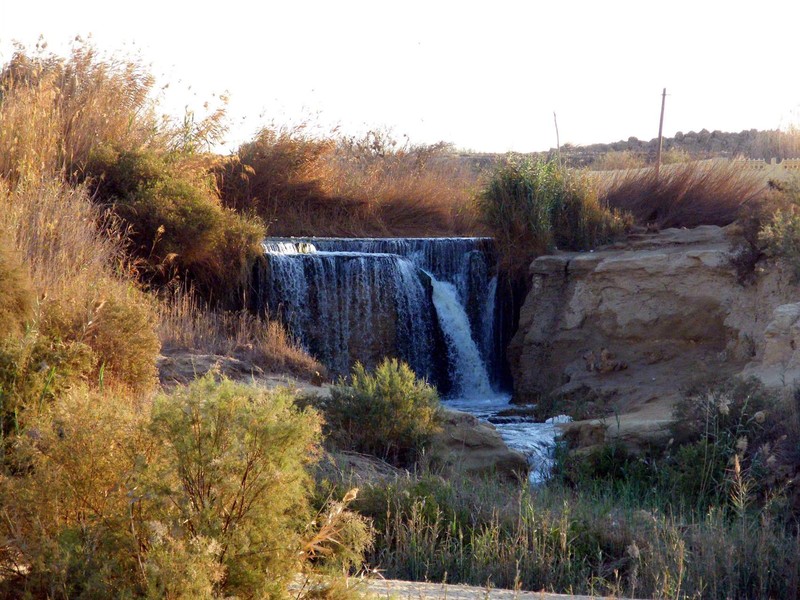
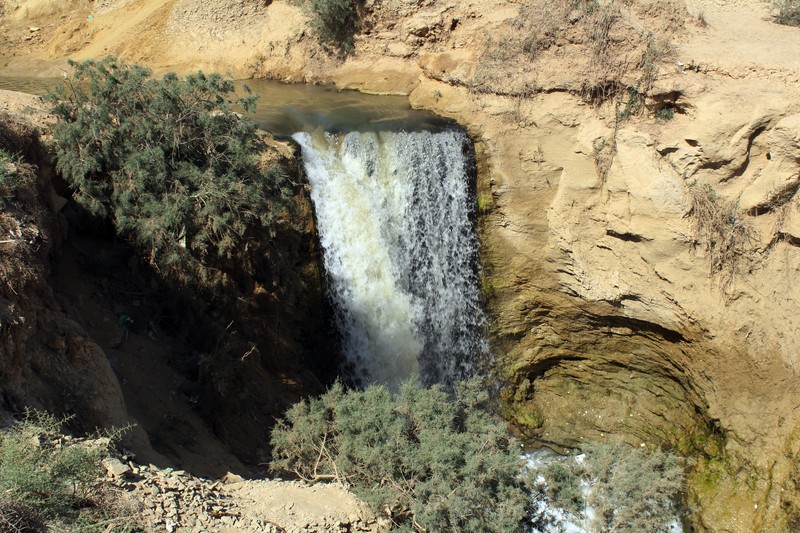
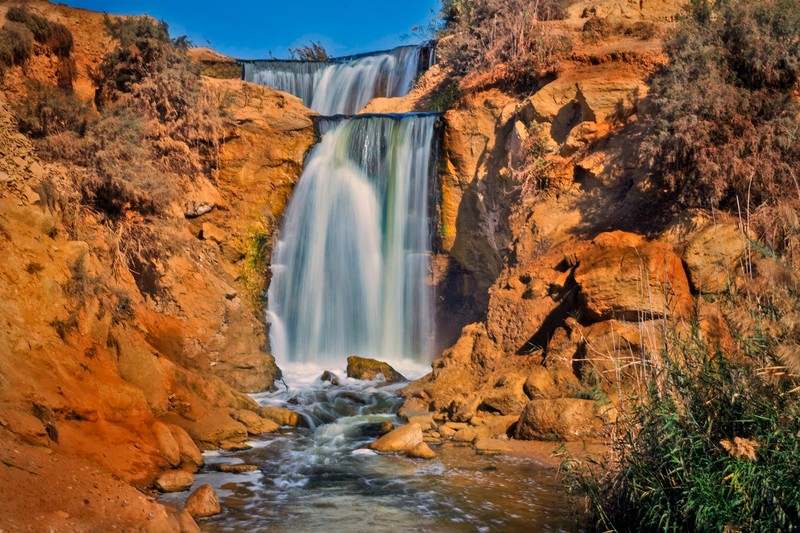
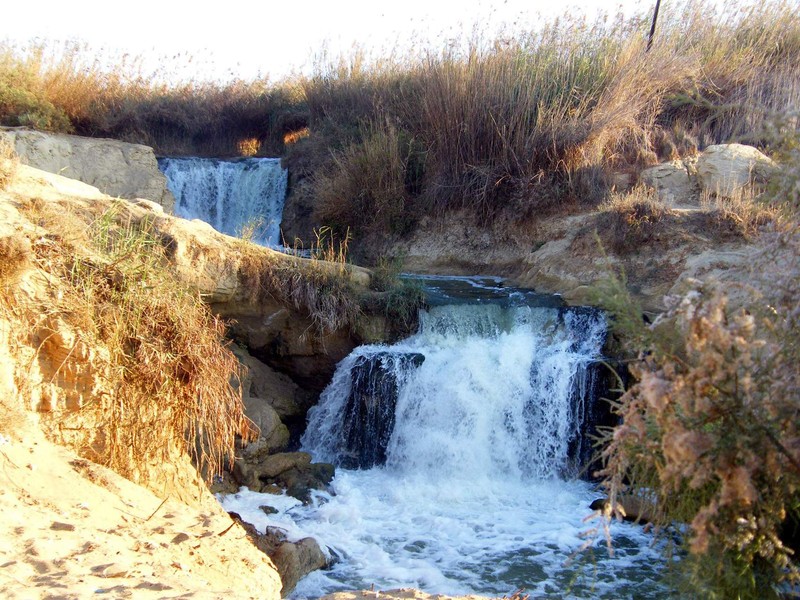
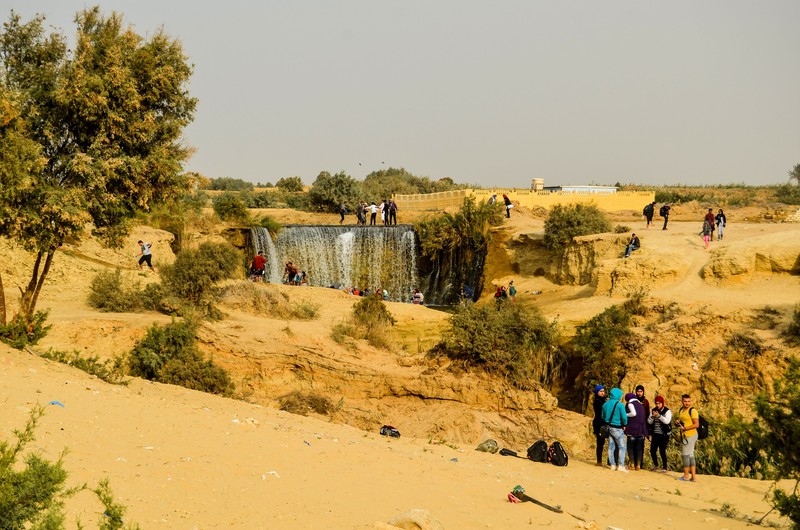
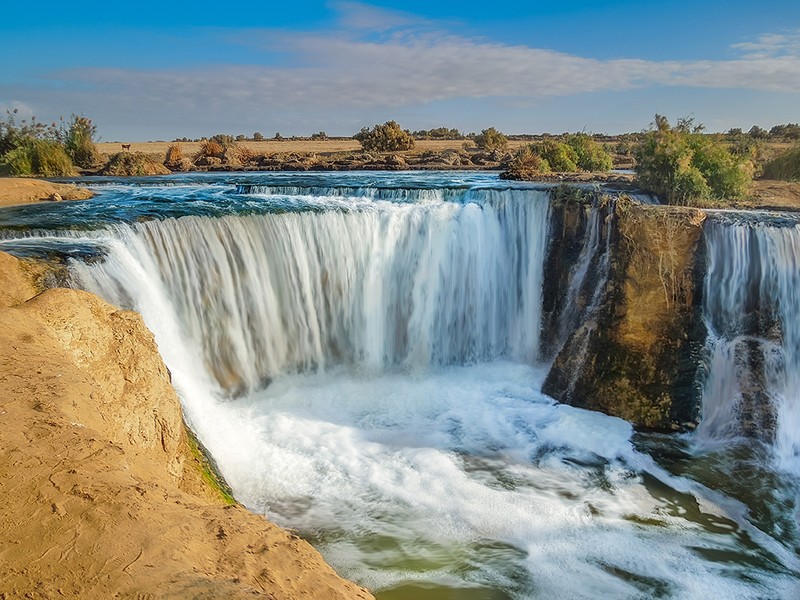
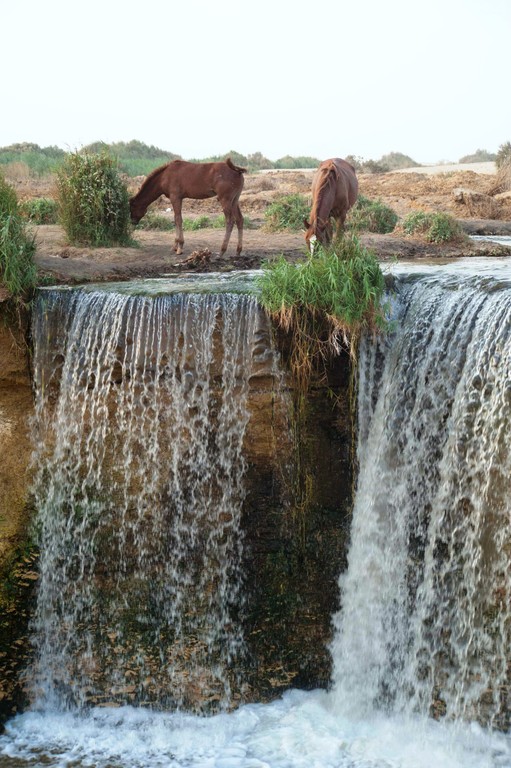
The Wadi El Rayan Waterfalls are among the most unusual natural attractions in Egypt's Faiyum region. They lie in the Western Desert between the Upper and Lower Wadi El Rayan Lakes. Water passes over a difference in elevation, forming cascades that stand out against dry hills and sandy terrain.
The waterfalls are part of the Wadi El Rayan Protected Area, established to conserve desert landscapes, wetlands and wildlife. They are a popular destination for day trips from Cairo and Faiyum.
How the waterfalls formed
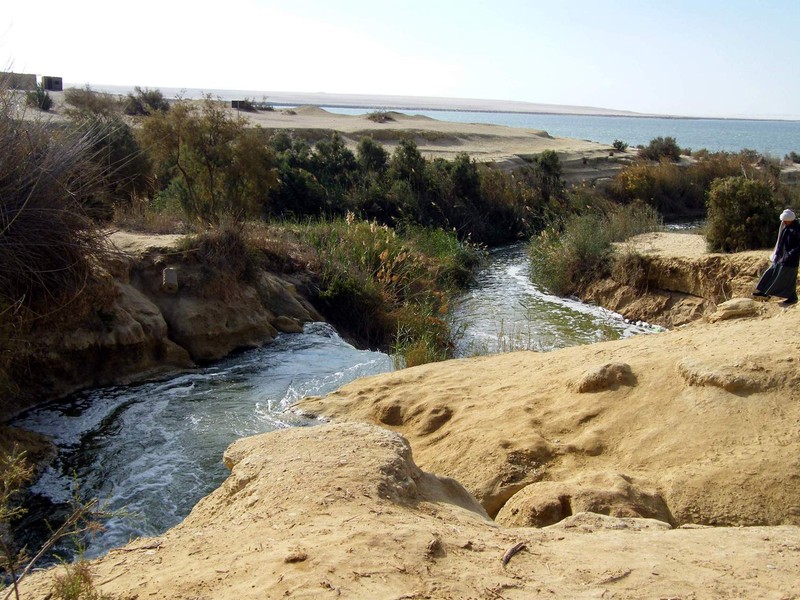
Wadi El Rayan is a broad desert depression. During the twentieth century, excess agricultural drainage water from the Faiyum area was channelled into it. Two large lakes formed in the lower parts of the depression: the Upper Lake and the Lower Lake. A connecting channel links them, and water flows over a change in level to create the waterfalls.
These are not typical mountain waterfalls fed by a natural river. Their formation is connected with a human-made water system and the area's topography. Nevertheless, they have become a distinctive landmark of the protected area.
The Upper and Lower Lakes
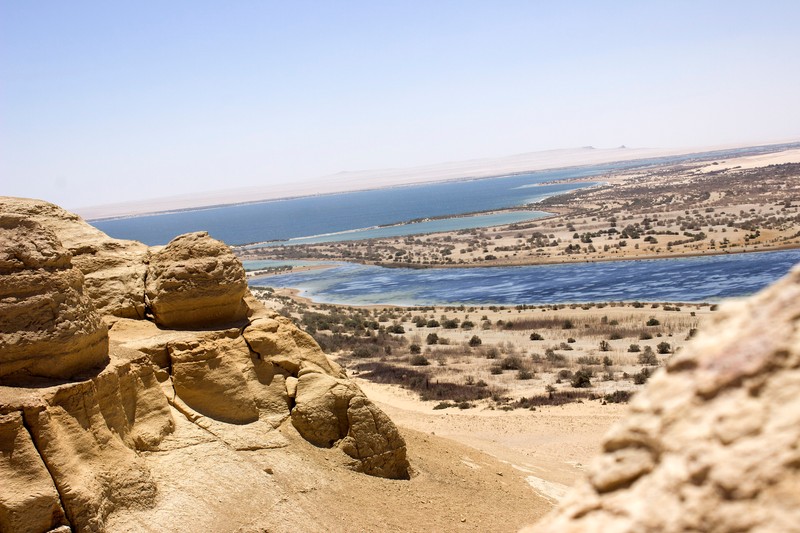
The two lakes differ in size, depth and salinity. The Upper Lake lies at a higher level, while the Lower Lake occupies the deeper part of the depression. Water moves between them through the connecting section where the waterfalls are located. The difference in level is about 20 metres, although the appearance of the cascades and the amount of water can vary.
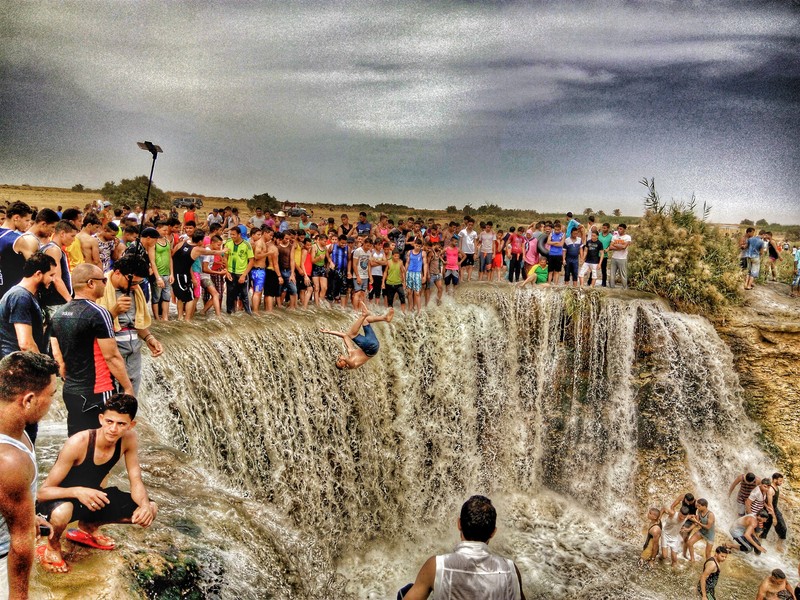
The contrast between open water and dry desert creates striking scenery. The lakeshores are suitable for viewing the landscape, photography and relaxation. Swimming and other water activities depend on the reserve's current rules and conditions at each location.
Nature and wildlife
The creation of large lakes changed the environment in this part of the desert. The lakes and nearby wet areas provide habitats and resting places for various birds, including migratory species. Desert plants and animals adapted to arid conditions can also be found in the surrounding area.
Wadi El Rayan is notable for bringing aquatic and desert ecosystems together in one protected landscape. Birdwatching can be particularly rewarding during cooler months, when migratory birds visit the region. Visitors should stay on permitted routes and avoid leaving litter or disturbing wildlife.
Desert scenery and nearby attractions
The wider protected area includes sandy expanses, shifting dunes, limestone formations and hills with unusual outlines. Water, sand and rock combine to create scenery very different from the familiar image of an entirely barren desert.
The wider region also contains the Oyoun El Rayan springs and Wadi Al-Hitan, or Whale Valley, known for fossils of ancient whales around 40 million years old. Wadi Al-Hitan is a UNESCO World Heritage Site. These attractions occupy different parts of the protected region, so visiting them together may require additional travel time.
Things to do at the waterfalls
Popular activities include walking, viewing the cascades and lakes, photography and relaxing in the desert landscape. The protected area also offers nature-based activities such as desert trips and birdwatching. The availability of specific activities depends on local restrictions and facilities.
The waterfalls are especially appealing to visitors who want to see water surrounded by sandy landscapes. Rather than a tall cascade in a mountain gorge, this is a waterfall area in an open desert setting, where the surrounding scenery is as important as the flowing water itself.
How to reach Wadi El Rayan
Most visitors travel from Cairo or the city of Faiyum by car or on an organised excursion. Before setting out, check the route, road conditions, entry requirements and opening hours of the protected area. A suitable vehicle and assistance from a local driver or guide may be needed to explore more remote sections.
Allow a substantial part of the day for the trip, especially if you plan to visit other places in the Faiyum region. Bring drinking water, a hat, sun protection and comfortable shoes. During hot months, walking is more comfortable in the cooler parts of the day.
Visitor guidelines
Wadi El Rayan is a protected natural area. Follow staff instructions, take your rubbish with you, avoid damaging plants and do not disturb animals. Before swimming or using watercraft, confirm whether the activity is permitted at your chosen location.
The Wadi El Rayan Waterfalls reveal a different side of Egypt. Instead of temples and ancient cities, visitors find lakes and cascades surrounded by desert. It is an appealing destination for nature lovers, photographers and travellers seeking peaceful scenery beyond the major tourist centres.
Gallery