An underground necropolis of sacred bulls
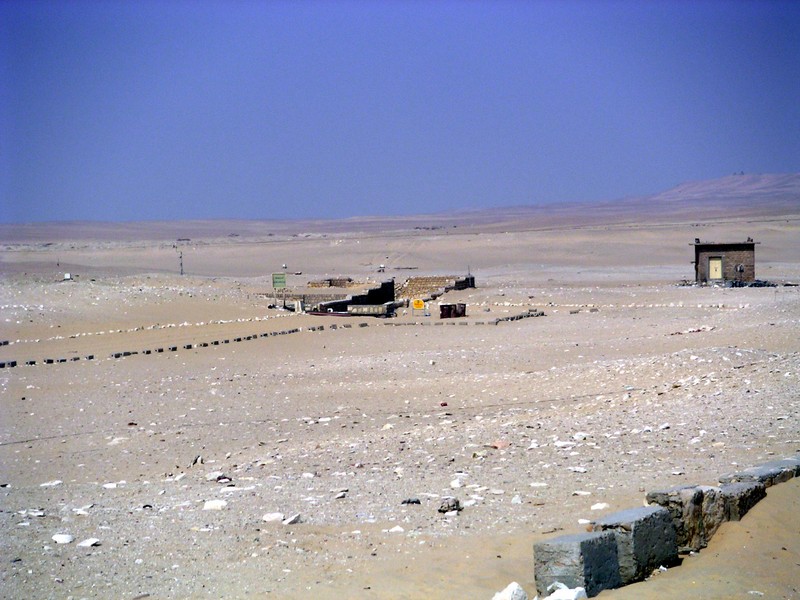
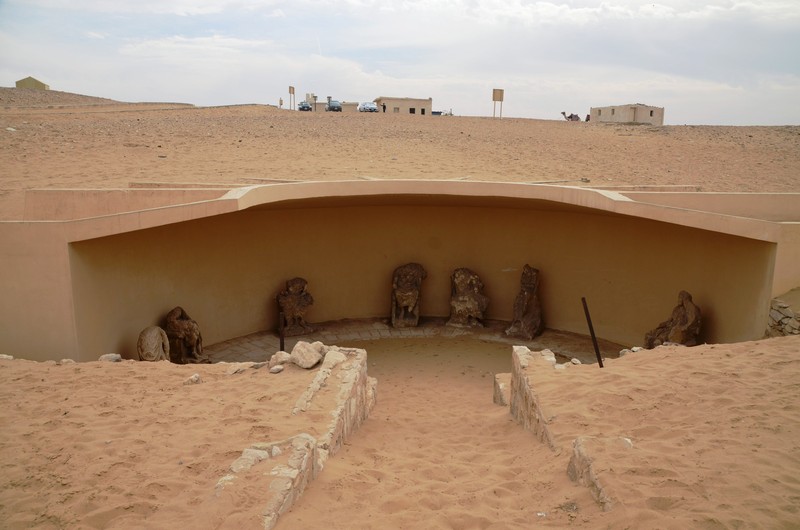
The Serapeum of Saqqara is one of the most remarkable monuments of ancient Egyptian religion. It is a network of underground galleries and burial chambers where sacred Apis bulls were interred. These bulls were associated with the god Ptah and the ancient city of Memphis. The necropolis lies in the northern part of Saqqara, the vast cemetery of Egypt's former capital.
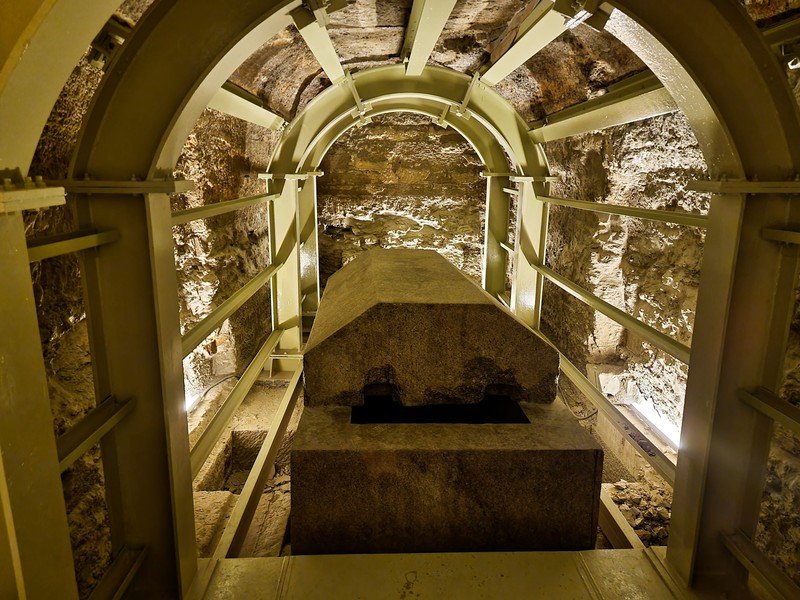
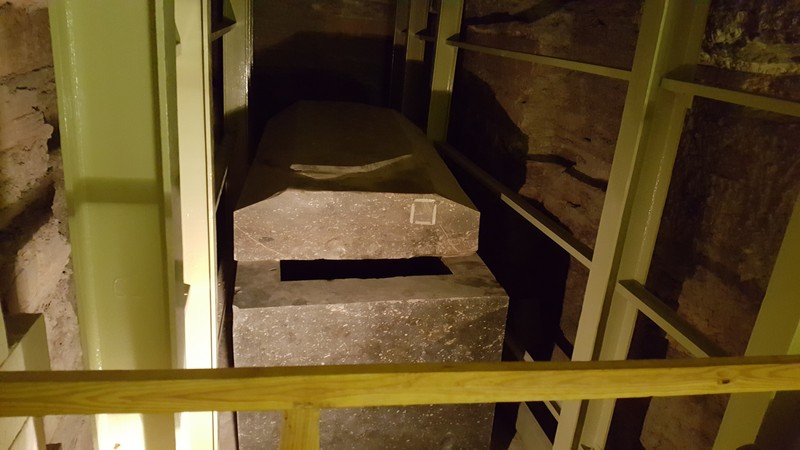
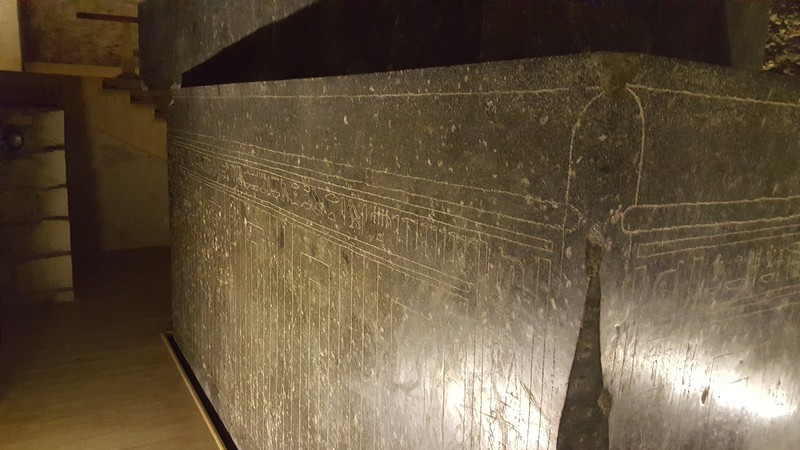
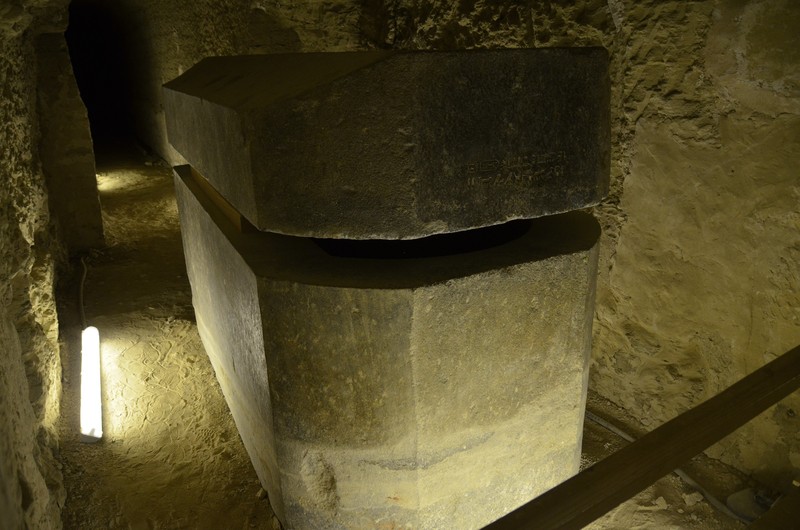
The Serapeum is best known for its enormous stone sarcophagi, made for the mummified bulls. Its underground corridors and granite burial containers demonstrate the complexity of religious ceremonies and the engineering skills of ancient Egyptian builders. The complex was used from the New Kingdom through the Ptolemaic Period.
The sacred Apis bull cult
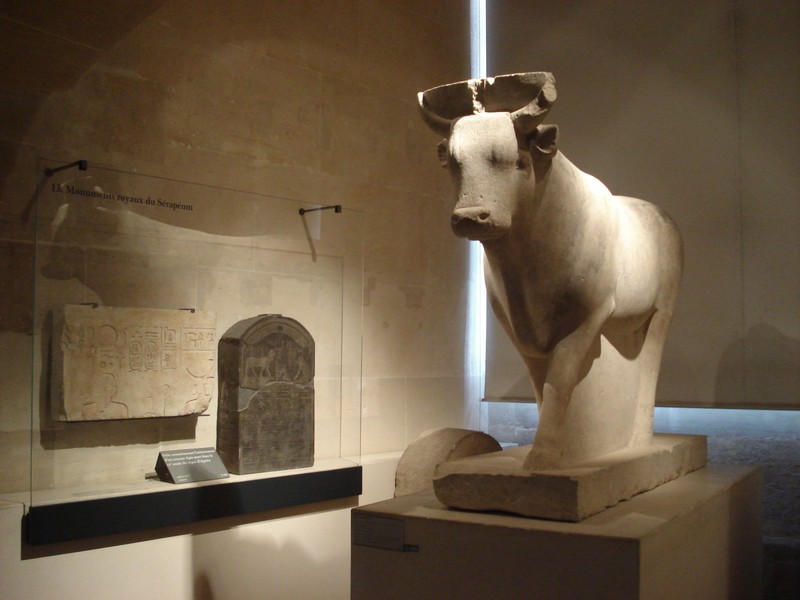
Apis was one of the most important sacred animals in ancient Egypt. The bull was associated with Ptah, a principal god of Memphis and a patron of craftsmen and creation. Apis was regarded as an earthly manifestation of divine power, giving the cult religious and political significance.
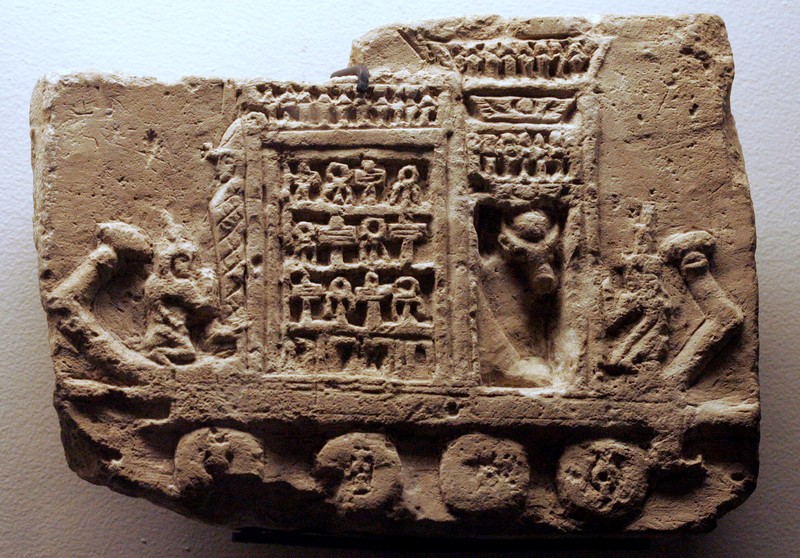
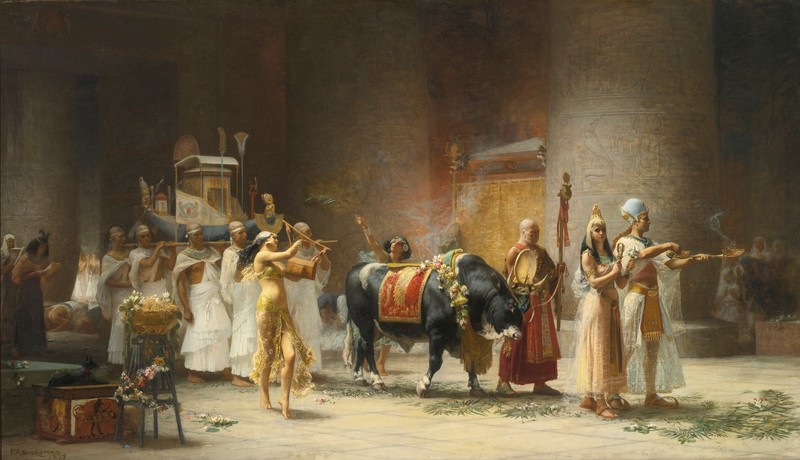
Priests selected a bull according to specific physical markings. It was treated with special honour during its life. After its death, the body was mummified and placed in a stone sarcophagus during an elaborate funeral ceremony. The search for a new bull then began.
As burials accumulated over the centuries, additional chambers and galleries were constructed. The Serapeum consequently became a major religious complex connected with the cult of Apis and the temples of Memphis.
Underground galleries and sarcophagi
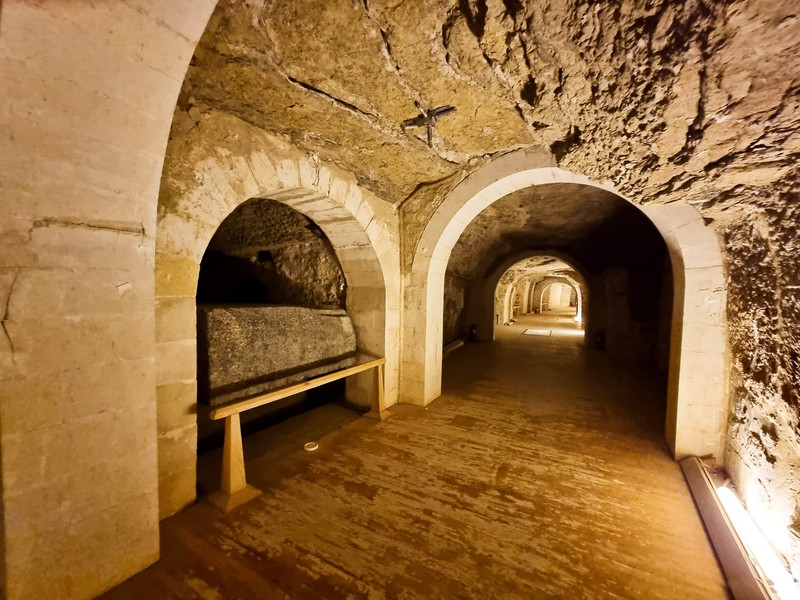
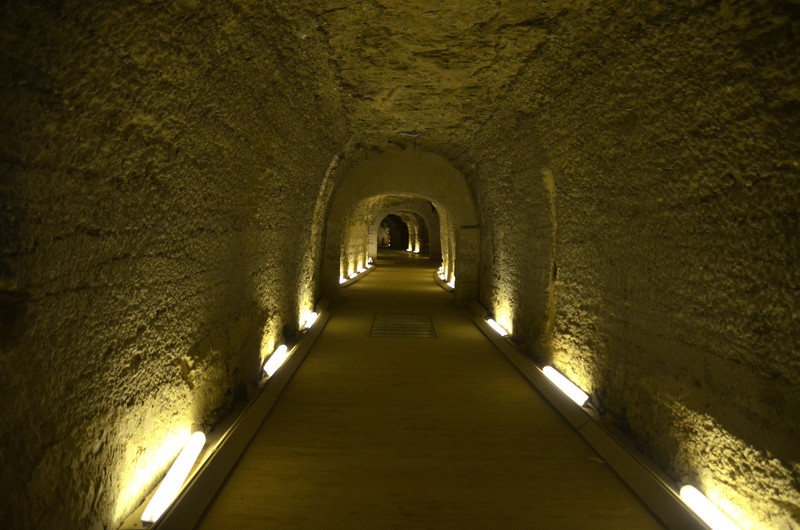
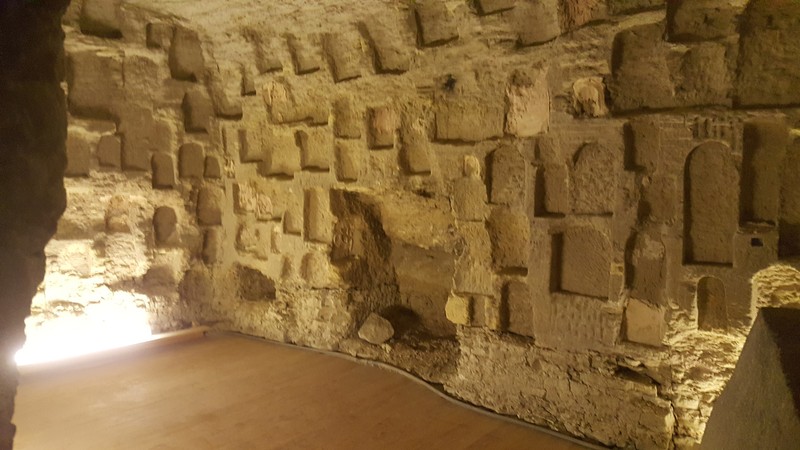
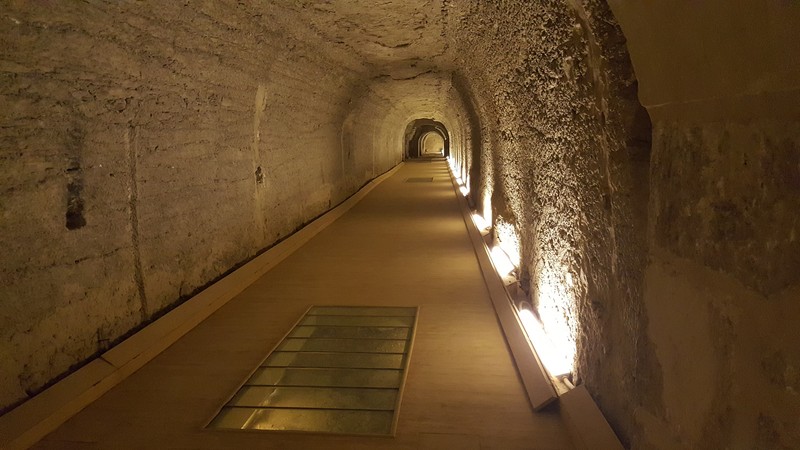
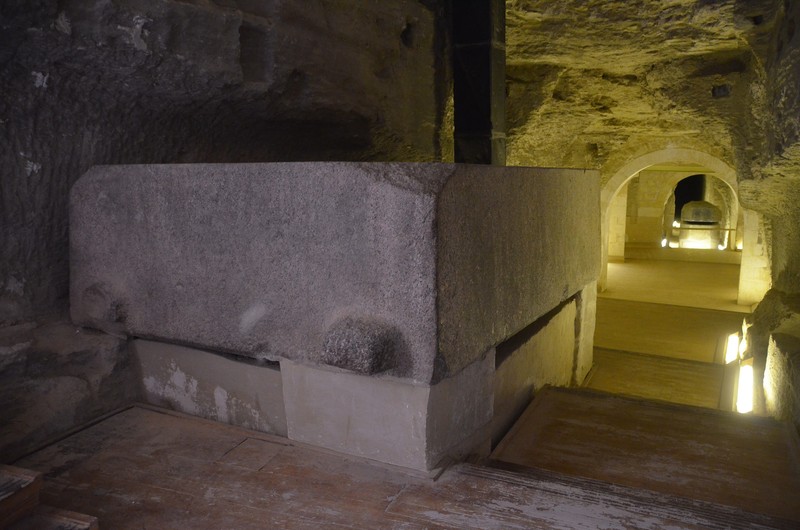
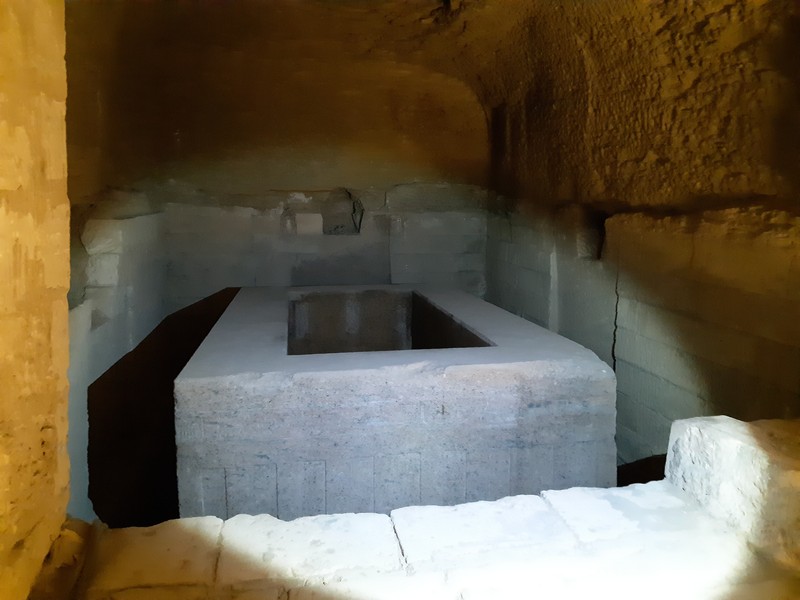
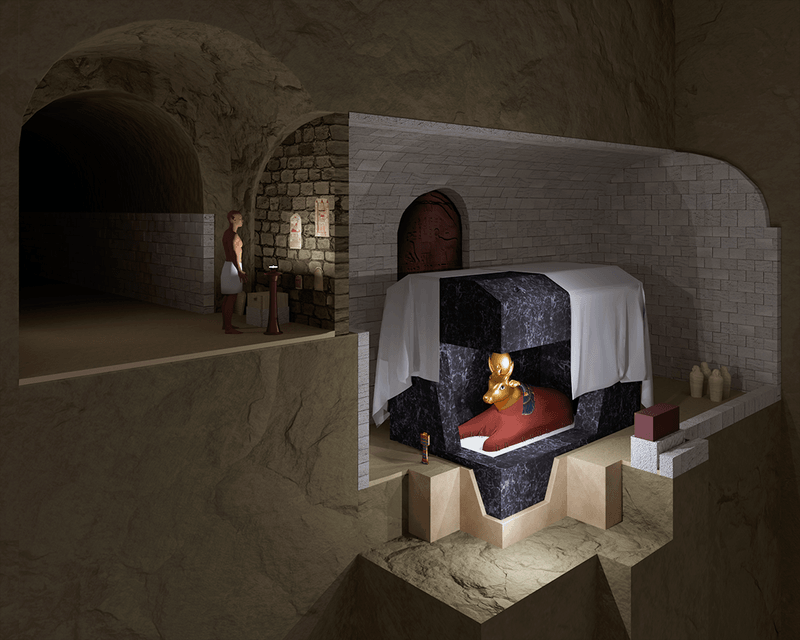
The complex consists of long corridors cut into bedrock, with burial chambers arranged along them. Some sarcophagi were made from hard stone, including granite, and are remarkable for their size. Moving and installing these massive structures required considerable resources, skilled craftsmen and careful planning.
The dim passages, rough rock surfaces and monumental stone containers create a distinctive atmosphere. Unlike royal tombs decorated with elaborate paintings, the Serapeum impresses visitors primarily through its engineering scale and austere architecture.
Inscriptions and historical evidence
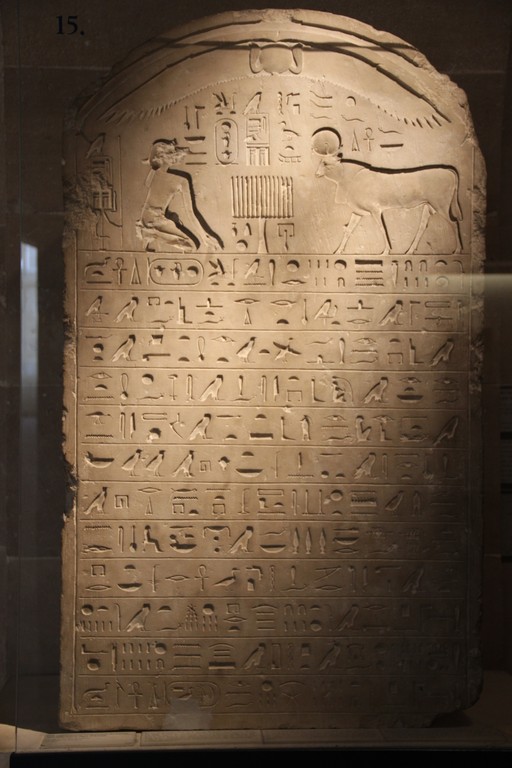
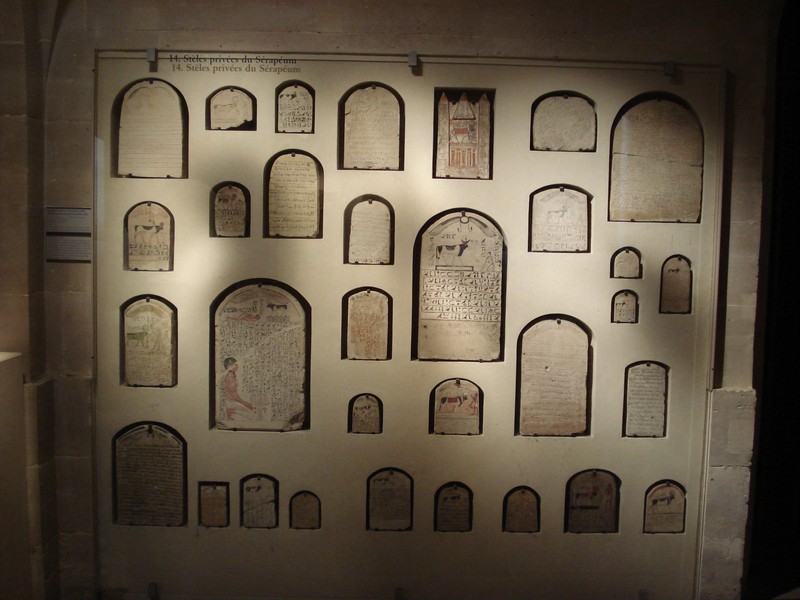
Inscriptions and commemorative stelae associated with the Apis burials provide information about rulers, priests, religious offerings and funeral ceremonies. They help researchers connect the history of the Apis cult with the reigns of Egyptian kings.
Two figures associated with the complex were Khaemwaset and Merenptah, sons of Ramesses II. Inscriptions record royal offerings and the involvement of high-ranking people in the religious life of the necropolis.
The rediscovery of the Serapeum
An important chapter in the monument's modern history began with French Egyptologist Auguste Mariette. In 1850, he discovered the entrance to the underground complex, and subsequent investigations revealed its galleries and burial chambers. The discovery drew international attention to the scale of ancient Egypt's sacred-animal cults.
Later archaeologists studied the underground structures and worked to conserve the monumental sarcophagi. After extensive restoration and engineering work, the complex was formally presented to the public again in 2012.
Why the Serapeum matters
The Serapeum offers direct evidence of ancient Egyptian religious beliefs through its actual burial structures. It illustrates the complexity of sacred-animal worship and the resources devoted to preserving this tradition.
The site also contributes to the study of Memphis, one of the most important centres of ancient Egyptian civilisation. Alongside Saqqara's pyramids and tombs, the Serapeum reveals the religious and cultural life of the region over many centuries.
Nearby attractions
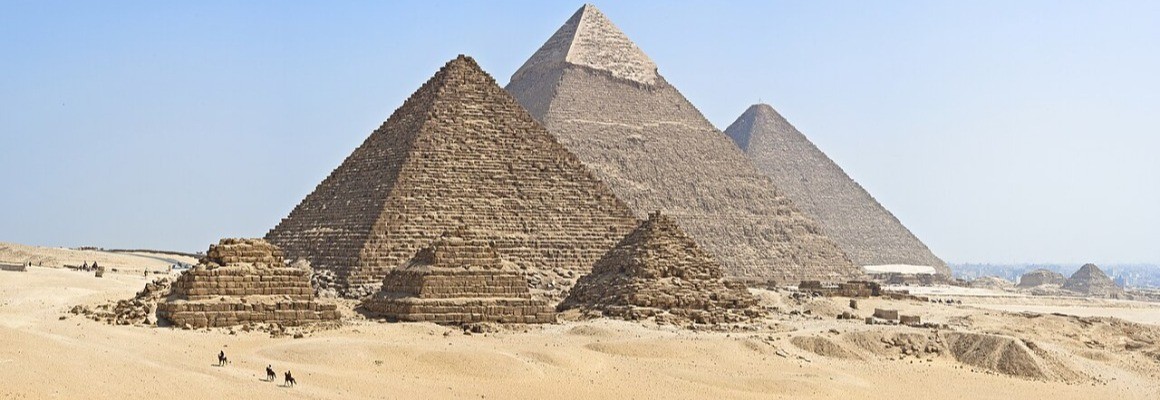
Saqqara contains the Step Pyramid of Djoser, pyramids of other rulers, elite tombs and funerary monuments from several periods. A visit to the Serapeum can be combined with these sites. The Imhotep Museum, which displays archaeological discoveries from Saqqara, is another worthwhile stop.
Visiting the Serapeum
Saqqara lies about 40 kilometres southwest of Cairo. Visitors usually travel by car, with a private driver or on an organised tour. Check in advance whether the Serapeum is open, as access to individual monuments can change.
The underground galleries can be dim and confined, so wear comfortable shoes and follow staff instructions. Avoid touching ancient surfaces or leaving litter. The Serapeum is especially rewarding for travellers interested in the religious heritage of Egypt beyond its famous pyramids.
Gallery