Baconao is an extensive natural region in southeastern Cuba, known for its combination of mountain landscapes, tropical forests, Caribbean coastline and cultural attractions. The reserve lies east of Santiago de Cuba and encompasses a variety of natural environments inhabited by numerous plant and animal species. In 1987, Baconao was designated a UNESCO Biosphere Reserve.
The area's distinctive feature is its unusual combination of natural and cultural heritage. Visitors can discover the Sierra de la Gran Piedra mountain range, coastal ecosystems, caves, historic coffee plantations, botanical gardens and an unusual park filled with sculptures of prehistoric animals. Baconao appeals both to nature lovers and to travellers interested in the history and traditions of eastern Cuba.
Where Baconao is located
The biosphere reserve lies in eastern Cuba, in Santiago de Cuba Province, near the Caribbean coast. Its natural landscapes extend from coastal plains to the mountainous areas of the Sierra de la Gran Piedra. This geographical variety creates significant differences in climate, vegetation and wildlife habitats.
Baconao includes both terrestrial and marine ecosystems. Its landscapes feature rocky coastal areas, forests, valleys, caves and places shaped by centuries of human activity. Some areas retain important natural habitats, while others reveal the history of agriculture and the development of local settlements.
UNESCO Biosphere Reserve
In 1987, Baconao became part of UNESCO's World Network of Biosphere Reserves. This designation highlights the area's importance for biodiversity conservation and sustainable resource management. Unlike World Heritage status, the biosphere reserve concept focuses particularly on combining nature conservation, scientific research and the well-being of local communities.
The reserve includes terrestrial and marine environments. According to UNESCO's Man and the Biosphere Programme, it covers approximately 94,416 hectares, including about 88,781 hectares of land and 5,635 hectares of marine territory. This range of environments helps protect different habitats and supports research into the connections between mountain, forest, coastal and marine ecosystems.
Key conservation priorities include restoring important habitats, maintaining ecological connections between natural areas, controlling invasive species and reducing the negative effects of agriculture, forestry and fishing.
Gran Piedra – the giant rock
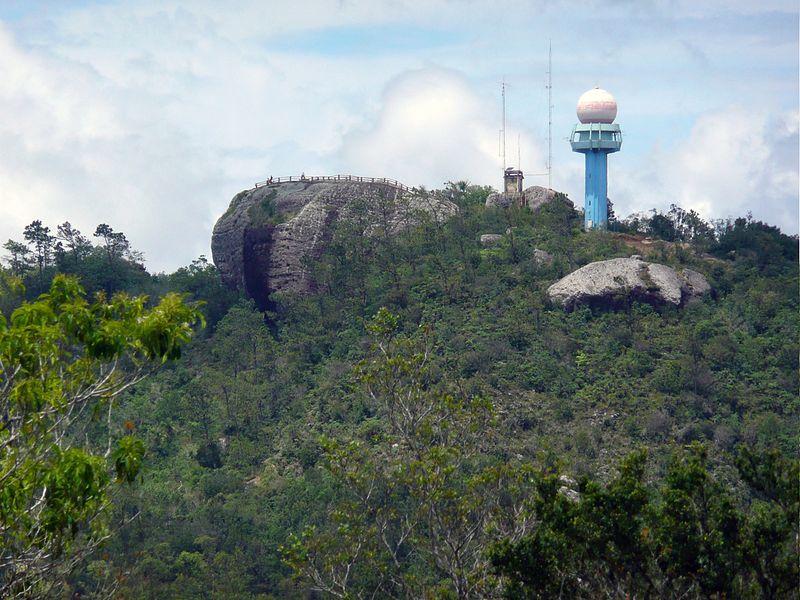
One of Baconao's best-known attractions is Gran Piedra, whose Spanish name means “Great Stone.” This massive rock of volcanic origin stands in a mountainous area at an elevation of more than 1,200 metres above sea level. It measures approximately 51 metres long, 25 metres high and 30 metres wide.
A stone staircase of 459 steps leads towards the summit. The climb requires some effort, but visitors are rewarded with panoramic views of mountains, forests and surrounding valleys. On clear days, the view extends across large parts of eastern Cuba, with distant sea horizons visible in especially favourable conditions.
Gran Piedra attracts not only tourists but also geology and nature enthusiasts. The enormous rock has become one of the region's symbols and illustrates the scale of the geological processes that shaped eastern Cuba's mountain landscapes.
Historic coffee plantations
The mountain areas of Baconao are closely linked to the history of coffee cultivation in Cuba. During the nineteenth century, French settlers and migrants from Haiti established coffee estates on the mountain slopes. The humid climate, fertile soils and shaded growing conditions suited coffee cultivation.
Ruins of old estates, farm buildings and other structures associated with coffee production survive in the region. These remains help visitors imagine life on the plantations and understand the influence of the coffee economy on the development of eastern Cuba.
The historic plantations are valuable parts of the cultural landscape. They show how agriculture transformed mountain environments, interacted with local natural conditions and left lasting marks on the region's architecture and history.
Valley of Prehistory
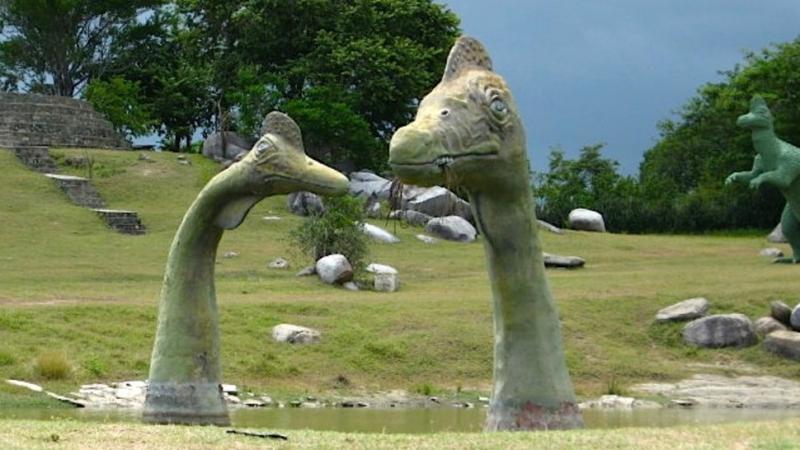
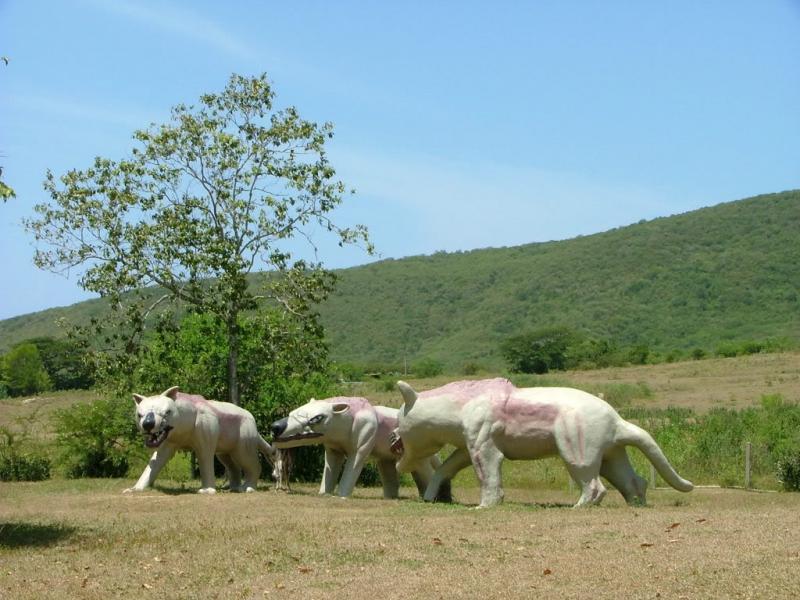
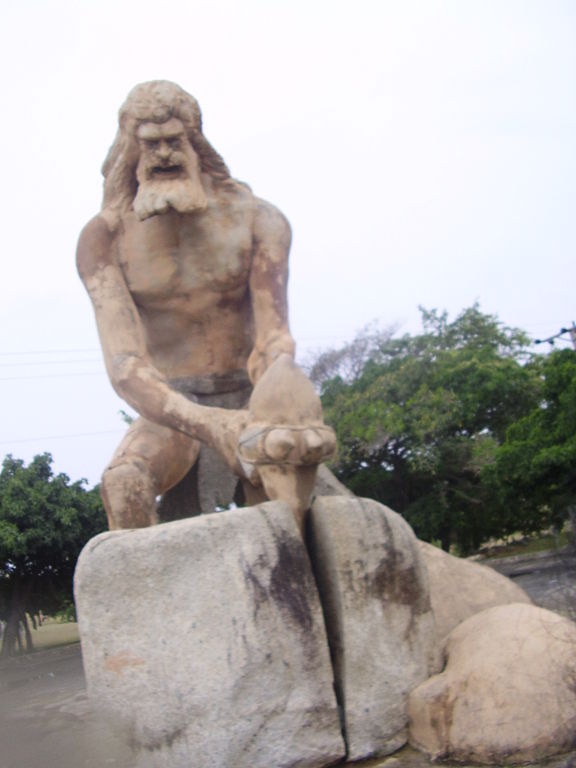
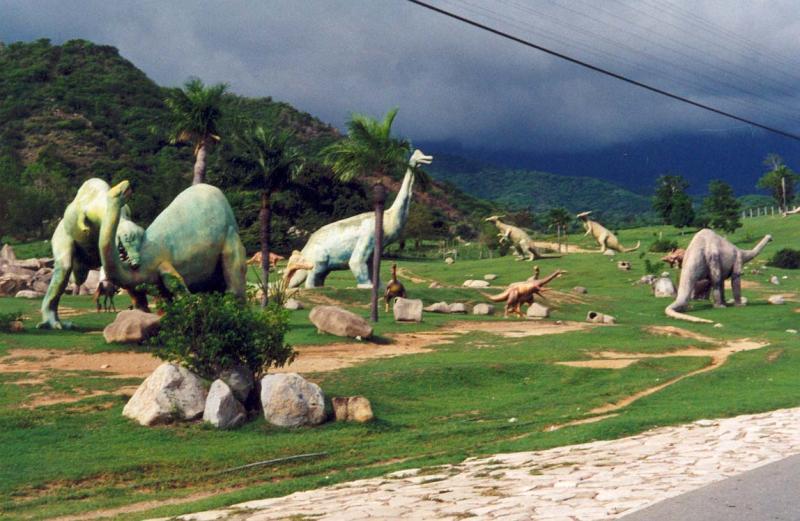
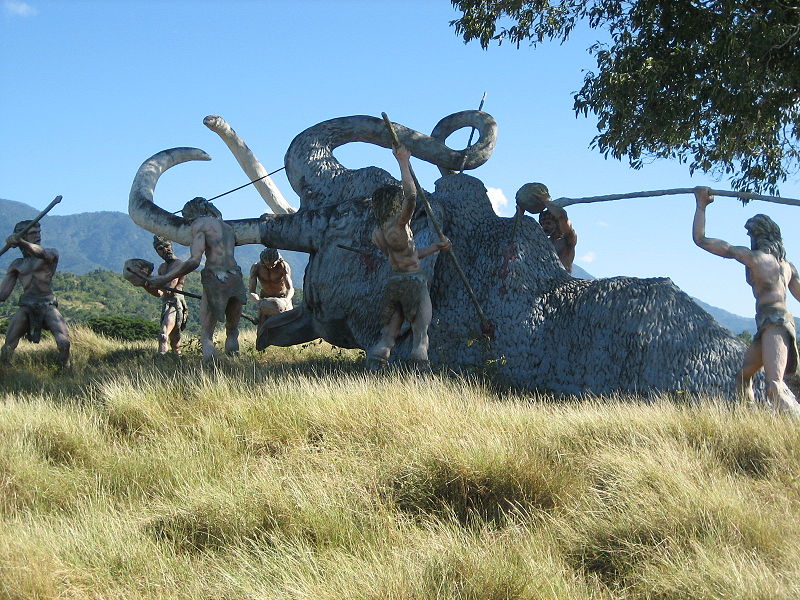
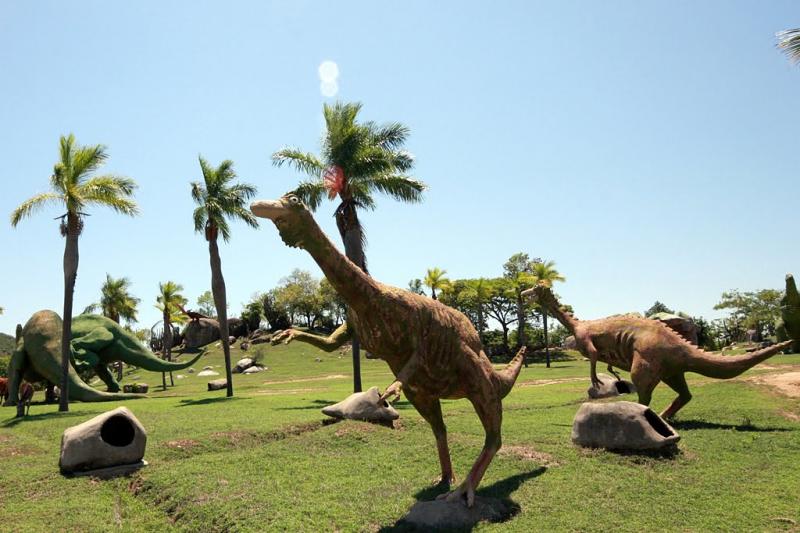
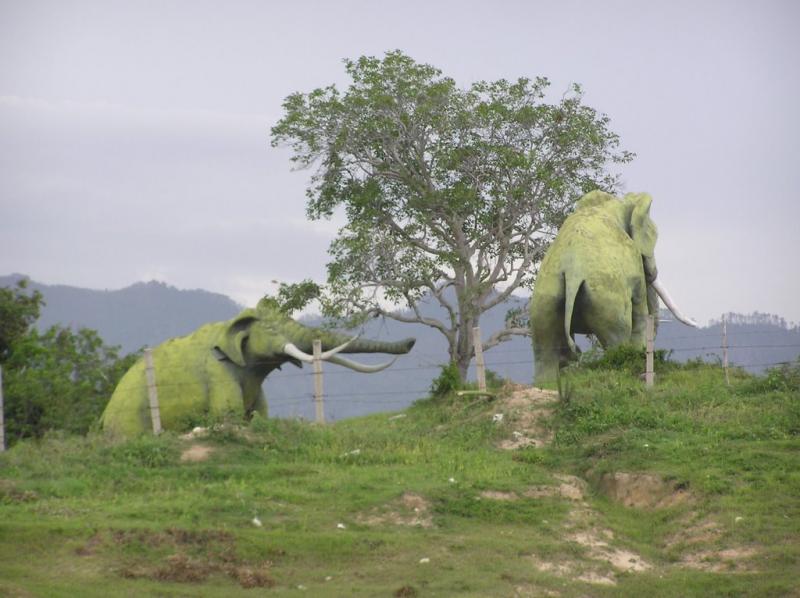
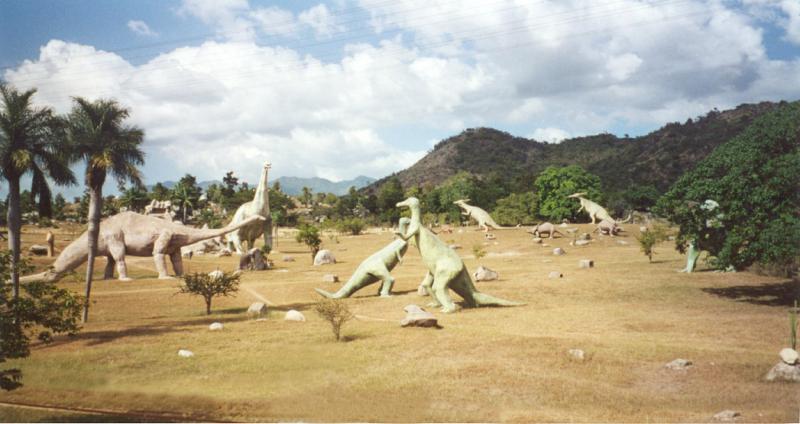
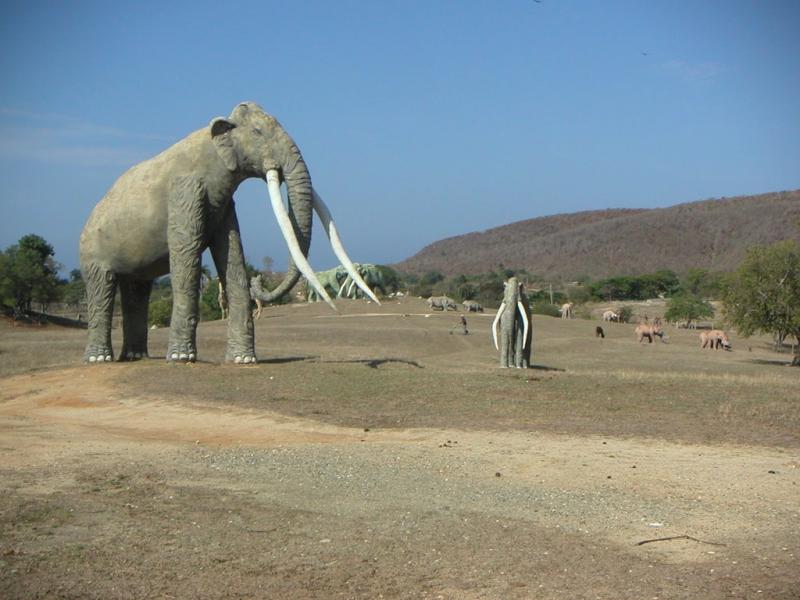
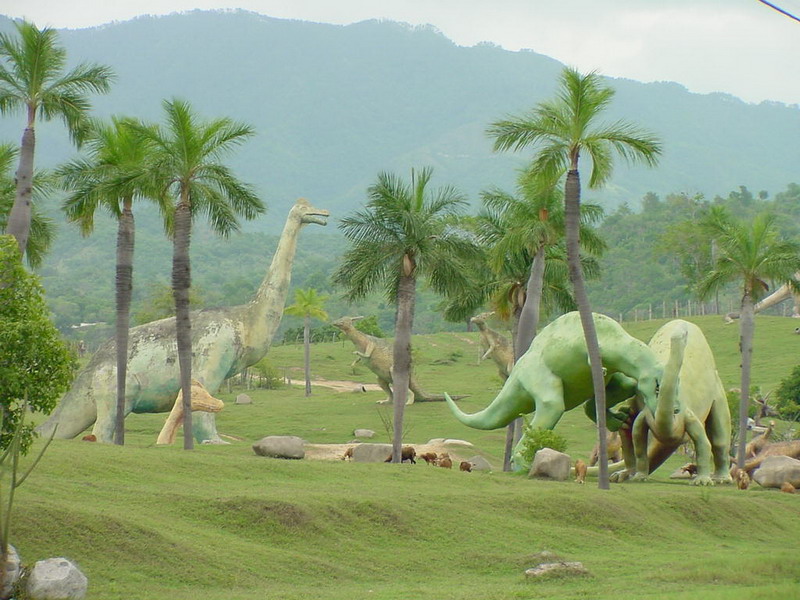
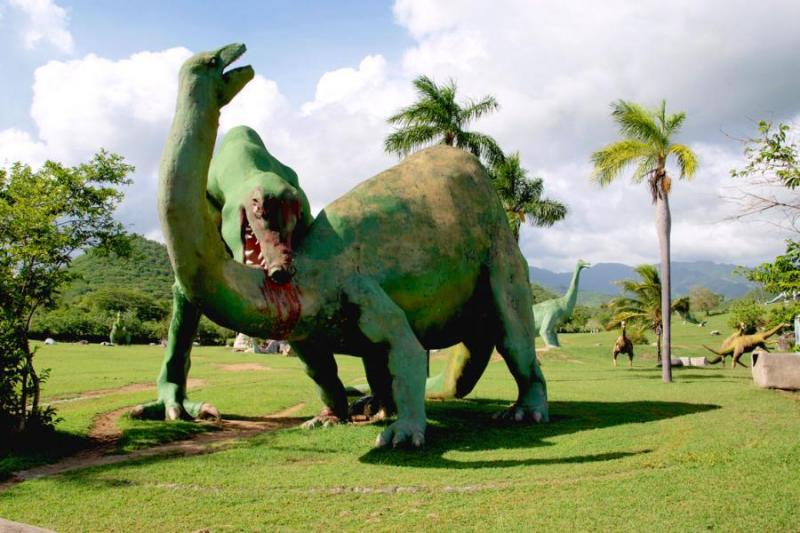
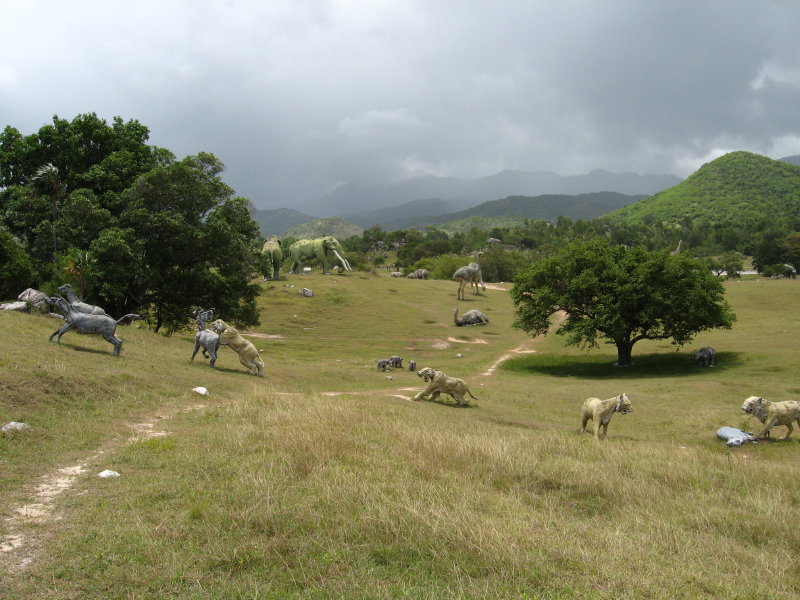
One of Baconao's most unusual attractions is the Valley of Prehistory, known in Spanish as Valle de la Prehistoria. Large sculptures of dinosaurs and other prehistoric creatures stand among tropical vegetation. Many figures are life-sized, making a walk through the valley feel like a visit to an unusual open-air theme park.
The sculptures depict ancient animals and scenes inspired by the prehistoric world. The site is not a scientific exhibition in the strict sense; it is primarily a tourist attraction that combines entertainment with curiosity about Earth's distant past.
The valley appeals to families with children and travellers looking for unusual places. The contrast between lush tropical greenery and the monumental prehistoric figures makes it one of the park's most recognisable attractions.
Baconao Lagoon
Baconao Lagoon is a scenic body of water surrounded by the natural landscapes of eastern Cuba. Vegetated areas, lakeside paths and places for observing local nature can be found around the lagoon. Tourism facilities in the area offer opportunities to relax by the water and learn about local wildlife.
The lagoon is important to local ecosystems because the water and nearby wetlands provide conditions for many organisms. The surrounding area also includes attractions that introduce visitors to the history of Indigenous peoples of the Caribbean.
Visitors should follow the rules of the protected area, avoid leaving litter and refrain from disturbing wildlife. The condition of the lagoon and its surroundings depends on careful treatment of the natural environment.
The heritage of the Taíno people
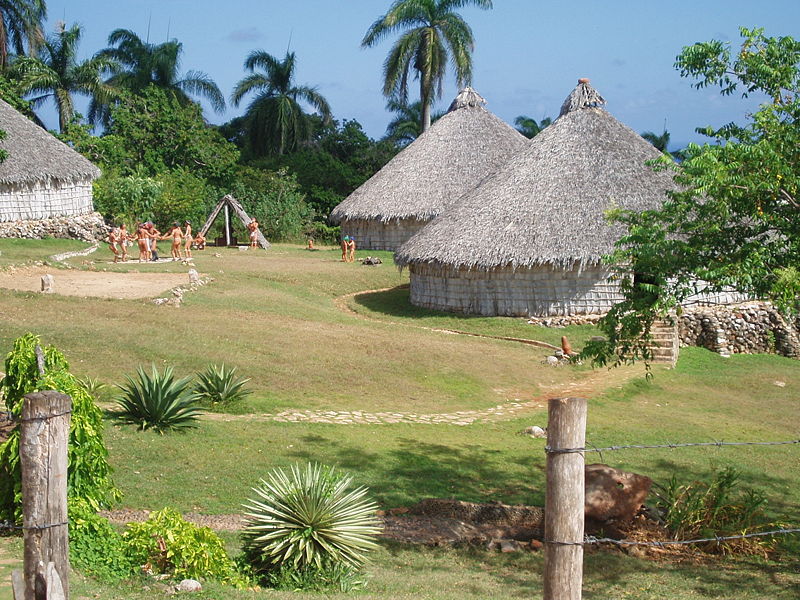
Cuba's history is closely connected to the Taíno, one of the Indigenous peoples of the Caribbean who inhabited the island before the arrival of Europeans. A reconstruction of a Taíno settlement has been created in the Baconao tourist area, introducing visitors to traditional dwellings, everyday objects and aspects of Indigenous life.
Such reconstructions draw attention to pre-Columbian American history and the cultural heritage of the Caribbean islands. Modern understanding of Taíno life is based on archaeological discoveries, historical accounts and research into Indigenous cultures.
Baconao demonstrates how the region's natural attractions are connected with human history. Legends, archaeological sites and cultural displays complement the experience of its mountains, forests and coastline.
Botanical gardens and plant life
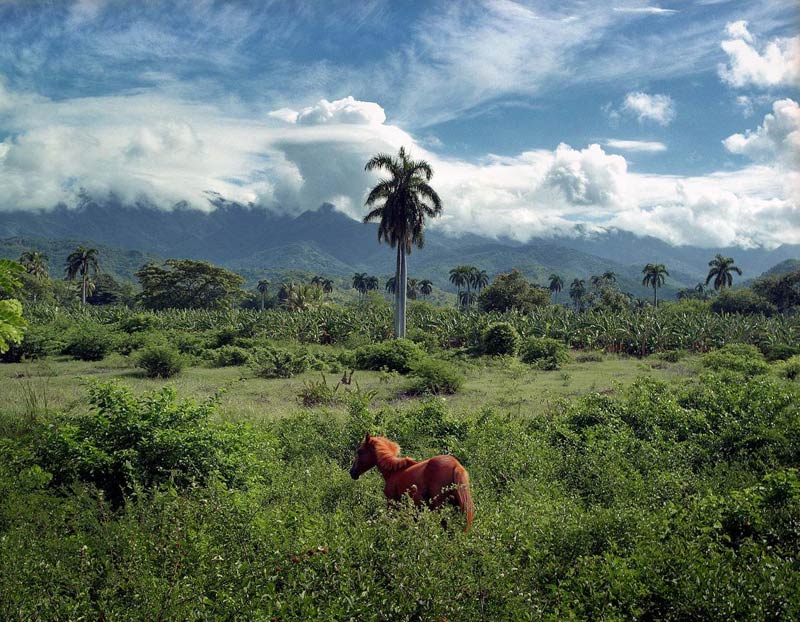
The warm climate and varied terrain create favourable conditions for diverse vegetation. Baconao contains tropical forests, shrub communities, coastal plants and species adapted to drier areas. Mountain slopes differ from coastal districts in temperature, humidity and soil conditions.
The tourist area includes botanical gardens featuring ornamental and exotic plants. They introduce visitors to tropical plant diversity and show how plants are used in landscape design. Some sections focus on collections with unusual shapes, colours or fragrances.
Protecting plant diversity is essential for the resilience of local ecosystems. Forests help prevent soil erosion, regulate water cycles and provide habitats for birds, insects and other animals.
Caves and wildlife
The region's karst and other cave systems are scientifically interesting because of their geology and the organisms living within them. Caves can provide shelter for bats and other animals adapted to darkness, high humidity and limited food resources.
Baconao is known for the variety of natural habitats that support many species. Birds, reptiles, invertebrates and various mammals occur in the area. Some species are particularly vulnerable to forest loss, water pollution and disturbance of their natural shelters.
Research into cave fauna helps scientists understand the evolution and ecological relationships of island ecosystems. Caves should only be visited where access is permitted, as uncontrolled entry can disturb wildlife and damage fragile formations.
The coastline and marine ecosystems
The southern part of Baconao reaches the Caribbean Sea. Coastal areas combine rocky shores, beaches and marine habitats. The water and shoreline support many organisms, while the nearby mountains create striking scenery characteristic of eastern Cuba.
The marine part of the biosphere reserve is important for conserving coastal biodiversity. Fishing, pollution, changes in land use and other pressures can affect coastal ecosystems. Sustainable use of marine resources is therefore an important part of conservation work.
Travellers should choose recreation areas in accordance with local rules and avoid leaving plastic waste on beaches. Careful treatment of the marine environment helps preserve the coastline and the conditions required by its wildlife.
Things to do in Baconao
Baconao offers many ways to explore Cuban nature and culture. Visitors can climb towards Gran Piedra, walk along nature trails, explore historic coffee plantations, visit botanical gardens and see the sculptures in the Valley of Prehistory.
The tourist area also contains museums and themed exhibitions dedicated to transport history, local traditions and marine life. Some attractions are far apart, so it is useful to plan a route in advance and check the accessibility of individual sites.
Nature enthusiasts can focus on birdwatching, vegetation and the variety of landscapes. When visiting mountainous areas, travellers should consider heat, humidity, road conditions and the physical demands of steep climbs. In remote areas, using local guides is advisable.
Nature conservation and sustainable development
Baconao faces the challenge of protecting its natural wealth while supporting agriculture, fishing and tourism. Human activities can cause habitat loss, soil erosion, water pollution and the spread of invasive species. Management therefore needs to combine conservation measures with sustainable resource use.
Biosphere reserve status supports research, environmental education and practices that allow local communities to benefit from the area without causing excessive harm to nature. Important priorities include restoring damaged ecosystems, conserving forests and using marine resources responsibly.
The success of conservation in Baconao depends not only on specialists and authorities but also on visitor behaviour. Following regulations, avoiding the collection of plants and disturbance of animals, and reducing waste all help preserve the region's natural heritage for future generations.
Why visit Baconao
Baconao stands out for its unusual combination of natural scenery, history and family attractions. Visitors can explore mountains and the enormous Gran Piedra rock, learn about the heritage of coffee plantations, walk beside the lagoon and visit the Valley of Prehistory.
Yet Baconao's importance goes beyond tourism. It is a biosphere reserve of international significance that protects terrestrial and marine ecosystems in eastern Cuba. Its natural and cultural heritage makes the region appealing to travellers, researchers and anyone wishing to understand the diversity of the Caribbean world.
Gallery