
Faiyum Oasis – a green landscape on the edge of the desert
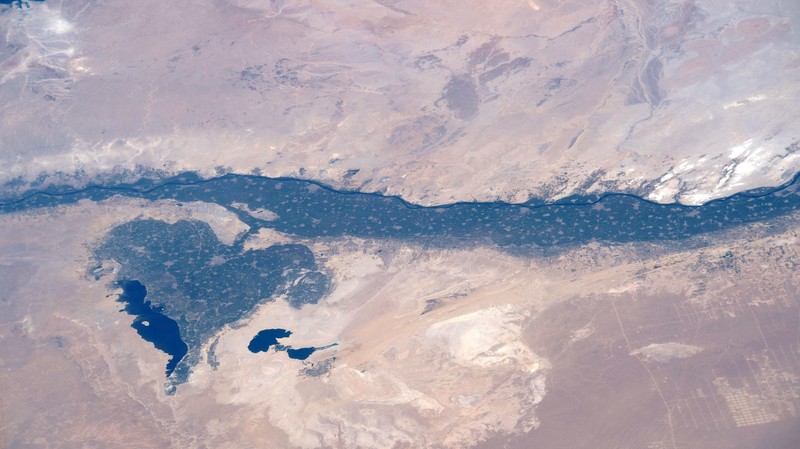
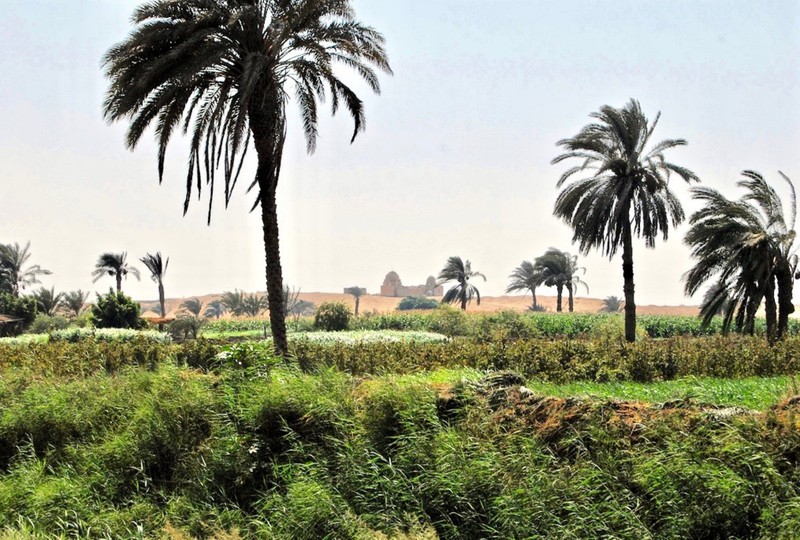
Faiyum Oasis lies west of the Nile Valley, about 100 kilometres southwest of Cairo. This broad natural depression brings together fertile farmland, palm groves, lakes and villages with sandy dunes and rocky desert scenery. It is one of Egypt’s oldest agricultural regions and is known for its natural attractions, archaeological sites and traditional rural culture.
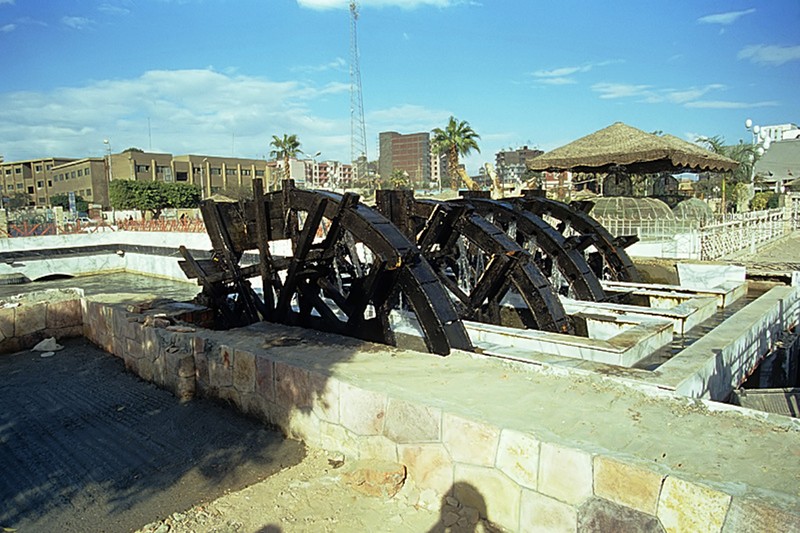
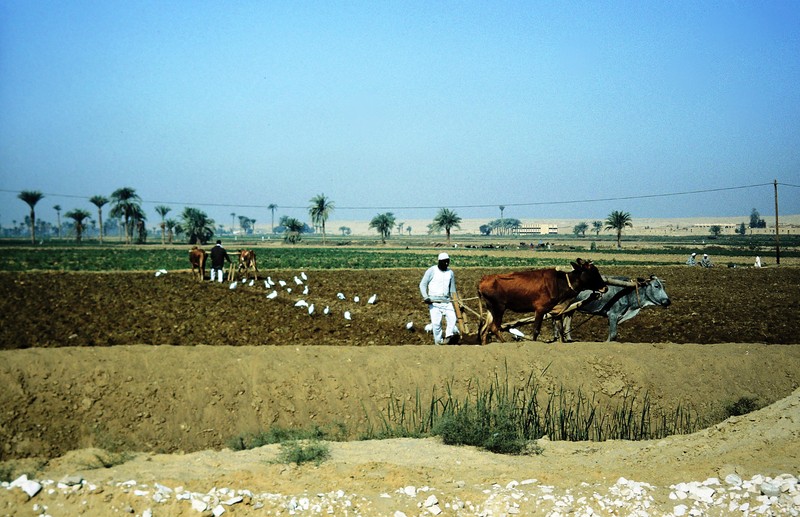
Unlike many other oases, Faiyum receives water from the Nile through the Bahr Yussef canal. This water system has supported farming for thousands of years, creating a green and densely settled landscape surrounded by arid terrain.
History of the oasis
People lived in Faiyum as early as prehistoric times. The region became particularly important during the Middle Kingdom, when rulers of the Twelfth Dynasty, including Senusret II and Amenemhat III, developed irrigation works and brought new land into cultivation. Faiyum later prospered during the Greco-Roman period, and its canals were repaired and expanded in subsequent centuries.
Lake Qarun
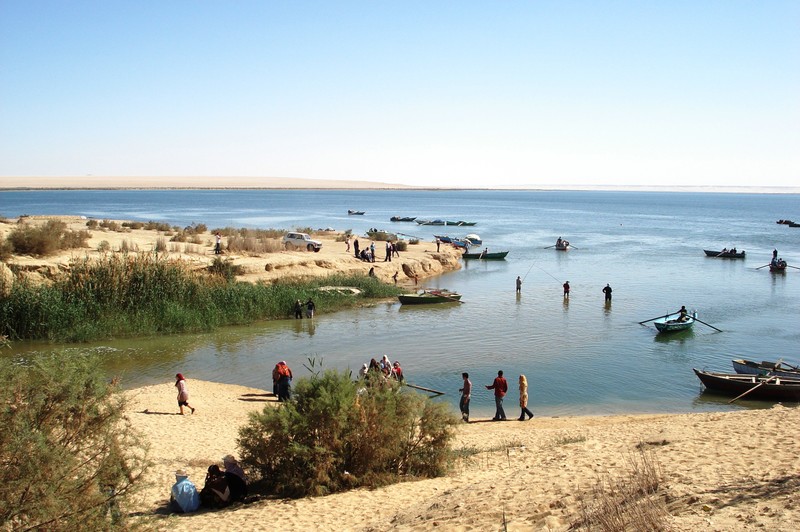
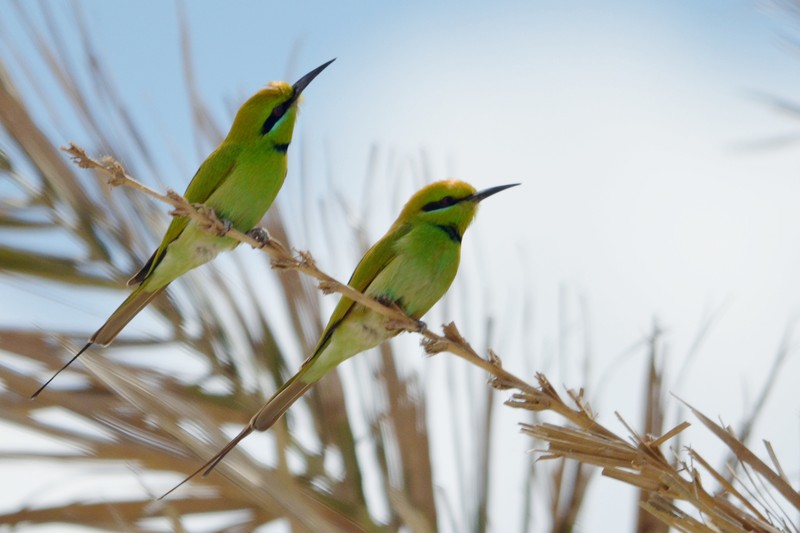
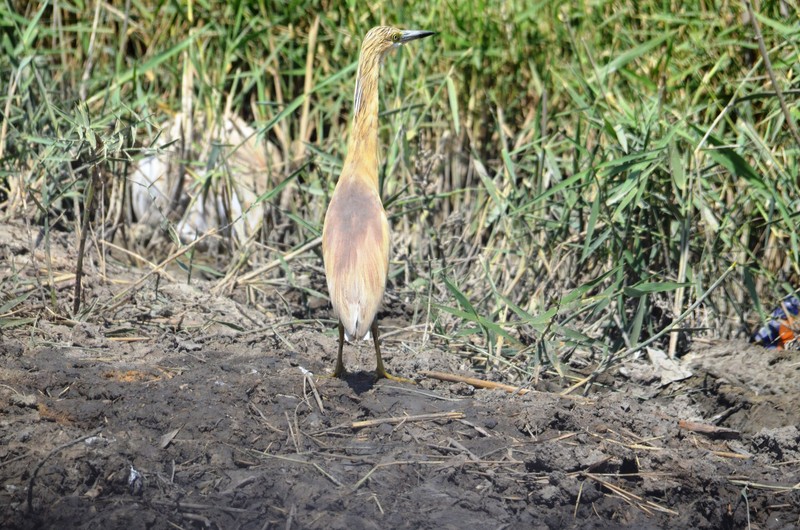
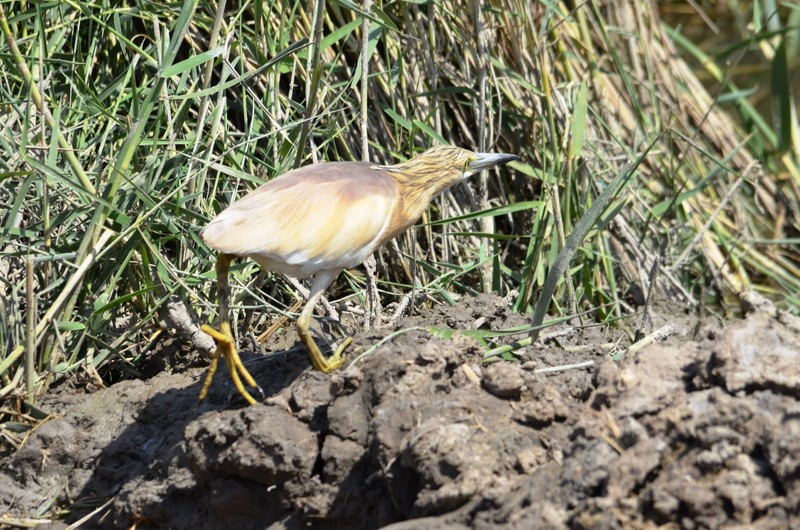
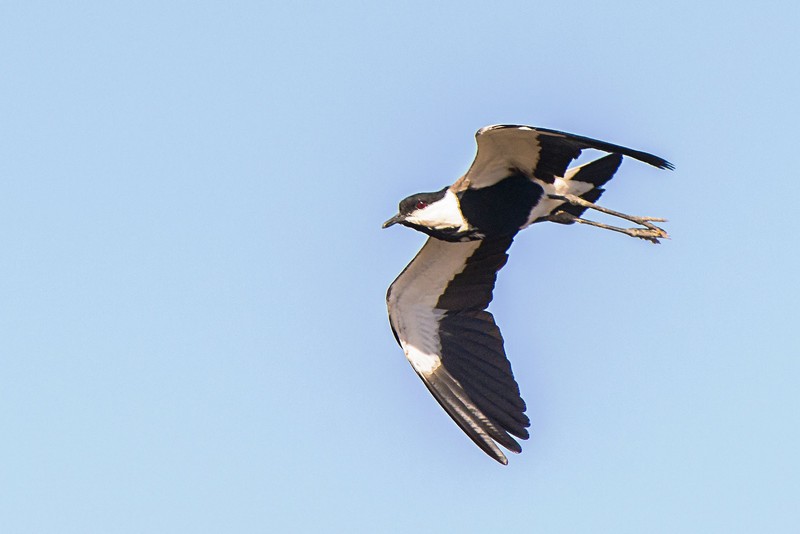
Lake Qarun lies along the northern side of the depression and is a remnant of a much larger ancient lake. Today it is a saline lake important to the local ecosystem, fishing and birdwatching. Its shores offer peaceful scenery and opportunities to observe waterbirds and migratory species.
Wadi Al-Hitan – the Valley of the Whales
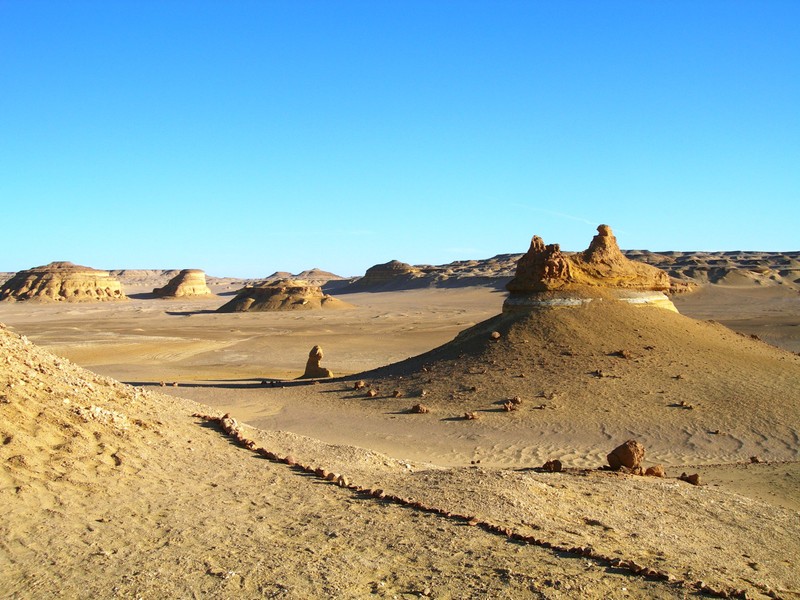
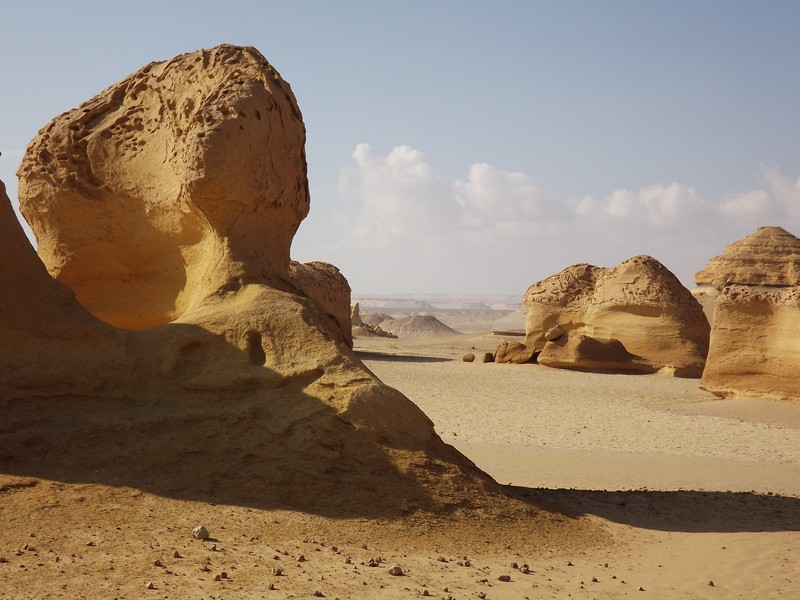
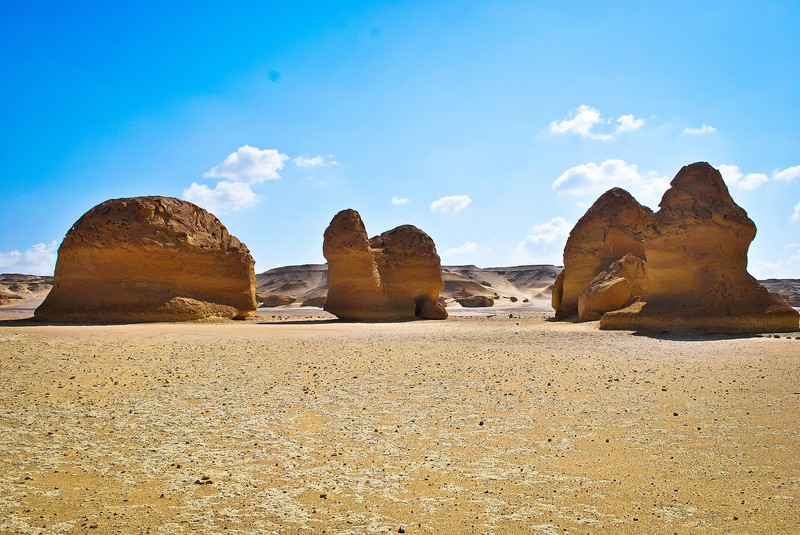
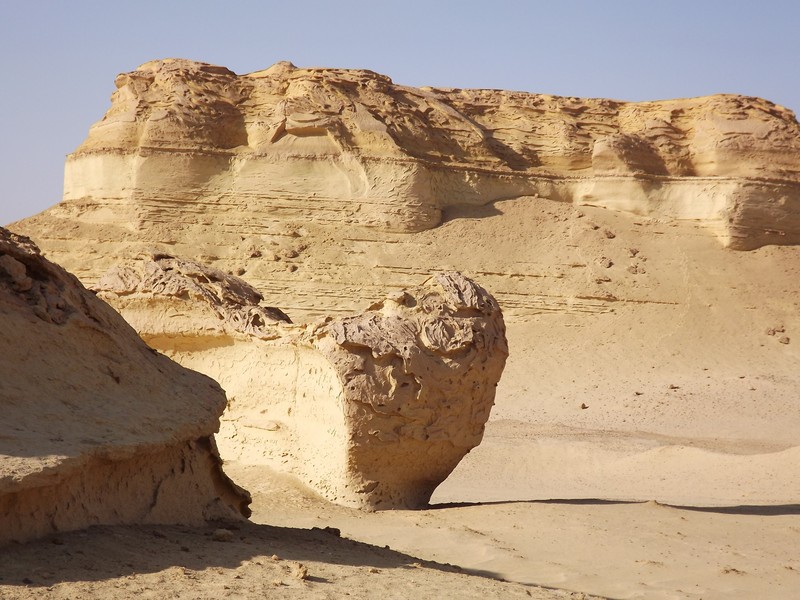
Wadi Al-Hitan, or the Valley of the Whales, is a UNESCO World Heritage Site. It contains fossil remains of ancient cetaceans dating back around 40 million years. These fossils help scientists understand the evolutionary transition from land-dwelling ancestors to marine whales. Skeletons and bones are preserved in desert sedimentary rocks, making the area an extraordinary natural archive.
Wadi El-Rayan and its desert lakes
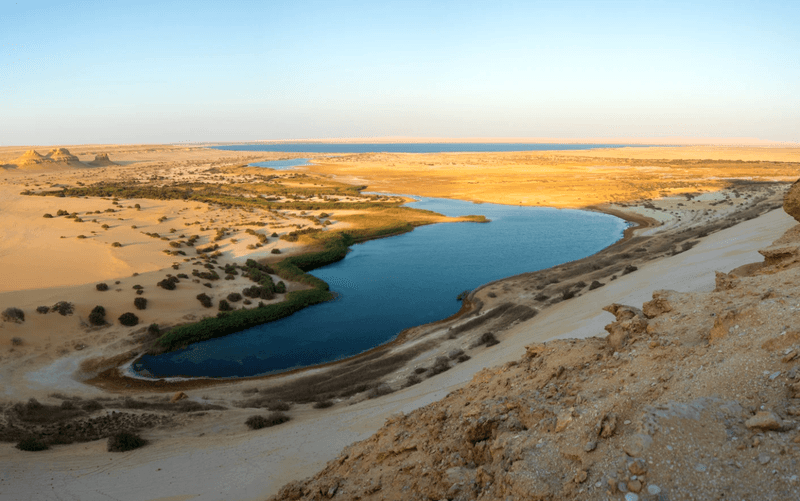
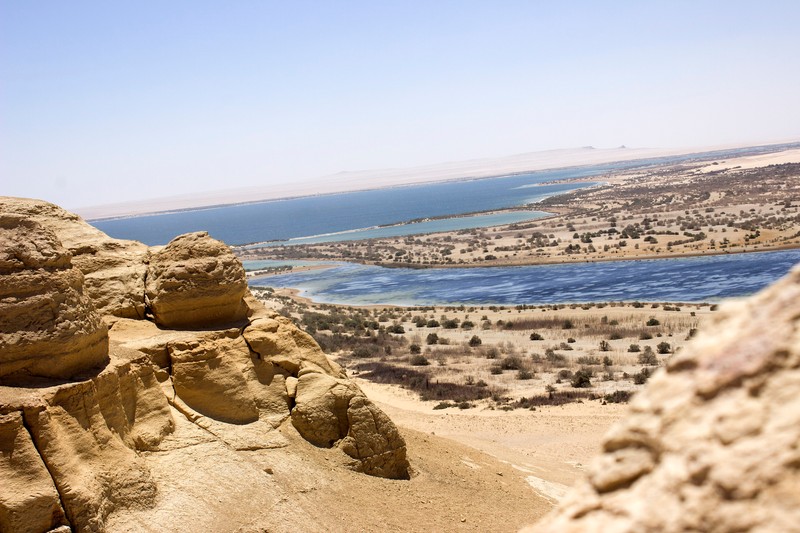
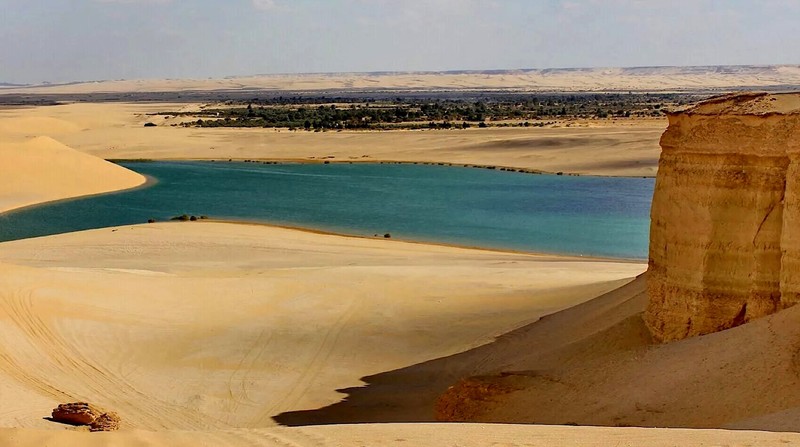
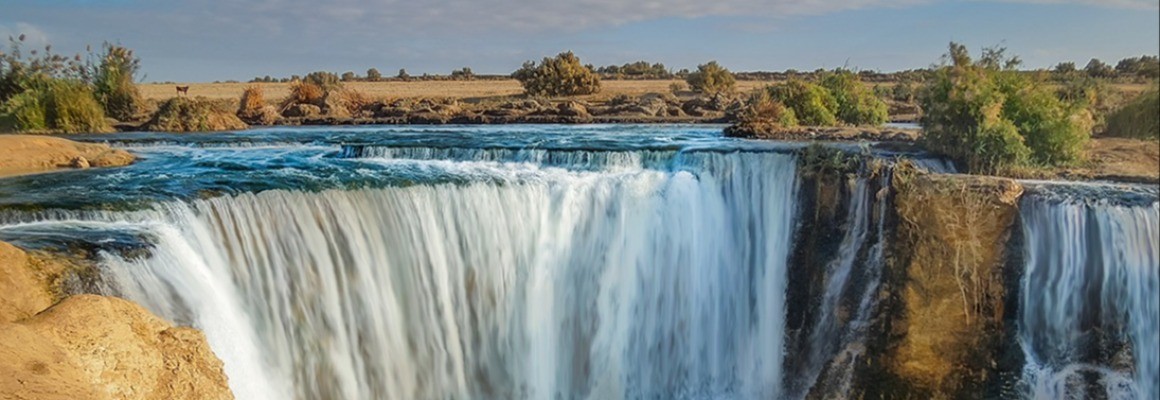
The Wadi El-Rayan protected area is known for two lakes linked by a watercourse with small waterfalls. Sand dunes, rocky formations and open desert landscapes surround the water. The area is popular for walks, photography and birdwatching.
Tunis Village and traditional crafts
Tunis Village, near Lake Qarun, is known for pottery workshops and buildings made from local materials. Visitors can watch ceramic artists at work, buy handmade objects and relax in small guesthouses overlooking the lake and countryside.
Archaeological sites
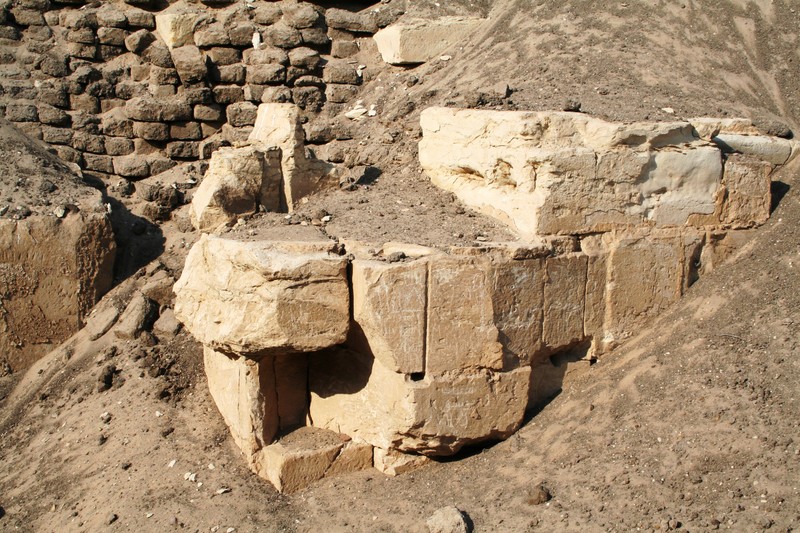
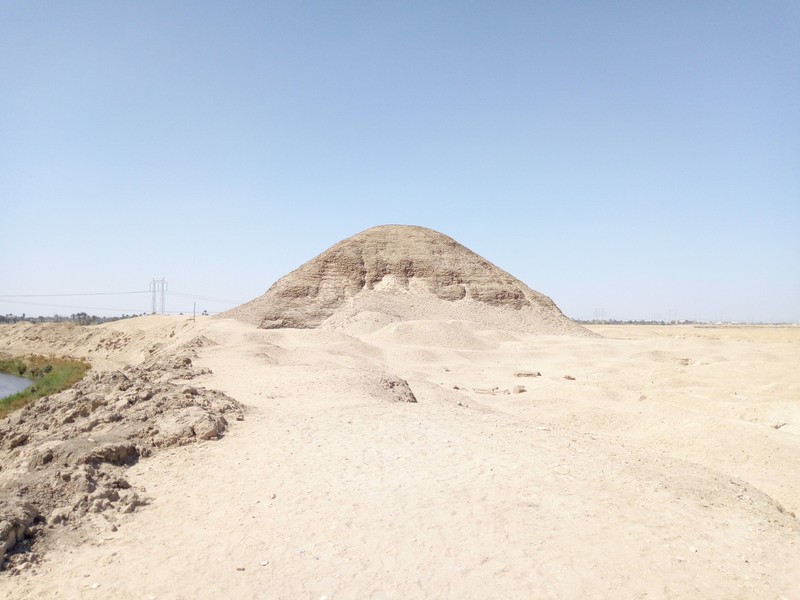
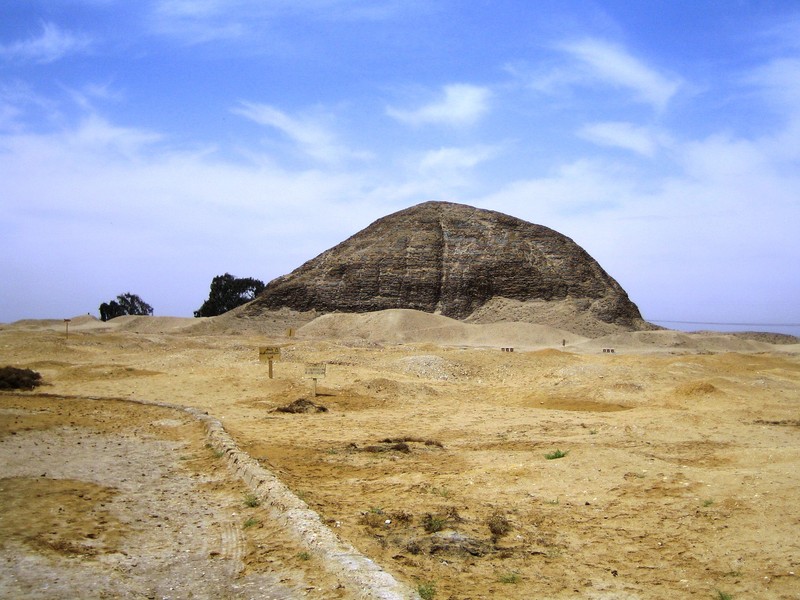
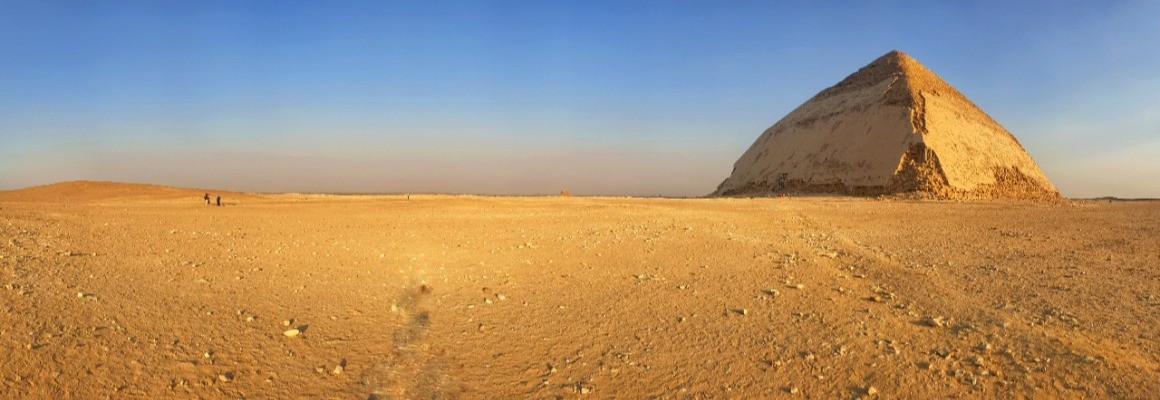
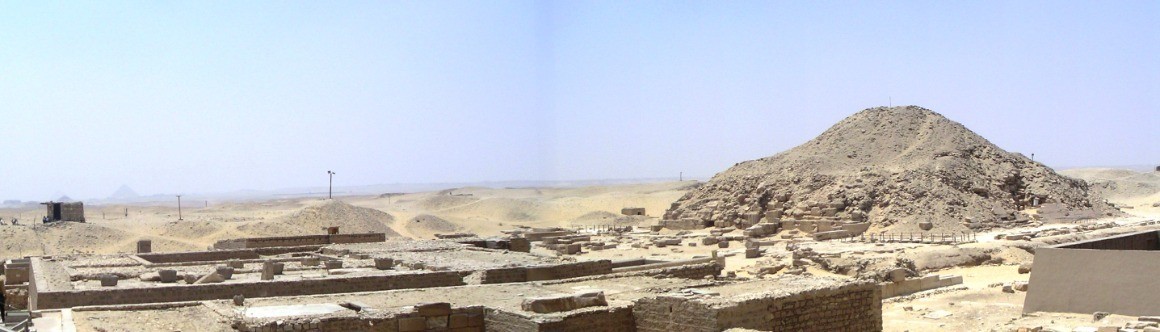
Faiyum’s historical attractions include the ruins of the ancient town of Karanis and the pyramids of Lahun and Hawara. The region is also associated with the Roman-period Fayum mummy portraits, which were placed over the faces of mummies. These works combine Egyptian funerary traditions with artistic influences from the Greco-Roman world.
Nature and agriculture
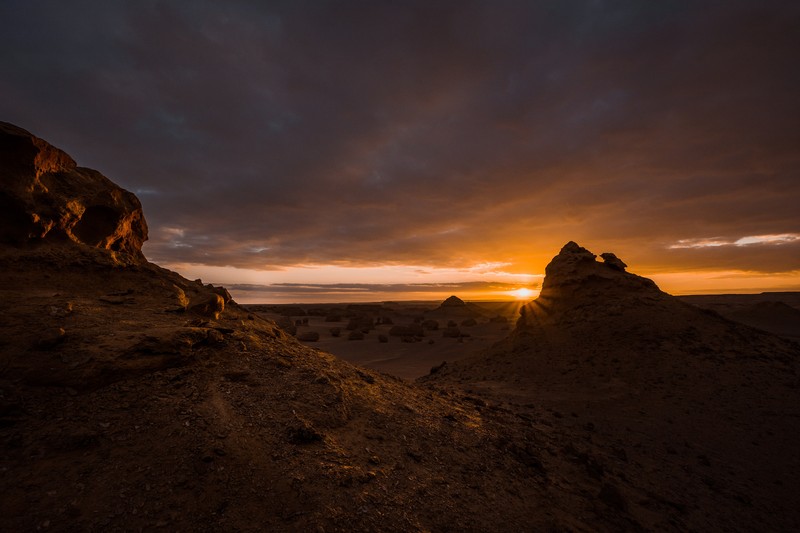
Irrigated areas produce grain, vegetables, fruit and dates. Beyond the fields, desert plains and sandy hills stretch toward the horizon. Lakes and farmland attract many bird species. Visitors to protected areas should follow local rules, avoid damaging fossils and take their rubbish with them.
What to see in Faiyum
A first visit can include Lake Qarun, Tunis Village, the lakes and waterfalls of Wadi El-Rayan, and the Valley of the Whales. History enthusiasts may add Karanis and the pyramids of Lahun or Hawara. Since the attractions are spread across a wide area, one or two days are ideal for exploring at a comfortable pace.
When to visit and how to get there
The cooler months from autumn to spring are best for walks and desert excursions. Summer temperatures can be intense, especially in exposed areas, so bring plenty of water, a hat, sun protection and comfortable shoes. Faiyum city can be reached from Cairo by car or bus, while a hired vehicle or organised tour is more practical for remote natural sites.
Why visit Faiyum Oasis
Faiyum combines ancient irrigation systems, fertile fields, desert dunes, lakes and archaeological remains. The Valley of the Whales gives the region international scientific importance, while its natural and cultural variety makes it an appealing destination for travellers seeking a different side of Egypt beyond its best-known tourist routes.
Gallery