Whale Valley in Egypt's Western Desert
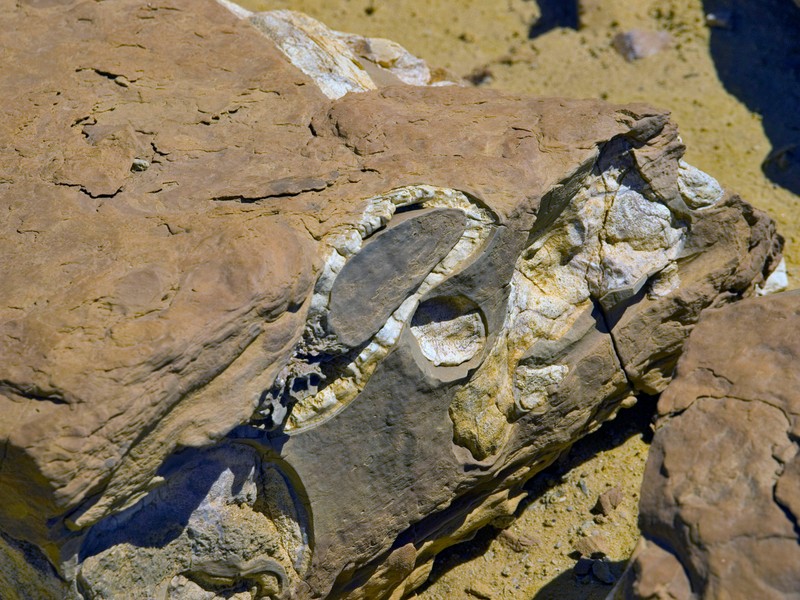
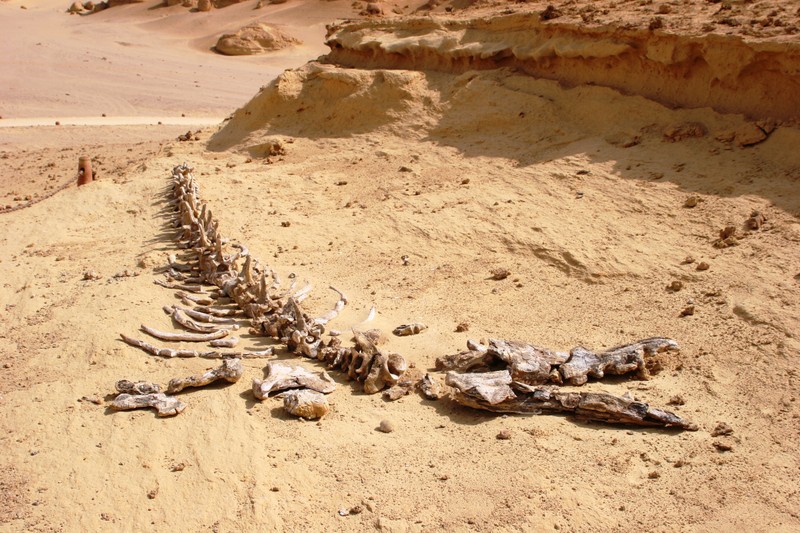
Wadi Al-Hitan, known as Whale Valley, is a remarkable natural site in Egypt's Faiyum Governorate, southwest of Cairo. Among sandy hills, rocky outcrops and layers of ancient sedimentary rock lie numerous marine fossils, especially the remains of early whales. The site offers a glimpse of the ancestors of modern cetaceans from tens of millions of years ago, when this region was covered by the sea.
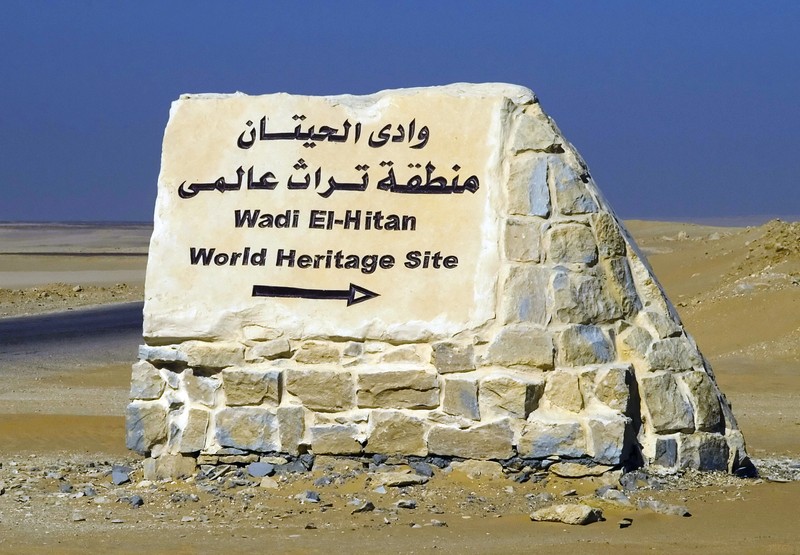
The valley lies within the Wadi El-Rayan protected area and is one of the world's most important palaeontological sites. In 2005, UNESCO added Wadi Al-Hitan to the World Heritage List because its fossils provide exceptional evidence for understanding the evolution of life on Earth.
Why whale fossils are found here
Today, Wadi Al-Hitan is far from the coast, but around 40 million years ago, during the Eocene, this part of North Africa was connected to ancient marine environments. Warm waters supported whales, sharks, fish, sea turtles and other animals. As environmental conditions changed, the sea retreated and geological processes transformed the landscape. The remains of organisms became buried in sediments and gradually fossilised.
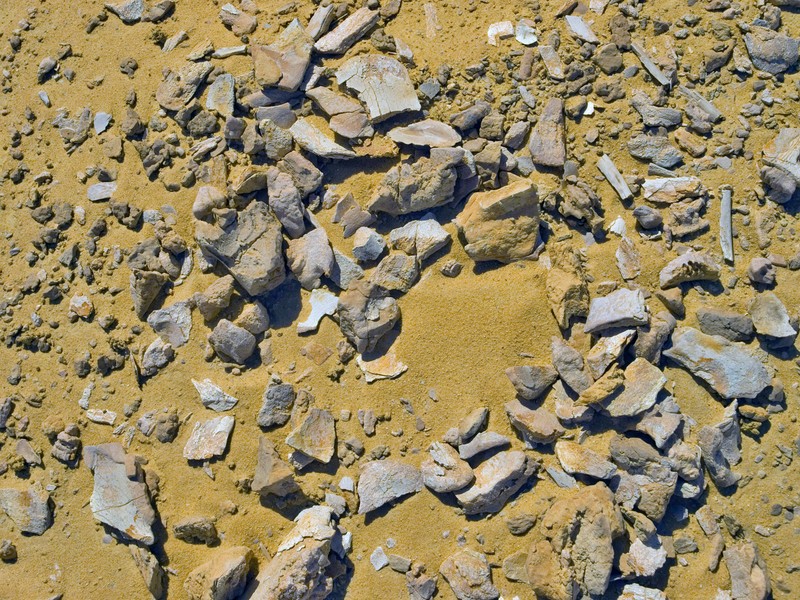
Over time, wind and erosion exposed sections of rock, revealing skeletons of animals that lived in a very different world. The desert landscape of Wadi Al-Hitan therefore acts as an archive of an ancient marine ecosystem.
Early whales and evolution
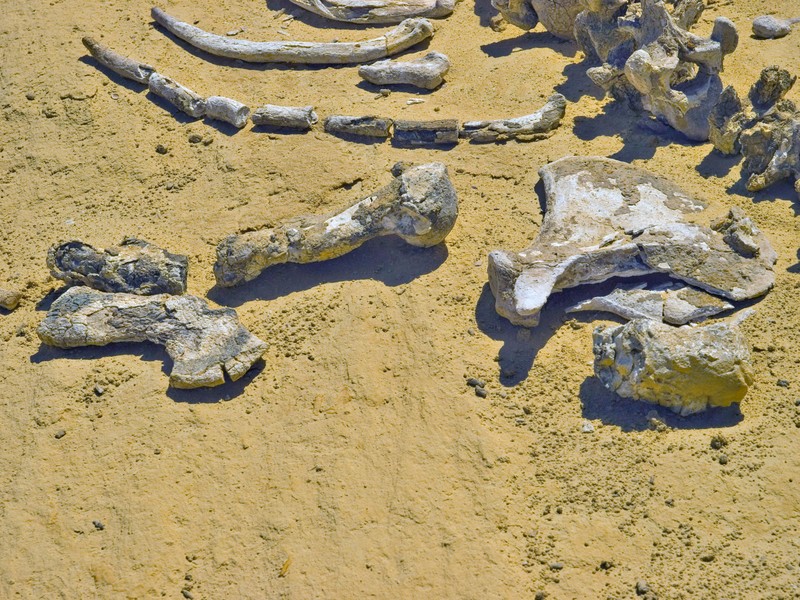
The valley's greatest scientific importance lies in its archaeocetes, an extinct group of early whales. Their fossilised skeletons document a major evolutionary transition: the shift from ancestors associated with life on land to animals fully adapted to an aquatic existence.
Some fossils preserve small hind limbs, an especially important clue to this transformation. These bones show that the bodies of early cetaceans gradually changed and that limbs once associated with movement on land lost their former function. Their body shape was already developing features recognisable in modern whales.
Other discoveries include remains of sirenians, marine reptiles, sharks, bony fish and additional fossil organisms. Together, they help scientists reconstruct the ancient fauna and the environmental conditions of the sea that once covered the region.
Fossils in an open-air landscape
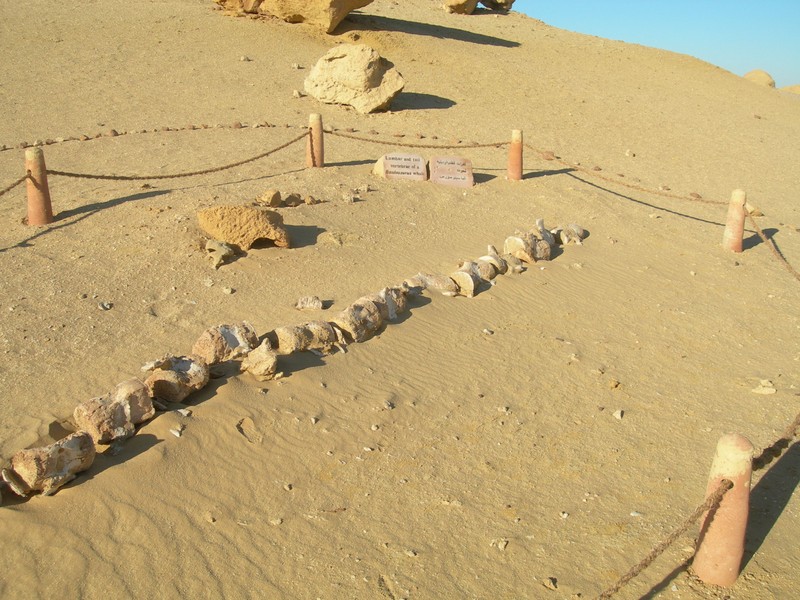
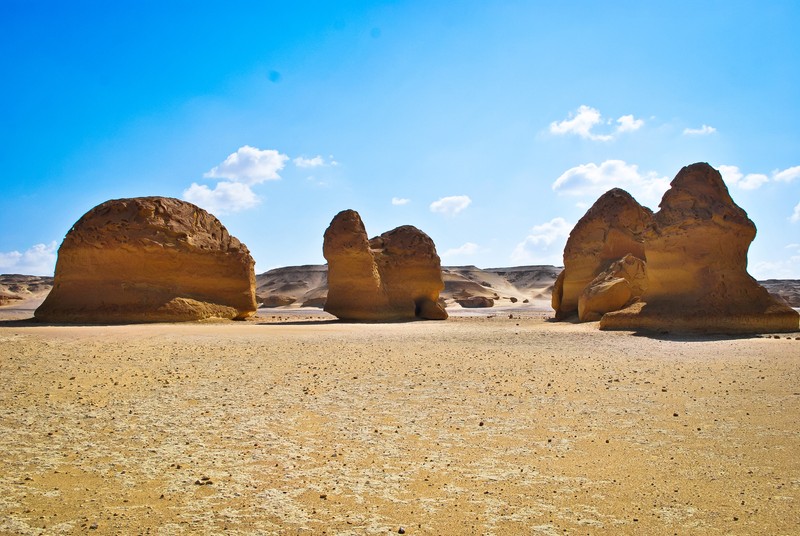
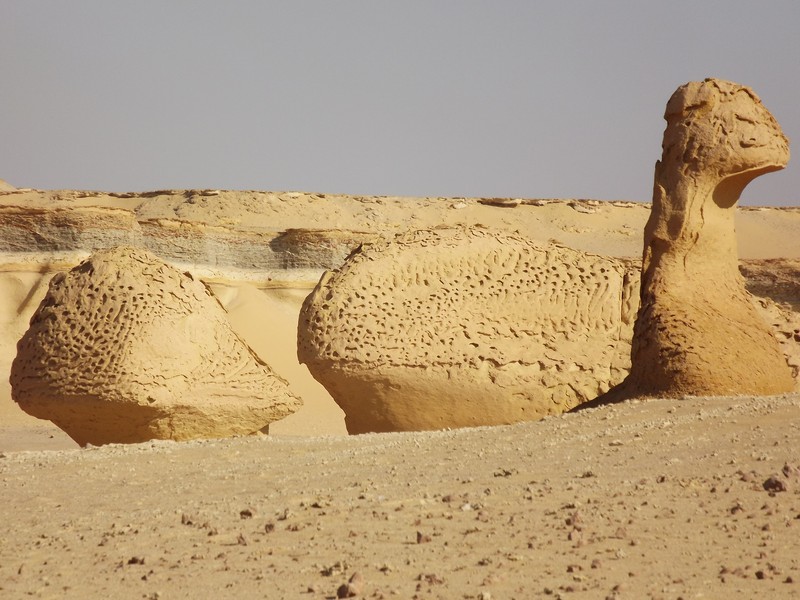
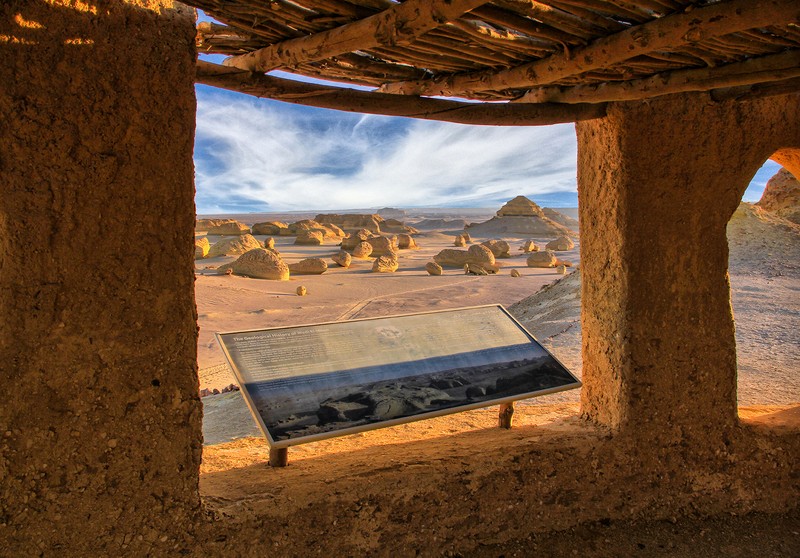
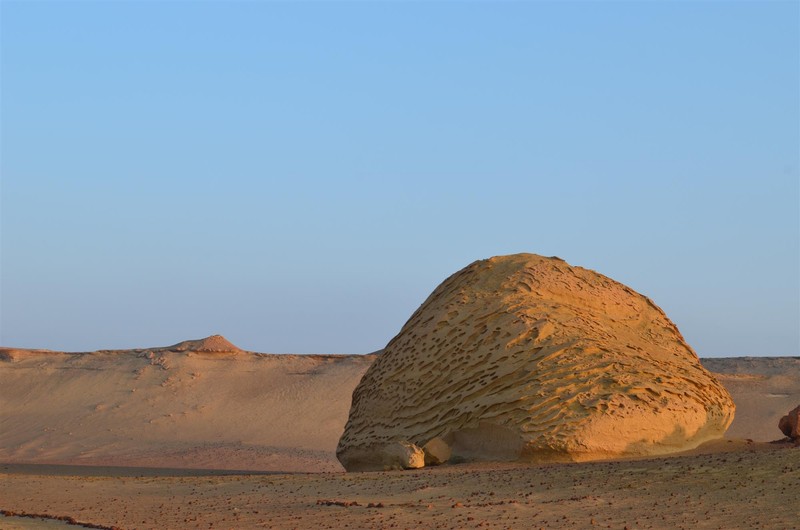
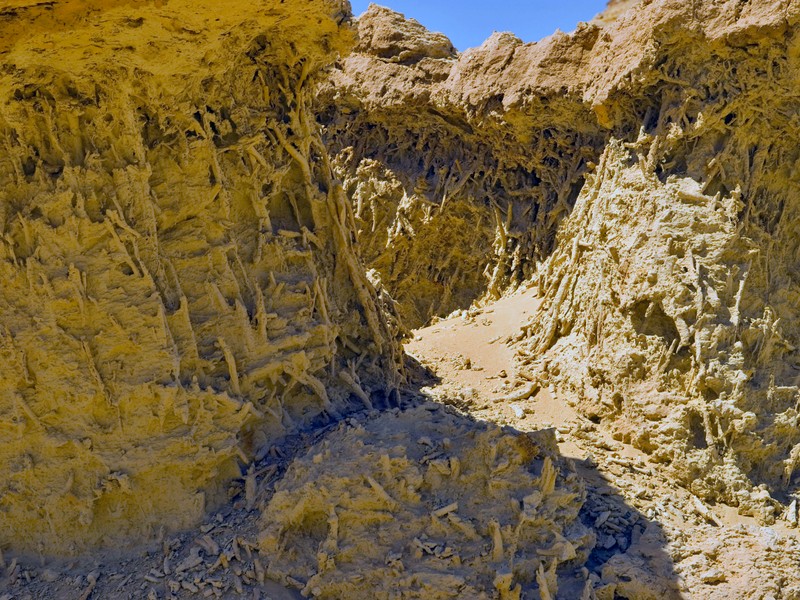
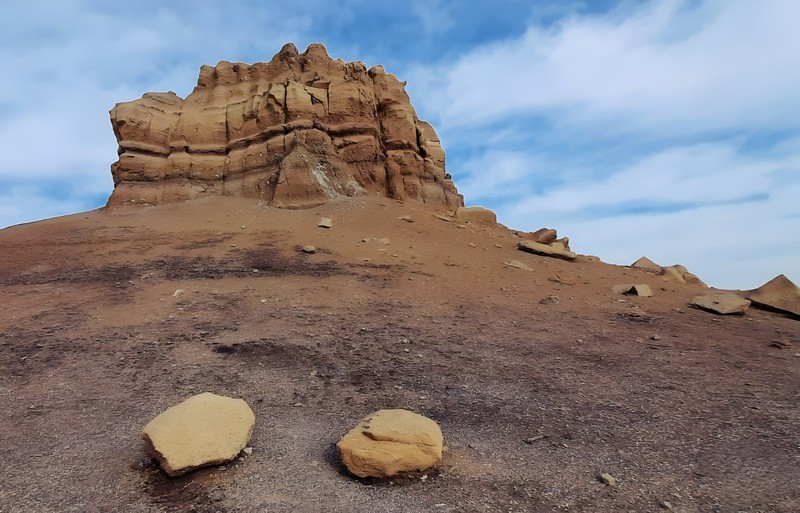
One of Wadi Al-Hitan's distinctive features is the chance to observe fossils in their desert setting. Skeletons and individual bones occur within sedimentary layers formed on an ancient seabed. Rocky outcrops, sandy hills and unusual landforms shaped by long periods of erosion surround the fossil sites.
The valley resembles a natural museum where geology and palaeontology are closely connected with the landscape. A visit helps illustrate how dramatically the climate and natural environment of this region have changed over millions of years.
UNESCO World Heritage status
In 2005, Wadi Al-Hitan became Egypt's first natural property inscribed on the UNESCO World Heritage List. Its international importance reflects the number, quality, preservation and accessibility of its early whale fossils. These remains provide striking evidence of one of the major transitions in vertebrate evolution.
The protected property covers about 200 square kilometres and forms part of the wider Wadi El-Rayan Protected Area, which includes other distinctive desert landscapes. Conservation is essential because fossils can be damaged by vehicles, careless visitors and unauthorised collecting.
The valley's natural scenery
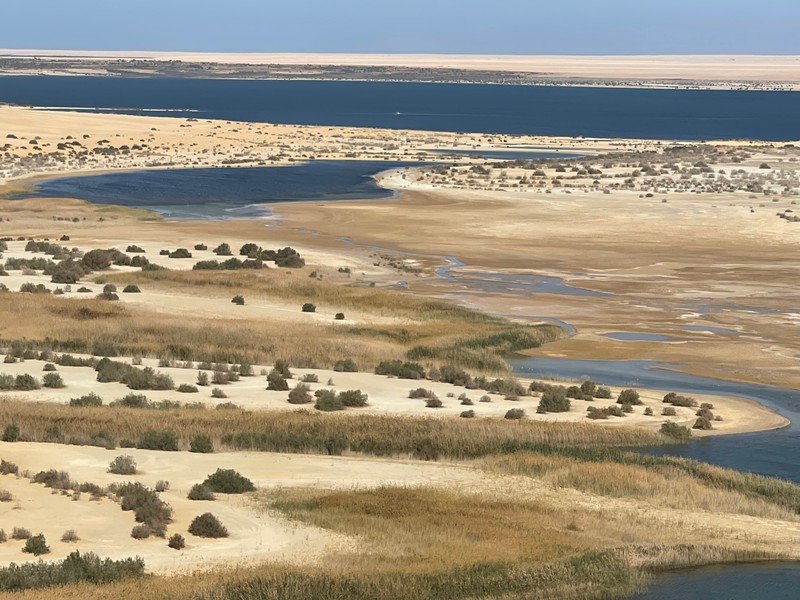
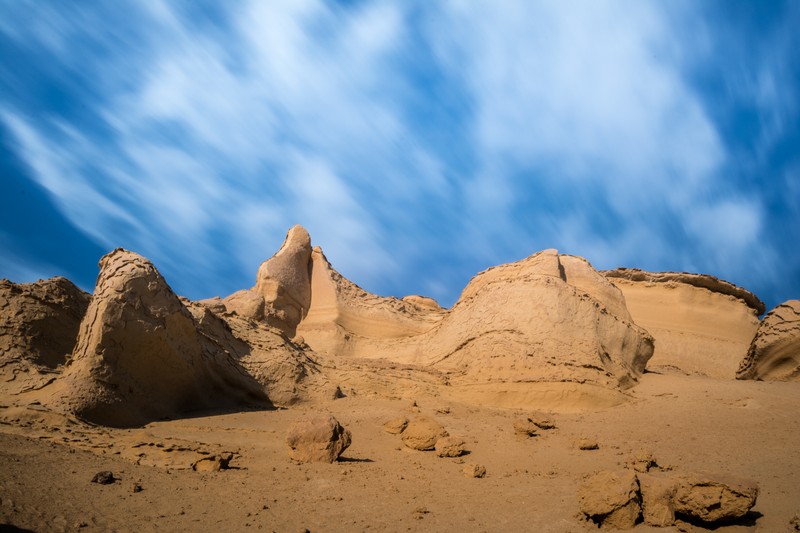
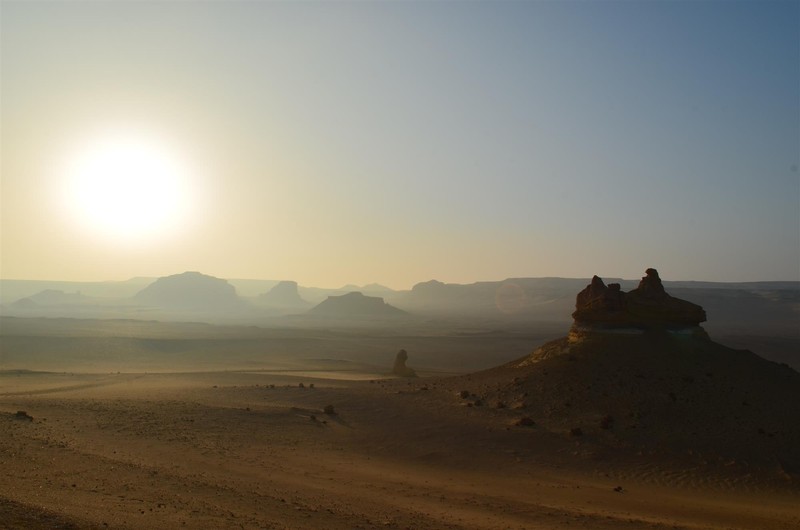
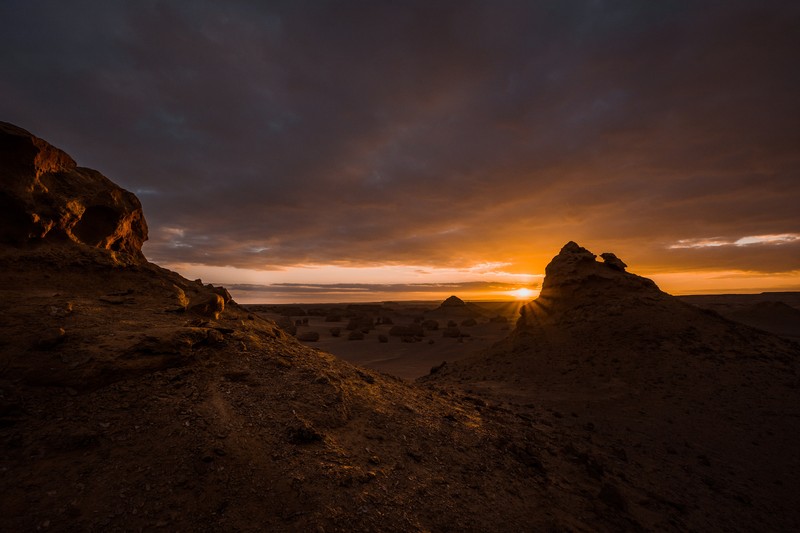
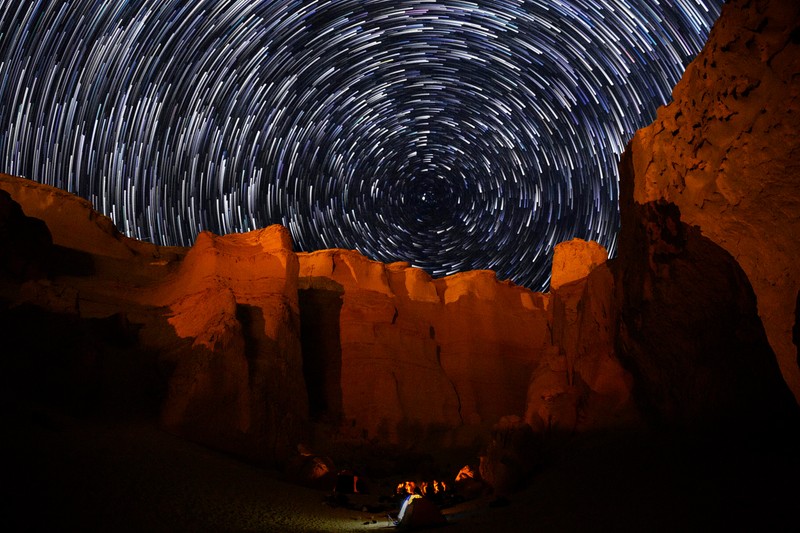
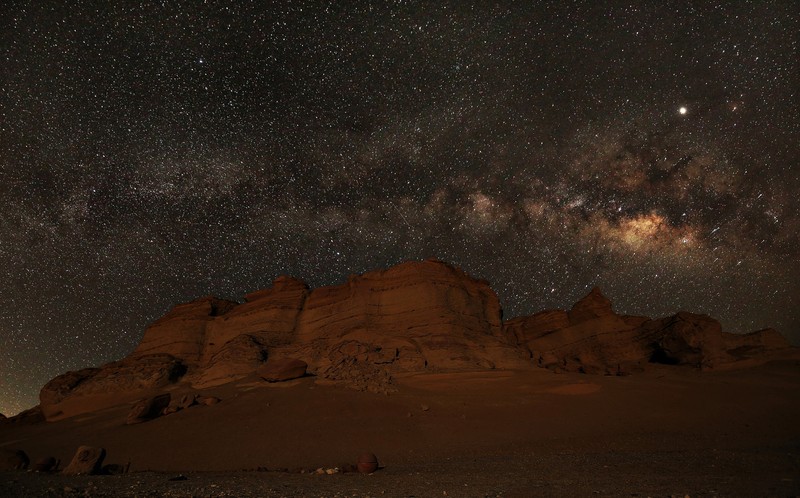
Wadi Al-Hitan is notable for more than its fossils. Its desert scenery combines sandy areas, low hills and exposed rock shaped into unusual forms by wind and water. The muted colours of sand and stone create a striking setting for fossils that reveal the region's ancient history.
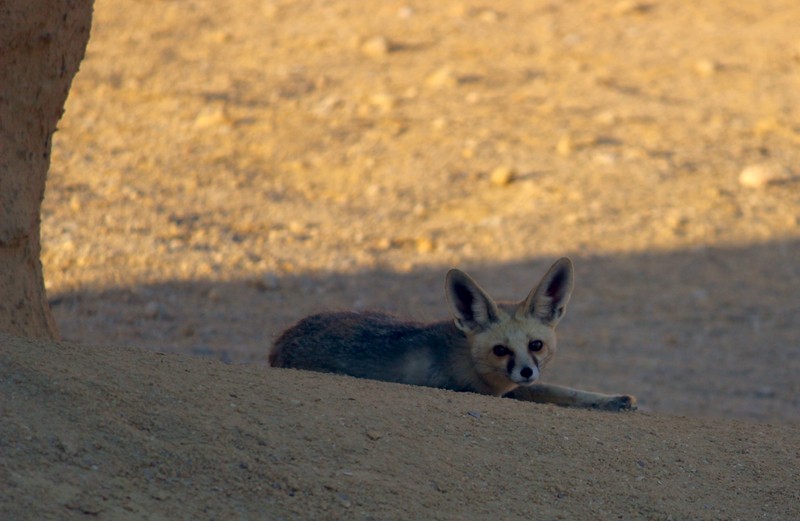
The wider Wadi El-Rayan protected area also supports desert plants, birds and animals adapted to arid conditions. Wadi Al-Hitan itself, however, is best known for preserving geological and palaeontological heritage.
Visiting Wadi Al-Hitan
Trips are usually organised from Cairo or the Faiyum area, often combined with other sights in the Wadi El-Rayan protected area. As the site lies in the desert, check road conditions, entry arrangements and whether a local vehicle or guided excursion is required before travelling. Some routes may require a suitable vehicle and local assistance.
Allow enough time to walk the designated trails and examine the fossils. Bring drinking water, sun protection, a hat and comfortable shoes. Desert conditions can be particularly harsh during hot months, so cooler seasons are generally more comfortable for a visit.
Visitor guidelines
Wadi Al-Hitan is a protected site of global importance. Do not touch, move or remove fossils, leave authorised paths or drive across fossil-bearing areas. Even small amounts of damage can destroy scientific evidence that cannot be replaced.
Wadi Al-Hitan is an extraordinary place where the desert tells the story of an ancient ocean. The fossilised skeletons of whales and other marine animals provide tangible evidence of evolution and reveal how dramatically life on Earth has changed.
Gallery