Apo Reef Natural Park is one of the Philippines’ most important marine protected areas. It lies in the Mindoro Strait, approximately 28 kilometres from the western coast of Mindoro Island. The park falls within the municipality of Sablayan in Occidental Mindoro and is known for extensive coral reefs, clear water, white-sand beaches and rich underwater life. It attracts divers, snorkelling enthusiasts, marine researchers and travellers interested in ecotourism.
Apo Reef is considered the largest coral reef system in the Philippines and one of the world’s most significant continuous reef complexes. Most of the protected area is covered by water, while the small areas of land consist of several islands and rocky formations. Shallow lagoons, deep channels, coral gardens, beaches and mangrove stands create diverse habitats for marine and coastal organisms.
Geography and Structure of the Reef
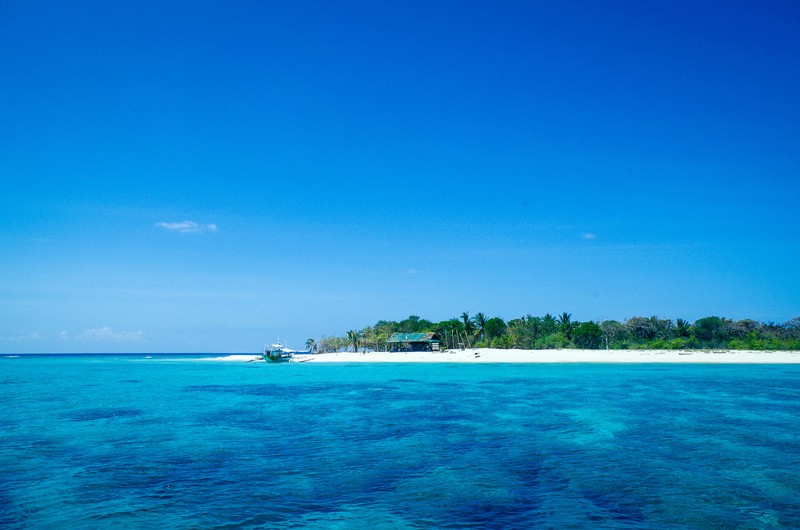
The natural park lies west of Mindoro Island, in the sea between Mindoro and Palawan. The main reef system has an approximately triangular outline and includes northern and southern atoll-like sections separated by a deep channel open to the sea. The underwater terrain ranges from shallow coral platforms to areas where the seabed drops sharply, making the landscape interesting for marine wildlife observation and underwater research.
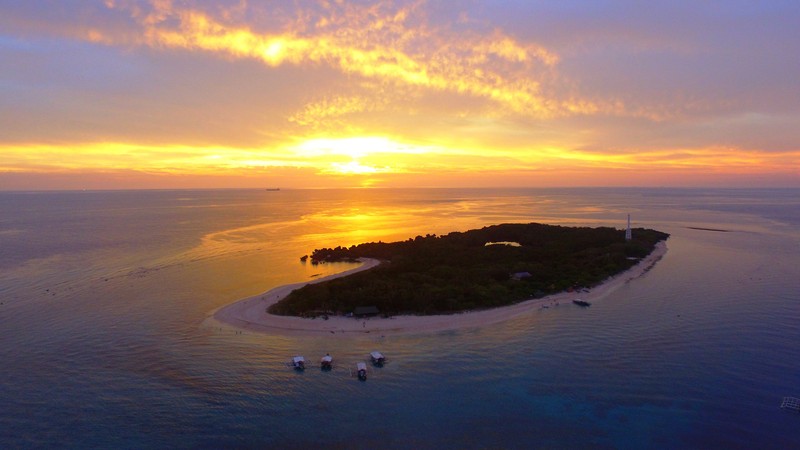
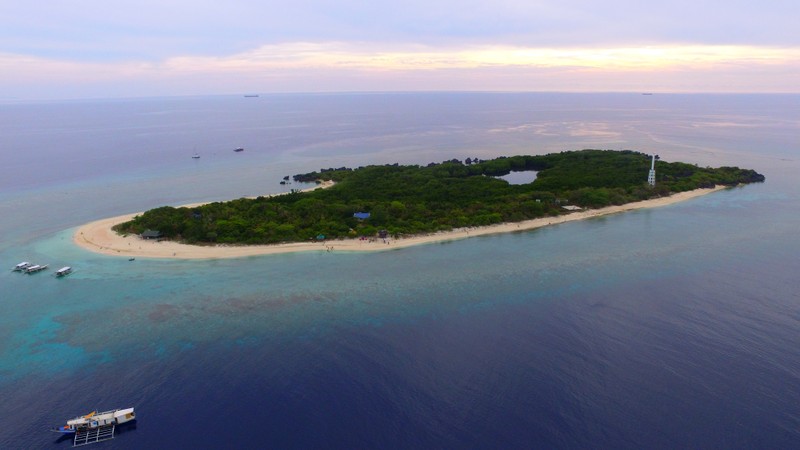
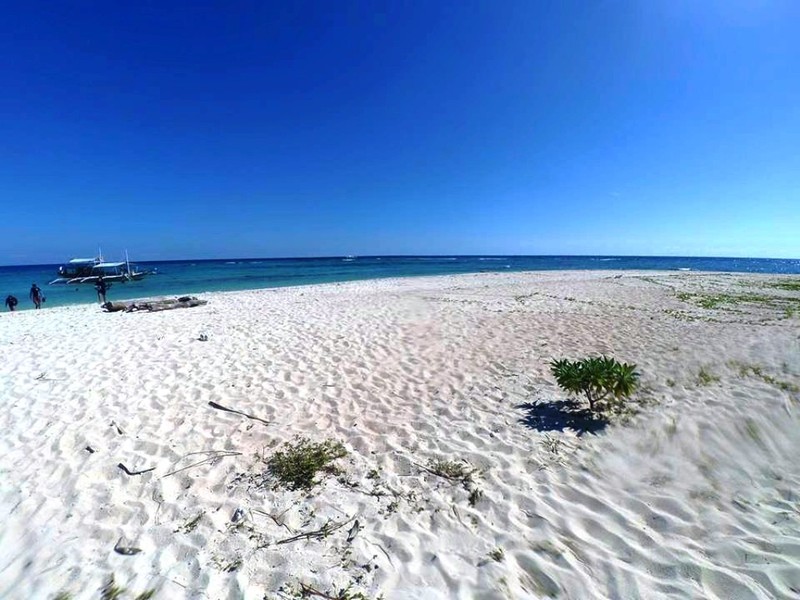
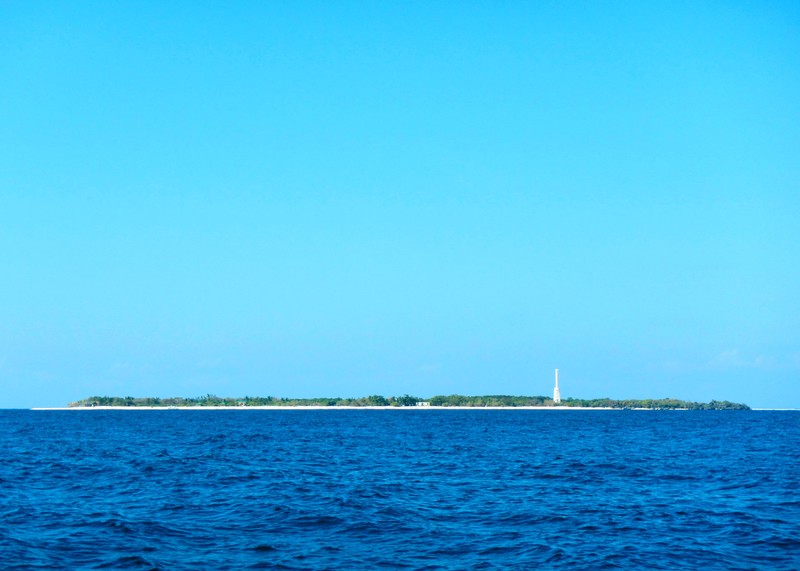
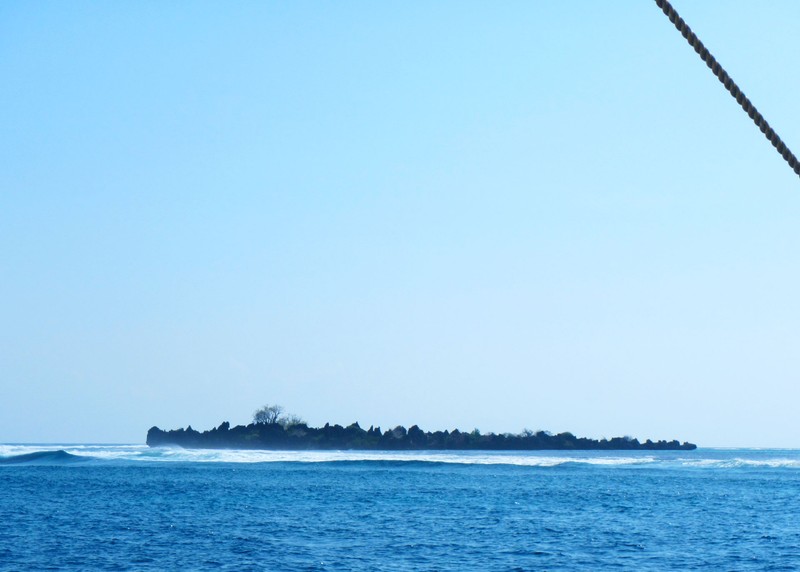
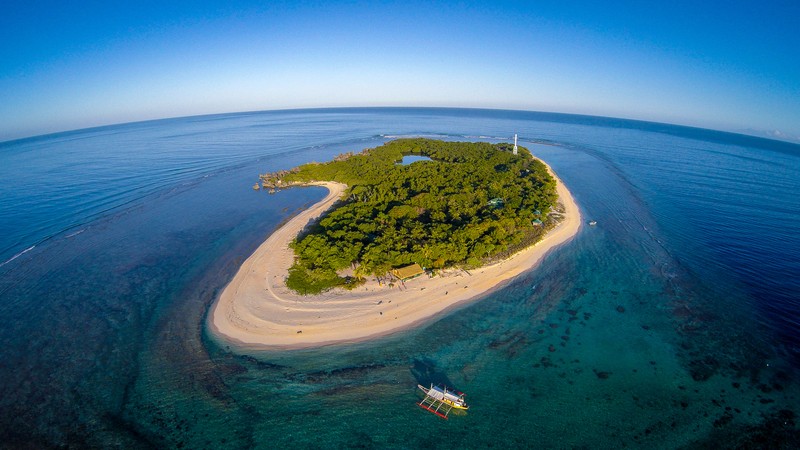
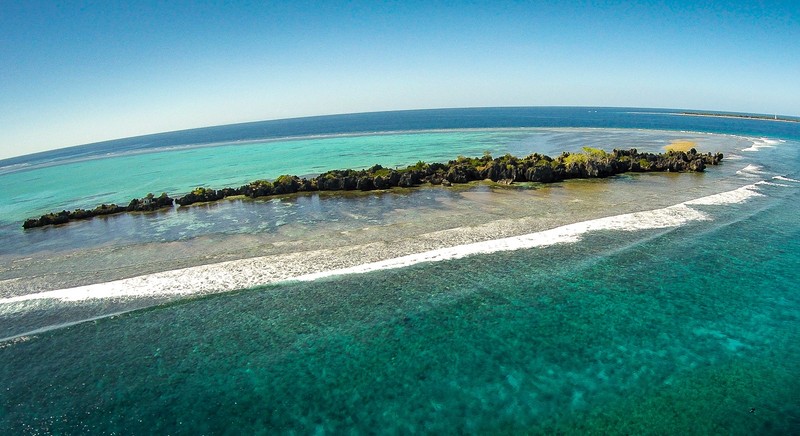
The park includes three principal islands: Apo, Apo Menor, also known as Binangaan, and Cayos del Bajo, or Tinangkapan. The largest is Apo Island, which retains beach vegetation and areas of mangroves. Binangaan is a rocky limestone islet with relatively little vegetation, while Cayos del Bajo is a small coral rock formation. These islands occupy only a small part of the park, most of which consists of marine waters.
Coral Reefs and Marine Biodiversity
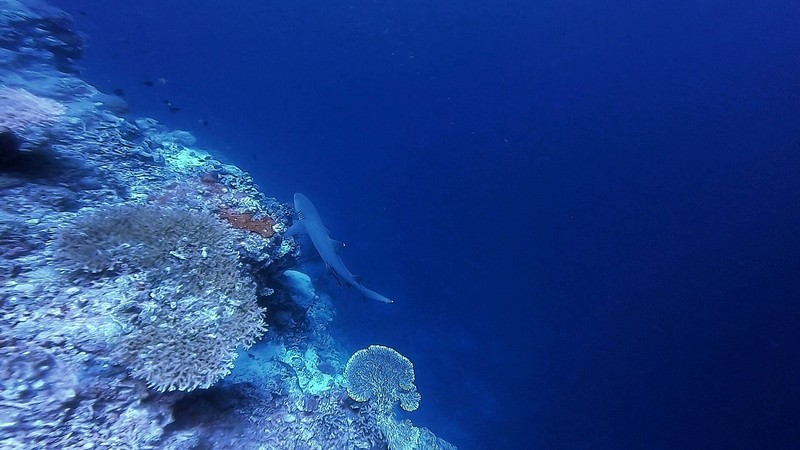
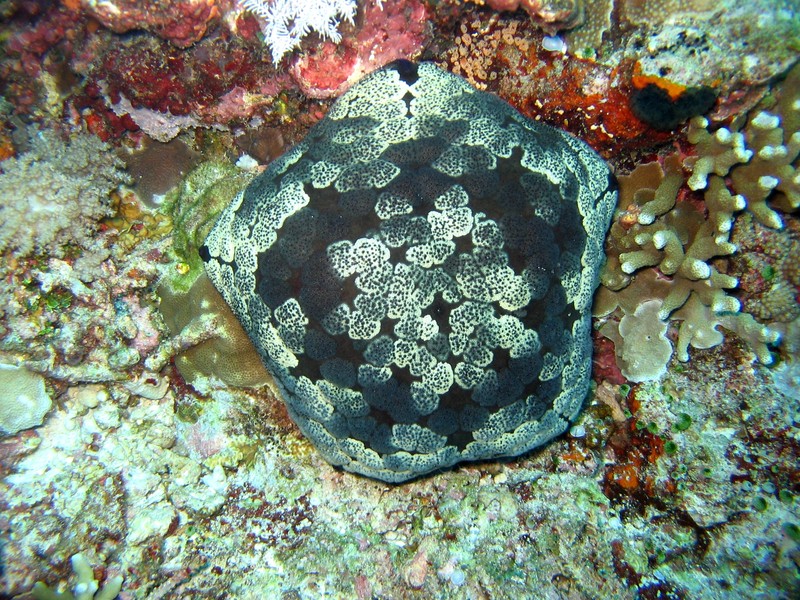
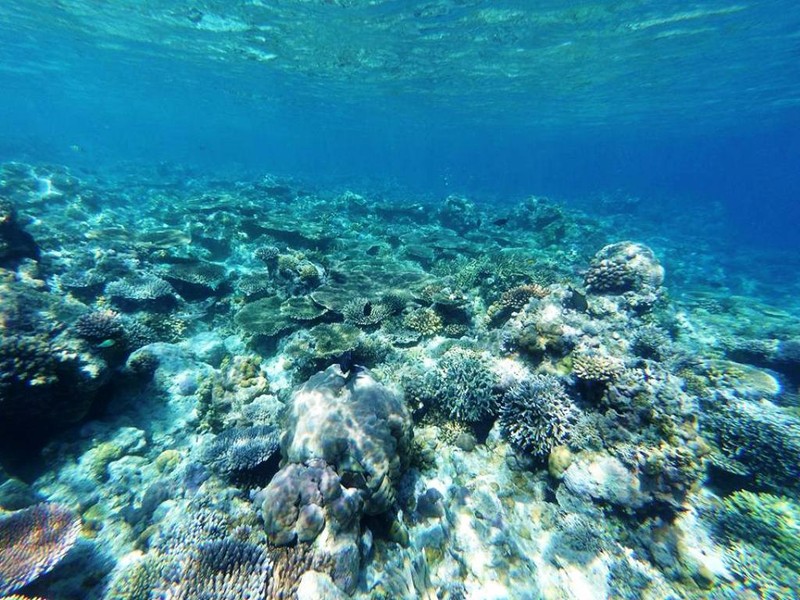
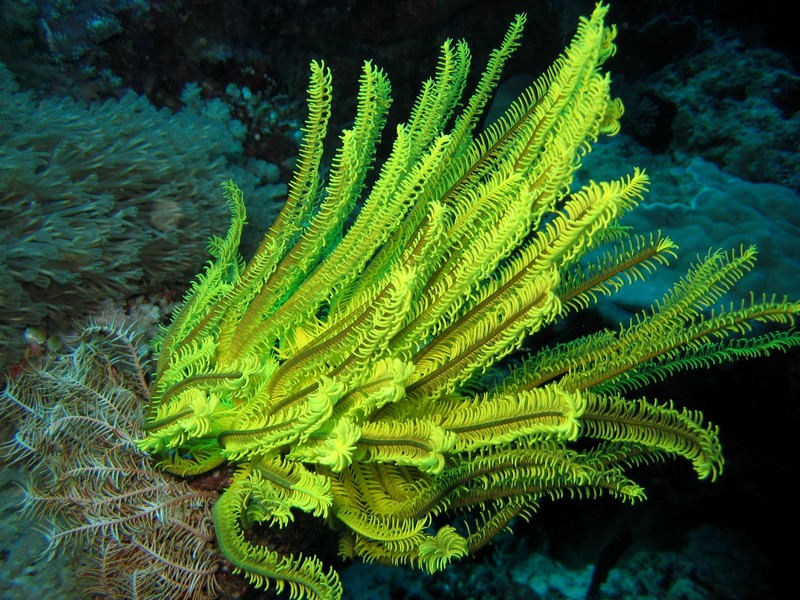
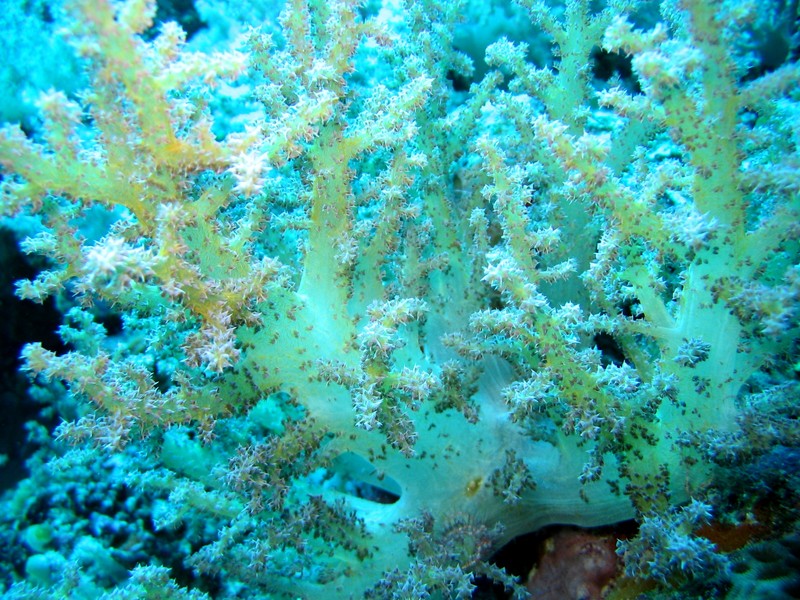
The park’s greatest natural asset is its coral ecosystems. Reef areas contain diverse hard and soft corals that provide shelter, feeding grounds and breeding habitats for many marine organisms. Coral communities support complex food webs and play an important role in maintaining the region’s biological diversity.
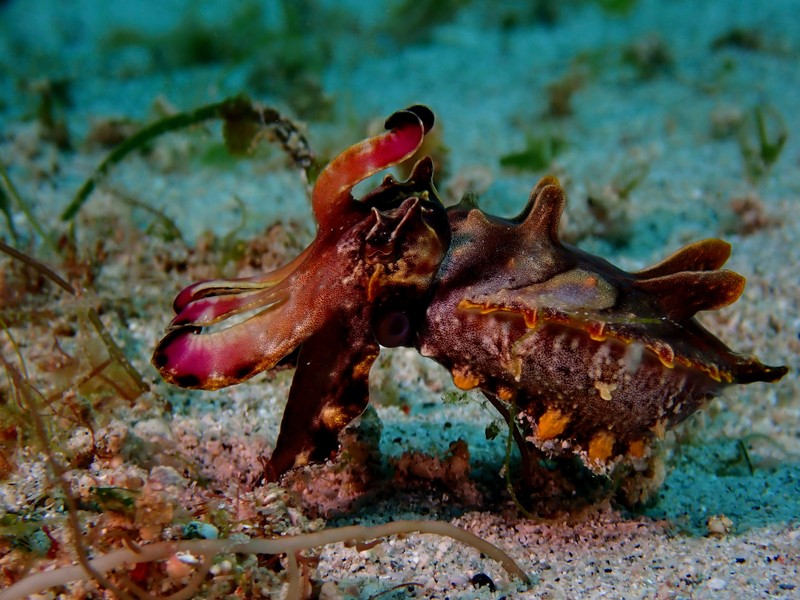
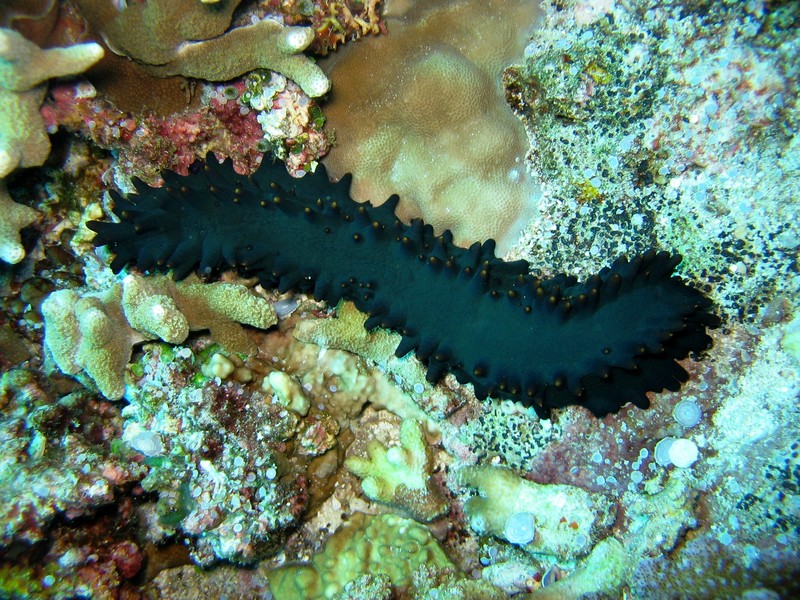
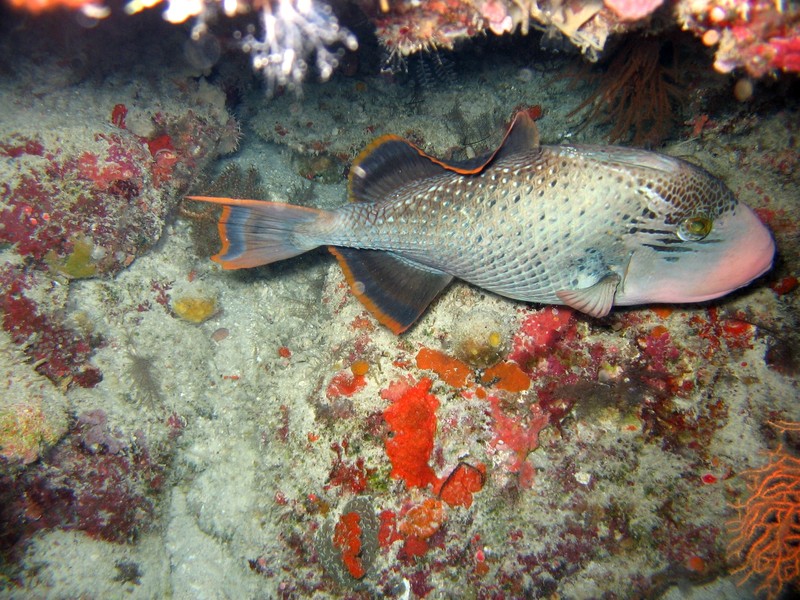
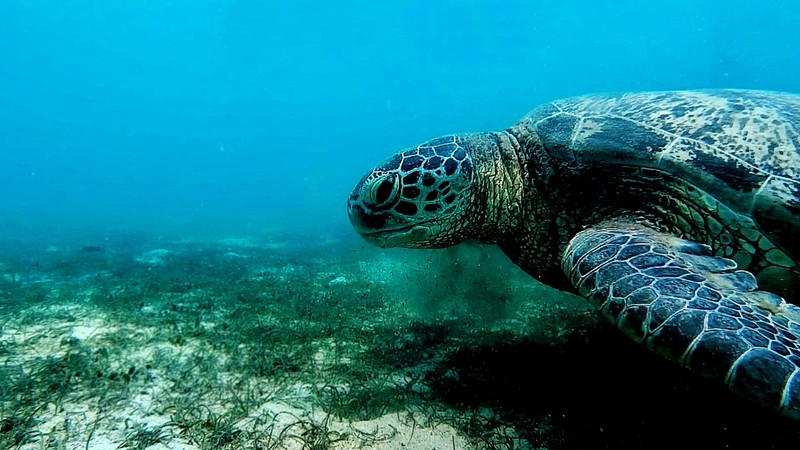
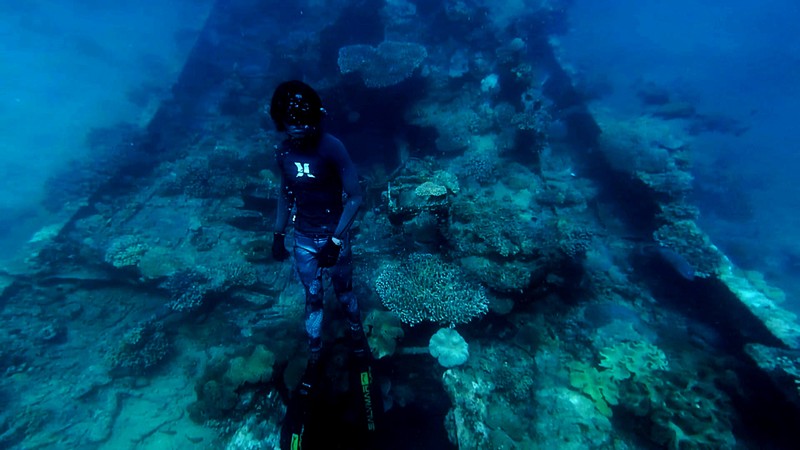
Hundreds of fish species inhabit the reef, alongside a wide variety of invertebrates, including crustaceans and molluscs. Sea turtles are among the notable marine animals found here. Larger marine animals, including dolphins and other pelagic species, may be encountered in the wider area, although sightings depend on the season, weather and route. The colourful underwater world and its variety of life make the park one of the Philippines’ well-known diving destinations.
The reef has practical as well as ecological value. Coral ecosystems shelter juvenile fish and provide breeding grounds for many marine species. Healthy reefs help sustain productive coastal ecosystems and matter for fisheries, food security and the well-being of local communities. Their condition depends on water quality, climate change, sea temperatures and human activity.
Mangroves, Beaches and Birds
Apo Reef Natural Park is not limited to underwater landscapes. Its islands retain patches of mangrove forest, coastal vegetation and sandy beaches. Mangroves provide shelter for young fish and invertebrates, help trap sediment and contribute to shoreline stability. Beach habitats are also important for coastal wildlife and sea turtles.
The islands provide habitat and resting places for different birds, including seabirds and migratory species. Areas where birds can rest and nest away from intensive human activity are particularly important. Visitors should therefore take extra care in sensitive zones, follow park rules, avoid approaching nests and refrain from disturbing wildlife.
Diving and Snorkelling at Apo Reef
Apo Reef is considered one of the Philippines’ appealing diving destinations because of its varied coral landscapes and rich marine life. Depending on the site, divers can explore shallow coral gardens, the edges of reef platforms and deeper underwater slopes. The varied terrain makes dives interesting for experienced divers, although open-water conditions can change and some sites are suitable only for people with the appropriate training.
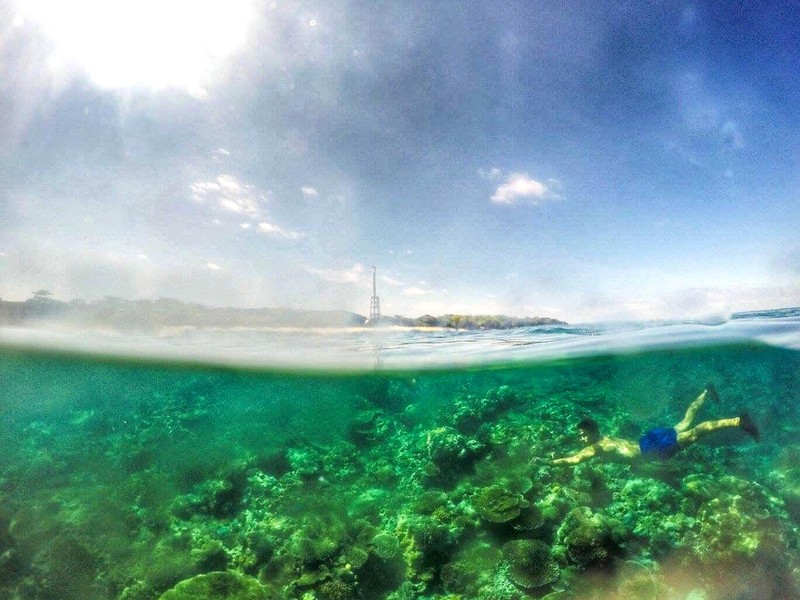
Snorkelling offers a chance to observe corals and fish from the surface in suitable shallow areas. Even without deep dives, visitors can appreciate the diversity of the marine environment and the clarity of the lagoons. Visibility depends on weather, waves, currents and water conditions. Do not touch corals, stand on reef structures or chase marine animals, as these actions can damage the fragile ecosystem.
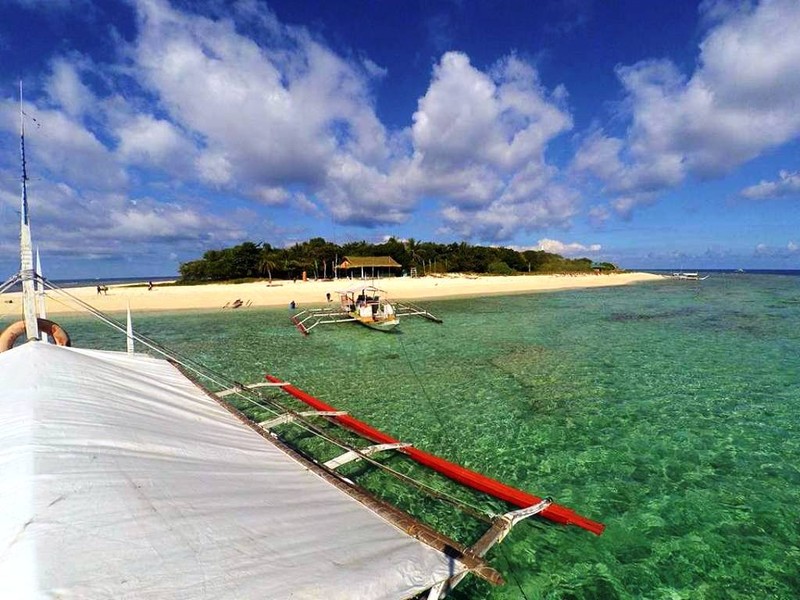
Visits are generally arranged as pre-booked marine excursions from Sablayan. Because the reef lies offshore and far from the coast, trips require a suitable vessel, proper safety measures and consideration of sea conditions. Before booking, confirm the crossing time, included activities, equipment availability, park rules and current restrictions.
History of Protection
Apo Reef received protected status in several stages. It was declared a marine park in 1980 and later received additional recognition as a tourism zone and marine reserve. In 1996, the area was proclaimed a natural park, while surrounding waters were designated as a buffer zone. Its legal protection was subsequently strengthened through Philippine legislation governing the national system of protected areas.
Apo Reef Natural Park is included on UNESCO’s Tentative List for World Heritage, reflecting its international conservation importance. It is also recognized as an ASEAN Heritage Park and has received international recognition for marine protected-area management. These designations underline the importance of conserving reef ecosystems, island habitats and the natural processes that connect them.
Importance to Local Communities
The marine resources of Apo Reef are important to coastal communities in Occidental Mindoro. Coral ecosystems support fish populations, while sustainable resource management helps maintain opportunities for traditional fishing and ecotourism. At the same time, managing a protected area requires a balance between conservation goals and human use of natural resources.
The park administration works on biodiversity conservation, enforcement of regulations, environmental education and tourism management. Long-term protection depends on monitoring coral health, controlling pollution, safeguarding marine animals and cooperating with local residents and tour operators.
When to Visit the Natural Park
The best time for a trip depends on seasonal weather, sea conditions and advice from tour operators. Calmer seas make the crossing from Mindoro to the reef easier and improve comfort during excursions. Conditions can still change within a season, so a particular date cannot guarantee clear skies or good underwater visibility.
Before travelling, check the forecast, sea state, boat departure conditions and current protected-area rules. Since the reef is far from shore, bring sufficient drinking water, sun protection and suitable clothing. All visitor requirements should be confirmed with the authorized park administration and an accredited operator.
How to Get to Apo Reef
The main departure point for trips to the reef is the municipality of Sablayan in Occidental Mindoro. Travellers reach Sablayan through transport connections on Mindoro Island and then continue by organized boat. The reef itself lies about 28 kilometres from the nearest coast, so an independent trip without prior arrangements is not recommended.
Book through an accredited tour operator familiar with protected-area regulations and equipped for the journey. The official park administration publishes visitor guidelines and information about recognized operators, but it does not necessarily operate commercial tours itself. Before departure, confirm the route, schedule, visitor requirements and whether the park can be visited on the chosen day.
Environmental Threats and Responsible Visiting
Coral reefs are sensitive to rising sea temperatures, pollution, physical damage and unsustainable resource use. Climate change can cause coral bleaching, while litter and careless visitor behaviour add pressure to the marine environment. Protecting the reef requires consistent conservation, scientific monitoring and responsible conduct from everyone who visits.
Follow the instructions of rangers and boat crews, take all rubbish away, do not collect corals or shells, do not feed wildlife and avoid touching underwater organisms. Use only authorized landing and rest areas, and keep a respectful distance from marine animals while snorkelling or diving. These simple practices help preserve Apo Reef’s natural wealth for future generations.
Why Visit Apo Reef Natural Park
Apo Reef Natural Park is a remarkable place where coral reefs, clear lagoons, small islands, mangroves and marine animals form a connected natural system. It demonstrates the diversity of the Philippines’ marine landscapes and the importance of protecting them far beyond a single region. For travellers, the park offers a chance to discover the underwater world; for researchers and conservationists, it is an important example of marine biodiversity protection.
A trip to Apo Reef requires planning and respect for protected-area rules, but its remote location and limited human impact help preserve its natural value. Responsible tourism allows visitors to experience this marine sanctuary while supporting its conservation.
Gallery