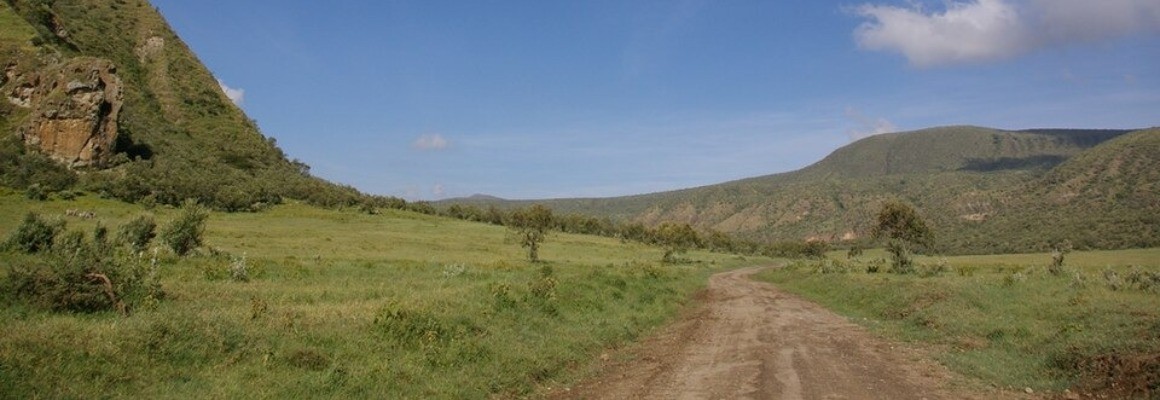
Lake Nakuru National Park is one of Kenya's best-known protected areas, located in the Great Rift Valley at an elevation of roughly 1,750–1,800 metres above sea level. Covering about 188 km², the park brings together a semi-alkaline lake, grasslands, acacia woodland, marshy areas and rocky escarpments. Visitors come for its varied African landscapes, birdwatching opportunities and the chance to see rare large mammals.
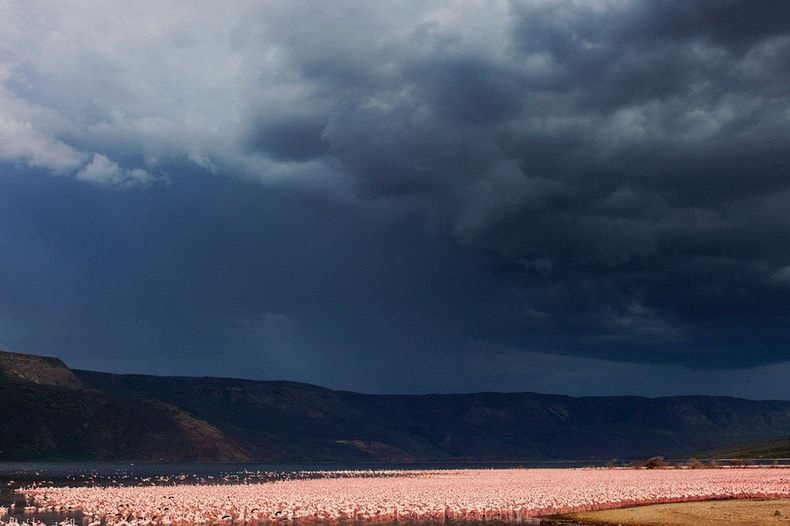
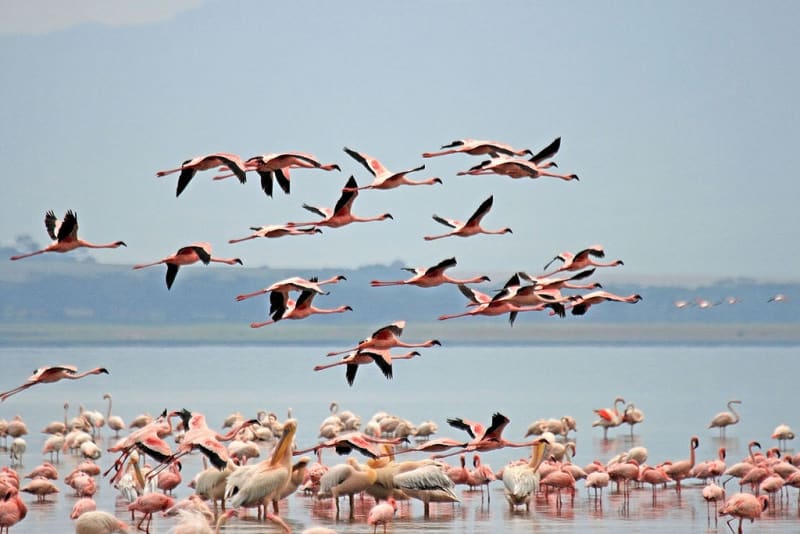
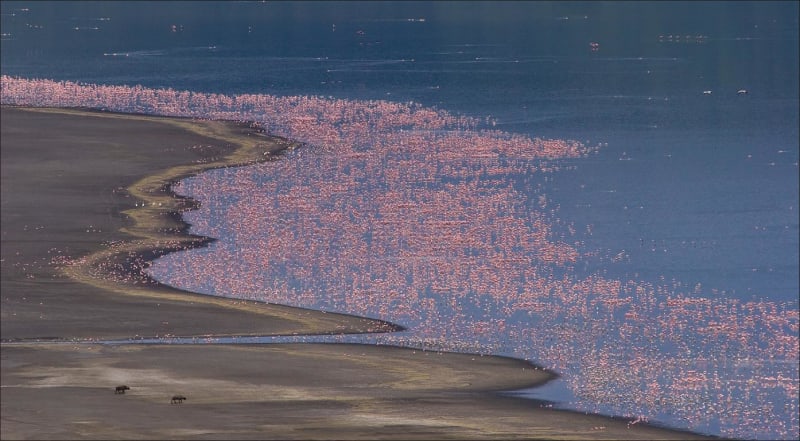
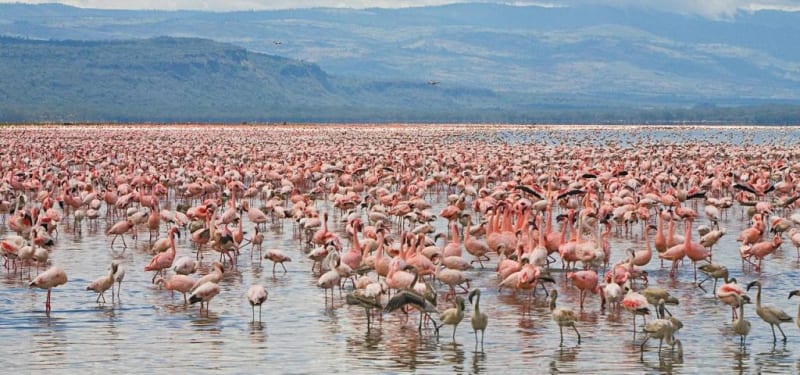
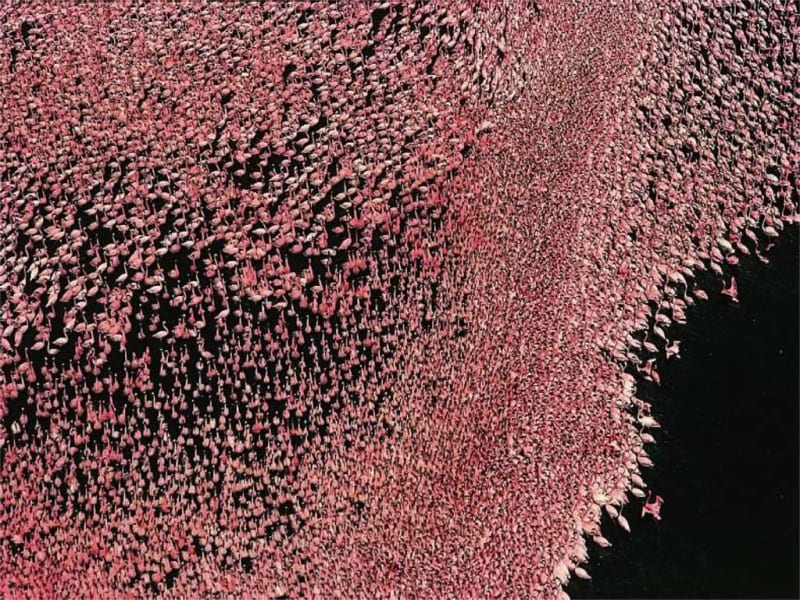
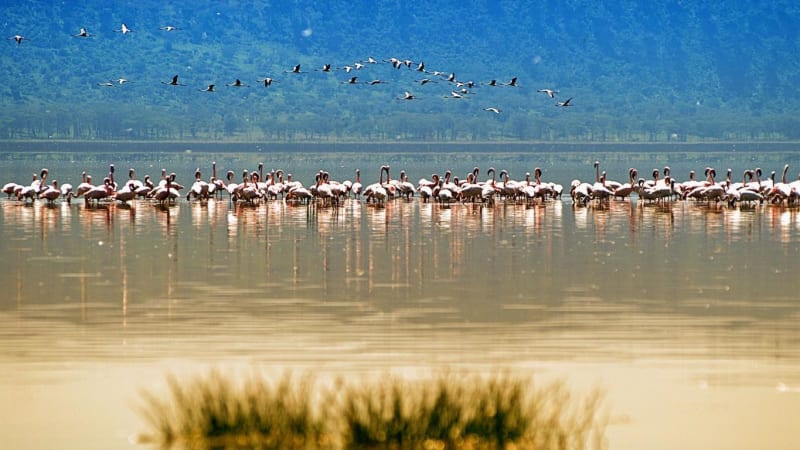
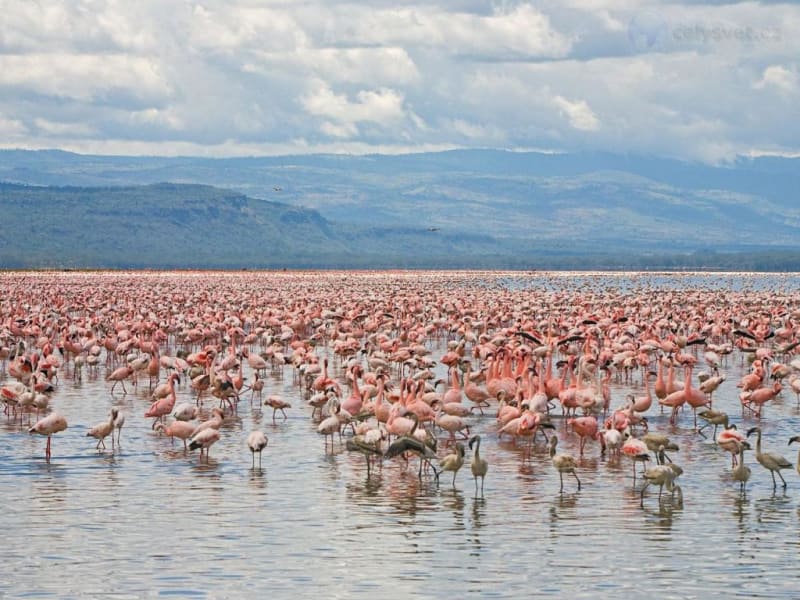
Lake Nakuru became famous for its flamingos, which can gather in large flocks along the shore when conditions are favourable. Their numbers, however, change with water levels, water chemistry and food availability. Large pink gatherings are therefore not guaranteed on every visit, although the lake ecosystem remains important for many waterbirds and migratory species.
History of the national park
Conservation in the area began in 1961, when the southern part of the lake was designated a bird sanctuary. The protected area was later expanded, and in 1968 it was officially gazetted as a national park. Further extensions incorporated surrounding grasslands, woodland and hills. Today, the park covers about 188 km² and is managed by the Kenya Wildlife Service.
Nakuru is especially important for rhino conservation. In 1987, Kenya established its first government-managed rhino sanctuary here. The national park plays a major role in protecting both black and white rhinos, whose populations require ongoing protection from poaching and habitat loss.
Flamingos and other birds of Lake Nakuru
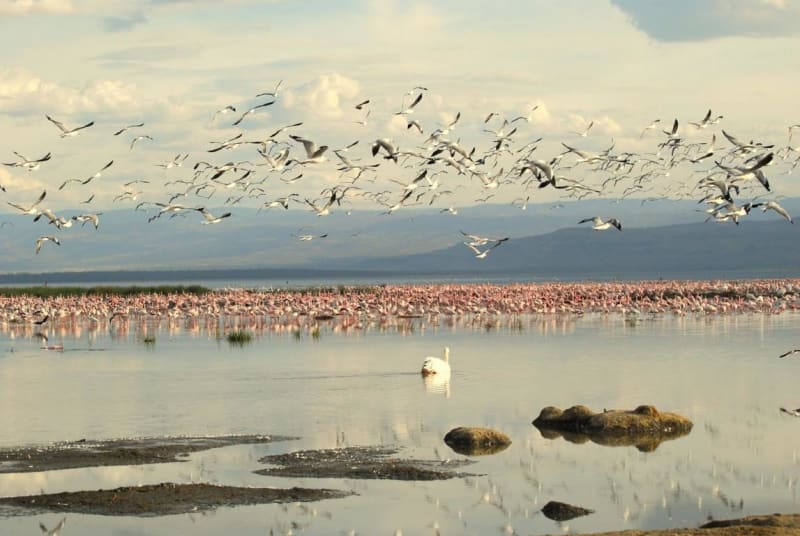
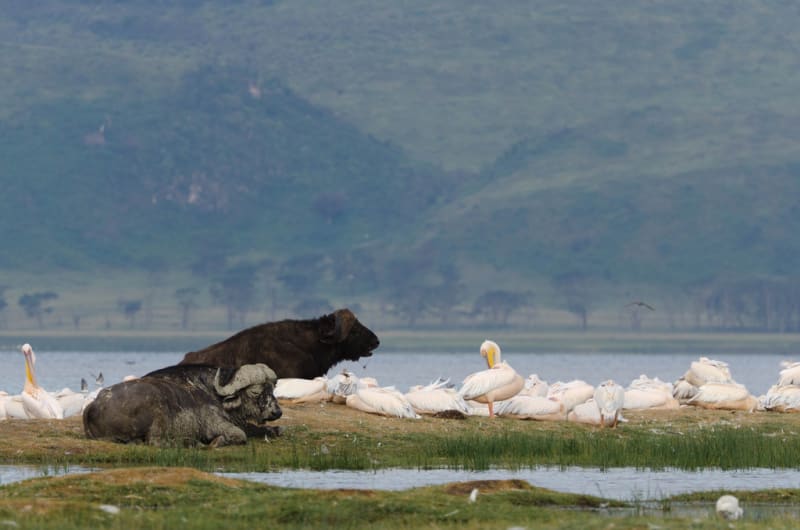
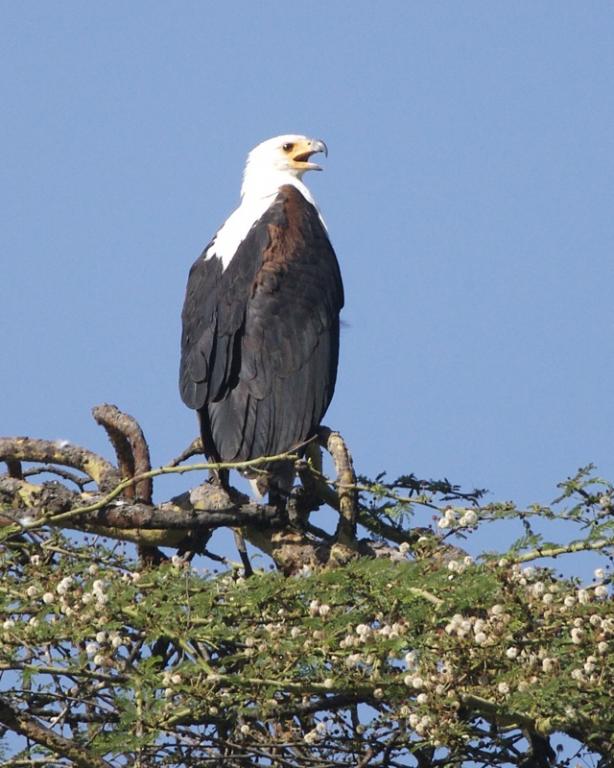
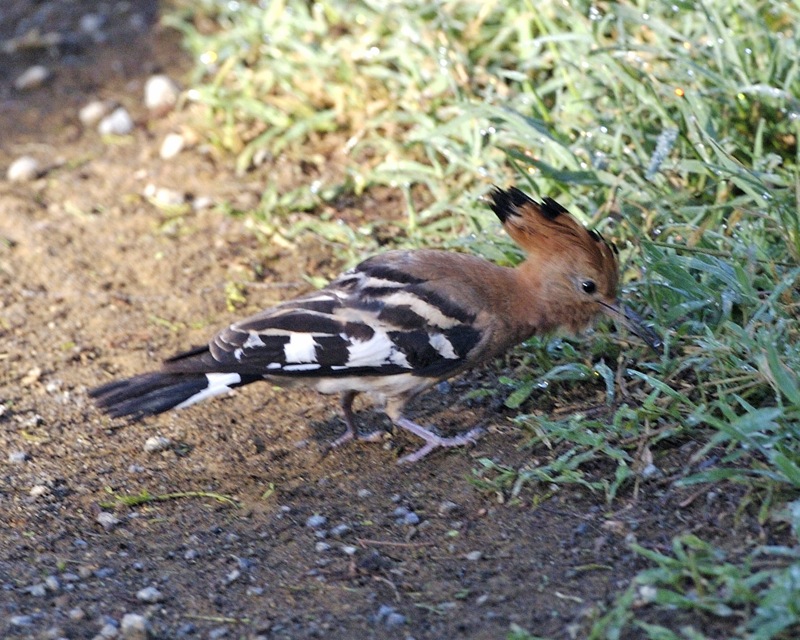
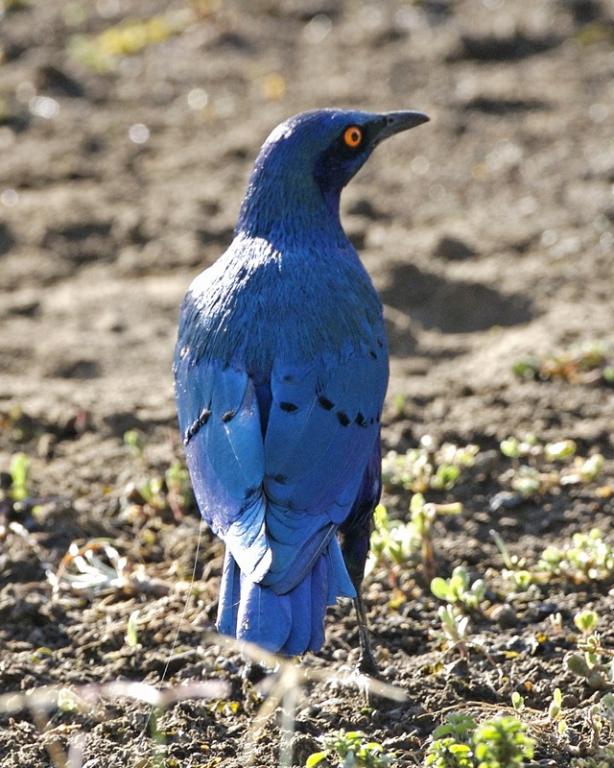
The park is regarded as one of East Africa's important birdwatching areas. Around 450 bird species have been recorded here, including waterbirds, raptors, terrestrial birds and migrants. Besides flamingos, visitors may see pelicans, herons and other waterside birds, fish eagles and marabou storks. The variety of habitats makes the park rewarding for birdwatchers in different seasons.
The lake is semi-alkaline, and conditions for birds depend on the natural balance of water and algae. Changes in water level can affect the food available to flamingos and influence how flocks are distributed among the lakes of the Great Rift Valley. The park is therefore important not only as a tourist destination but also as a place for research and wetland conservation.
Wildlife
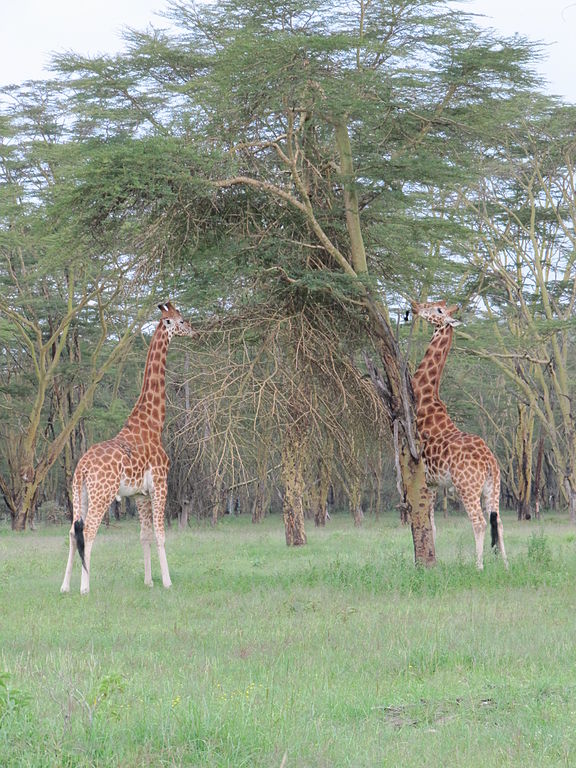
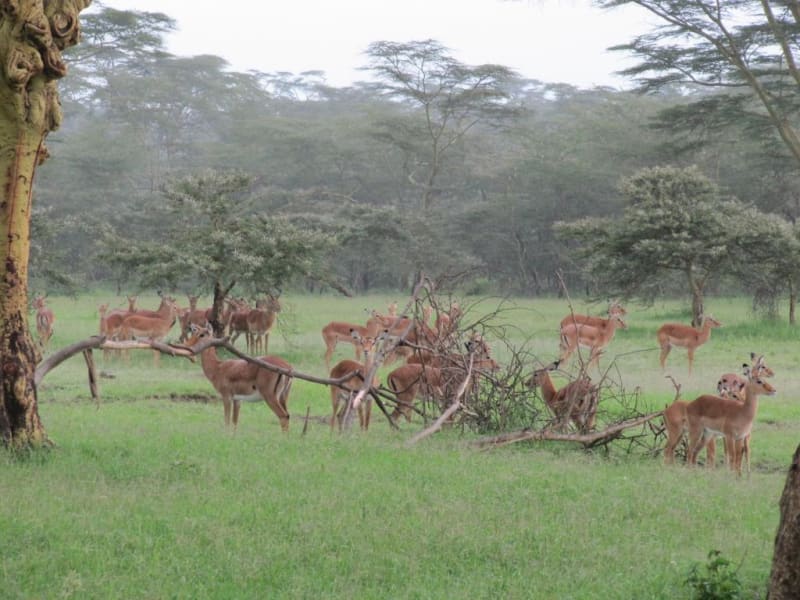
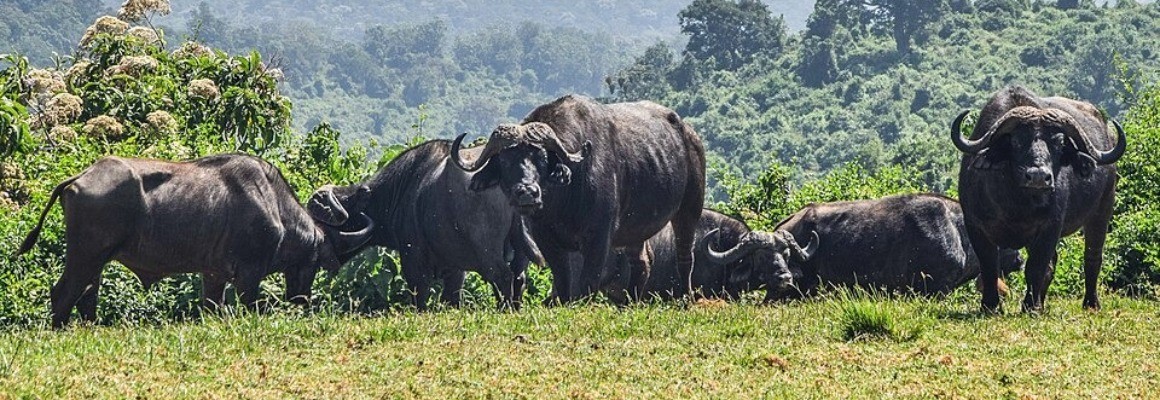
Lake Nakuru National Park is known for opportunities to observe black and white rhinos in a natural setting. Zebras, buffaloes, giraffes, impalas and waterbucks graze across the open plains. Baboons, vervet monkeys and other small mammals inhabit wooded areas and rocky outcrops. Predators include lions and leopards, although sightings depend on luck and the timing of a visit.
Because the park is surrounded by expanding urban and rural settlements, its wildlife communities require particular protection. A perimeter fence helps reduce conflict between wild animals and people, while conservation teams work to maintain populations of rare species and preserve their habitats.
Viewpoints and natural attractions
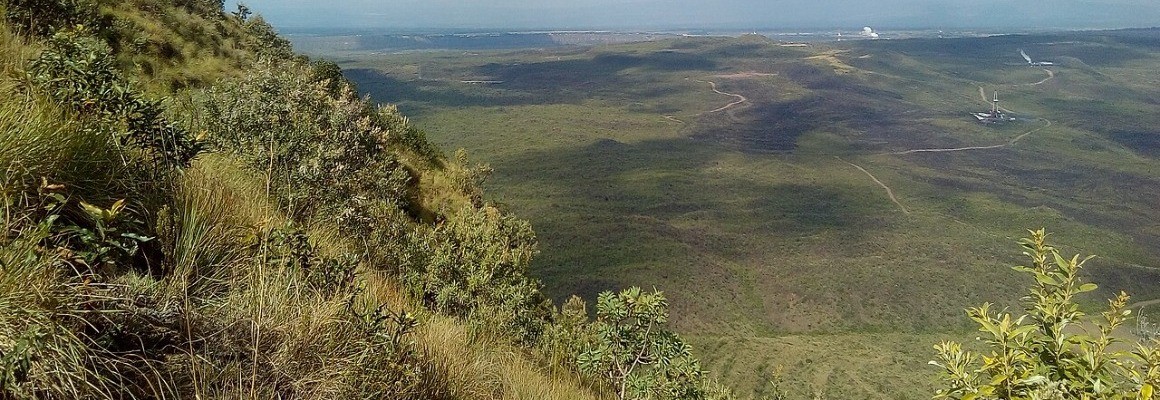
One popular stop is Baboon Cliff, which offers broad views over the lake and surrounding landscape. Panoramas can also be enjoyed from Lion Hill and Out of Africa Hill. These viewpoints are suitable for photography, birdwatching and short breaks during a safari drive.
Another natural attraction is Makalia Falls in the southern part of the park. The flow can change noticeably with the season and amount of rainfall. The waterfall area and designated resting places offer an opportunity to pause during a visit without leaving the national park.
Safaris and visiting the park
One of the best ways to explore the park is by vehicle along permitted routes. During a game drive, visitors travel around the lake, across open plains and through wooded areas in search of rhinos, giraffes, zebras and other wildlife. Binoculars and a camera with a telephoto lens are useful for birdwatching. A safari can also include stops at the viewpoints and Makalia Falls.
The national park lies about 156 km northwest of Nairobi, near the city of Nakuru. Visitors generally travel by road along the A104 highway, with access through several gates, including Main Gate and Lanet Gate. Accommodation and campsites are available in and around the park, but facilities and availability should be checked with the park authorities or an official operator before travelling.
Best time to visit
Wildlife can be observed throughout the year. When planning a trip, consider the rainy seasons, road conditions and changing lake levels. The presence of flamingos and other waterbirds depends on environmental conditions, so it is useful to check current reports before visiting. Morning hours are often convenient for game drives, when animals may be active and the light is favourable for photography.
Visitor rules and conservation
Visitors must follow staff instructions and remain on authorised roads. Leaving a vehicle is permitted only in designated areas. Feeding animals, making excessive noise, littering and approaching wildlife for photographs are prohibited. Single-use plastic is banned, and speed limits apply throughout the park. These measures help protect visitors and preserve the natural environment.
Lake Nakuru National Park combines rich wildlife, striking Great Rift Valley scenery and important conservation programmes. Even if the famous flamingos are far from the shore on the day of a visit, the park still offers excellent opportunities for safaris, birdwatching and discovering one of Kenya's most interesting ecosystems.
Gallery