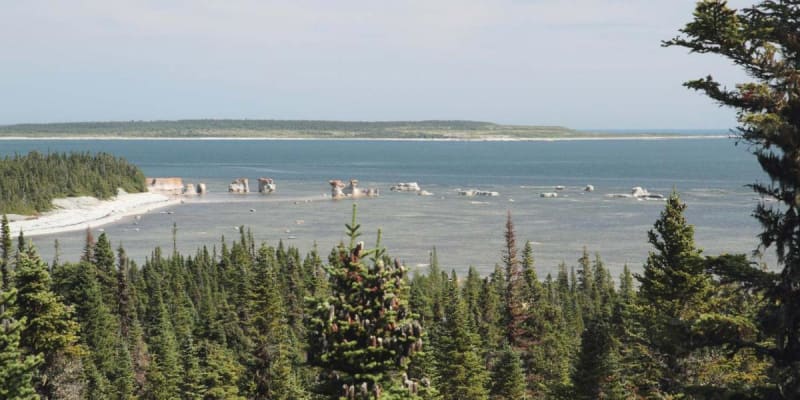
Mingan Archipelago National Park Reserve is located in eastern Canada, in the province of Quebec, along the northern shore of the Gulf of St. Lawrence. It consists of a chain of islands and small islets scattered along the coast of the Minganie region. The protected area is known for unusual rock formations, seabirds, diverse vegetation, and scenic coastal landscapes.
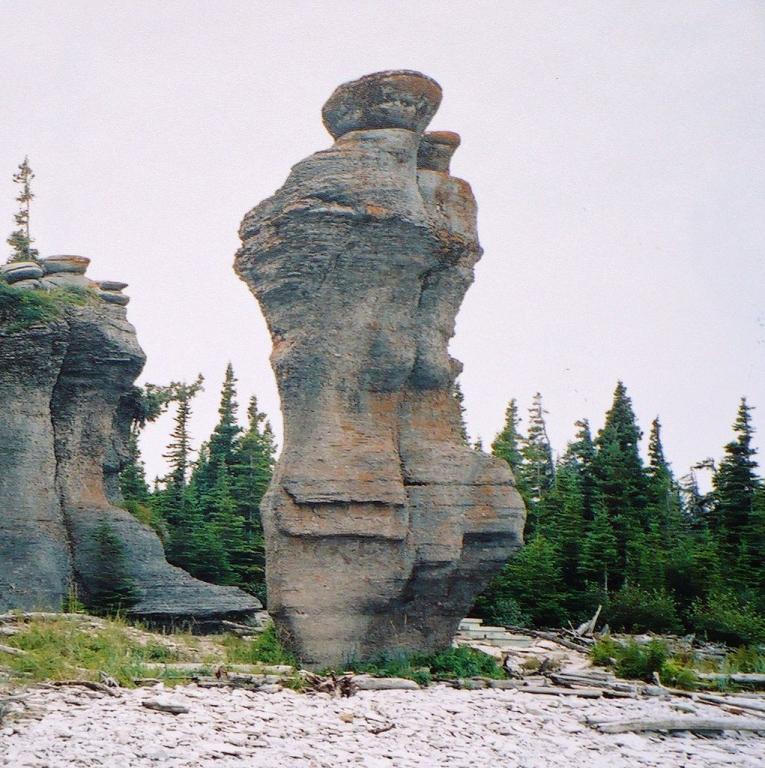
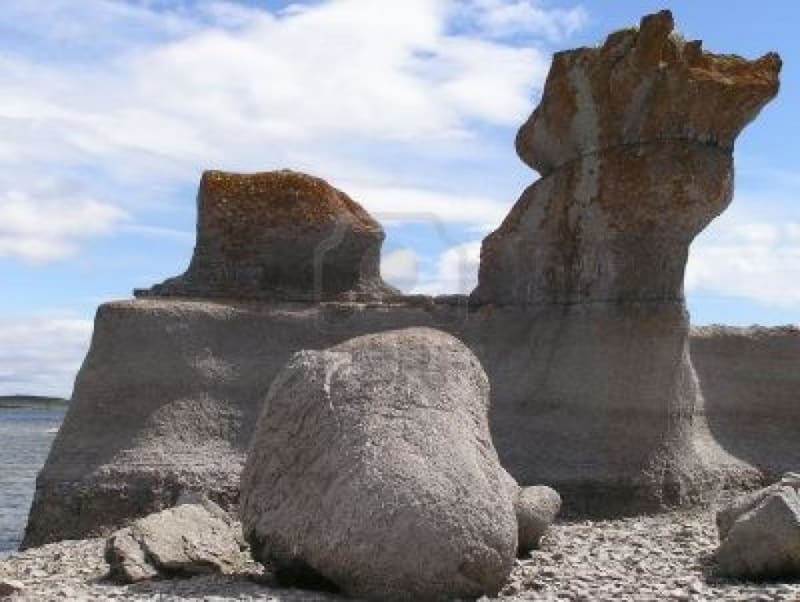
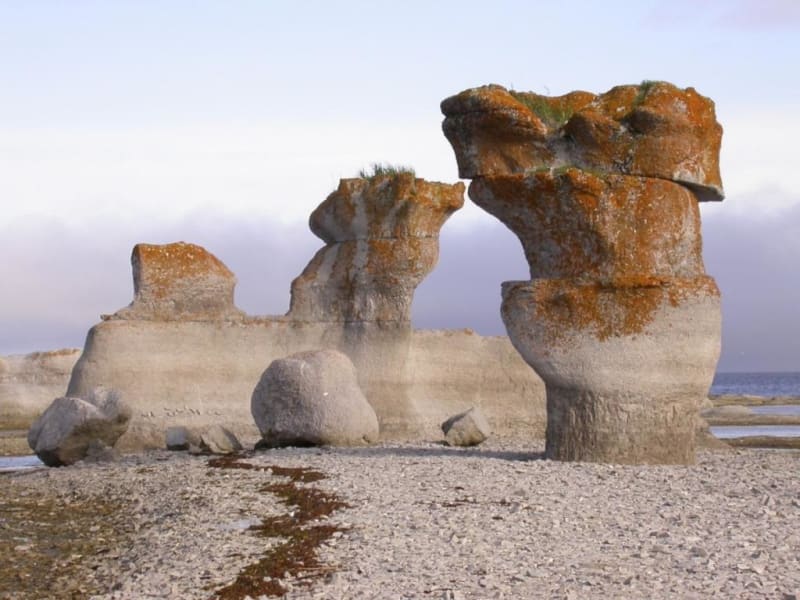
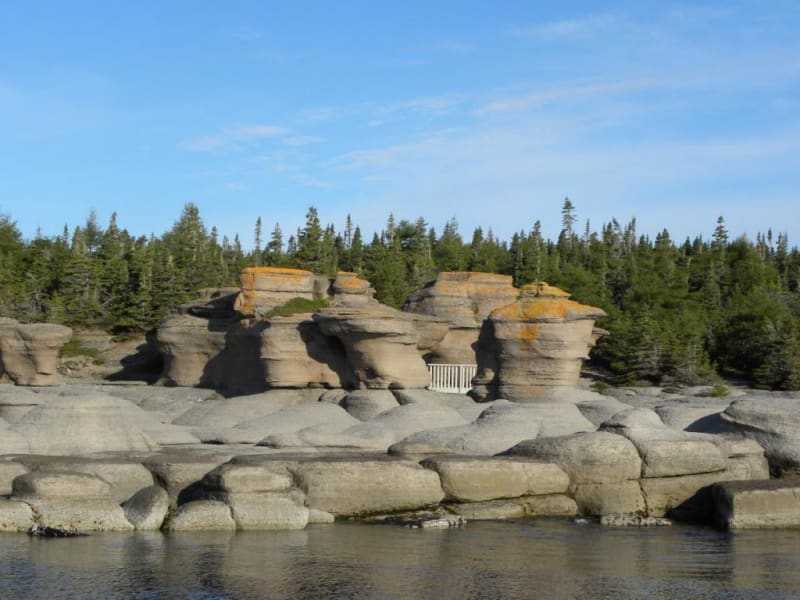
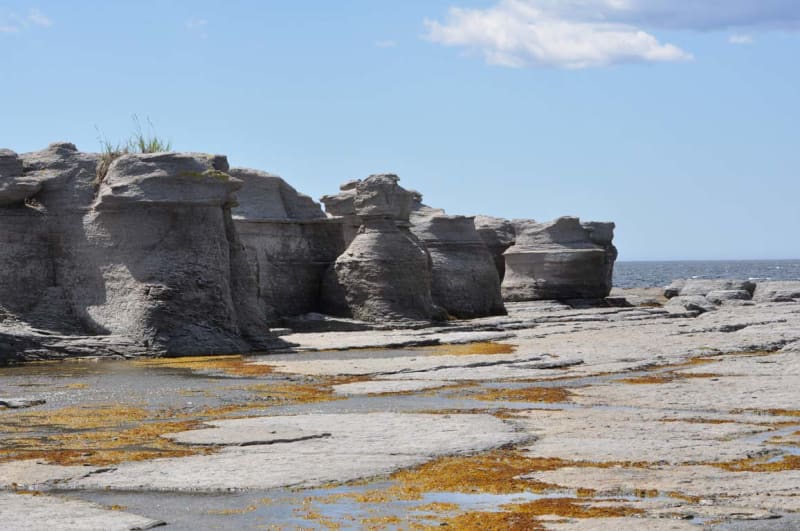
The archipelago contains dozens of larger islands and more than a thousand smaller islands, islets, and rocks. Its landscapes include limestone cliffs, pebble beaches, tundra-like vegetation, and coniferous forests. One of its most remarkable features is Canada's largest concentration of limestone monoliths, unusual stone pillars sculpted by erosion.
Stone monoliths and unusual cliffs
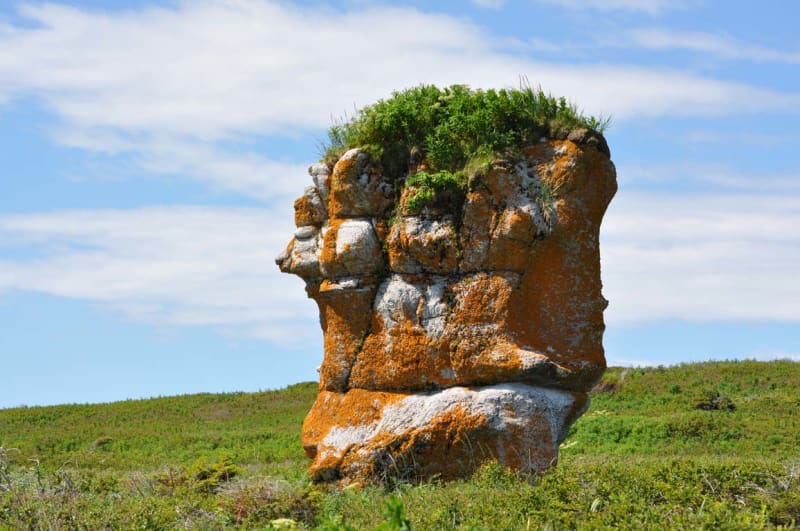
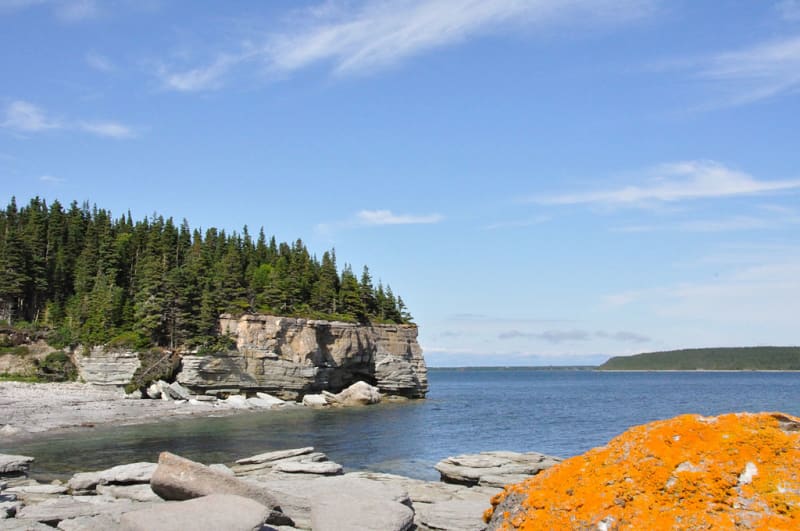
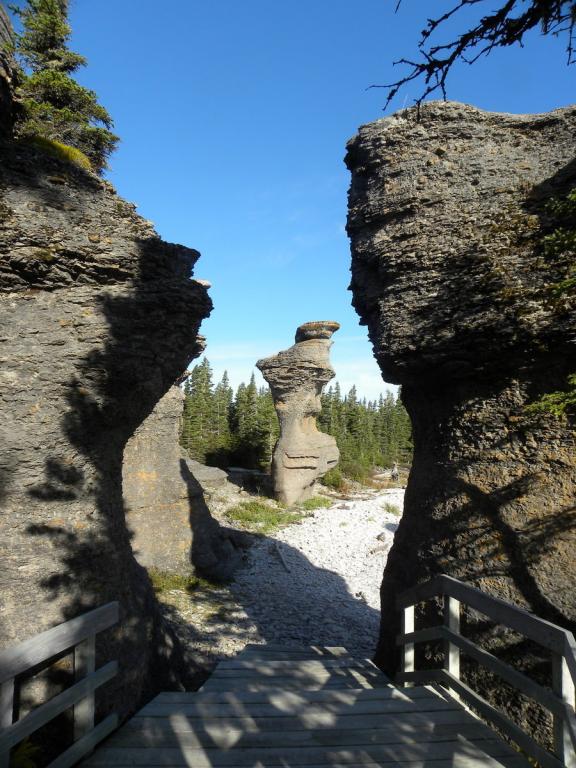
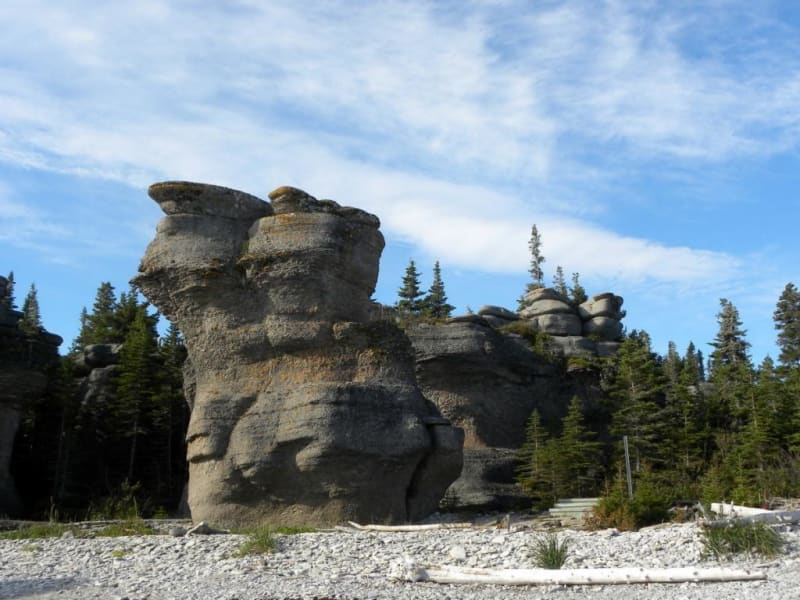
The archipelago's main attraction is its tall stone pillars rising above the shores and shallow waters. Over thousands of years, wind, rain, frost, and sea waves gradually wore away the limestone, creating columns, arches, and rock shapes that resemble people or animals.
Particularly striking formations can be found on Niapiskau, Quarry, and other islands in the western and central parts of the archipelago. Their outlines are visible during boat excursions and walks along designated trails. Changing light and sea conditions continually transform the scenery, making these islands popular with photographers and geology enthusiasts.
Islands and coastal landscapes
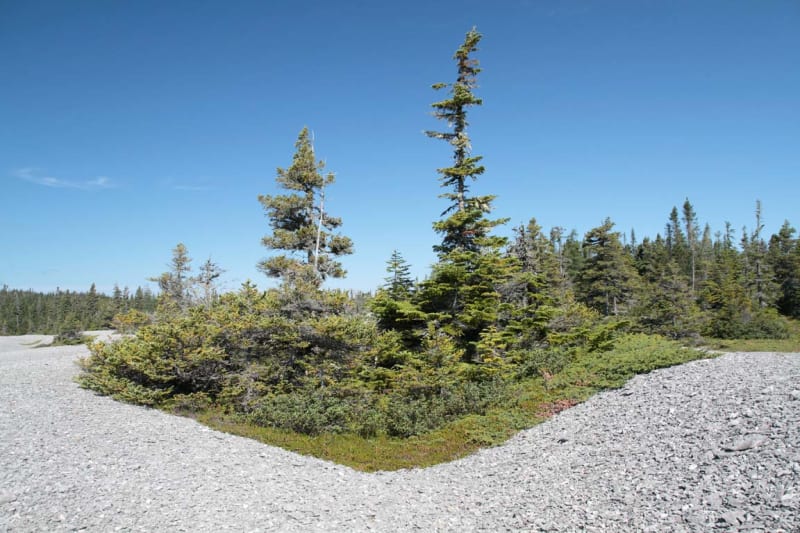
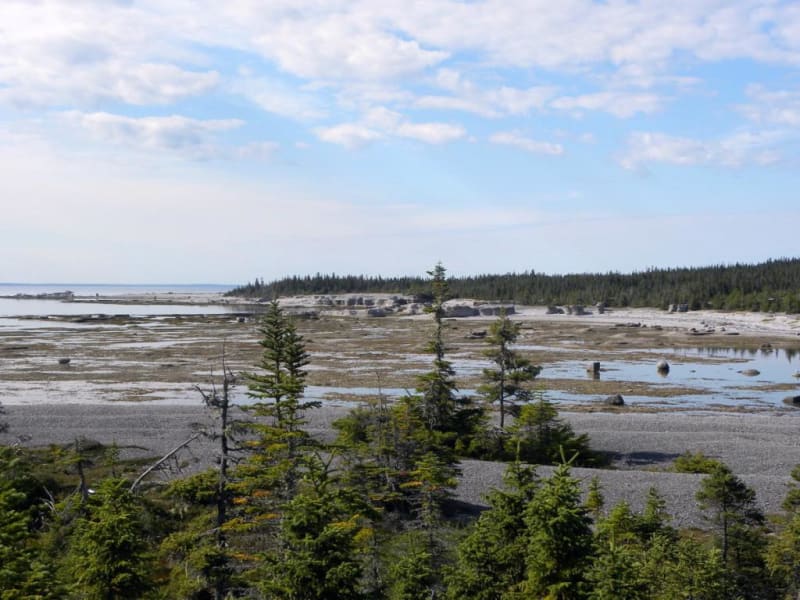
The Mingan Archipelago stretches along the northern shore of the Gulf of St. Lawrence. Its islands feature a variety of natural environments: some are covered with forests and shrubs, while others consist of exposed rocky ground with low-growing plants. The coastline includes pebble beaches, small coves, marine terraces, and cliffs shaped by ancient geological processes.
The western and central sectors are especially known for their limestone monoliths. The eastern sector contains numerous smaller islands and rocks, many formed from granite. This variety of geological features makes the archipelago an interesting place to learn about the region's history and the influence of the sea on the land.
Seabirds and wildlife
The archipelago is an important breeding and feeding area for seabirds. Atlantic puffins, common eiders, terns, and many other species can be found here. During the breeding season, thousands of seabird pairs gather on the islands. Puffin colonies are particularly well known, and the birds are easy to recognize by their brightly coloured bills.
Several seal species inhabit the coastal waters, including grey, harbour, and harp seals. Whales and other marine mammals also visit the Gulf of St. Lawrence. Minke whales and harbour porpoises can be seen near the islands, while humpback, fin, and blue whales are sometimes observed farther offshore.
On land, the islands are home to foxes, snowshoe hares, squirrels, otters, and other small mammals. The region also supports a wide variety of birds, including species that use the islands during seasonal migrations. This wildlife diversity reflects the close connection between terrestrial, coastal, and marine ecosystems.
Vegetation and natural diversity
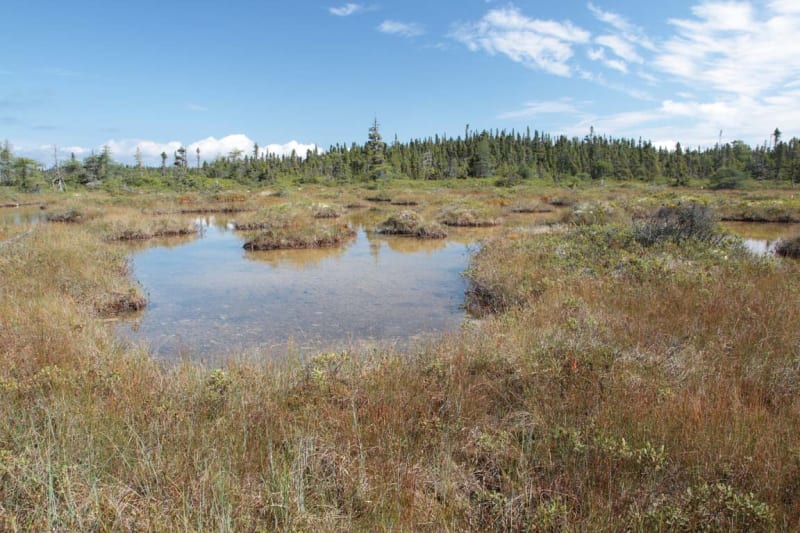
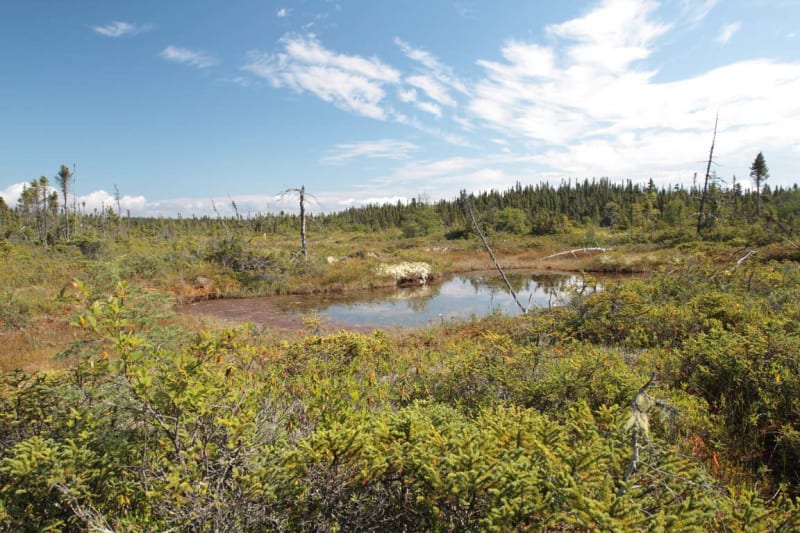
Despite its northern location and harsh climate, the archipelago has remarkably diverse plant life. Coniferous forests, wet areas, mosses, lichens, and plants adapted to wind, salt spray, and poor soils can all be found here. Exposed cliffs and coastal elevations support vegetation that resembles tundra.
The combination of different habitats within a relatively small area creates conditions for many plant species. Some are especially vulnerable to trampling and other human impacts, so visitors should stay on marked trails and avoid collecting plants.
Boat excursions and walking trails
Visits to the archipelago usually begin in coastal communities such as Havre-Saint-Pierre and Longue-Pointe-de-Mingan. Most islands can only be reached by water, using organized boat tours or private transport operators. During excursions, visitors explore the stone monoliths, watch birds, and learn about the islands' natural features.
Some islands have walking trails and designated places to rest. Popular excursions visit Quarry and Niapiskau islands, as well as Île aux Perroquets, known for seabirds and its historic lighthouse station. Access depends on the season, sea conditions, and current conservation restrictions.
Best time to visit the archipelago
The main visitor season generally runs from June to September. Many boat excursions operate during this period, and visitors can observe nesting birds and explore the coastal landscapes. Summer weather is relatively mild, although strong winds, fog, and sudden changes in conditions can occur on the water.
Before travelling, check boat schedules, access to individual islands, and restrictions around bird nesting sites. Some areas close during the breeding season to prevent disturbance. Warm clothing is advisable for boat trips, and visitors should follow the safety instructions provided by tour operators.
How to reach the national park
The main departure points for visiting the archipelago are Havre-Saint-Pierre and Longue-Pointe-de-Mingan in Quebec. The region can be reached via Highway 138, which follows the northern shore of the Gulf of St. Lawrence. Regional flights to Havre-Saint-Pierre or Sept-Îles are also available, followed by a journey overland where necessary.
Once in a coastal community, visitors must use marine transport to reach the islands. Mingan Archipelago National Park Reserve is an excellent destination for travellers interested in geology, marine wildlife, and birdwatching. Its unusual limestone monoliths, numerous islands, and rich ecosystems make this part of Canada one of the most distinctive natural destinations on the Gulf of St. Lawrence.
Gallery