

Jimmy Smith
Author
Lvl 6. 🗺️ Guide
29/40
29Posts
3Likes
3Followers
0Following
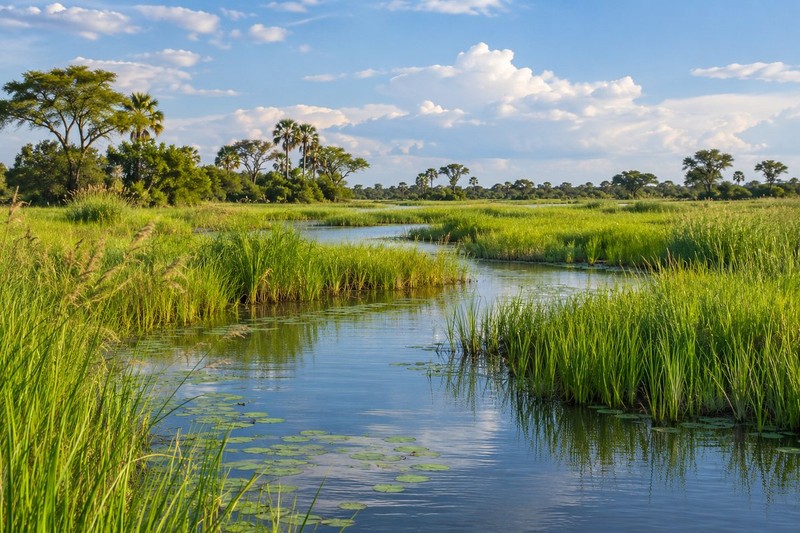
The Okavango Delta: why water arrives in the dry season
In Botswana, the Okavango Delta creates a mosaic of channels, islands and seasonally flooded grasslands. This is an internal delta: its waters do not flow into the sea, but are distributed throughout the Kalahari basin. Permanent and seasonal waters Some areas remain wet all the time, others flood at certain times of the year. The influx of water is associated with rainfall upstream; The spill wave passes through the system gradually and affects conditions during the dry season. Landscape and life Reeds, open water, islands and meadows provide different conditions for plants and animals. Water levels and viewing opportunities vary by season and year, so specific animal encounters cannot be guaranteed. How to plan a trip Before booking, check the seasonal conditions and availability of the selected area. Use responsible local guides, maintain a distance from animals and follow the rules of the protected area. Do not get off the vehicle or boat without instructions from the guide.
0
0
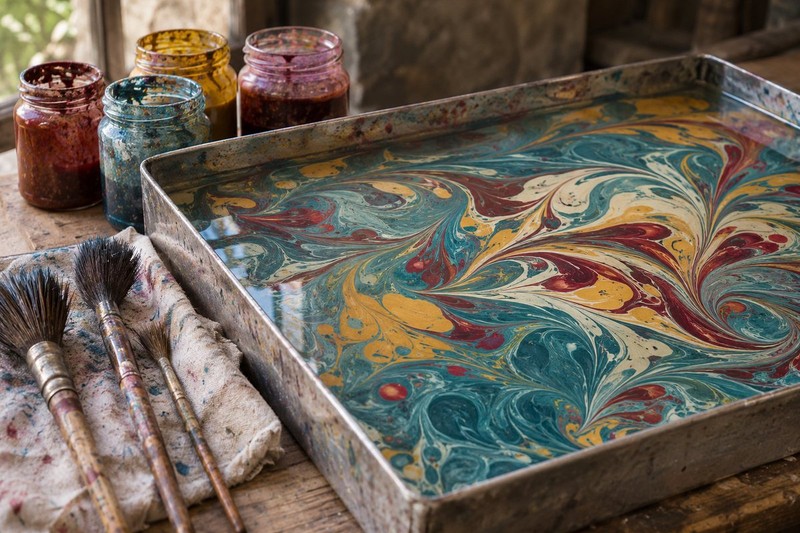
Ebru: how patterns move from water to paper
In the ebru technique, paints first form a pattern on the surface of the prepared liquid, and then the image is transferred to paper. The result depends on the materials, the movement of the tool and the experience of the master. Tradition and materials UNESCO classifies ebru as an intangible cultural heritage of Turkey. In traditional practice, craftsmen work with pigments and prepared liquid, creating a variety of patterns. From pattern to print Colors are applied to the surface and the pattern is carefully modified using special tools. Then a sheet of paper comes into contact with the surface and takes on the pattern. Each print turns out differently, even if you use similar colors. Getting to know the craft The master class will help you see the individual stages and try the material under the guidance of a teacher. Specify in advance the language of the lesson, the cost and drying time of the work. A visit to a workshop also provides an opportunity to ask how skills are passed on from master to apprentice.
0
0
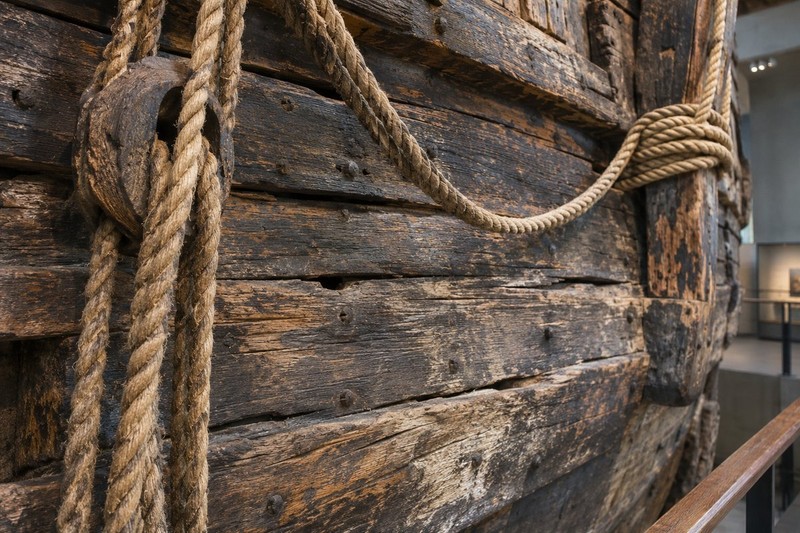
The ship "Vasa": why raising it was only the beginning
At the Vasa Museum in Stockholm, the ship's history continues far beyond its maiden voyage. The rise from the bottom was the beginning of a long work to preserve the wooden hull. Ship and sea Vasa sank in Stockholm harbor in 1628. The cold, dark, low-oxygen water helped preserve the wood. In 1961, the ship was raised to the surface. Why a tree should be preserved After being lifted, the wood found itself in a completely different environment. Preservation and control of conditions are helping to slow deterioration, and researchers continue to study the condition of the hull and its supports. How to view exposure Pay attention to the design of the ship and explanations about the work of specialists, and not just to the decorations. Before visiting, please check the current schedule, prices and availability of individual rooms: museum works may change viewing conditions.
0
0
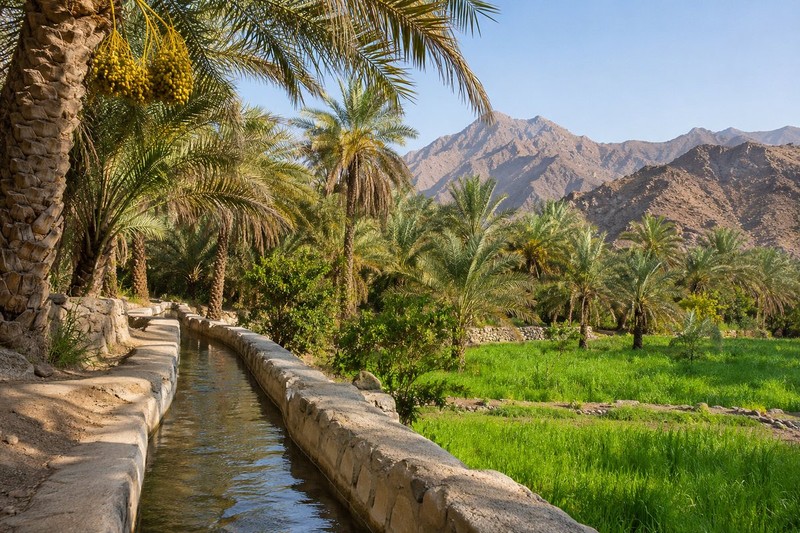
Falaj in Oman: how water finds its way to an oasis
In the dry areas of Oman, a narrow water channel can reveal more about the life of a settlement than meets the eye. Such canals are part of the falaj systems that have helped transport water to fields and homes for centuries. Water under gravity Aflaj systems direct water from underground sources or springs over significant distances. Their design depends on the terrain: part of the canal can run underground, part of it can come to the surface near a settlement and fields. General operation and distribution Many people need water, so its distribution is related to local rules and shared care of the system. Five aflaj systems are included in the UNESCO World Heritage Site. Some channels continue to operate today. How to monitor the system Choose places open to the public and look at the connection of the canal with palm groves and fields. Don't go into the water, don't pollute it, and don't block the flow: this is functioning infrastructure. Check local regulations and route availability before traveling.
0
0

Galapagos: how to observe animals and not disturb them
On the Galapagos Islands, animals are found on the shore, in dry thickets and in the sea. In order for such a meeting to remain safe for the inhabitants of the islands, it is important to know the rules of a particular place in advance and maintain distance. Why islands are special The archipelago's isolation and natural processes have contributed to the emergence of unusual animals, including giant tortoises and marine iguanas. The islands and surrounding marine environment are protected; UNESCO also notes the threat of alien species. What you can notice See how animals use their environment: iguanas rest on volcanic rocks and turtles move on land. The species that can be seen vary by island, route and season. Wildlife encounters cannot be guaranteed. Rules for a careful trip Before your trip, check the current national park regulations, permitted routes and escort requirements. Do not feed or touch animals, do not leave the trails and maintain the indicated distances. Clean shoes and items according to local instructions to avoid transferring seeds and other organisms.
0
0
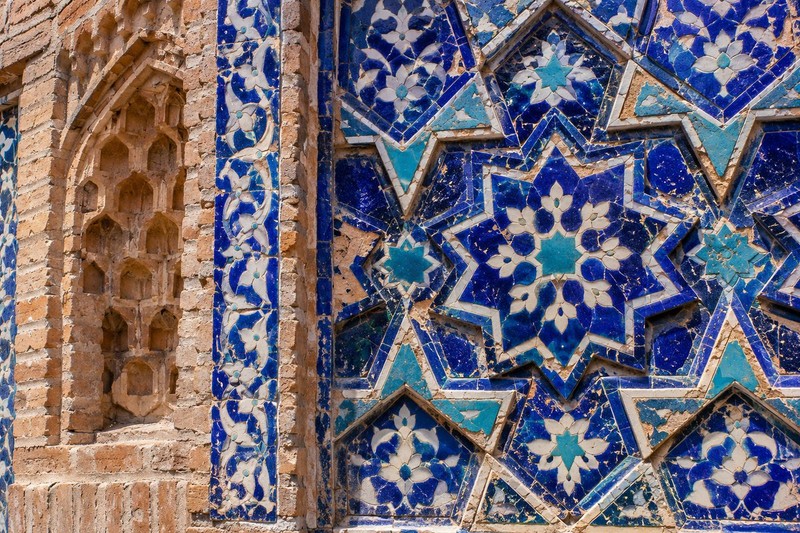
Registan in Samarkand: a closer look at the square
Registan is often recognized by its blue facades and large arched entrances. But the square is more interesting if you look at it not as one postcard, but as an ensemble of buildings created at different times. Square and its surroundings Registan is part of historical Samarkand, which UNESCO describes as a crossroads of cultures. There are three madrasahs here: Ulugbek, Sherdor and Tillya-Kari. Their facades face the square, but despite the overall composition, each building has its own character. What to pay attention to Compare the proportions of arches and towers, the rhythm of decorative niches and repeating geometric patterns. Then look at the courtyards: the transition from an open area to a more intimate space helps to understand the structure of the madrasah. How to plan your visit Leave time for both the general appearance and the details. Individual building hours and entry conditions may vary, so please check before traveling. On a hot day, water and a hat will come in handy; Treat decorative surfaces with care.
0
0
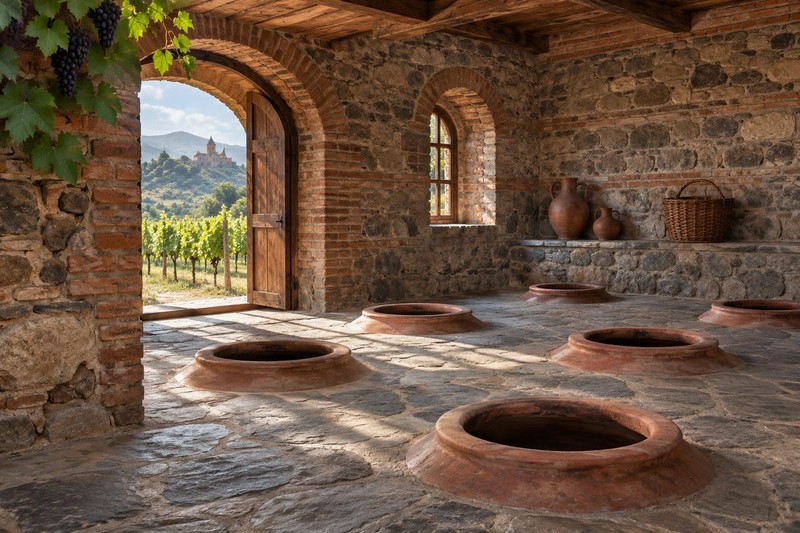
Qvevri: why wine vessels are buried in Georgia
Qvevri is a large clay vessel that in Georgia is used for making, aging and storing wine. It is often placed in the ground so that the neck remains visible from above. Behind this form is a living tradition of craftsmanship, viticulture and family transmission of knowledge. From clay to vessel Making qvevri requires working with clay and firing. In the winemaking process, a vessel is filled with grape juice and other parts of the grape; specific techniques may vary. UNESCO has included the traditional Georgian method of making wine in qvevri on its list of intangible heritage. Cellar as part of culture Knowledge of vines, vessel making and working with wine is passed down within families and communities. Therefore, a visit to the cellar is interesting not only for the tasting: you can ask who made the vessel, how it is cleaned and how the local approach differs from others. How to choose an introduction to tradition Look for a small farm or cellar where they are willing to talk about the process, and clarify the conditions of the visit in advance. Tasting is an optional part of the acquaintance: you can learn about the craft without alcohol. Respect the private space and rules of the owners.
0
0
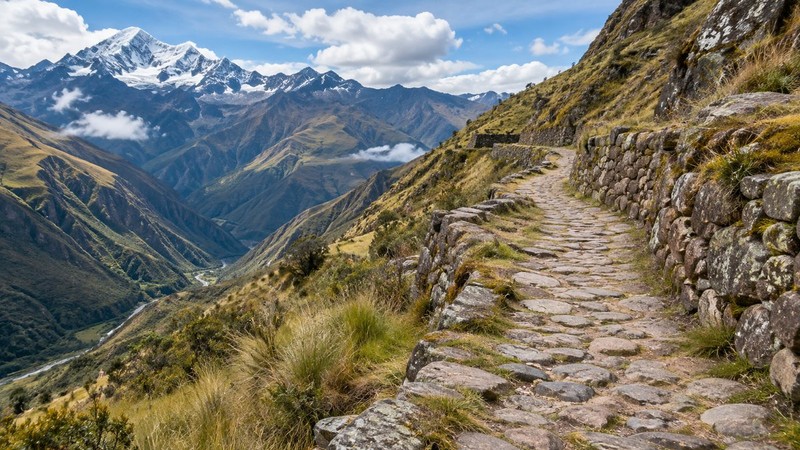
Qhapaq Ñan: the roads that connected the Andes
The Andean road network of Qhapaq Ñan connected mountains, valleys, coasts and other inaccessible areas. This is not one trail, but a system of roads and associated structures created and expanded during different periods of the region's history. Network instead of one road The system connected the vast lands of the Incas and was used for communication, trade and administration. According to UNESCO, it covers over 30 thousand kilometers. It is based on four main directions emanating from the Cusco region. Road and terrain At different sites, builders had to take into account heights, slopes, rivers and climate. Therefore, the road changes its appearance along with the landscape: in some places the stonework is visible, and in others the path is easier to recognize by its position on the slope. The surviving sites are not necessarily similar to each other. How to choose a site for a walk Explore the specific route available, rather than trying to imagine the entire network as a single excursion. Check permits, transportation and trail conditions; At altitude, consider your own well-being and do not plan to climb too quickly. Do not remove stones or go off designated paths.
0
0
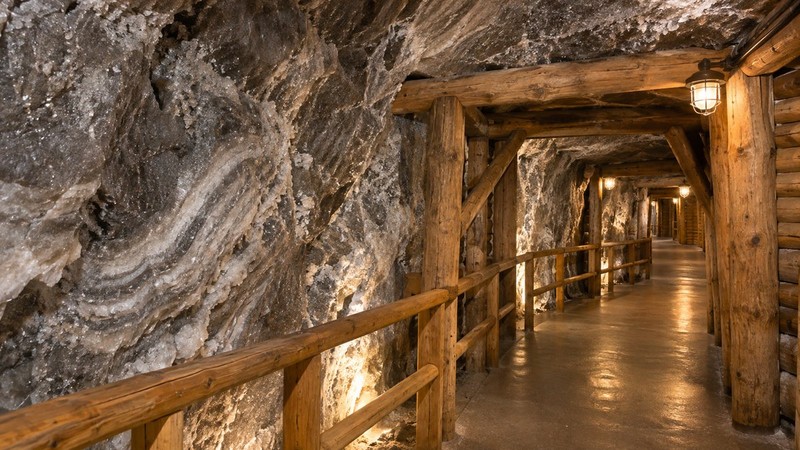
Wieliczka underground: the story of an old salt mine
Under the Polish city of Wieliczka hides an entire underground world: galleries, chambers and traces of the work of generations of miners. People come here not only for the unusual halls, but also for the history of the substance, which was once an important wealth. Salt as part of history The rock salt deposits in Wieliczka and neighboring Bochnia have been mined since the 13th century. The mines, together with the saltworks castle, are included in the UNESCO World Heritage List. Their history shows how mining methods and labor organization changed. What to look for underground In the galleries you can pay attention to wooden fastenings, traces of rock processing and transitions between chambers. Works of art, sculptures and salt chapels are preserved underground. A visit should be seen as an introduction to the industrial heritage, and not just as a stroll through the beautiful halls. How to prepare for your visit Check current routes and visiting conditions before your trip: they may vary in duration and availability. It is cooler underground than on the surface in summer, so comfortable shoes and an extra layer of clothing are useful. Follow the directions of the staff and stay on the permitted route.
0
0
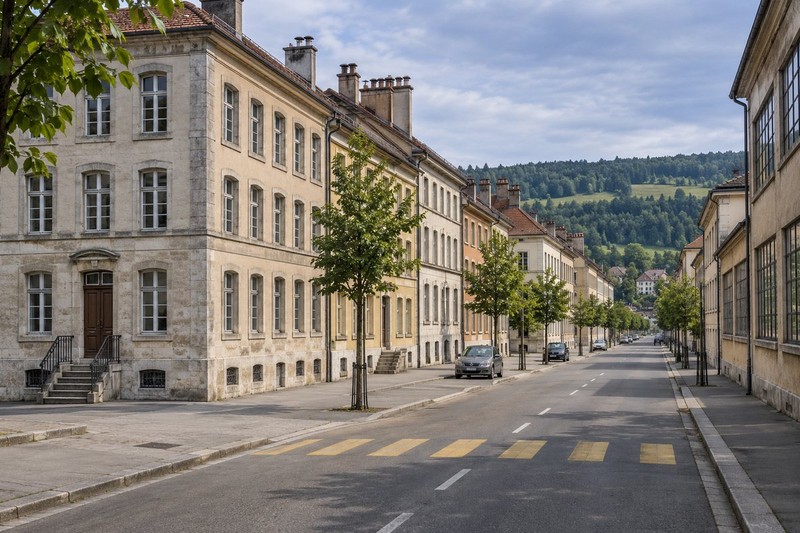
La Chaux-de-Fonds: How Watchmaking Shaped a Town
Street grids, windows and homes beside workshops reveal manufacturing’s influence on the town. Watchmaking history can be read outside display cases. Look for order Find regular blocks and consider movement, workplaces and daylight. An ordinary street preserves traces of organised labour. Notice windows Study size and rhythm, but do not label every old building a watch factory. Use marked sites and museum explanations for specific histories. Connect town and craft Add a specialist museum and check its hours. Le Locle is another town sharing the heritage; visiting both requires a separate transfer plan.
0
0
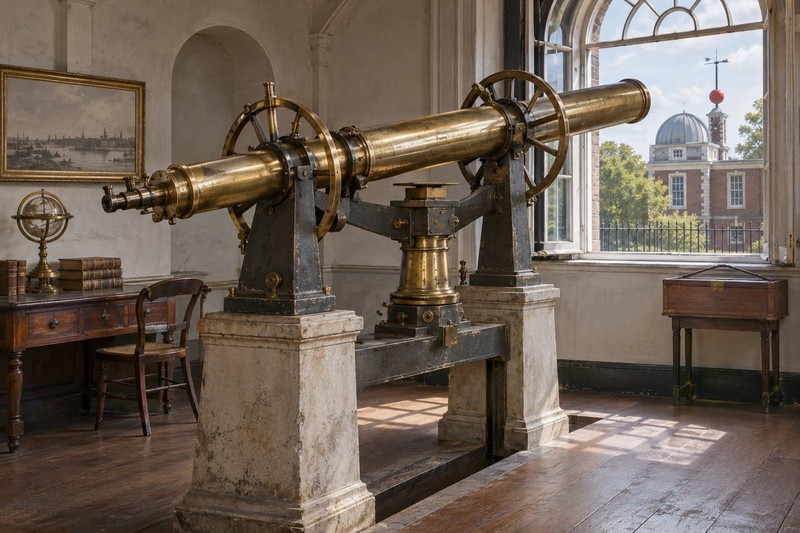
Greenwich: Why Zero Longitude Is an Agreement
No natural line declares itself the start of longitude. Greenwich connects observation, navigation and the adoption of a shared coordinate reference. Understand longitude A meridian joins the poles; longitude describes east or west from a chosen origin. The courtyard line makes that idea visible. Your phone may differ The historic line and modern satellite reference do not coincide exactly. A non-zero GPS reading does not itself mean a broken phone. Check the coordinate system first. Add context Explore instruments and their maritime role. Check access to individual buildings and the courtyard rather than assuming one ticket covers the park and everything inside.
0
0
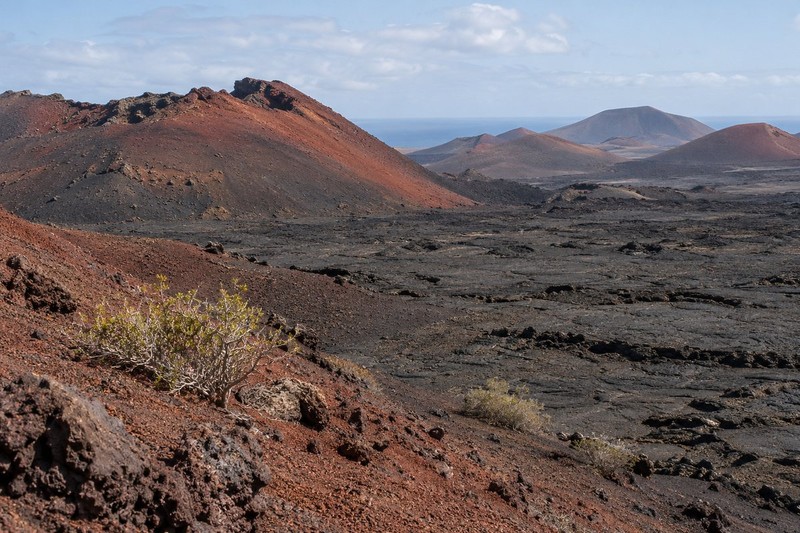
Timanfaya: Seeing Lanzarote’s Volcanic Landscape
Black lava, rusty slopes and pale sky shape Timanfaya. This protected landscape records past eruptions. Plan an authorised visit rather than a free walk onto any appealing slope. Choose your route The popular Ruta de los Volcanes uses an organised bus visit. Other permitted guided or walking options have separate conditions. Check the programme, entry arrangements and booking; one ticket does not unlock every route. Read the surface Compare loose volcanic material with solidified lava forms. Red colouring does not mean molten rock. Expect an established landscape rather than an eruption. Leave stones behind Stay in authorised areas and do not collect lava souvenirs. Bring water and sun protection. Confirm current arrangements, particularly when combining several island attractions.
0
0
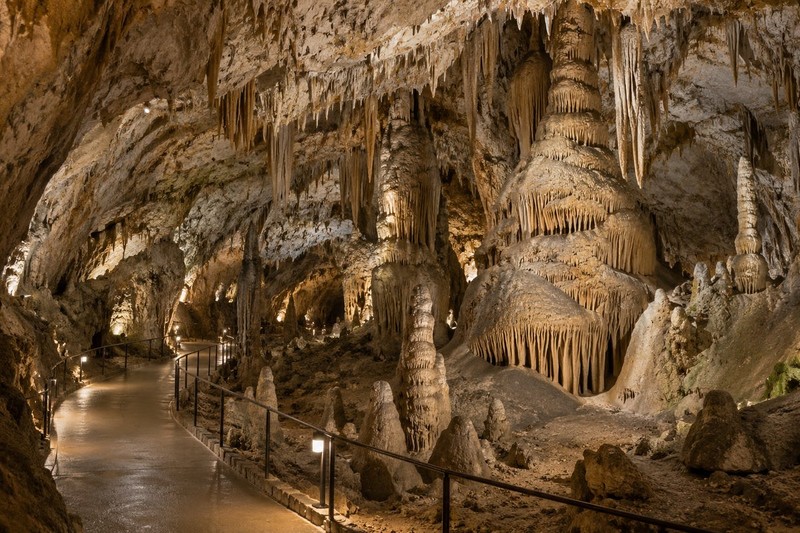
Postojna: What to Expect in the Cave with a Train
The train is only part of a Postojna Cave visit. A standard tour combines the ride with walking among limestone formations. It is neither just a ride nor an independent underground hike. Check the format Choose a time and available tour language, and confirm ticket inclusions. Discuss steps and walking with the operator if accessibility matters: the train does not make the whole tour seated. Expect cool air Inside it is around 10°C. Bring a warm layer and stable shoes. Stay inside the carriage, follow staff instructions and use designated walking paths. Look without touching Minerals deposited by water form these shapes over long periods. Do not touch formations or take fragments. Follow current photography rules and stay with your group.
0
0
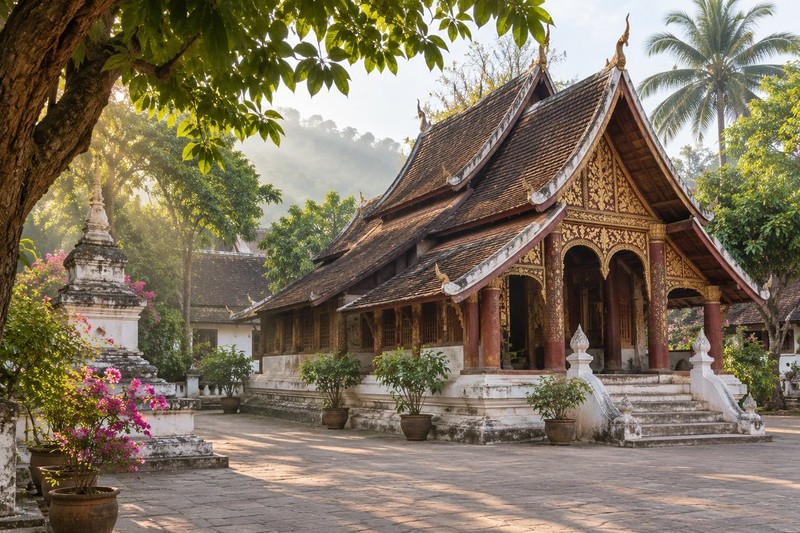
Luang Prabang: Watching Morning Almsgiving Respectfully
Morning almsgiving in Luang Prabang is a living Buddhist practice. Monks carry bowls while devotees offer food. Understand the occasion before looking for the closest camera position. Watching is enough Participation is optional. Stand aside, speak quietly and keep the route clear. Cover shoulders and knees. Avoid approaching monks for portraits or interrupting participants with questions. Ask before participating If you genuinely wish to offer alms, ask a local host or temple about the procedure beforehand. Do not improvise with food or gestures simply because a tourist kit is on sale. Participants are people, not scenery. Let the camera wait Switch off flash and seek permission for close photographs. Put the camera away if it disrupts proceedings. Confirm local timing and location; respectful behaviour matters more than a guaranteed dawn photograph.
0
0
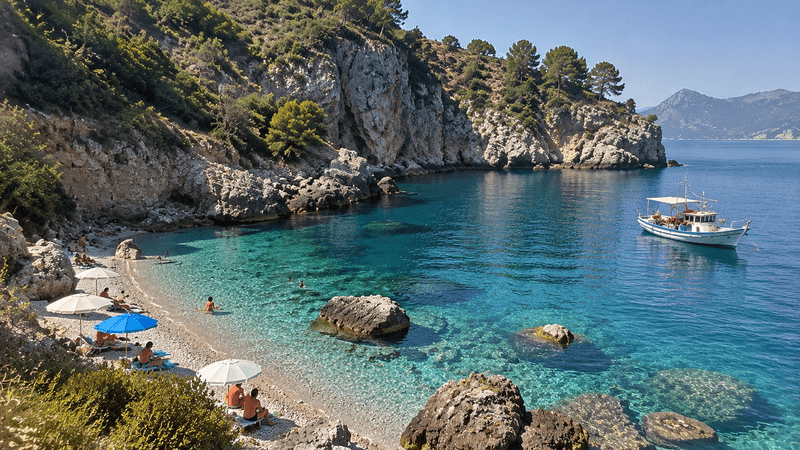
Cyprus: One Island, Three Moods
Cyprus is small, yet it is easy to find beach time, mountains and old villages here. Here are the island's three moods. Beaches and Bays The coast has many sandy and rocky beaches, and the water is usually warm in summer. In some places you may see sea turtles, but it is better not to approach them. The Troodos Mountains The Troodos Mountains are cooler than the coast, with pines and small villages around. It is good for walking trails and trying local dishes. Old Villages and Churches Old villages keep stone houses, narrow lanes and Byzantine churches. They are calm places where it is pleasant to stop for coffee and chat with locals. Trip Tips It is better to rent a car to reach the mountains and villages Remember that traffic drives on the left in Cyprus Bring sunscreen and a hat, as summer is very hot Dress modestly when visiting churches and monasteries Important: entry rules, conditions for visiting churches and road conditions change. Check current information on official websites before your trip. Bottom Line Cyprus suits both beach holidays and quiet walks. Pick your mood and do not rush.
0
0
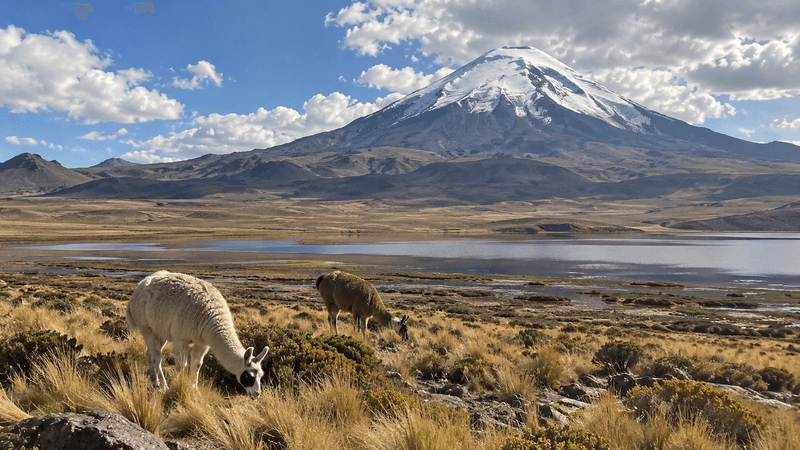
Ecuador: At the Height of Volcanoes and the Equator
Ecuador lies on the equator, but high in the mountains the climate is cool. Here are three places that show the country's contrast. Quito: A City in the Andes Quito sits very high above sea level, and its old centre is a UNESCO World Heritage Site. In the first days it is better to move slowly so the body can adapt to the altitude. Cotopaxi Volcano Cotopaxi is considered one of the country's best-known volcanoes. Its snowy cone is visible from afar, and around it you can walk across high plains where a cold wind often blows. The Equator Monument Not far from Quito stands a monument marking the equator line. Many come to photograph themselves with one foot in each hemisphere. Trip Tips Give your body time to adapt to the altitude and drink water Dress in layers: it is warm by day but cold in the evening and in the mountains Use sunscreen, as the sun is very strong at altitude If you feel unwell at altitude, see a doctor Important: volcano visiting conditions, entry rules and health requirements change. Check current information on official websites before your trip and consult a doctor about altitude. Bottom Line Ecuador is interesting for the contrast of equator and highlands. Look after your health, and the country shows its best.
0
0
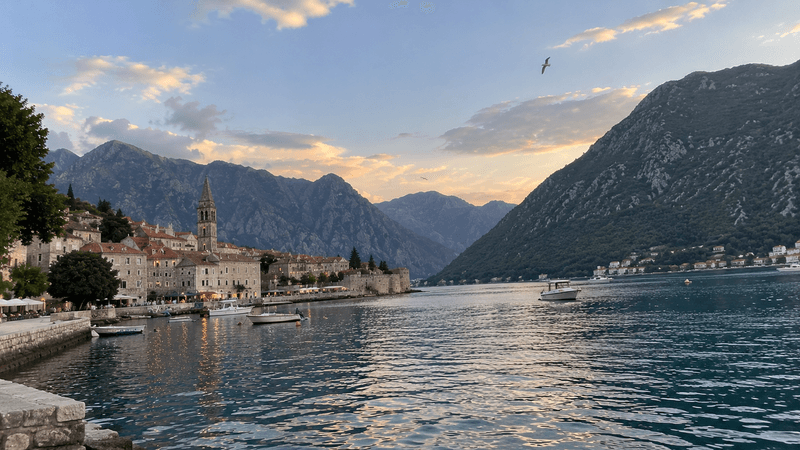
Montenegro: The Bay of Kotor in One Day
The Bay of Kotor is considered one of the most beautiful places on the Adriatic. Here are three stops that are easy to combine into one day. Kotor Old Town Kotor is surrounded by fortress walls and is a UNESCO World Heritage Site. Inside are narrow lanes, small squares and plenty of cats that feel like the owners of the place. The Serpentine Road to the Viewpoint A winding road climbs the mountain above the bay, and from the height you can see the bends of the gulf. It is better to drive carefully and stop only in safe places. Our Lady of the Rocks Island On a small island in the bay stands a church reached by boat. The place is linked to a local legend, and around it you can see gulls and quiet water. Trip Tips Wear comfortable shoes, as Kotor has a lot of stone and steps For climbing the walls and viewpoints, choose morning or evening, when the heat is weaker If you drive, remember the narrow roads and parking Bring water and a hat, as the sun is bright here Important: opening hours, ticket prices and entry rules change. Check current information on official websites before your trip. Bottom Line The Bay of Kotor is remembered for its views. Leave time for unhurried stops, and the day will be full.
0
0
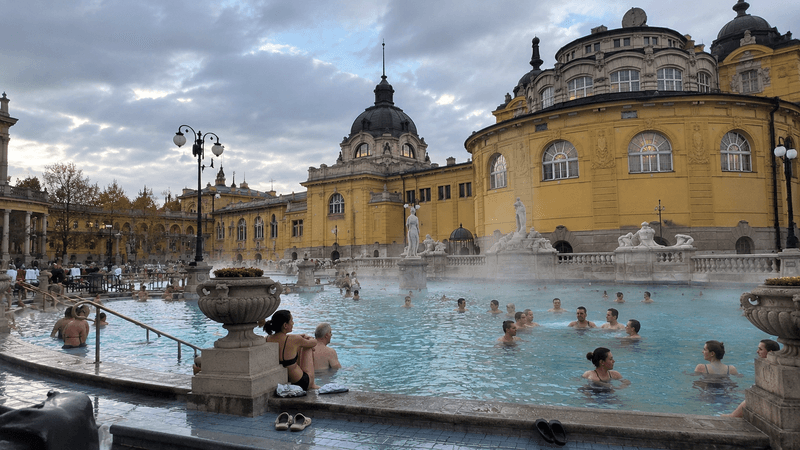
Hungary: How a Visit to Budapest's Thermal Baths Works
Budapest is called the city of baths, and thermal baths are part of local life here. If it is your first time, it helps to know how things work. Big Open-Air Baths Many famous complexes have open-air pools with warm water. It is especially pleasant to sit in them on a cool day, when steam rises over the water. Steam Rooms and Saunas Inside there are usually several halls with different temperatures, from warm to very hot. It is better to start with the mild ones and not stay long in the hottest. Relaxing and Local Games Next to the pools, locals often sit and play chess right in the water. It is a slow atmosphere where nobody is in a hurry. Tips for a First Visit Bring a swimsuit, towel and slippers, as some places make you rent them Drink enough water and take breaks, since hot water tires you quickly Do not go if you feel unwell, and ask a doctor if you have health issues Watch your belongings and use the lockers Important: bath rules, opening hours and prices change. Check current information on official websites before your trip and consult a doctor if you have health issues. Bottom Line Budapest's thermal baths are wonderfully relaxing. Go without hurry, listen to yourself, and the visit will be pleasant.
0
0
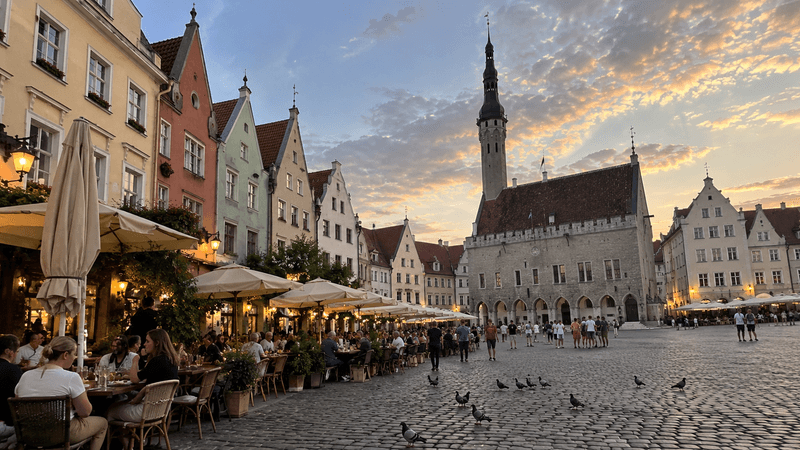
Estonia: One Day in Tallinn
Tallinn is compact, and its highlights fit into one day. Here is a three-stop route that is easy to walk. Town Hall Square Town Hall Square is considered the heart of the old town. Around it are old houses, cafes and souvenir shops, and in warm months it is crowded. Toompea Viewpoints From Toompea hill there are views of the red roofs and spires of the old town. It is best to come when there is no heavy fog, and not to rush the photos. Kadriorg Park Kadriorg is called the green corner of Tallinn. It has ponds with ducks and swans, quiet alleys and a palace that is pleasant to stroll around. Walking Tips Wear comfortable shoes, as the old town has many cobbles and slopes Bring a warm jacket, since the sea wind can be cold Check museum opening hours in advance, as they depend on the season Moving between stops is easy on foot or by tram Important: opening hours, ticket prices and entry rules change. Check current information on official websites before your trip. Bottom Line In one day Tallinn will not show everything, but it lets you feel its character. Walk slowly, and the city will stay with you.
0
0
Sweden: Stockholm in Three Rhythms
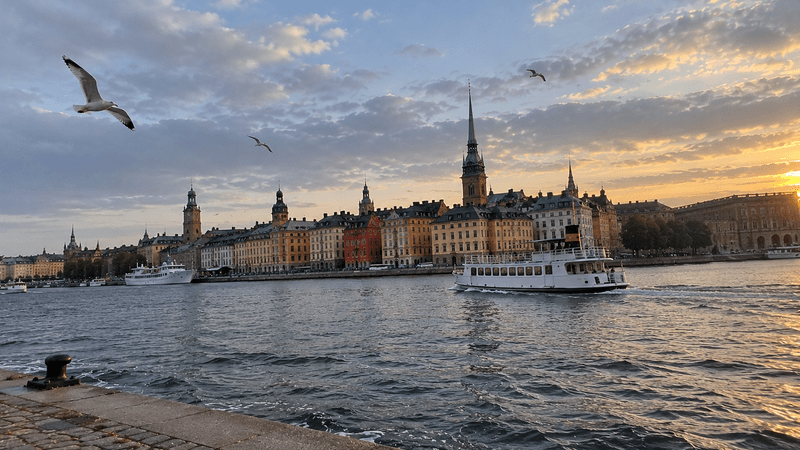
Stockholm is built on islands, and the city has several different moods. Here are three rhythms that help you grasp its character. Gamla Stan: The Old Town Gamla Stan keeps narrow lanes, cobbled streets and colourful houses. It is pleasant to stroll without hurry and peek into small shops. Fika: Coffee, Swedish Style Fika means an unhurried coffee break with a bun, and it is an important part of local culture. Many cafes are small and cosy, so sit down and watch life go by. The Archipelago: Islands Near the City Many islands are scattered around Stockholm and can be reached by ferry. It is a good way to see water, rocks and summer cottages. Trip Tips The centre is easy on foot, and for an island a ferry is the best choice For fika pick small cafes, which are calmer and cosier Dress in layers, as it can be cool on the water and in the shade Check ferry schedules in advance, as they depend on the season Important: transport schedules, entry rules and visiting conditions change. Check current information on official websites before your trip. Bottom Line Stockholm is good for its variety: an old town, coffee and water close by. Do not rush, and it opens up.
0
0
The Great Wall of China: Which Section to Choose
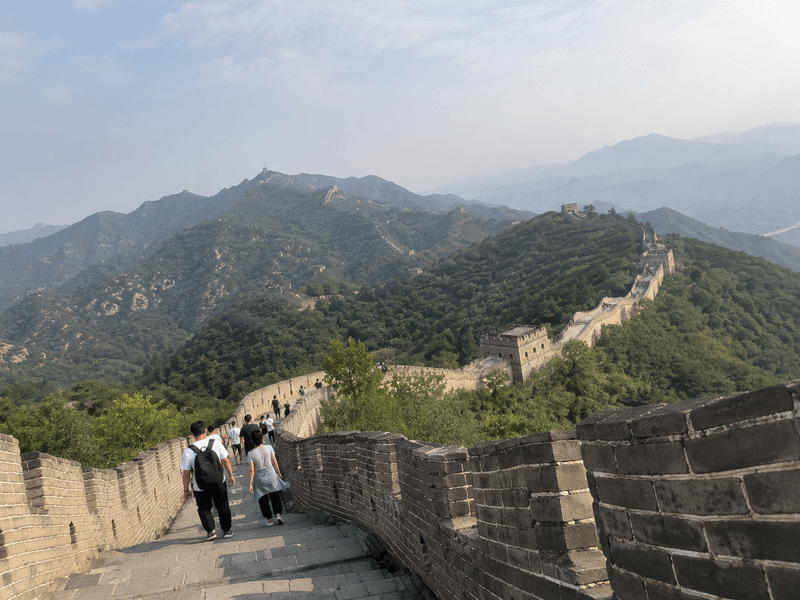
The Great Wall stretches for thousands of kilometers, and the sections near Beijing differ a lot from one another. Here are three popular options to help you choose. Badaling The best-known and most conveniently located section: it is the easiest to reach from Beijing. Because of this it is often crowded, especially on weekends and holidays. Mutianyu A section with a restored wall and beautiful views. You can go up by cable car and, if you like, come down by toboggan. It is usually less crowded than Badaling. Jinshanling A wilder section with partly preserved old towers. It suits those who enjoy walking and want to see the wall less restored. Visiting Tips Arrive as early in the morning as you can, before the big groups Choose comfortable shoes with non-slip soles: steps can be steep and uneven Check the weather and visibility, as haze or rain can make the view worse Check tickets and transport in advance, as crowds are large on popular days Important: opening hours, entry rules, transport and prices change. Check current information on the official websites of the sections before your trip. Bottom Line Which section you choose depends on what you want: convenience, beautiful views or quiet. Pick the right option and arrive early.
0
0
How to Save Money in Switzerland: 4 Ideas That Usually Work
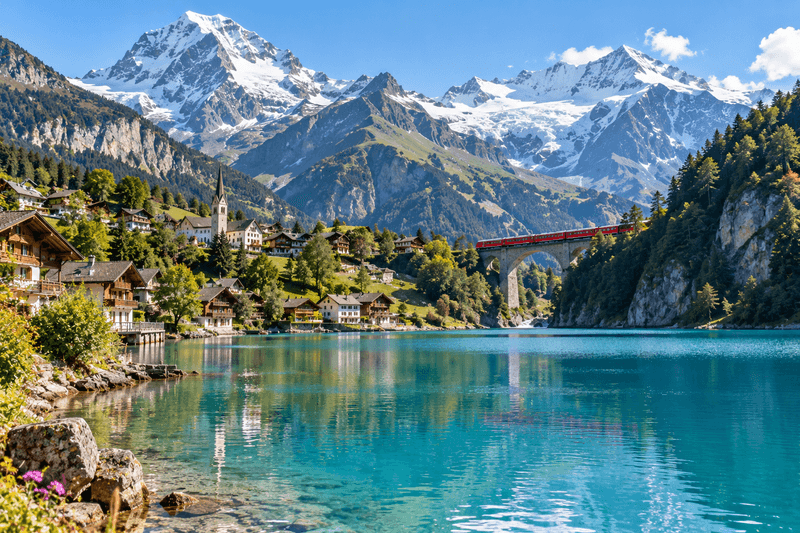
Switzerland is considered one of the most expensive countries in Europe, but a trip can be made noticeably more affordable. Here are ideas that usually help. Instead of a Cafe - a Picnic Groceries in supermarkets are usually much cheaper than lunch in a cafe. Bread, cheese and fruit by a lake make a great meal, and the view is free. Instead of an Expensive Lift - a Simple Trail Rides up famous peaks are not cheap. Many trails along lakes and in valleys are free and offer beautiful views, and some climbs can be done on foot. Instead of Single Tickets - a Pass If you travel a lot by train, check whether a travel pass or a discount card is worth it. It depends on your route, so do the math in advance. Instead of a Hotel in the Center - a Nearby Town Accommodation in small towns near famous places is often cheaper, and trains run on time and conveniently. Important: prices, passes and conditions change. Check current information on the official websites of railways and tourist services before your trip. Small Things That Help Tap and fountain water is usually drinkable, but look for signs Carry a reusable bottle Compare prices at places near the station and on nearby streets Bottom Line Switzerland does not have to ruin you. A little planning and a few simple habits, and beautiful views cost less than they seem to.
0
0
Prague in One Day: An Hour-by-Hour Plan
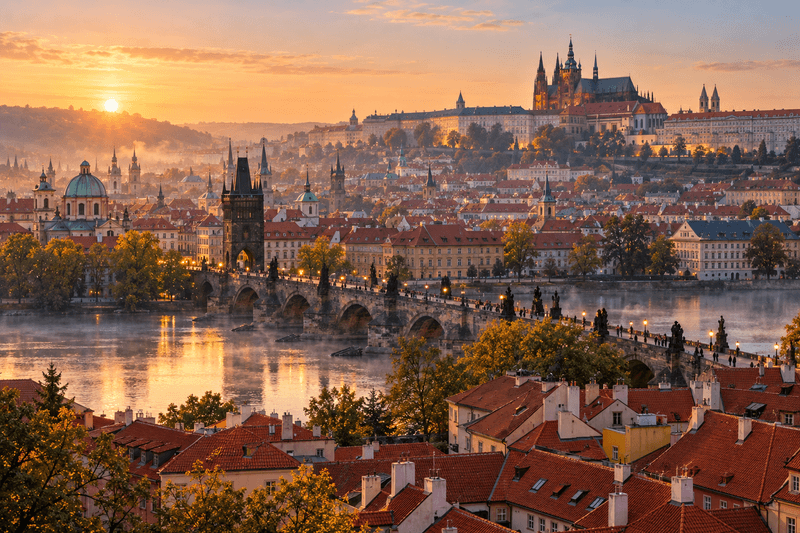
You can see Prague in one day if you pick the main things and move with a margin. Below is a rough plan: the times are approximate and can be shifted. Morning. Prague Castle and Lesser Town 9:00 - go up to Prague Castle and see St. Vitus Cathedral 10:30 - walk around the courtyards of the castle complex 11:30 - go down to Lesser Town and have a coffee in a quiet cafe Afternoon. Charles Bridge and Old Town Square 13:00 - lunch in the Lesser Town or Old Town area 14:00 - walk across Charles Bridge, taking a look at the statues 15:00 - Old Town Square and the Orloj astronomical clock 16:00 - optionally, climb the town hall tower for a view Evening. The Vltava and the Embankments 18:00 - a calm walk along the Vltava embankment 19:30 - dinner at a Czech pub or restaurant 21:00 - evening view of the bridges and the city lights Important: opening hours, tickets and sight schedules change. Check them on official websites before the trip. Tips Wear comfortable shoes: the streets are paved with stone and sometimes go uphill It is better to visit the Castle and the bridge in the morning, while there are fewer people Leave a time margin for cafes and rest Watch your belongings in tourist places Bottom Line In one day in Prague you can realistically see the main places, but it is better not to try to fit everything in. Pick a route, leave a time margin, and the city will be remembered as a calm walk.
0
0
Egypt's White Desert
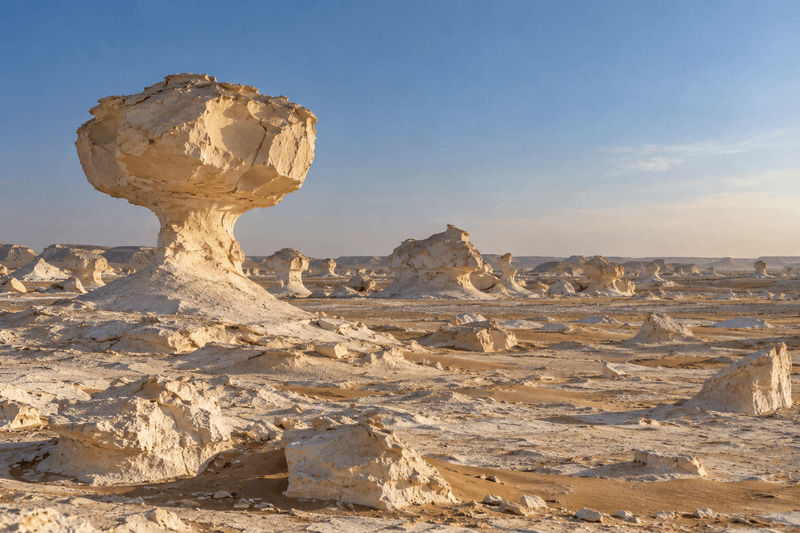
I travelled deep into the Egyptian Sahara expecting endless sand and dunes. But the White Desert was nothing like the desert I had imagined. Huge white chalk formations rise from the pale sand, resembling mushrooms, towers and fantastical figures. It feels as though giant sculptures have been left in the middle of an empty plain. The White Desert lies in Egypt's Western Desert, near Farafra Oasis. It is one of the country's most unusual natural attractions, famous for its striking white formations shaped by wind and erosion. Stone figures sculpted by nature This unusual landscape formed from ancient marine deposits. Over thousands of years, wind carried sand across the surface, gradually wearing away softer rock and leaving behind strange shapes. The result is a collection of formations resembling broad-capped mushrooms, stone columns and abstract sculptures. Some formations stand alone, while others gather in clusters. Walking around them is especially rewarding because their outlines change with every viewpoint. One rock may resemble an animal from one side and a giant flower from another. Against the sand, the white shapes stand out dramatically. The landscape changes colour throughout the day. Under the midday sun, the rocks appear almost snow-white, while towards evening they take on cream and golden tones. Soft shadows reveal their contours and make an ordinary walk feel like a visit to a natural sculpture gallery. Sunset and a starry sky over the Sahara The White Desert is particularly impressive near sunset. The sun sinks towards the horizon, the sand takes on warmer colours and the pale rocks gradually turn pink and honey-gold. The surroundings become quiet, and the vastness of the landscape feels even more striking. Some travellers stay overnight at a desert camp. After dark, the rocks become silhouettes beneath a wide starry sky. When the weather is clear and dust levels are low, the distance from city lights makes it possible to see countless stars and the Milky Way. In the morning, the first rays of sunlight transform the shapes and colours once again. A visit to the White Desert is often combined with the Black Desert, where dark rocky hills replace the pale formations. The contrast between the two landscapes reveals the remarkable variety of Egypt's Sahara. Tips for travellers Excursions usually start from Bahariya Oasis, where local guides organise trips in four-wheel-drive vehicles. Allow a full day to explore the White Desert or choose an itinerary with an overnight stay. Before travelling, check the national park's current visiting rules and camping arrangements. Bring plenty of drinking water, a hat, sun protection and comfortable shoes. Protecting yourself from the sun is essential, and warm clothing is useful for an overnight stay because temperatures can drop noticeably after sunset. Avoid climbing fragile formations, leaving rubbish or taking stones as souvenirs. The White Desert is memorable for its unusual rock shapes, silence and sense of connection with nature. It reveals a different side of Egypt, far beyond pyramids, ancient temples and seaside resorts. Here, the Sahara itself becomes an open-air museum.
0
0
Patagonian Penguins: A Completely Different Encounter with Wildlife
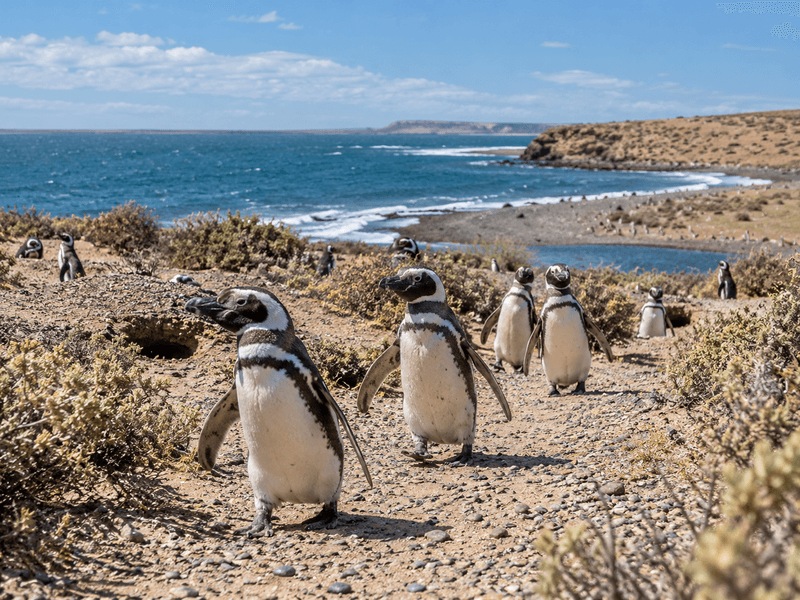
Before traveling to Patagonia, I imagined encounters with wild animals very differently. I expected to see them from a distance - through a camera lens, from a car or from a viewing platform. So being able to simply walk along the coast near penguins became a real surprise. One of the best-known places for this experience is Punta Tombo in Chubut Province. It protects one of the most important continental colonies of Magellanic penguins. During the breeding season, the birds return here to nest and raise their chicks. At first, I noticed just one penguin The road to the coast passed through a harsh landscape. There was dry Patagonian steppe, low vegetation and strong wind. After the familiar photographs of Patagonia with dramatic mountains, this landscape looked surprisingly empty. I started along the trail and at first could not even see where the penguins were. Then I noticed one calmly walking along the path without paying attention to people. A few minutes later there was another, then several more. Soon I was looking at dozens of them. The most surprising thing was how unafraid they seemed. They walked toward their nests, returned from the sea and sometimes stopped right beside the trail. It felt as if we were the visitors on their territory. They were much more interesting than in photographs In real life, every penguin seemed to have its own personality. One marched forward with complete confidence, another stood still looking toward the sea, while a third suddenly started running with its funny waddling walk. It was especially interesting to watch them move between their nests and the coast. Some returned from the sea and passed very close by. Others stayed near their burrows while adult penguins checked on their chicks. At some point, I simply stopped taking photographs. I wanted to watch. There was the sound of wind, waves and birds. No show, no performance - just the coast, the steppe and animals going about their lives. It is important not to touch or feed the penguins or block their path. The best approach is to keep your distance and let the animals decide how close they want to come. Patagonia showed me a completely different side of wildlife I thought the strongest impression of Patagonia would come from mountains, glaciers or enormous distances. Instead, the encounter with penguins stayed with me in a completely different way. There is something special about standing in the windy steppe and watching a small penguin calmly walk past you. It does not pose, does not know about your camera and does not care that this moment may be the highlight of your day. Magellanic penguins can be seen in several places along Argentine Patagonia. Besides Punta Tombo, colonies can be found on Peninsula Valdes, at Cabo Dos Bahias, on Penguin Island and in other coastal areas. Their season generally runs from September to mid-April. After this encounter, I started seeing wildlife differently The main impression was not how close I got to the penguins. I realized that a genuine wildlife encounter is about being able to watch without interfering. The penguins continued their normal lives while I stood nearby. They returned from the sea, cared for their chicks, crossed the trails and disappeared among the bushes. That was what I liked most. No show and no performance. Just Patagonia, the ocean, the wind and thousands of penguins returning here every year along their natural routes.
0
0
Rio turned out to be completely different from how I imagined it from the photos.
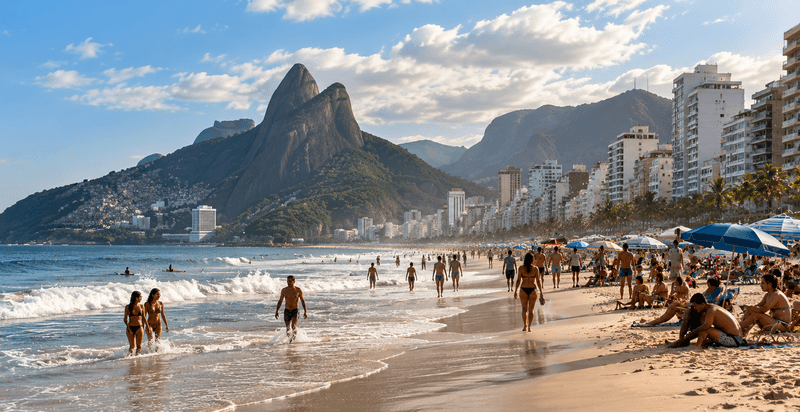
Before my trip to Rio de Janeiro, I thought I already knew this city. I've seen pictures of Christ the Redeemer, Sugar Loaf, Copacabana, and Ipanema so many times that I've had a ready-made picture in my head for a long time. Mountains, ocean, beach, palm trees and eternal sunshine. But when I first went outside in Rio, I realized that the photos only show a very small part of this city. Rio turned out to be much more lively than I expected. The first thing that surprised me was how close the completely different worlds are here. You can walk along an ordinary city street, cars are rustling around, people are rushing about their business, and after a few minutes the ocean and huge green mountains suddenly open in front of you. I started just walking around without a specific route. First I went to the Copacabana. In the photos, the beach looks almost like a decoration, but in reality it lives its own life. Someone is playing volleyball, someone is running along the water, someone is sitting at a kiosk, and someone is just looking at the ocean. It doesn't feel like you're at one of Brazil's most famous tourist attractions. Later, I ended up in Ipanema. The atmosphere seemed even calmer there. People were sitting on the sand, talking, playing sports and waiting for the sunset. At some point, I stopped taking pictures and just sat down to watch what was happening. I thought Rio was just beaches and postcards. Of course, I couldn't leave without going up to Christ the Redeemer. I've seen him in photographs hundreds of times. But it wasn't even the monument itself that made the strongest impression, but the road up and the moment when the whole city opens up before your eyes. From the height, Rio looks completely different. Green mountains rise between the districts, the ocean is visible behind them, and dense urban buildings literally encircle the natural landscape. It becomes clear why the city cannot be perceived only as an ordinary metropolis. Then there was the Sugar Loaf. I was expecting a beautiful panorama, but I didn't expect how strange it would feel to be surrounded by mountains, water, beaches, islands, and a huge city at the same time. It seems as if several different places have somehow been brought together at one point. The most interesting thing started when I stopped looking for sights. On the third day, I decided not to plan anything at all. I just left the hotel and went where I wanted to go. That's when I liked Rio the most. I saw small cafes, old houses, street musicians, people who met after work, and ordinary city streets that you would never see on a tourist postcard. Music was playing somewhere, vendors were arguing somewhere, someone was sitting on the steps with coffee. The city seemed not to be a decoration for travelers, but a place where people really live. It was then that I realized why Rio is so difficult to convey with photographs. It cannot be reduced to Christ, the Copacabana, or the beautiful view from the mountain. The main thing here is the combination of nature, the city and a special rhythm of life. Now I understand why Rio is memorable. Before the trip, I imagined Rio as the perfect tropical city from a postcard. In reality, it turned out to be noisier, more complex, sometimes more chaotic and much more interesting. Here you can look at the ocean in the morning, find yourself in the middle of a huge city in the afternoon, listen to music on the street in the evening, and in a few minutes you can see the green mountains right between the houses again. It is this combination that remains in my memory. That's probably why I didn't want to make a list of the best places after Rio. I just wanted to go back and walk around the city for several hours without a route. Because the real Rio turned out to be completely different from how I imagined it from the photographs.
0
0
I tried the real cochinita pibil in Yucatan
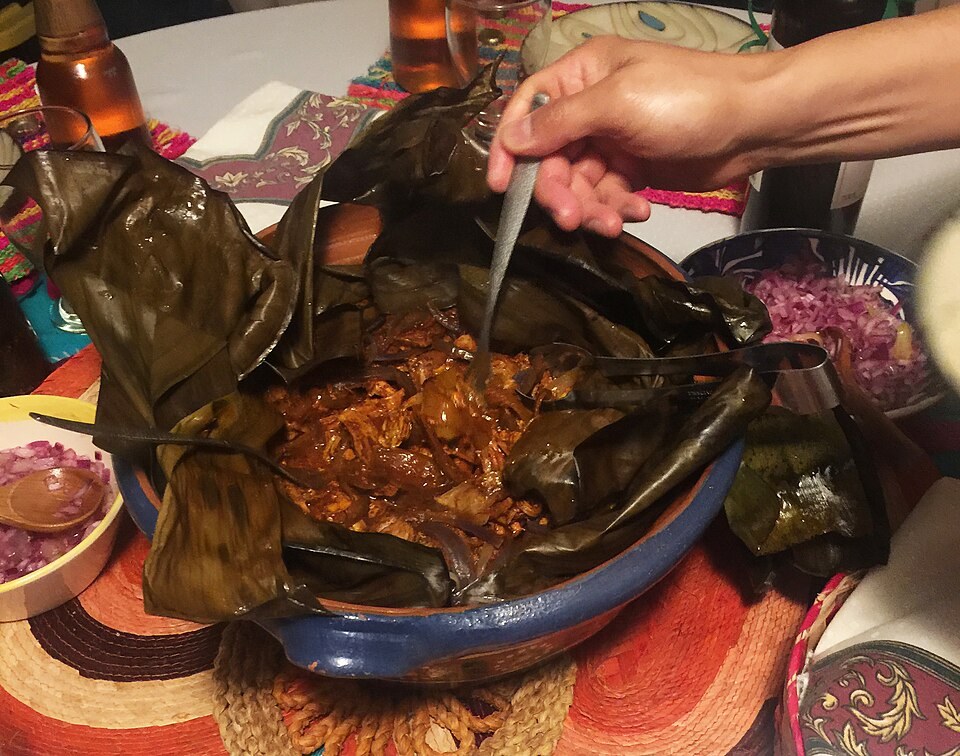
I had heard about cochinita pibil many times before I went to Yucatan. It was called one of the main dishes of the region, but for a long time I did not understand what was so special about it. In the end, I decided that the best way to figure it out was to just try her where she was born. The first acquaintance It was an ordinary local market in Yucatan. No expensive restaurant, beautiful food, or long menu. There were fresh tortillas on the counter, along with containers of meat, pickled red onions, and sauces. I could smell the smell even before I approached the seller. I was served some small tacos with cochinita pibil . The meat was so soft that it literally broke down into fibers. It had a characteristic reddish tinge due to its aroma, and the taste was both rich, spicy and slightly sour. Why is it cooked underground Then I learned the most interesting thing. The traditional cochinita pibil is prepared using the pib method - meat is wrapped in banana leaves, placed in a special container and cooked in an underground oven. Depending on the cooking method, the meat can stay there for several hours. It's the slow cooking that makes it so tender. The marinade uses ahiote, spices and bitter orange, which adds a characteristic sourness to the meat. The traditional recipe is considered part of both modern and Mayan Yucatan gastronomy. When I found out all this, the seemingly ordinary taco began to be perceived in a completely different way. It was not just a recipe, but a whole tradition that had been passed down for generations. And then there was the habanero Along with the meat, I was given pickled red onion and hot sauce . I decided that a little pepper definitely wouldn't hurt, and added just a little. I made a mistake. The pungent taste did not come immediately, but after a few seconds. At first it was delicious, then it became very spicy, and a moment later I was already looking for something to drink. The local habanero was clearly not going to become a secondary ingredient in my lunch. But it was the combination of soft meat, sour pickled onions and hot peppers that I remember the most. Each component was completely different separately, and together we got a very characteristic taste of Yucatan. Why has it become one of my favorite dishes? Later, I learned another interesting local tradition: in Yucatan, Sunday is especially closely associated with cochinita pibil . Early in the morning, it is sold at markets and street outlets in the form of tacos, cakes and other dishes. Now I understand why the locals love her so much. It's not just meat in a flatbread. One small taco combines Mayan culinary traditions, local spices, slow cooking and a very special culture of Yucatan. If I ever return to the peninsula, the first thing I will do is look for cochinita pibil again. Only next time I'll add habaneros much more carefully.
1
0
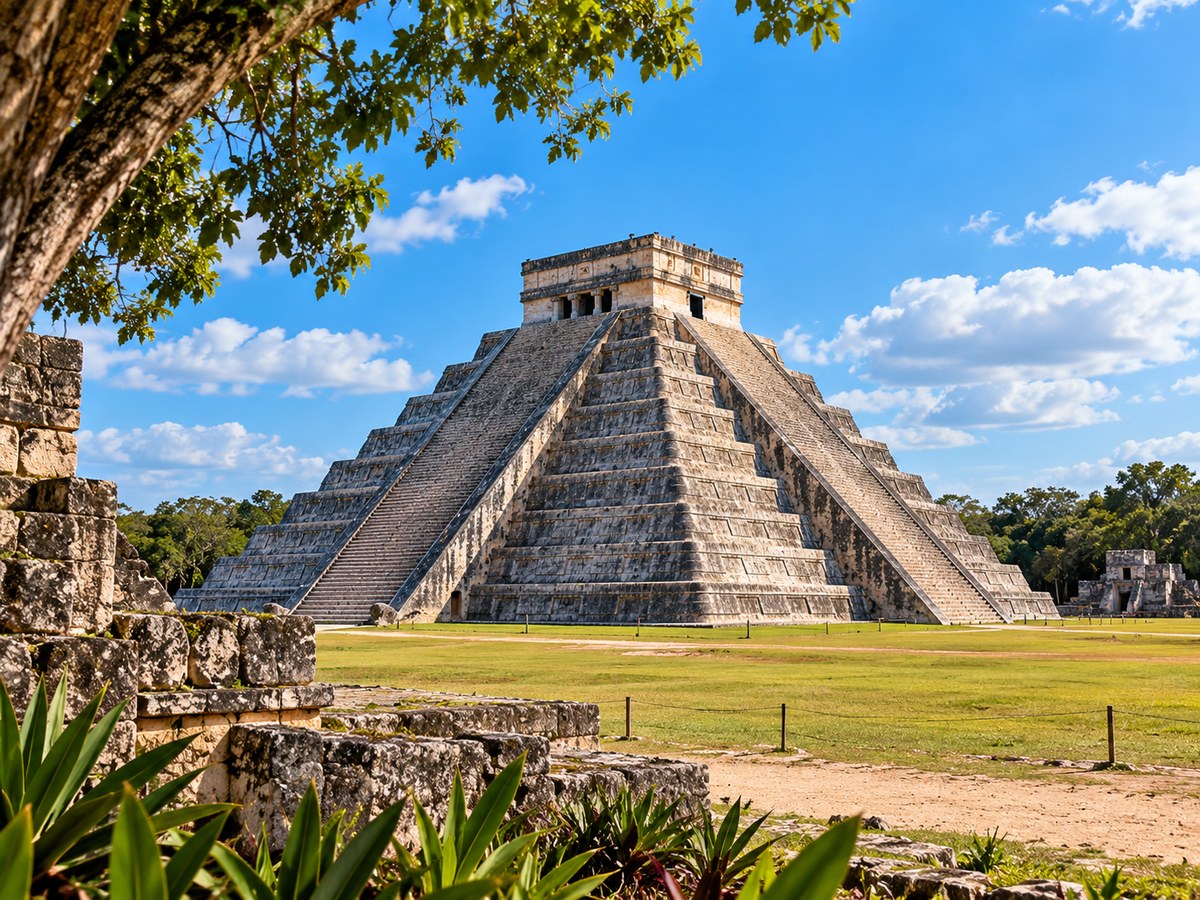
Chichen Itza: I finally saw a Mayan pyramid with my own eyes
I had seen photos of Chichen Itza dozens of times before coming to Mexico. The pyramid was familiar even before I arrived - one of those places you recognize instantly. But standing in front of it in real life was completely different. The first view of El Castillo I entered the archaeological site in the morning and walked along the paths surrounded by trees. There were ruins and stone structures everywhere, but I was looking for one particular building. Then the trees opened up and I saw it. El Castillo, the Temple of Kukulcán. For a few seconds I just stood there. The pyramid looked much larger than I had imagined from photographs. Its perfectly symmetrical shape, enormous staircase and rows of stone steps were incredibly impressive. The structure is about 30 meters high and was built as the main monument of Chichén Itzá. What struck me most was the feeling of being in a place that had existed for centuries before any modern city around me. Chichén Itzá was one of the major centers of the Maya world and developed over almost a thousand years. The city also shows a mixture of Maya and Toltec architectural traditions. More than just a pyramid After spending some time near El Castillo, I continued deeper into the archaeological zone. That was when I realized that the pyramid was only one part of a much larger city. I walked past the Great Ball Court , where ancient ceremonial games were played, and then reached the Temple of the Warriors with its rows of columns. I also saw El Caracol, the famous circular structure traditionally associated with astronomical observations. Everywhere there were details carved into the stone - serpents, warriors, animals and geometric patterns. The longer I walked, the more difficult it became to imagine that these were once parts of a living city rather than simply archaeological ruins. A city built around water There was another interesting connection with the previous part of my trip. The name Chichén Itzá is associated with the cenotes of the area. The ancient city was established near natural water-filled cavities, which provided access to underground water. One of them, the Sacred Cenote, also had an important ritual role. After visiting the cenote a few days earlier, this made the history of Chichén Itzá feel even more connected to the landscape around it. By the time I left, I understood why this place had been on my list for so long. Photos can show you the pyramid, but they cannot show its scale, the heat, the silence between the ruins or the feeling of walking through a city that was already ancient long before our time. Chichén Itzá was not just a place I came to photograph. It became one of the moments of my trip that I knew I would remember long after leaving Mexico.
0
0
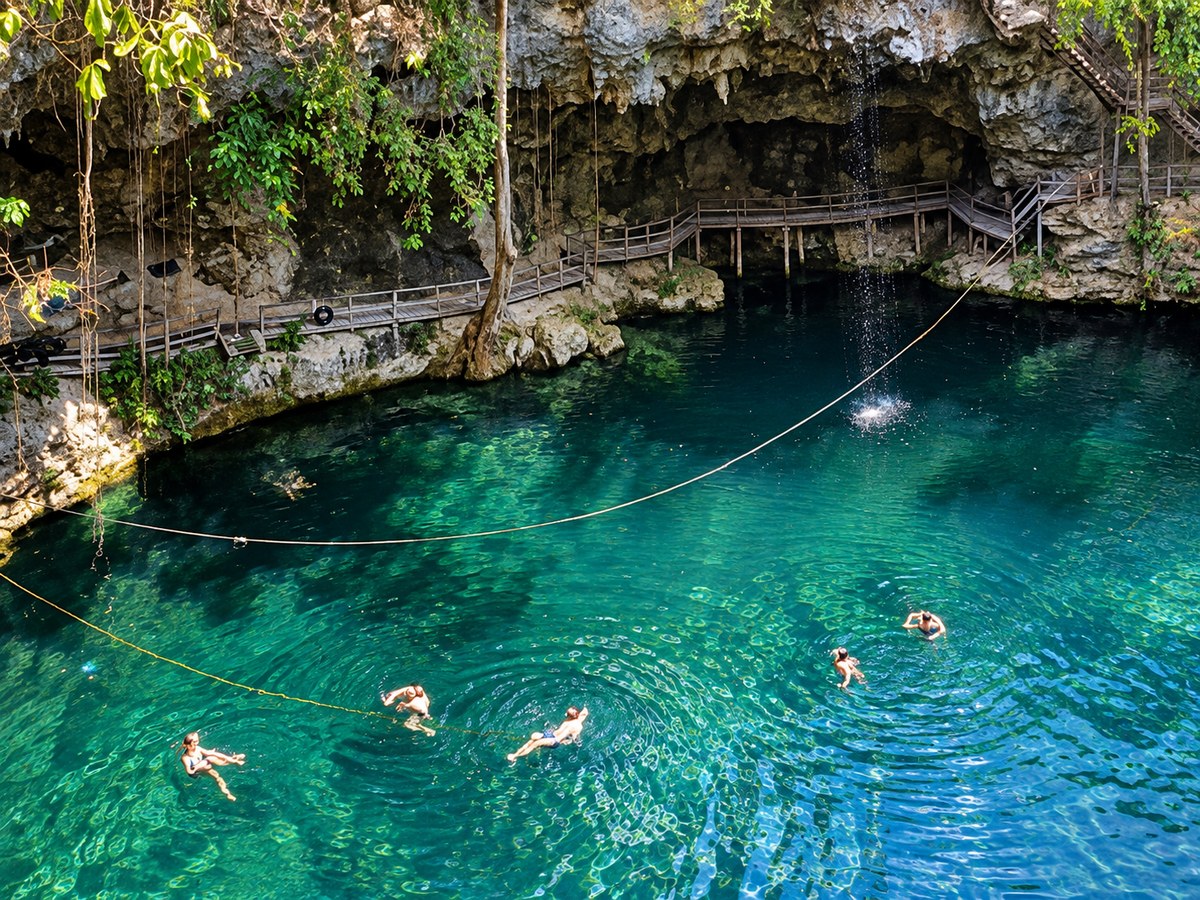
I jumped into the cenote and realized why they are called magical
I wasn't going to jump into the water at all. After a few days of traveling in Yucatan, I just wanted to see something beautiful, relax a little and continue on the road. But when I arrived at Cenote X-Canché , the plans changed in just a few minutes. The road through the jungle The cenote is located near the archaeological complex of Ek Balam. From the entrance, you need to walk about 1.5 kilometers through the jungle . You can walk, rent a bike, or use local transportation. The road itself already created the right mood: there was dense greenery around, the heat was gradually receding into the shadows of the trees, and nothing was visible ahead. And then I heard water. A few more steps and a huge chasm opened up in front of me among the rocks. Below, about tens of meters below ground level, there was completely calm water. Cenote X-Canché is a semi-open cenote with a diameter of about 40 meters , surrounded by limestone walls and jungle. After the bright sun overhead, this place seemed almost unreal. I jumped anyway. A wooden staircase leads to the water. The lower I descended, the cooler the air became. It was hot upstairs, but here there was a completely different atmosphere - cool water, humid air, silence and the sounds of the jungle. I stood on the platform for a long time and looked down. It seemed that the easiest way to jump was until you came to the very edge. At the last moment, there was a completely normal human desire to turn around and go down the stairs. But I jumped anyway. The water turned out to be cool and so clear that at first it was difficult to understand its true depth. In some places, the water has a blue-green hue, and the sheer walls around it go up to the sunlight. After a few seconds, the fear completely disappeared, and all that remained was the feeling that I was in some kind of natural pool in the middle of the jungle. Why cenotes seem magical It was probably here that I finally realized where the feeling of mysticism around the cenotes of Yucatan came from. These are not just beautiful places to swim. The whole atmosphere makes you imagine what this forest looked like many centuries ago and why such water sources were of great importance to the Maya civilization. After bathing, I sat in the shade for a long time and didn't want to go anywhere. Nearby, you could relax in a hammock, eat local dishes or try other activities, such as zipline or rope descent. The most interesting thing is that X-Canché is only about 1.5 kilometers from Ek Balam. Therefore, these two places are ideally connected in one day: first the ancient Mayan city, then the descent into the cool cenote. When I left, it was hot and sunny upstairs again. But now I already knew that somewhere very close to the jungle there is this huge natural well with clear water. And it is precisely such places that are remembered much longer than the next attraction on the list.
2
0
No routes yet
No reviews yet
Nothing saved yet
No trips yet
No scheduled stories
