

I tried the real cochinita pibil in Yucatan
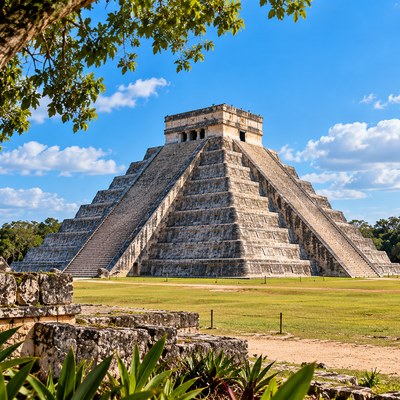
I had heard about cochinita pibil many times before I went to Yucatan. It was called one of the main dishes of the region, but for a long time I did not understand what was so special about it. In the end, I decided that the best way to figure it out was to just try her where she was born.
The first acquaintance
It was an ordinary local market in Yucatan. No expensive restaurant, beautiful food, or long menu. There were fresh tortillas on the counter, along with containers of meat, pickled red onions, and sauces. I could smell the smell even before I approached the seller.
I was served some small tacos with cochinita pibil. The meat was so soft that it literally broke down into fibers. It had a characteristic reddish tinge due to its aroma, and the taste was both rich, spicy and slightly sour.
Why is it cooked underground
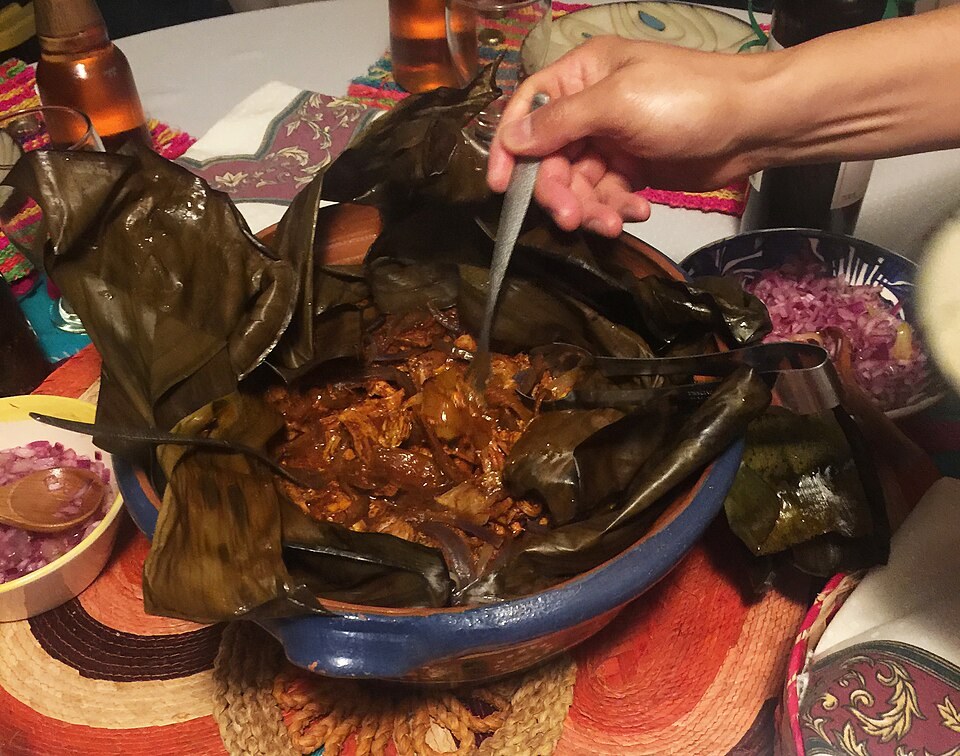
Then I learned the most interesting thing. The traditional cochinita pibil is prepared using the pib method - meat is wrapped in banana leaves, placed in a special container and cooked in an underground oven. Depending on the cooking method, the meat can stay there for several hours.
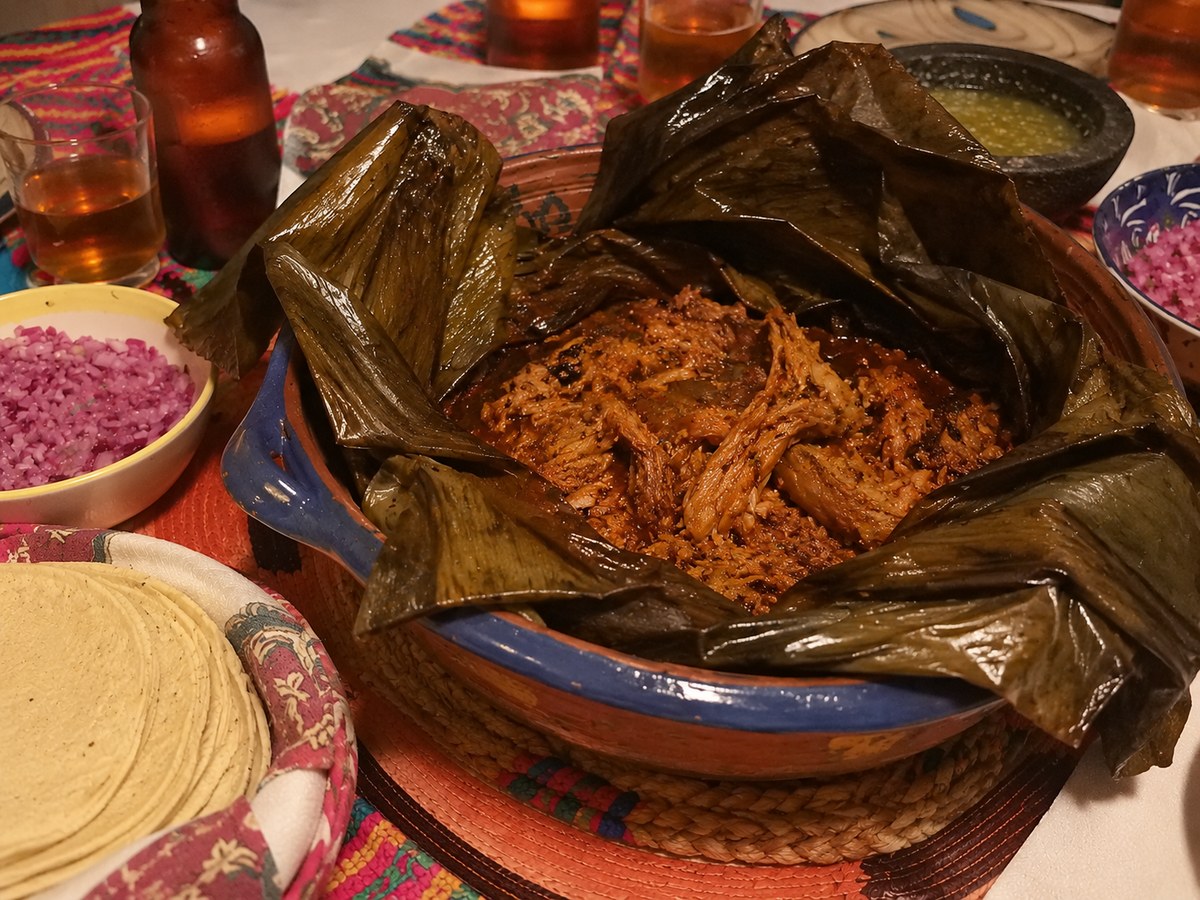
It's the slow cooking that makes it so tender. The marinade uses ahiote, spices and bitter orange, which adds a characteristic sourness to the meat. The traditional recipe is considered part of both modern and Mayan Yucatan gastronomy.
When I found out all this, the seemingly ordinary taco began to be perceived in a completely different way. It was not just a recipe, but a whole tradition that had been passed down for generations.
And then there was the habanero
Along with the meat, I was given pickled red onion and hot sauce. I decided that a little pepper definitely wouldn't hurt, and added just a little. I made a mistake.
The pungent taste did not come immediately, but after a few seconds. At first it was delicious, then it became very spicy, and a moment later I was already looking for something to drink. The local habanero was clearly not going to become a secondary ingredient in my lunch.
But it was the combination of soft meat, sour pickled onions and hot peppers that I remember the most. Each component was completely different separately, and together we got a very characteristic taste of Yucatan.
Why has it become one of my favorite dishes?
Later, I learned another interesting local tradition: in Yucatan, Sunday is especially closely associated with cochinita pibil. Early in the morning, it is sold at markets and street outlets in the form of tacos, cakes and other dishes.
Now I understand why the locals love her so much. It's not just meat in a flatbread. One small taco combines Mayan culinary traditions, local spices, slow cooking and a very special culture of Yucatan.
If I ever return to the peninsula, the first thing I will do is look for cochinita pibil again. Only next time I'll add habaneros much more carefully.


Comments