

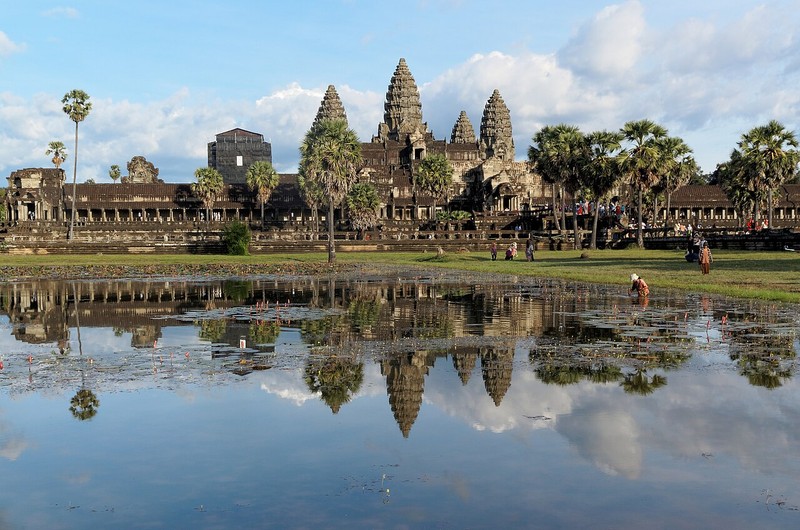
Cambodia is a Southeast Asian country known for ancient temples, tropical forests and beaches along the Gulf of Thailand. Its main travel destinations include Siem Reap, Phnom Penh and the southern islands. The country offers a rich mix of Khmer culture, nature and history. Its best-known landmark is the Angkor temple complex, a UNESCO World Heritage Site. The country combines internationally recognised monuments with everyday city life, floating communities and rural landscapes. A well-rounded visit pairs temple excursions with markets, museums and time in natural areas.
 Cambodia
 is home to the ancient temples of Angkor, tropical jungles and idyllic beaches. Explore Siem Reap, Phnom Penh, Tonle Sap Lake and the islands of the Gulf of Thailand.
About the country
Popular attractions
All attractions →

Travelers' stories
History
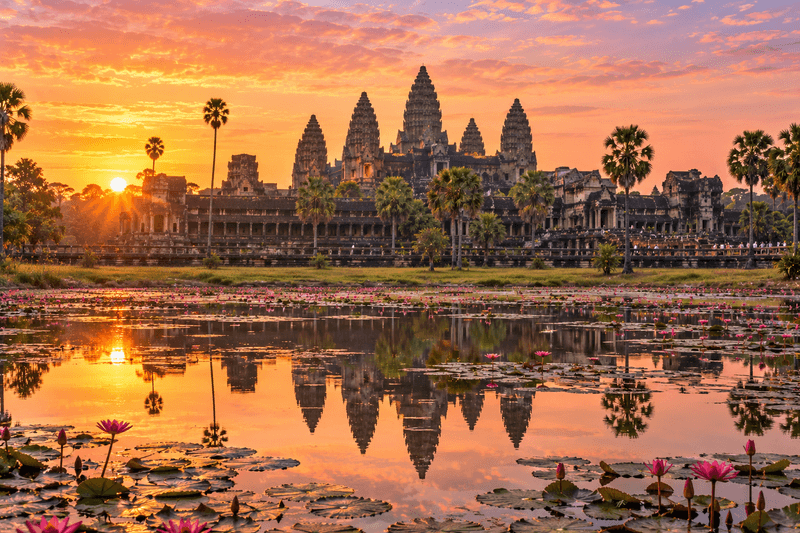
Cambodia's history is closely connected with the Khmer Empire, which flourished from the 9th to the 15th century. Many of Angkor's remarkable temples were built during this period. The country later experienced decline, French colonial rule and the tragic events of the 20th century. Angkor's canals and reservoirs helped manage water and sustain agriculture, making rivers and lakes central to the country's historical development. Sites from different periods reveal both the achievements of the empire and the more difficult chapters of Cambodia's national story.
Climate
Cambodia has a hot, humid tropical climate. The dry season lasts from November to April, while the rainy season runs from May to October. Average temperatures remain around 25–32 °C throughout much of the year. High humidity can make the heat feel stronger than the thermometer suggests. After heavy showers, roads may become slippery and some journeys take longer. For island trips, consider sea conditions as well as rainfall.
Best Time to Visit
The best time to visit is from November to February, when rainfall is lower and conditions are more comfortable for exploring temples, cities and beaches. If temple visits are the main priority, the dry season is generally more convenient for long walks. In the rainy season, keep alternative plans for wet periods and avoid scheduling too many transfers close together.
Nature and Wildlife
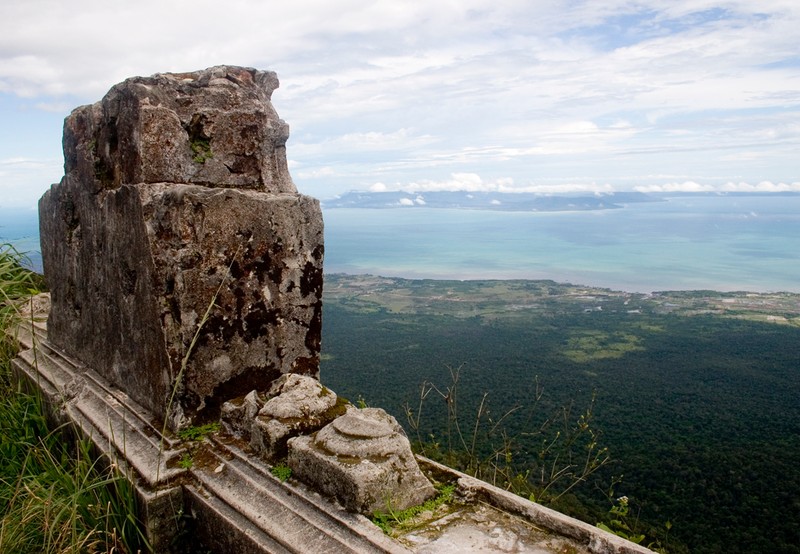
Cambodia's tropical forests are home to elephants, gibbons, macaques, deer and many bird species. Crocodiles and rare aquatic animals can be found in some rivers and lakes. Nature lovers can explore Bokor National Park and other protected areas. In protected areas, follow visitor rules and take all rubbish away. Responsible excursions can support local conservation work while avoiding interference with animals' natural behaviour.
Geography
Cambodia is located on the Indochinese Peninsula and borders Thailand, Laos and Vietnam. It has a coastline along the Gulf of Thailand. Tonle Sap, the country's largest lake, lies in the central region. The seasonal expansion of Tonle Sap affects fishing, settlements and agriculture. In many communities, boats remain an important means of transport, while fertile floodplains support local livelihoods.
Regions
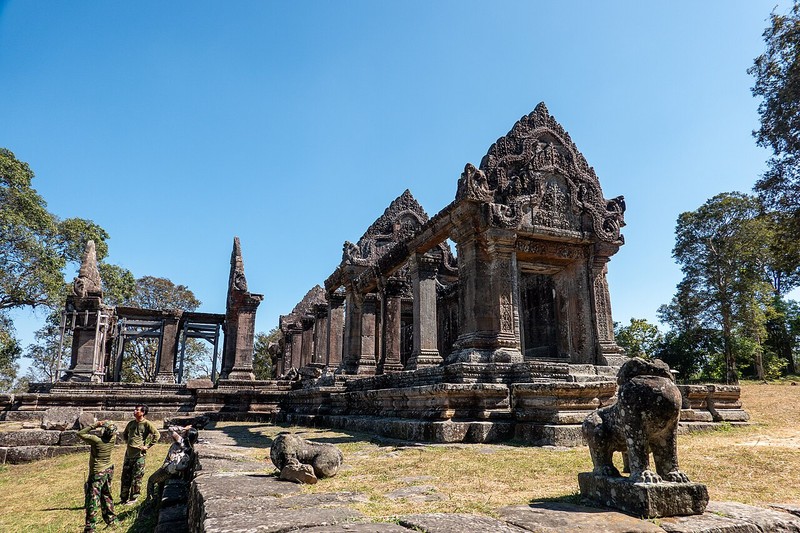
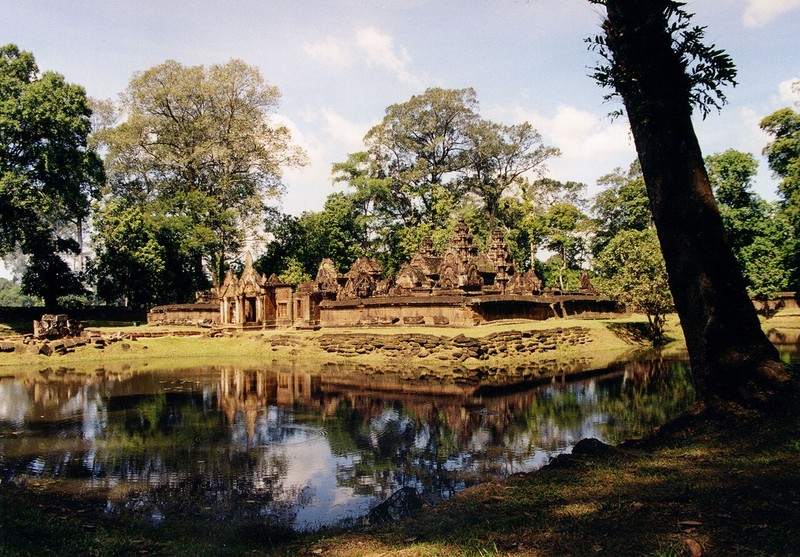
Phnom Penh is the capital and cultural centre. Siem Reap is the main base for visiting Angkor. Northern Cambodia is known for ancient temples, including Preah Vihear Temple and Koh Ker. The south offers beaches and islands. The temple complex of Banteay Srei is known for its detailed pink sandstone carvings. For a short trip, it is usually better to focus on one or two regions rather than trying to cover the whole country. Remote archaeological sites need separate planning because public transport may be infrequent.
Cuisine
Cambodian cuisine features rice, fish, vegetables, herbs and spices. Popular dishes include fish amok, samlor soup and nom banh chok noodles. Local markets offer tropical fruit and traditional desserts. Some dishes are spicy or served with strongly flavoured fermented sauces. If you have dietary restrictions, ask about ingredients and preparation. For street food, choose busy stalls where dishes are cooked fresh and ingredients turn over quickly.
Tips for Tourists
Dress modestly when visiting temples by covering your shoulders and knees. Wear comfortable shoes and bring water and sun protection. Keep personal belongings secure and avoid approaching wild animals. At temples, behave quietly, avoid touching statues and respect closed areas. Before travelling to remote districts, check fuel availability, mobile coverage and whether a same-day return is realistic.
Transport
Buses and minibuses connect major cities. Tuk-tuks and taxis are common in urban areas. Ferries and speedboats provide access to the islands. On popular routes, tickets are best purchased ahead during peak periods. Confirm the exact departure point before travelling: bus stations and pick-up locations may be outside central districts.
Prices and Budget
Cambodia is generally an affordable destination. Guesthouses and local restaurants help keep costs low, while prices are higher in popular tourist areas, on the islands and at upscale resorts. Allow for small daily expenses such as drinking water, local rides, tips and extra luggage fees. ATMs and currency exchange may be scarce in remote areas, so carry a sensible cash reserve.
Housing Rental
Rooms, apartments, guesthouses and villas are available in cities and tourist areas. Before booking, check for air conditioning, hot water and cancellation conditions. Ask whether cleaning is included and whether air conditioning or electricity is charged separately. For island accommodation, check the distance to shops, cafés and medical services.
Visa
Before travelling, check Cambodia's current visa requirements for citizens of your country. Entry rules and permitted stays vary by nationality. Consult official government sources before departure.
Holidays
Cambodian festivals reflect Buddhist traditions and national history. The biggest celebration is Khmer New Year in April. Other important events include the Water Festival, Bon Om Touk, and Pchum Ben. Major celebrations may bring processions, concerts and large public gatherings. Some businesses operate reduced hours and transport can fill quickly, so check schedules in advance.
Shopping
Popular souvenirs include silk products, ceramics, silver jewellery, carved wooden items and spices. Markets in Phnom Penh and Siem Reap are good places to shop. For well-made crafts, consider workshops or established shops that can explain where materials come from. Follow official rules when taking cultural objects out of the country and keep purchase receipts.
Entertainment
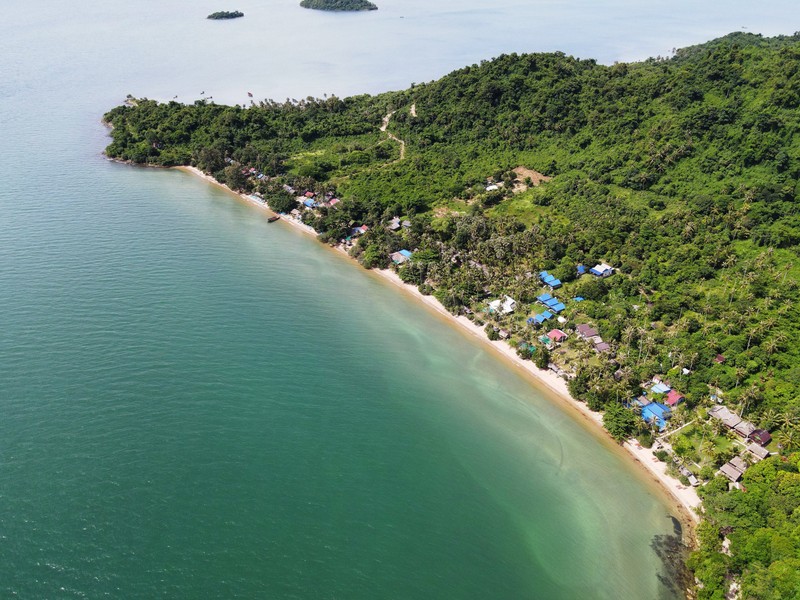
Visitors can explore ancient temples, take boat trips on Tonle Sap, watch traditional dance performances and discover Khmer cuisine. Koh Rong Island and the coast near Sihanoukville are popular for beach holidays. History lovers can visit the Royal Palace in Phnom Penh, while temple enthusiasts should explore Tonle Sap Lake. Before sea activities, check that life jackets are provided and equipment is in good condition. Choose boat operators who follow safety rules and do not overload their vessels.
Hotels
Accommodation ranges from budget guesthouses and city hotels to beach resorts and boutique properties. Phnom Penh and Siem Reap offer the widest choice. Booking ahead is recommended during the high season. If you plan an early temple visit, ask whether the hotel can prepare a takeaway breakfast. Air conditioning is particularly useful in hot weather; on islands, check whether it is available throughout the night.
Travel Itineraries
A first trip can follow the route Phnom Penh - Siem Reap - Angkor. A longer journey can include Tonle Sap Lake, Bokor National Park and the islands in the Gulf of Thailand. For a beach holiday, add the beaches of Sihanoukville. Do not underestimate overland travel times: a short distance on the map does not always mean a quick journey. Leave a free day after a long transfer or before an international flight.
