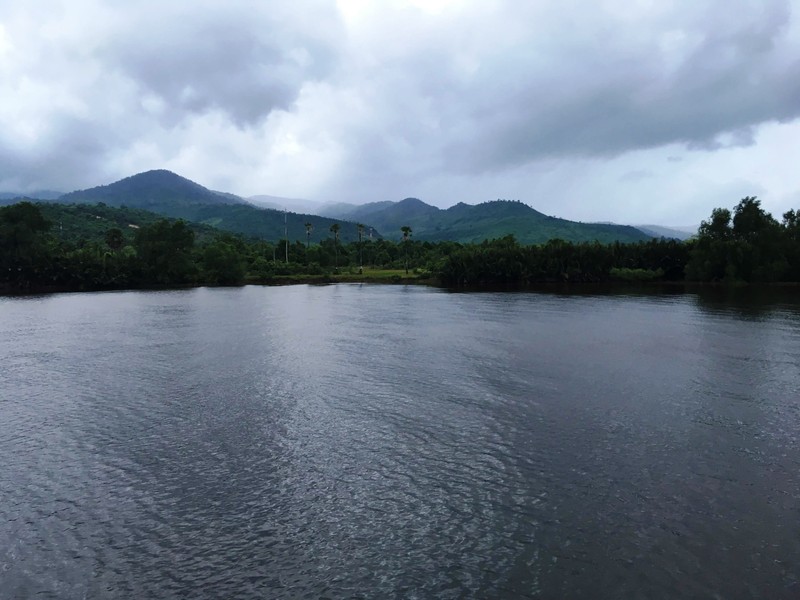
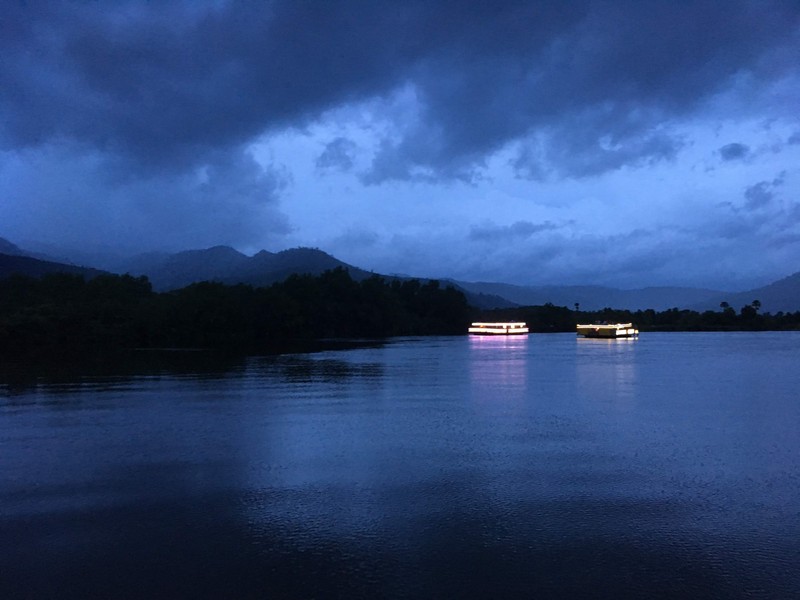
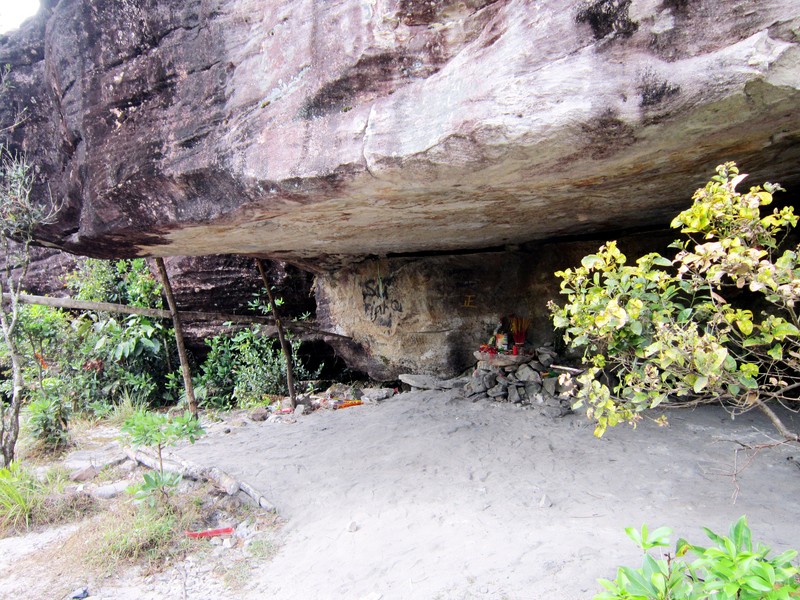
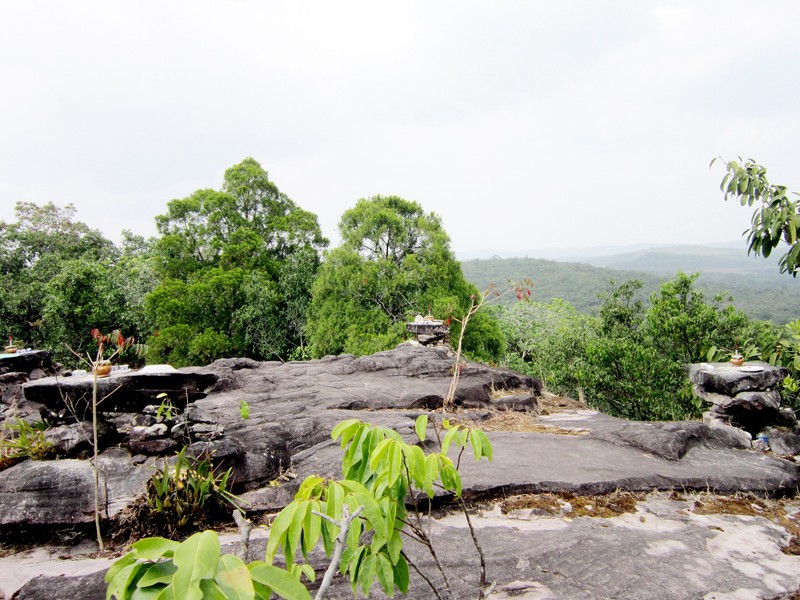
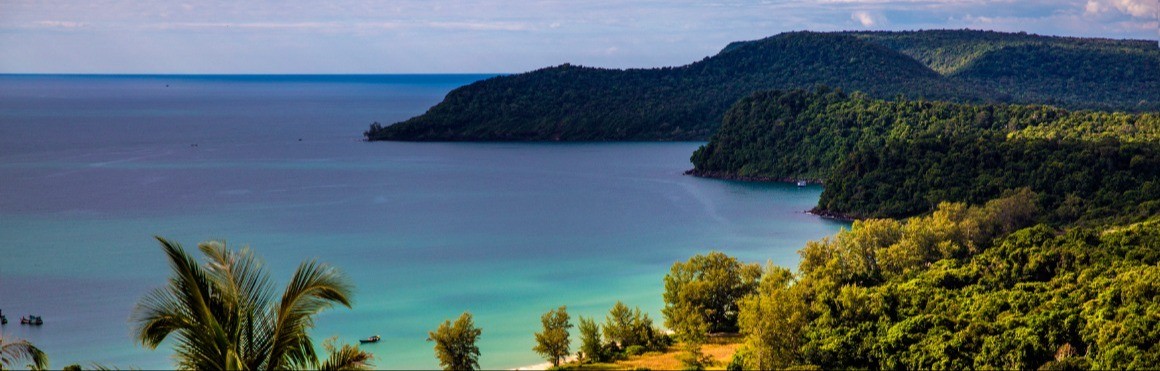
Bokor National Park, officially Preah Monivong Bokor National Park, lies in Kampot Province in southern Cambodia. It protects part of the Damrei Mountains and is known for tropical forests, a cool highland climate, waterfalls and views towards the Gulf of Thailand. Natural landscapes sit alongside historic buildings from the former French hill station.
History of the park
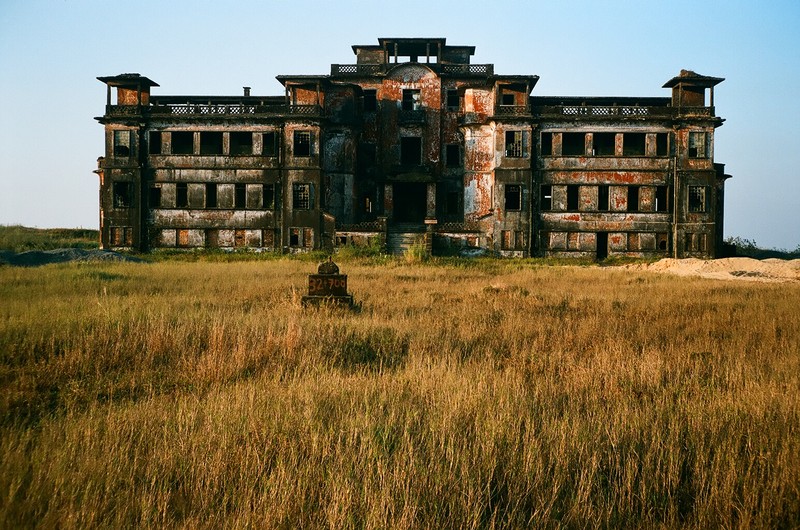
During the 1920s, the French colonial administration developed Bokor Plateau as a mountain retreat away from the heat of the lowlands. Hotels, a casino, administrative buildings and a Catholic church followed. Political upheaval and conflict left several structures abandoned. The area became a national park in 1993.
Mountains and forests
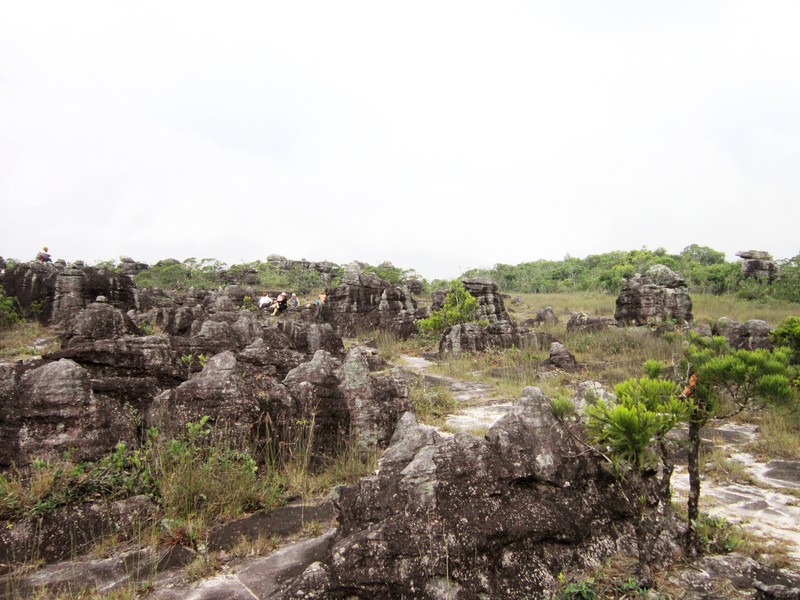
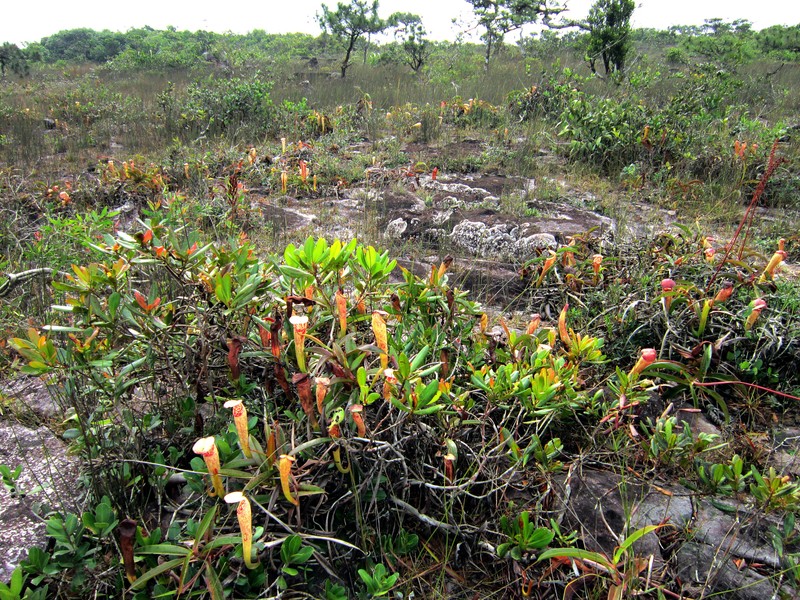
The plateau rises above 1,000 metres, with frequent mist, wind and heavy rainfall. Temperatures are generally cooler than in coastal Kampot. Habitats include lowland and montane evergreen forests, shrublands and wetland vegetation.
The park forms part of the wider Cardamom Mountains landscape. The region provides habitat for Asian elephants, sun bears, clouded leopards, gibbons, pangolins and many bird species, although large mammals are rarely seen on ordinary visitor routes.
Popokvil Waterfall
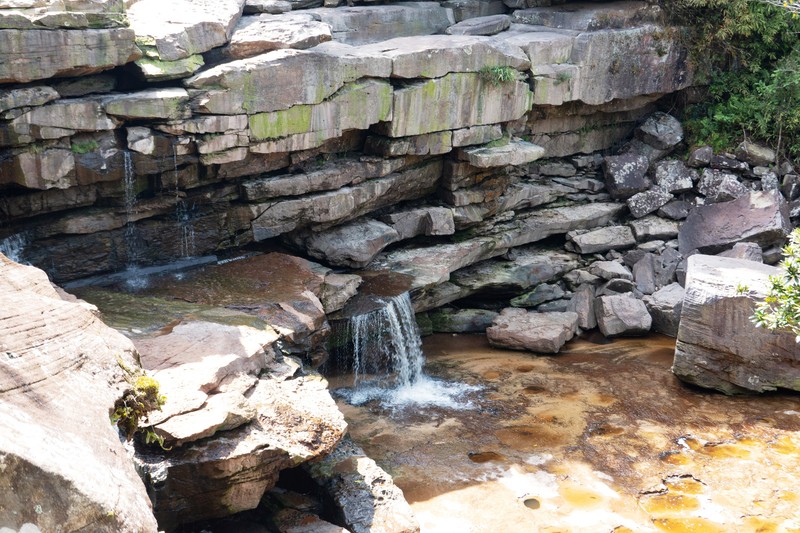
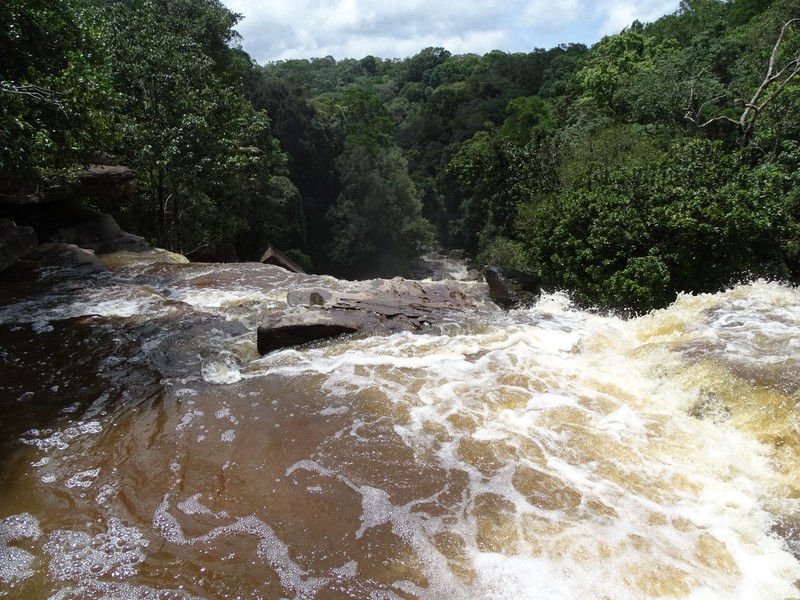
Popokvil is one of the park’s best-known natural attractions. Water flows over several rocky cascades surrounded by forest. The falls are usually stronger after rain and may be less impressive in the dry season. Walking areas and stopping points are available nearby.
After rain, rocks and paths can be slippery and currents may be strong. Follow signs and swim only where it is permitted and safe.
The historic Bokor Hill Station
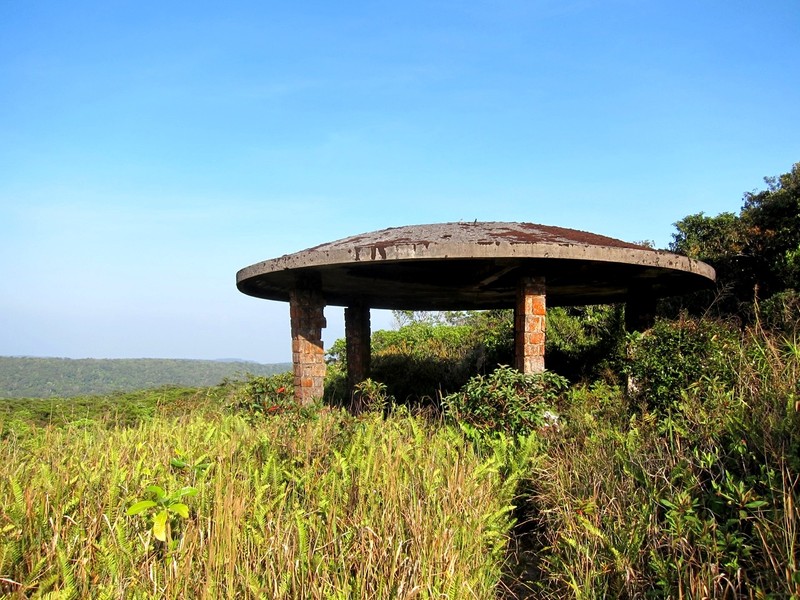
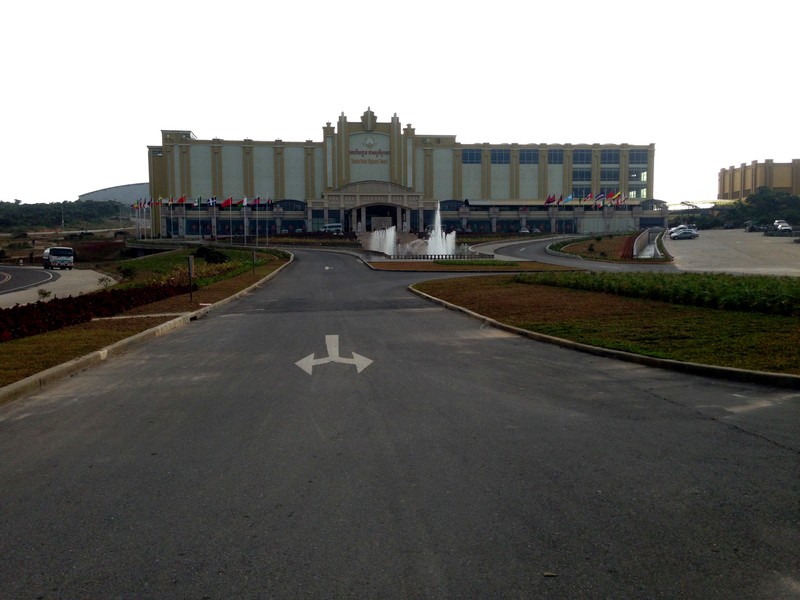
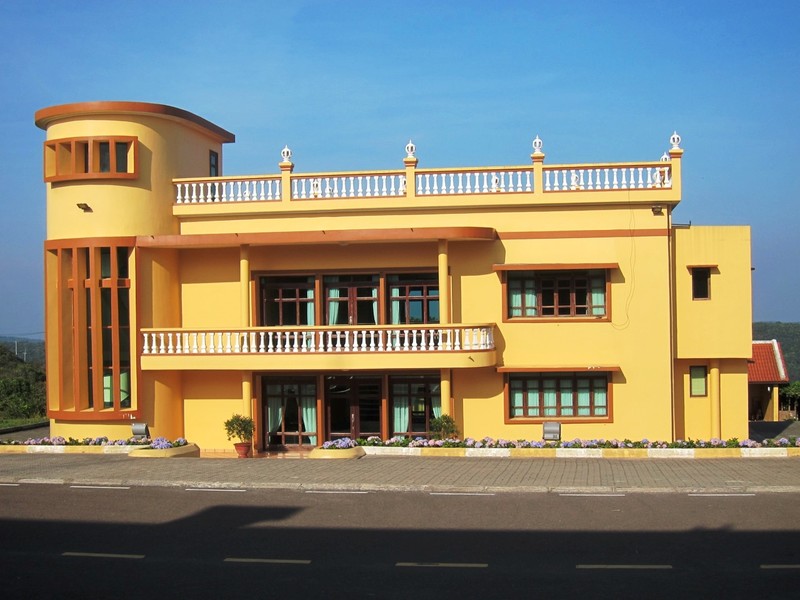
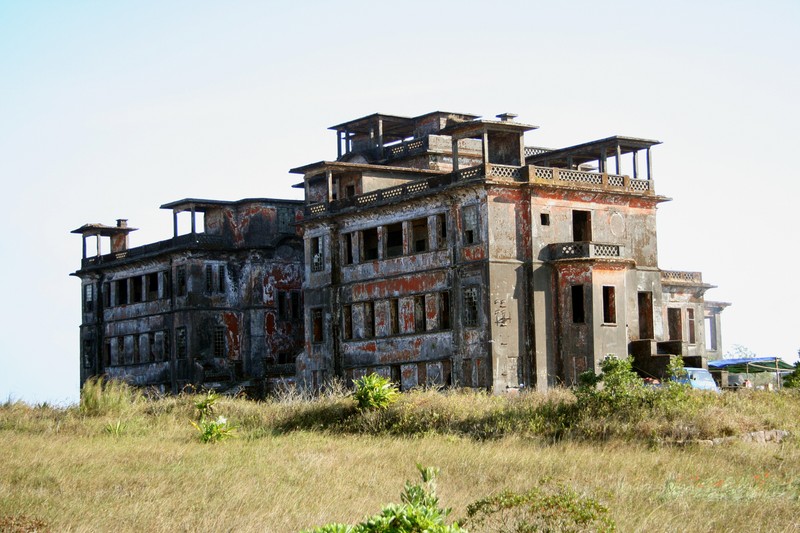
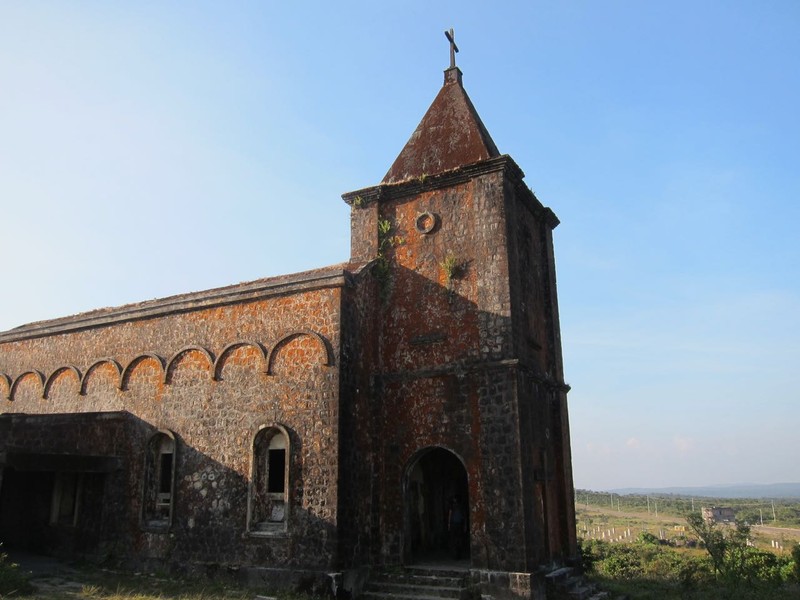
The former hill station is the park’s best-known historic area. Its landmarks include Bokor Palace, once a hotel and casino, and an old Catholic church. The buildings recall the colonial period, when the plateau served as a mountain retreat. Their condition changes over time, and access may be restricted.
Wat Sampov Pram Pagoda
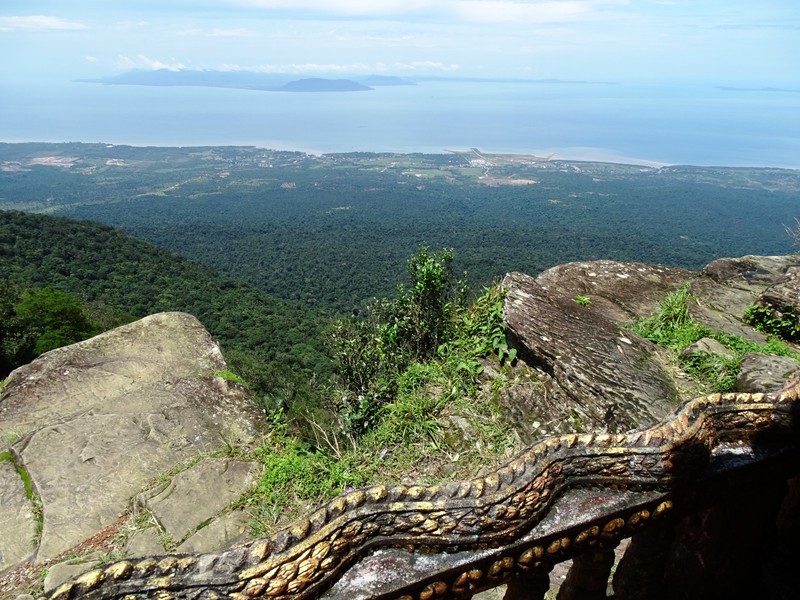
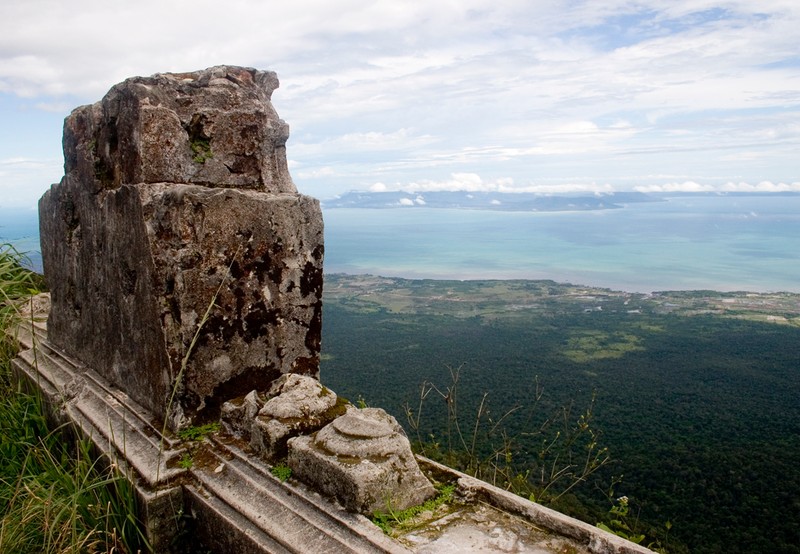
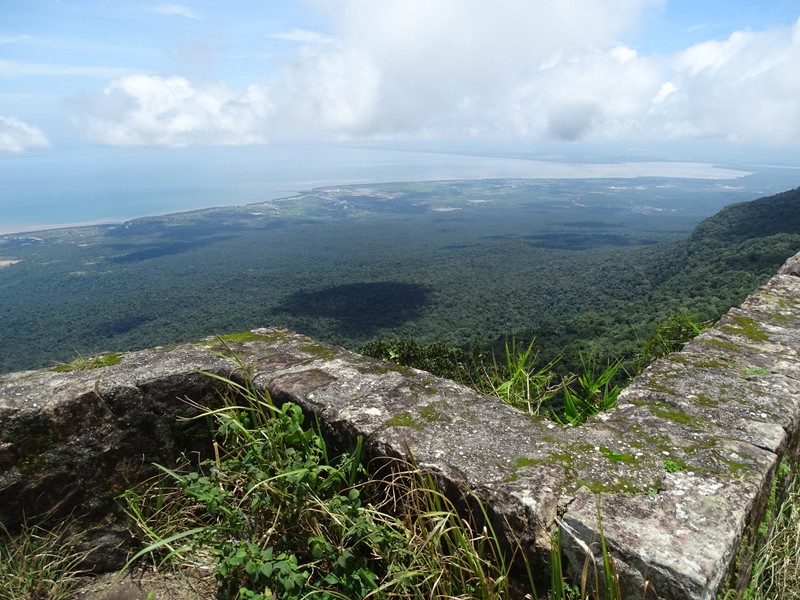
Wat Sampov Pram is a Buddhist temple complex on the plateau, known for its setting and views across the lowlands. On clear days, visitors can see forests, coastal plains and distant parts of the shoreline. As this is a religious site, modest dress and respectful behaviour are expected.
Lok Yeay Mao statue and viewpoints
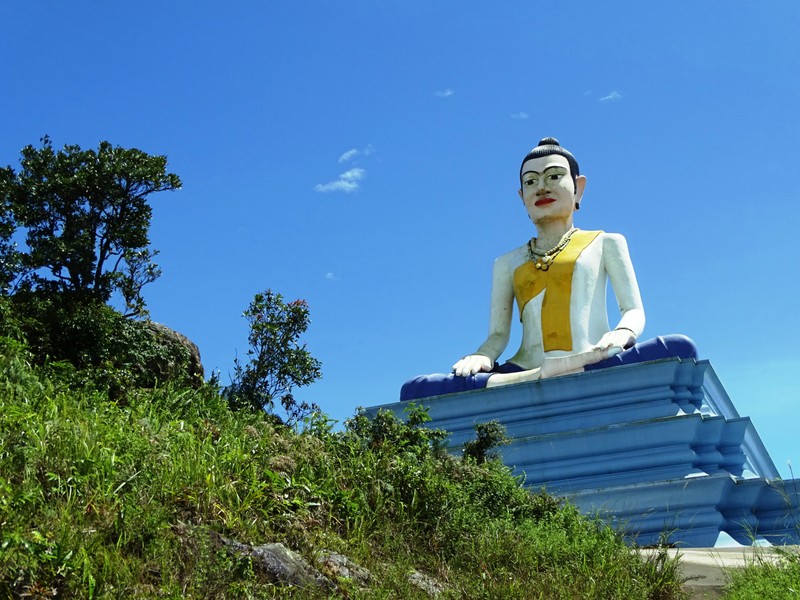
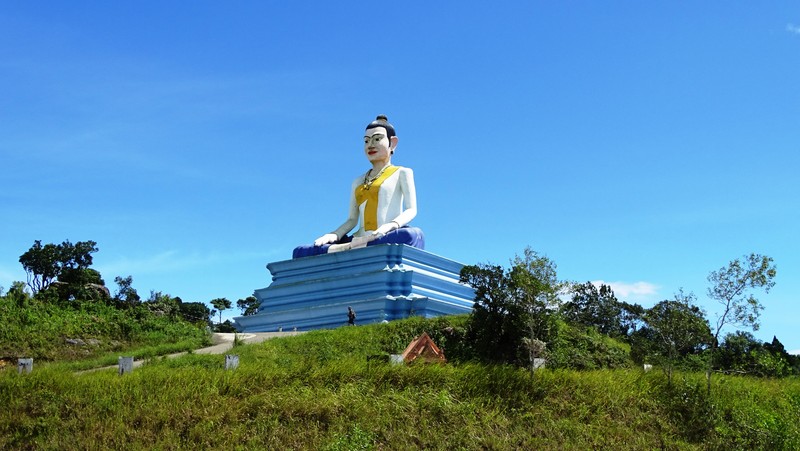
A large monument to Lok Yeay Mao honours a revered Cambodian female protector associated with travellers and coastal communities. Viewpoints across the plateau offer panoramas of the Gulf of Thailand. Visibility depends on the weather: mist can quickly hide the scenery, while clear spells reveal a broad horizon.
Best time to visit
The drier period usually runs from about November to April, while the rainy season generally lasts from May to October. Dry months often make travel easier; during the wet season, waterfalls are fuller but mist and slippery conditions are more common. Bring a light jacket and rain protection because the plateau can be cool and windy.
Getting there
Kampot is the most convenient starting point. A road climbs through mountain forest to the plateau. Visitors can travel by car, motorbike, hired driver or organised tour. Check the forecast, road conditions and access to individual attractions before setting out.
Visitor tips
Bring comfortable shoes, drinking water, a light jacket, rainwear and insect repellent. Do not litter, disturb wildlife or enter closed or unsafe buildings. Near cliffs and waterfalls, follow barriers and safety notices.
Why visit Bokor
Bokor National Park combines mountains, tropical forest, waterfalls, Buddhist landmarks and colonial-era architecture. It offers a different side of Cambodia from its beaches and famous temple complexes.
Gallery