Sambor Prei Kuk is an ancient temple complex in central Cambodia and one of the most important archaeological sites in Southeast Asia. Located in Kampong Thom Province amid tropical woodland, it is associated with Ishanapura, the capital of the ancient kingdom of Chenla. The site offers a glimpse into an early phase of Khmer civilization, when architectural and artistic traditions began to develop before reaching their celebrated form at Angkor.
The Ancient Capital of Ishanapura
Ishanapura flourished in the late sixth and seventh centuries. Its history is closely associated with King Isanavarman I, under whose rule the city became an important political and cultural centre. Archaeological remains include traces of walls, moats, ponds, roads and temple groups, revealing a carefully organised settlement.
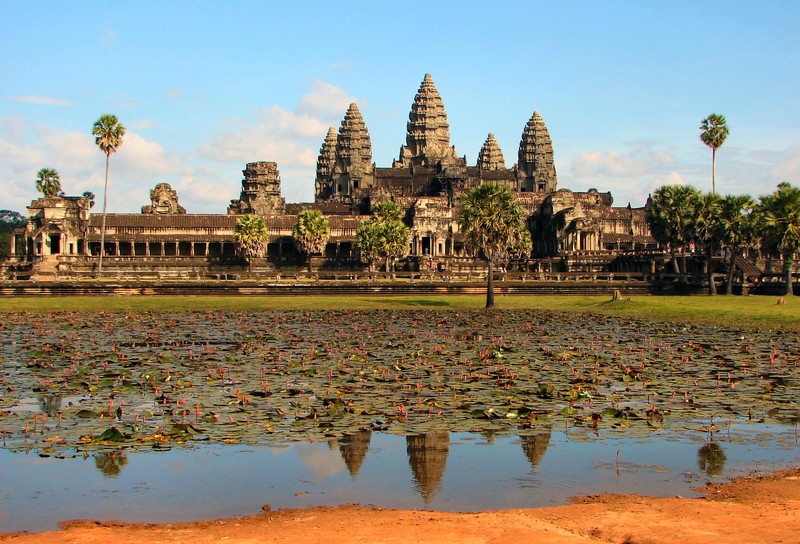
Sambor Prei Kuk was more than a religious sanctuary; it formed part of a substantial urban centre. Its history shows that Khmer culture was already highly developed long before Angkor Wat was built. Architectural ideas explored here later influenced Khmer temple design.
Temple Groups in the Forest
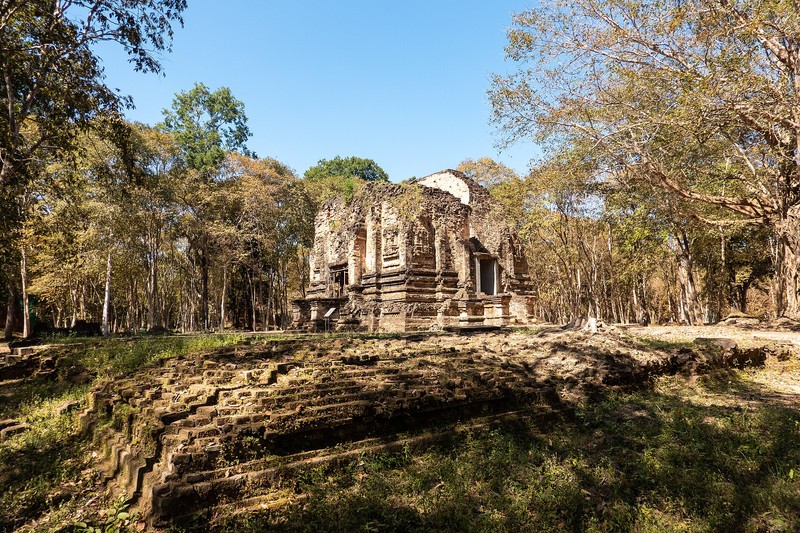
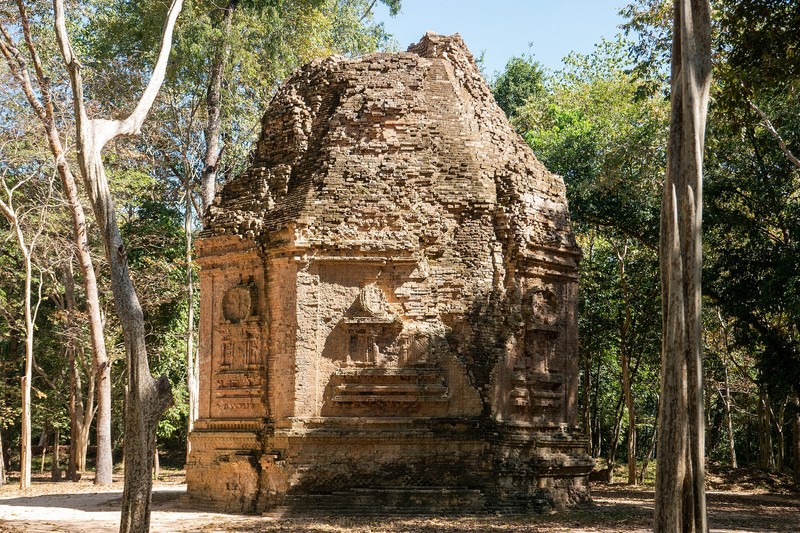
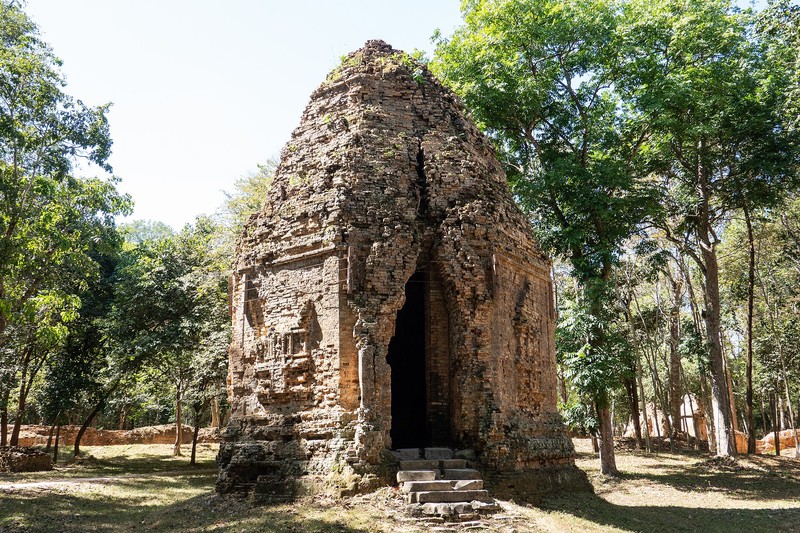
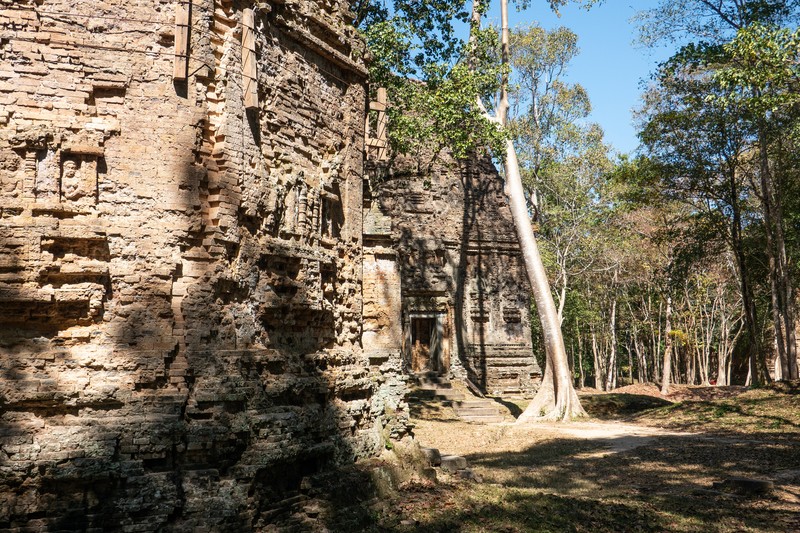
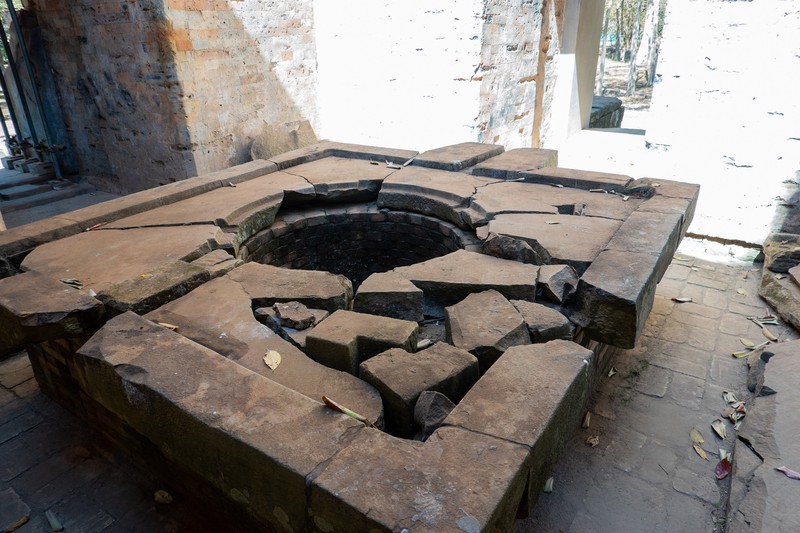
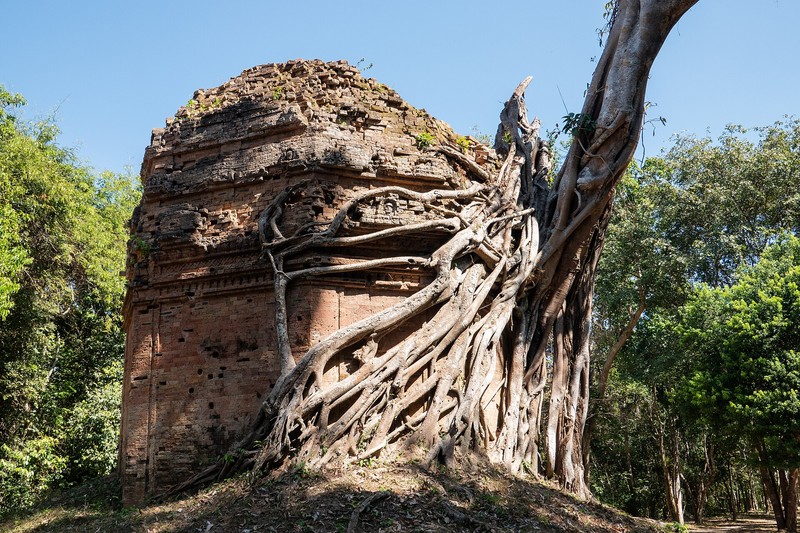
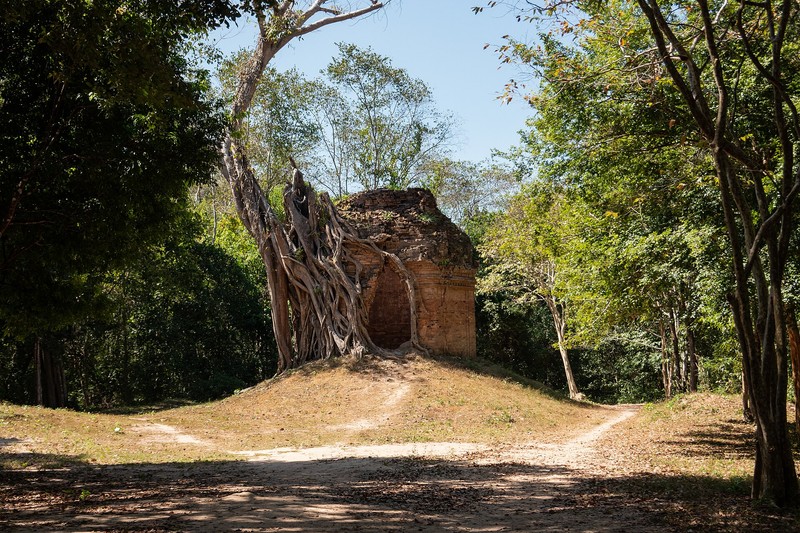
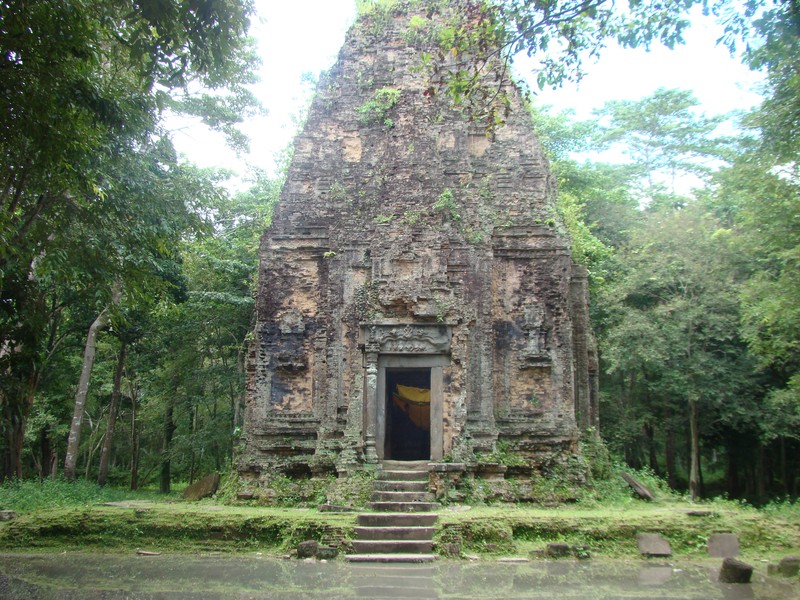
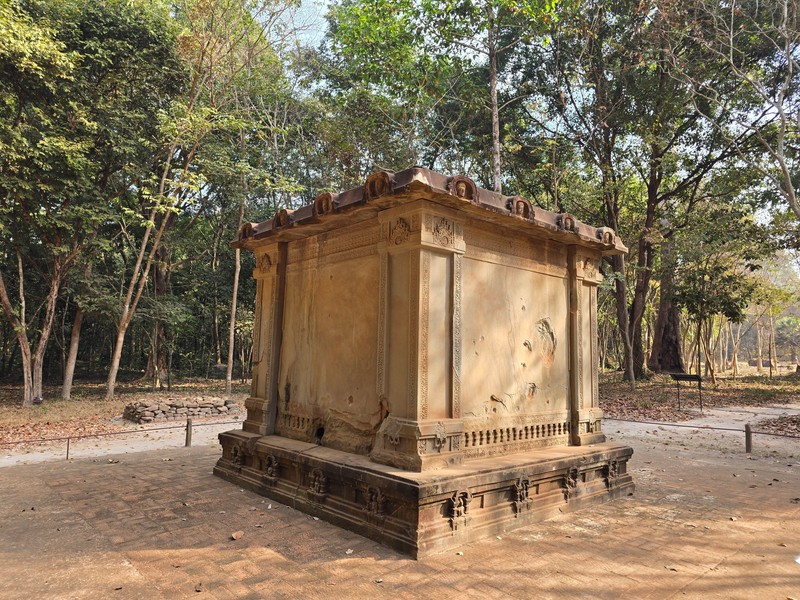
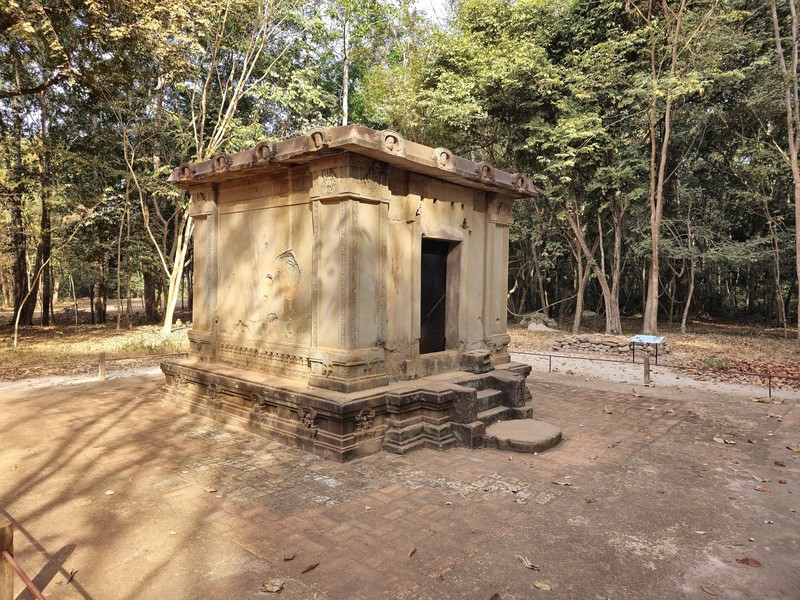
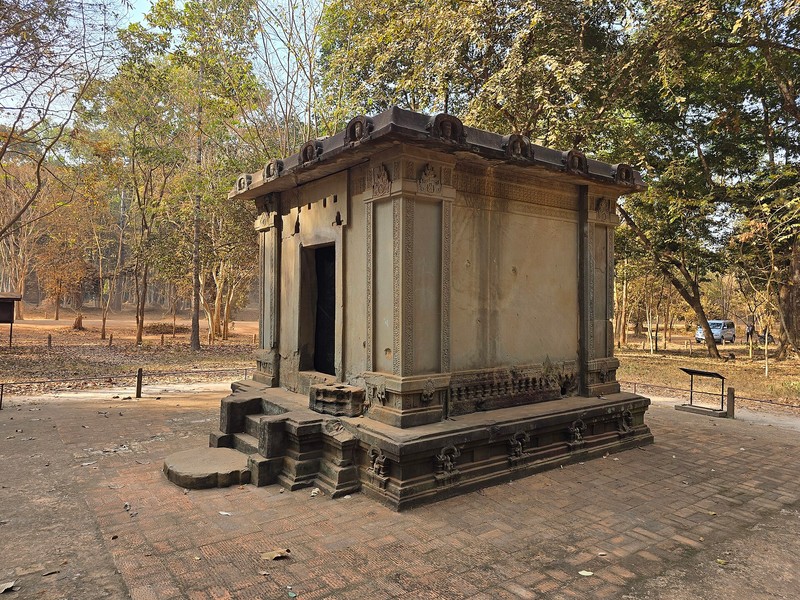
The archaeological area contains more than a hundred temples and other ancient structures scattered among trees and woodland paths. Many sanctuaries were built of brick, with sandstone and laterite used for selected elements. Some buildings have collapsed over time, while tree roots have grown around their walls, giving the site the atmosphere of an ancient city slowly reclaimed by the forest.
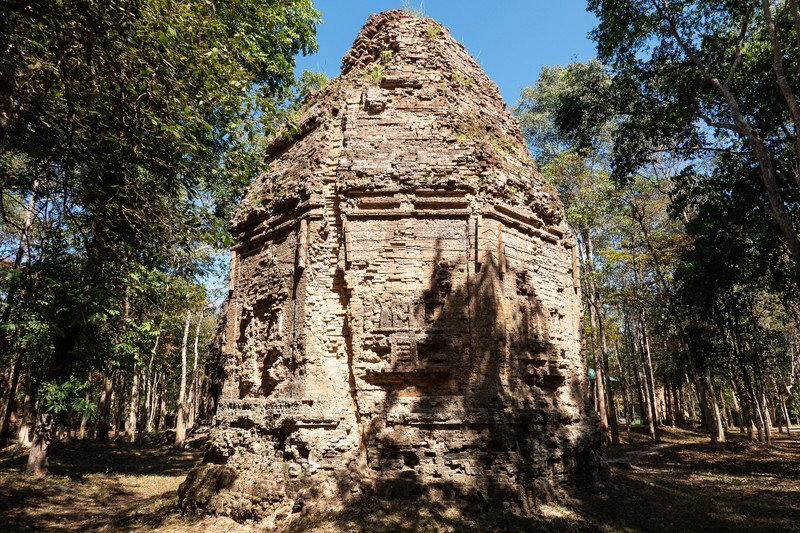
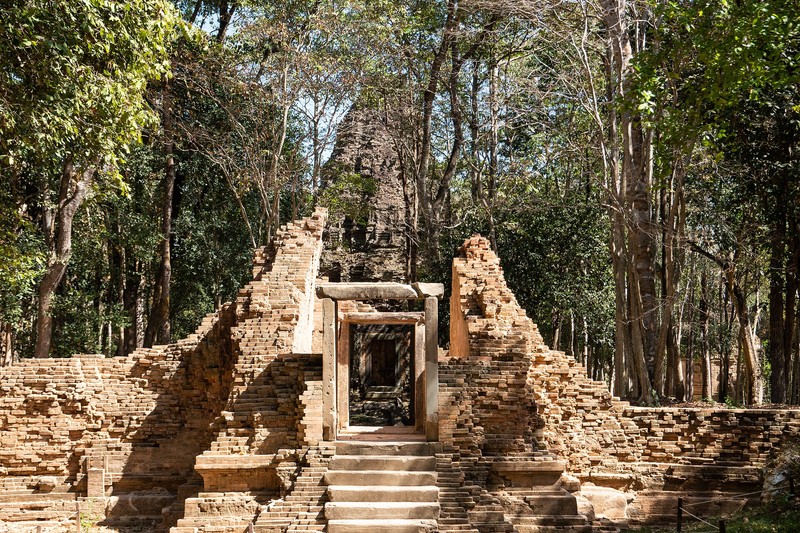
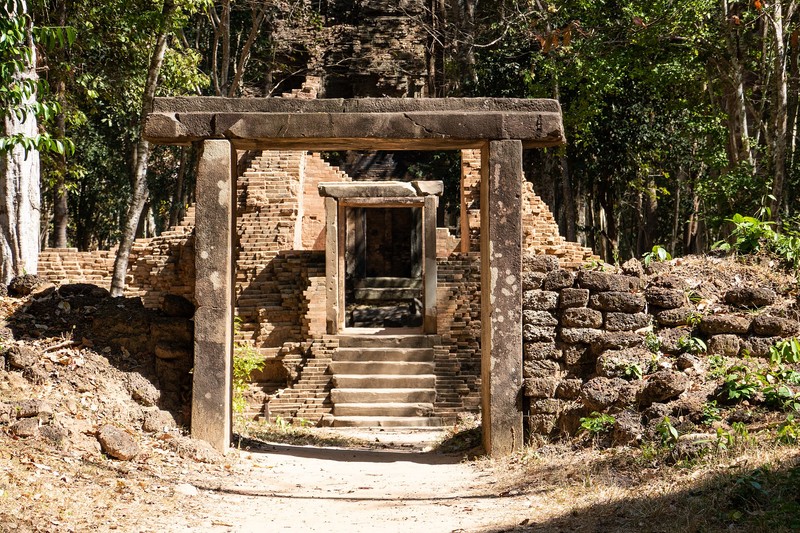
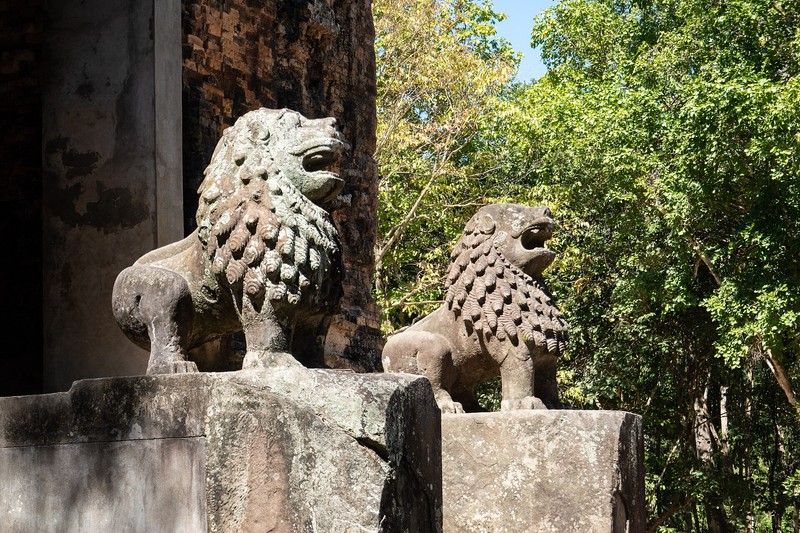
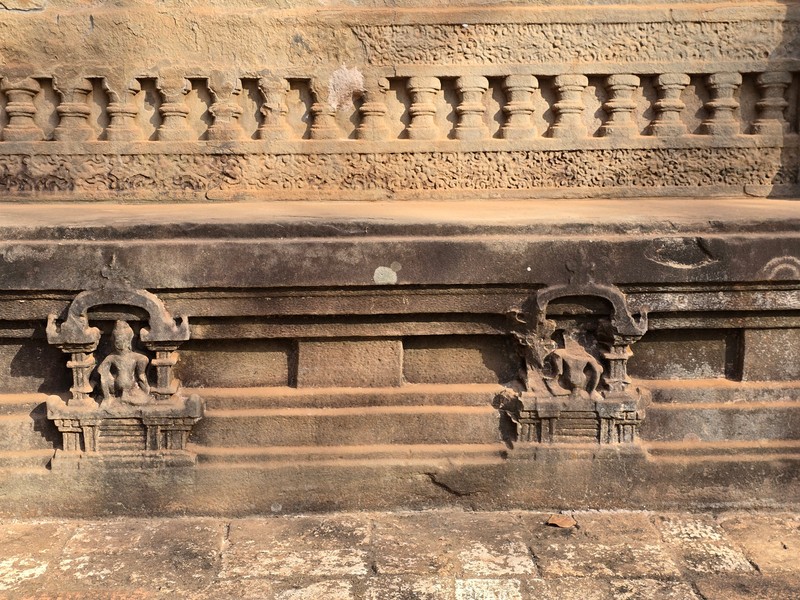
The monuments are generally organised into northern, central and southern groups. Visitors can see brick sanctuary towers, remains of gateways, decorative features and carved stone details. Some structures retain their distinctive outlines, while others survive as fragments of walls and foundations.
Distinctive Architecture and Carving
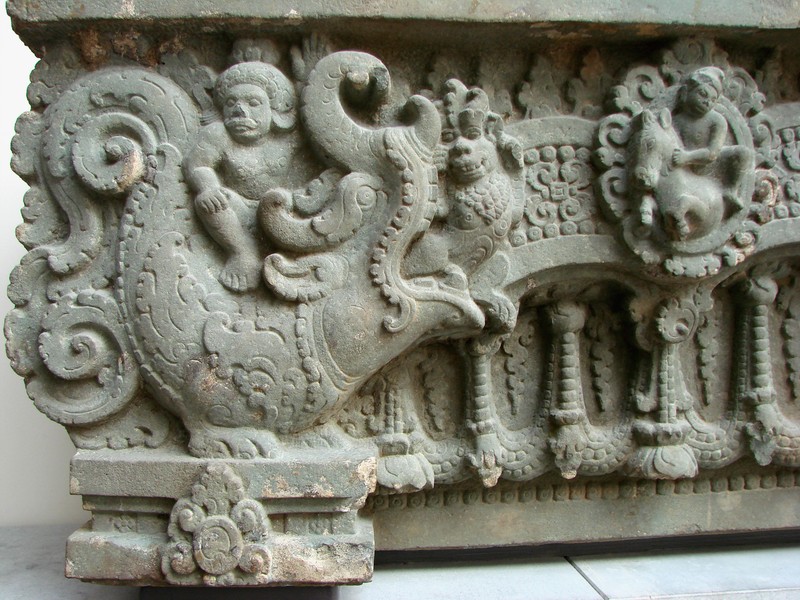
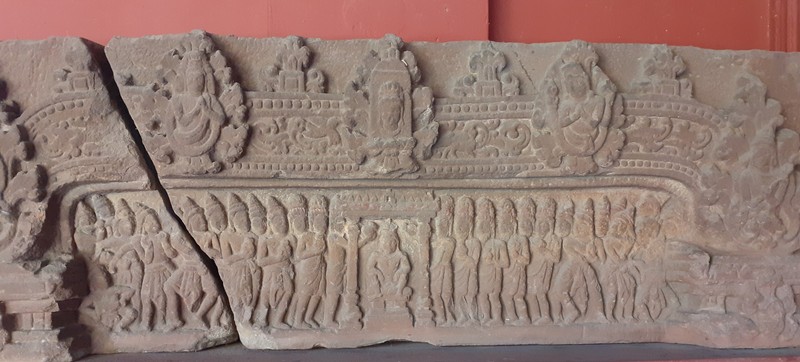
One of Sambor Prei Kuk’s most distinctive features is its octagonal towers, unusual in early Khmer architecture. They reflect experimentation with architectural forms before the great temple complexes of Angkor were built. Sandstone lintels, pediments and columns preserve decorative motifs connected with the religious ideas of the period.
The site reflects artistic influences from South Asia that local craftsmen adapted to their own traditions. Sambor Prei Kuk developed a distinctive artistic style that is important to the history of Khmer art and helps researchers trace the evolution of temple architecture.
Religion and Cultural Significance
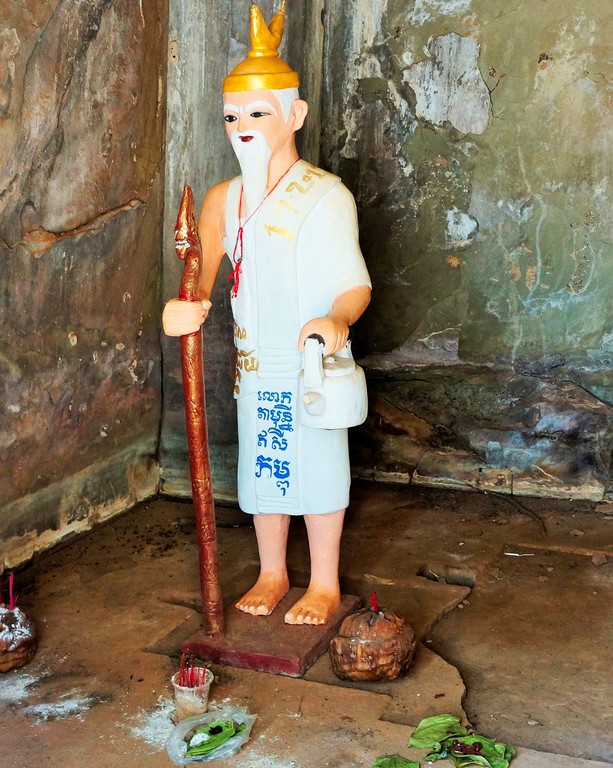
The temples are associated mainly with early Hindu traditions, particularly the worship of Shiva. Sanctuaries were places of ritual and expressed ideas about kingship, the cosmos and sacred order. Sculptural and decorative details provide clues to the beliefs and artistic tastes of the time.
The complex helps visitors understand how Khmer architecture developed from early brick shrines into the monumental stone ensembles later seen at Angkor.
A UNESCO World Heritage Site
In 2017, the Temple Zone of Sambor Prei Kuk, Archaeological Site of Ancient Ishanapura, was inscribed on the UNESCO World Heritage List. The designation recognises its outstanding importance as evidence of an early stage of Khmer civilization.
Tropical humidity, vegetation and the passage of time affect the ancient brickwork, making ongoing research and conservation essential. Visitors should remain on marked paths and avoid climbing fragile walls or foundations.
What to See and How to Get There
Look for the brick towers, unusual octagonal sanctuaries, carved sandstone details and the contrast between ancient masonry and tropical forest. The site lies near Kampong Thom town, between Phnom Penh and Siem Reap. Travellers can reach the town by bus and continue by taxi, tuk-tuk or organised excursion.
Bring comfortable shoes, drinking water, sun protection and insect repellent. Paths can be slippery during the rainy season. Sambor Prei Kuk is especially rewarding for visitors interested in archaeology, early Southeast Asian states and the origins of Khmer architecture.
Gallery