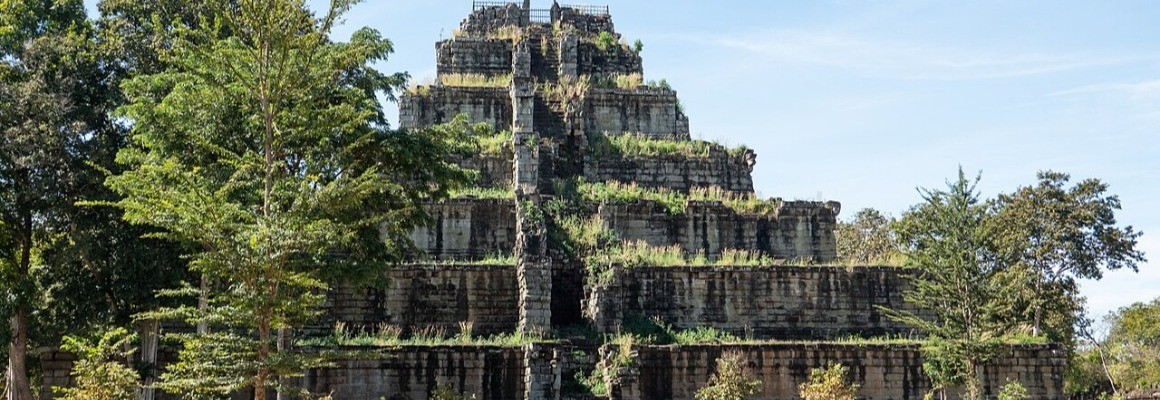

Angkor is an extensive archaeological complex in Cambodia containing the remains of the capital of the Khmer Empire. Stone temples rise among tropical forests and reservoirs, decorated with bas-reliefs and sculptures. Angkor is one of the most important historical sites in Southeast Asia and is listed as a UNESCO World Heritage Site.
History of Angkor
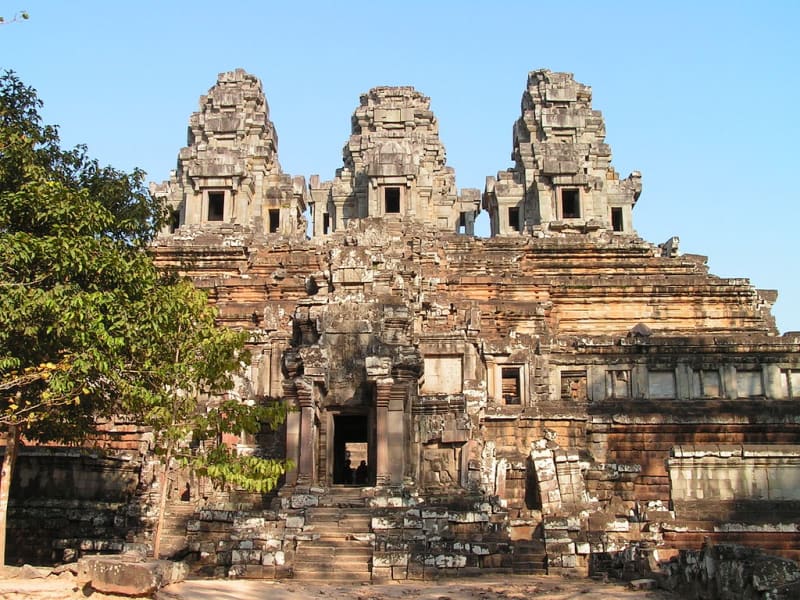
Angkor flourished roughly between the 9th and 15th centuries, when Khmer rulers built temples, roads, palaces, canals, and reservoirs. The city served as a political and religious centre of an empire that at various times controlled much of present-day Cambodia and neighbouring regions.
Many temples were initially dedicated to Hindu deities, especially Shiva and Vishnu, while numerous sanctuaries later became Buddhist. Angkor gradually lost political importance during the 15th century as the main centre of power moved elsewhere. Some temples nevertheless continued to serve as places of worship.
Angkor Wat
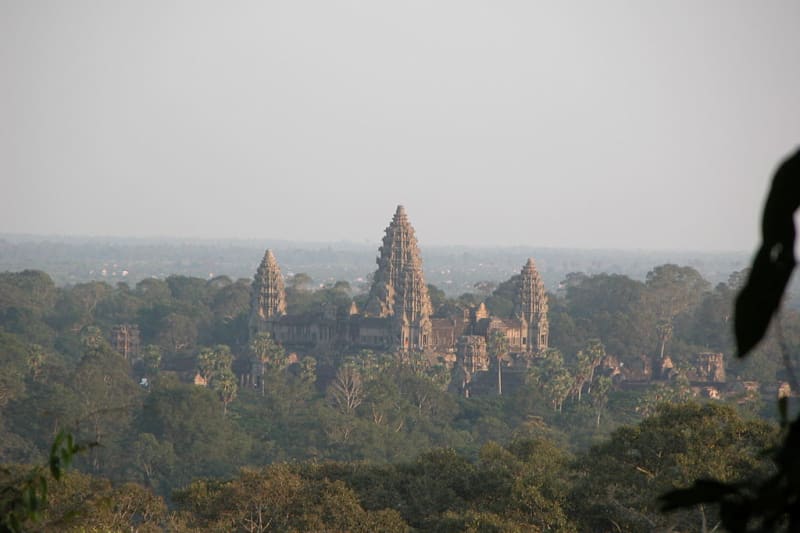
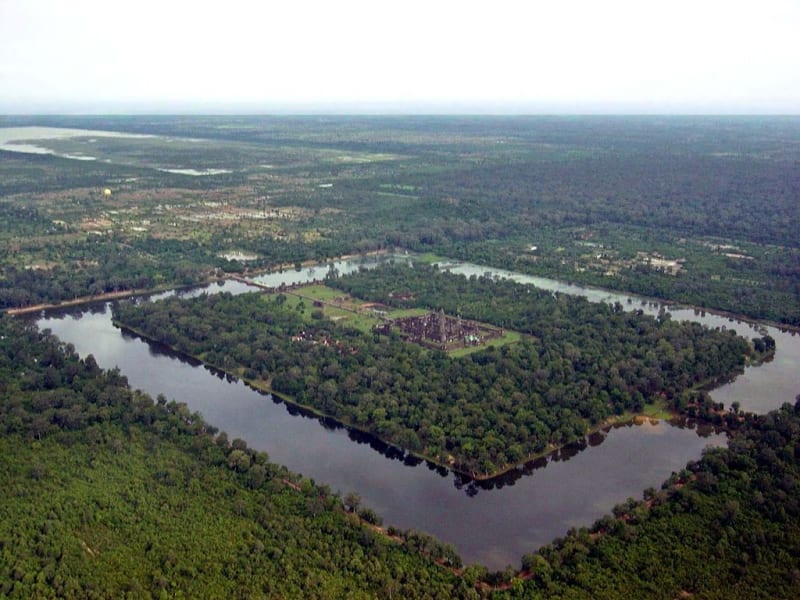
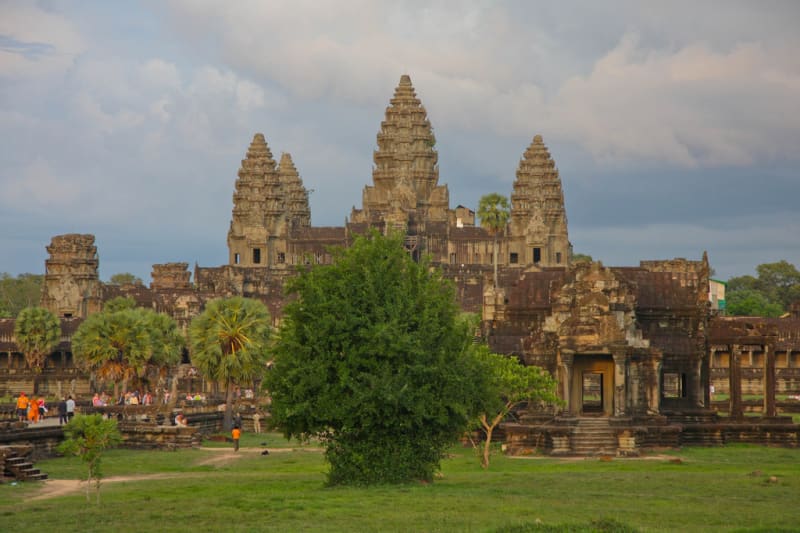
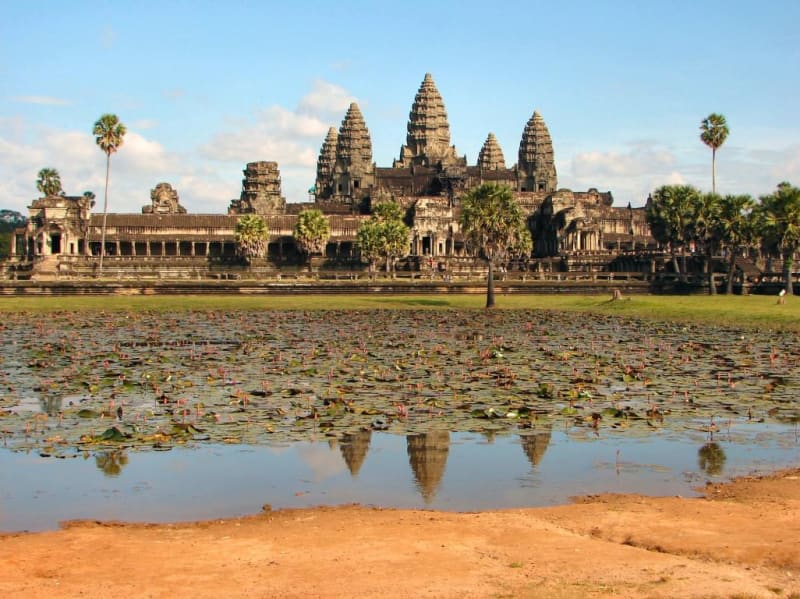
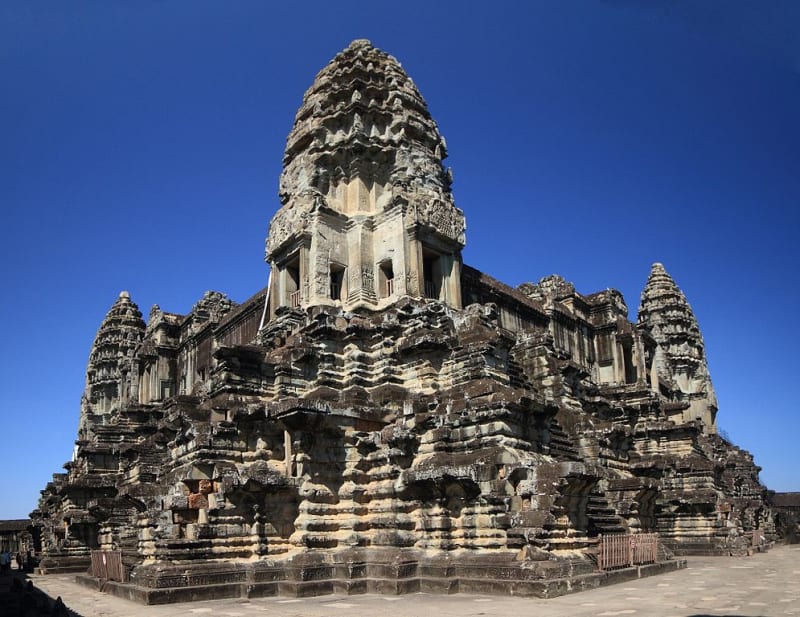
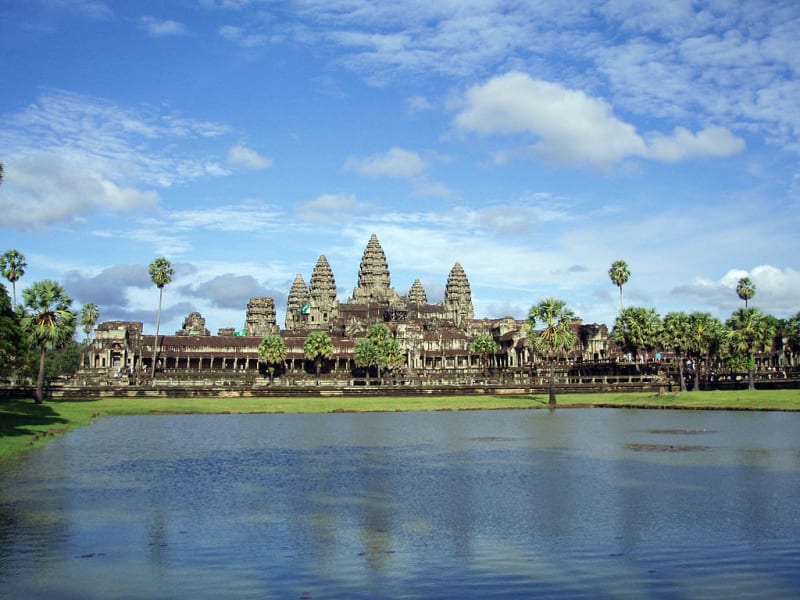
The best-known monument is Angkor Wat, a vast temple built during the first half of the 12th century under King Suryavarman II. Originally dedicated to Vishnu, it later became an important Buddhist sanctuary. Its towers have become one of Cambodia’s most recognisable symbols.
A broad moat and outer wall surround the temple. Its galleries contain extensive bas-reliefs depicting mythology, military campaigns, ceremonies, and episodes from Hindu epics. The terraces and towers evoke a sacred mountain, an important idea in Hindu and Buddhist cosmology.
Angkor Thom and Bayon Temple
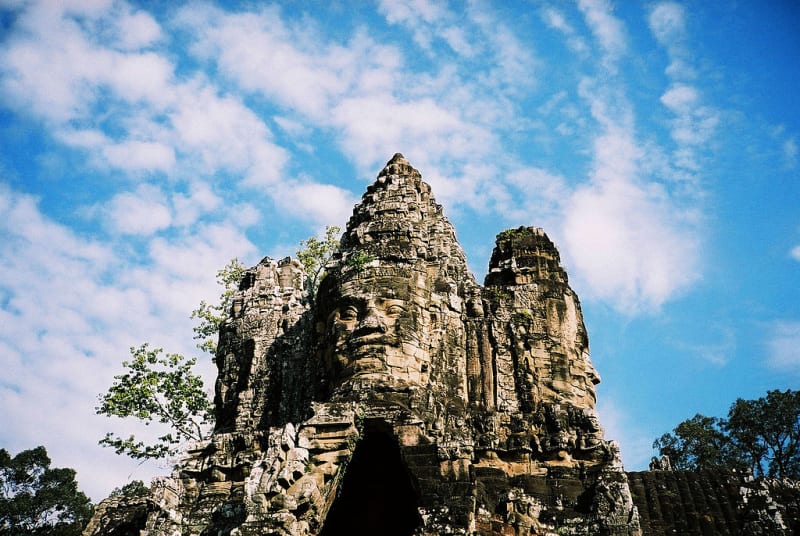
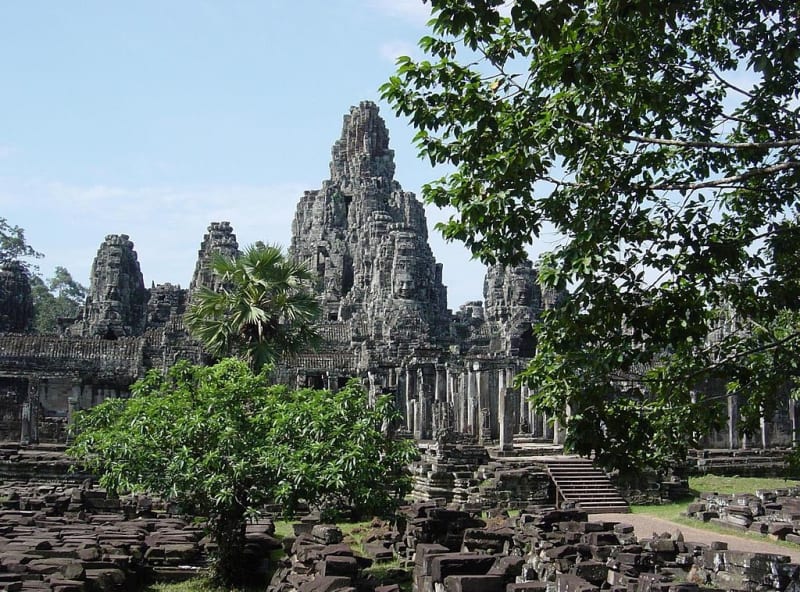
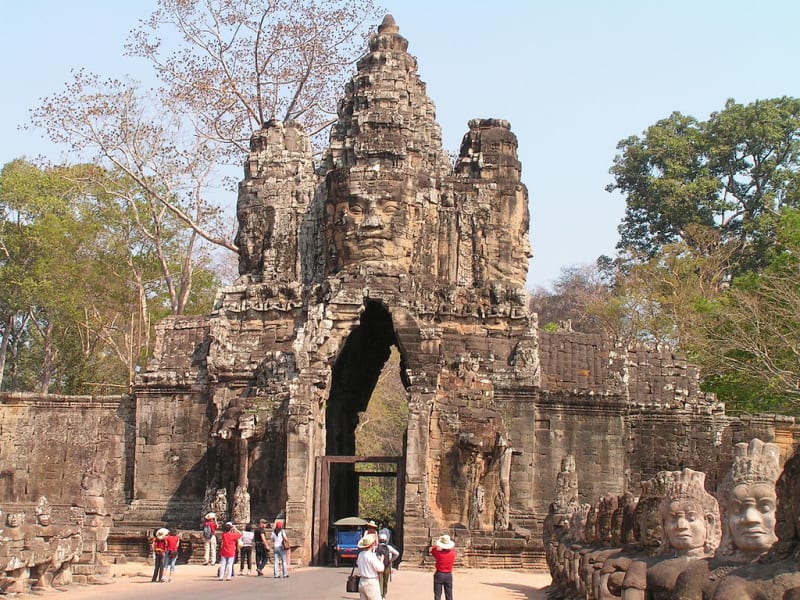
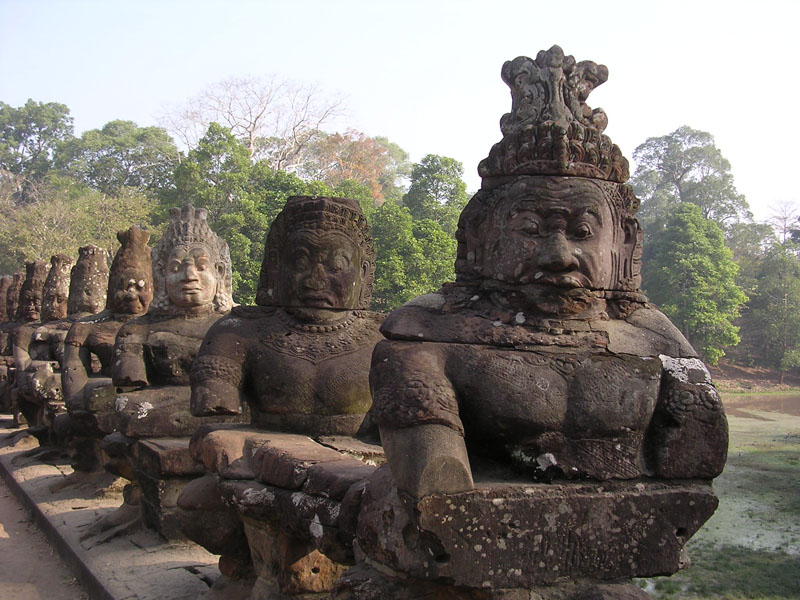
Angkor Thom was a fortified city that became a major imperial centre in the late 12th century under King Jayavarman VII. Monumental gates decorated with stone faces and mythological figures marked its entrances.
At the centre stands Bayon Temple, famous for its many enormous carved stone faces. Its bas-reliefs also depict markets, celebrations, everyday activities, and military events, offering glimpses into Khmer society.
Ta Prohm and temples among the jungle
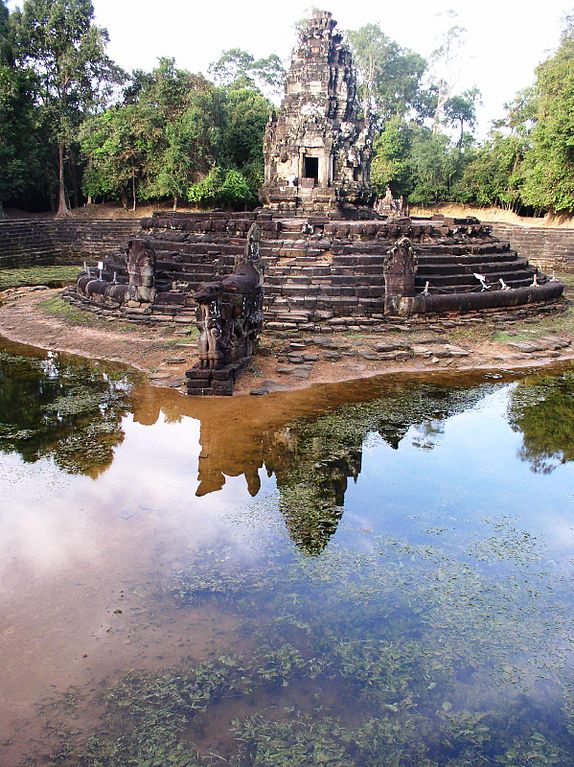
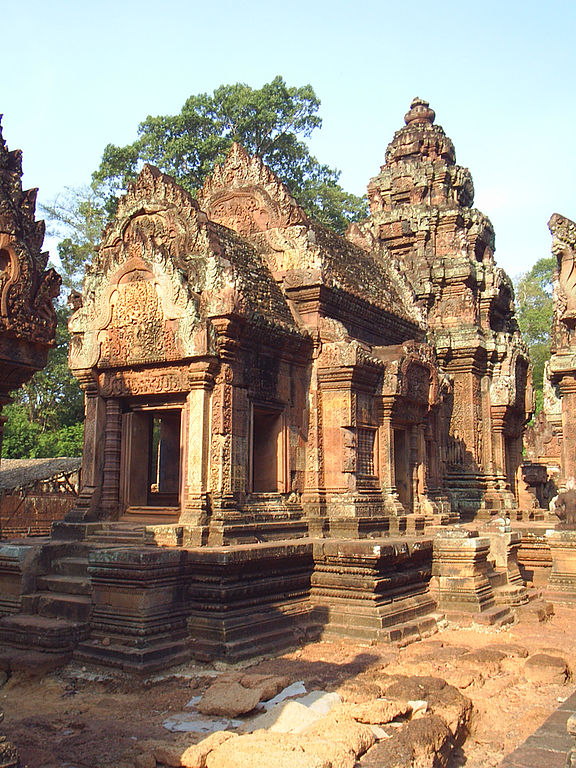
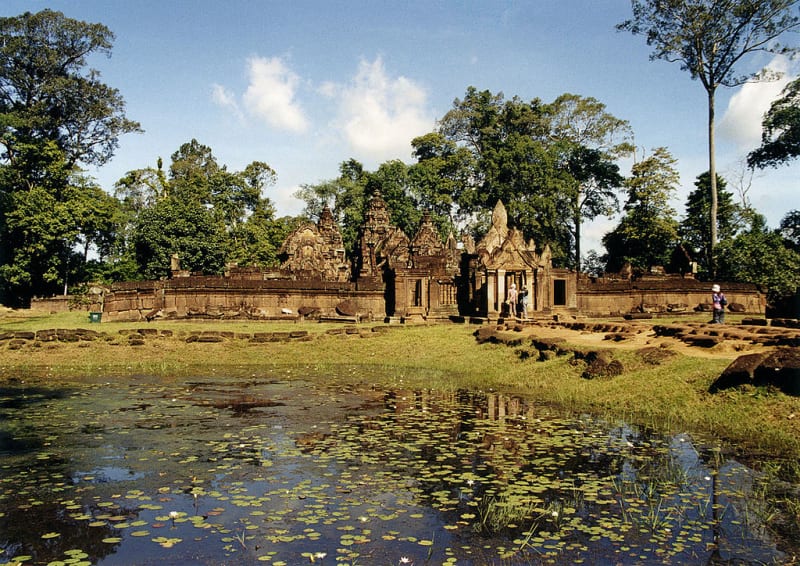
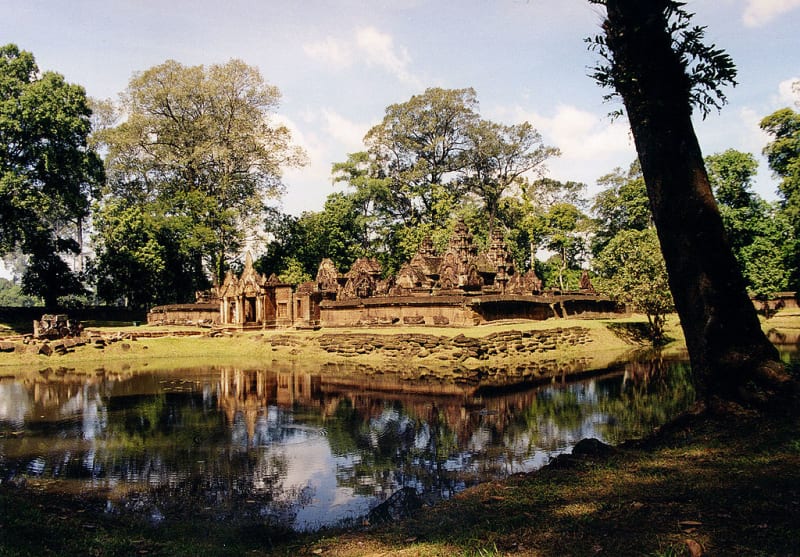
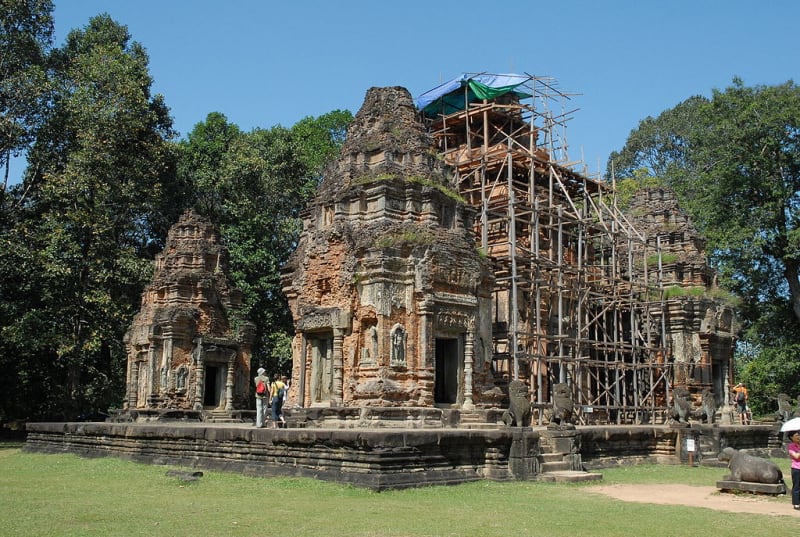
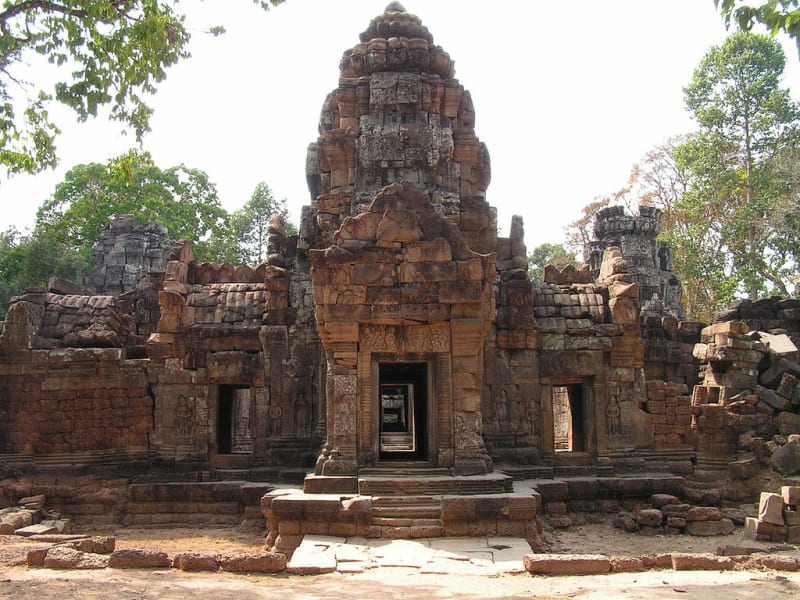
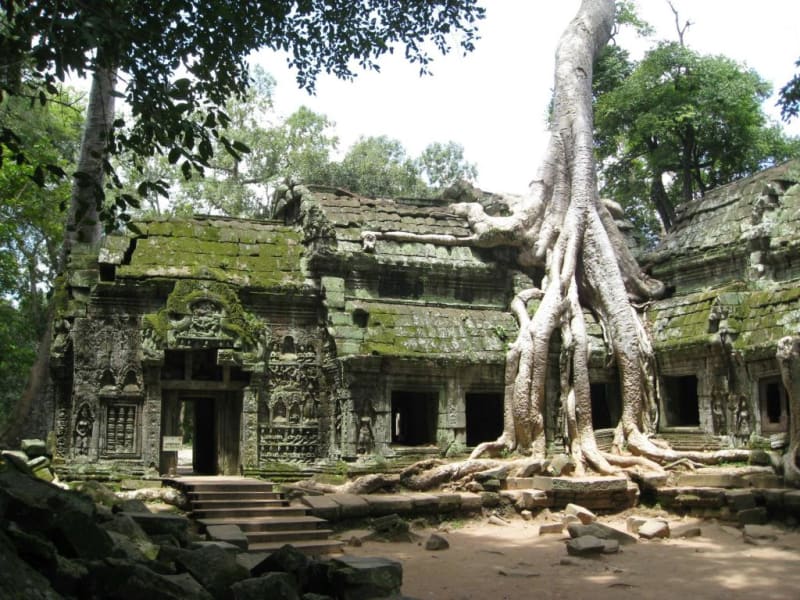
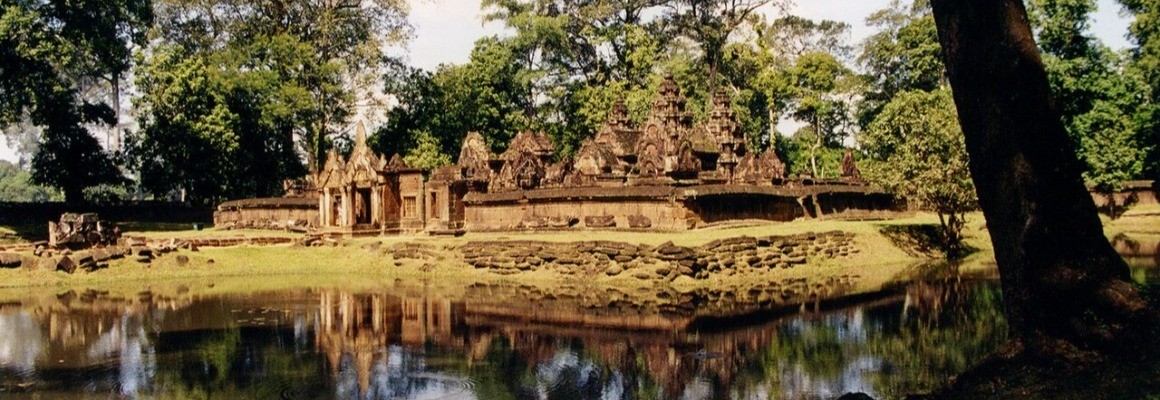
Ta Prohm is known for trees whose massive roots spread over walls and stone blocks. The site vividly illustrates the relationship between ancient architecture and tropical vegetation. Other notable monuments include Preah Khan, East Mebon, and Banteay Srei, which is renowned for delicate carvings in pinkish sandstone.
The ancient water system
Angkor was more than a religious centre: it was a complex urban landscape with roads, canals, farmland, and large reservoirs known as barays. These structures helped manage water in a monsoon climate and supported agriculture.
Climate shifts, droughts, severe floods, and political and economic changes may all have affected the system. Angkor’s decline was gradual and resulted from several interacting factors rather than a single event.
What to see at Angkor
First-time visitors commonly choose Angkor Wat, Angkor Thom with Bayon Temple, and Ta Prohm. Together, they reveal monumental temple design, carved stone faces, and ruins intertwined with jungle growth. If time allows, smaller and less crowded temples are also worth exploring.
Sunrise at Angkor Wat is especially popular, while late-afternoon light brings out details in the ancient stonework. Wear comfortable shoes, carry water, and use sun protection. Visitors should dress respectfully and follow local rules at active religious sites.
How to reach Angkor
The main base for visiting the complex is Siem Reap. From there, temples can be reached by car, tuk-tuk, bicycle, or guided tour. Distances between monuments can be substantial, so it is useful to plan a route around the heat and the time available.
Before travelling, check current ticket arrangements, opening hours, and access restrictions. Angkor covers a large area, and exploring it thoroughly often takes several days.
Gallery