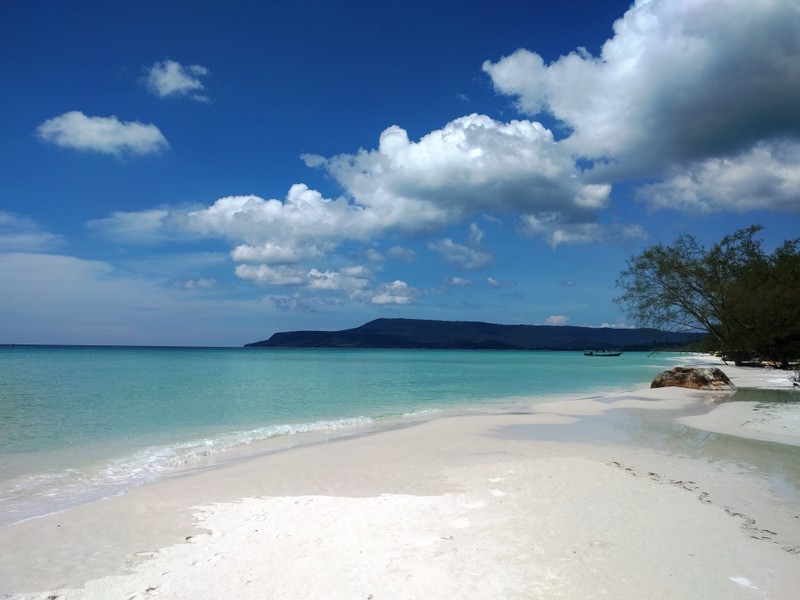
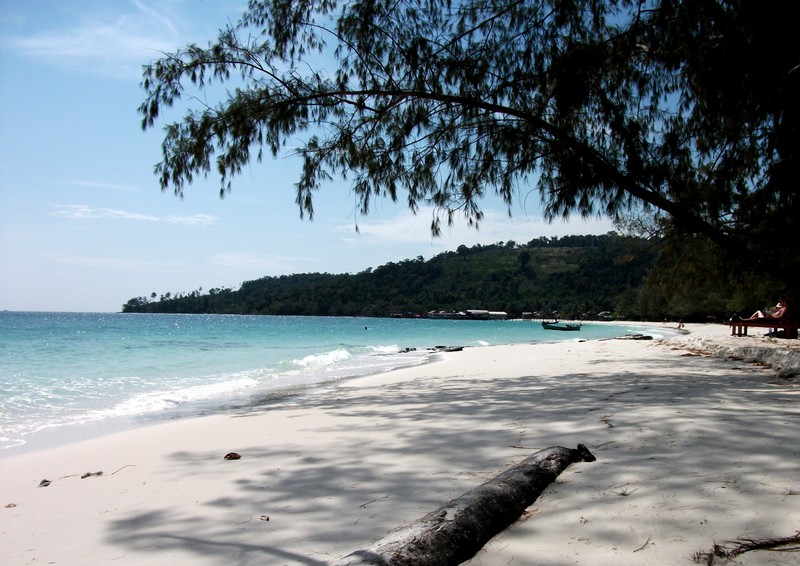
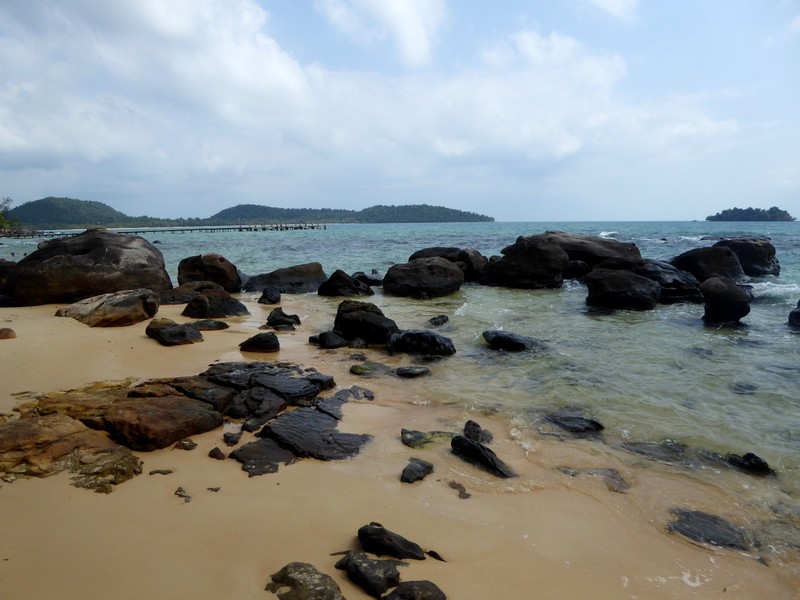
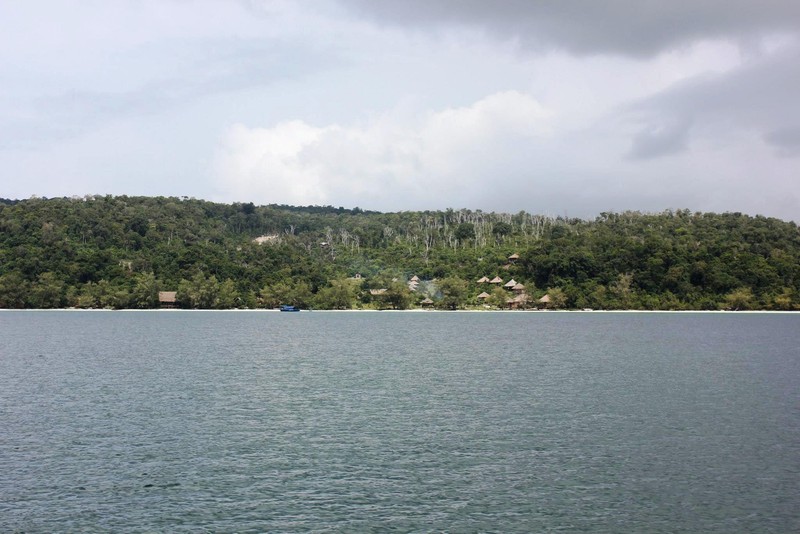
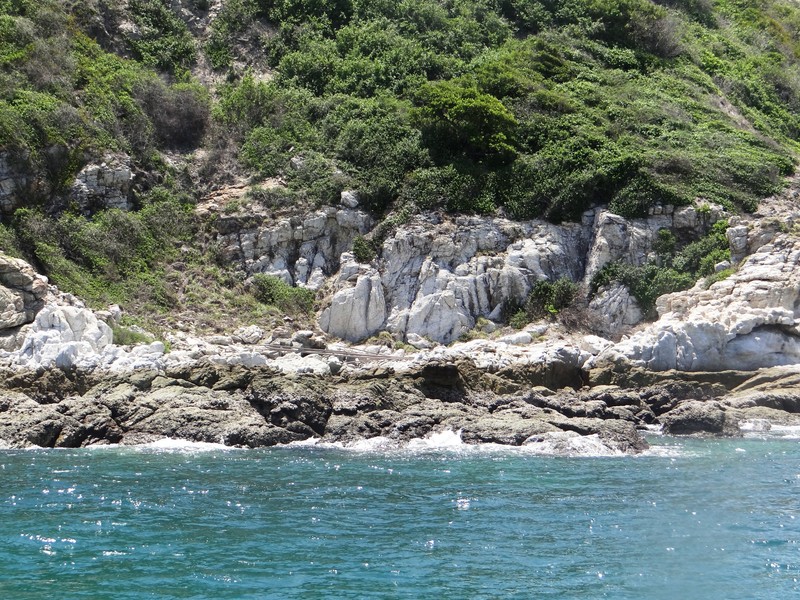
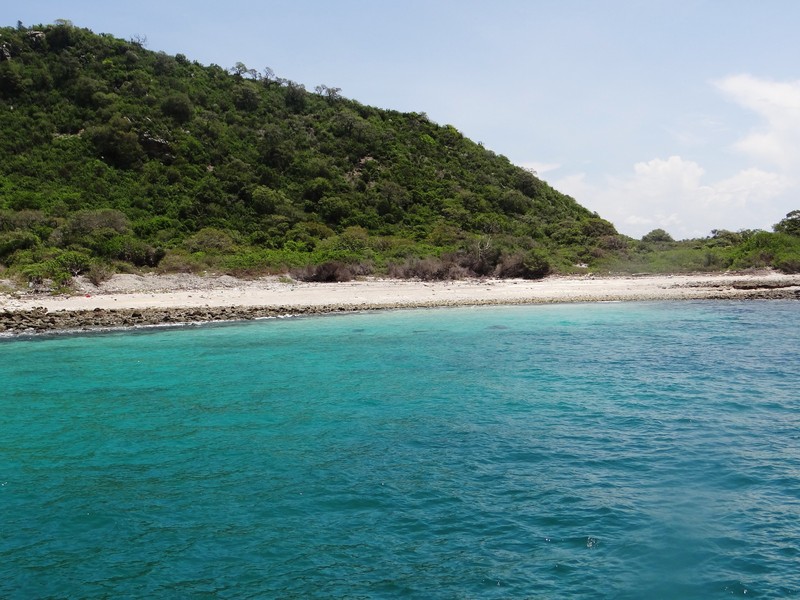
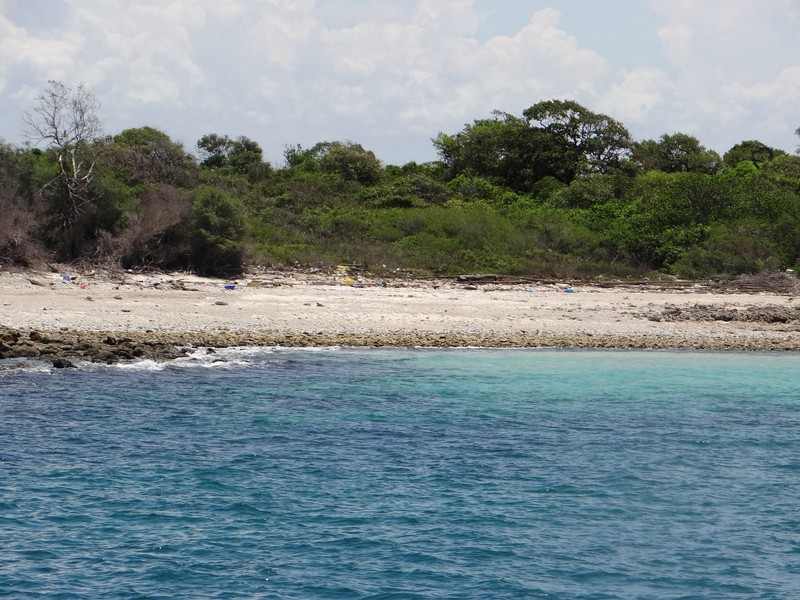
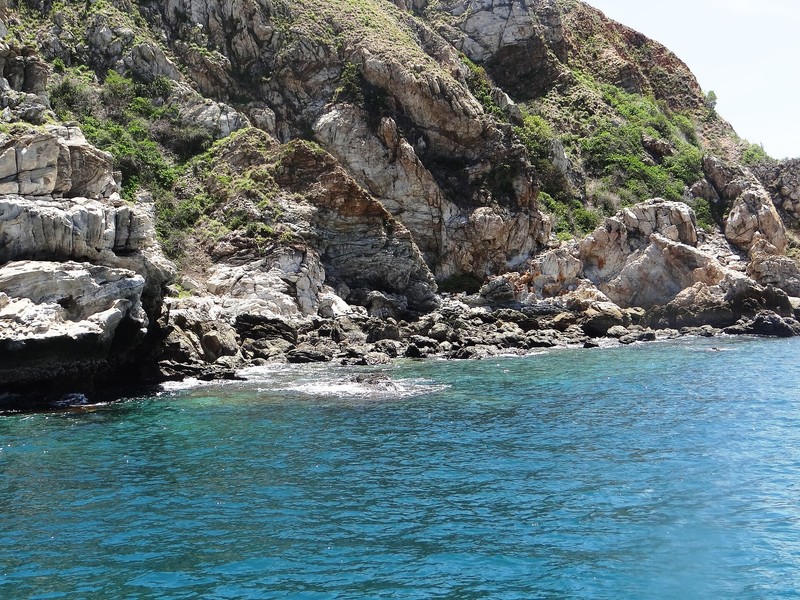
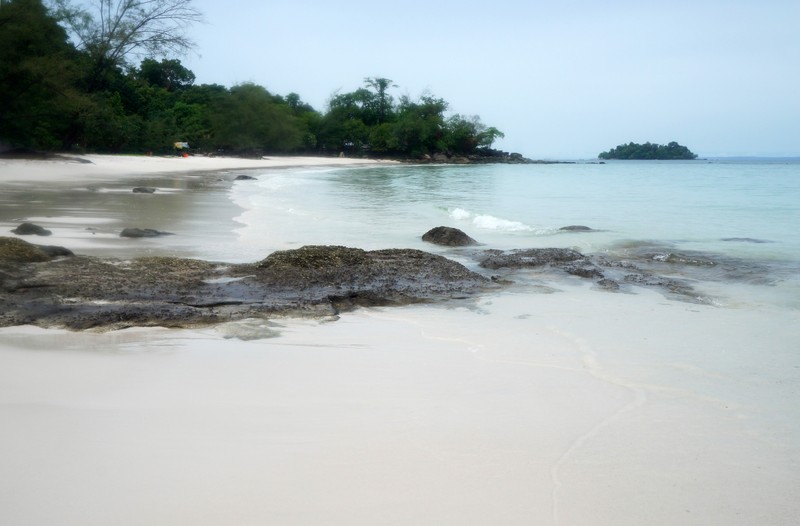
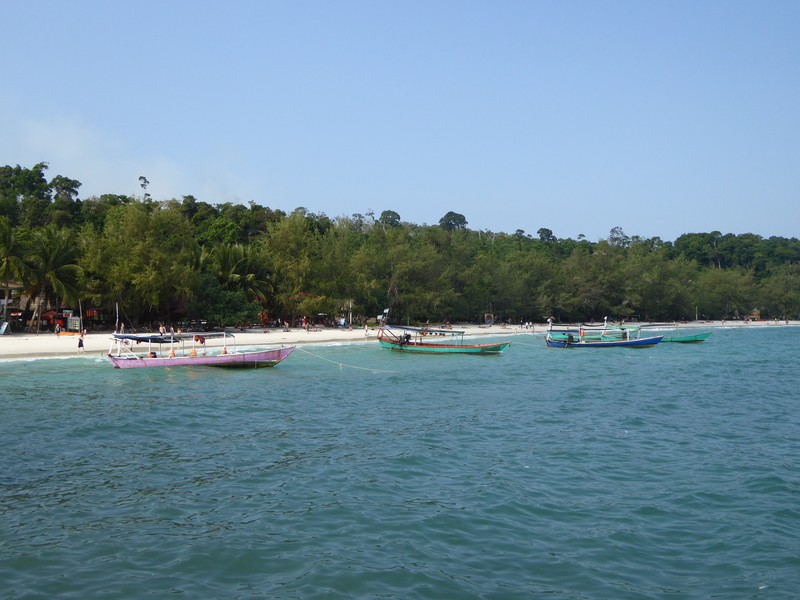
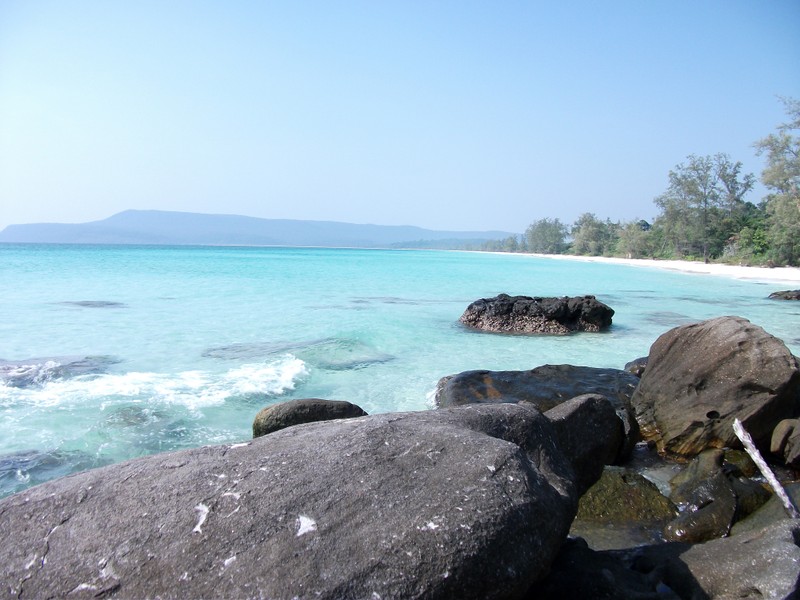
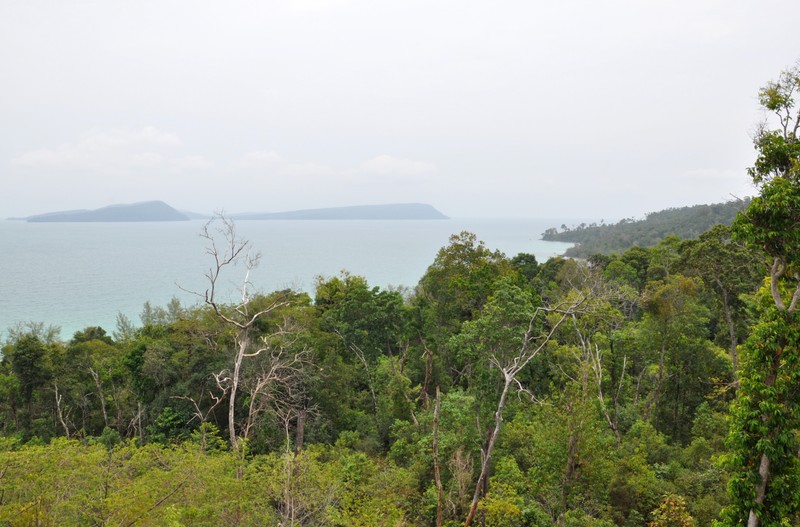
Koh Rong is one of Cambodia’s best-known tropical islands, located in the Gulf of Thailand about 25 kilometres off the coast of Sihanoukville. It is famous for sandy beaches, clear seawater, green hills and dense jungle. Visitors can relax by the sea, snorkel, explore forest trails or look for bioluminescent plankton after dark.
Geography and Nature
The island covers approximately 78 square kilometres and has a coastline of around 61 kilometres. More than twenty beaches vary in length, colour and level of development. The interior is covered with tropical vegetation, hills and small streams. The highest point is about 316 metres above sea level.
The eastern coast has sheltered bays and curved beaches, while the western side faces the open sea and offers long stretches of sand and sunset views.
The Island’s Beaches
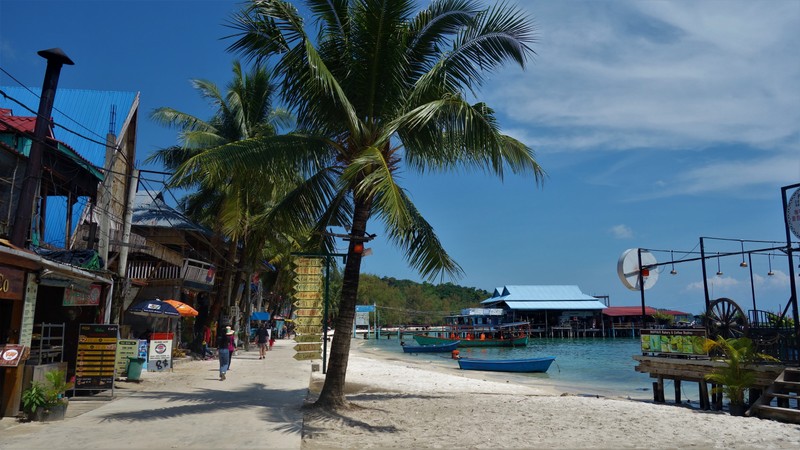
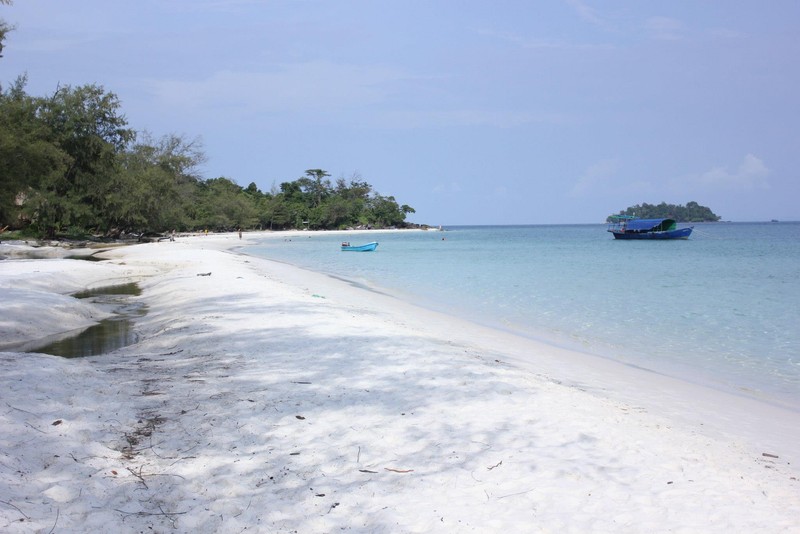
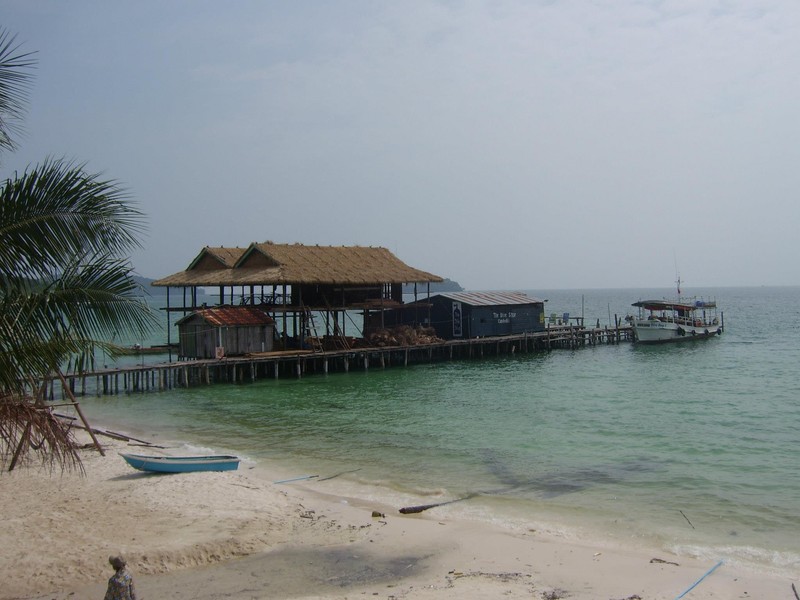
Koh Touch is the main tourist area, with a ferry pier, guesthouses, cafés and bars. It is convenient for arranging trips, though some spots can be lively. Long Set Beach, also called 4K Beach, is known for its long stretch of pale sand and clear water. Sok San Beach on the western coast offers a spacious shoreline and a quieter atmosphere.
The western beaches are especially attractive at sunset. Sea conditions vary by season, so swimmers should take care and follow local warnings.
Bioluminescent Plankton
One of Koh Rong’s most unusual natural sights is bioluminescent plankton. Some microscopic organisms emit a blue glow when the water moves. At night, waves or a swimmer’s movements can create the impression of sparkling lights in the sea.
The effect is best sought on dark nights away from bright lights. Visibility depends on weather and plankton levels, so it cannot be guaranteed every evening. Follow safety guidance during night boat trips or swims.
Snorkelling and Boat Trips
The waters around the island support tropical fish and other marine life. Activities include snorkelling, guided scuba diving, kayaking, paddleboarding and boat trips to nearby bays. Underwater visibility varies with the season and sea conditions.
Avoid touching coral and marine animals, do not leave rubbish behind and choose operators that prioritise safety and environmental protection.
Jungle Trails and Local Villages
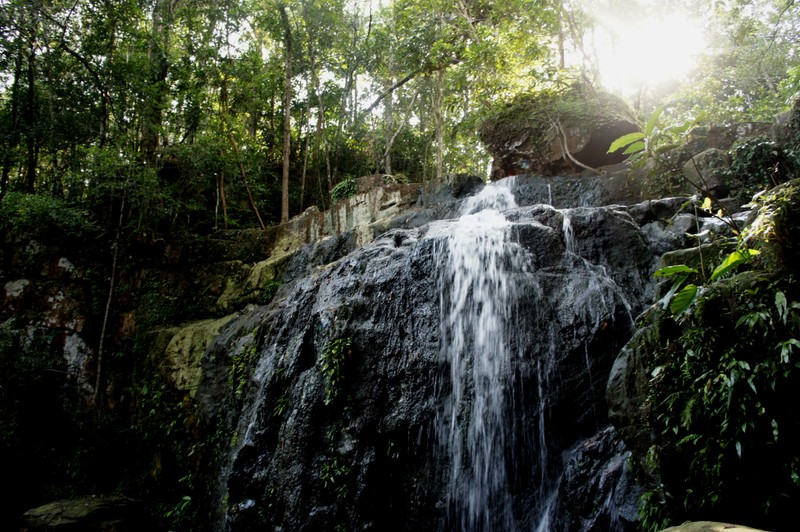
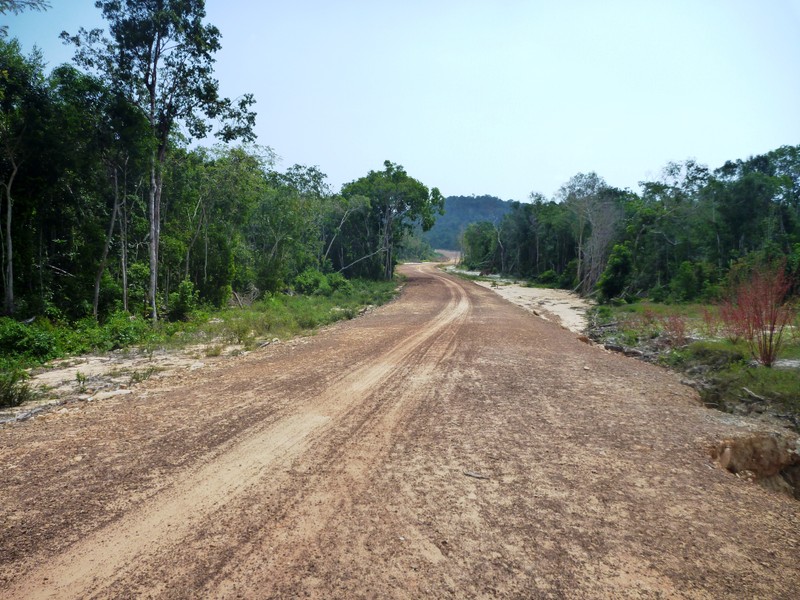
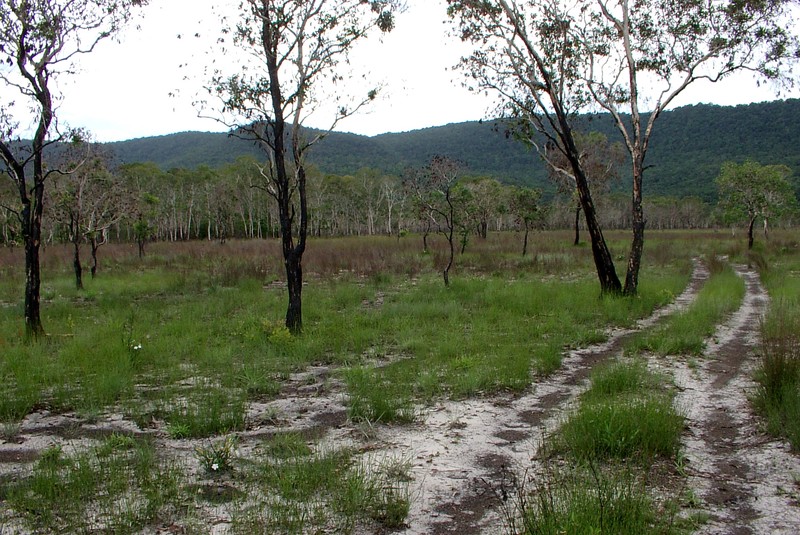
The island’s interior is covered with tropical forest, and some trails lead to remote beaches. Paths can become slippery after rain, so bring suitable shoes, drinking water and insect repellent. A local guide is useful for unfamiliar routes.
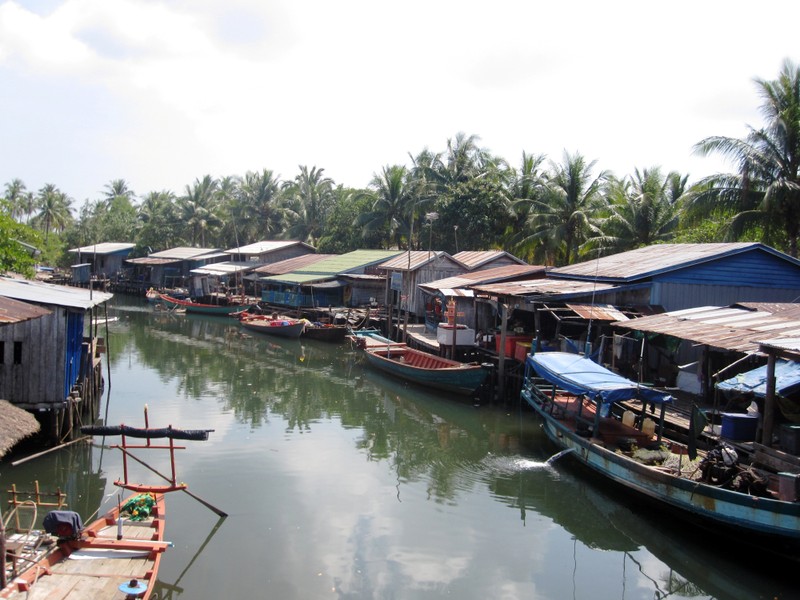
Koh Rong also has fishing communities, including Prek Svay, Daem Thkov and Sok San. Fishing has traditionally supported many households. When visiting villages, respect residents’ privacy and ask permission before taking photographs.
Marine Conservation
In 2018, the Koh Rong archipelago was designated Cambodia’s first national marine park. Protected marine areas aim to conserve biodiversity and support sustainable fisheries. Pollution, overfishing and unmanaged tourism can harm the island’s natural environment.
When to Visit and How to Get There
The most popular period is roughly mid-November to early May, when rainfall is usually lower. The rainy season lasts approximately from May to early November; seas can be rougher and ferry schedules may change.
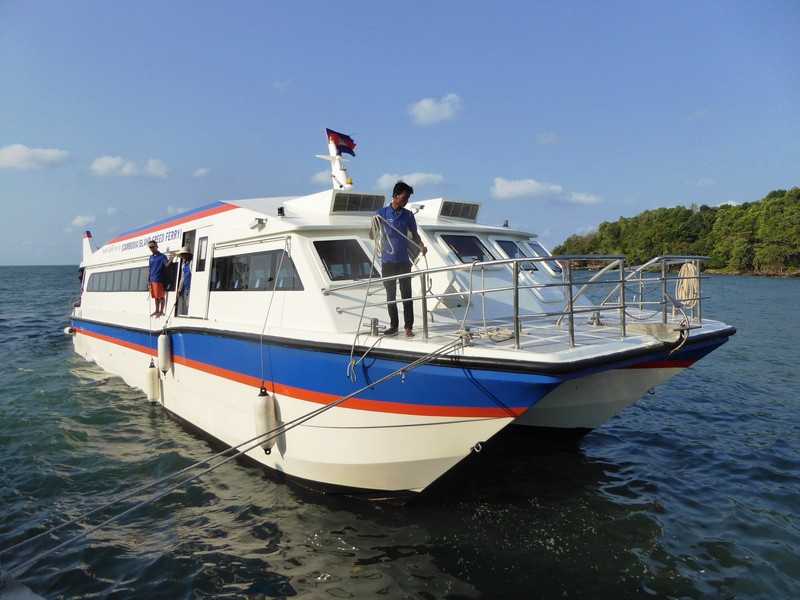
Speed ferries connect Koh Rong with Sihanoukville. The crossing often takes about 40–60 minutes, depending on the route. Check the arrival pier and onward transfer to your accommodation before booking. Koh Rong is a rewarding destination for beach lovers, nature enthusiasts and travellers hoping to see glowing water at night.
Gallery