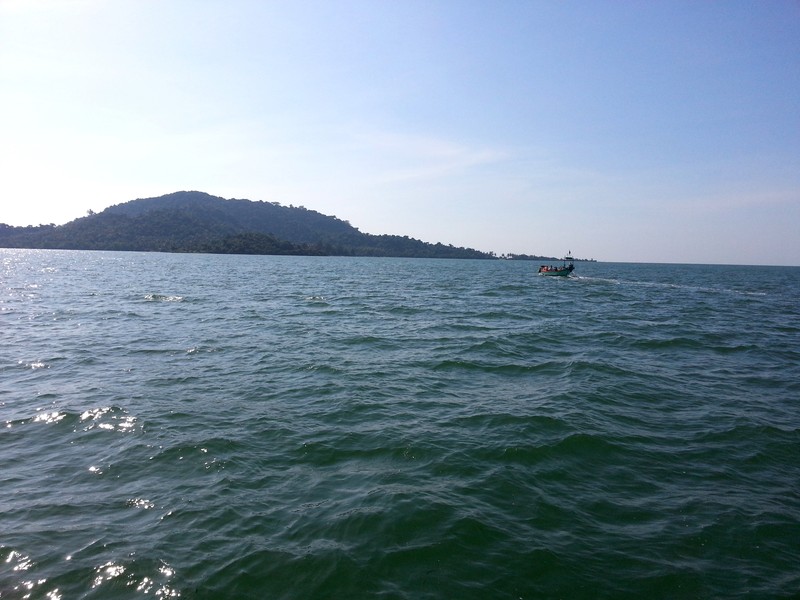
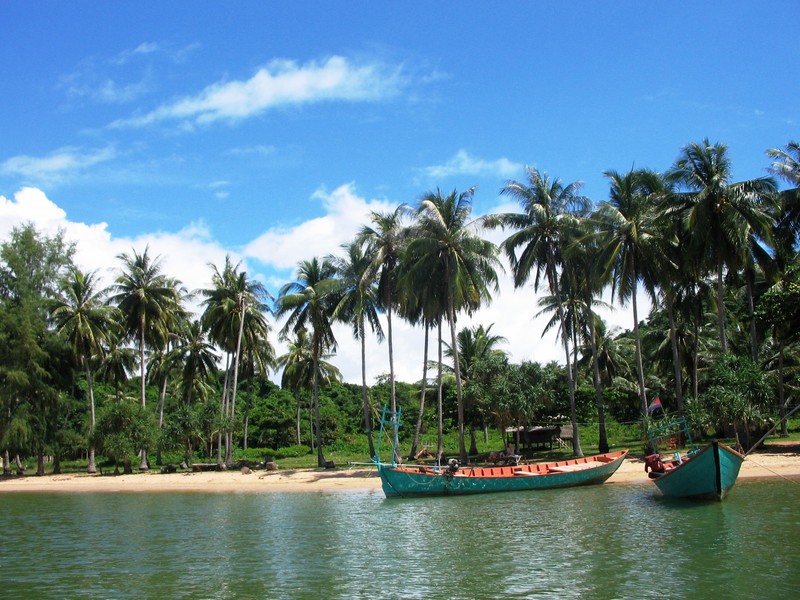
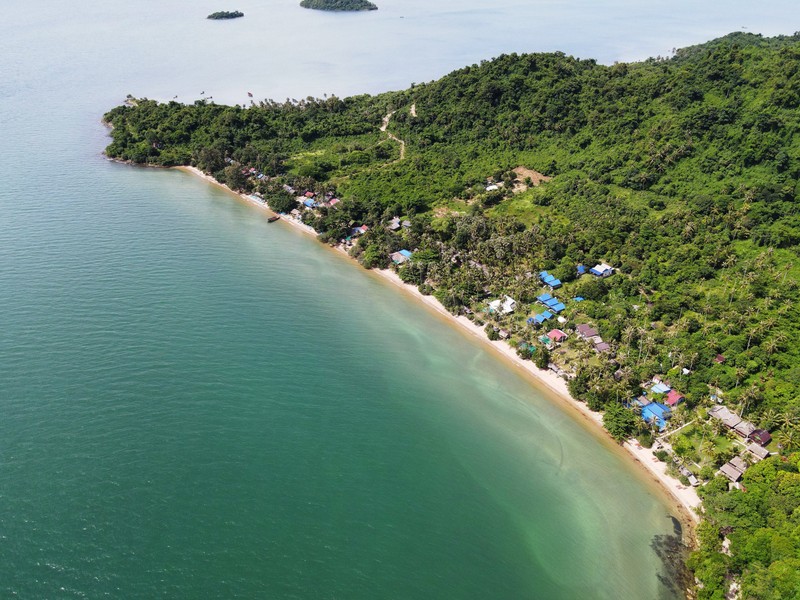
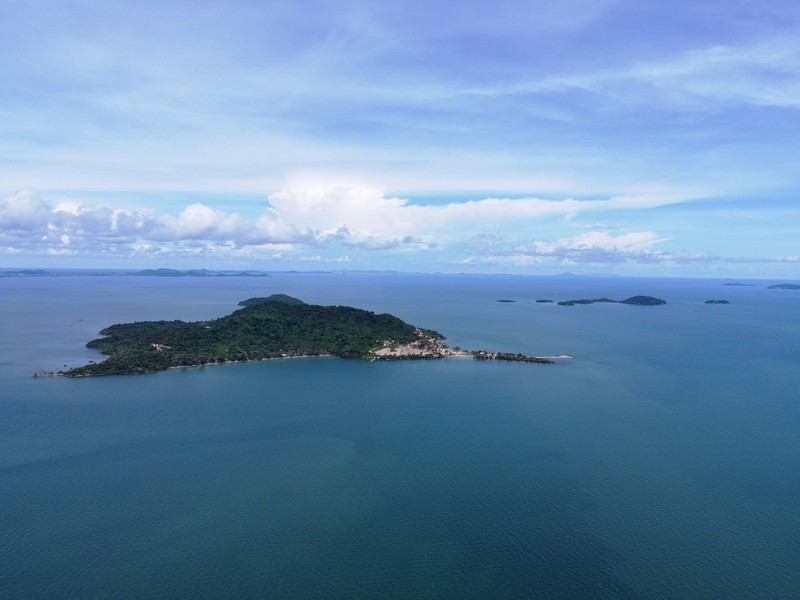
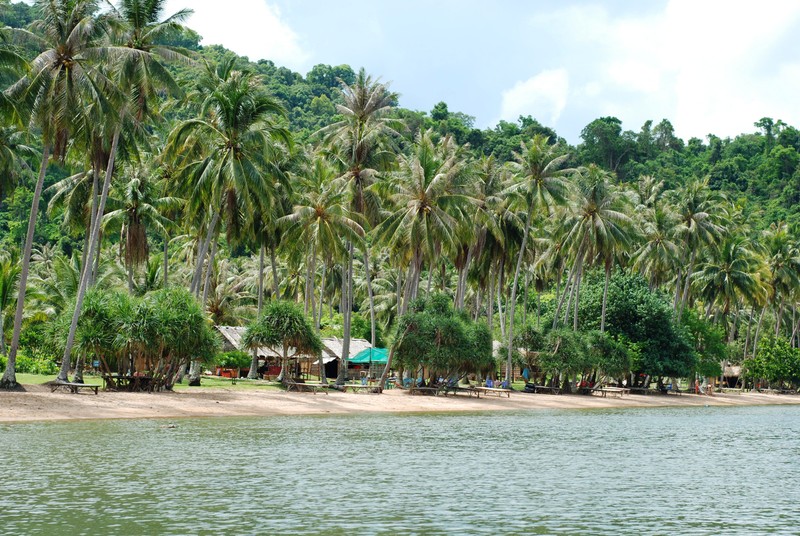
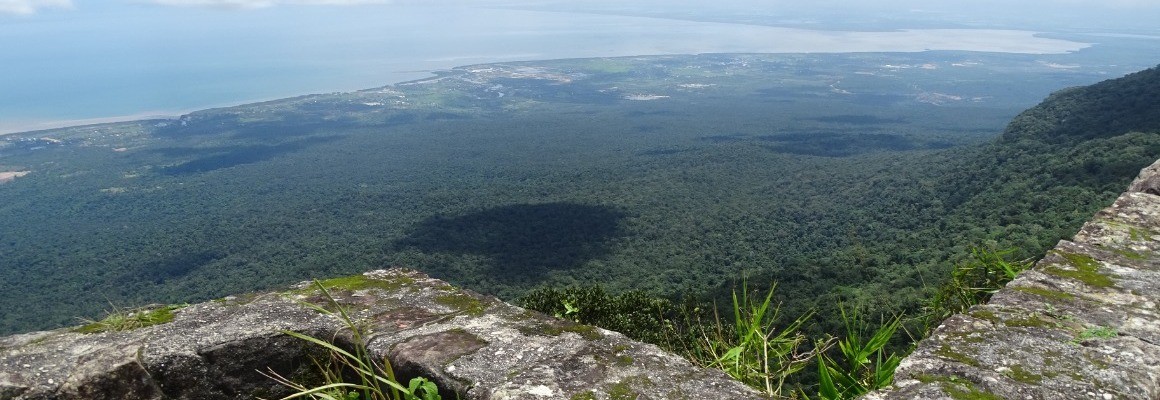
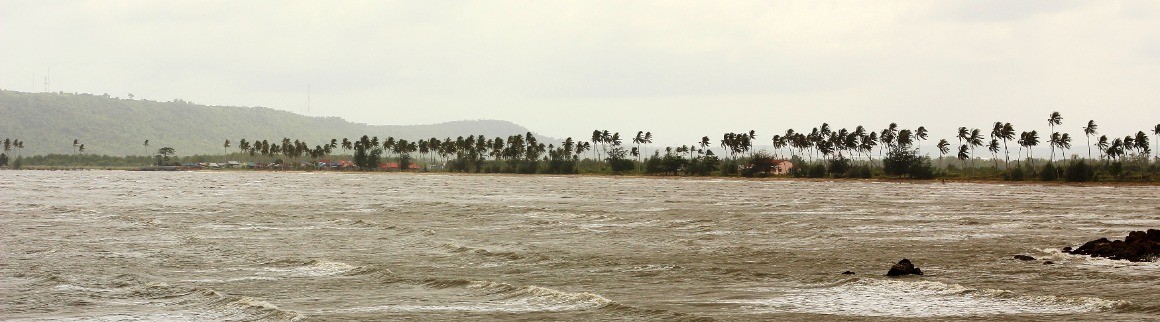
Koh Tonsay is a small tropical island off Cambodia’s southern coast in the Gulf of Thailand, near the coastal town of Kep. It is often called Rabbit Island. The island attracts visitors with sandy beaches, coconut palms, warm sea water and a relaxed atmosphere. With no large, noisy resort complexes, it is a good place for swimming, coastal walks and a quiet break surrounded by nature.
Where Koh Tonsay Is Located
The island lies about 4–5 kilometres south of Kep in southern Cambodia. It belongs to Kep Province and covers roughly 2 square kilometres. Boats connect it with the mainland from the town’s pier. Its short distance from the coast makes Koh Tonsay an easy day trip, although some visitors choose to stay overnight.
Why It Is Called Rabbit Island
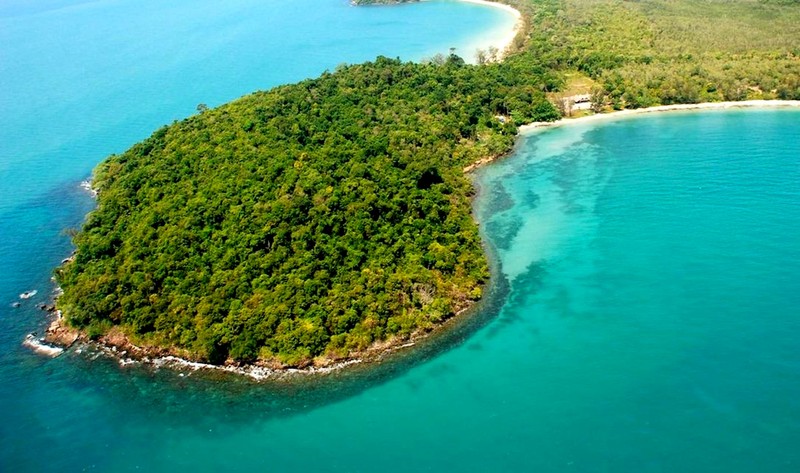
The English name Rabbit Island refers to a supposed resemblance between the island’s outline and a rabbit. Local accounts also connect the name Koh Tonsay with older forms of the island’s name and stories from the region’s past. The origin is explained in different ways, while the rabbit nickname has become the best-known tourist name.
Beaches and the Sea
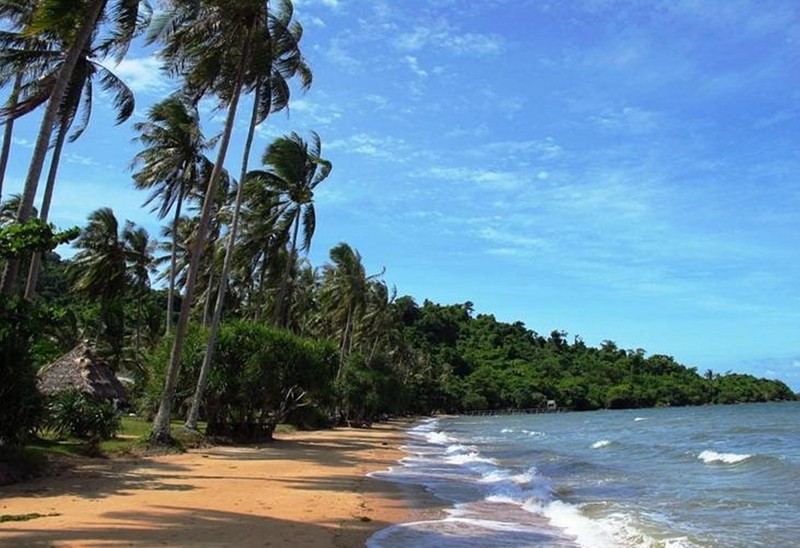
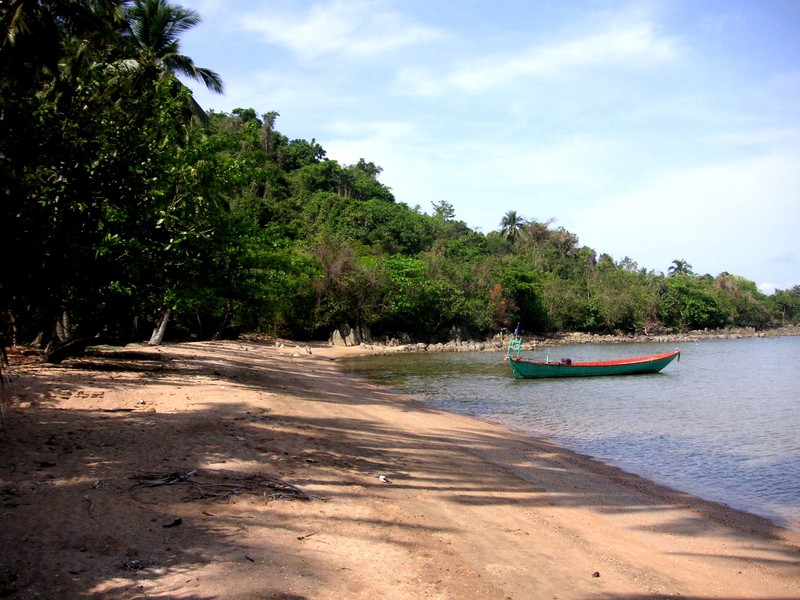
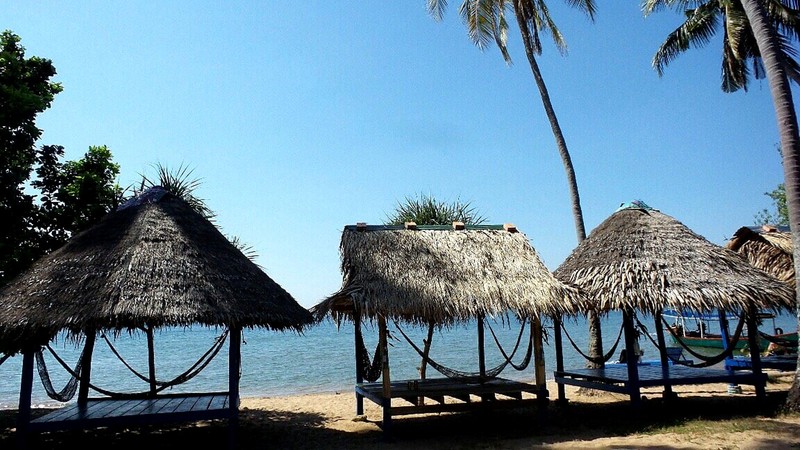
The main reason to visit Koh Tonsay is its natural coastline, with sandy beaches, palm trees and a laid-back island atmosphere. The busiest stretch is near the boat landing, where small beach restaurants and simple bungalows can be found. Away from the main beach, visitors can discover quieter stretches of shore and spend time away from the day-trip crowds.
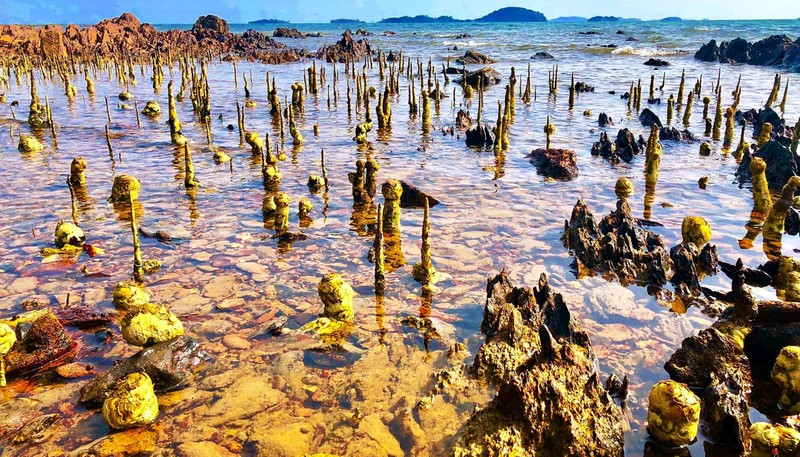
The sea is generally warm, and the seabed slopes gradually at some beaches, making them suitable for swimming when conditions are calm. Water clarity varies with weather, tides and season. Fish and other marine life can be seen near rocky areas with a snorkel, although Koh Tonsay is not a major diving destination.
Tropical Nature and Walking
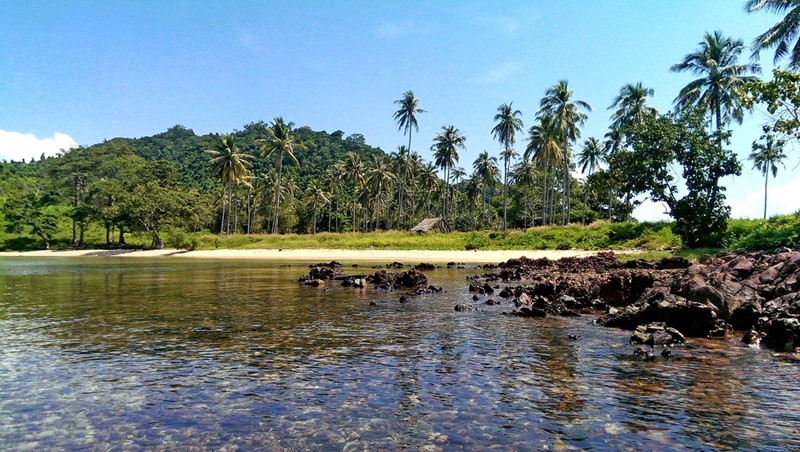
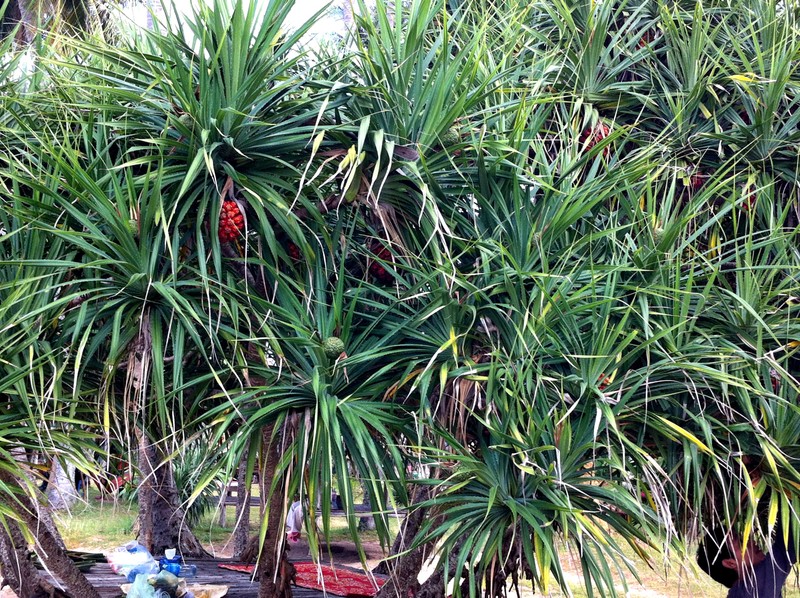
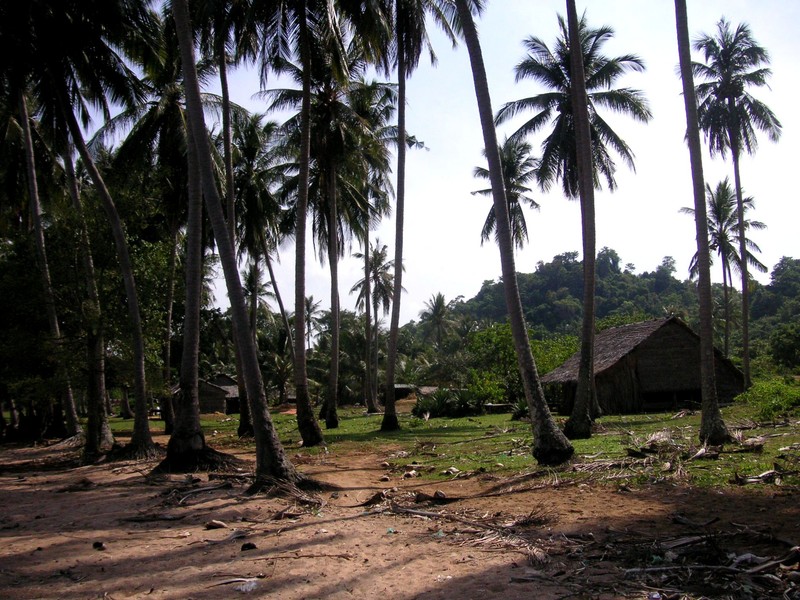
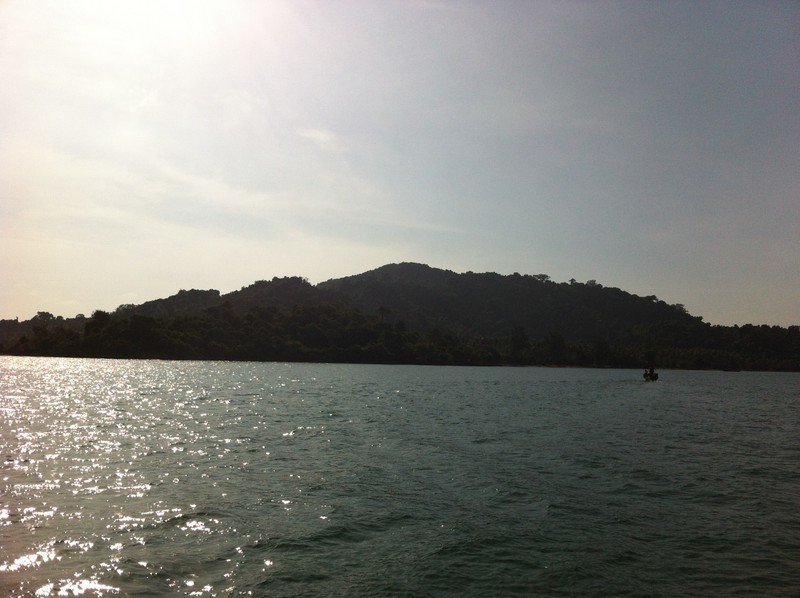
The island’s interior is covered with tropical vegetation, including coconut palms and dense greenery. Its shoreline alternates between sandy beaches, rocky sections and small coves. Walking along the coast reveals different sides of the island and can lead to quiet places to relax. Some sections are uneven, so comfortable footwear is useful.
Koh Tonsay suits travellers who enjoy simple outdoor activities: swimming, reading in the shade, watching the sea and taking leisurely walks. The island offers a contrast with mainland towns, where local life is more closely connected to fishing, boats and the coastal environment.
Local Life and Fishing Families
Local families live on the island, and some earn a living from fishing or providing services to visitors. Unlike larger resort islands, Koh Tonsay has a modest scale of development. Small guesthouses, beach cafés and family-run restaurants make up most of its tourist facilities. Visitors can experience not only the beaches but also the everyday life of a small coastal community.
Seafood and Dining by the Water
Small beachside establishments usually serve simple Cambodian dishes and seafood. Depending on the catch, menus may include fish, squid, prawns and crab. The atmosphere is informal: visitors often spend a few hours at a table by the sea, go for a swim and return to the beach. Menus and opening times can vary with the season and the number of guests.
Staying Overnight
Koh Tonsay has basic bungalows and guest huts, some close to the beach. Accommodation is generally simpler than at major resorts, so visitors should not expect luxury rooms or a wide range of entertainment. Electricity and other facilities depend on the individual property. Before staying overnight, confirm availability and ask about water, electricity and payment arrangements.
An overnight stay allows visitors to experience the island after most day-trippers have left, watch the sunset and enjoy a quieter evening. Travellers who prefer extensive facilities may find it more convenient to stay in Kep and visit Koh Tonsay for the day.
How to Get to Koh Tonsay
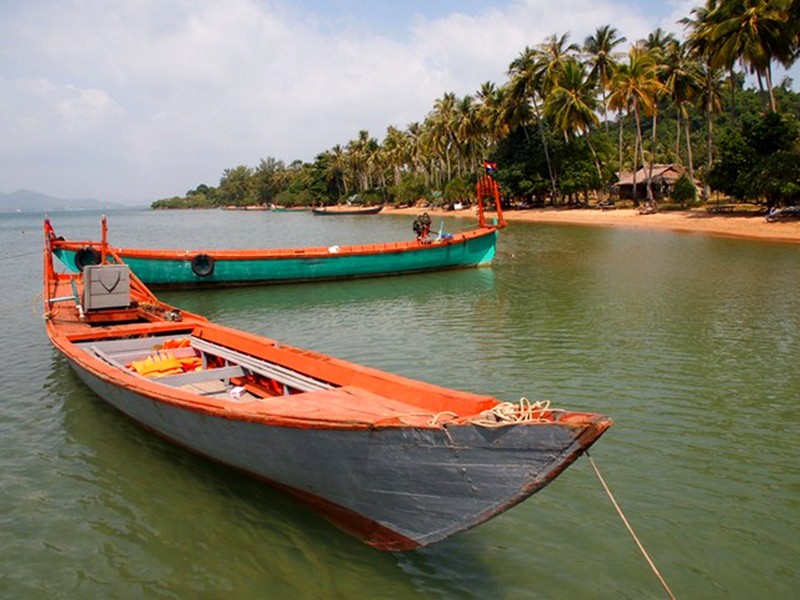
The main way to reach the island is by boat from Kep. The crossing usually takes about 20–30 minutes, depending on the weather, boat type and sea conditions. Services operate from the tourist pier; tickets or a private boat can also be arranged through hotels and guesthouses in Kep. Schedules, prices and transport arrangements may change, so check locally before travelling.
Day visitors generally leave in the morning and return in the afternoon. If staying overnight, arrange the return boat time in advance. Windy weather or rough seas can make the crossing less comfortable and may affect departure times.
Best Time to Visit
The dry season, usually from November to April, is often preferred for beach trips. Rain is generally less frequent, and sea conditions may be more favourable for boat journeys. During the rainy season, the island becomes greener, but showers, cloud cover and rougher water are possible. Checking the forecast before departure is advisable.
What to Bring
Bring sunscreen, a hat, drinking water, swimwear and some cash. Comfortable footwear and insect repellent are useful for exploring the island, while a waterproof phone pouch can protect electronics near the water. As shops and services are limited, prepare essential personal items in advance. Take rubbish away with you and avoid leaving plastic on the beach.
Travel Tips
Koh Tonsay is best suited to travellers seeking a natural beach escape rather than a busy resort holiday. Do not expect every beach to have perfect white sand or the sea to remain crystal clear in all weather. Pay attention to waves and local conditions when swimming, and respect private areas and the lives of local residents while walking around. Its beaches, tropical greenery and slow pace make the island a pleasant addition to a trip through southern Cambodia.
Gallery