Yapahuwa Rock Fortress – a medieval capital
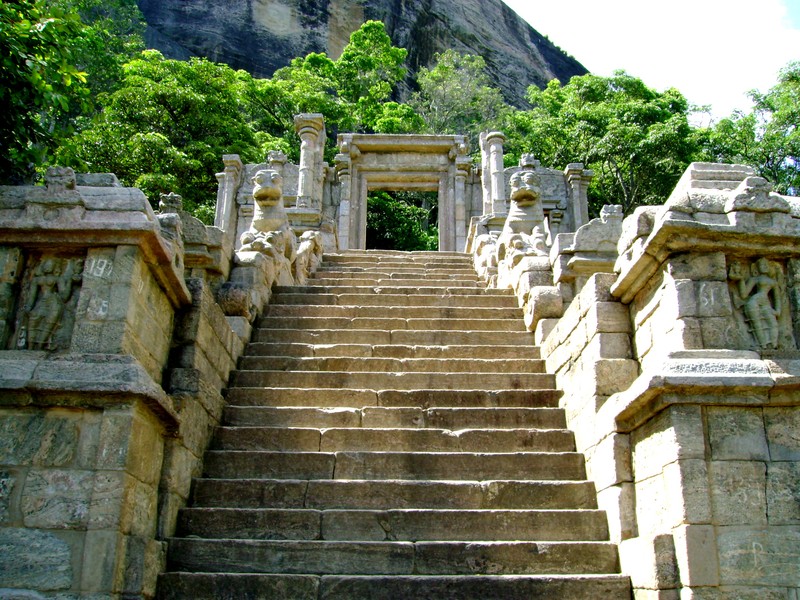
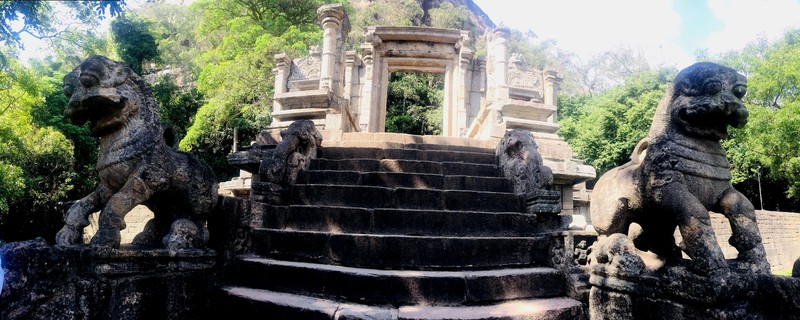
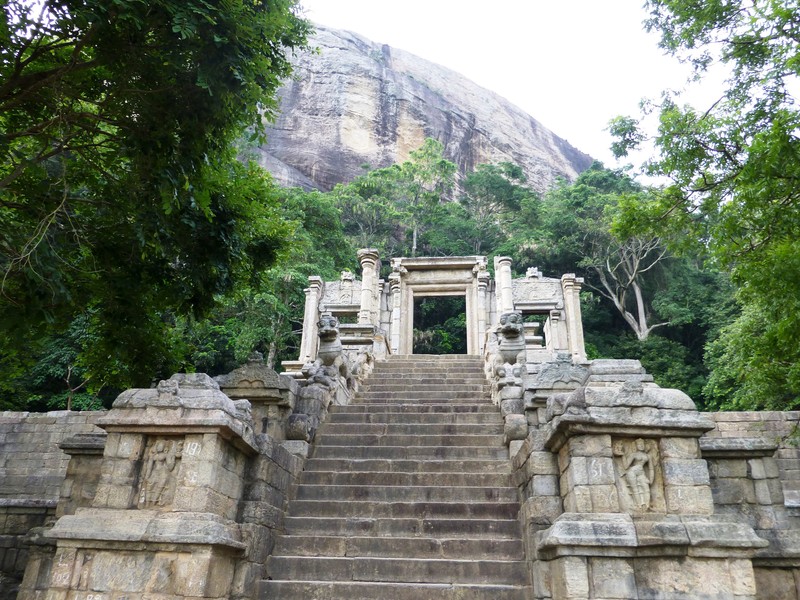
Yapahuwa Rock Fortress is a historic site in Sri Lanka’s North Western Province. A granite outcrop rises about 90 metres above the surrounding plains, with remains of fortifications, palace buildings and religious structures. Its most famous feature is an ornate stone staircase decorated with remarkable carvings.
History of the fortress
In 1272, King Bhuvanekabahu I moved the capital from Dambadeniya to Yapahuwa. The steep rock offered natural protection, while its elevated position provided views across the surrounding countryside. A royal residence, religious buildings and defensive structures were established here during a period of political instability and threats from South India.
The Sacred Tooth Relic
Yapahuwa became an important religious centre because it housed the Sacred Tooth Relic of the Buddha, a symbol of royal legitimacy in Sri Lanka. After the king’s death in 1284, forces of the South Indian Pandyan dynasty captured the fortress and took the relic to India. It was later returned to Sri Lanka, but Yapahuwa never regained its status as the capital.
The ornamental stone staircase
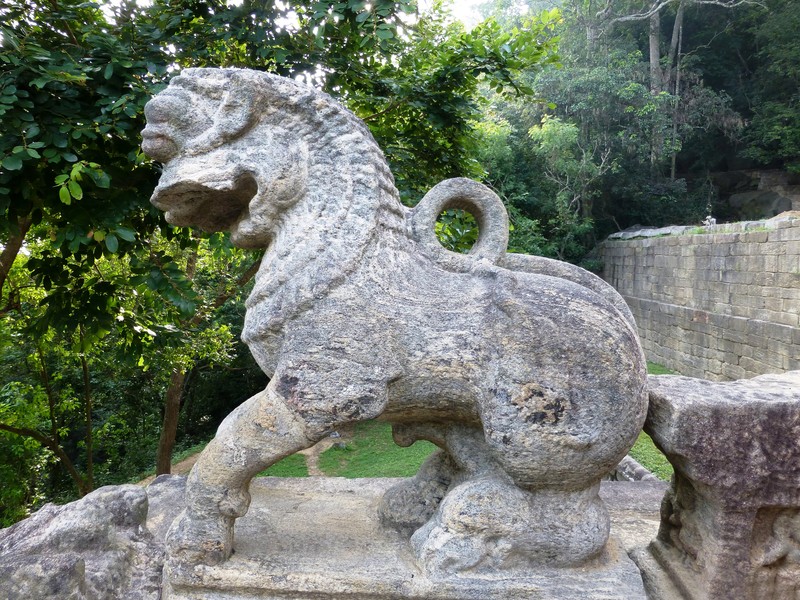
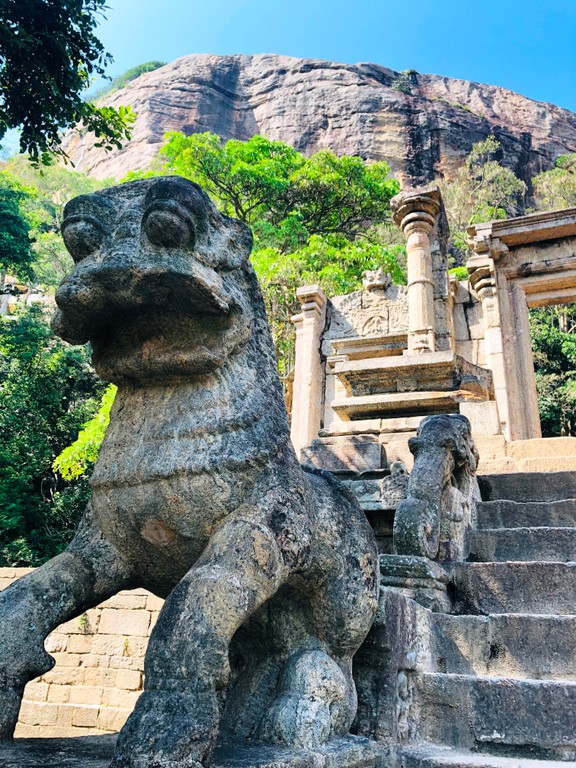
The fortress’s most celebrated monument is the ceremonial staircase leading towards the upper rock. Its carved balustrades and panels feature lions, mythical creatures, dancers and floral patterns. The combination of architecture and sculpture makes it one of the outstanding examples of medieval Sinhalese decorative art.
Palace remains and defences
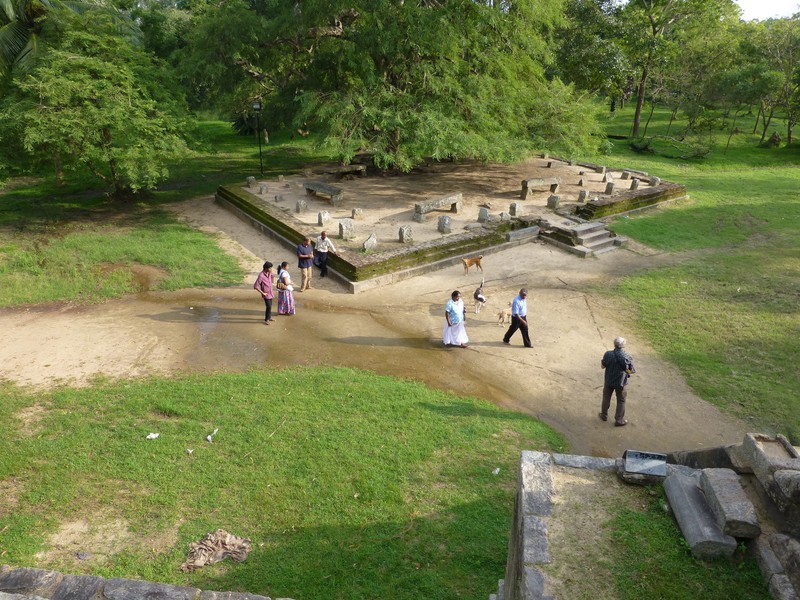
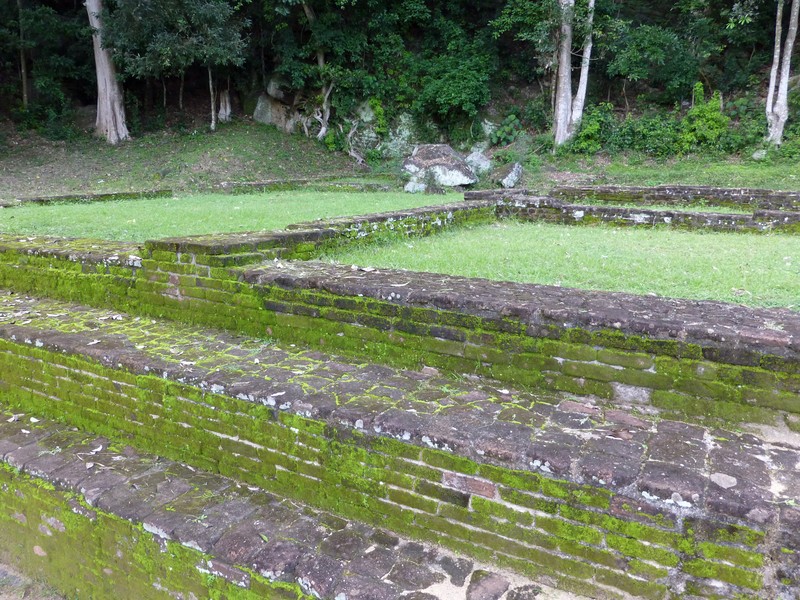
Only foundations and fragments of the royal palace survive. Near the base of the rock, visitors can see traces of walls, ramparts and a moat that helped protect the citadel. The steep natural slopes formed an essential part of the defensive system, limiting access to the upper levels.
Buddhist shrines and caves
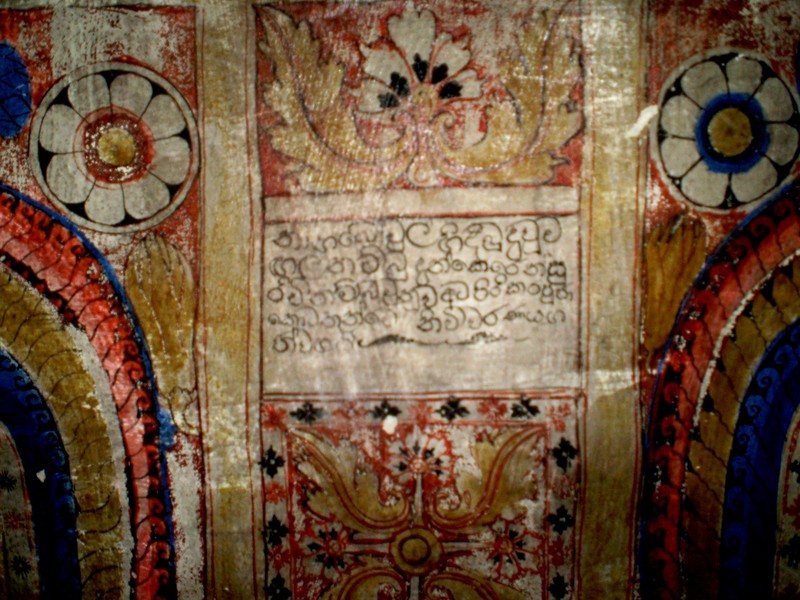
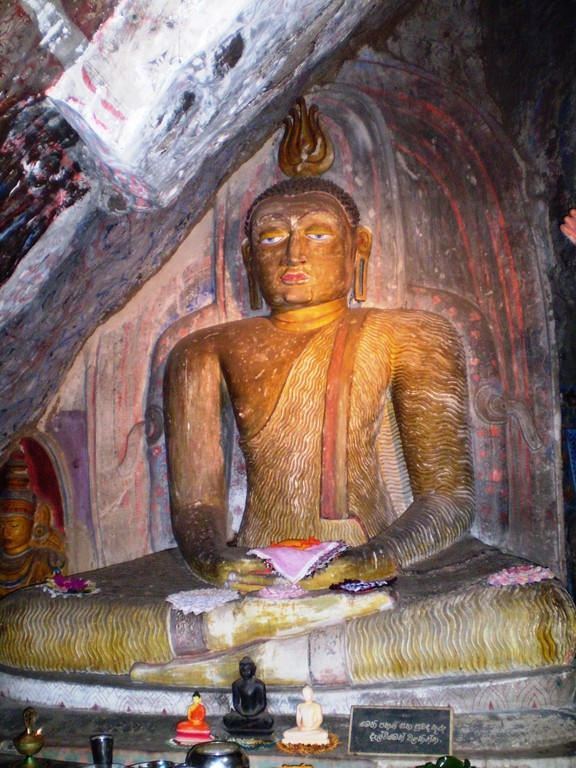
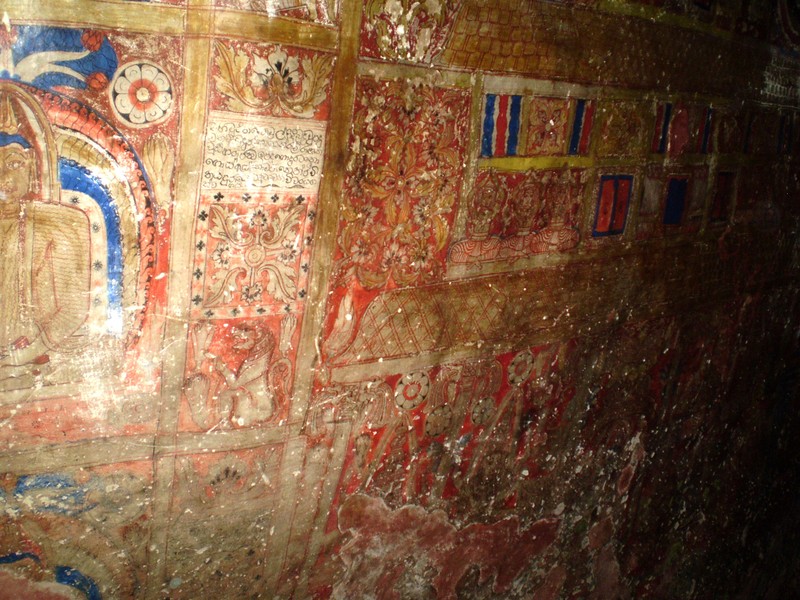
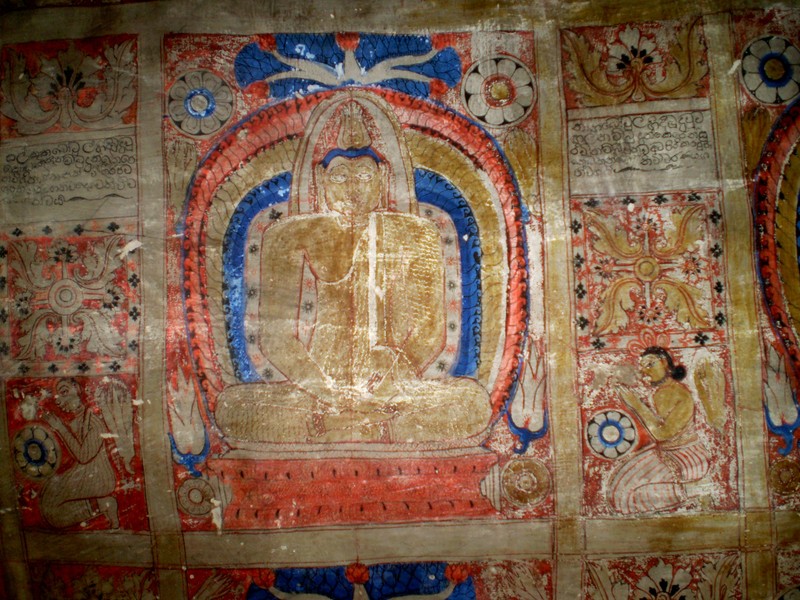
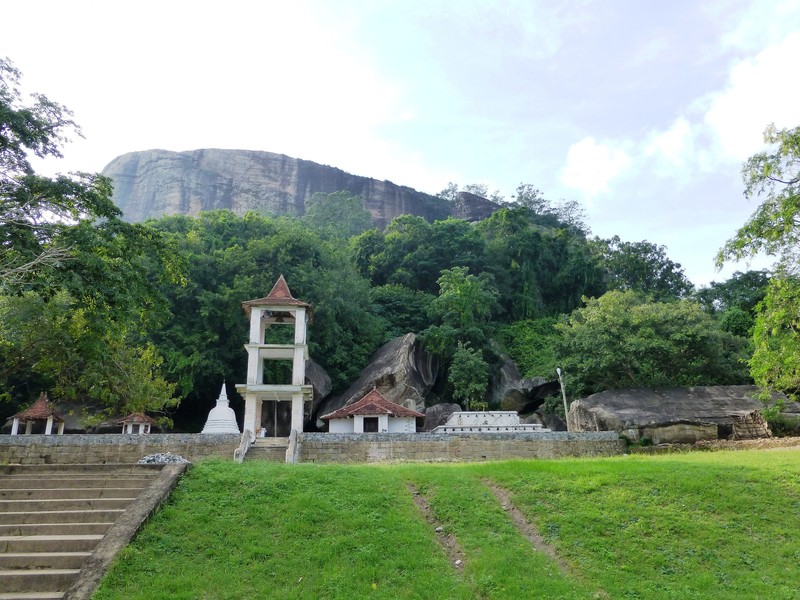
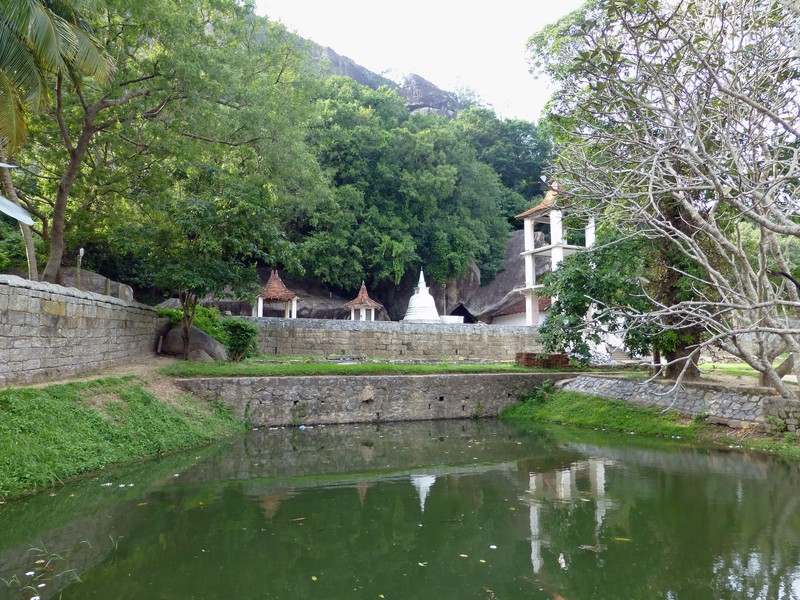
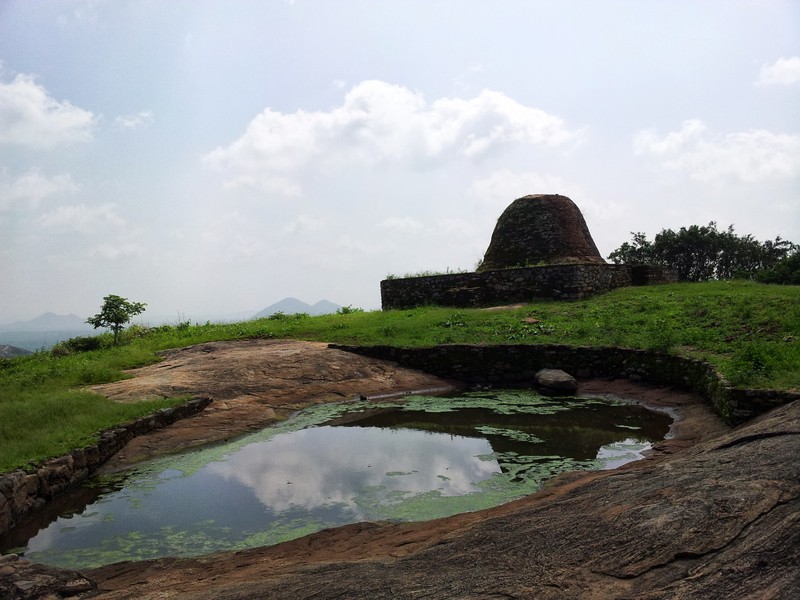
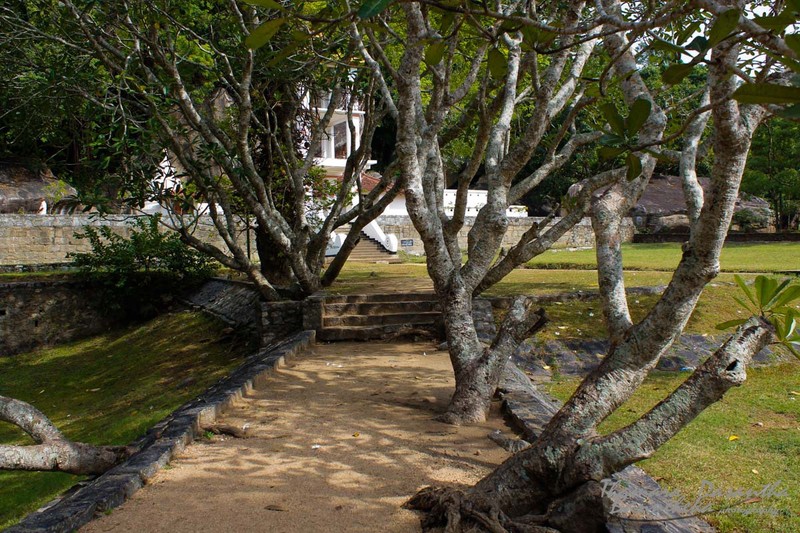
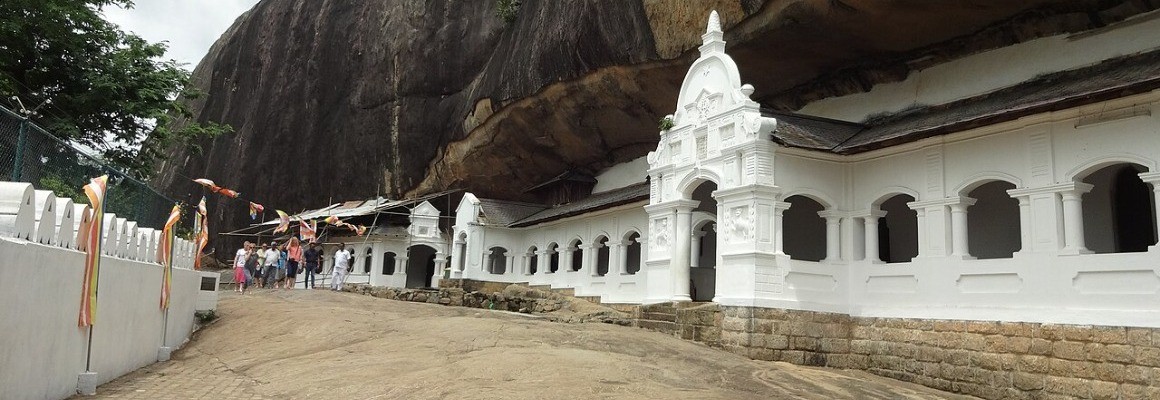
Caves and rock shelters around Yapahuwa were used by Buddhist monks. Stone inscriptions provide clues about the region’s religious history. At the foot of the rock, Yapahuwa Rajamaha Vihara remains an active Buddhist temple, linking the area’s medieval past with present-day religious life.
Views from the rock
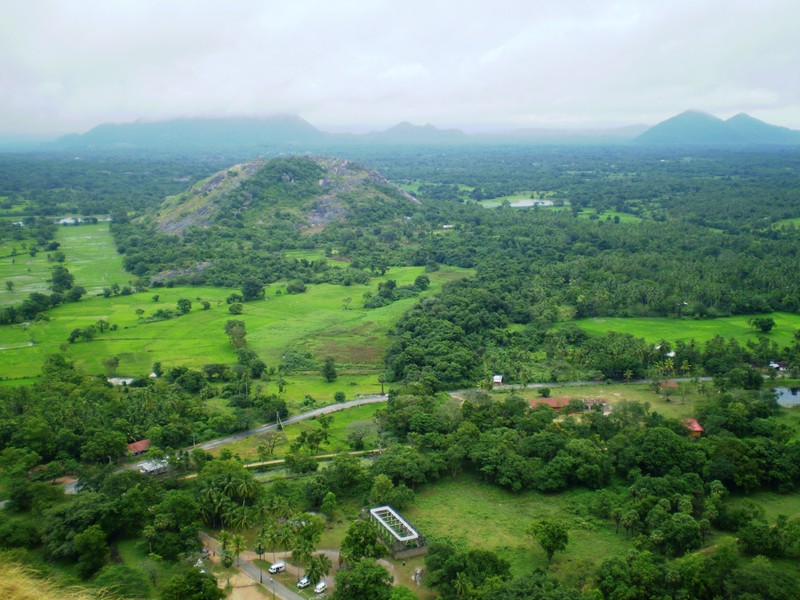
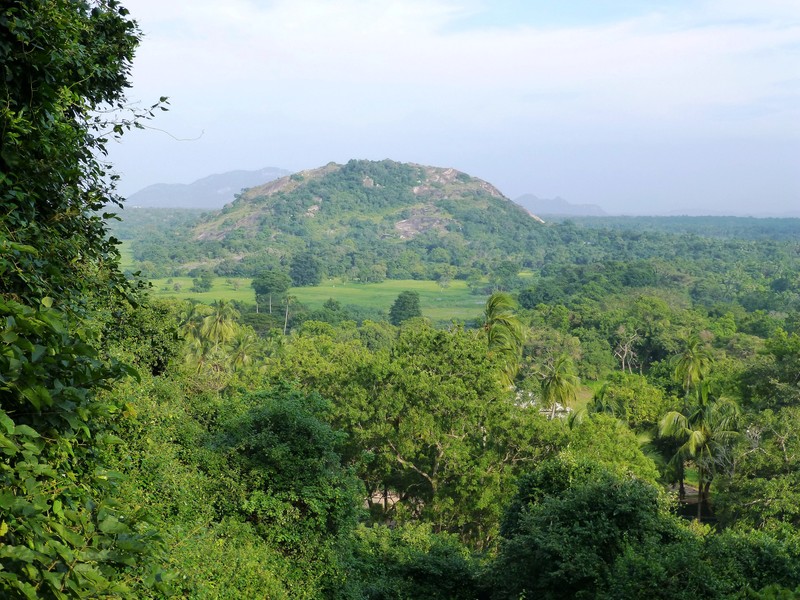
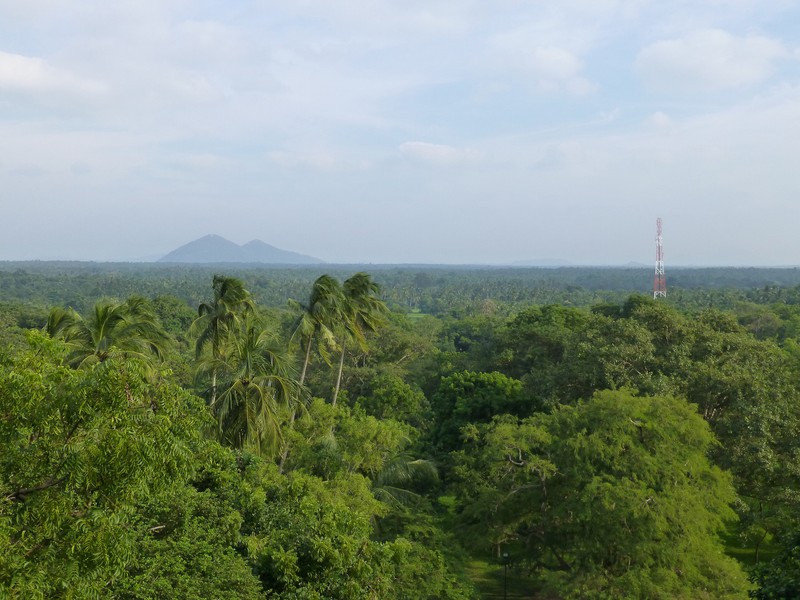
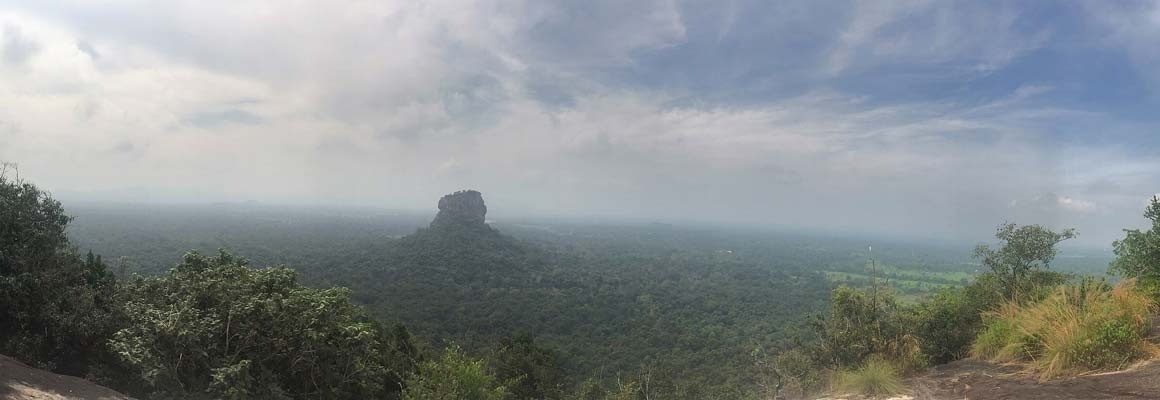
The upper sections offer views across forests, farmland and the surrounding plains. Some parts of the climb are steep and uneven, so sturdy footwear is important. Early morning or late afternoon is generally more comfortable than the heat of midday.
Visiting Yapahuwa
Yapahuwa lies between Kurunegala and Anuradhapura, not far from the railway junction at Maho. Visitors can reach the site by car or tuk-tuk. Allow several hours to explore the staircase, ruins and temple. Bring water and sun protection, and dress respectfully when visiting religious areas.
Why visit Yapahuwa?
Yapahuwa combines medieval history, impressive stone carving and panoramic scenery. It offers a chance to explore a former royal capital and Buddhist heritage site away from some of Sri Lanka’s busiest tourist attractions.
Gallery