The main Buddhist shrine of Sri Lanka
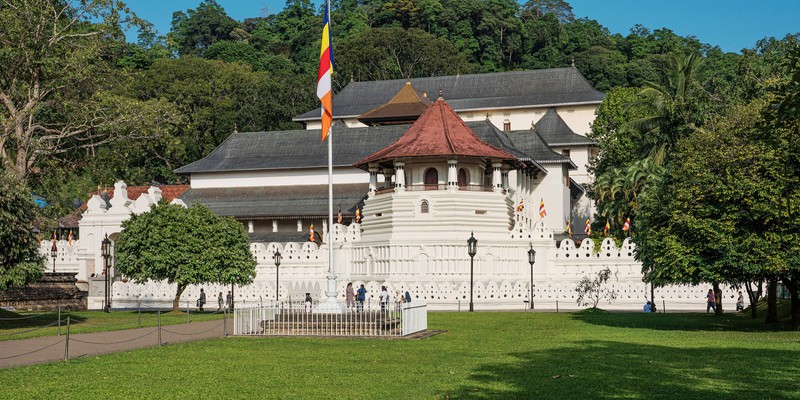
The Temple of the Sacred Tooth Relic, known as Sri Dalada Maligawa, stands in the historic center of Kandy in Sri Lanka's central highlands. It is one of the most important Buddhist shrines in the world, a major pilgrimage destination and a remarkable example of the island's traditional architecture. According to Buddhist tradition, the temple houses a tooth relic of Gautama Buddha.
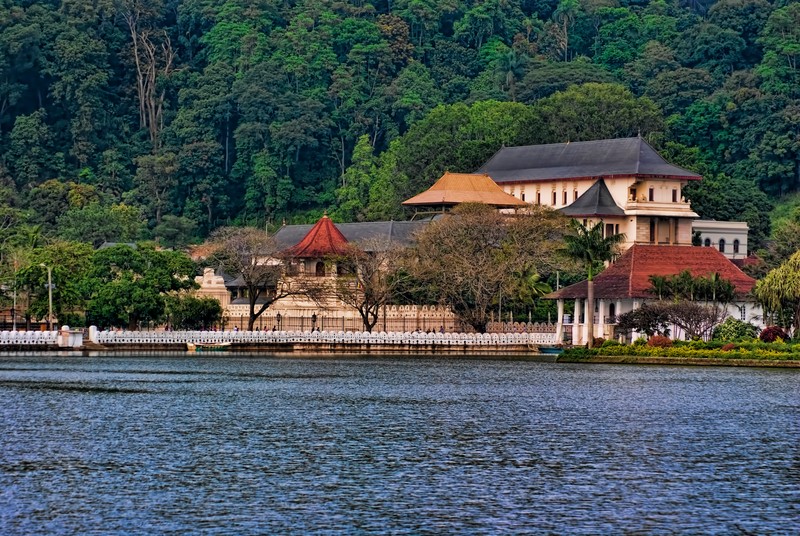
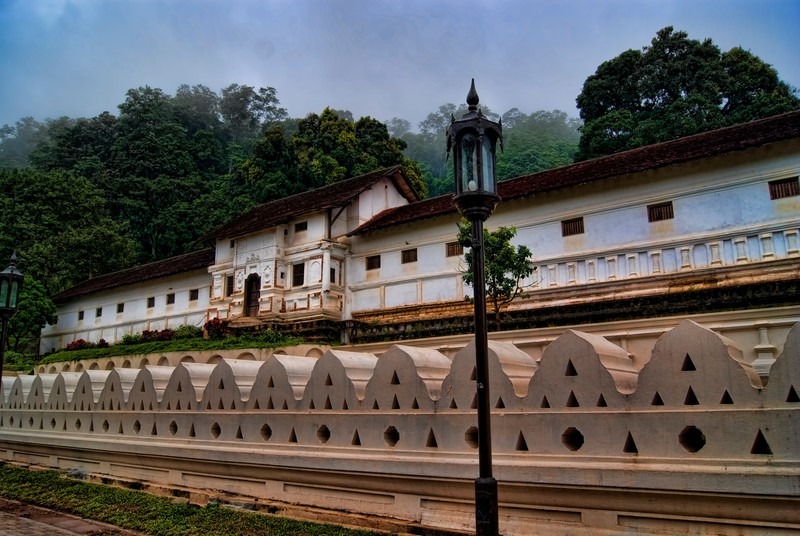
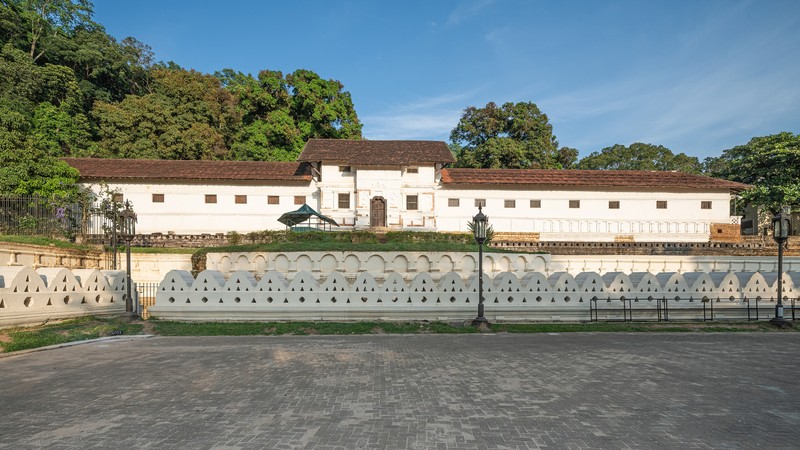
The temple stands beside the former Royal Palace and Kandy Lake. Together with the city's other historic buildings, it forms a cultural ensemble associated with the last Sinhalese kingdom. In 1988, the Sacred City of Kandy was added to the UNESCO World Heritage List for its historical, religious and architectural significance.
History of the sacred relic
According to Buddhist tradition, the Buddha's tooth was preserved in India after his death. In the 4th century CE, Prince Dantha and Princess Hemamala brought the relic to Sri Lanka. Over time, it became an important symbol of Buddhist devotion and royal authority. Possession of the relic was associated with the legitimacy of a ruler, so it moved with successive royal capitals.
The first known shrine for the relic in Kandy was built under King Vimaladharmasuriya I in the late 16th century. Later rulers expanded and decorated the complex. Much of its present appearance developed during the 17th and 18th centuries.
Temple architecture
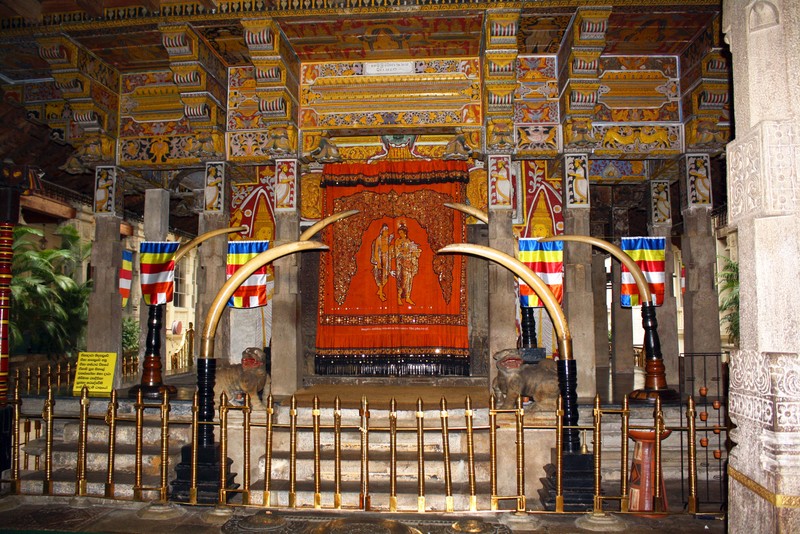
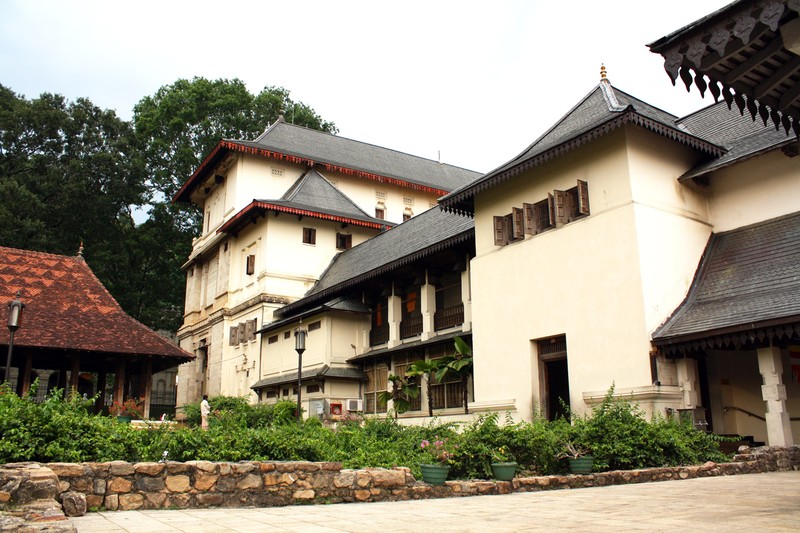
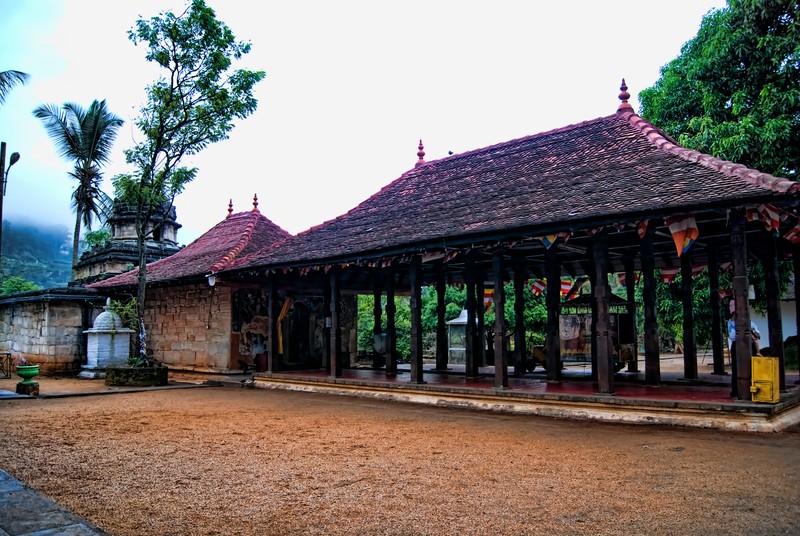
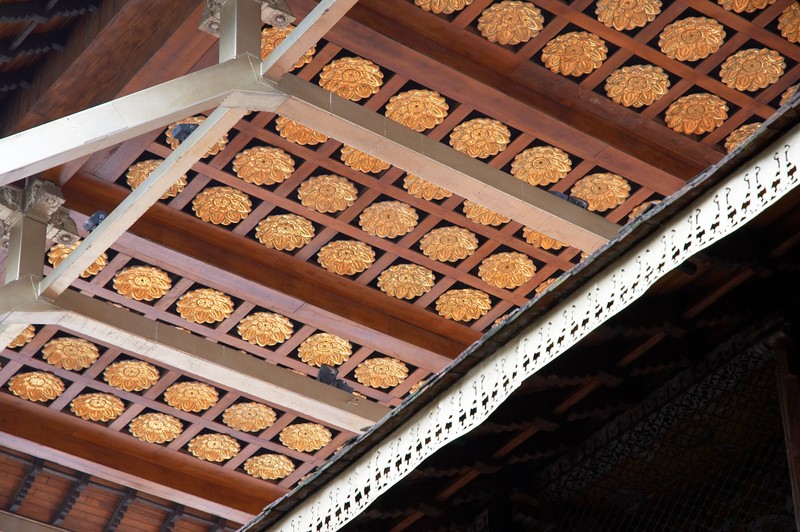
The complex reflects the Kandyan architectural tradition, with tiered roofs, carved wooden pillars, painted ceilings and elaborate entrances. Local Sinhalese craftsmanship blends with wider South Asian influences. Courtyards, galleries and historic buildings surround the main shrine.
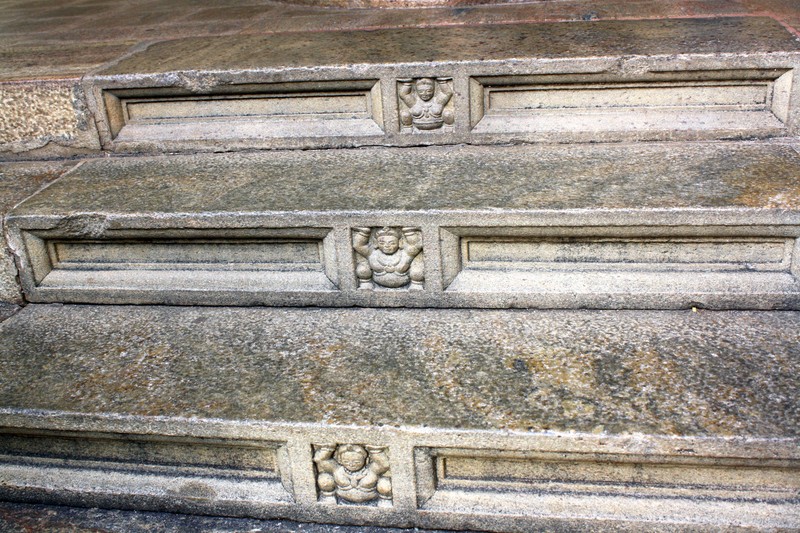
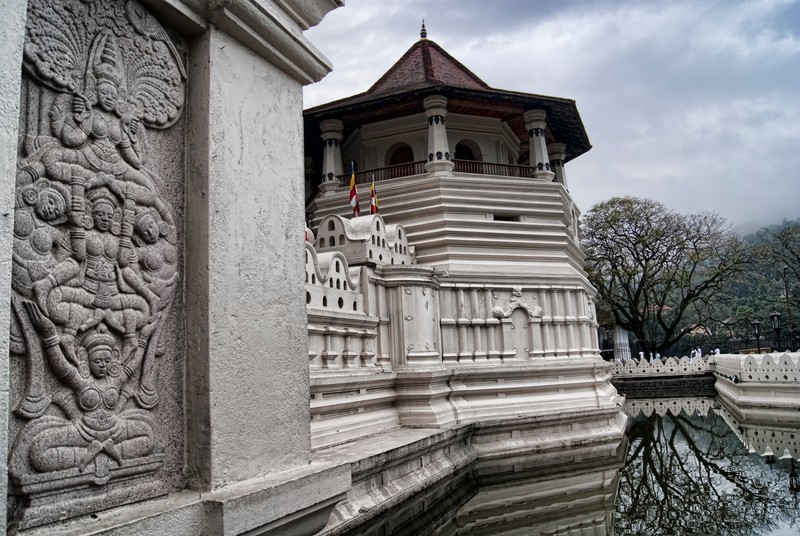
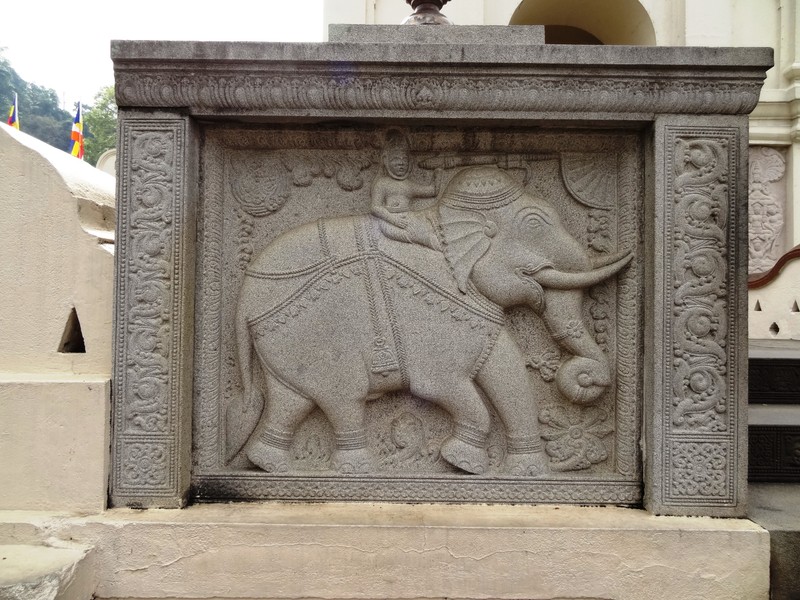
The entrance features traditional decorative stonework, guardian figures and an ornamental arch with mythological motifs. These details reflect the religious beliefs and artistic traditions of Sri Lanka.
The relic chamber and octagonal pavilion
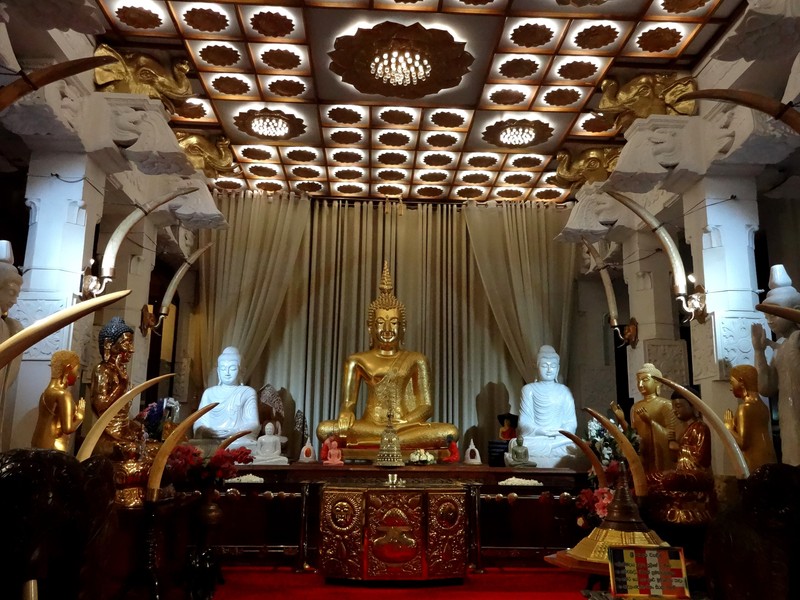
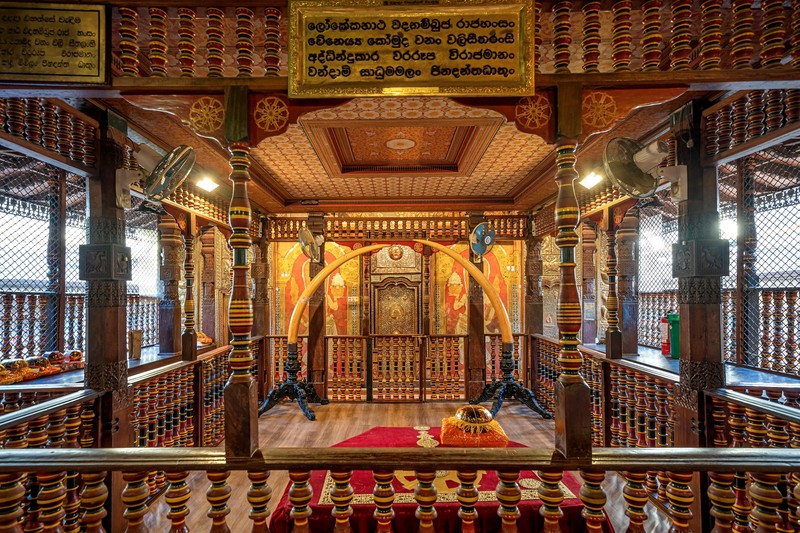
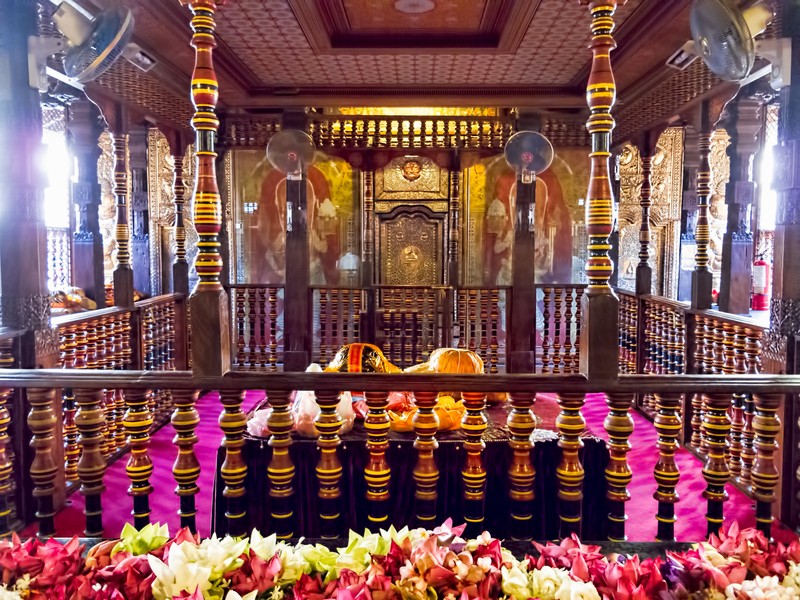
The sacred tooth is kept in an inner chamber with strictly limited access. According to tradition, it rests inside a series of nested, richly decorated reliquaries. Visitors therefore do not normally see the tooth itself.
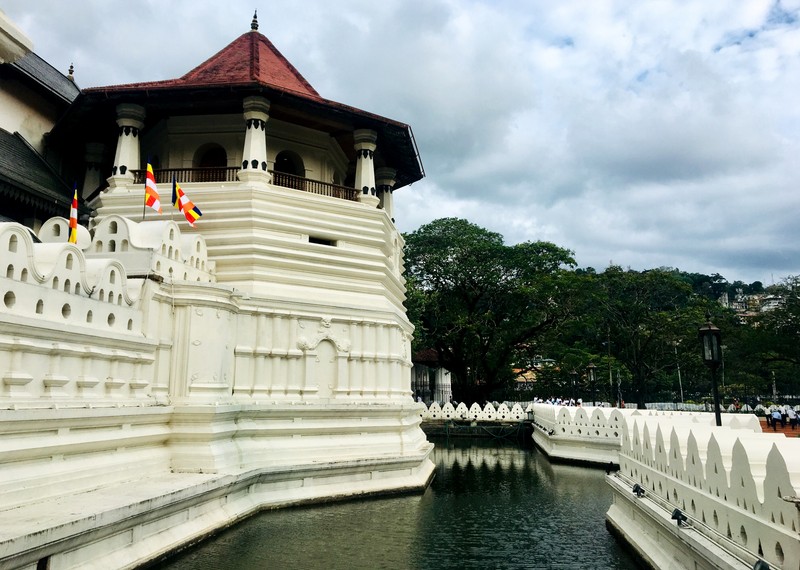
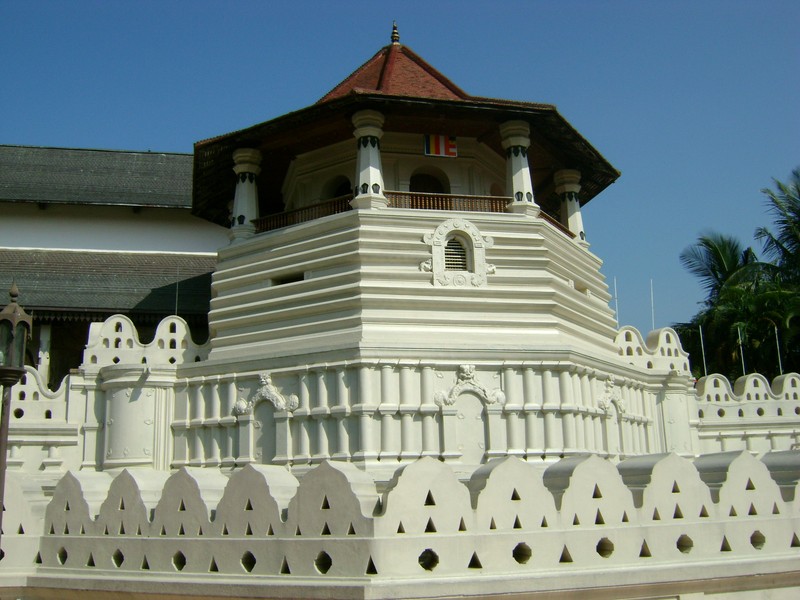
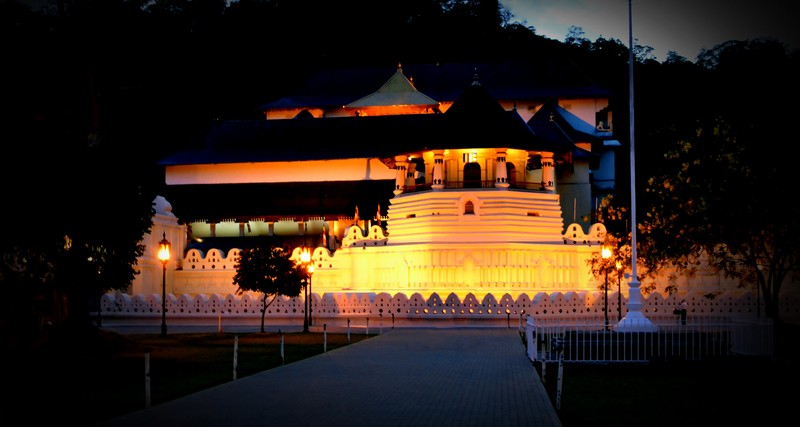
One of the complex's most distinctive structures is the octagonal pavilion known as Pattirippuwa. It was built in the early 19th century under the last king of Kandy and originally served as a place from which the monarch addressed his subjects. Today, it remains an important architectural feature of the historic complex.
The Royal Palace and Kandy Lake
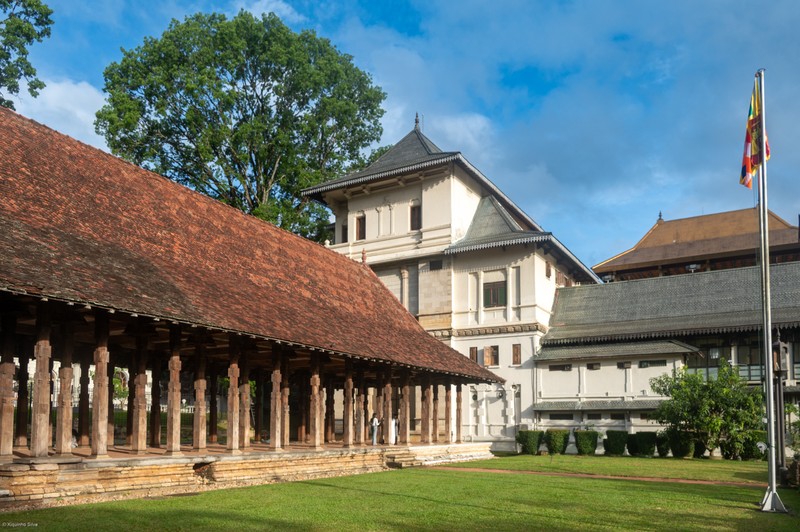
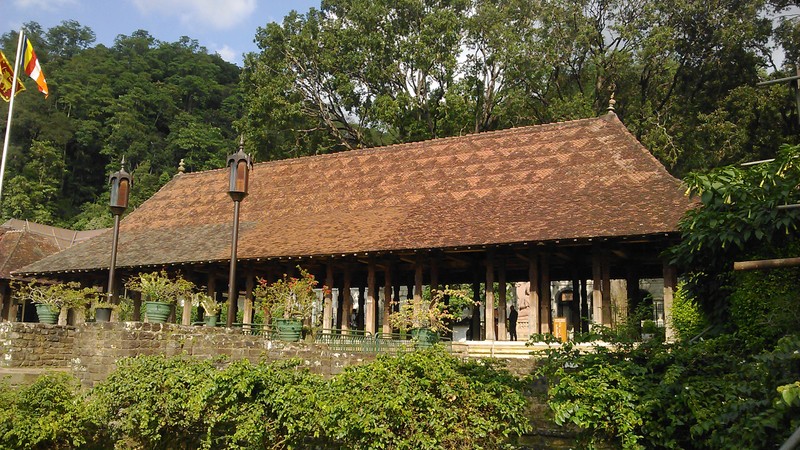
The temple stands within the former royal complex. Nearby historic buildings are associated with royal life, official ceremonies and the administration of the kingdom. The Audience Hall, with its carved wooden pillars, is among the most interesting structures in the area.
Kandy Lake lies nearby and was created at the beginning of the 19th century under the last Sinhalese king. Its shores offer a pleasant walking route after a temple visit, with views of the surrounding green hills and historic city.
Daily rituals and the Esala Perahera festival
Traditional worship ceremonies known as Thewawa take place three times daily. Drums and ritual music accompany prayers and offerings of flowers. Visitors who wish to observe a ceremony should check the current schedule before arriving.
The Kandy Esala Perahera festival is usually held in July or August. Its processions feature traditional dancers, drummers and decorated elephants. The festival brings together Buddhist devotion, music, dance and the heritage of the Kandyan kingdom. The city becomes especially crowded during the celebrations.
Visitor etiquette
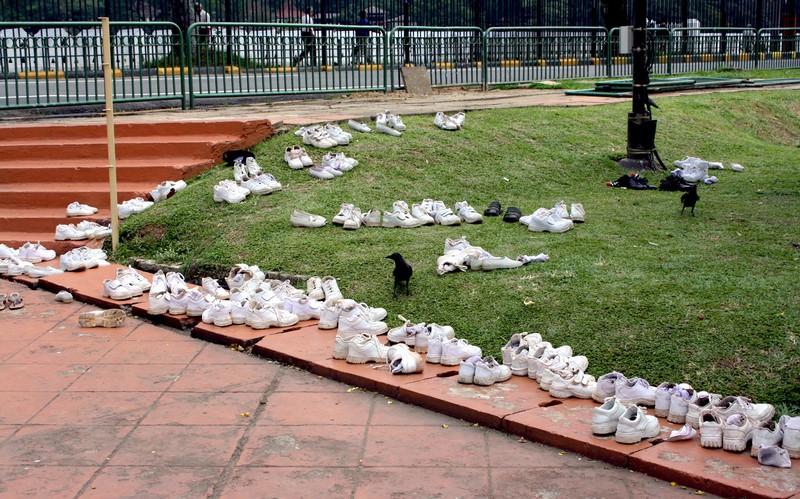
As an active place of worship, the temple requires respectful dress covering the shoulders and knees. Shoes must be removed before entering sacred areas. Visitors should remain quiet, avoid disturbing worshippers and follow staff instructions. Photography may be restricted in certain rooms or during particular rituals.
How to reach the temple
The temple is located in central Kandy, which can be reached by train or bus from Colombo and other major towns. From the railway station, visitors can travel by tuk-tuk, taxi or on foot, depending on their accommodation. A visit can easily be combined with Kandy Lake and the former Royal Palace.
Why visit the Temple of the Tooth
The Temple of the Sacred Tooth Relic brings together Buddhist pilgrimage, architectural heritage, royal history and living Sri Lankan traditions. Visitors can admire Kandyan craftsmanship, learn about the sacred relic and experience an important center of Buddhist practice. Along with the Royal Palace complex and Kandy Lake, the temple offers a deeper understanding of the island's history.
Gallery