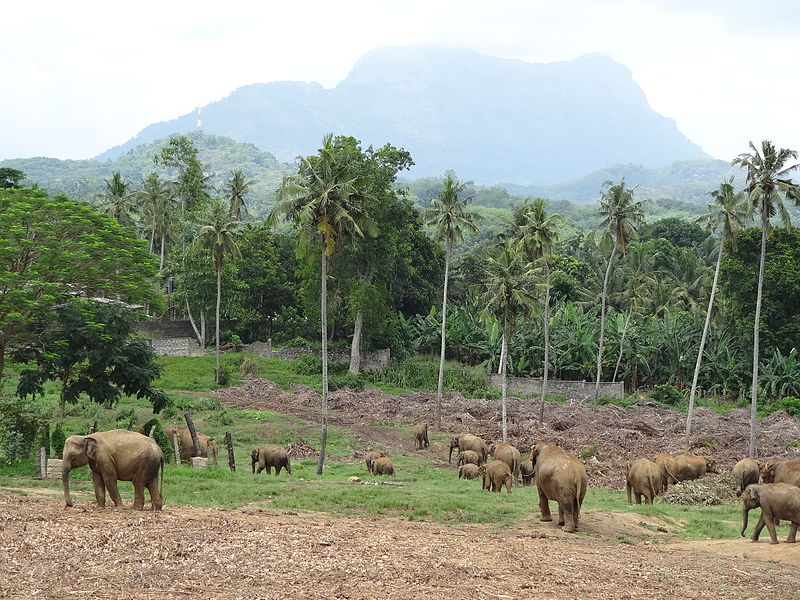
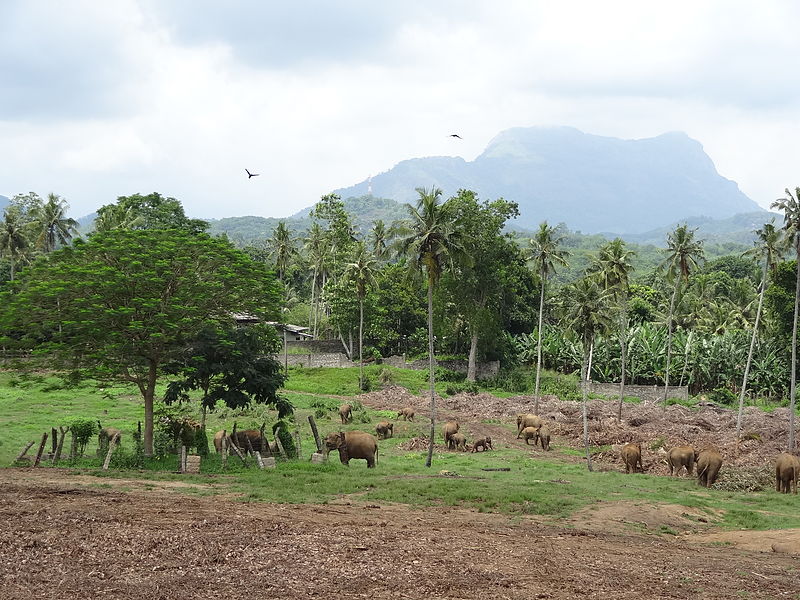
Pinnawala Elephant Orphanage is a well-known facility for Asian elephants in Sri Lanka, located near the town of Kegalle between Colombo and Kandy. It lies in a lush tropical setting beside the Maha Oya River and is one of the country's best-known tourist attractions. Visitors come to see elephants of different ages and learn about their lives under human care.
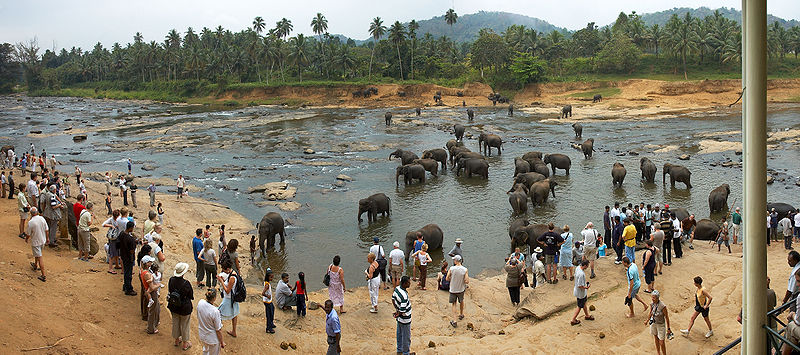
One of Pinnawala's main features is the opportunity to observe elephants in open areas and as they move towards the river. Their bathing sessions have become one of the site's most recognisable sights. However, Pinnawala differs from a national park: the elephants are managed by people rather than living entirely independently in the wild.
History of the orphanage
Pinnawala Elephant Orphanage was established on 16 February 1975 by Sri Lanka's Department of Wildlife Conservation. It was originally created to rescue orphaned calves that were unlikely to survive on their own. In its early years, only a small number of animals were brought here for care and protection.
Over time, the facility expanded to include veterinary care, elephant management, research and captive breeding. The first calf was born at Pinnawala in 1984, marking an important milestone in its history. Many more elephants were born under human care in the following years.
Today, the centre is part of Sri Lanka's state zoological system. Its history reflects changing approaches to elephant management, from the initial rescue of orphaned animals to a broader programme of care, breeding and public display.
Asian elephants at Pinnawala
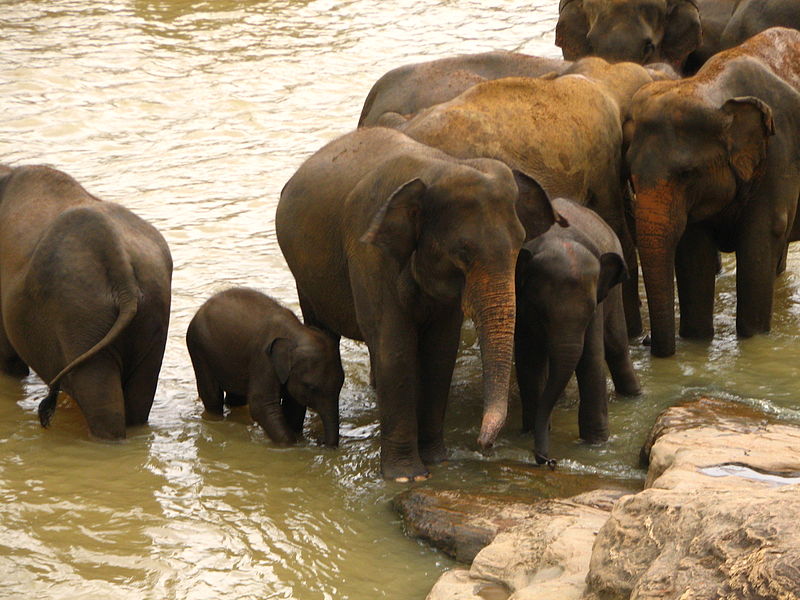
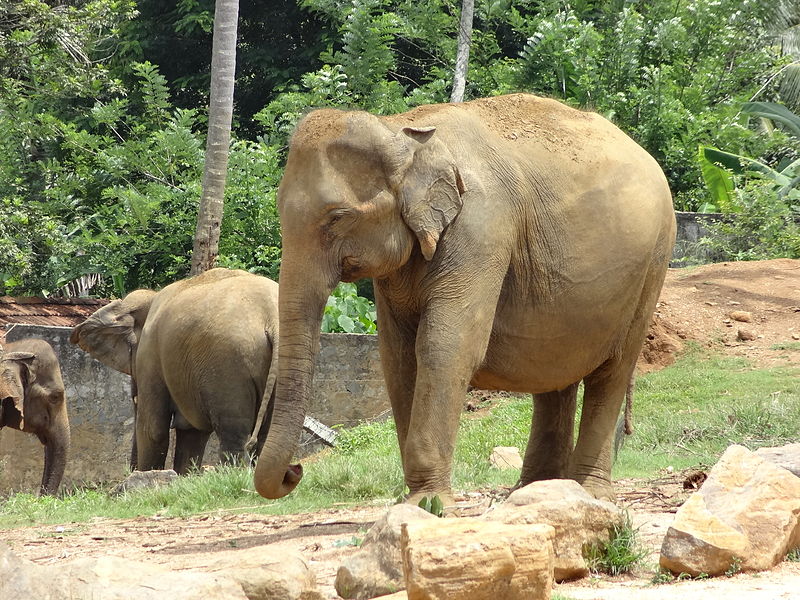
The centre houses Asian elephants, a species native to South and Southeast Asia. They differ from African elephants in having smaller ears, a more rounded back and a distinctive head shape. Some males have tusks, although not all do. Elephants have strong memories, complex social behaviour and communicate through sounds, touch and movement.
Visitors can see adult elephants, juveniles and calves. Watching them offers a chance to observe how they interact, search for food, rest and move in groups. Young elephants often stay close to adults and learn from the herd.
The centre also houses animals requiring long-term care because of injuries, disabilities or prolonged captivity. However, not every elephant here is a rescued orphan: some of the current herd was born at the facility. The word “orphanage” therefore does not fully describe Pinnawala's present-day role.
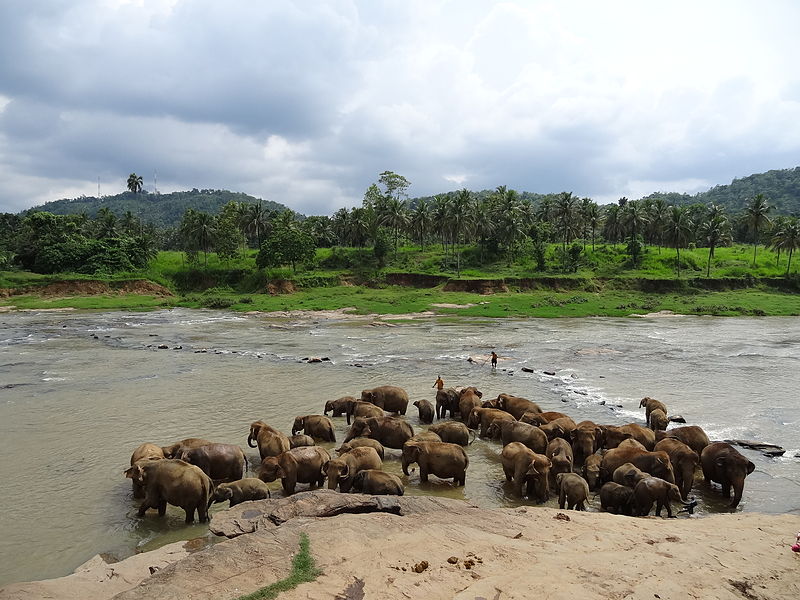
Elephants bathing in the Maha Oya River
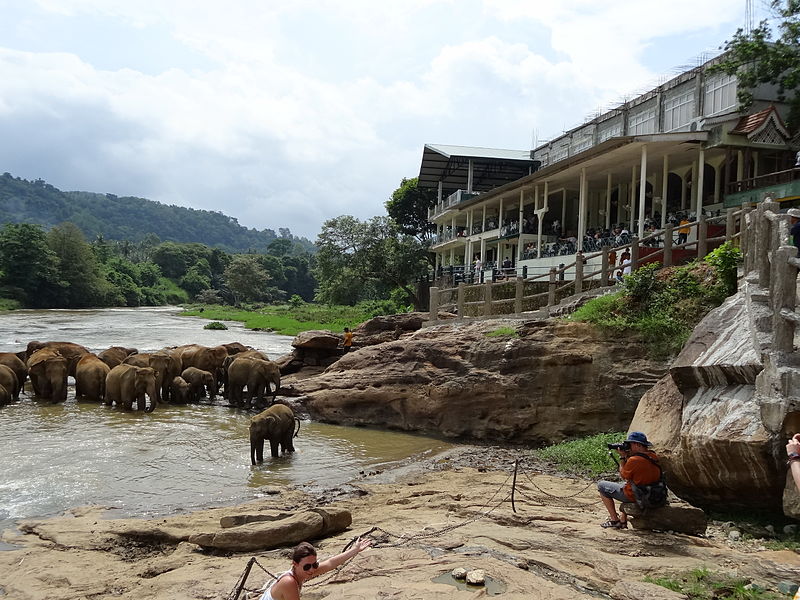
One of Pinnawala's best-known sights is the movement of elephants towards the Maha Oya River. At scheduled times, keepers accompany the animals, allowing visitors to watch them enter the water, splash themselves, submerge and interact with one another. Bathing helps elephants cool down in the hot tropical climate.
The river and surrounding greenery create the distinctive scenery often seen in photographs of Pinnawala. From the bank, visitors can watch the animals in shallow water and observe their behaviour. The schedule depends on the facility's operations, so it is best to confirm the current times with the administration before visiting.
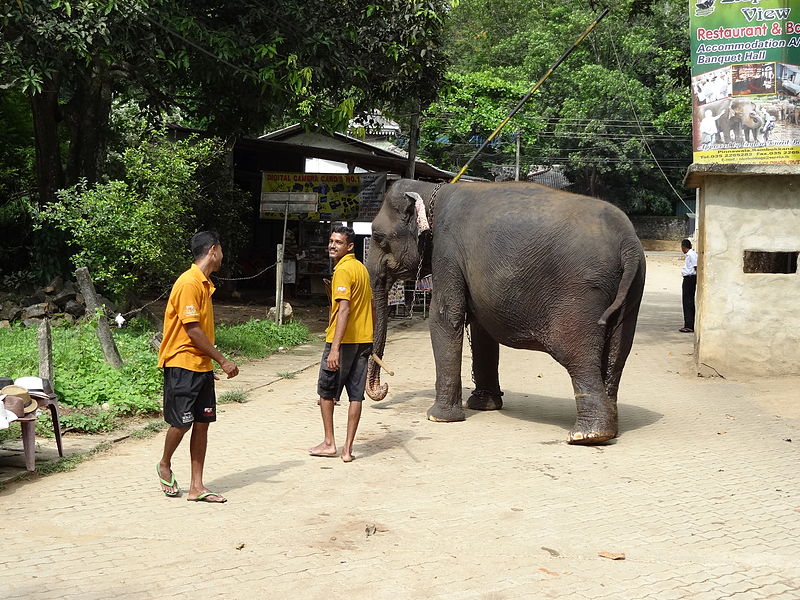
It is important to remember that bathing takes place in a managed setting. Visitors and keepers influence how the activity is organised. To observe responsibly, remain in permitted areas, do not block the elephants' path and never try to touch them without permission.
Daily life and animal care
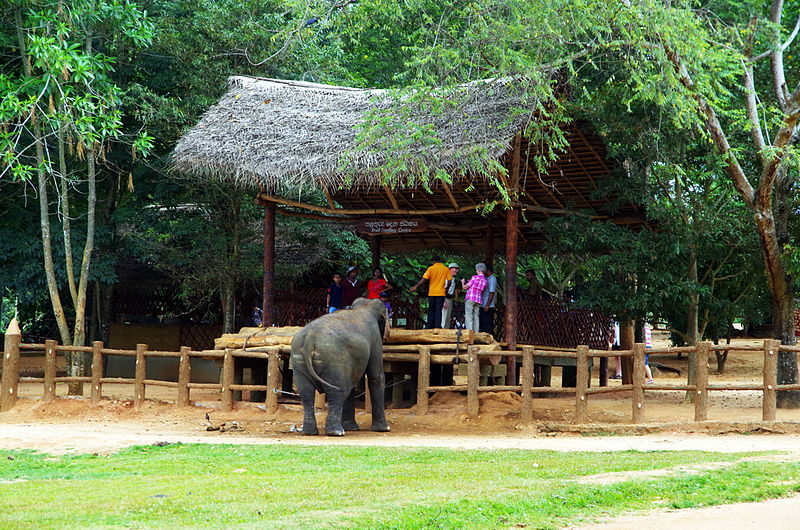
Caring for elephants requires large quantities of food and water, sufficient space and ongoing health monitoring. Staff organise feeding, monitor the animals' physical condition and provide veterinary care. Managing their diet is important because adult elephants consume substantial amounts of vegetation every day.
Life at Pinnawala follows a routine that includes feeding, resting, moving around the grounds and bathing. Visitors can observe some of these activities from designated paths and viewing areas. The schedule may change, so older guidebooks should not be treated as the only source of information.
When evaluating facilities of this kind, it is important to consider not only food and veterinary care but also whether animals can move freely, socialise with others and display natural behaviours. These factors are essential to elephant welfare, particularly for animals that spend their entire lives under human care.
Conservation value and controversial issues
Pinnawala has played a significant role in the history of Asian elephant management in Sri Lanka. It cares for animals that may not be able to live independently and participates in captive-breeding programmes. Its work also brings public attention to elephants and their place in the country's nature and culture.
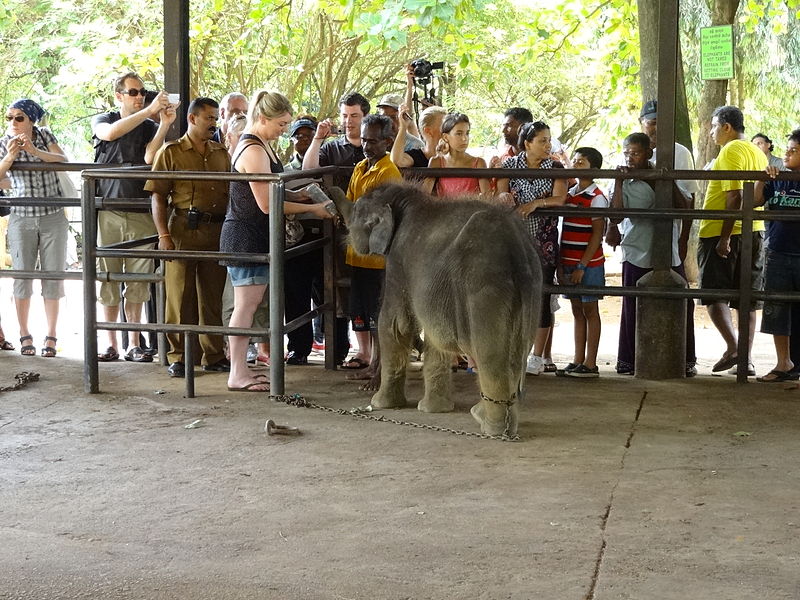
At the same time, the facility's practices have drawn criticism from specialists and animal-protection organisations. Concerns raised in critical assessments include the use of chains, restrictions on movement for some animals, herd-management methods and the commercialisation of close interactions with elephants. Some travel organisations advise against visiting because of animal-welfare concerns.
Before planning a trip, it is worth reading current independent assessments of the facility. If you choose to visit, favour observing elephants from a distance and avoid activities involving forced contact, riding or staged photographs. Close contact with elephants is not necessarily beneficial to the animals.
What to see nearby
Pinnawala is in a region where visitors can explore not only elephants but also Sri Lankan landscapes and culture. The surrounding area includes small settlements, green agricultural land and the Maha Oya River. The visit fits conveniently into a journey between Colombo and Kandy.
The nearby town of Kegalle serves as a local transport and commercial centre. Depending on the route, travellers can continue to Kandy, known for the Temple of the Sacred Tooth Relic and its historic centre, or return to Colombo, the country's largest city. Either option makes it possible to combine Pinnawala with other attractions.
The surrounding countryside features traditional rural scenery, tropical vegetation and plantations. When planning additional stops, allow for road conditions: traffic in Sri Lanka can move more slowly than visitors expect.
When to visit Pinnawala
The centre can be visited throughout the year because Sri Lanka has a tropical climate. However, heat, humidity and seasonal rainfall can affect comfort. Dry weather generally makes it easier to walk around and observe elephants in open areas.
Morning visits are often convenient because they allow visitors to explore before the hottest part of the day. If your main aim is to see the elephants move towards the river, confirm the schedule on the official website or with the administration in advance. Visitor numbers may rise during holidays and the main tourist season.
How to get to Pinnawala Elephant Orphanage
Pinnawala is approximately 85–90 kilometres from Colombo, near Kegalle. Driving usually takes around two to three hours, depending on traffic. From Colombo, visitors can travel by taxi, hire a private driver or join an organised excursion.
Another option is to take a train on the Colombo–Kandy line to Rambukkana station, then continue by tuk-tuk or local transport. Check train schedules and onward connections before travelling. Pinnawala is convenient to visit on a journey between the western coast and Kandy.
Practical tips
Before travelling, check the facility's official website for current opening hours, ticket prices and elephant-viewing schedules. Bring water, a hat, sunscreen and comfortable shoes. Lightweight clothing that dries quickly is useful in the tropical climate.
Follow staff instructions and do not approach elephants without permission. Do not feed them food brought from outside, shout near them or try to attract their attention for photographs. If animal welfare matters to you, read independent information about Pinnawala in advance and consider observing elephants in Sri Lanka's national parks instead.
Pinnawala Elephant Orphanage remains one of Sri Lanka's best-known destinations associated with Asian elephants. It offers a chance to see these animals at close range and learn about their history under human care. At the same time, a visit calls for an informed approach: interest in wildlife should go hand in hand with concern for the animals' welfare.
Gallery