The Royal Botanic Gardens, Peradeniya, is a celebrated botanical garden in Sri Lanka, near Kandy and beside the Mahaweli River. It is one of the country's best-known natural attractions, with thousands of tropical plants, palms, orchids, ferns and ornamental trees. Spacious lawns, shaded avenues and flower beds make it a popular place for walking, learning about nature and photography.
History of the gardens
The history of Peradeniya reaches back to the 14th century, when historical accounts describe a royal garden in the area. In 1821, during British colonial rule, a botanical garden was formally established under Alexander Moon. Initially, parts of the grounds were used to cultivate economically valuable plants, including coffee and cinnamon.
During the mid-19th century, the garden developed into an important scientific institution. Botanists collected plants across the island, studied local flora and expanded the collections. George Gardner and Henry Trimen played important roles in its development. Today, the gardens continue to support botanical research, plant conservation and public education.
Landscape and plant collections
The gardens cover approximately 60 hectares and lie about 460 metres above sea level. The Mahaweli River curves around several sides of the grounds. More than 4,000 plant species are cultivated here, representing Sri Lanka as well as other tropical regions of the world.
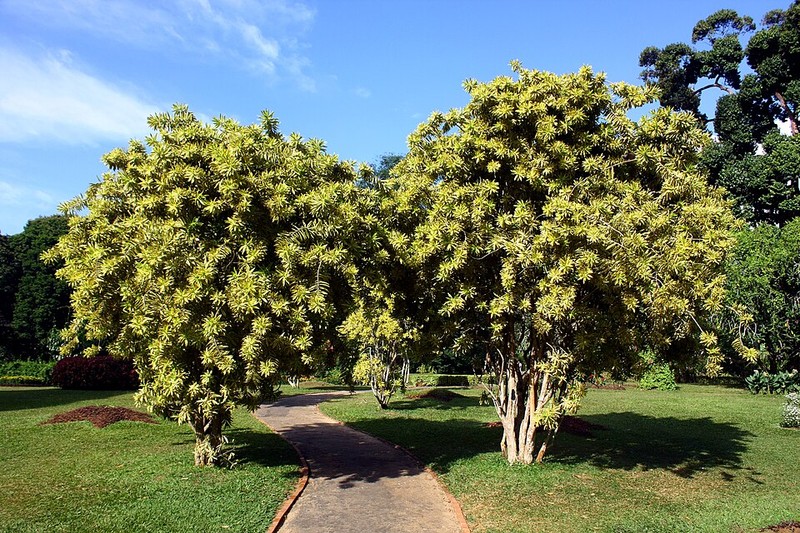
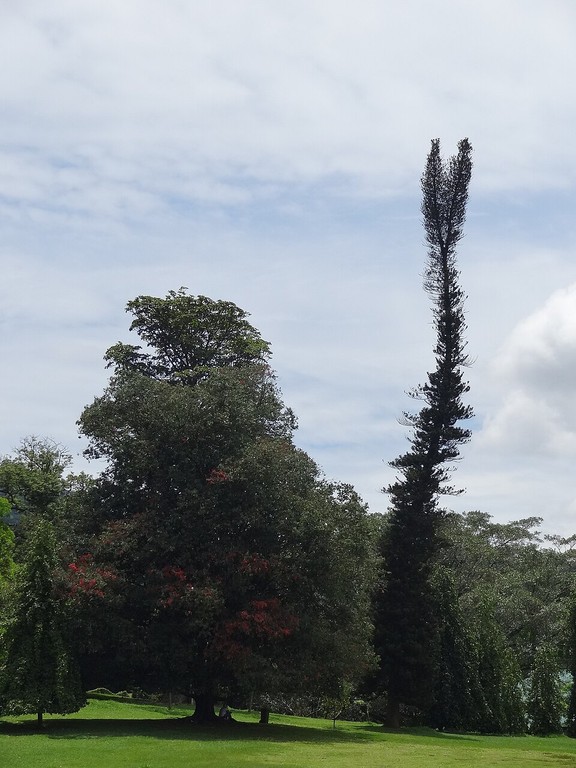
The collections include palms, bamboo, orchids, ferns, cacti, spice plants, medicinal species and valuable timber trees. An arboretum contains mature trees, while carefully arranged botanical collections give the grounds the feel of a vast tropical park.
Avenue of Royal Palms
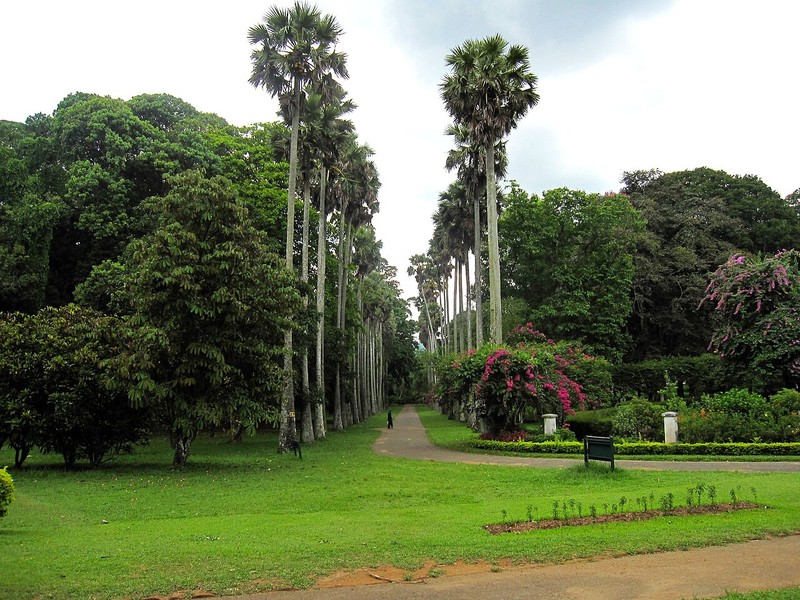
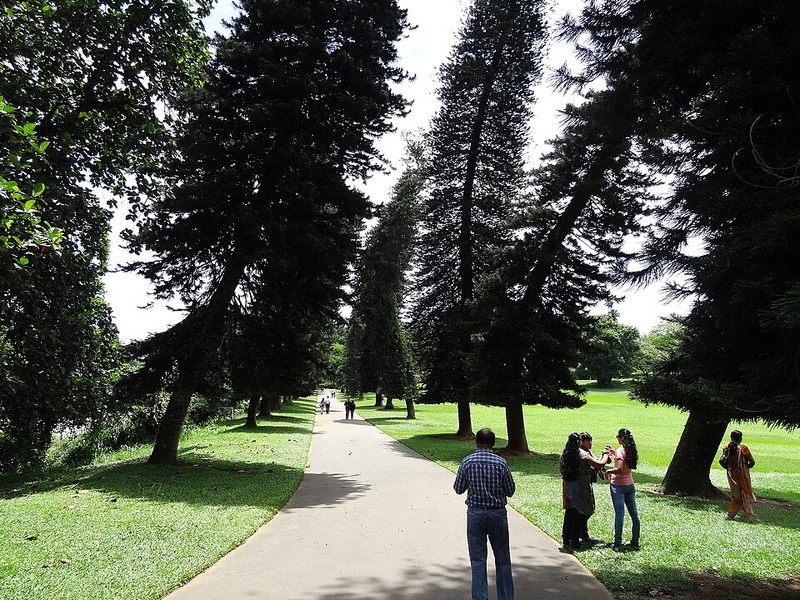
One of the gardens' most recognisable features is the Avenue of Royal Palms along the main walking route. Tall, slender trunks form a striking perspective and have become a symbol of Peradeniya. Other palm collections include palmyra and cabbage palms, which differ in their trunks, leaves and crowns.
The Orchid House
The Orchid House is one of the main attractions. Visitors can see tropical orchids in a variety of shapes and colours, including Phalaenopsis, Dendrobium and Vanda, as well as hybrids. Many orchids are adapted to growing on trees and obtain moisture from the surrounding air. Flowering times vary by species and growing conditions.
The giant Javan fig tree
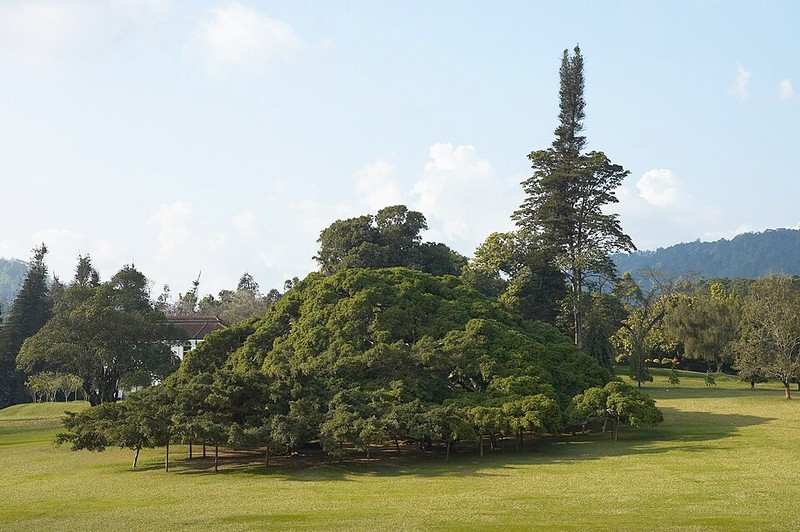
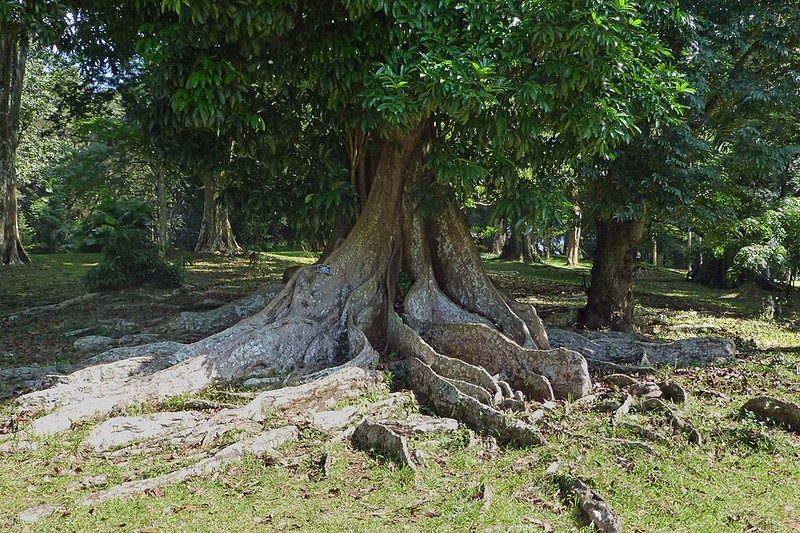
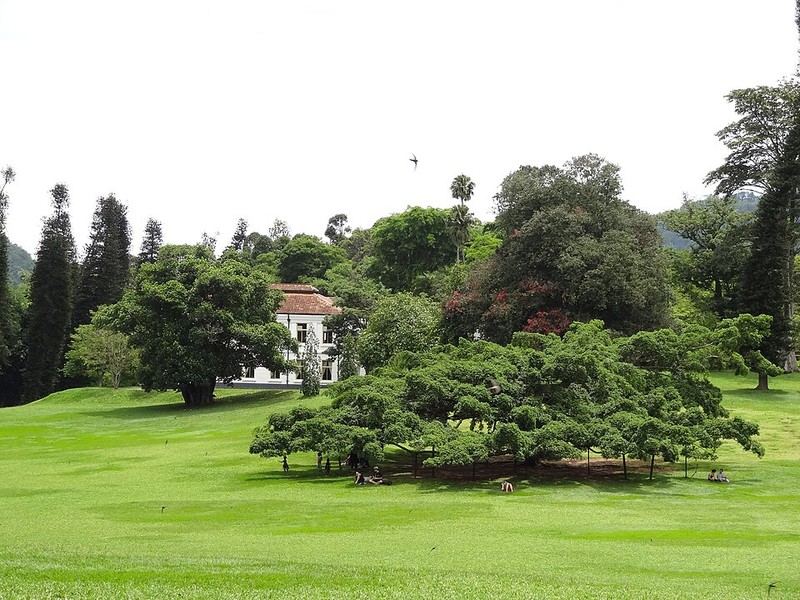
An old Javan fig tree is among the gardens' most impressive specimens. Its enormous canopy and spreading roots create a natural umbrella of shade. The tree's unusual silhouette makes it a favourite photography spot and illustrates how large tropical plants can grow in favourable conditions.
Giant bamboo
The bamboo collection includes species that can reach several dozen metres in height. Some giant bamboo stems may grow to around 30–40 metres. Dense stands contrast with the manicured lawns and flower displays. Visitors can compare different species by their height, stem thickness and leaf shape.
Spice Garden and medicinal plants
A dedicated area introduces spice plants that have long been important to Sri Lanka's history and economy. Cinnamon, pepper, cardamom, nutmeg and other culinary crops are represented. The medicinal plant collection introduces species used in the island's traditional medicine and demonstrates the practical importance of botanical knowledge.
Ferns, cacti and flower beds
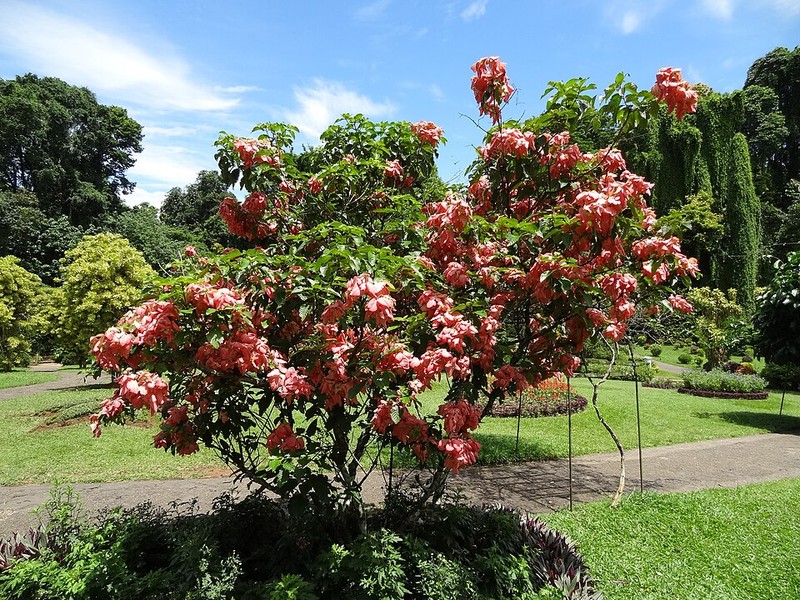
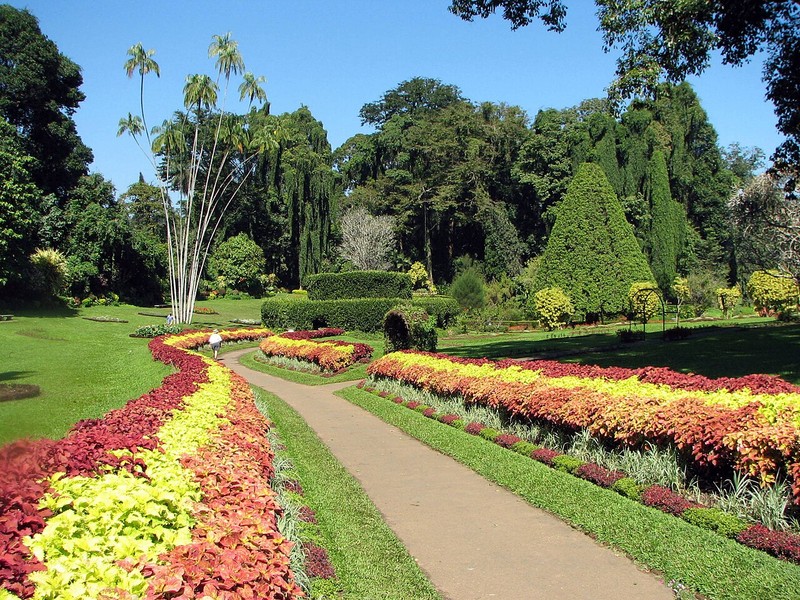
The fernery features shaded paths and humid conditions suited to plants that prefer filtered light. Another area displays cacti and succulents adapted to drier environments. The Flower Garden contains ornamental plants, seasonal blooms and colourful foliage. Its appearance changes throughout the year according to flowering cycles and weather.
The Mahaweli River and garden scenery
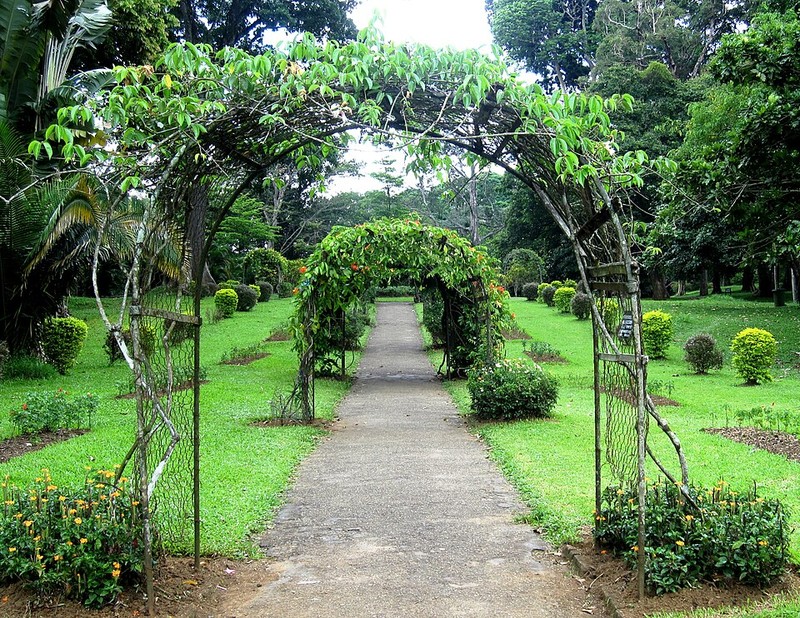
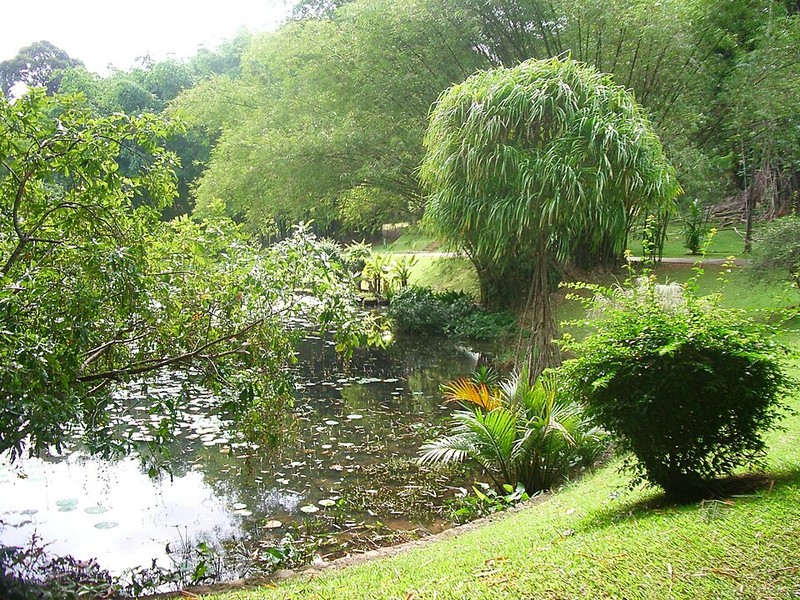
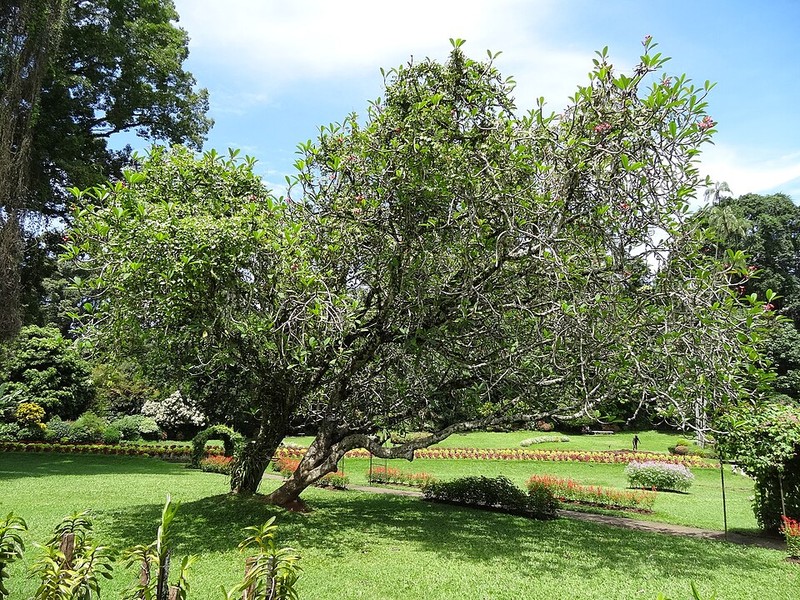
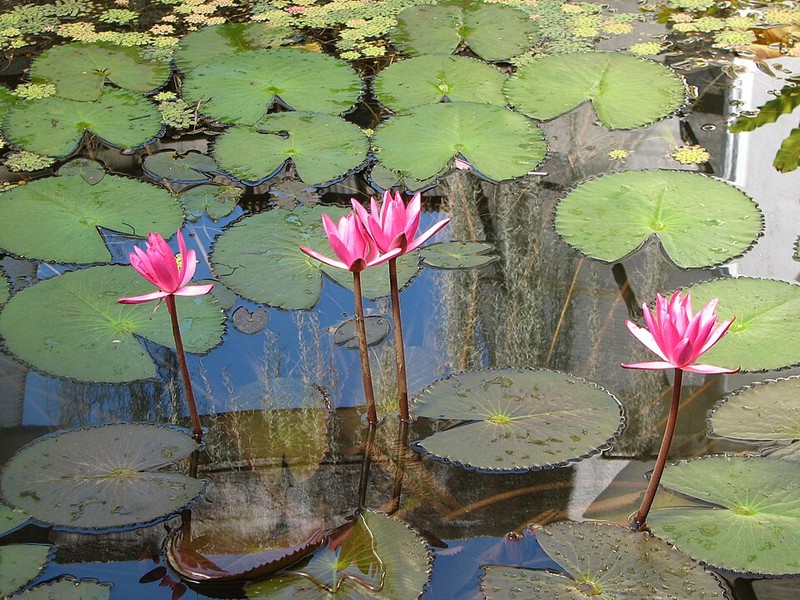
The Mahaweli, Sri Lanka's longest river, forms a natural boundary along part of the gardens. Water, open lawns and tall trees create attractive views. Ponds and aquatic plants add variety to the landscape. Walking routes lead from sunny clearings into shaded tropical areas.
What to see during a visit
For a first visit, include the Avenue of Royal Palms, Orchid House, Javan fig tree, bamboo collection, Spice Garden, fernery and flower beds. Visitors interested in plants may also enjoy the arboretum, while those seeking a quiet break can relax on the lawns. Allow several hours, or about half a day to explore the collections and take photographs. Comfortable walking shoes are recommended.
How to get to Peradeniya
The gardens are about 5.5 kilometres west of Kandy, near the Colombo–Kandy road. Visitors can travel from Kandy by local bus, taxi or tuk-tuk; journey time depends on traffic. The gardens are also easy to include in a tour of Kandy and its surroundings. Check current visiting conditions, ticket prices and opening times before travelling, and bring water for the walk.
Best time to visit
The gardens welcome visitors throughout the year. Sri Lanka's tropical climate keeps the grounds green, although rainfall and flowering periods vary. Walking is often more comfortable in drier weather, while the plants look especially fresh after rain. Morning and late afternoon are good times for photography because the light is softer and the open paths may feel less hot.
Why visit the Royal Botanic Gardens
Peradeniya combines natural beauty, history and scientific importance. Visitors can discover unusual tropical plants, stroll beneath palm avenues, learn about Sri Lankan flora and relax in spacious green surroundings. The gardens are suitable for families, nature lovers, photographers and travellers looking for a peaceful break near Kandy.
Gallery