Al-Muizz Street – the historic heart of Cairo
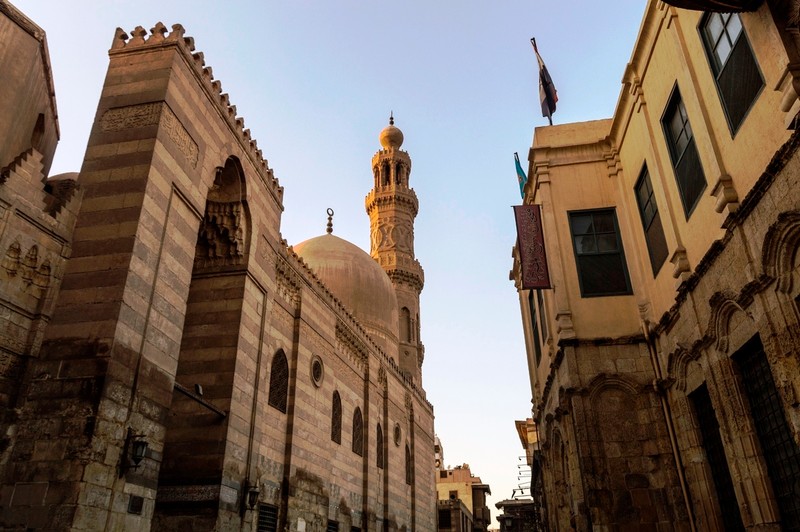
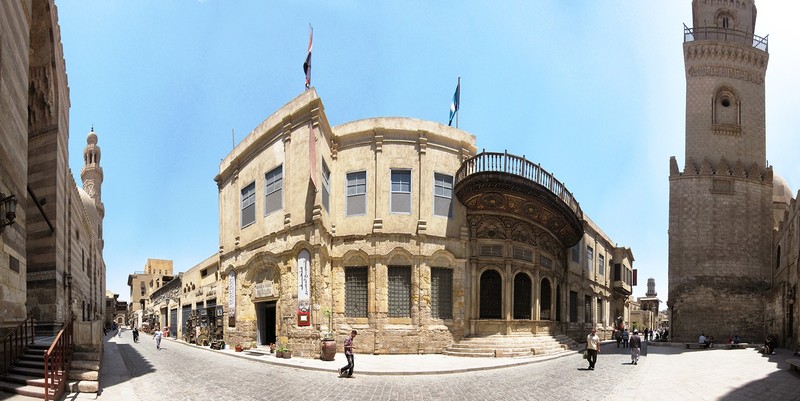
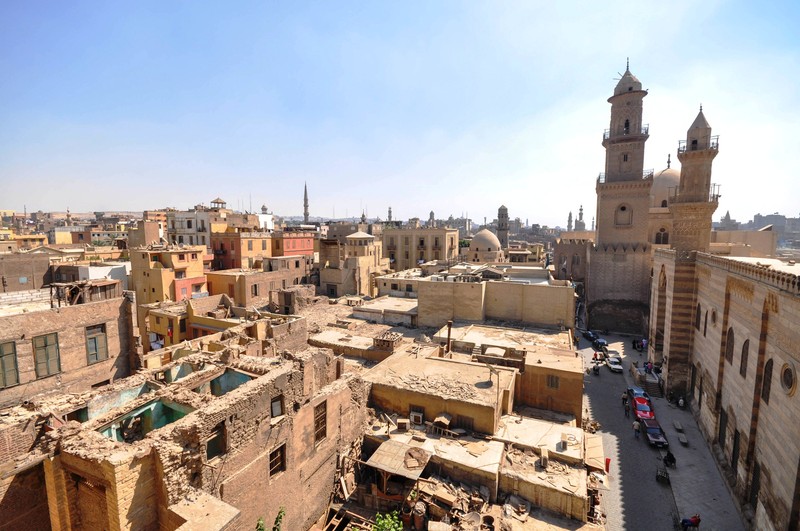
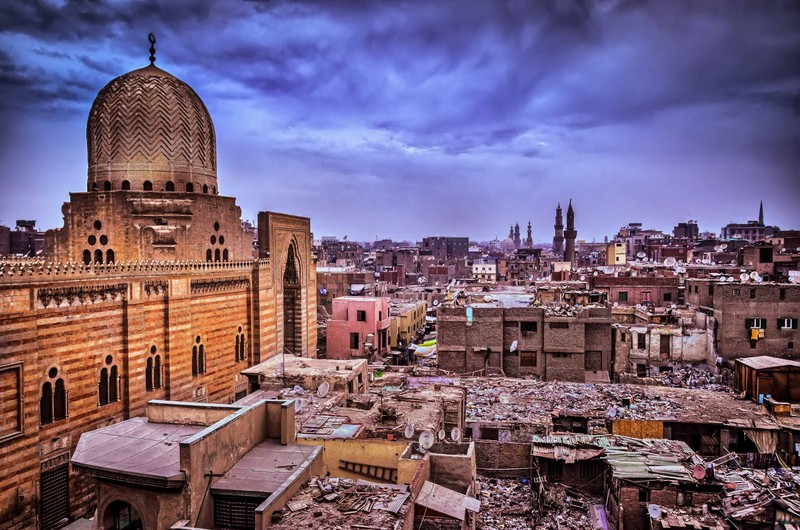
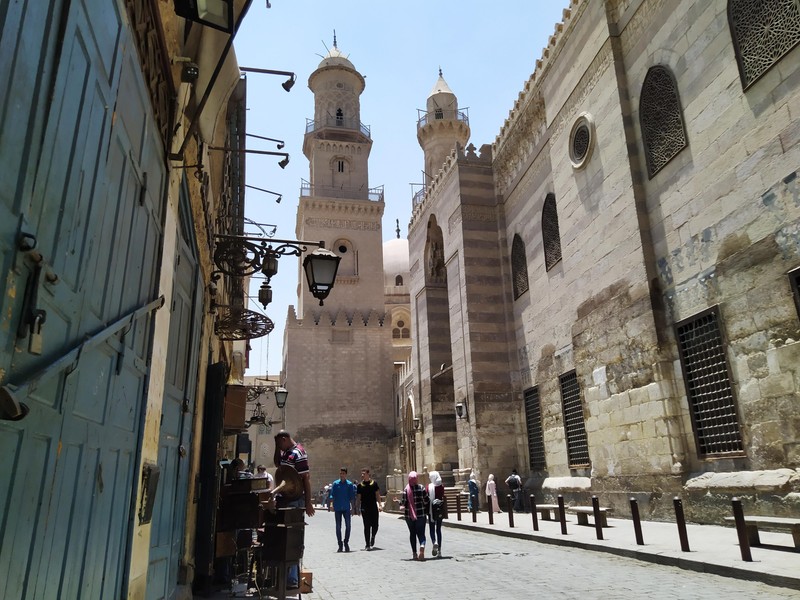
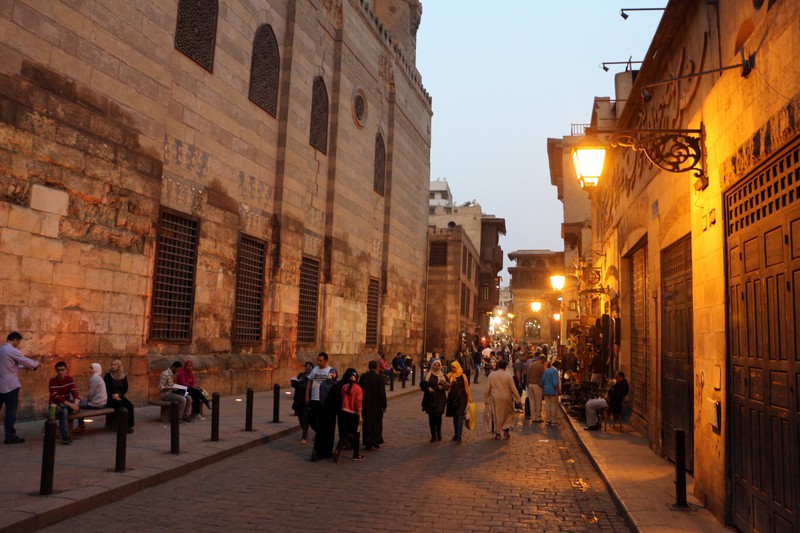
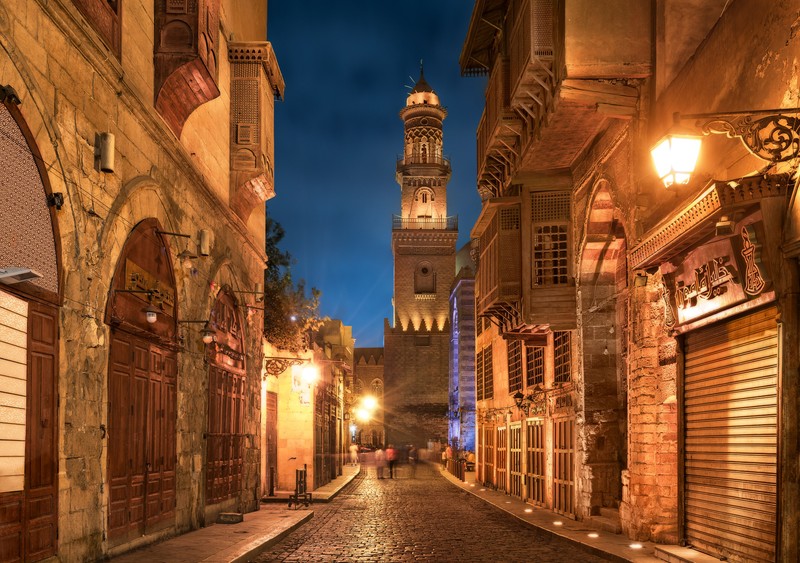
Al-Muizz Street is one of Cairo’s best-known historic thoroughfares and an important part of the old Islamic city. Mosques, madrasas, palaces, mausoleums, public fountains, traditional houses and commercial buildings from different periods line its route. Walking along the street offers a vivid view of how Cairo developed over nearly a thousand years.
Origins and name
The street is named after the Fatimid caliph al-Muizz li-Din Allah. After the Fatimids conquered Egypt in 969, their commander Jawhar al-Siqilli founded a new city that became the dynasty’s capital. Cairo later developed into a major political, religious and commercial centre.
The historic route runs north to south between Bab al-Futuh and Bab Zuwayla, two famous gates in Cairo’s old walls. Its buildings reflect the city’s development under the Fatimids, Ayyubids, Mamluks and Ottomans. Today, it is one of the most remarkable architectural ensembles in historic Cairo.
An open-air museum of Islamic architecture
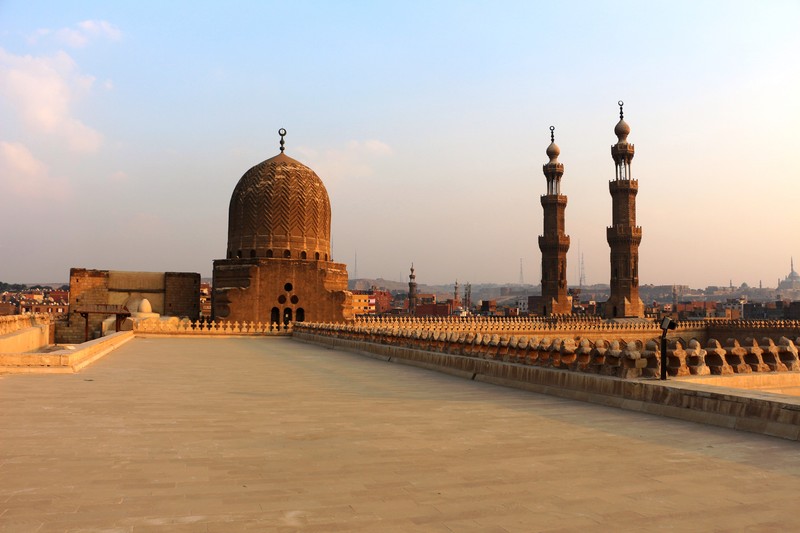
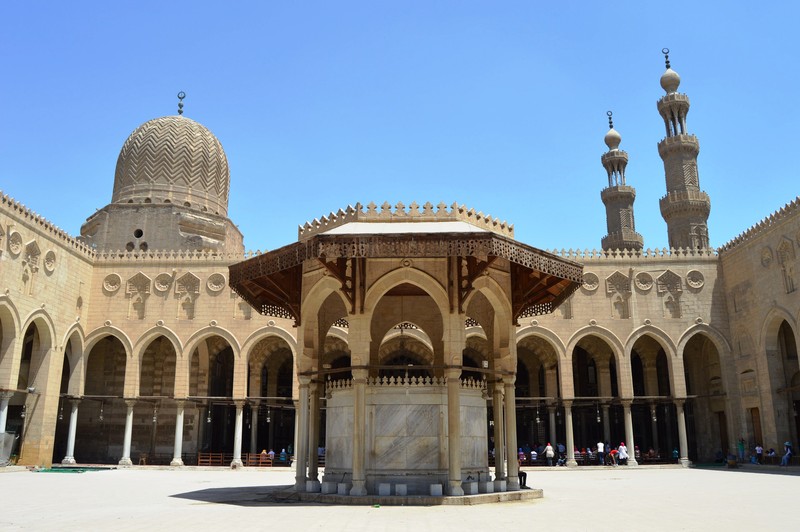
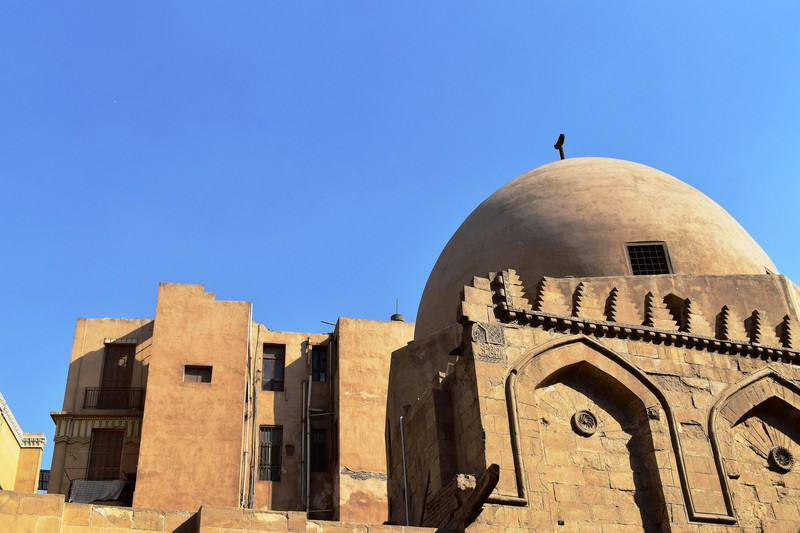
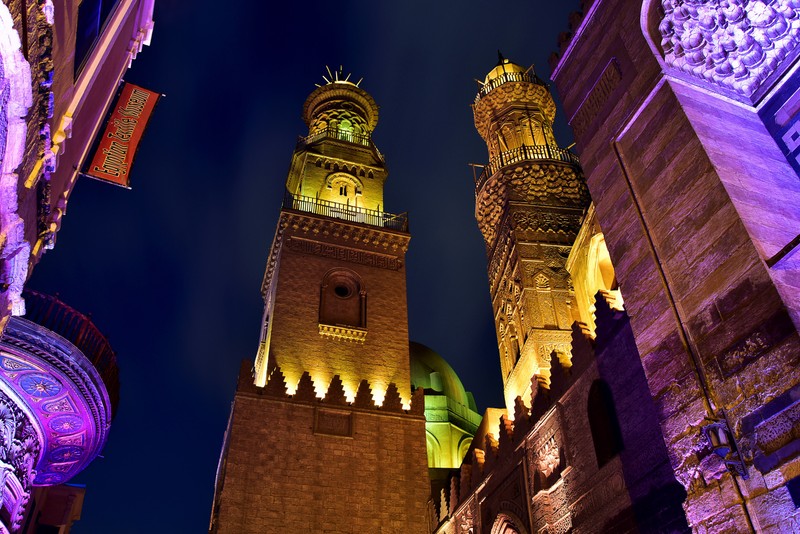
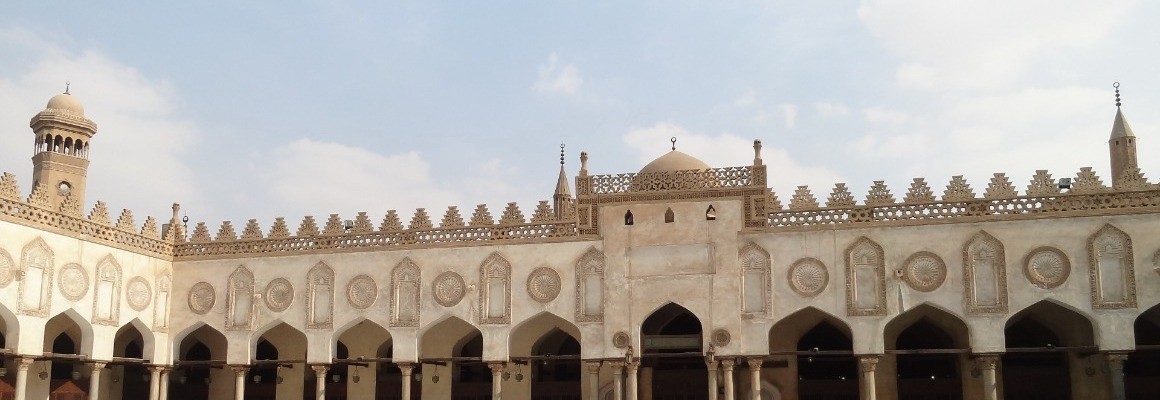
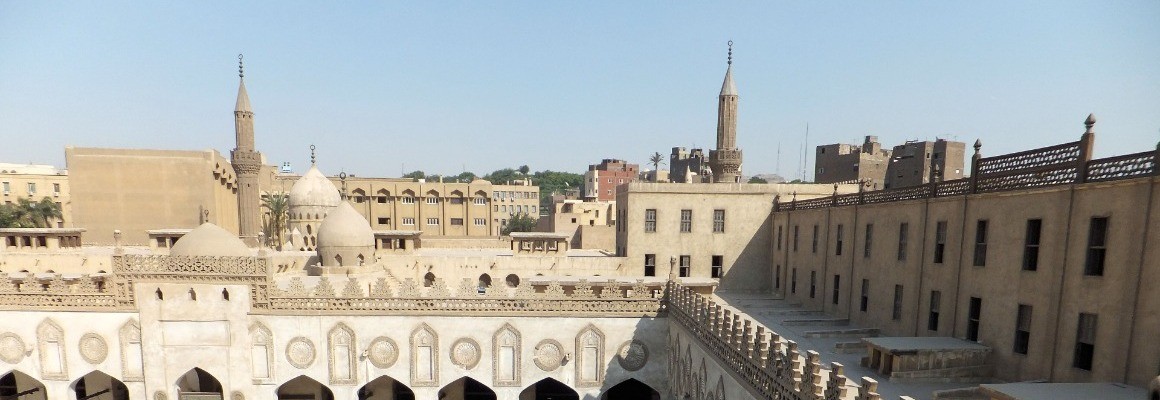
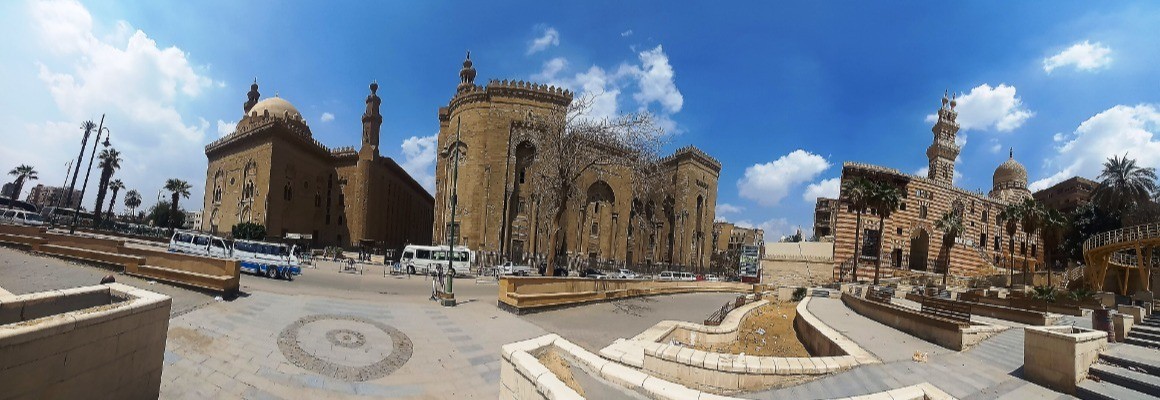
The street brings together monuments from different centuries. Fatimid buildings often feature geometric forms and carved stonework, while Mamluk monuments are known for monumental portals, domes, minarets and elaborate decoration. Among the principal landmarks are the Mosque of al-Hakim, the Mosque of al-Aqmar, the Qalawun Complex, the Mosque and Madrasa of Sultan Barquq, and the Palace of Emir Bashtak.
Bab al-Futuh and the Mosque of al-Hakim
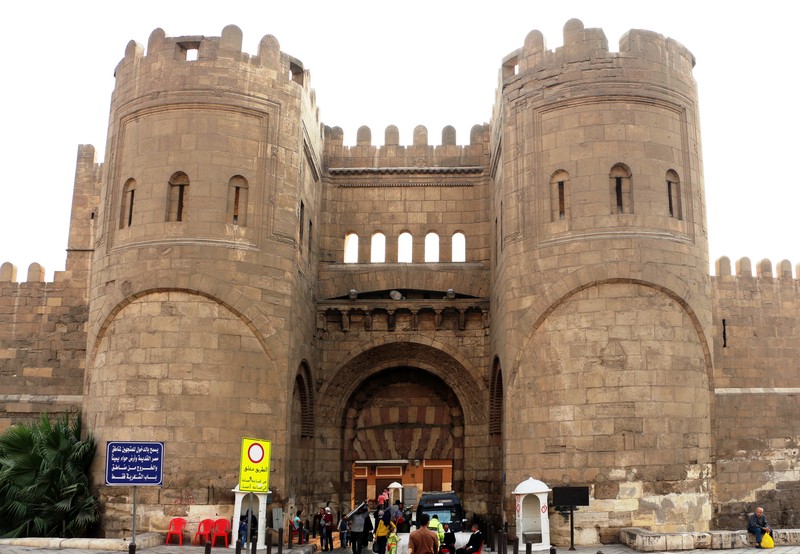
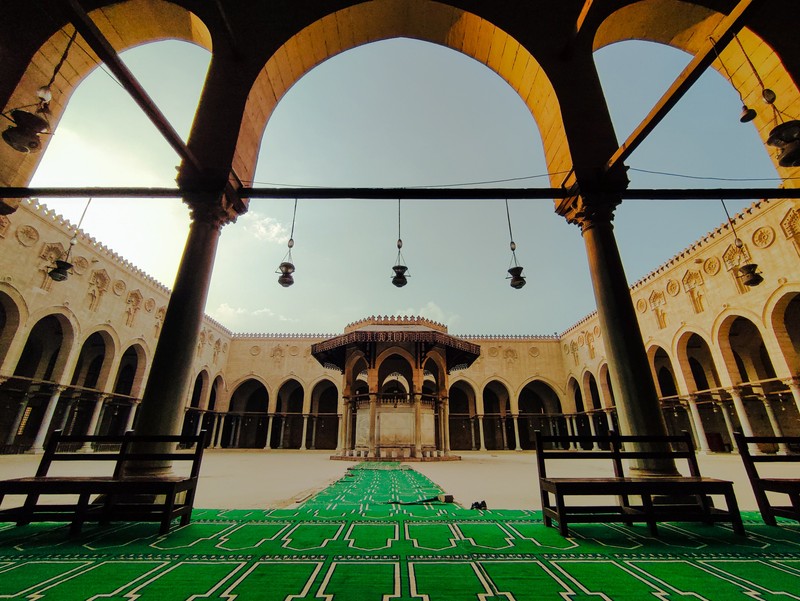
The northern entrance is marked by Bab al-Futuh, a fortified gate rebuilt in the 11th century under the Fatimid vizier Badr al-Jamali. Nearby stands the Mosque of al-Hakim bi-Amr Allah, begun in 990 and completed in 1013. Its broad courtyard, massive minarets and restrained architectural forms make it one of the key Fatimid monuments in Cairo.
The Mosque of al-Aqmar and the Qalawun Complex
The early 12th-century Mosque of al-Aqmar is known for its finely carved façade and unusual design, adapted to the dense urban setting. The Qalawun Complex, founded in 1284, combined a mausoleum, madrasa and hospital. It illustrates how religious life, education and charitable services were closely connected in medieval Cairo.
Markets and Khan el-Khalili
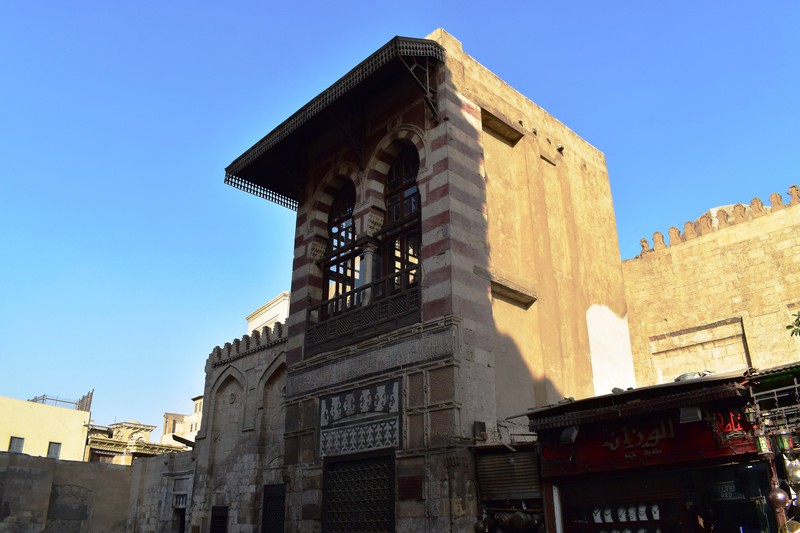
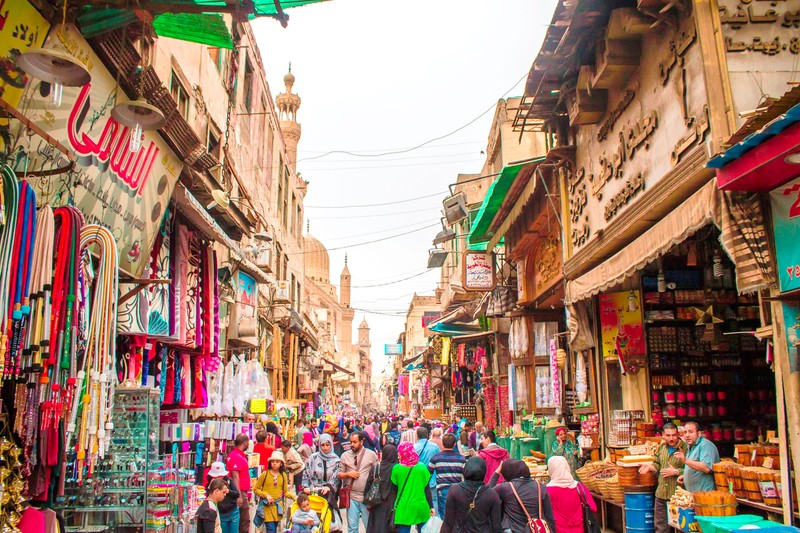
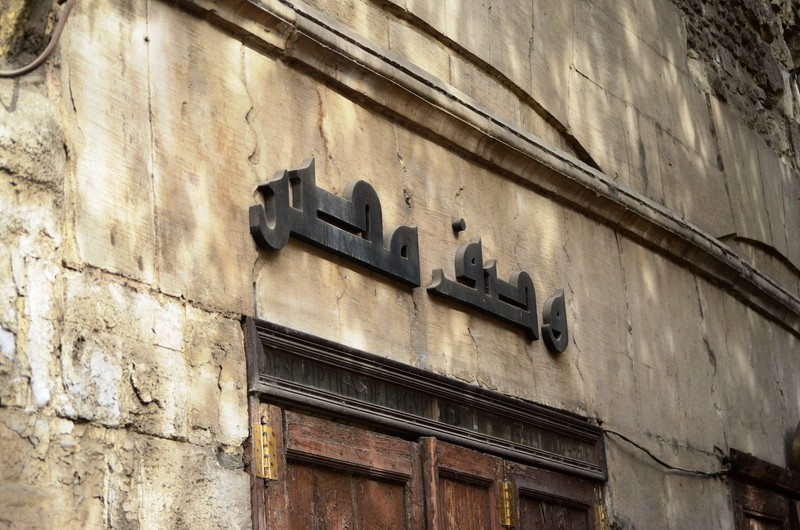
Al-Muizz Street was also an important commercial route. Nearby lanes contain traditional markets and craft workshops, while the famous Khan el-Khalili bazaar offers souvenirs, jewellery, spices and local crafts. Wooden doors, old shop signs, arches and courtyards help preserve the atmosphere of the historic city.
Bab Zuwayla
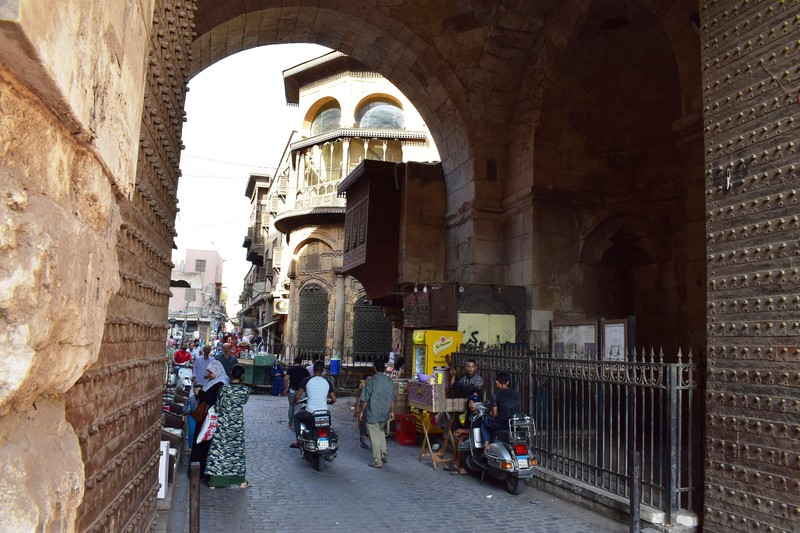
The southern end of the route is marked by Bab Zuwayla, another surviving gate from Cairo’s medieval fortifications, built in the 11th century. Its two massive towers form a striking entrance to the old city. The minarets of the Mosque of Sultan al-Mu'ayyad were later built above the gate, creating one of Cairo’s distinctive historic silhouettes.
UNESCO heritage
Al-Muizz Street forms part of Historic Cairo, inscribed on the UNESCO World Heritage List in 1979. Its importance lies in the survival of an entire urban environment, where monuments from different centuries form a coherent historic landscape. The street offers a view of Islamic architecture from the Fatimid era through the Ottoman period.
Visiting Al-Muizz Street
A convenient walking route runs from Bab al-Futuh in the north to Bab Zuwayla in the south. Allow several hours to explore the street, especially if you plan to enter historic buildings. Opening hours, admission and access rules vary by monument, so check current information in advance. When visiting active mosques, dress modestly and respect prayer times.
Why visit Al-Muizz Street?
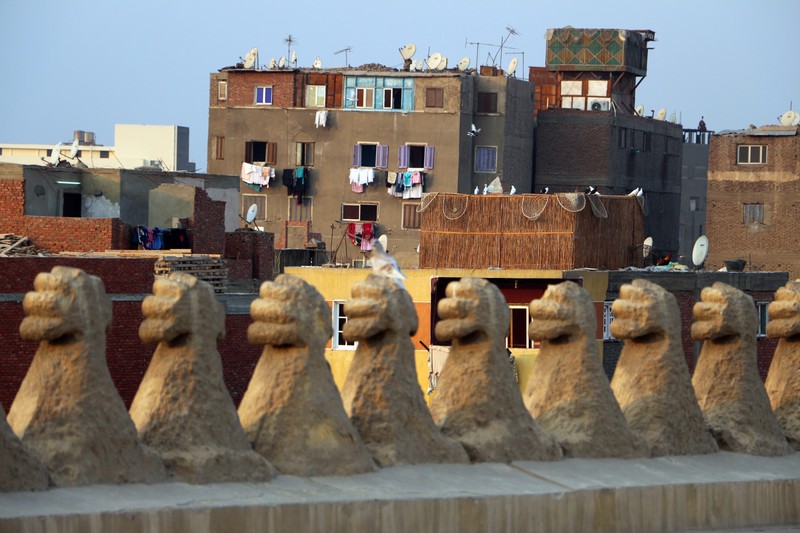
Al-Muizz Street is one of the best places to discover Cairo’s history and the architecture of Islamic Egypt. It is not simply an open-air museum: historic buildings stand alongside markets, craft shops and everyday urban life, making the area a living part of the city.
Gallery