The Wuyi Mountains are a scenic mountain range in southeastern China, mainly in Fujian Province near the border with Jiangxi Province. The region is known for its unusual red cliffs, deep gorges, winding rivers, subtropical forests and historic cultural sites. This combination of natural diversity and cultural heritage makes Wuyi one of China's most remarkable mountain regions.
In 1999, Mount Wuyi and its associated natural and cultural areas were inscribed on the UNESCO World Heritage List. The site is protected for its exceptional scenery, rich biodiversity and importance to the history of Chinese philosophy. UNESCO particularly highlights the region's role in the development of Neo-Confucianism and the conservation of rare plant and animal species.
Mountain scenery and red cliffs
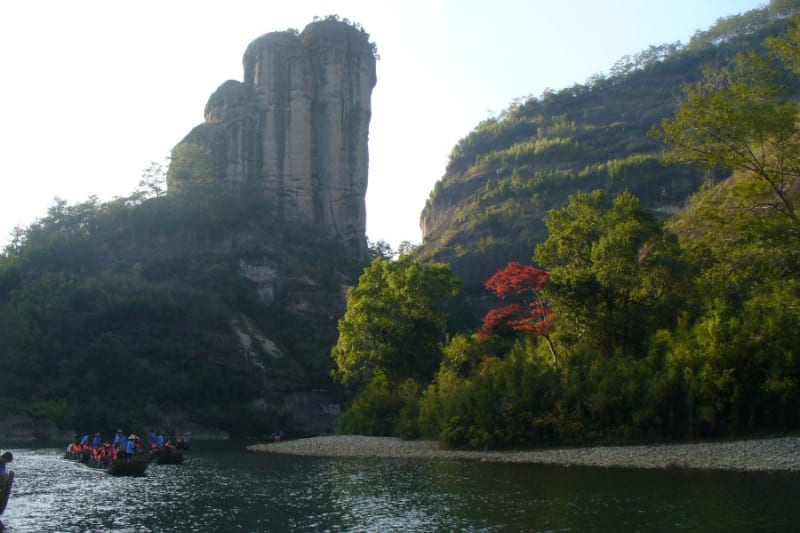
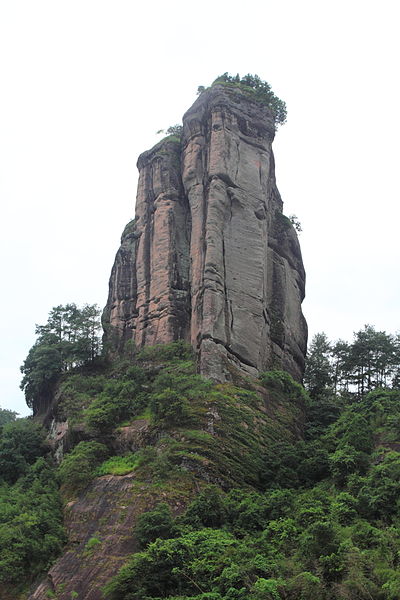
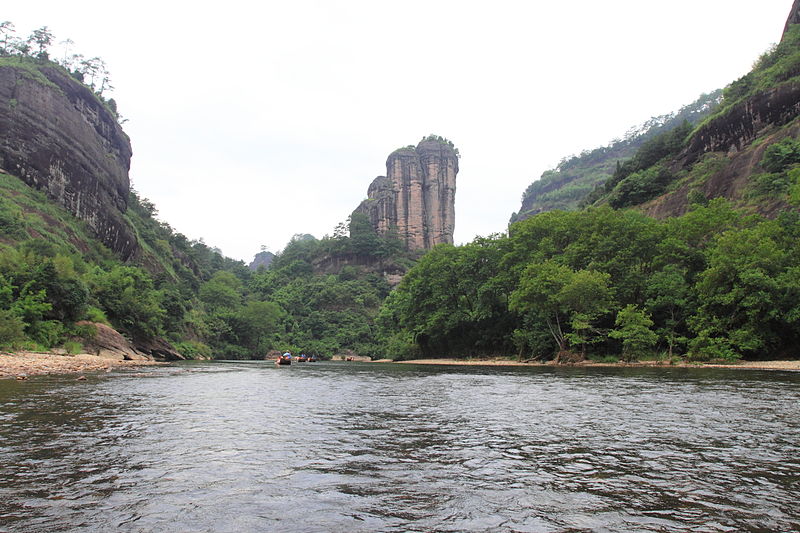
The landscape of Wuyi is shaped by mountains, rocky monoliths, gorges and river valleys. Its most characteristic features are reddish cliffs of sandstone and other sedimentary rocks, sculpted into unusual forms by weathering and erosion. Some sheer rock walls rise hundreds of metres above the river, creating dramatic panoramas.
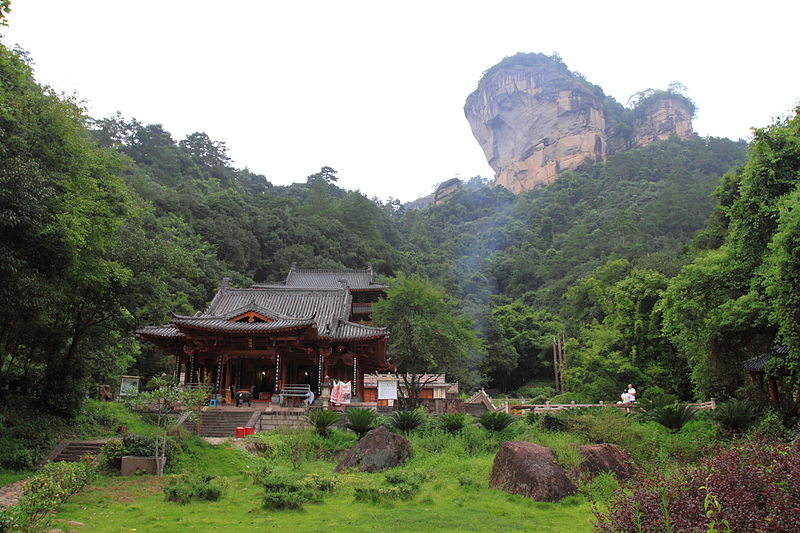
The scenic area contains numerous peaks, caves and narrow passages between cliffs. Mist, humid air and dense vegetation give the region a distinctive atmosphere. Unlike high mountain regions with alpine scenery, Wuyi is dominated by forested slopes and warm, humid valleys.
The Nine-Bend River
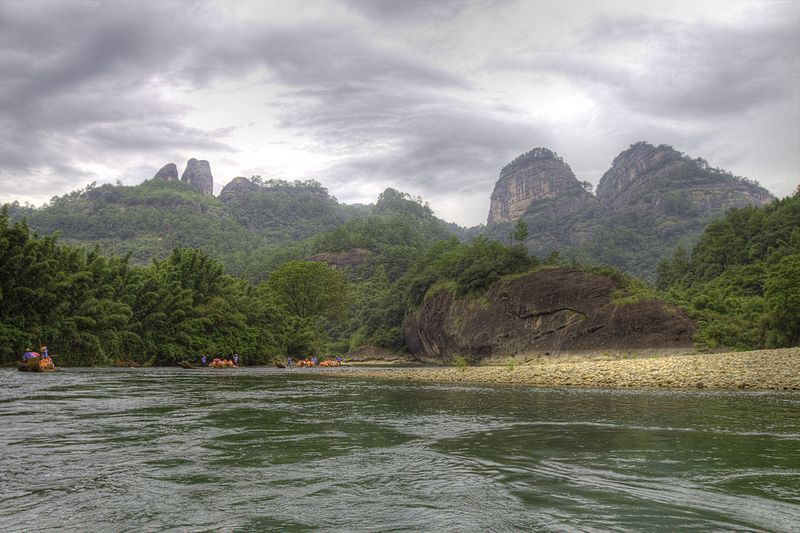
One of the region's main attractions is the Jiuqu Stream, also known as the Nine-Bend River. It winds between cliffs and green hills, forming a succession of bends, calm stretches and deep gorges. The contrast between red cliffs, clear water and dense vegetation is one of Wuyi's most recognizable landscapes.
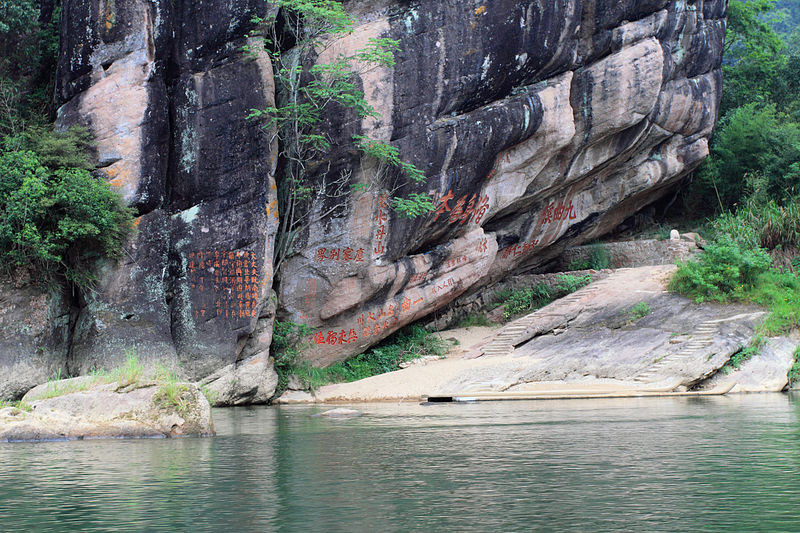
A popular way to explore this part of the mountains is to take a bamboo-raft trip along the calmer sections of the river. The journey offers views of rocky peaks, forested slopes and small natural recesses. Along the route, visitors may also see traces of old paths and historic structures connected with the region's cultural history. Raft trips depend on weather, water levels and current visitor regulations.
Rich subtropical biodiversity
The Wuyi Mountains are among the most important biodiversity conservation areas in southeastern China. Extensive areas of subtropical forest remain, supporting ancient relict species and plants characteristic of the region. Changes in elevation, a humid climate and varied habitats create favourable conditions for a wide range of plants and animals.
The protected area supports numerous species of insects, amphibians, reptiles, birds and mammals. Some local plants and animals have limited distributions. This makes Wuyi important not only for tourism but also for scientific research and nature conservation.
Home of famous tea
The Wuyi region is widely known for its tea culture. Its slopes produce renowned Wuyi oolong teas, including Da Hong Pao, whose name means “Big Red Robe.” Tea gardens lie among cliffs, forests and valleys, while local growing conditions and traditional processing methods have given these teas a distinctive reputation.
Tea is not merely an agricultural product here; it is also part of the region's cultural heritage. Travellers can learn about tea cultivation and preparation, visit tea farms and sample local varieties. Protected natural areas have their own restrictions, so tea production takes place in designated zones.
Historical and philosophical heritage
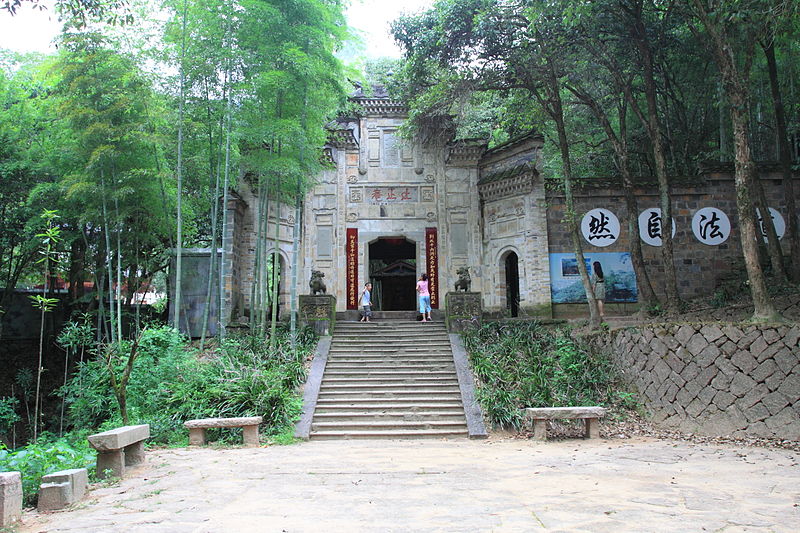
Wuyi has great significance in the history of Chinese thought. In the 11th century, the region became an important centre for the development of Neo-Confucianism, a philosophical movement that influenced education, government and East Asian culture for centuries. Academies, temples and places of scholarly retreat were established here.
The mountain landscape contains numerous historic remains, including ancient cliff inscriptions, temple and monastery ruins, archaeological sites and traces of former centres of learning. The wider protected area also includes the remains of Chengcun, an ancient administrative centre established during the Han dynasty. These sites illustrate the long-standing connections between nature, religion and philosophy in the region.
What to see in the Wuyi Mountains
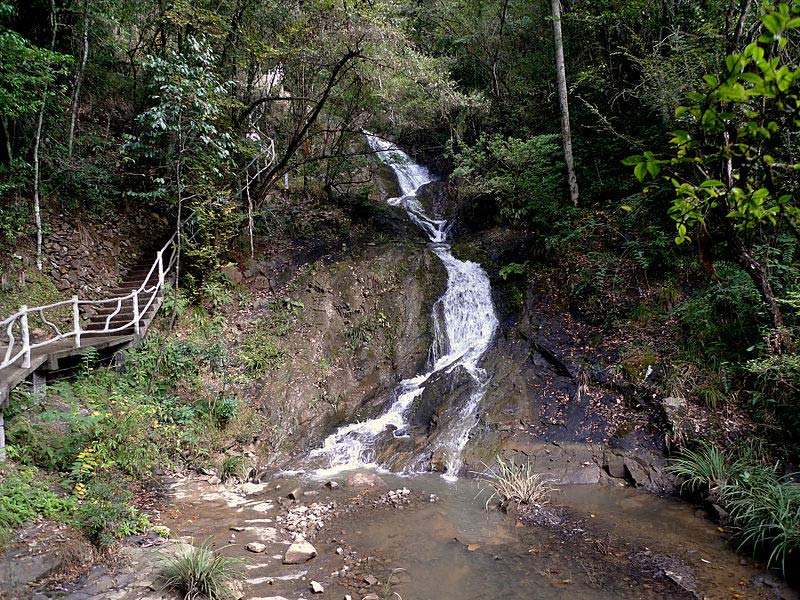
A visit usually combines walks along maintained trails, viewpoints overlooking the cliffs and a journey along the Nine-Bend River. The viewing platforms offer particularly impressive perspectives of the red rock formations and the winding river. Visitors interested in culture can explore historic sites, ancient inscriptions and local tea traditions.
Routes vary in length and difficulty. Some are suitable for relaxed walks, while others involve steps and rocky paths. Before setting out, check access to individual areas, entry requirements and the schedule for river excursions.
Best time to visit
The Wuyi Mountains can be visited in different seasons, although the climate is humid and rainfall is possible throughout the year. In spring, the slopes are especially green and forests and valleys look fresh after rain. Summer brings lush vegetation, but high humidity and heat can make walking tiring. Autumn is often comfortable for hiking, although conditions vary from year to year.
Check the weather forecast and trail conditions before travelling. After heavy rain, some paths or river excursions may be temporarily closed. Comfortable shoes with good grip, rain protection and enough drinking water are recommended for exploring the mountains.
Natural and cultural heritage
The Wuyi Mountains are a rare example of a place where outstanding natural beauty meets a long cultural history. Red cliffs and river gorges sit alongside subtropical forests, tea gardens and monuments connected with Chinese philosophy. This combination makes the region appealing to visitors interested in nature, history, architecture and traditional tea culture.
A visit to Wuyi reveals not only the striking landscapes of southeastern China but also the close relationship between local culture and the natural environment. Protecting this distinctive landscape is important for the conservation of rare species and historic monuments.
Gallery